

GHIC Files IPO Prospectus as a 'Partner' in Medical Scientific Research Commercialization
Since the onset of the pandemic in early last year, everyone has undoubtedly undergone countless temperature screenings. In this process, we have encountered a wide variety of screening devices, primarily including infrared thermometers, infrared human body temperature screening systems, and facial recognition-enabled infrared thermometers. Compared with traditional thermometers, these new-generation devices offer advantages such as higher measurement accuracy, faster result display, and greater throughput for large-scale screening. They have already captured a significant market share and have become the new “favorites” in the field of temperature screening.
Such “generational transitions” have been continuously occurring and recurring in the medical field. Core medical sectors with substantial unmet needs, such as cancer detection, surgical robotics, in vitro diagnostics, and precision therapy, are also undergoing constant updates and iterations.
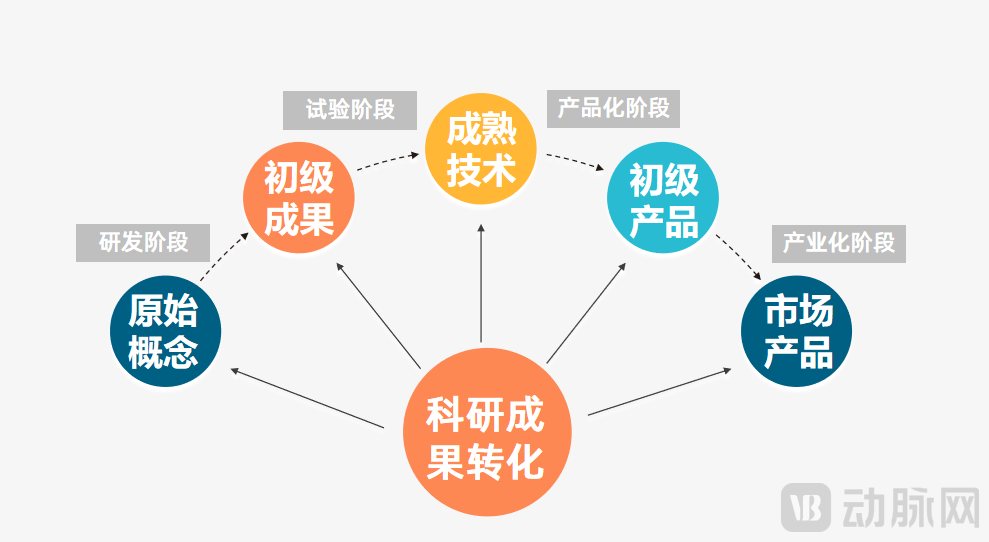
The driving force behind the successful completion of these iterations stems precisely from the repeated translation of scientific research achievements. The process of translating scientific research achievements generally undergoes several stages, progressing from an initial scientific concept to laboratory results, and then to the transformation of technology into mature commercial products with industrial implementation.“Proposing Original Concepts” “Emerging Preliminary Results” “Possessing Mature Technologies” “Realizing Initial Products” “Achieving Market-Ready Products”The five stages involve distinct tasks and, consequently, different requirements. Therefore, clarifying the interrelationships among these stages to facilitate more efficient execution at each step is an urgent challenge that the current medical research community needs to address.
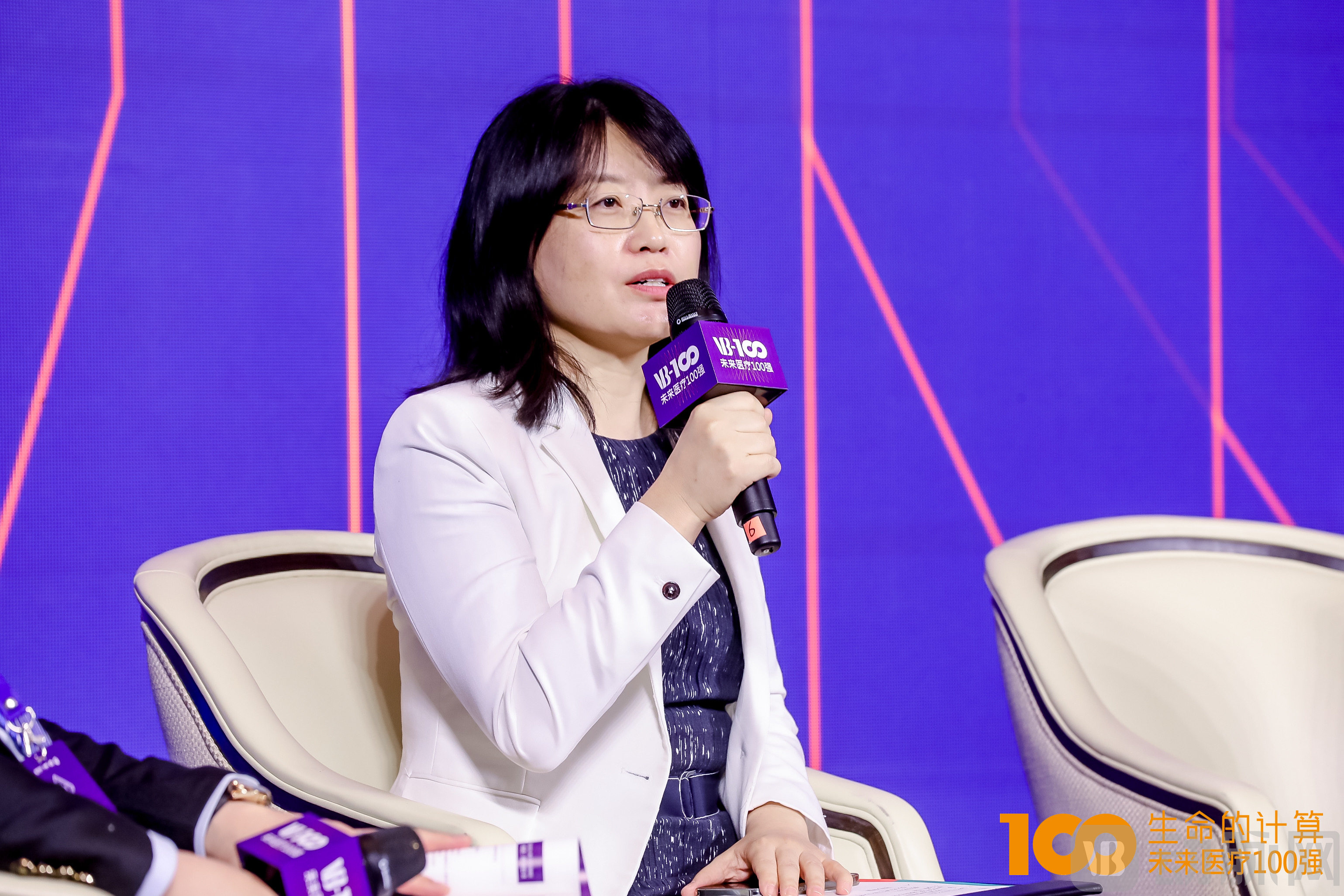 Wang Jingjing, Executive Director of the Global Health Industry Innovation Center, Institute for Industrial Innovation, Tsinghua University
Based on this, VCBeatMs. Wang Jingjing, Executive Director of the Global Health Industry Innovation Center, Tsinghua Industrial Research InstituteConducted an exclusive interview, aiming to elucidate the underlying logic of translating medical research achievements into practice from a professional perspective, with the Global Health Industry Innovation Center (hereinafter referred to as “GHIC”) as the focal point.
In recent years, the translation of scientific research achievements has become a hot topic in the medical field.
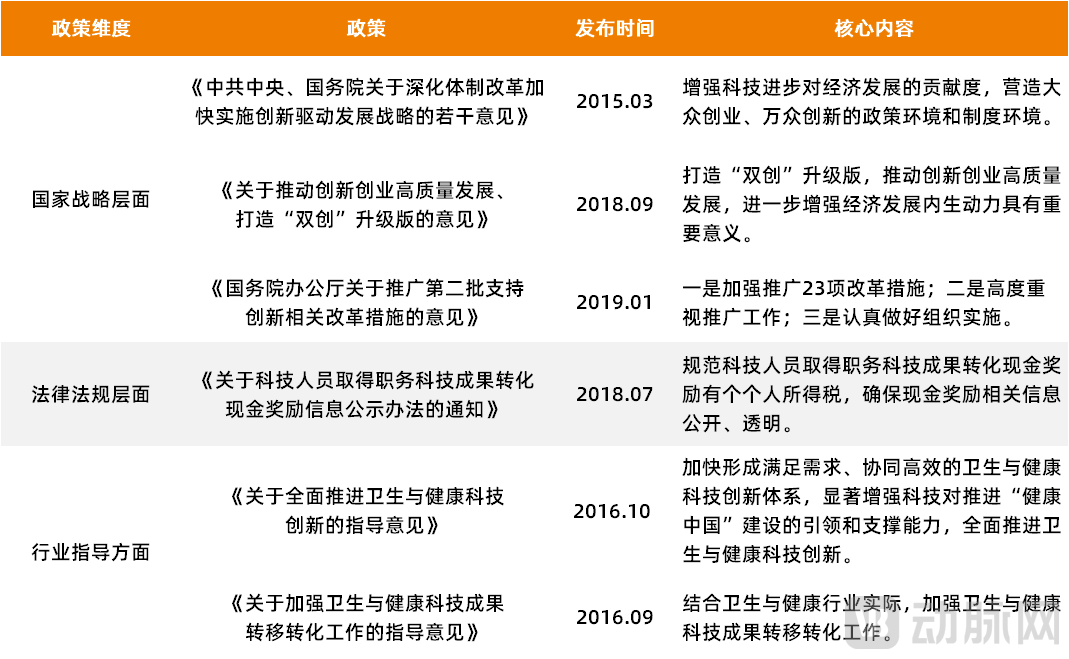
First, at the policy level.Since the 18th National Congress of the Communist Party of China proposed the innovation-driven development strategy and placed innovation at the core of national development, China has established the tone for promoting the translation of medical research achievements. A series of key policies have been successively introduced across three dimensions—national strategy, laws and regulations, and industry guidance—thereby completing the “trilogy” of policy support for the translation of scientific and technological achievements.
Secondly, on the hospital side.According to the “Circular of the General Office of the National Health Commission on the National Monitoring and Analysis of the Performance Appraisal of Tertiary Public Hospitals Nationwide in 2018,” released in July 2020, 80.34% of tertiary public hospitals received research funding support in 2018, with the value of transformed scientific and technological achievements per 100 health technical personnel reaching RMB 13.0593 million, representing a 165.96% increase compared with 2016.
Finally, at the institutional level.Marking 2014 as the pivotal year and building on the foundation of the inaugural year of internet healthcare, medical research translation institutions in China have emerged in large numbers. They can be mainly categorized into the following four types: first, national-level R&D institutions established by the state, such as the National Clinical Research Centers; second, academic R&D institutions endorsed by universities, such as GHIC; third, collaborative R&D institutions led by hospitals, such as the West China Research Base constructed under the auspices of the West China Medical Center of Sichuan University; and fourth, social R&D institutions that aggregate diverse resources, such as Westlake University, which was funded and established by the Hangzhou Westlake Education Foundation.
From every perspective, the translation of scientific research achievements is currently the “star attraction” in the medical field. Yet, amidst the fervor, we must remain clear-headed: why does this era demand the translation of medical research achievements?
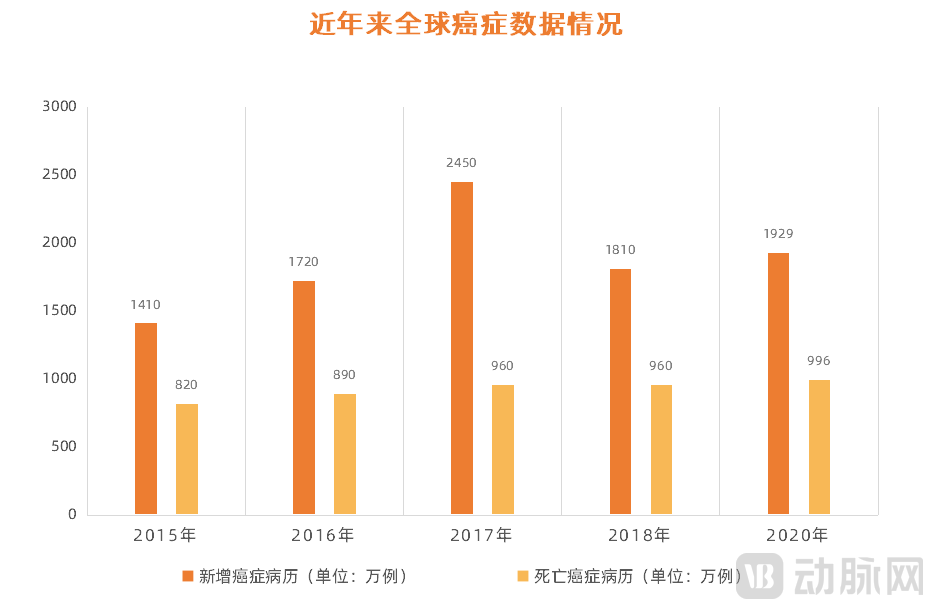
On the one hand, there are currently unmet needs in the medical field.As of May 20, 2021, the number of active confirmed COVID-19 cases worldwide exceeded 30 million, with daily new cases remaining above 250,000. The situation is extremely severe, creating an urgent need for more advanced therapeutic interventions. Meanwhile, cancer, which has been battling humanity for over a century, continues to pose significant threats to life and health. According to data released by the International Agency for Research on Cancer (IARC) of the World Health Organization, there were 19.29 million new cancer cases and 9.96 million cancer-related deaths globally in 2020. It is projected that cancer will remain the leading global “killer” by the end of this century, becoming the biggest “obstacle” on the path to extending human life expectancy.
On the other hand, there is the inherent seriousness of medicine itself.With the continuous advancement of science, medicine has become increasingly rigorous and logical. Taking the “decline” of Traditional Chinese Medicine (TCM) as an example, despite its development over nearly a millennium, TCM has gradually receded to a supplementary role in fitness, wellness, and regulatory care with the rise of modern medicine. This is primarily because, compared to Western medicine, TCM’s theoretical framework is largely based on subjective conjecture rather than scientific evidence, rendering its persuasive power weak. In recent years, however, TCM scholars have been actively exploring the scientific principles underlying TCM therapies, striving to align TCM perspectives with scientific explanations from Western medicine.
Prior to 1952, tuberculosis was regarded as a "terminal illness" for which there was no cure other than awaiting death. However, with the successful market launch of therapeutic drugs, tuberculosis is no longer feared. This dramatic shift is attributable to advances in medicine, more specifically, to substantive progress derived from the repeated translation of scientific research achievements into clinical applications. This underscores the fundamental reason why the translation of medical research outcomes is needed in our time: to address unmet needs in the medical field and enhance human health and well-being.
Every step forward in human medicine is made possible not only by the tireless research of scientists but also by the efforts of technology transfer organizations working behind the scenes. Among these “unsung” institutions, GHIC stands as a prime example.
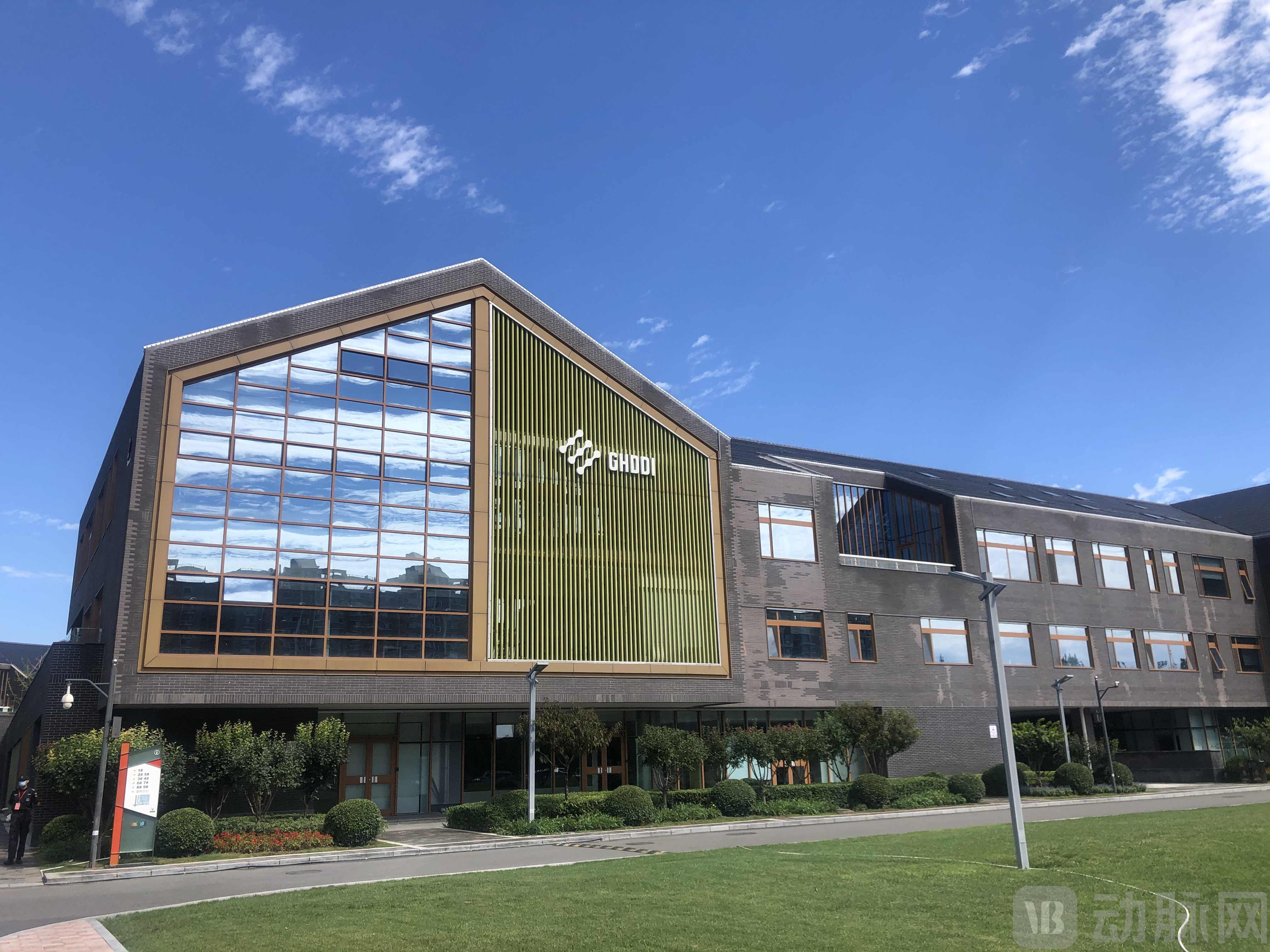
GHIC, located in the Zhongguancun Dongsheng International Science Park, was initiated and established by the Beijing Tsinghua Industrial R&D Institute. It aims to connect with global medical innovation technologies and resources, strengthen the commercialization of scientific and technological achievements, and facilitate the effective implementation and development of innovative technologies in medical devices, diagnostics, and services. GHIC serves as a comprehensive platform supporting the incubation of early- to mid-stage medical device projects.
The establishment of GHIC was not accidental, but an inevitable outcome resulting from the convergence of multiple factors. In Wang Jingjing’s view, GHIC inherently possesses the essential elements to drive the translation and development of medical research achievements.
First, there is a daunting mission.GHIC was initiated and established by the Industrial Technology Research Institute of Tsinghua University, which has shouldered the mission of transferring and commercializing Tsinghua University’s scientific and technological achievements since its inception.
Secondly, there is heritage and accumulation.Although GHIC has been established for less than five years, Tsinghua Industrial R&D Institute (TIDI) entered the healthcare sector early on and nurtured key projects for leading enterprises such as PINS Medical, Daqing Biology, and LargeV Instrument. The experience gained from these efforts, along with the methodologies and systems developed during the incubation process, have been ingrained in GHIC’s development like genetic code.
Then there are ample resources.The medical device sector requires the integration of a wide array of technologies, including electronics, mechanics, information technology, transmission technology, and optics, encompassing diverse disciplines and entailing considerable complexity. This field is well-suited to leverage Tsinghua University’s strengths in engineering, thereby attracting and connecting a broader pool of talent. Furthermore, Beijing boasts abundant medical resources; according to the latest data, the city is home to 78 Grade A tertiary hospitals, ranking first nationwide.
Finally, we must establish a global presence.Introducing advanced international projects and resources can not only foster positive interaction and complementary advantages with domestic initiatives, but also promote mutual learning and technological exchange.
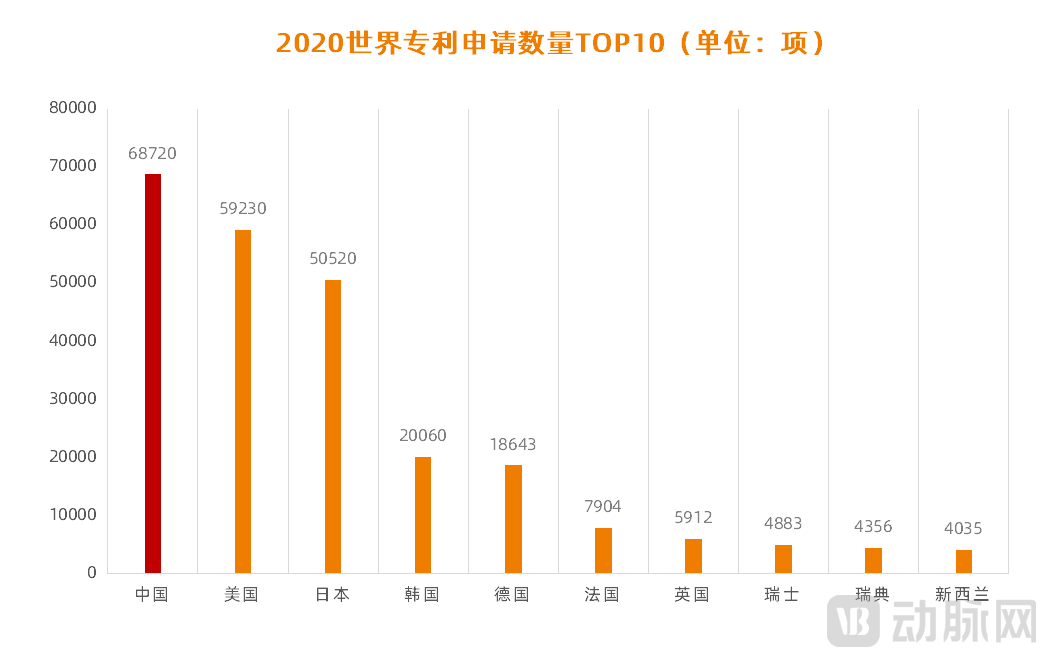
According to the latest data released by the World Intellectual Property Organization (WIPO) of the United Nations,In 2020, China filed a total of 68,720 international patent applications under the Patent Cooperation Treaty (PCT), ranking first globally for the second consecutive year, representing a 16.1% increase from 2019.
However, it is imperative to acknowledge that the commercialization rate of scientific and technological achievements in developed countries in Europe and America stands at approximately 40%,In China, this figure stands at only about 15%, indicating a remarkably low overall conversion rate.
The reasons for this outcome mainly include the following four aspects:1. Difficulty in Screening High-Quality Projects, requiring substantial investment in human, material, and financial resources; once the product is finalized, the margin for error is extremely low;Second, unclear division of intellectual property rights, in some projects, both universities and hospitals hold certain proportions of intellectual property rights, requiring navigation through two distinct departments with different evaluation systems during the commercialization process, making the steps quite complex;Third, there is a shortage of specialized talent., China has not yet established a high-level professional training system; the cultivation of talent for technology transfer services relies primarily on short-term training, resulting in a severe shortage of specialized professionals;Fourth, there is a lack of financial support., the translation cycle for medical research achievements is long, and there is a strong demand for funding; however, due to the high level of uncertainty and significant risks in the early stages, it is difficult for investment institutions to provide sustained support.
Wang Jingjing frankly stated,“Translating scientific research achievements into practical applications has never been an easy task. Once you embark on this journey, you will face different challenges every day, and getting a good night’s sleep is truly a luxury.”
While the path to translating scientific achievements into practical applications is undeniably fraught with challenges, it also harbors a beacon of light that can illuminate humanity’s way forward. Therefore, this era calls for warriors who dare to confront the storm head-on, and GHIC is committed to standing as a partner on their journey.
As a deep-support platform dedicated to building global innovative technologies in healthcare, GHIC has placed greater emphasis on the translation of scientific research achievements in the field of medical devices, taking full account of current market demands and future trends.
First, compared with the biopharmaceutical sector, China’s current technology transfer and commercialization system for medical devices remains immature, with unclear delineation of subfields and numerous unresolved issues. Second, there is a significant imbalance between pharmaceuticals and medical devices. In many European and American countries, the consumption ratio of pharmaceuticals to medical devices is generally maintained at approximately 1:1. However, China exhibits a pronounced skew in this regard, with substantially higher investment in drug R&D than in medical device R&D, thereby resulting in a lopsided landscape that has relatively slowed the development of the domestic medical device industry.
Based on these pain points and needs, GHIC identified its key focus areas and strategic direction from the very beginning. So, specifically, how does GHIC empower the translation of scientific research achievements into practical applications?
According to the innovative structure of GHIC, it specifically encompasses six aspects.First, GHIC’s professionals identify clinical needs from a productization perspective, rather than limiting their focus to academic research. Second, leveraging Tsinghua University’s cutting-edge technologies and technical resources from top-tier domestic and international science and engineering institutions, GHIC designs innovative technical solutions to address clinical needs and strategically files patents based on these innovations. Third, GHIC assembles specialized teams to conduct market and clinical research, thereby determining whether the identified needs truly possess translational value.
Fourth, GHIC will provide the development space, experimental sites, and foundational services such as human resources, finance, legal affairs, taxation, and intellectual property rights required for company establishment, thereby laying a solid foundation for the commercialization of scientific achievements. Fifth, GHIC’s cornerstone partners—Shuimu Ventures, Hetang Ventures, and Northern Light Venture Capital—along with the platform itself, will provide multiple rounds of funding support to high-value projects. Sixth, as a hub for industrialization resources, GHIC will offer projects access to a comprehensive suite of high-quality industrialization resources covering the entire value chain, including product development, type testing, animal studies, clinical trials, innovative application filings, GMP system construction, and regulatory approval.
Overall, GHIC has integrated its service offerings into every stage of the commercialization of scientific research achievements, establishing an operational system for technology transfer and translation. By adopting a “public experimental platform + enterprise technical platform” model, it has facilitated technical collaboration among medical device startups, thereby expanding the application landscape for their industrial incubation and fostering an open, innovative, and sustainable professional incubation ecosystem for the medical device sector.
As of now, the enterprises supported by the GHIC platform includeTopSight, ChaoMu, Fubo, Weici, HuaWei HengyuanThere are more than 20 cutting-edge incubated enterprises, many of which have partnered with GHIC from their inception through their subsequent rapid growth. A prime example is TopView Medical (formerly known as TopView Imaging), one of the earliest projects to join GHIC. Director Wang Jingjing smiled and remarked, “I still remember when we first viewed TopView’s earliest 3D-printed models; their chief scientist even joked that they looked like ‘dog bones.’ Yet in the three years since its establishment, TopView Medical has achieved unimaginable advancements in technology, imaging quality, and product maturity.”
Tupi MedicalFounded in October 2017, the company specializes in the independent research, development, and manufacturing of high-end ophthalmic medical equipment and core optoelectronic components. Originating from the commercialization of cutting-edge technologies from Tsinghua University, it was established by several Tsinghua alumni and jointly incubated by the Beijing Tsinghua Industrial R&D Institute and the Global Health Industry Innovation Center (GHIC).
To date, Tupai Medical has completed the development of multiple “ultra-high-speed ophthalmic swept-source OCT” products, including the “Beiming·Kun” series targeting the high-end market and the “Yaoguang·Xing” series aimed at the mainstream market. Additionally, the company has several other high-end ophthalmic medical equipment product lines, such as swept-source optical biometers and fiber-optic OCT endoscopic surgical navigation systems, which are about to enter the product registration phase. It is reported that the first-generation “Yaoguang·Xing” product obtained its registration certificate and was launched for sales at the end of 2020, and has already entered mass production.
“AlsoChaoMu Technology“At that time, when Chaomu first joined the platform, there were only two people: Professor Wang Lejin, Director of the Ophthalmology Department at People’s Hospital, and his CEO. Now, a large number of outstanding talents have joined Chaomu, the product has taken its preliminary form, and the production facility will be put into use in the near future,” added Director Wang Jingjing.
In June 2018, Chaomu Technology (Beijing) Co., Ltd. was officially established. The team members all come from top universities and institutions such as Peking University People's Hospital, Tsinghua University, Chinese Academy of Sciences, Peking University Health Science Center, and Beijing University of Technology. The first product, an implantable nystagmus electrical stimulator, solved the problem known as "incurable" by the global ophthalmology community—congenital nystagmus.Eight human clinical trials have been successfully completed, and a global invention patent has been granted.The implantable glaucoma drainage pump product has been awarded a Major Instrument Project by the National Natural Science Foundation of China. Industrial prototypes of the nystagmus electrical stimulator and proof-of-concept devices of the micro-drainage pump for glaucoma have been successfully developed, with market launch expected in 2023. Two new products, the strabismus surgery system and the corneal and posterior scleral cross-linking lens, are currently under development.
Director Wang Jingjing candidly stated,“In fact, innovative projects are an indispensable and vital component of this innovation ecosystem. Partnerships are designed to leverage complementary strengths and navigate challenges together. Therefore, our connection with these projects is extremely close; everything is mutually reinforcing. The projects also bring substantial resources to the platform, thereby fostering greater prosperity within this broader ecosystem.”
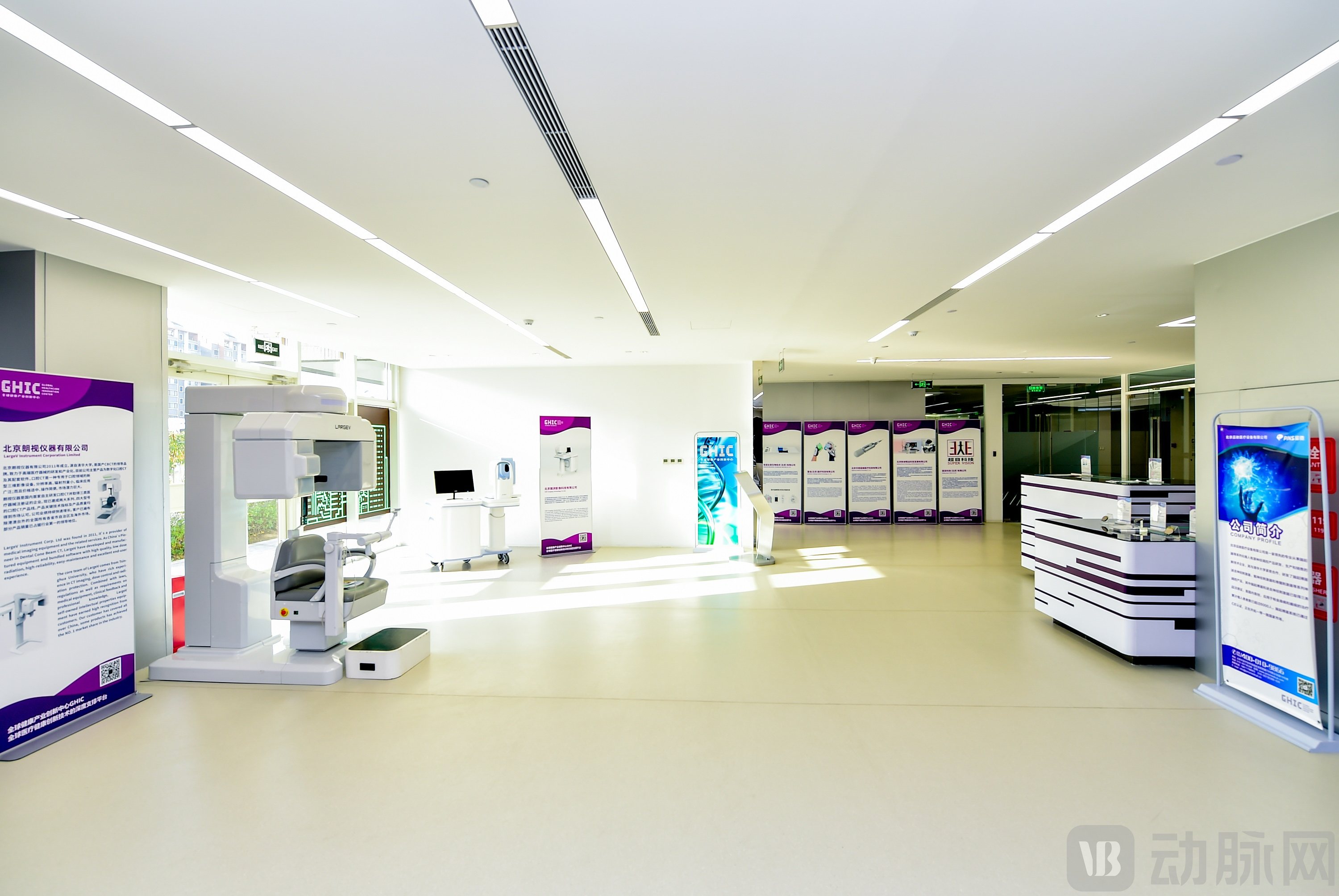
Since its establishment, GHIC has developed independent office and research facilities, along with laboratory environments tailored to the incubation needs of medical device projects. It is capable of supporting dozens of medical innovation enterprises through a full-chain incubation platform that covers R&D, experimentation, testing, and regulatory compliance. To date, it has established various industry-specific laboratories, general technology laboratories, testing support platforms, and cleanroom experimental platforms of varying sizes (Class 10,000).
Wang Jingjing told VCBeat, “Most of the entities coming to GHIC are startups. Many entrepreneurial teams initially consisted of only two or three people, and sometimes merely an idea. We provide entrepreneurs with office space, follow-up incubation guidance, assistance with company registration, financial support, and access to resources. Through this full-chain service, we help startups gradually grow and strengthen. As projects advance and the center’s core resources are established, GHIC is also developing and expanding. We look forward to welcoming more partners to join us in driving medical innovation.”
According to the "2019 Annual Report on the Transformation of Scientific and Technological Achievements in China (Universities and Research Institutes)," in 2018, the contract value of scientific and technological achievements transformed by 3,200 universities and research institutes in China through transfer, licensing, and equity investment reached RMB 17.73 billion, a year-on-year increase of 52.2%. Among them, 32 institutions had total transformation contract values exceeding RMB 100 million, representing a year-on-year increase of 14.3%. Notably, 12 of these 32 projects worth over RMB 100 million were in the medical sector, highlighting the significant future value of translating medical research outcomes into practical applications.
While the future looks bright, we still have a great deal of work to do in the present.
On one hand, each party fulfills its respective responsibilities to leverage synergies.The commercialization of scientific research achievements may appear to be a solitary endeavor, but in reality, it demands strong teamwork. It is not a battle fought alone; rather, it requires collaborative efforts from researchers, clinicians, technology transfer organizations, enterprises, and other stakeholders across various sectors, all working together toward a shared goal.
In addition,Translating Scientific Achievements into Practical Applications Also Requires Patience, because this is not something that can be achieved overnight or on a whim; akin to the fundamental nature of the medical field, it is a process of continuous accumulation, requiring sustained effort and the passage of time to yield results.
From a current perspective, the translation of medical research achievements into practical applications can be considered a daunting task. One reason is the lengthy time cycle involved, and another is the endless stream of challenges that must be faced head-on. However, the more difficult the endeavor, the more excited we should feel, because every step forward for humanity involves overcoming challenges. Only by undertaking what is difficult yet right can we truly realize the value of scientific research.
On this path, GHIC has already taken action.