

China's Three-Child Policy Sparks Surge in Assisted Reproductive Technology Sector
On May 31, the Political Bureau of the Communist Party of China Central Committee held a meeting. The meeting pointed out that further optimizing fertility policies and implementing a policy allowing each couple to have three children, along with supporting measures, would help improve China’s population structure, implement the national strategy for actively addressing population aging, and maintain the country’s advantage in human resource endowments.
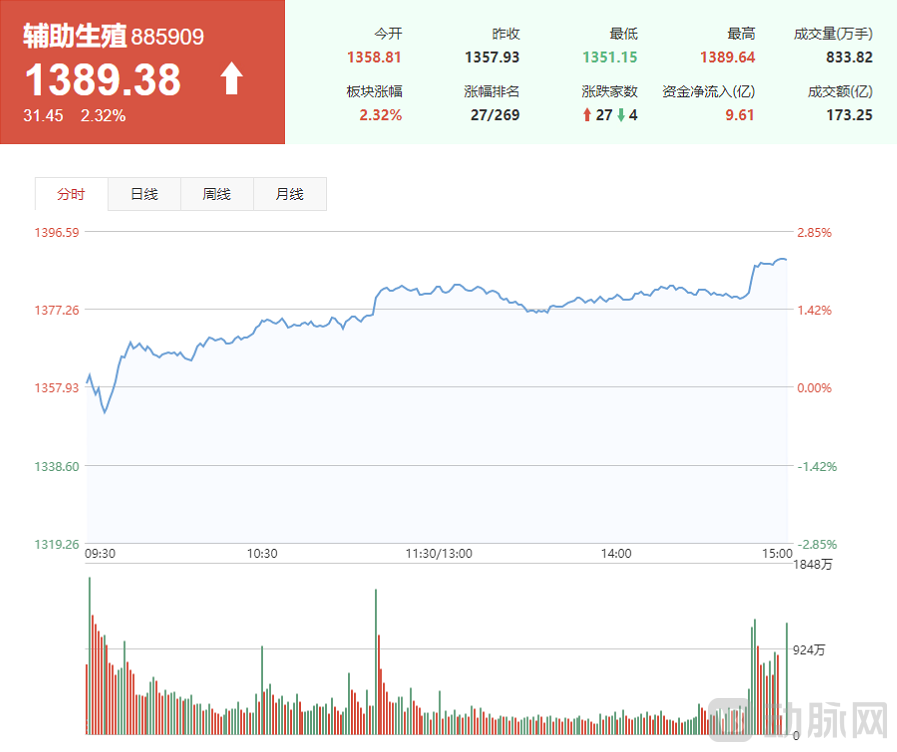
Affected by this policy, the Hithink RoyalFlush Assisted Reproductive Technology sector index surged. Among the stocks in this sector, the top five gainers were: Aoyang Health, closing at RMB 6.58, up 10.03%; Hybribio, closing at RMB 32.64, up 6.54%; Gongtong Pharmaceutical, closing at RMB 62.95, up 6.50%; International Medical Center, closing at RMB 19.86, up 5.81%; and Yuexin Health, closing at RMB 7.67, up 4.64%. Before the market close, the A-share “Two-Child Policy” concept sector soared, with Beingmate and GaoLe Shares hitting their daily upper limits, while BabyCare and David Medical saw significant intraday highs.
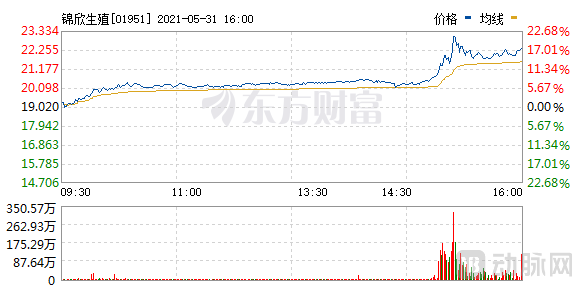
In the Hong Kong stock market, Jinxin Fertility, a leader in reproductive genetics, saw its shares surge by more than 22%, with trading volume reaching 38 million shares, including over 3 million shares traded within one minute. Other domestic stocks involved in the assisted reproductive technology sector, such as Berry Genomics, also experienced a sharp 15% rise, bringing their market capitalization to HK$7.7 billion.
The secondary market is often most sensitive to policy changes and public sentiment. This year, the assisted reproductive technology (ART) sector has seen a second surge in investor interest; the previous spike was triggered by a high-profile surrogacy scandal, which drove sharp increases in ART-related stock prices. Reproduction is a critical issue and a top concern for the public. Following the release of the latest policies, what impact will they have on the entire reproductive genetics industry? VCBeat has provided a brief overview.
China's Assisted Reproductive Technology Centers: High-Quality Medical Resources Concentrated in First- and Second-Tier Cities
In May 2021, data from the seventh national census was released, revealing a precipitous drop in the number of newborns in China in 2020. The figure fell by 2.65 million year-on-year from 2019, totaling only 12 million newborns. Meanwhile, the proportion of the working-age population (aged 15 to 59) decreased by 6.79 percentage points, while the share of the elderly population (aged 60 and above) increased by 5.44 percentage points. This indicates a significant decline in China’s labor force coupled with a rapid rise in its elderly population, signaling that China is facing an aging crisis.
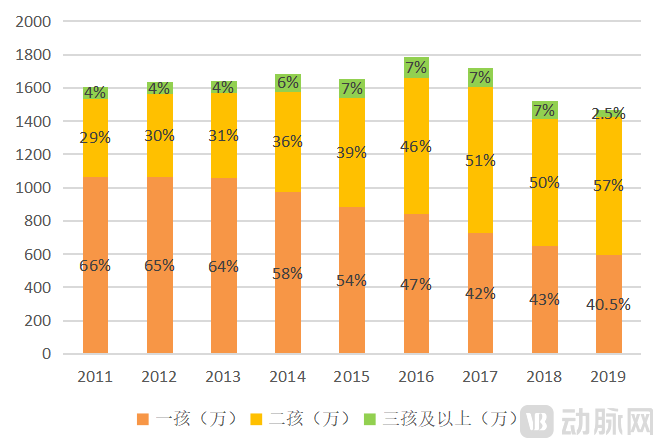
Statistics on Newborns by Birth Order: First, Second, and Third or Higher (Source: National Bureau of Statistics)
One inevitable solution to address societal aging is to increase the birth rate, yet China’s high infertility rate of 15% undoubtedly serves as a major “obstacle” hindering fertility. “Assisted reproductive technology (ART), particularly in vitro fertilization (IVF), is the fastest and most effective way to overcome this obstacle,” stated an industry insider specializing in assisted reproduction. “However, due to factors such as low public awareness of IVF treatments and scarce medical resources, China faces challenges including difficult access to care, high costs, and suboptimal success rates. As a result, the market penetration rate for IVF services in China stands at only 7%. Given that there are approximately 50 million individuals affected by infertility in China, this market holds significant potential for future growth.”
In China, assisted reproductive technology (ART) licenses are primarily concentrated in central hospitals located in first- and second-tier cities. High-quality resources, including experienced physicians, embryology specialists, and advanced medical equipment, are also clustered within the top ten leading hospitals in the industry. This concentration drives patients to prefer these large hospitals, resulting in a paradoxical situation where major hospitals face difficulties in patient access and long waiting lists, while smaller and local hospitals suffer from a lack of patients.
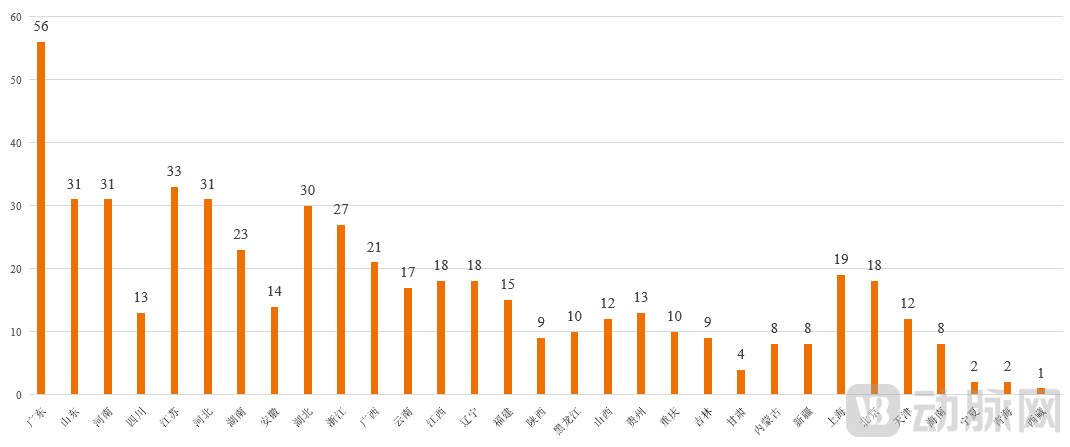
Number of Assisted Reproductive Technology (ART) Institutions in China / Facilities (as of June 30, 2020)
Currently, the top ten assisted reproductive technology (ART) hospitals in China are: CITIC-Xiangya Hospital of Reproduction and Genetics, IVF Medical Group, Reproductive Medicine Center of Peking University Third Hospital, Reproductive Medicine Center of Jinjiang District Maternal and Child Health Care Hospital of Chengdu, Shandong University Affiliated Reproductive Hospital, Reproductive Medicine Center of the First Affiliated Hospital of Zhengzhou University, Assisted Reproductive Center of Shaanxi Provincial Maternal and Child Health Care Hospital, Reproductive Medicine Center of the Third Affiliated Hospital of Guangzhou Medical University, Chongqing Health Center for Women and Children, and Renji Hospital Affiliated to Shanghai Jiao Tong University School of Medicine.
Among the top 10 reproductive centers in China, eight are public hospitals, with the top eight public reproductive centers holding a combined market share of over 20%. Of the remaining two private medical institutions, IVF Medical Group is the largest private assisted reproductive technology (ART) provider in China. It is also worth noting Jinxin Reproductive Health, which was formerly the Jinjiang District Maternal and Child Health Hospital in Chengdu; this hospital currently continues to offer ART-related services.
The Reproductive Genetics IVD Industry: An Essential Path to Enhancing Eugenics and Healthy Childbearing
The meeting emphasized the need to take an integrated approach to marriage, childbirth, child-rearing, and education; strengthen guidance and education for young people of marriageable age on their views on love, marriage, and family; address unhealthy social trends such as outdated marriage customs and exorbitant bride prices; and improveEugenics and Healthy ChildbearingService levels, develop an inclusive childcare service system, promote educational equity and the supply of high-quality educational resources, and reduce household education expenditures.
Among these, the mentioned “enhancement of eugenics and childbearing services” relies heavily on the support of the reproductive genetics IVD industry. Within the niche market of reproductive genetics IVD, measures to improve eugenics and childbearing outcomes can be categorized into three levels of prevention based on the stage of genetic testing: pre-implantation, prenatal, and neonatal stages.
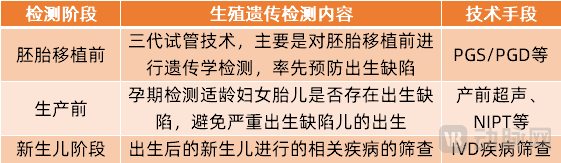
Three Stages of Reproductive Genetic Testing
Preimplantation Genetic Testing (PGT), which involves genetic testing of embryos prior to embryo transfer, is commonly known as third-generation in vitro fertilization (IVF). It primarily includes Preimplantation Genetic Screening (PGS) and Preimplantation Genetic Diagnosis (PGD).
PGT technology is suitable for special circumstances, such as high-risk populations with chromosomal disorders who are at risk of giving birth to children with abnormalities. Third-generation in vitro fertilization (IVF) involves performing preimplantation genetic analysis on embryos obtained through intracytoplasmic sperm injection (ICSI). This process excludes genetic defects, prevents hereditary diseases, and selects normal embryos for implantation, thereby enabling the birth of healthy offspring and achieving the goal of eugenics and healthy reproduction.
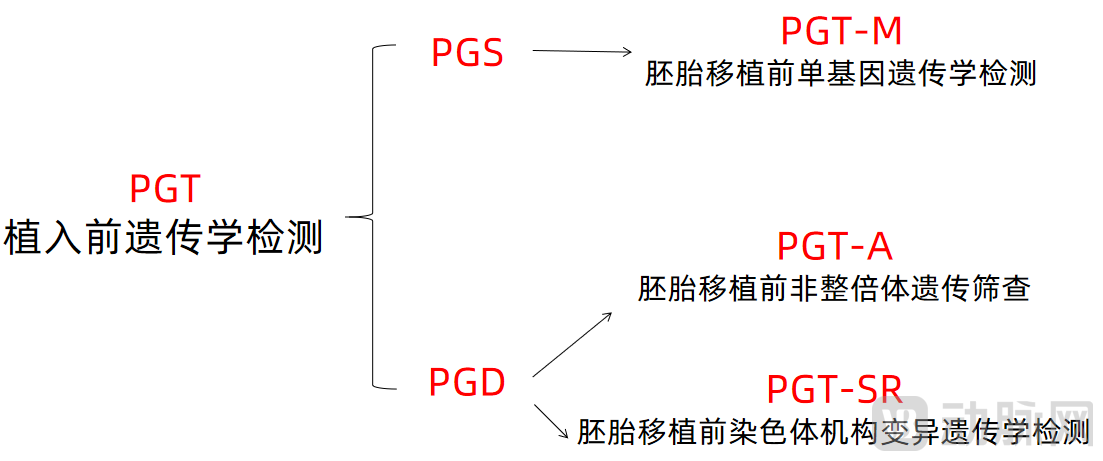
Depending on the specific testing items, preimplantation genetic testing (PGT) can be primarily subdivided into preimplantation genetic testing for monogenic disorders (PGT-M), preimplantation genetic testing for aneuploidy (PGT-A), and preimplantation genetic testing for structural rearrangements (PGT-SR). Currently, domestic companies involved in this sector mainly include Yikang Gene, Beikang Gene, and Hezhuo Gene.
Among them, Beikang Genetics’ independently developed PGT-A kit received Class III medical device certification from the National Medical Products Administration (NMPA) in February 2020 and has been approved for market launch. It is the first PGT-A testing product in China to obtain approval from the National Medical Products Administration, and currently the only officially recognized third-generation IVF product.
Following the completion of the first stage of embryo transfer, the second critical step in promoting eugenics and healthy childbirth lies in prenatal testing for pregnant women. This primarily involves employing medical methods to conduct prenatal ultrasound examinations, screening, and diagnostic tests for women of childbearing age during pregnancy, thereby enabling timely detection of fetal birth defects and preventing the birth of infants with severe congenital anomalies.
Currently, clinical prenatal diagnosis primarily relies on invasive diagnostic methods, including chorionic villus sampling in the first trimester, amniocentesis in the second trimester, and cordocentesis in the third trimester. The "gold standard" for prenatal diagnosis is chromosomal karyotype analysis of fetal specimens obtained through invasive testing. However, this method carries a 0.5%–1% risk of miscarriage, a 0.5%–1% risk of fetal teratogenicity, and the possibility of cell culture failure.
In recent years, several non-invasive prenatal testing (NIPT) technologies have been sequentially approved for clinical use. This technique requires only a sample of maternal venous blood. It employs next-generation DNA sequencing to sequence cell-free DNA fragments (including cell-free fetal DNA) in maternal peripheral plasma, followed by bioinformatic analysis of the sequencing results to obtain fetal genetic information, thereby enabling the detection of whether the fetus is affected by the three major chromosomal disorders.
The key feature of this technology is its non-invasive nature, meaning it causes no trauma to the fetus, representing a new concept compared to traditional invasive amniocentesis. It can primarily detect trisomy 21, trisomy 18, and trisomy 13 simultaneously, and can also identify other chromosomal aneuploidies and chromosomal deletions/duplications. This implies that the technology cannot detect chromosomal abnormalities caused by translocations, genetic disorders, or open neural tube defects. It serves solely as a screening tool and cannot directly replace prenatal diagnosis.
Since 2014, the National Medical Products Administration (NMPA) has successively approved second-generation gene sequencing diagnostic products (NIPT) for clinical use, while requiring approved manufacturers to continue collecting post-market clinical data from at least 10 clinical institutions, with a total of no fewer than 100,000 cases, as clinical documentation for the next renewal of product registration.
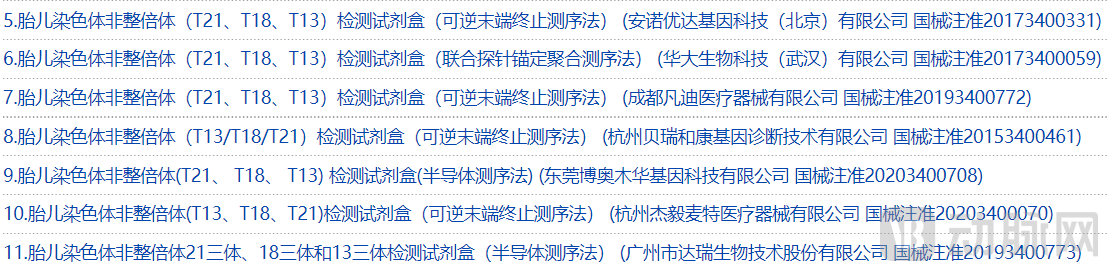
NIPT Products Approved by the NMPA (Screenshot from the NMPA Official Website)
According to information available on the official website of the National Medical Products Administration (NMPA), there are currently seven NIPT products approved in China, independently developed by Anoroad Genomics, BGI Genomics, Chengdu Fandi Medical Devices, Berry Genomics, Dongguan Boao Muhua Gene Technology, Jieyi MaiTe Medical, and Darui Biotechnology.
Neonatal genetic screening in the final stage represents another hot segment in the IVD market. Screening for neonatal diseases primarily refers to testing newborns after birth for conditions such as phenylketonuria, congenital hypothyroidism, and hearing abnormalities, enabling early detection and treatment of birth defects, minimizing their adverse impact, and improving the quality of life for affected infants.
Currently, domestic companies involved in this field mainly include IVD and genetic testing enterprises such as SafeGene and Weihan Biotechnology. Additionally, Yikang Gene and Berry Genomics, mentioned earlier, have also made strategic moves in this specific application scenario.
The Medical Device ART Industry: Hardware Support for Assisted Reproductive Technology
In addition to genetic testing and screening, a key factor in improving eugenics and prenatal care lies in the assisted reproductive technology market targeting the 15% of the population affected by infertility.
This segment of assisted reproductive technology (ART) services primarily includes ovarian stimulation, oocyte and sperm retrieval, oocyte cryopreservation, in vitro fertilization (IVF), embryo culture, embryo screening, embryo cryopreservation, and embryo transfer. Each of these services requires supporting medical devices and materials, such as ART-specific media, diagnostic reagents, solid consumables, and instruments.
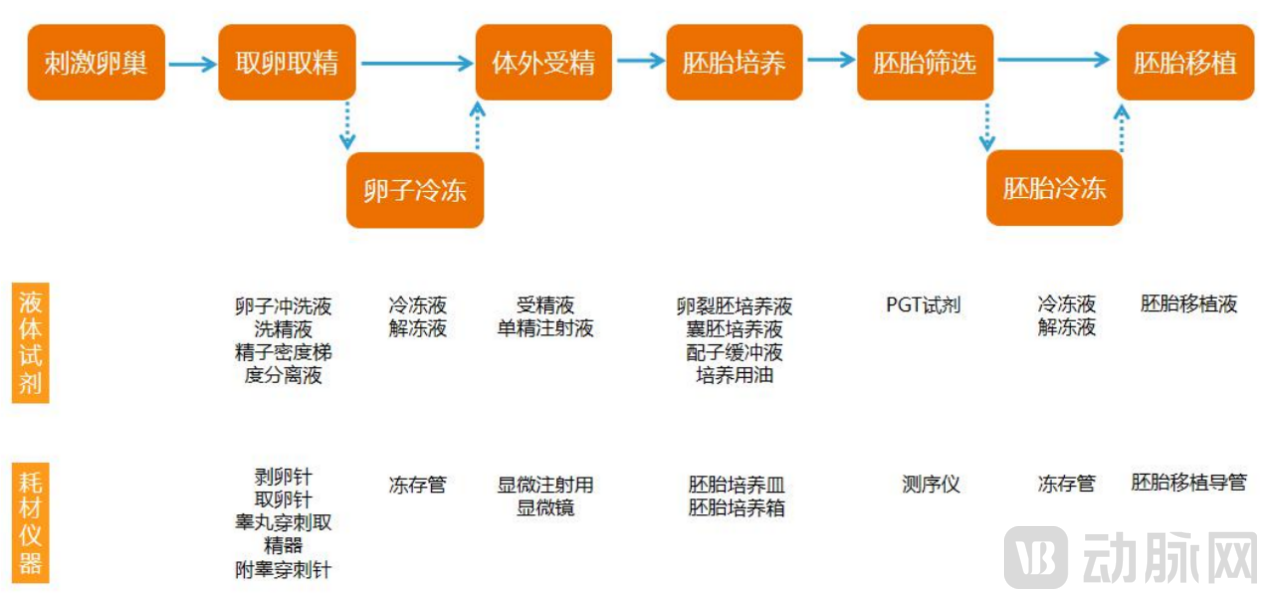
Assisted Reproductive Technology Services and Supporting Medical Devices
Correspondingly, medical devices for assisted reproductive technology (ART) have also generated substantial market demand. Based on the total number of ART cycles, the domestic market size in China reached RMB 16.2 billion in 2020. With the total number of ART cycles expected to continue rising, VCBeat’s “2021 Assisted Reproductive Technology Industry Research Report” projects that the market size for ART medical devices will exceed RMB 24 billion in 2023, representing 1.5 times the 2020 market size.
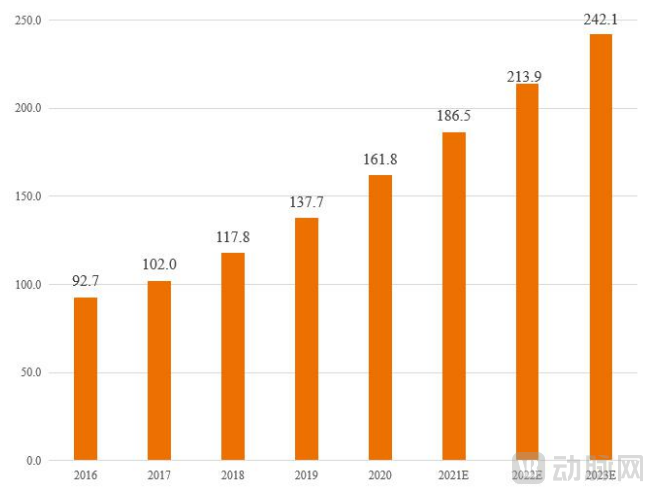
Market Size and Forecast of Medical Devices for Assisted Reproductive Technology (Unit: 100 Million Yuan)
In response to market opportunities in the ART medical device sector, Chinese companies are also actively advancing product research and development. Weituo Bio, a leading domestic enterprise in assisted reproduction, has independently developed vitrification freezing and thawing solutions that have successively obtained FDA certification and NMPA Class III certification. Its vitrification cryotubes have received EU CE certification, making Weituo Bio the first Chinese R&D company to secure such international certifications. Other products, including culture media, oocyte retrieval media, and gamete buffer solutions, are also accelerating their NMPA registration applications. Additionally, Ivftech’s oil for assisted reproduction culture has also obtained NMPA Class III certification.
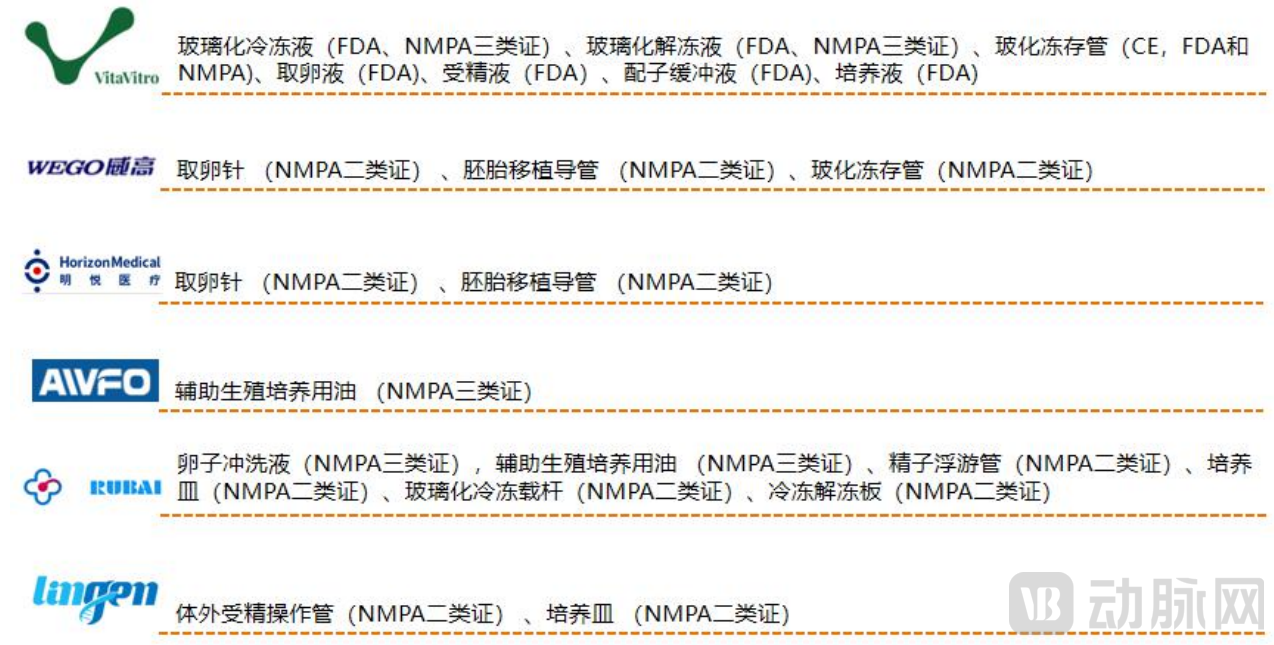
Certification Status of Products from Domestic IVF Medical Device Companies
With the improvement in the quality of domestically produced ART devices, the successive market launches of approved products, and the further refinement of assisted reproductive technology-related testing services, it is believed that China’s assisted reproductive market will form a virtuous cycle of development, encompassing both upstream device supply and downstream genetic testing.
Meanwhile, influenced by the three-child policy, the maternal and infant market has become another hot sector following assisted reproductive technology. This market primarily includes infant food, supplies, toys, and skincare products for pregnant and postpartum women. In 2020, the size of China’s maternal and infant market reached RMB 4.09 trillion. With the introduction of the three-child policy, stocks related to the maternal and infant sector, such as baby strollers and infant formula, have surged, which will further stimulate the prosperity of this market.
However, returning to reality, the stimulative impact of the three-child policy on the maternal and infant market may not be as pronounced as that of the two-child policy, since the public’s subjective willingness to have a third child is lower than for a second. Nevertheless, this does not hinder the steady growth of the maternal and infant market. Under the previous encouragement of the two-child policy, there was an incremental increase of 3 million newborns, and this cohort of infants and young children brought demographic dividends to the development of the infant and child industry. The introduction of the three-child policy will, to some extent, raise the birth rate, which is also a significant benefit for the infant and child medical services industry.
The three-child policy also brings certain benefits to the pediatric healthcare and pediatric pharmaceutical markets. This is evident from the significant changes in data from the National Health Statistical Yearbook following the implementation of the two-child policy: In 2017, general hospitals in China recorded 240 million outpatient visits, with the proportion of pediatric outpatient visits among total outpatient visits rising from 8.22% to 9.89%, and the ratio of pediatric outpatient visits to the population of children aged 0–14 years climbing from 38.18% to 103.74%.
Meanwhile, it will also drive the pediatric drug market to a certain extent. According to the clinical research data on pediatric indications from the Center for Drug Evaluation (CDE) between 2013 and 2020, clinical trial registrations for pediatric drugs accounted for less than 5%. Although the state has issued three batches of the "Recommended List for Encouraging the Research, Development, and Declaration of Pediatric Drugs," resulting in a significant overall increase in registration numbers, the number of enterprises involved in pediatric drugs and the variety of products they hold remain very limited, still failing to meet clinical demands.