

Digital Therapeutics Industry Tour (Chongqing Station): Exploring the 'Chinese Practice' of Digital Therapeutics
On May 28, 2021, China’s first formal organization for digital therapeutics—The Digital Therapeutics Systems Engineering Professional Committee (Preparatory) of the China Association for Promotion of Rehabilitation Technology Translation and Development (hereinafter referred to as the “Professional Committee (Preparatory)”) launched the “Digital Therapeutics Industry China Tour” in Chongqing, gathering core stakeholders in digital therapeutics to jointly explore future industry practices.
Hosted by the Digital Therapeutics Systems Engineering Professional Committee (Preparatory) of the China Association for Promotion of Rehabilitation Technology Transformation and Development; co-hosted by VCBeat, Yuanyi Capital, Takeda (China), Viatris, Weimai, and Fosun Pharma; co-organized by Tasly, Senmei Medical, Huanuo Zhisheng, and Miao Health; with support from Yongliu Technology, Yunkai Yamei, China-EU Science and Technology Innovation Cooperation, the EU Research and Innovation Hangzhou Center, and Chongqing Yuzhong Big Health Industry Development Co., Ltd.
Senmei Medical Study Tour: Focused on Providing Clinical Disease Management Solutions for Chronic Diseases
At 9:30 a.m., representatives from multiple digital therapeutics innovators gathered at Senmei Medical Technology Co., Ltd. to commence a site visit. As a benchmark enterprise for digital therapeutics in Chongqing, Senmei Medical’s founder, Zhang Jing, shared practical insights gained from the development and deployment of the Su Yi™ APP. The guests also exchanged views on their respective explorations in the field of digital therapeutics and engaged in active discussions during the open Q&A session.
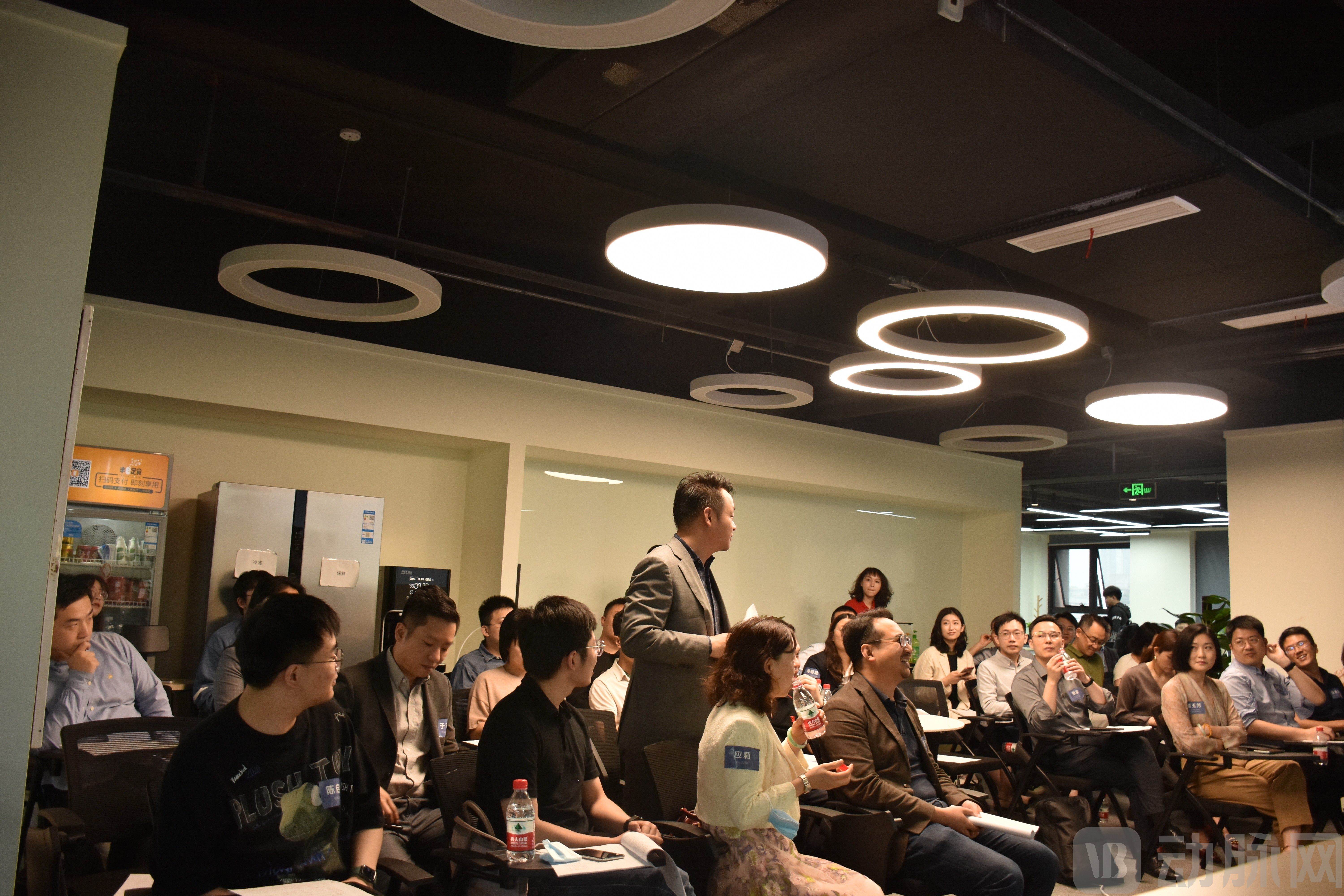
(Guest Self-Introduction)
 (Free Discussion Session)
Digital Therapeutics Industry China Tour: Chongqing City Summit
At 2:00 PM, at the Chongqing City Summit of the Digital Therapeutics Industry China Tour, Song Wuchen, President-elect and Executive Secretary-General of the China Association for Promotion of Rehabilitation Technology Transformation and Development, and Li Datao, Founder of VCBeat, respectivelyDelivering opening remarks, specially invited clinical experts included Dr. Wang Hongman, Chief Physician of the Department of Endocrinology at Chongqing General Hospital, and Dr. Xiong Jiachuan, Attending Physician of the Department of Nephrology at the Second Affiliated Hospital of Army Medical University. Distinguished entrepreneur representatives included Mr. Liu Hongdou, Founder and CEO of HuaNuo ZhiSheng; Mr. Zhang Jing, Founder of Senmei Medical; and Mr. Luo Xiaobin, Senior Vice President and Chief Medical Officer of Miao Health. Additionally, Dr. Chen Xi, Chief Physician and Medical Director of R&D at Shukang, and a Clinical Medicine PhD from West China School of Medicine, shared valuable insights. We were also honored to have an overseas guest, Dr. Vinay Singh, President and CEO of Orange Neurosciences, join us via live video link.
Speech by Song Wuchen

Song Wuchen, President-Elect and Executive Secretary-General of the China Association for the Promotion of Rehabilitation Technology Translation and Development
As a national-level industry association, the China Association for Promotion of Rehabilitation Technology Transformation and Development has actively responded to the call of the Healthy China strategy and embraced the digital healthcare trend by preparing to establish the Digital Therapeutics Systems Engineering Professional Committee. Together with VCBeat and Yuanyi Capital, it aims to drive the development of China’s digital therapeutics industry.
We aim to establish a professional committee to integrate experts, scholars, and leading enterprises within the industry, formulate technical standards and clinical pathways, promote technological innovation and clinical application in the field of healthcare, regulate the market, and foster industry self-discipline.
At the same time, we look forward to contributing to the industrial development of the entire country in the future, incubating more high-quality enterprises, and forming industrial clusters. By collaborating with local governments, we aim to systematically build an integrated platform for industry-academia-research cooperation in the field of digital therapeutics.
Address by Li Datao
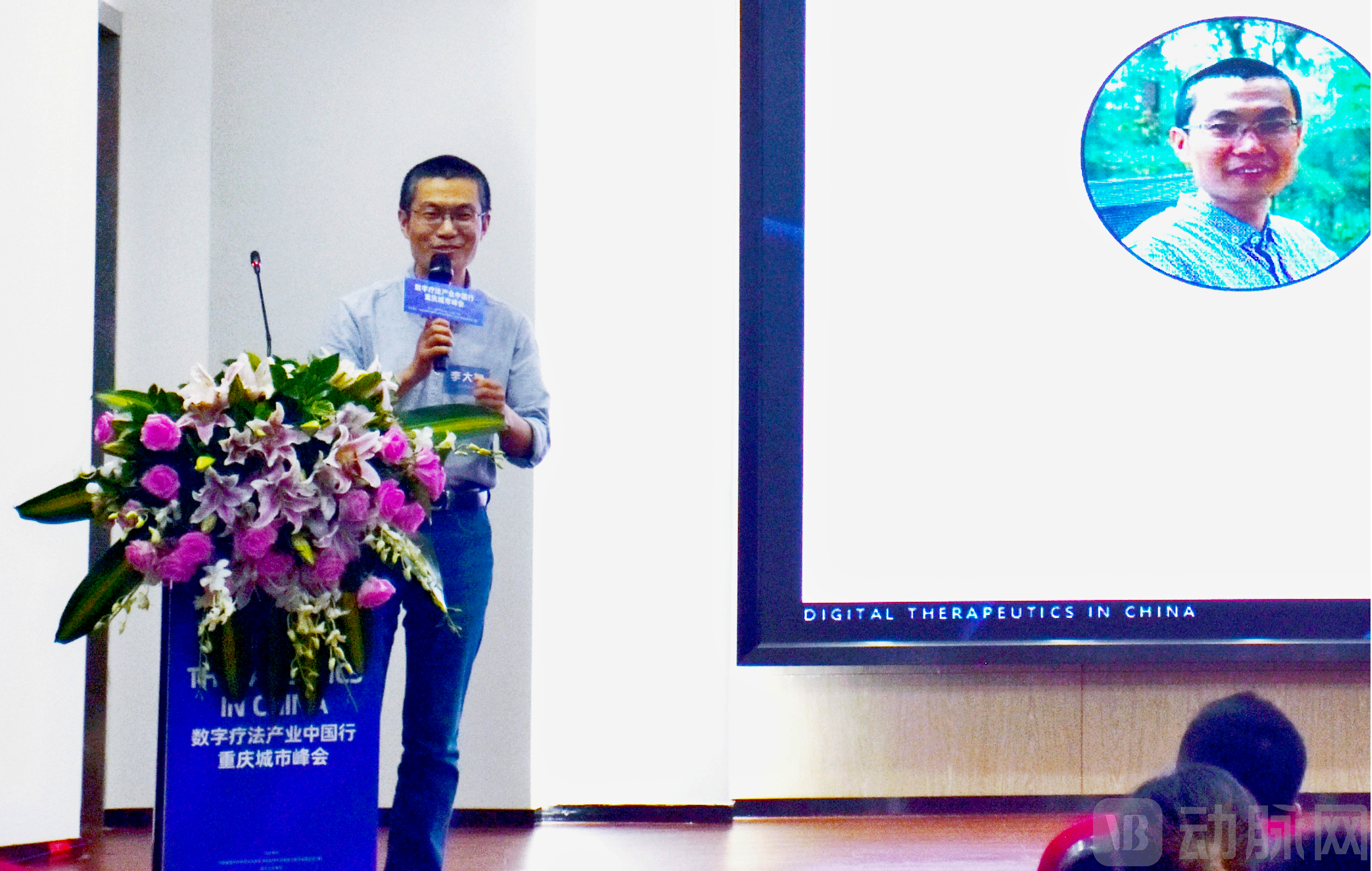
VCBeat Founder, Li Datao
The core challenges encountered in any era are ultimately resolved through new pathways. I believe that digital therapeutics, or the digitalization of the healthcare industry, is akin to such a major transformation.
We hope that, through the Professional Committee on Digital Therapeutics Systems Engineering and the Association, we can facilitate the establishment of expert consensus in the integration of digital technologies and healthcare, accelerate the scaling of innovative case studies, identify optimal pathways for best practices, and ultimately leverage our practical experience to inform and shape national regulatory policies.
Guests centered aroundHow is the implementation of digital therapeutics in China? How is clinical trial development progressing? What are the market prospects, and how can commercial pathways be established?Deliver a speech on issues such as,VCBeat has compiled the insightful perspectives shared by the guests.
Wang Hongman | Digital Therapeutics from a Physician’s Perspective

Chief Physician, Department of Endocrinology, Chongqing General HospitalWang Hongman
The Gap in Chronic Disease Management:
Underlying chronic diseases are changes in an individual’s behavioral patterns and the associated data. However, healthcare services cannot fully address the need to monitor and confirm all patient behavioral patterns, making chronic disease management particularly challenging. Physicians account for less than 10% of the decision-making influence, while patient-related factors play a dominant role. This disparity creates a gap that the current healthcare model is unable to bridge.
Outlook on Future Issues:
1. Lack of additional digital technologies
2. Treating a disease involves transforming the individual; therefore, extensive data collection requires clinical exploration, along with a management team possessing coaching capabilities, as well as considerations of cost, operability, and evaluability.
Xiong Jiachuan | Clinical Trial Validation of Real-World Data and Evidence in Digital Health

Xiong Jiachuan, Attending Physician, Department of Nephrology, the Second Affiliated Hospital of Army Medical University
As a physician, what features are required in an information-based chronic disease management platform?
1. Fully Informatized Data Management and Follow-up
2. Bidirectional Data Transmission (Management Side and Patient Side) + App Side
3. Provide patient education, knowledge dissemination, and questionnaire surveys, etc.
4. Remote Intelligent Monitoring and Early Warning
5. Expansion Module: Scientific Research Statistical Analysis, Online Statistics, RCT Study Enrollment
Luo Xiaobin | Exploring Pathways for Digital Therapeutics to Enter the Insurance Sector

Luo Xiaobin, Senior Vice President and Chief Medical Officer at Miao Health
The first issue is how to embed this digital health management capability, or the digital therapeutics we may develop in the future, into the entire insurance operational workflow and application scenarios.
Second, after processing these data, what is actually more important is how to quantify the current health value.Got it.Data, withAssessment, i.e., the so-called health stratification. The next step isIntervention. The biggest challenges we face are, first, a shortage of sufficient professional personnel, and second, the need for efficient tools.
To foster more robust and healthy development in this industry, we need to prioritize authenticity by leveraging real-world research to accumulate data that is meaningful for industry advancement, thereby building a repository of truly impactful case studies.Another key priority is to drive comprehensive industry-wide exploration, spanning from policy formulation to innovation in payment models.
Zhang Jing | Su Yi™ Clinical-Grade Digital Therapeutics (DTx) Platform

Zhang Jing, Founder of Senmei Medical
The Challenge of Digital Therapeutics: It is difficult to shift clinicians’ perception of their value. To encourage them to invest time in using our products to serve patients, we must rethink our approach and prioritize addressing clinical needs first. Clinical challenges primarily revolve around three areas: operational efficiency, practice management, and research. In isolation, addressing a single pain point is insufficient to create a sustainable loop of continuous adoption.
From hospital imaging and electronic medical records to data governance and clinical decision support, Senmei develops guidelines. Currently operating at the specialty level (nephrology), the company collaborates with research-oriented hospitals across China that participate in guideline development, working together to redefine diagnostic standards that exceed existing guidelines, thereby ensuring genuine adoption by physicians.
Liu Hongdou | Redefining Diabetes Management with Digital Therapeutics

Liu Hongdou, Founder and CEO of HuaNuo ZhiSheng
Huanuo Zhisheng specializes in digital therapeutics for the management of diabetes and metabolic disorders. Leveraging four years of robust R&D expertise, the company has developed RuiKongTang, China’s first multidisciplinary digital therapeutic intervention product for diabetes, and has pioneered commercial validation, accumulating over 1,000 paying patients.
Four Years of Exploring Digital Therapeutics for a Single Disease: Sharing How to Build a Business Model for Digital Therapeutics. The first step is to gain an in-depth understanding of the treatment burden and current landscape for a specific disease. The second step is to develop the digital therapeutic based on two pillars: clinical protocols and technology application. The third step is to establish R&D and operational strategies through assessments such as single-disease value chain analysis.
Developing digital therapeutics involves an eight-step process from R&D to therapeutic operations, representing eight major hurdles that digital therapeutics companies must overcome. I highly recommend adopting the Lean Startup methodology for R&D and operations during the early-stage phase. By validating clinical efficacy, indications, and business models as early as possible, and iteratively refining product prototypes and operational models through a spiral approach based on authentic, objective feedback, companies can mitigate risks and enhance their success rate.
Chen Xi | The Application of Digital Therapeutics in Home-Based Rehabilitation

Chen Xi, Chief Physician and Medical Director of the R&D Department at Shukang, M.D. in Clinical Medicine from West China Hospital
Although digital therapeutics are a novel field, if they are to be used as therapeutic interventions or classified as medical devices, they must be supported by a complete chain of evidence-based medicine. This involves an extensive body of literature, including a substantial amount of high-quality evidence.
Achieving therapeutic outcomes for these conditions through exercise rehabilitation, while ensuring safety and efficacy, entails stringent requirements. This theoretical framework is known as Exercise Testing and Exercise Prescription. The guideline has been updated to its 10th edition and is supported by extensive evidence chains. Meanwhile, a critical question arises: why is clinical adoption so low despite the abundance of evidence? This is a challenge we collectively face.
Digital therapeutics should not become a gimmick or a mere concept; instead, they should be deeply integrated into clinical practice to genuinely identify problems that traditional healthcare may fail to address. In this context, technology should not serve merely as a flashy showcase but should focus on solving practical issues.
Overseas Connection: Dr. Vinay Singh
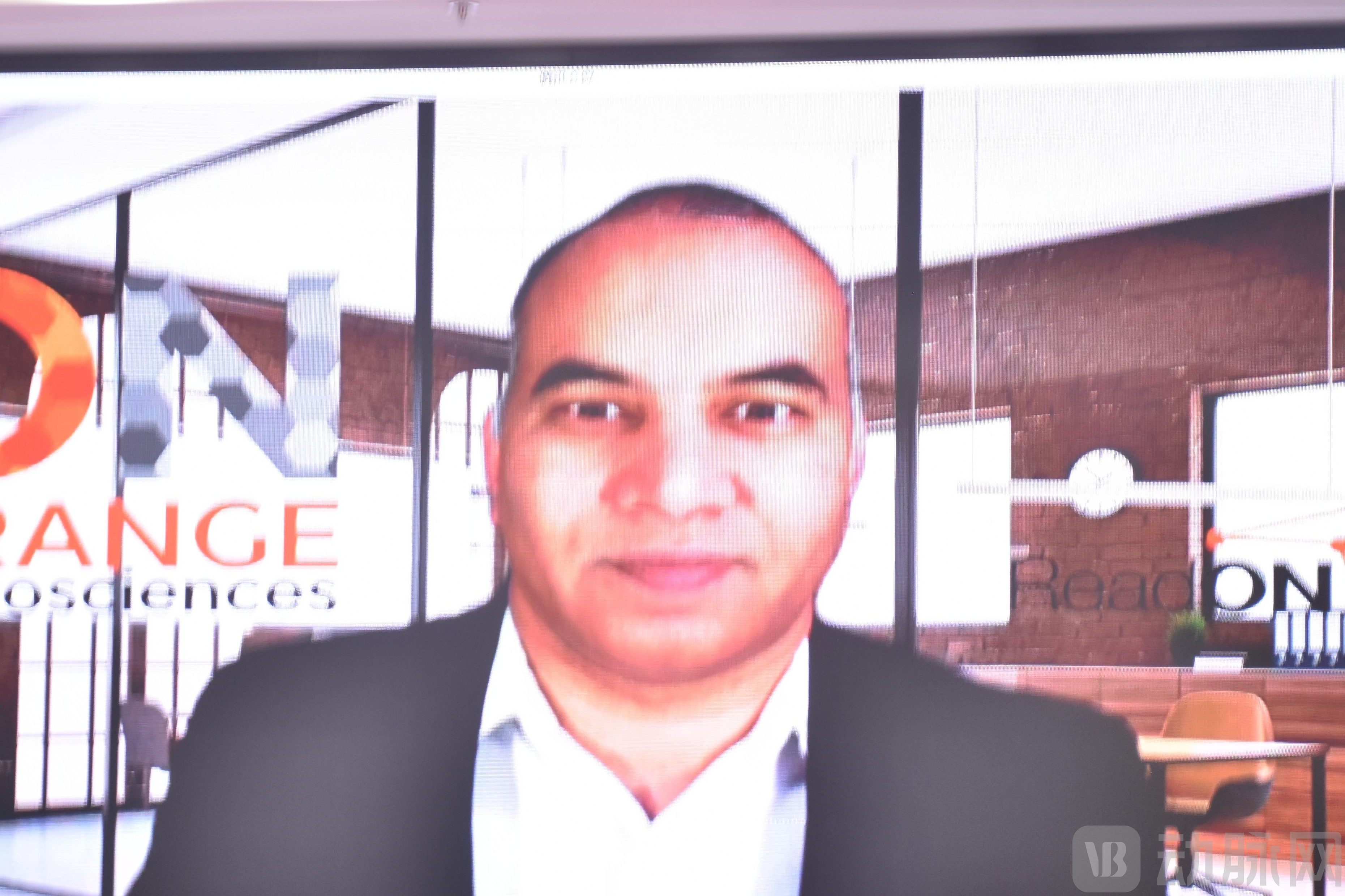
Dr. Vinay Singh, President and Chief Executive Officer of Orange Neurosciences
Orange Neurosciences, introduced by Ms. Wang Xiangling, Vice President of Operations at the China-Europe Science and Technology Innovation Cooperation, is an emerging digital health technology company that has developed online software-basedCognitive TherapyA platform for neurological disorders, age-related diseases, and rehabilitation, designed to meet the substantial global demand among neurodiverse populations for evidence-based, affordable, and scalable cognitive therapies.
ReadON.ai, the first commercial product, is a next-generation digital therapeutic (DTx) powered by online software leveraging ML/AI and neuroplasticity-based interventions for struggling readers. Titli.ai will launch its direct-to-consumer (D2C) offering in July 2021, targeting core symptoms of ADHD and autism. Meanwhile, Orange Neurosciences’ digital cognitive therapy platform also provides medical services to support the rehabilitation of patients with neurological disorders.
Expert Roundtable: Potential Market Opportunities and Challenges of Digital Therapeutics

(From left to right: Song Yiran, Investment Director at Yuan Yi Capital; Liu Hongdou, Founder and CEO of Hua Nuo Zhi Sheng; Zhang Jing, Founder of Sen Mei Medical; Senior Vice President and Chief Medical Officer at Miao Health; Li Sirui, General Manager of the Strategic Development Center at Tasly Holding Group; Zhao Juanjuan, Marketing Director at Yong Liu Technology)
Core Issues:
1. Commercialization Pathways for the Digital Therapeutics Industry
The entire digital therapeutics industry, with its payment models, must be grounded in the specific form of its products. Broadly speaking, digital therapeutics can be categorized into solutions for the elderly, for children, and for chronic disease management. For segments such as children or the elderly, patients may pay directly, driven by relatively strong willingness to pay. Therefore, business models can be structured around these product forms.
However, integrating health insurance coverage for chronic diseases is unlikely in the short term. From a capital perspective, digital therapeutics is an emerging industry; therefore, investors should adopt a strategic outlook to nurture this sector, rather than demanding rapid, short-term expansion from digital health companies with excessive eagerness for quick profits.
Our overall impression is that this industry requires a period of incubation. Its subsequent payment model depends on the substantial accumulation of real-world data in the early stages. Only through genuine data accumulation can we leverage pricing reforms, incorporate it into clinical standards, and engage in negotiations with the National Healthcare Security Administration or even the Insurance Association to establish it as a service resource.
2. Do digital therapeutics products require regulatory approval?
Obtaining regulatory approval is, in fact, quite significant, as it strictly differentiates us from consumer healthcare by distinguishing our product categories.
Digital therapeutics are often certified as medical software. However, a true definition of so-called medical software requires a clear product catalog, along with corresponding submission and evaluation standards based on that catalog. Currently, this area remains blank as the industry is still in its developmental stage, or at least not yet clearly defined. Nevertheless, this is not a major concern. We can draw lessons from the experience of the United States and other countries. For instance, the U.S. FDA’s initial policies and regulations, as well as the overall certification standards developed in collaboration with commercial companies, were not formulated with corporate interests in mind. Instead, they were centered on whether the solution effectively addresses patients’ needs. If a solution proves effective, legislation and regulatory standards should be established accordingly, as this constitutes a social responsibility.