

Addressing Pediatric Healthcare Challenges Amid China's New Three-Child Policy: Innovations from Weimai's Internet+ Pediatrics Platform
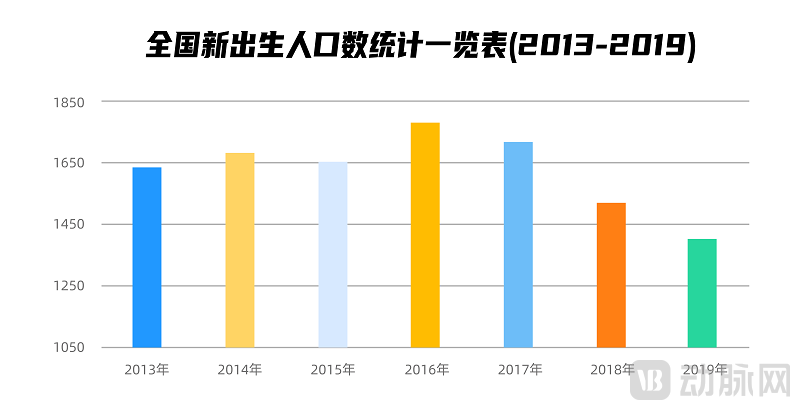
Today’s Children’s Day is not only a celebration for children but also a nostalgic occasion for many born in the 1980s and 1990s to reminisce about their childhood. Merchants have launched a wide variety of holiday packages to attract consumers’ attention. However, data from the National Bureau of Statistics shows that since 2016, the number of newborns in China has been declining year by year. Preliminary results from the Seventh National Population Census further indicate that the number of births in China in 2020 was 12 million, continuing this downward trend.
Just yesterday, authoritative media outlets such as People’s Daily and Xinhua News Agency signaled that China will further optimize its fertility policies by implementing a three-child policy for married couples, along with supporting measures. The hashtag #ThreeChildPolicyIsHere instantly topped the trending search list, with many netizens remarking, “This Children’s Day gift is quite substantial.”
“Adults Celebrating Children’s Day” Reflects Not Only the Freedom-Seeking Lifestyle of the Post-80s and Post-90s Generations, but Also Their Fear of Childbearing and Parenting. Healthcare, education, and elder care have become the primary factors driving this “fear of having children” among the post-80s and post-90s cohorts, who constitute the main childbearing population. “Every time I see parents crowding into a single room with their sick children, waiting in line at pediatric clinics, I fear that I will end up in the same situation. With our fast-paced work life, frequent leave for a child’s illness is inevitable, and it is unrealistic to claim that this would not affect one’s career,” said Ms. Li, who has been married for three years but has no plans to have children.
With the implementation and development of the “Internet + Healthcare” model in China, the concept of “managing minor illnesses at home and receiving guidance for serious conditions” has gradually become a new trend in pediatric care. According to data from the Weimai APP, since the outbreak of the COVID-19 pandemic, an increasing number of parents have opted for “online consultations” to avoid cross-infection within hospitals and reduce medical visit times. The volume of online consultations by parents on weekdays is significantly higher than on weekends, with consultation rates remaining consistently high from 8:00 AM to 10:00 PM.
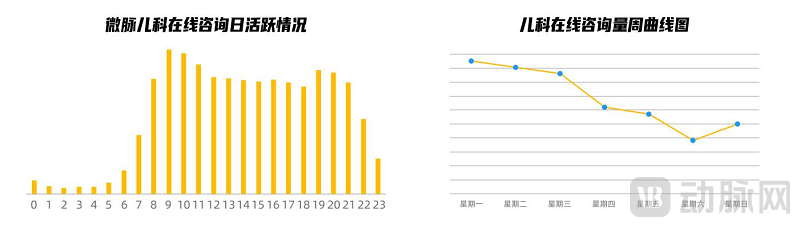
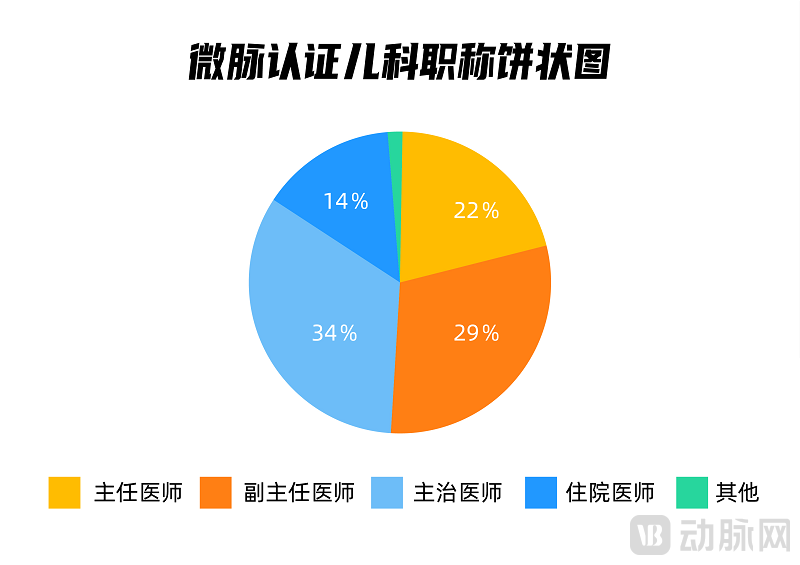
Data shows that in the more than 160 cities covered by Weimai’s services, over half of the chief and associate chief physicians providing online consultations through the platform are senior specialists. The average user wait time for a response is under two minutes, with service satisfaction consistently maintained above 96%.
Cough, fever, diarrhea... These frequently asked keywords reveal that most pediatric conditions are mild and non-urgent. Online consultations not only alleviate the strain on in-hospital medical resources but also provide timely reassurance to anxious parents, sparing them the hassle of multiple hospital visits.

Data Source: Weimai Platform Data Center
In fact, the “difficulty in accessing pediatric care” is not only a challenge troubling contemporary parents, but the “shortage of pediatricians” also gives many public hospitals headaches. What Ms. Li observed is merely the tip of the iceberg regarding children’s healthcare issues. From birth to upbringing, the journey for parents is far from simple. On the other hand, factors such as children’s inability to articulate their symptoms, parents’ helplessness and anxiety, and high work intensity have made pediatrics a “thankless task.” Meanwhile, market research reports indicate that service demands for the pediatric population are evolving: on one hand, shifting from a sole focus on physical health to comprehensive physical and mental well-being; on the other hand, transitioning from extensive approaches centered on basic survival and growth (“keeping them alive and raising them up”) to refined strategies focused on nurturing excellence and optimal development (“nurturing them meticulously and well”). This reflects the demand for full-cycle, multi-level, and refined child health management.
In addition to meeting basic needs for pediatric consultations, registration, and prescription services, Weimai actively responds to the call in the National Health Commission’s Healthy Children Action Plan (2018–2020) to strengthen neonatal home visits and guide parents on newborn feeding, care, and disease prevention. Leveraging local core hospitals as service entities and collaborating with relevant hospital departments, Weimai implements specialized case management for preterm infants (high-risk infants) and full-term infants. This approach provides convenient, scientific, safe, and efficient healthcare services for children and their families, thereby optimizing the pediatric care experience.
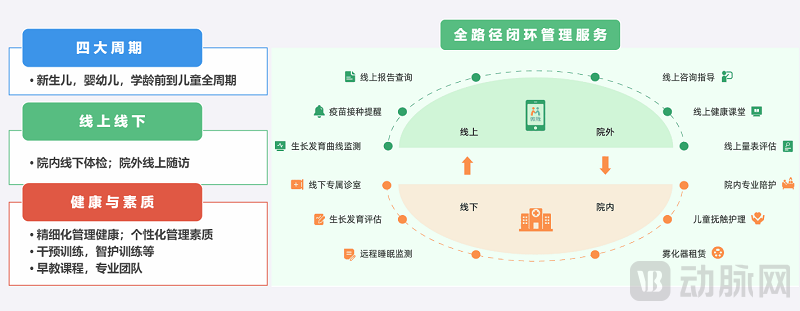
Meanwhile, by integrating regional medical resources and enhancing the service capabilities of hospital pediatrics and related disciplines, Weimai is building a one-stop, comprehensive “Internet+” child health medical service system for local children (including newborns).
Currently, the Weimai “Internet + Pediatrics” innovation project has established innovative collaborations with public hospitals in multiple cities across China. The service models cover: newborn care during the first month, well-child care for children aged 0–1 year, child growth and development (including short stature, obesity, and precocious puberty), asthma care, rehabilitation care (including epilepsy care, attention-deficit/hyperactivity disorder, and speech sound disorders), pediatric vision care, and pediatric oral health care.
Children’s growth and development are crucial to the future of every family and even the nation. Currently, Weimai’s “Internet + Pediatrics” innovation project has established innovative collaborations with public hospitals in multiple cities across China. As a key initiative implementing Weimai’s strategy of “Internet + Specialty Innovation Services for Full-Course Disease Management,” this project aims to create a healthcare service model that spans from in-hospital to out-of-hospital settings, integrates online and offline channels, transitions from single encounters to cyclical care, shifts from random assignments to dedicated services, and evolves from manual support to intelligent assistance. By enhancing hospitals’ capacity for innovative services, it provides refined, personalized, full-lifecycle care for children and their families, addressing the various challenges parents face in child-rearing.