

Neusoft Medical Re-files for Hong Kong IPO: Prospects of a Medical Imaging Leader

Neusoft
Comprehensive Solution Provider for Clinical Diagnosis and Treatment
On the evening of May 31, Neusoft Medical Systems Co., Ltd. (“Neusoft Medical”) submitted its IPO prospectus for the STAR Market to the Hong Kong Stock Exchange, with CICC and Goldman Sachs serving as joint sponsors.
According to the prospectus, the proceeds from the IPO will be allocated to four areas: strengthening the research and development as well as acquisition of high-end digital medical imaging equipment and core components; expanding the MDaaS business; developing the sales network and enhancing brand awareness; and injecting capital into working capital and other general corporate purposes.
This marks the second time Neusoft Medical has submitted a prospectus within a year. On June 30, 2020, Neusoft Medical had applied for listing on the STAR Market but voluntarily withdrew its application in November 2020. The company stated that the withdrawal was primarily due to the pandemic, which hindered due diligence and other procedures for its overseas subsidiaries, as well as its decision to prioritize potential acquisition projects.
Behind the renewed push for an IPO lies the rapidly evolving medical imaging equipment market in recent years. The market growth spurred by open policies harbors opportunities, yet increasingly sophisticated domestic competitors are continuously eroding Neusoft’s share of the home market. Amidst these coexisting opportunities and challenges, Neusoft Medical’s ambitious financing strategy is clearly revealed—its key objectives will be to capture incremental market demand and advance emerging technologies.
In recent years, the Chinese medical imaging equipment market has experienced rapid growth, with its size increasing from RMB 50.9 billion in 2015 to RMB 82.4 billion in 2019, representing a compound annual growth rate (CAGR) of 12.8%. The market is projected to reach RMB 121.1 billion by 2024. The emergence of incremental market demand is an inevitable trend in the development of medical imaging, driven by the dual forces of policy and technology, facilitating a shift from quantitative expansion to qualitative improvement.
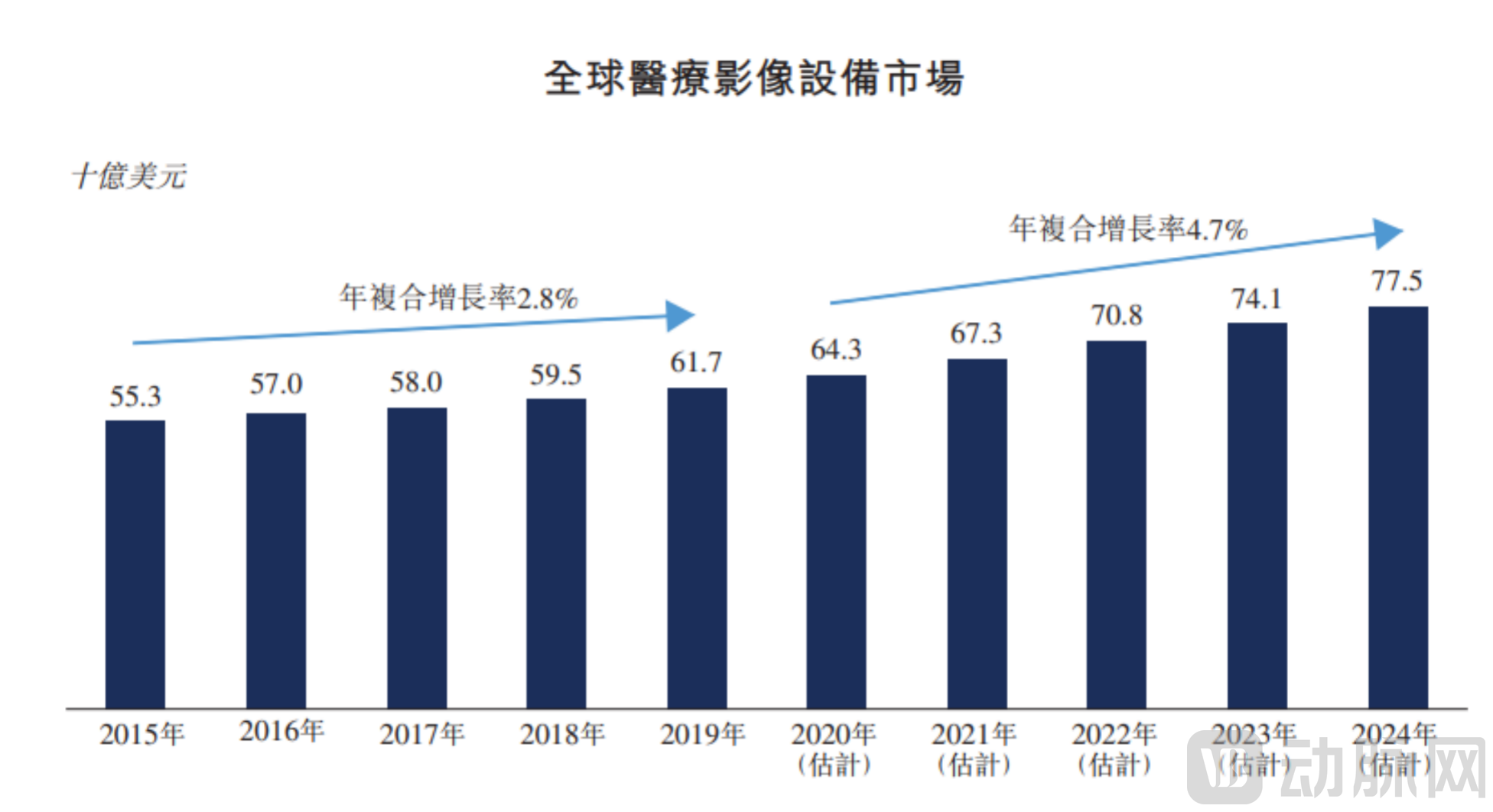
Global Medical Imaging Equipment Market Data (Image sourced from Neusoft Medical’s prospectus; same below)
Although the medical device sector is not heavily reliant on policy support, state backing remains a key driver of its rapid development.
Taking CT as an example, in April 2018, the state successively issued two major policies: the Catalogue for Administration of Licensing for Allocation of Large Medical Equipment (2018) and the Opinions on Promoting the Demonstration and Application of the First Set(s) of Major Technical Equipment. These policies allowed hospitals and other medical institutions to purchase entry-level CT scanners without prior approval from provincial governments. The tiered diagnosis and treatment system further supplemented these policies by requiring primary healthcare institutions at the local or regional level to meet basic diagnostic standards. These policies have opened up a tangible market.
The subsequent 14th Five-Year Plan further bolstered the development of the medical device industry. The 14th Five-Year Plan and the Development Plan for the Medical Equipment Industry (2021–2025) explicitly set a target that by 2025, six to eight Chinese enterprises should rank among the top 50 globally in the medical device sector. As a leading enterprise in the medical device industry, Neusoft Medical will increase its R&D investment in high-end CT systems, thereby preparing itself to fulfill the mission outlined in the 14th Five-Year Plan.
Amid a barrage of policies, the CT market is undergoing significant changes. Research data from Frost & Sullivan shows that between 2015 and 2020, technological advancements propelled spiral CT scanners into the 16-slice era, while CT scanners with fewer than 10 slices gradually phased out. During this period, sales of 16-slice CT scanners continued to rise, accounting for 62.1% of total CT scanner sales in China in 2019.
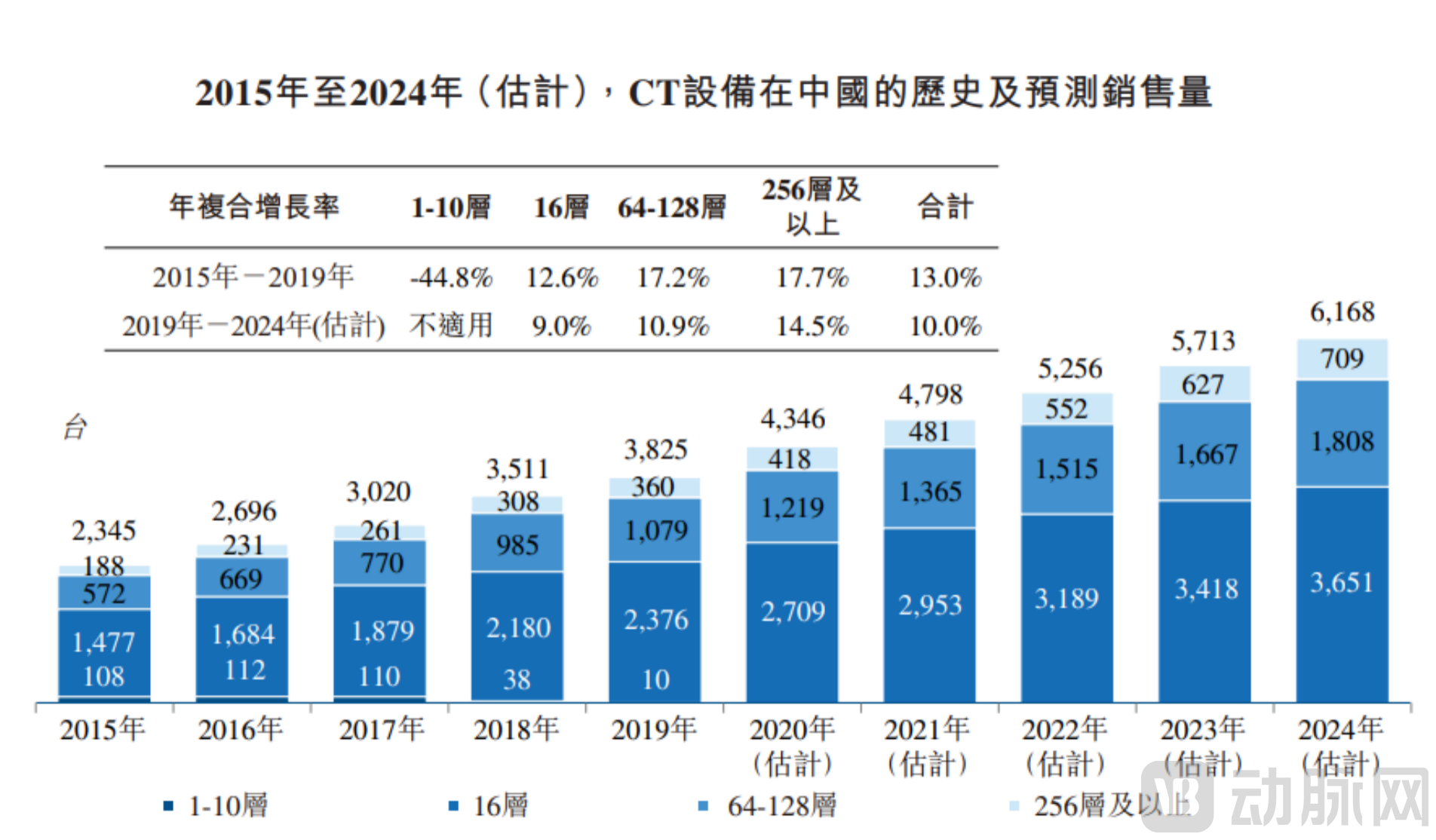
Historical and Forecast Sales Volume of CT Equipment in China, 2015–2024
Mid-to-high-end 64- to 128-slice CT scanners and those with 256 slices or more are also showing an upward trend. This growth is driven by the demand for replacing high-end equipment in tertiary hospitals and the need for capability enhancement in secondary hospitals. On one hand, tertiary hospitals require cutting-edge CT technology to support their scientific research and maintain their industry leadership. On the other hand, secondary hospitals, aiming to align with tertiary standards and strive for tertiary classification, need to procure high-end equipment to improve their diagnostic, therapeutic, and research capabilities.
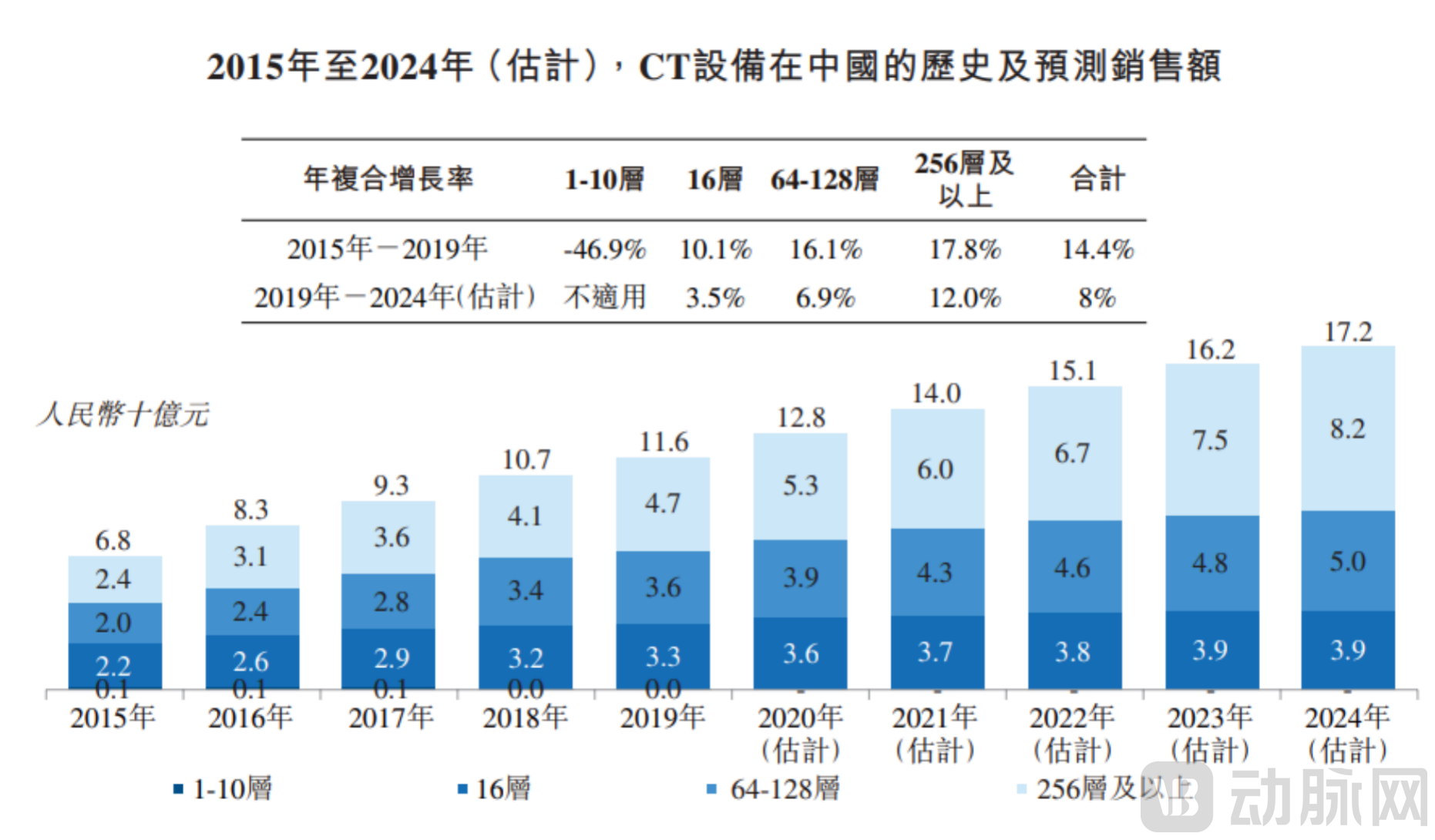
Historical and Forecast Sales of CT Equipment in China from 2015 to 2024
Overall, 16-slice low-to-mid-end CT scanners hold an advantage in sales volume; however, due to their lower price points (domestically produced CT scanners are priced at approximately RMB 3 million or less), their total market size is slightly smaller than that of the mid-, high-, and ultra-high-end segments. In contrast, although sales volumes are limited, ultra-high-end CT scanners have taken the lead in market share among all segments, with their proportion gradually increasing. According to Frost & Sullivan research data, the market share of ultra-high-end CT scanners is projected to exceed 50% of the entire CT market by 2024.
Despite the substantial room for incremental growth in the market, there are exceedingly high demands on companies’ core competencies. Currently, four overseas enterprises—GE, Siemens, Philips, and Canon—exercise significant dominance over the CT market, each boasting product portfolios that span the low-, mid-, and high-end segments, with market shares of 32.4%, 21.3%, 15.1%, and 9.5%, respectively. These four companies not only hold advantages in CT detector row counts but have also pioneered new technologies such as spectral imaging and dual-source CT to drive industry development.
In contrast, the development of ultra-high-end CT scanners in China has been relatively slow. Neusoft Medical, which holds a 7.3% market share, is striving to catch up. Following the launch of China’s first-generation 512-slice CT scanner in 2020, Neusoft Medical is poised to further penetrate the ultra-high-end market, seize development opportunities, and enhance its global influence in the CT sector.
However, beyond Neusoft Medical, domestic companies such as United Imaging Healthcare and Minfound Medical Systems have also made significant strides in the ultra-high-end CT sector. In the coming years, Neusoft Medical’s competitors will not be limited to overseas giants like Canon and the “GPS” group (GE HealthCare, Philips, and Siemens Healthineers). To maintain its leading position in the CT market, Neusoft Medical must not underestimate these emerging domestic rivals.
To become a leading enterprise in the field of medical imaging, it is necessary to carry out comprehensive product layout in addition to specializing in a single track, so as to cope with the limited market ceiling and the risk of equipment depreciation caused by technological upgrades. In terms of production line diversity, Wu Shaojie, CEO of Neusoft Medical, once said in an interview that Neusoft Medical has a more complete imaging product line than GPS.
Neusoft Medical’s product portfolio is primarily divided into four segments: digital diagnostic and therapeutic equipment, in vitro diagnostic (IVD) equipment and reagents, MDaaS solutions, and equipment services and training. Among these, magnetic resonance imaging (MRI), computed tomography (CT), and general X-ray (GXR) systems fall under the digital diagnostic and therapeutic equipment category, while MDaaS solutions represent the current focal point of Neusoft Medical’s product ecosystem.
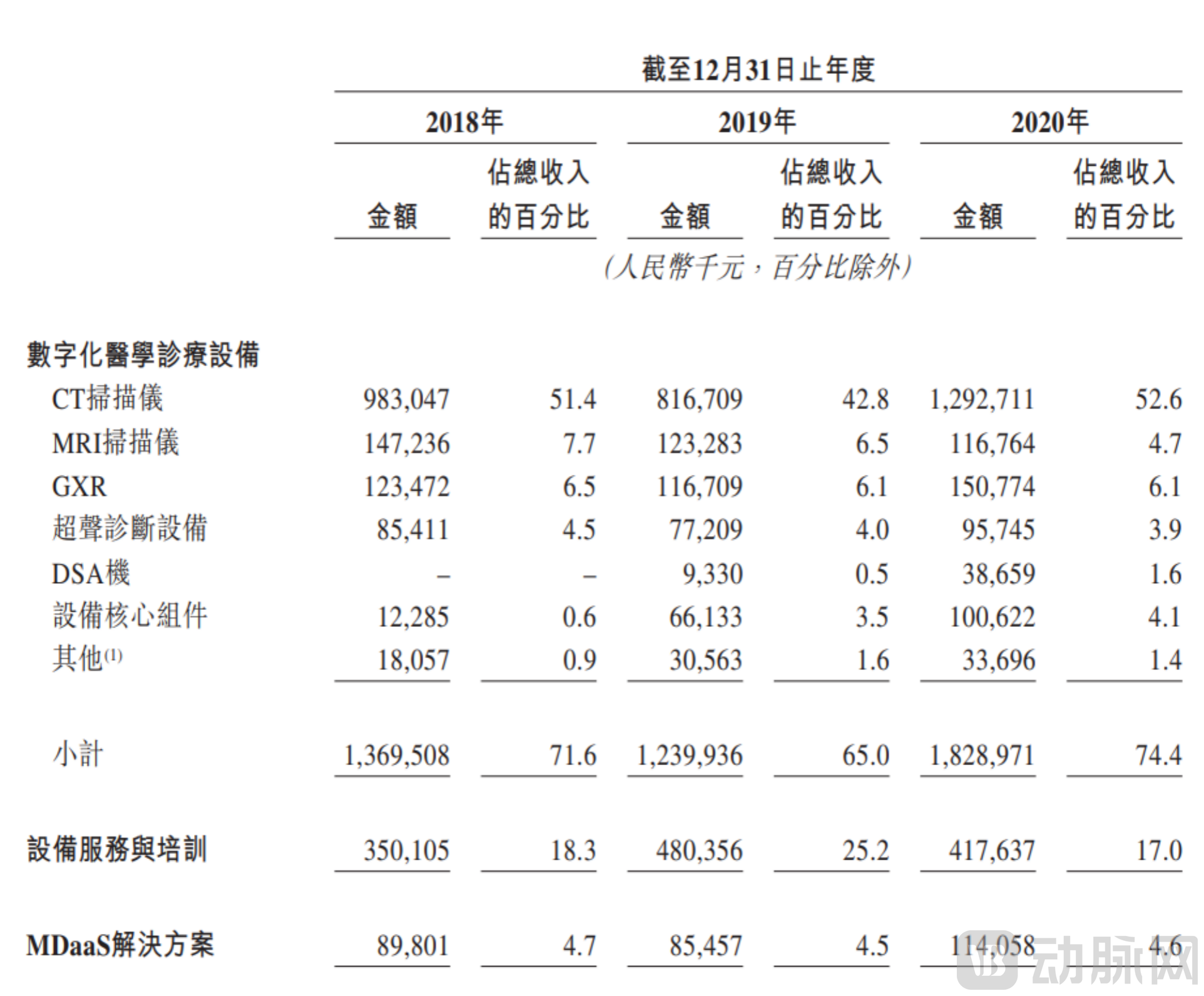
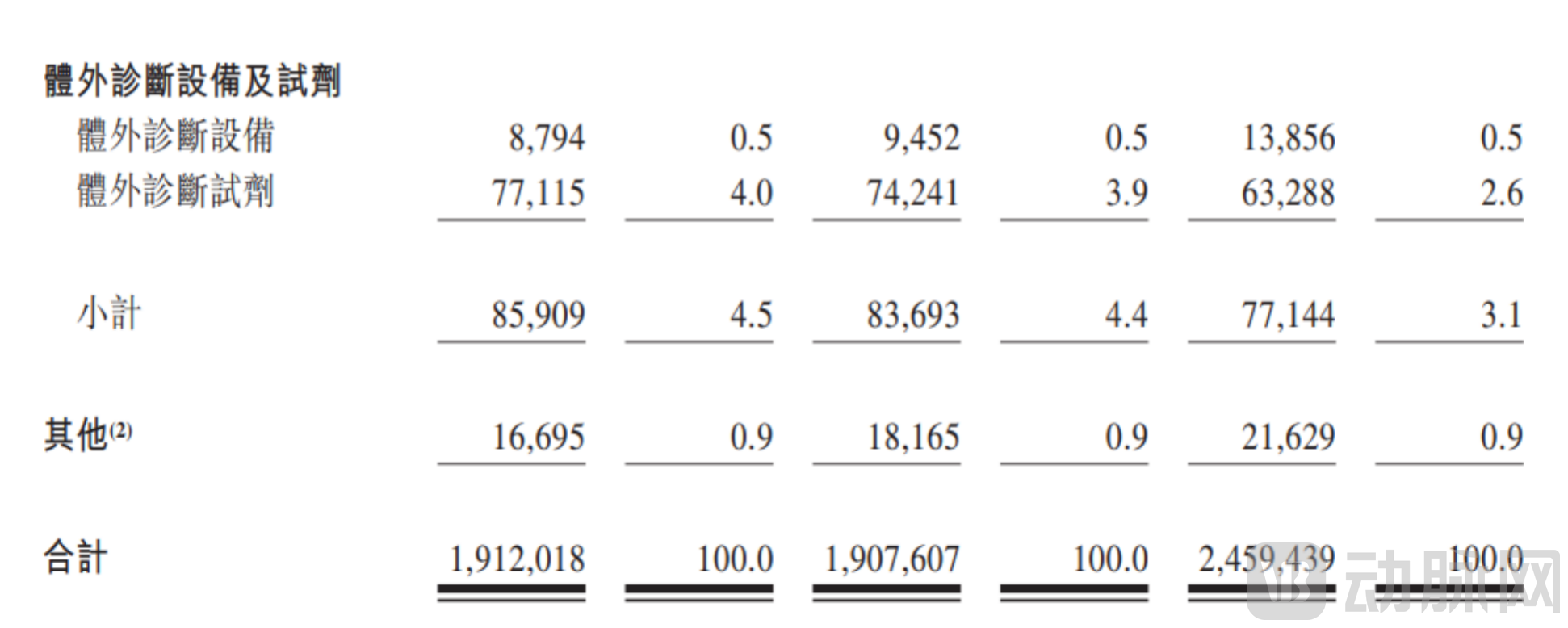
Neusoft Medical Revenue Data
In 2021, Neusoft Medical shifted its focus from merely emphasizing the number of detectors to seeking breakthroughs in imaging modalities. A prime example is the new NeuViz Epoch 16cm panoramic multi-modal CT. Equipped with a 16cm wide-body detector, this CT system can rapidly complete cardiac scans in approximately 0.2 seconds. Furthermore, it is not constrained by respiration or heart rate, enabling multi-parameter, multi-angle multi-modal data analysis through a single scan, thereby effectively reducing the burden of repeat examinations on patients.
MR is also a key focus of Neusoft Medical’s development, with new products unveiled at almost every CMEF. At the 2021 CMEF, Neusoft Medical showcased its 1.49T NeuMR Libra MRI system, which truly demonstrated its R&D capabilities. Specifically, this MRI features a wide patient table, ambient lighting strips, and coil mirror design, ensuring convenience and comfort during scans. Meanwhile, its new seamless stitching and motion artifact correction technologies enhance freedom of movement for both patients and clinicians while maintaining image quality.
Compared with CT, MR has greater development potential. After all, although Neusoft is the second-largest MR manufacturer in China, its MR revenue in 2020 was only RMB 110 million, behind which lies a market worth tens of billions of yuan.
DSA, a product line introduced relatively late, has experienced rapid growth. According to Neusoft Medical’s financial reports, DSA generated RMB 9.33 million in revenue in 2019, which increased to RMB 38.66 million in 2020, representing a year-over-year growth of over 400%.
Neusoft Medical’s emphasis on DSA is evident. At the 2021 CMEF, Neusoft Medical launched the “NeuAngio-CT Han·Wenjing.” The company hailed this device as its most significant innovation of the year.
Specifically, this device pioneers the integrated use of CT and DSA. Patients no longer need to be transferred or wait; a single scan provides a one-stop solution for stroke and tumor care, significantly improving the efficiency of emergency and critical care. For this hybrid system, Neusoft Medical has generously incorporated a 63/64-row (126/128-slice) high-precision, high-speed slip-ring CT and a trackless suspended dual-isocenter DSA. These two modalities can switch seamlessly and rapidly, thereby enabling pre-operative planning, intraoperative guidance, and post-operative assessment for interventional procedures.
Beyond hardware, MDaaS has emerged as a rising star in Neusoft Medical’s portfolio. Although this product accounted for only 4.6% of Neusoft Medical’s revenue in 2020, with little annual fluctuation, the company’s substantial promotional efforts clearly indicate high expectations for this business line.
MDaaS, short for Medical Devices & Data as a Service, is an open intelligent service platform built by Neusoft Medical based on medical devices and medical imaging data, integrating technologies such as the internet, artificial intelligence, and big data. The prospectus describes its role as follows:
Intelligent Imaging Platform: We provide equipment management services, medical image data storage and value-added services, and imaging diagnostic services to healthcare institutions connected to the NeuMiva and NeuMica platforms.
Disease-Oriented Platforms: Our MDaaS platform comprises platforms dedicated to providing imaging-based clinical solutions for specific diseases, such as our national eStroke platform (a stroke diagnosis and analysis platform) and the eLungCARE platform (a pulmonary medical imaging platform). We plan to develop additional platforms targeting other therapeutic areas, including cardiovascular disease and oncology.
Medical Imaging R&D Platform. We are establishing an R&D platform to foster interdisciplinary research collaboration and provide third-party service providers with a market presence to develop, commercialize, and monetize their products and services.
According to Wu Shaojie, there are two main reasons for developing this product line.
First, with the continuous iteration of imaging equipment, the information contained in a single image has increased dramatically. In this context, relying solely on the human eye for image recognition may not be sufficient to process all the information. The assistance of applications such as artificial intelligence is becoming increasingly important under these circumstances.
Second, many primary healthcare institutions have the capacity to acquire imaging equipment of a certain standard but may struggle to recruit physicians with sufficient qualifications. For such users, we can connect their purchased devices to the cloud, leveraging AI and remote consultations with specialists from major hospitals to assist in diagnosis.
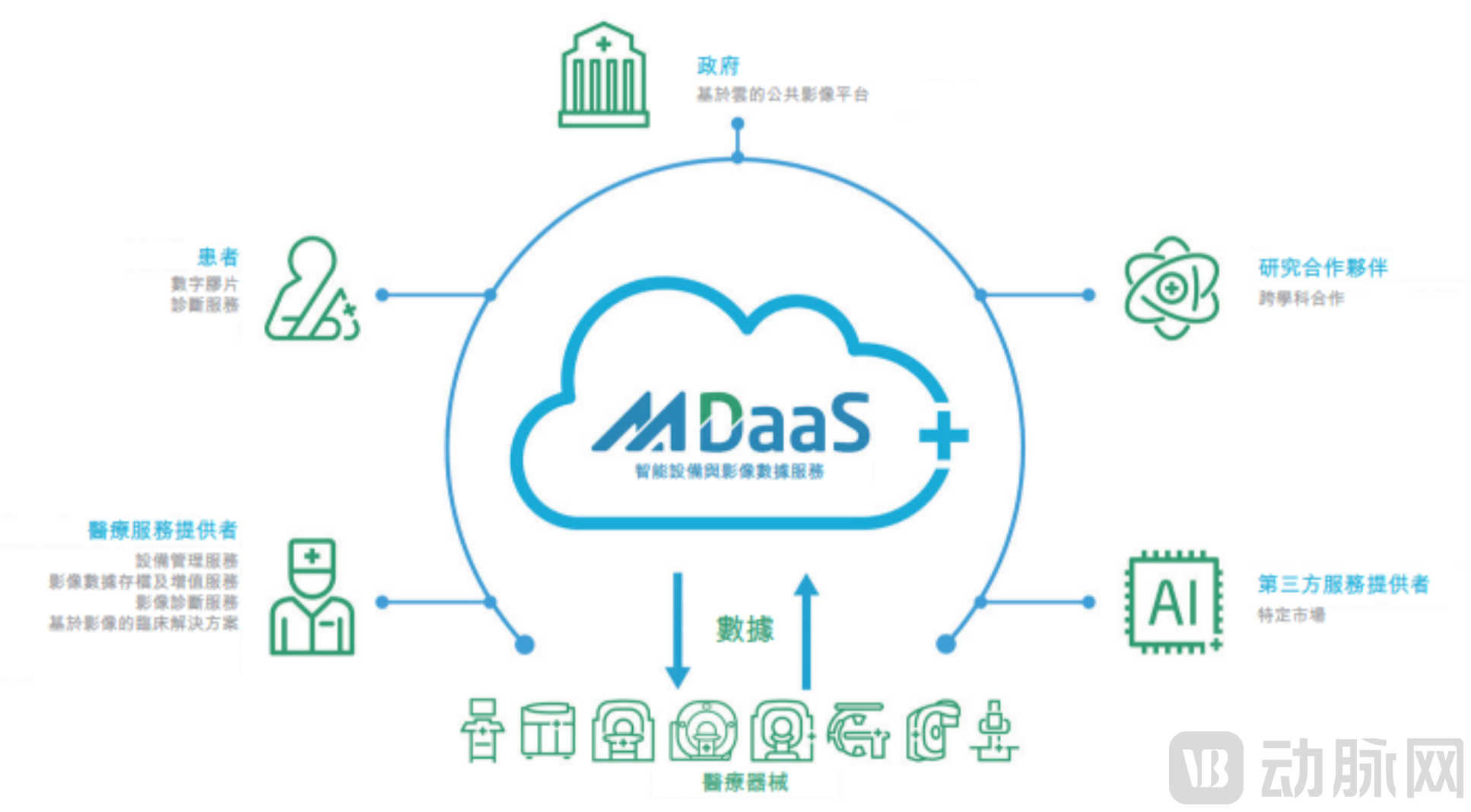
To date, MDaaS serves a dual purpose: on one hand, it hosts Neusoft’s research in imaging AI, including its independently developed automatic imaging analysis software for ischemic stroke, NeuBrainCARE, and image analysis programs for bronchiectasis and chronic obstructive pulmonary disease (COPD); on the other hand, it integrates clinical applications developed by third-party service providers, such as coronary artery analysis and pulmonary nodule analysis applications. For third-party service providers, Neusoft offers three collaboration pathways:
From the design perspective of Neusoft Medical, this platform is poised to become an integrated hub for future AI in medical imaging, serving as the foundational cornerstone of Neusoft Medical’s AI solution ecosystem to compete against the “GPS” giants and domestic rivals in the AI arena.
Prospectus data shows that the MDaaS platform has helped medical institutions store, manage, or otherwise process 3.8 million sets of imaging data, enabling over 1,000 medical institutions to receive remote diagnoses across more than 580,000 clinical cases. These figures indicate that Neusoft Medical’s MDaaS has achieved notable success. In the next phase, Neusoft Medical may focus on enhancing the comprehensive solution capabilities of its MDaaS and collaborating with more AI partners.
While the stability of traditional production lines is undoubtedly important, the exploration of new models can equally determine the upper limits of a company’s development. The prospectus does not provide a comprehensive overview of Neusoft Medical’s innovative initiatives. According to VCBeat, Neusoft Medical’s innovations encompass at least three aspects.
I. Enable the E-commerce Mode for Imaging Equipment
Under the traditional model, medical device sales largely involved sellers seeking out buyers. Since sellers could not accurately ascertain buyers’ needs, companies had to adopt an approach akin to “exhaustive search,” proactively establishing contact with every hospital. However, in the internet era, access to information has become more convenient, and buyers have gained greater bargaining power. In this context, Neusoft Medical is attempting to create an authoritative portal that allows buyers to easily access comprehensive product information.
Since last year, Neusoft Medical has partnered with Sinopharm Group to list CT scanners, X-ray systems, ultrasound devices, and other products on its online marketplace. At this CMEF, Neusoft Medical formally signed a strategic cooperation agreement with JD Health, seeking deep innovation in marketing networks. In the future, medical equipment marketing will no longer rely solely on offline models. Empowered by the internet, customer engagement has become more efficient, thereby reducing marketing costs associated with operational processes.
The non-public healthcare market is a key sector for the application of e-commerce models. Currently, Neusoft holds a significant market share. This market places high emphasis on cost-effectiveness, with substantial demand for affordable CT scanners, ultrasound systems, and digital radiography (DR) equipment priced under one million yuan. Through e-commerce channels, non-public medical institutions can acquire these devices at lower prices.
II. Establishment of Independent Imaging Centers
Neusoft Medical CEO Wu Shaojie revealed in a public interview, “The establishment of independent imaging centers in collaboration with hospitals is driven by two considerations. On the one hand, we leverage our equipment advantages to help hospitals build independent imaging centers in a cost-effective manner. On the other hand, through MDaaS, we can more effectively distribute and share the hospitals’ capabilities.”
After all, a large number of hospitals are located in city centers, where their capacity, server rooms, and other aspects are constrained by geographical limitations. This constraint further exacerbates the difficulty patients face in accessing medical care. In some major hospitals, patients typically wait nearly a week or even longer for imaging examinations.
For Neusoft Medical, proprietary equipment means that imaging centers are no longer a capital-intensive investment. By partnering with hospitals, Neusoft Medical has the potential to build independent imaging centers on a large scale. Therefore, through the development of multi-regional independent imaging centers, Neusoft Medical can alleviate long patient wait times and enhance the overall healthcare experience.
Revisiting the Impact of MDaaS. Currently, many small and medium-sized hospitals possess imaging equipment but lack diagnostic capabilities, or have limited diagnostic expertise. In this context, Neusoft Medical can collaborate with these hospitals by aggregating their imaging data on the cloud and leveraging artificial intelligence to assist in timely diagnosis, thereby effectively promoting the development of tiered diagnosis and treatment.
III. Acquiring an X-ray Tube Manufacturer to Enter the Core CT Equipment Market
The "Use of Proceeds" section of the prospectus previously stated: Through this IPO, Neusoft Medical will strengthen the R&D and acquisition of high-end digital medical imaging devices and their core components. In other words, Neusoft Medical will deepen its research into the core components of high-end digital medical imaging devices and accelerate the localization of products such as CT and MR systems.
For a long time, the localization rate of products such as CT and MRI scanners has remained low, with many domestically manufactured systems relying on imported core components. Amid global geopolitical instability, political risk has become a critical consideration for all enterprises.
Neusoft Medical had long maintained a wait-and-see stance on core components such as CT X-ray tubes and MR magnet coils. However, in recent years, the company has intensified its efforts in developing these critical parts. For instance, it undertook the high-heat-capacity CT X-ray tube project under the “Pilot Special Project for R&D of Digital Diagnostic and Therapeutic Equipment,” led by the 12th Research Institute of China Electronics Technology Group Corporation, with an implementation period from July 2017 to December 2020. According to financial report data, Neusoft Medical’s revenue from core equipment components in 2020 amounted to RMB 10 million, accounting for 4.1% of its total revenue.
If Neusoft Medical deepens its development of core components, it could potentially reshape the domestic third-party medical imaging equipment market. Given the limited number of companies in China with X-ray tube manufacturing capabilities, Neusoft Medical’s entry is highly likely to capture a significant share of the substitution market.
With the support of policies, technology, and innovation, Neusoft Medical has demonstrated sufficient stability, but is it truly a worthwhile investment?
Reviewing the annual report data, Neusoft Medical reported a total operating revenue of RMB 2.459 billion in 2020, representing a significant year-on-year increase of 28.94% compared to 2019. Its net profit exceeded RMB 80 million for three consecutive years, while overall accounts receivable gradually rose, surpassing RMB 2 billion in 2020. However, for a team comprising over 2,000 employees, including 865 R&D professionals, there remains considerable room for improvement in profitability.
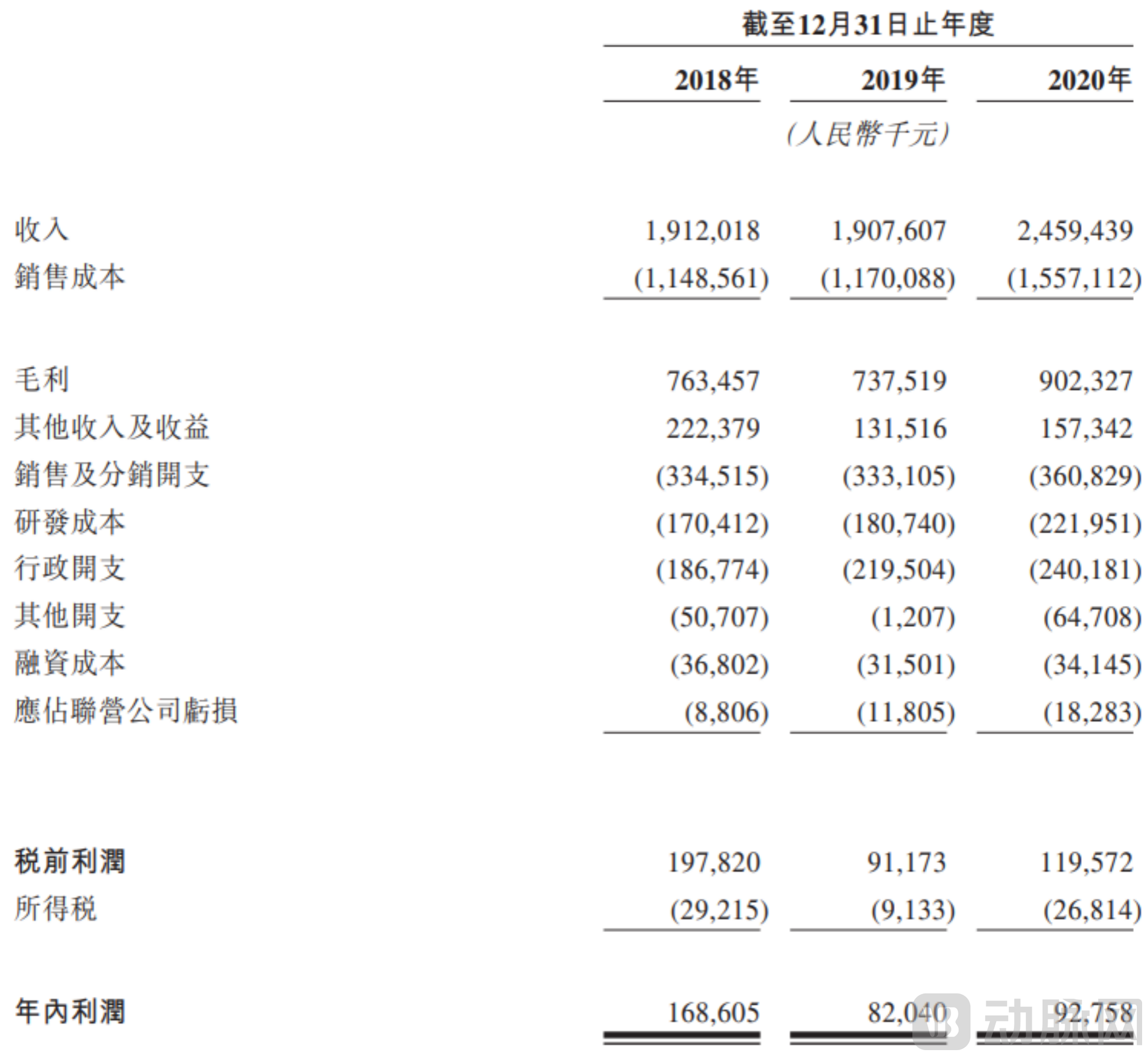
Overseas markets represent Neusoft Medical’s growth potential. According to data from its prospectus, as of the year ended December 31, 2020, Neusoft Medical had more than 1,100 domestic distributors covering 23 provinces, 4 municipalities directly under the Central Government, and 5 autonomous regions across China, along with over 130 overseas distributors spanning 100 countries and regions on six continents.
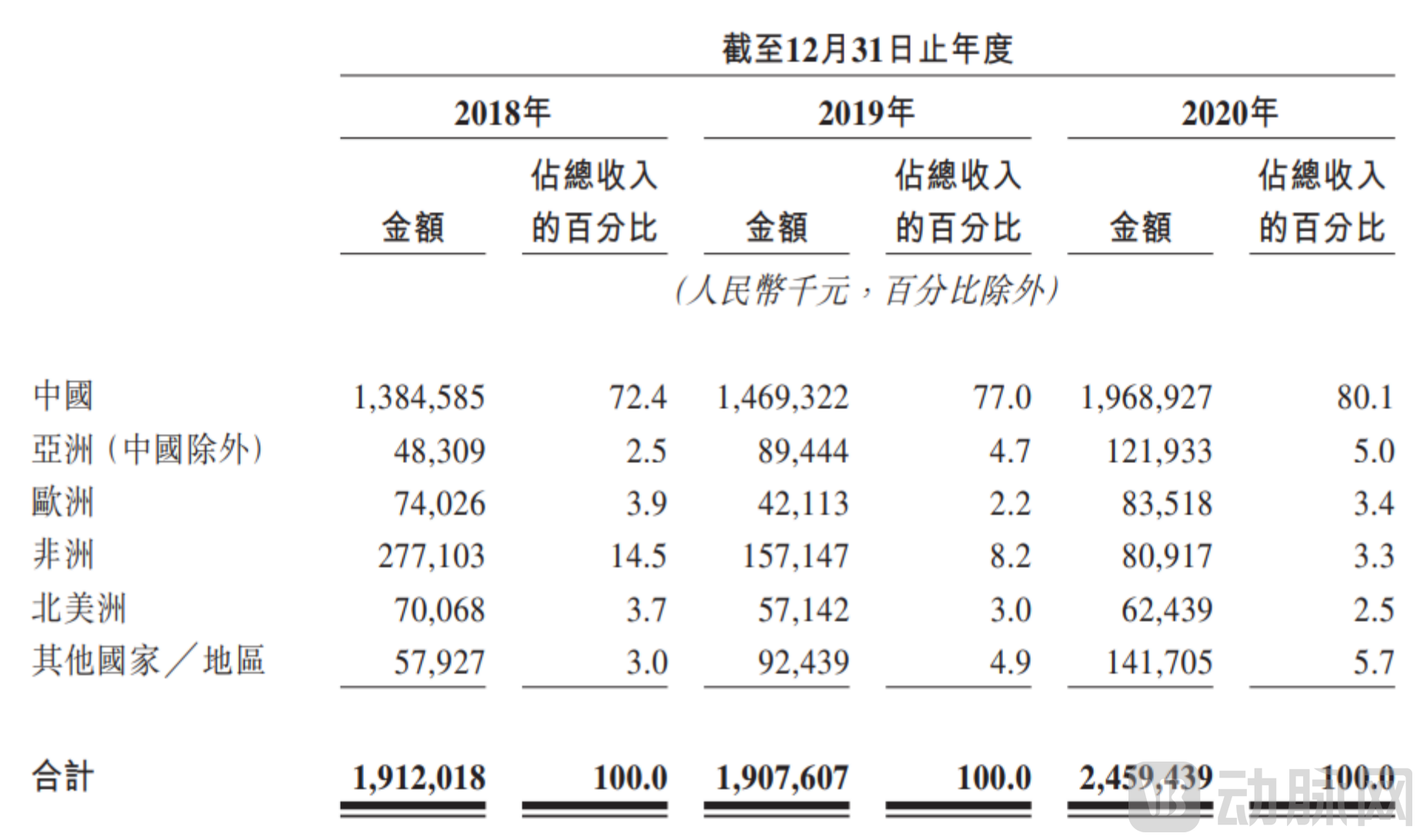
The outbreak has led to a polarized trend in Neusoft Medical’s international sales, with significant growth in regions such as Asia (excluding China) and Europe, while Africa experienced a nearly 50% decline. Nevertheless, from an overall perspective, Neusoft Medical’s overseas business continues to demonstrate strong growth momentum.
If Neusoft Medical can capture a larger share of the international market, the company is highly likely to experience rapid growth. However, caution is warranted due to intense industry competition and the numerous challenges associated with exploring new markets. Nevertheless, the addressable market space available to Neusoft Medical is substantial. If the company can achieve breakthroughs in both sales and R&D through its IPO, it may well redefine itself, effectively creating a "new Neusoft Medical."