

High-Throughput In Situ DNA Synthesis Goes Domestic in China as Global Leader's Stock Surges 14-Fold in Three Years
DNA is the primary carrier of genetic information and lies at the heart of life’s mysteries. DNA synthesis, therefore, serves as an essential tool in humanity’s exploration of these mysteries. Traditional column-based DNA synthesis techniques are suitable for small-scale research applications. However, when it comes to genomic-level work, even the smallest viral genomes span tens of kilobases (kb), while the genome of Escherichia coli, a common model microorganism, is approximately 4.2 megabases (Mb) in size. If traditional column-based DNA synthesis were used to construct such genomes, the cost would easily reach millions of yuan, even for the simplest ones.
To address more complex DNA synthesis needs, high-throughput in situ DNA synthesis technology has gradually come into the spotlight. The high-throughput evolution of DNA synthesis technology mirrors the miniaturization process that computers underwent in the past. Without photolithography machines and large-scale integrated circuit manufacturing technologies, computers might still remain confined to ivory towers today, unable to play a pivotal role across various fields.
So, what exactly is “high-throughput in situ DNA synthesis technology” that can drive the exploration of life’s mysteries? And how will this industry achieve domestic production in China?This article reviews the development of DNA synthesis technology and provides forecasts for the future of the industry.
DNA synthesis in living organisms is catalyzed by DNA polymerases, which can synthesize DNA strands that are perfectly complementary to the template strand. The advantages of biological DNA synthesis include rapid speed, mild reaction conditions, and a low error rate. Leveraging these principles, researchers have developed the polymerase chain reaction (PCR) technique, enabling the rapid and cost-effective production of DNA strands. However, biological DNA synthesis is template-dependent; it can only generate complementary DNA strands using templates derived from existing biological genomes. It cannot perform de novo synthesis of entirely new DNA strands without a template. Consequently, this limitation fails to meet the demands of synthetic biology and DNA data storage applications.
Chemical synthesis was the primary method for direct DNA synthesis for a long period.DNA chemical synthesis is based on the principles of solid-phase chemical synthesis. The concept of solid-phase chemical synthesis was first applied to peptide synthesis, where it demonstrated outstanding performance, and was subsequently widely adopted for the synthesis of nucleotides and polysaccharides. Its inventor, Bruce Merrifield, was awarded the Nobel Prize in Chemistry in 1984 for this technology.
Chemical DNA synthesis consists of multiple reaction cycles. Each cycle primarily includes four steps: deprotection, coupling, capping, and oxidation. These steps cyclically remove the protecting group from the terminal end of the protected DNA chain attached to the solid support, ligate a new protected nucleotide monomer, and thereby extend the DNA chain by one nucleotide. During the synthesis process, excess reagents and impurities remain in the solution, while the product stays bound to the solid-phase support. This eliminates the need for purification after each reaction step, making it particularly suitable for the automated synthesis of long-chain biomacromolecules. Chemical DNA synthesis is template-independent and allows for on-demand synthesis of DNA strands. However, because organic synthetic reactions are not 100% efficient—for instance, if the per-cycle synthesis efficiency is 99%, the final yield for a 100-nucleotide-long DNA strand would be only 0.99^100, or 36.6%—the length of DNA strands obtained via chemical synthesis is typically shorter than those produced by biological synthesis.
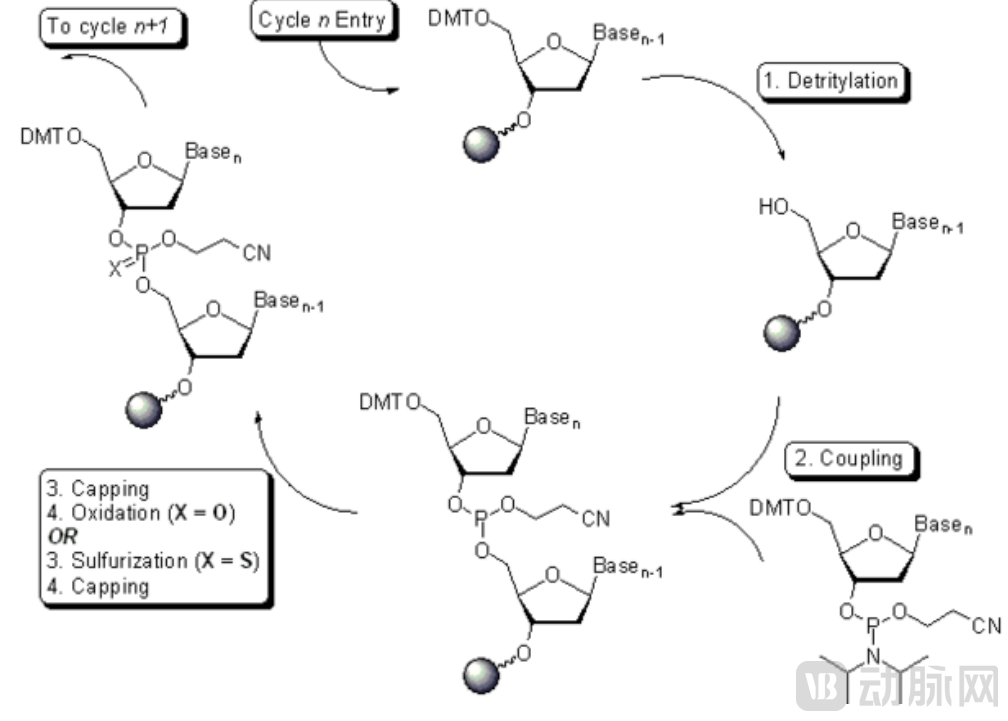
Figure 1: Principle of DNA Solid-Phase Chemical Synthesis (Phosphoramidite Method) (Image source: Internet)
DNA solid-phase chemical synthesis enables the synthesis of a single DNA strand in each reactor; however, due to the lower efficiency of chemical synthesis compared to biological synthesis, the length of the resulting DNA strands typically cannot exceed 200 bases. Currently, column-based DNA synthesizers based on the principle of solid-phase synthesis (Figure 2) perform DNA synthesis using column reactors. Leveraging industrial automation technology, these systems can simultaneously control 192, or up to 1,536, reactors for parallel synthesis, achieving a throughput of 192 to a maximum of 1,536 DNA strands. However, constrained by reactor dimensions, this synthesis throughput has practically reached its limit. Relying solely on this technology for large-scale genome synthesis remains as arduous as circumnavigating the globe on foot. Therefore, bridging the substantial technological gap between DNA solid-phase chemical synthesis and synthetic genomics requires innovative approaches.
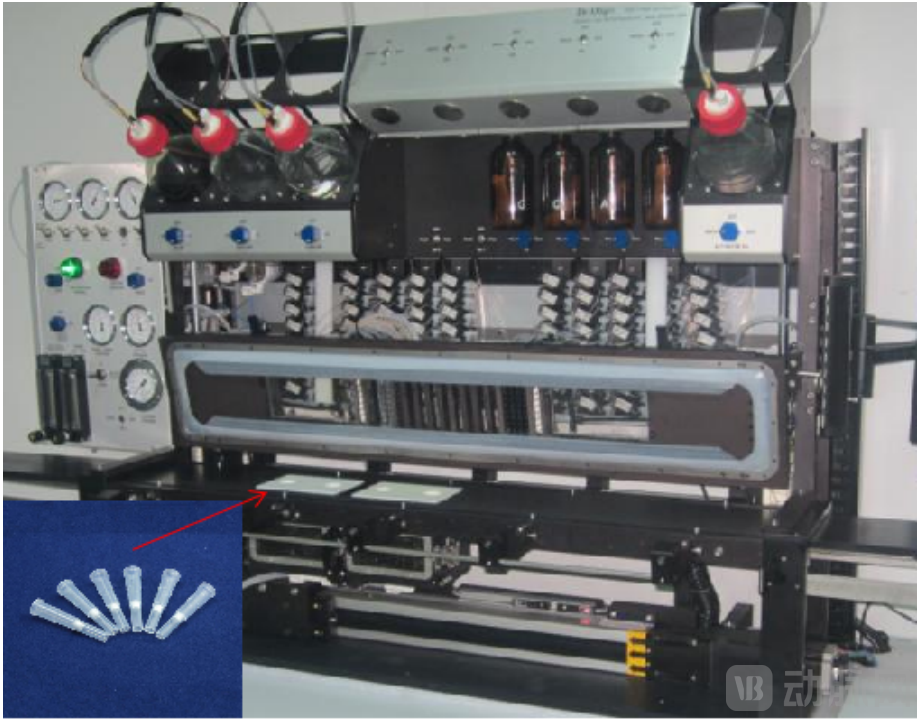
Figure 2. Column-based DNA synthesizer. Common models offer a throughput of 96 × 2 = 192 channels, enabling the control of 192 column reactors for synthesis. However, due to physical size constraints of the reactors, 384 × 4 = 1,536 channels effectively represents the throughput limit for this type of instrument. (Image source: Internet)
Similar bottlenecks have been encountered in the semiconductor industry. The transistor was invented in 1938, and the working principle of the PN junction was mastered around 1950. A single transistor is akin to a short strand of chemically synthesized DNA, offering limited functionality on its own. However, by leveraging photolithography machines, photomasks, and photoresists, distinct patterns can be etched onto different regions of a silicon wafer. This process exposes certain areas to chemical reactions while protecting others with photoresist. Through this high-throughput “switching” mechanism, microscopic PN junctions, interconnects, resistors, capacitors, and other components can be fabricated in specific regions of the wafer, ultimately enabling the production of powerful chips such as CPUs. The Moore’s Law-like rapid advancement of the information technology sector has demonstrated that high-density integrated circuits can significantly reduce circuit costs and greatly enhance integration density. Photolithography equipment and chips have played a pivotal role in propelling the development of the information industry.
Therefore, based on the same principle, by concentrating a large number of DNA chemical synthesis sites on a single surface and designing an appropriate switching mechanism to automatically control the activation and deactivation of thousands of synthesis sites, reactions can be directed to occur in specific regions as needed. This approach enables the fabrication of true high-throughput DNA synthesis chips. Such chips can simultaneously perform tens of thousands or even more DNA syntheses on a chip-sized surface, reducing synthesis costs by several orders of magnitude compared to conventional methods. Although the yield of each individual DNA product is also reduced by several orders of magnitude relative to conventional synthesis, the initial products can be massively amplified using cost-effective and efficient PCR technology, thereby significantly lowering amplification costs. ThereforeBy leveraging high-throughput DNA synthesis technology, the cost of de novo DNA synthesis can be reduced by several orders of magnitude.
High-throughput DNA synthesis technologies and equipment have made cost-effective synthetic biology and DNA storage feasible, enabling a deeper understanding and engineering of living organisms.In fact, due to the critical importance of high-throughput DNA synthesis equipment, currently only DNA synthesis services are available for procurement on the market, while high-throughput DNA synthesis instruments themselves are not commercially available for purchase.
Currently, there are three relatively mature technical approaches for high-throughput DNA synthesis instruments: photochemical synthesis, electrochemical synthesis, and microdroplet-based synthesis.
The photochemical method was first applied by Affymetrix (now acquired by Thermo Fisher Scientific) in the United States, using light as a reaction switch. By employing multiple sets of photomasks to block ultraviolet light, different regions of the chip undergo photocatalytic acid generation at different times, removing the protecting groups from DNA monomers and thereby enabling the attachment of distinct DNA monomers. However, due to the relatively low efficiency of the photocatalytic reaction, it is difficult to synthesize very long DNA strands. Consequently, apart from solid-phase hybridization gene chips, this method is currently used less frequently.
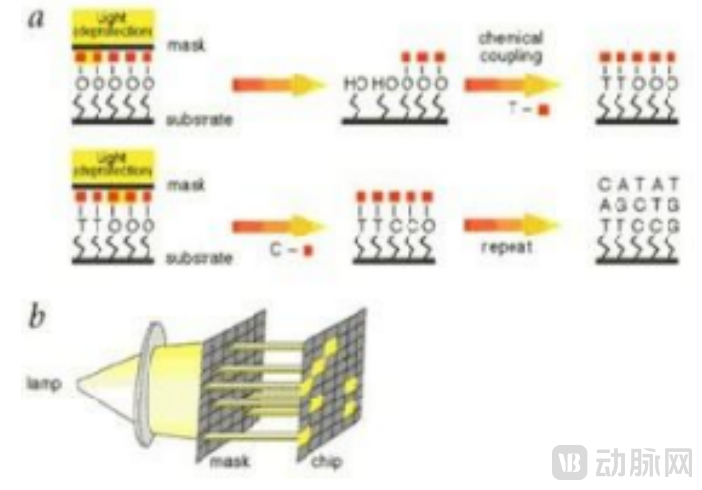
Figure 3. High-throughput DNA synthesis via photochemical methods (Image source: Internet)
Electrochemical synthesis was first pioneered by CustomArray, Inc. (now acquired by GenScript), utilizing electric current as the reaction trigger. This method integrates a high-density electrode array onto a chip, where each electrode can be independently controlled. When energized, the electrodes generate acid to remove the protecting groups from DNA monomers, thereby facilitating DNA strand elongation. While this approach yields higher-quality synthetic DNA than photochemical methods, the entire chip is immersed in the reaction solution during synthesis. Consequently, locally generated acid may diffuse and affect adjacent areas, resulting in lower practical efficiency compared to microdroplet-based methods.
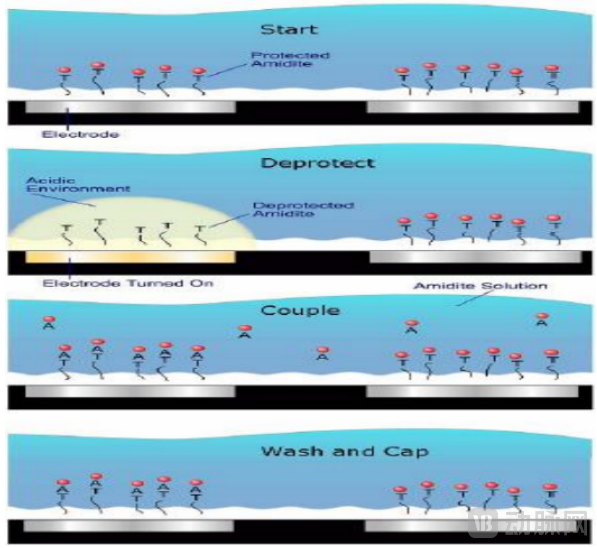
Figure 4. High-throughput DNA synthesis via electrochemical methods (Image sourced from the internet)
The microdroplet method employs specially designed microdroplet generation devices to produce minute droplets on a chip, controlling reactions through spatial isolation. Currently, Agilent and Twist Bioscience in the United States have implemented this approach using customized inkjet printing systems. Each reaction site can be supplied with microdroplets of reagents at different time points as needed, ensuring physical isolation between reaction sites and eliminating the possibility of cross-contamination. Consequently, DNA synthesized via this high-throughput method exhibits the highest quality and is currently the most widely adopted technique. However, the precise and independent control of synthesis reactions within a large number of microdroplets imposes stringent requirements on chip fabrication, microdroplet management, control and feedback mechanisms, and software systems. Its development necessitates interdisciplinary expertise across multiple specialized fields, representing the highest technological barrier.
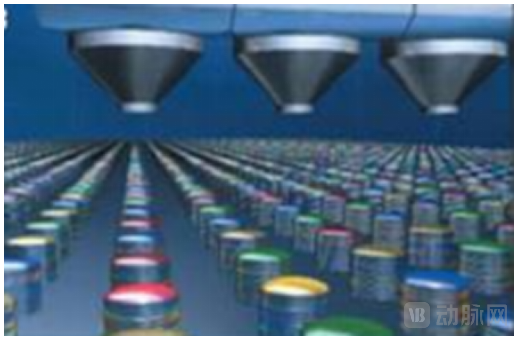
Figure 5. High-throughput DNA synthesis using the microdroplet method (image sourced from the internet)
Global capital markets have shown high expectations for microdroplet-based high-throughput DNA synthesis equipment. When Twist Bioscience went public in October 2018, its initial offering price was only $14 per share. Within less than three years since then, Twist’s stock price peaked at $214.07, pushing the company’s market capitalization into the tens of billions of dollars. Several Chinese next-generation sequencing (NGS) companies have also entered into collaborations with Twist. Although these partnerships span diverse application scenarios, they are all underpinned by Twist’s leading high-throughput in situ DNA synthesis technology.
Currently, high-throughput synthesis equipment based on principles other than the three aforementioned ones has not yet appeared on the market, although some meaningful explorations are still underway in the research phase. Some scholars have achieved enzymatic, template-free DNA synthesis using DNA ligase. The underlying principle involves linking enzymes with nucleotides to construct specialized monomers capable of enzymatic DNA synthesis, which can be regarded as a variant of solid-phase synthesis. This method remains at the laboratory stage only, with costs even significantly higher than those of traditional column-based synthesis. Given that column-based synthesis is already several orders of magnitude more expensive than high-throughput synthesis, there is currently no visible commercial feasibility for applying this method to high-throughput synthesis.
Another possibility is the use of combinatorial chemistry for high-throughput DNA synthesis. The principle involves dividing the DNA synthesis support into four aliquots in each cycle, coupling them with four different phosphoramidite monomers respectively, and then recombining the supports. According to permutation and combination principles, n cycles yield a total of 4^n distinct products. While this method features simple principles and control, it generates excessive redundant products, with the vast majority being useless sequences. Consequently, a series of methods must be employed to screen for the few useful products from the mixture.
Hangzhou Yuanhe Biotechnology is the first domestic manufacturer to independently master the technology for high-throughput DNA synthesis instruments based on microdroplet methods.Dr. Cai Wanshi, one of the founders, previously developed two gene capture technologies with independent intellectual property rights—probe hybridization and multiplex PCR—and deeply recognizes the critical importance of high-throughput DNA synthesis technology to the genomics industry. Dr. Zheng Hui, the other founder, possesses a multidisciplinary background and has successfully developed various instruments, including solid-phase chemical synthesis microfluidic chips and automated synthesizers, making him one of the few professionals in China with relevant expertise in high-throughput synthesis equipment.
The R&D team rose to the challenge, overcoming multiple hurdles in synthesis processes, control systems, and chip fabrication and modification through years of arduous research. They successfully achieved in situ DNA synthesis on chips using a microdroplet method. The first-generation synthesis chip can currently synthesize 6,200 DNA strands in a single run, with a synthesis density exceeding 150 strands per square millimeter. The synthesized DNA strands are longer than 80 nucleotides (nt), exhibit high uniformity, yield approximately 0.5 fmol per strand, and have an error rate of less than 1%. The instrument’s performance initially meets the primary application scenarios for high-throughput DNA, such as gene sequencing and gene synthesis. It is expected that within the year, the technology will achieve a synthesis throughput of over 100,000 strands and a synthesis length greater than 150 nt, thereby realizing a technological breakthrough in domestically produced high-throughput DNA synthesis equipment.
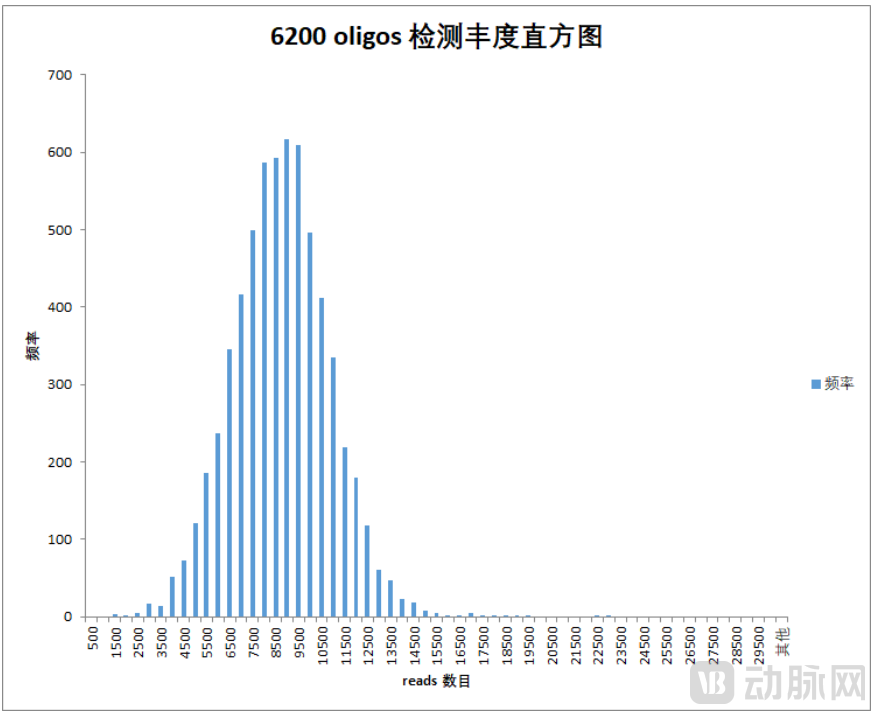
Figure 6. Sequencing results of product uniformity for the high-throughput DNA synthesis chip from Hangzhou Yuanhe Bio
Domestically produced high-throughput DNA synthesis equipment can significantly reduce the cost of DNA synthesis, thereby enhancing the competitiveness of China's biotechnology industry. Currently, the application of high-throughput DNA synthesis in China is thriving, with increasingly clear prospects in related fields. A robust application ecosystem will further drive the continuous iteration of this technological equipment, narrowing the gap with the most advanced systems available globally.
On the one hand, high-throughput DNA synthesis is driving the upgrade of existing technologies.
Oligonucleotide pools (oligo pools) are widely used as various probe libraries. For instance, hybridization probes are frequently employed in genetic disease screening services to capture regions of interest for sequencing. To achieve coverage of the entire human exome, it is typically necessary to synthesize oligo probes numbering in the millions. High-throughput synthesis is therefore well-suited for constructing probe libraries of this scale. Furthermore, customizing probe libraries for specific regions of interest has become increasingly easier, seemingly facilitating personalized sequencing and screening services.
In addition, oligonucleotide pools are also commonly used in the construction of various functional screening libraries, such as CRISPR gRNA libraries targeting customized gene sets, mutant libraries for functional screening, and antibody libraries. With the widespread adoption of high-throughput synthesis, these approaches may become “routine methods” for validating and discovering biological functions.
Due to limitations in the accuracy of chemical synthesis, long-chain genes are typically assembled from small oligonucleotide fragments. High-throughput oligo synthesis has indirectly enabled the synthesis of large numbers of genes and even entire genomes. Consequently, fields related to synthetic biology will undoubtedly benefit significantly.
In recent years, thanks to the increasing maturity of DNA reading and writing technologies, as well as societal expectations for new modes of production in the current era, life science research has begun to shift from passive analysis to active creation. Moving from “investigating things to acquire knowledge” to “constructing things to acquire knowledge,” and applying knowledge for practical use, this approach integrates accumulated knowledge of gene functions from basic research with engineering principles. By constructing biological systems, it aims to solve practical production problems in fields such as medicine, chemical engineering, food, energy, materials, and agriculture. Synthetic biology is widely regarded as the focal point of the next wave of biotechnology, holding the promise of triggering profound industrial transformation in the future.
Currently, a large number of synthetic biology-related companies have been established abroad, forming a complete industrial chain. The upstream sector provides gene synthesis, the midstream platforms offer biological system design and construction solutions, and the downstream sector carries out specific industrial applications. A similar trend is also emerging within China’s domestic industry. It is believed that the advent of domestically produced high-throughput synthesis technologies will also contribute to the revitalization of industries related to synthetic biology.
On the other hand, high-throughput DNA synthesis is also fostering emerging application scenarios.
Beyond the upgrading of existing technologies, a leap in DNA synthesis capabilities has the potential to “break out of its niche,” enabling applications outside the biotechnology industry. For instance, DNA can naturally serve as a quaternary storage medium (A/T/C/G), offering advantages such as high information density and long-term stability. In an era of explosive data growth, if the cost per base synthesized can be further significantly reduced, DNA storage will undoubtedly become a highly viable option for information storage.
China has already become a major manufacturing power, but to transform into a leading manufacturing nation, it must achieve breakthroughs in certain cutting-edge manufacturing equipment technologies. High-throughput DNA synthesis equipment integrates multiple key core technologies from fields such as scientific instruments and chemical reagents, and is critical to the development of a series of downstream technological areas in the biotechnology industry; its importance is self-evident.Hangzhou Yuanhe Bio expects to hold a press briefing in July, at which it will provide further details on its R&D of high-throughput DNA synthesis equipment and related data.As a service provider, Hangzhou Yuanhe Biology will work alongside colleagues from research institutions and the biotechnology industry to make unremitting efforts toward building an independent and self-reliant national industrial chain.