

Can Proya-Led 'China Beauty Town' Redefine the Boundaries of the Aesthetic Medicine Industry?
As a “new force” in the healthcare industry, the medical aesthetics sector has enjoyed considerable prominence in recent years.According to the "2020 White Paper on the Medical Aesthetics Industry" released by Gengmei APP, a professional domestic medical aesthetics platform, China's medical aesthetics market reached RMB 197.5 billion in 2020, representing a year-on-year increase of 11.6% and marking ten consecutive years of high-speed growth exceeding 10%.
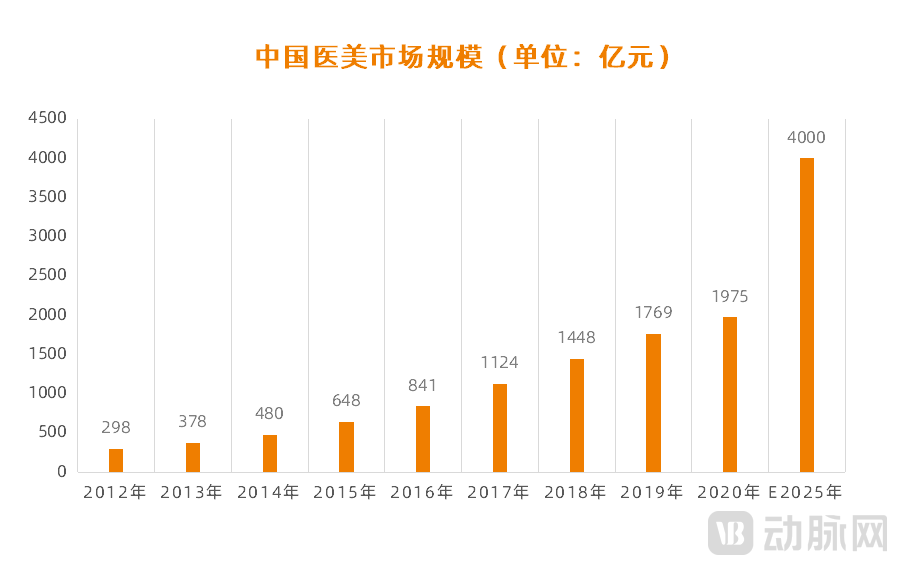
Nevertheless, the potential of China’s medical aesthetics industry remains underexploited and is poised for significant future growth. This is primarily because China’s market penetration rate for medical aesthetics stands at only around 2%, substantially lower than the approximately 10% observed in leading countries such as the United States, Brazil, and Japan, indicating at least a fivefold room for expansion. Therefore,According to estimates by the Gaohe Investment Research Center, China's medical aesthetics market is projected to reach RMB 366.8 billion in 2023, potentially surpassing the United States to become the world's largest medical aesthetics market.
The market is on the rise, and specialized industrial clusters built around the medical aesthetics industry chain are also emerging. In January 2018,"Xinglin International Medical Aesthetics Town"Held a global launch ceremony, marking the birth of China’s first medical aesthetics industrial park; in May 2018, planning covered nearly 400 mu of land"Chengdu Medical Aesthetics Town"Announced a call for conceptual planning proposals, aiming to build a nationally leading and globally renowned “Capital of Medical Aesthetics”; in November 2020,“Dalian International Medical Aesthetics Town”Upon completion of Phase I construction, the project will establish a Chinese “bridgehead” in the high-end medical aesthetics sector of Japan and South Korea; in April 2021,"The First Medical Aesthetics Stock on the STAR Market"Bloomage Biotech stated that the “Bloomage Biotech Life and Health Industrial Park” project, with a total investment of RMB 2 billion, is expected to officially commence operations in the second quarter of 2023.
The successive emergence of medical aesthetics industry clusters is sending a clear “signal” that both local governments and enterprises are making extensive strategic layouts across the medical aesthetics industry chain.
However, it is essential to maintain rationality amidst the fervor. Against the backdrop of broader trends, how to strategically plan the top-level design of industrial clusters, seize current development opportunities in the medical aesthetics industry, and build influential and competitive medical aesthetics industrial clusters has become a significant and urgent challenge facing the healthcare sector today.
Based on this, VCBeat will conduct an in-depth analysis of the “China Beauty Town,” which is also built around the beauty industry. By drawing insights from external best practices to inform governance strategies, we aim to provide truly valuable recommendations for the development of China’s medical aesthetics industrial clusters.
On the evening of May 12, 2015,Hou Juncheng, Chairman of Proya Cosmetics Co., Ltd.During a reception, an idea suddenly struck him: to build a “Beauty Town” in the Daxi Town Industrial Park, Huzhou City, Zhejiang Province.
Soon, Hou Juncheng took action. He proactively engaged with government departments to jointly discuss and plan the future of Beauty Town, thus bringing a sudden idea into the implementation phase.
This was no impulsive move; for the Beauty Town, its successful incubation has benefited from a perfect alignment of “favorable timing, advantageous location, and strong human support.”
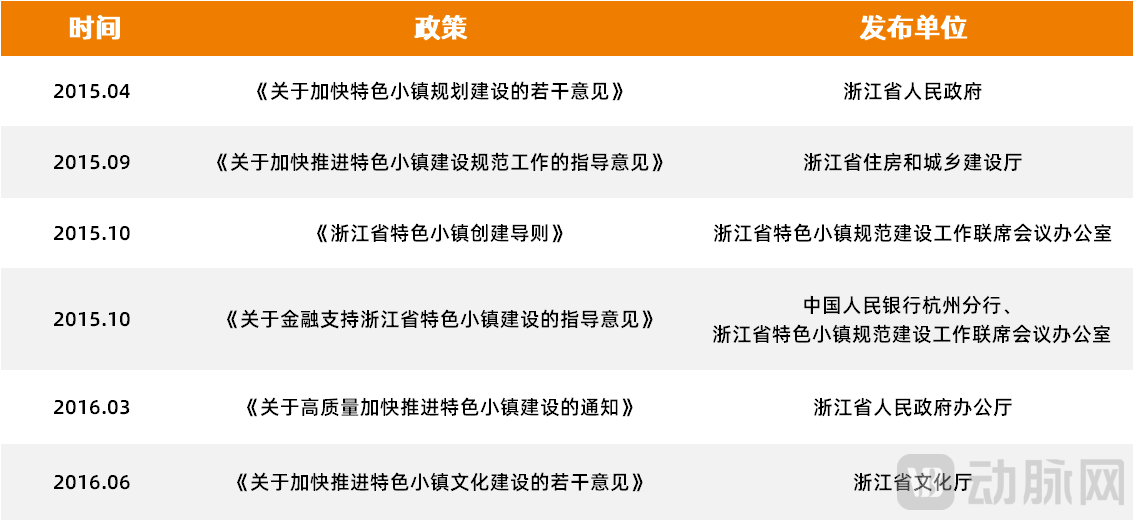
First is “favorable timing”: a series of key policies have been successively released.In April 2015, the People’s Government of Zhejiang Province issued the Guiding Opinions on Accelerating the Standardized Development of Characteristic Towns, explicitly stating strong support for the construction and rapid development of various types of characteristic towns. A year later, in its annual government work report, Zhejiang Province announced that it would focus on cultivating eight trillion-yuan industries—namely information technology, environmental protection, health, tourism, fashion, finance, high-end equipment manufacturing, and culture—with characteristic towns serving as the primary vehicles for this initiative.
Next is “geographic advantage”: a strong foundation of leading brands plus a favorable production environment.In July 2006, Proya, known as “China’s First Beauty Stock,” established its presence in the Daixi Town Industrial Park in Huzhou City and officially commenced production in April 2009. Within just six years, Proya expanded its production area from an initial 155 mu to over 300 mu, while achieving rapid business growth of 20% to 30%. Proya has continued to deepen its roots in Huzhou.
In addition to its brand foundation, the production environment is also highly suitable. Located in Daixi, Huzhou, at the junction of the Tianmu Mountain foothills and the Hangzhou-Jiaxing-Huzhou Plain, the area features a landscape characterized by “70% mountains, 10% water, and 20% farmland.” With a forest coverage rate of 70%, the air quality is excellent. The storage capacity of Laohutan Reservoir is comparable to that of West Lake, and its water quality consistently meets the National Class I Water Standard, making it ideal for cosmetics manufacturing.
Finally, there is “human harmony”: the dream and persistence of Hou Juncheng, Chief Advisor to China’s Beauty Town.In October 2015, Hou Juncheng, serving as Chief Advisor, promoted the “Beauty Town” project at the Louvre in Paris, France. “Today, we have come to Paris with a dream—a dream for China’s cosmetics industry. We will build a new, world-class cluster for the cosmetics industry in Huzhou, Zhejiang Province, China, to comprehensively elevate the development level of China’s cosmetics sector, benefit consumers both in China and abroad, and provide an entrepreneurial platform for cosmetics enterprises with aspirations worldwide.”
To realize this dream, Hou Juncheng drew upon the passion and resilience he demonstrated when he first started his business, rushing to the scene at the first opportunity whenever needed. Mao Lirong, Deputy Director of the Education, Science, Culture, Health and Sports Committee of the Huzhou Municipal People’s Congress and Director of the Management Committee of China Beauty Town, frankly stated that Hou Juncheng is undoubtedly the primary contributor to the rapid development of “China Beauty Town.”
A city without industrial support, no matter how beautifully built, is merely a superficial “ghost town” that cannot withstand the test of time and external shocks. Similarly, an industry without a city as its foundation, no matter how advanced, can only operate in “idle mode,” failing to provide the acceleration needed for industrial development.
Therefore, there must be a corresponding degree of alignment between industry and urban development; only in this way can true bidirectional growth be achieved.
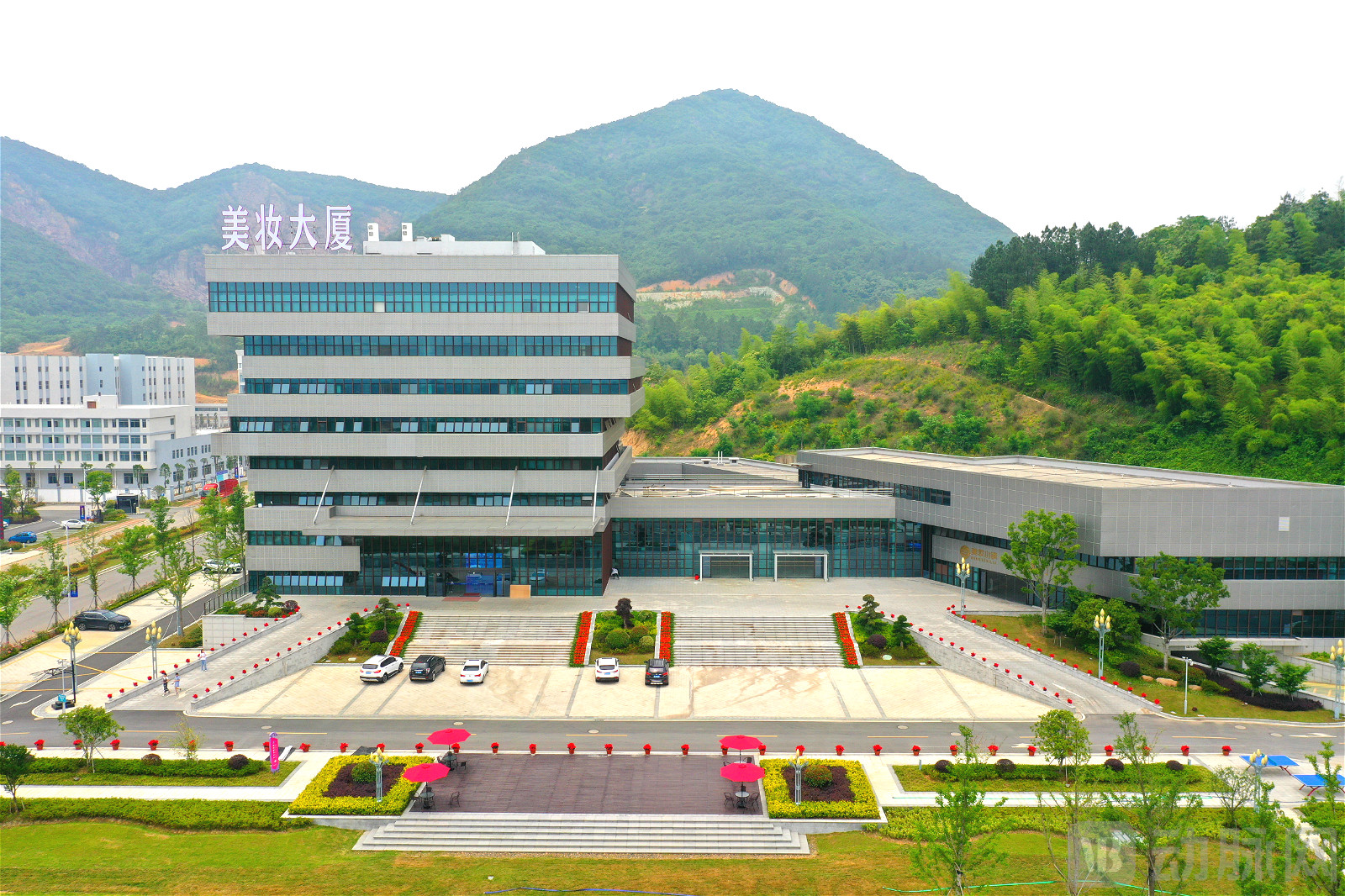
From initial planning to final implementation, Beauty Town has been comprehensively developed around a framework of industry-city integration. Leveraging the “Four Centers” as key drivers, it deeply integrates four core sectors—industry, culture, tourism, and community—into its industrial structure, thereby forging an integrated, full-industry-chain ecosystem.
1. Establish a cosmetics industry cluster center.By attracting investment and other means, a large number of related enterprises have been attracted to settle in, gradually forming industrial agglomeration and completing the extensive layout of the whole industry chain. Up to now, 172 projects have settled in Beauty Town, mainly including domestic cosmetics leading enterprise Proya, South Korea's well-known cosmetics company Hanbul, Asia's largest packaging material company YanYu, France's top ten fragrance company L'Oréal, British royal brand Poetique, Taiwan-funded enterprise Qilihua and other industry leaders.
Second, establish a beauty culture experience center.For enterprises, brand success lies in perfecting a culture; for users, choosing a brand is tantamount to choosing a culture. To bring the industry closer to consumers and truly reflect its brand value, Beauty Town is committed to building a cultural experience center. By employing diverse presentation formats, it enables users to gain a comprehensive understanding of the history and culture behind both the brands and the entire industrial chain.
3. Establish a Beauty and Fashion Expo Center.Beauty Town is home to the world’s largest cosmetics-themed museum and serves as the permanent venue for the Beauty Town Cosmetics Industry Leaders’ Summit. Integrating functions such as collection exhibitions, education and training, cultural exchange, foreign trade, and large-scale expos, the museum aims to promote the display of beauty culture and facilitate international cooperation and exchanges.
Fourth, establish a Beauty Talent Technology Center.Leveraging its industrial chain to strengthen the talent pipeline, Beauty Town has continuously promoted the integrated development of industry and education, fostering collaboration among government, enterprises, and academic institutions. It has established partnerships with four prestigious universities—East China University of Science and Technology, Jiangnan University, Dalian University of Technology, and Zhejiang University of Technology—to jointly build innovation research centers. By hosting the Beauty Science and Technology Innovation Center and establishing an innovation and entrepreneurship hub, Beauty Town was recognized as a “Provincial Demonstration Base for Industry-Education Integration” in 2020. Furthermore, the town has intensified efforts to build a high-skilled talent workforce by implementing long-term talent development strategies. It has introduced Zhejiang Yuying Education Group and launched joint educational programs with the French Higher Institute of Hairdressing and Cosmetology and the Italian Perfumery Academy, aiming to create an applied technical university dedicated to serving the beauty industry. This initiative focuses on cultivating specialized beauty technology professionals and building a bridge for resident enterprises in talent development, problem-solving, project incubation, and achievement commercialization, thereby fully constructing an innovation and entrepreneurship base that integrates industry, academia, and research.
Since its inception, Beauty Town has consistently adhered to“Government guidance, enterprise participation, and industry collaboration”innovative operational model.
At the municipal level, a leadership group was established with the Party Secretary and the Mayor serving as co-leads.Leadership Group, establishing the top-level design and guiding principles for industrial development; secondly, at the district level, establishedThe Administration Committee of Beauty Town, primarily responsible for facilitating the implementation of settled projects and resolving “complex and challenging issues” that arise during the onboarding process; finally, at the corporate level, establishedCosmetics Industry Company, with a primary focus on investment promotion and publicity efforts, recruiting professional business development talent, and conducting targeted outreach to attract outstanding domestic and international cosmetics companies.
In addition, to better support industrial development, Beauty Town has also introduced initiatives established by presidents of leading domestic industry associations and prominent industry figures.Beauty Town Advisory Council, we will fully leverage the advantages of industry associations, continuously expand market resources, enhance the competitiveness and influence of the industry, and provide a steady stream of impetus for corporate development.
Overall, Beauty Town integrates the construction of a cosmetics industrial base with the development and construction of a characteristic town. Through close collaboration among the government, enterprises, and industry associations, it introduces professional talent, expands industry resources, and leverages business networks to attract further investment, inA Nationwide First: A New Model for Promoting the Development of Characteristic Towns by Leveraging the Power of Business Associations, driving the industry to continuously advance toward higher standards, higher quality, and greater efficiency.
As of now,The Beauty Town hosts 172 projects, contributing nearly two-thirds of the town's total tax revenue., was successfully selected for the 2019 provincial list of top performers in “output per mu” efficiency among characteristic towns, and serves as the sole core hub for Zhejiang Province’s cosmetics industry during the 14th Five-Year Plan period, as well as the Zhejiang Provincial Demonstration Base for Innovative Regulation and High-Quality Development of the Cosmetics Industry, in conjunction withGuangzhou Baiyun Beauty Bay, Shanghai Oriental Beauty ValleyForming a "tripartite balance of power" in the cosmetics industry.
Six years may be the typical timeframe for an enterprise to evolve from concept to implementation, yet China Beauty Town has accomplished a remarkable leap—from nothing to something, from something to excellence, and from excellence to strength—within this short period, marking a perfect transformation. So, what exactly makes “China Beauty Town” so “beautiful”?
First, "stick to one blueprint until the end."Since its inception, the “original aspiration” of Beauty Town has remained unchanged: adhering to its positioning as a hub centered on four key pillars, it focuses on the most cutting-edge, top-tier, and innovative segments of the cosmetics industry.
Second, the government has taken proactive measures.To propel the Beauty Town toward a stage of high-quality development, the Huzhou Municipal People's Government has taken proactive measures by establishing top-level planning and design for the industrial cluster, and by creating a one-stop service platform that provides substantial support to enterprises in areas such as land allocation, talent acquisition, and taxation.
Third, leading enterprises drive development.As a leading enterprise in the cosmetics industry, Proya has accumulated a solid industrial foundation and resource advantages, offering constructive references and insights for industrial development. Furthermore, leveraging its significant influence, Chairman Hou’s personal charisma, and global resources, Proya attracts more high-quality enterprises to establish their presence, thereby enriching the entire industrial chain and accelerating the rapid development of the industrial cluster.
Fourth, the service system is well-developed.A comprehensive service system can provide a continuous impetus for industrial development, promptly address challenges arising during the process, and facilitate industrial transformation and upgrading. In the context of Beauty Town, an innovative “government-enterprise-association” collaborative mechanism has been established to meet practical needs at different stages. By developing a robust service framework covering land resources, talent acquisition, and financial support, substantial assistance is provided to enterprises in their growth phase.
5. Building a complete industry chain.Cosmetic Town has built a comprehensive cosmetics industry chain based on the “beauty industry,” integrating raw material cultivation, R&D, manufacturing, packaging, logistics and warehousing, online and offline sales, and supply chain management. High-end supporting facilities, including testing and R&D centers, a Beauty Academy, a Beauty Museum, and a technology incubation park, are continuously being improved, laying a solid foundation for industrial development and strengthening the “moat” of the industrial cluster.
6. Emphasize international cooperation.Since its establishment, Beauty Town has signed friendly strategic agreements with government agencies and industry associations from 29 countries, including France, Italy, and South Korea. It has established overseas investment promotion offices in France and South Korea, with plans to open an office in Italy this year. For five consecutive years, Beauty Town has been invited to participate in the 360 Cosmetic Exhibition in France, garnering attention from French President Emmanuel Macron, as well as from Jean-Paul Agon, Chairman of Cosmetic Valley and Secretary-General of the LVMH Group. Since 2015, the town has also hosted six consecutive Cosmetics Industry Leadership Summits, attracting industry elites from around the world to Huzhou.
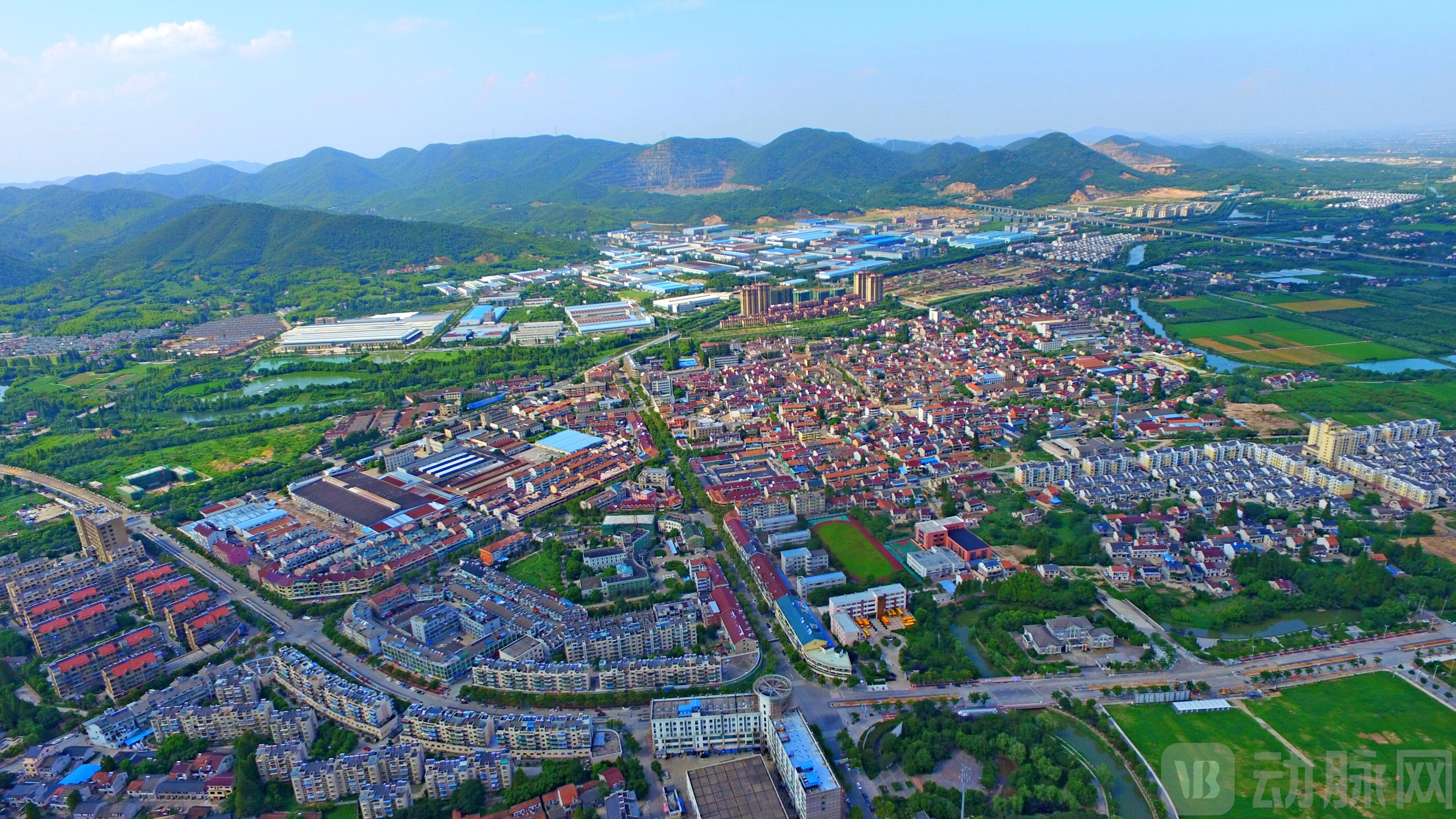
Looking ahead, Beauty Town has established short-term and long-term goals. The short-term goal is to remain firmly focused on the core development of the beauty industry, achieving continuous breakthroughs in attracting “major” enterprises, strengthening the “supply chain,” and recruiting “new” players.Strengthen Industrial Infrastructure and Solidify the Foundation of Industrial Clusters; in the long term, the goal is to build a "Grasse of the East" with a population of 200,000 over a decade,Achieve an output value of RMB 100 billion and tax revenue of RMB 10 billion, creating a distinctive town that integrates industry with urban development, education, research, sales, and tourism. Discover beauty, create beauty, and spread beauty, making the Beauty Town a benchmark base gathering top enterprises from the global cosmetics industry chain.
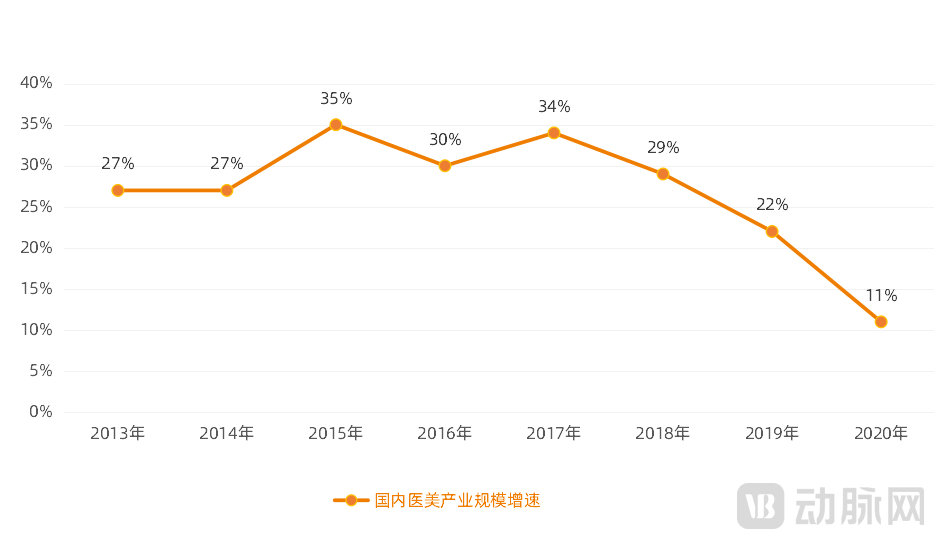
Since 2012, the market size of China's medical aesthetics industry has shown a year-on-year growth trend, surpassing the RMB 100 billion mark for the first time in 2017 to reach RMB 112.4 billion. By 2019, the overall market size had increased to RMB 176.9 billion, with a year-on-year growth rate as high as 22.2%.
Entering 2020, the growth pace of China’s medical aesthetics industry slowed due to the pandemic. However, over the next five years, driven by rising demand among Chinese women, advancements in medical aesthetic technologies, gradual improvement in regulatory policies, and increased consumer spending power, the penetration rate of medical aesthetics in China is expected to rise, with the market gradually recovering.By 2025, the market size of China's medical aesthetics industry is expected to exceed RMB 400 billion.
It is undeniable that the domestic medical aesthetics market in China is poised for a significant boom, attracting numerous participants. However, competition is simultaneously intensifying, extending beyond individual enterprises to encompass rivalry between industrial clusters. For the entire medical aesthetics sector, those who seize the opportunity and explore a development path that better integrates with their business operations will gain a first-mover advantage and emerge as unicorns in this field.
So, specifically, how should medical aesthetics industry clusters find a way forward? It may be worthwhile to extract the core logic of industry development from the successful model of “China Beauty Town.”
First, there must be a clear top-level plan., leverage existing resource advantages and future development directions to comprehensively layout the industrial chain, while consistently adhering to its core mission throughout the implementation process;Secondly, it is necessary to build a complete industry chain., with the industry as its foundation, continuously exploring opportunities for development across the upstream and downstream sectors, and extending its service coverage to every aspect of the industry;Finally, establish a comprehensive service system., tailor personalized services to the actual needs of enterprises at different stages, helping them get on the right track for development as soon as possible, thereby driving rapid industry growth.
In recent years, with increasing policy and financial support, China’s healthcare industry has shown a growing trend toward cluster-based development. From the national level to local governments, active efforts are being made to promote the growth of the healthcare sector. As a highly promising segment within this field, the medical aesthetics industry is sure to attract significant attention.
However, it must be acknowledged that, compared with foreign countries, China is still in the early stages of building medical aesthetics industry clusters. Therefore, looking to the future, we still have a long way to go.