

2021 China Digital Healthcare Ecosystem Conference Opens for Registration: Exploring the New Healthcare Landscape Amid Digital Transformation
In today’s world, as industrial chains undergo creative disruption and significant restructuring, a new wave of digitalization is unfolding. Digitalization has become the primary driver of economic growth and a watershed in the new round of global industrial competition. The global COVID-19 pandemic has posed more severe challenges to the healthcare industry while also bringing unprecedented opportunities for development. According to data from VCBeat, there were 692 financing events in the digital health sector in 2020, with total funding reaching RMB 133.5 billion, making it the second-largest sector after biopharmaceuticals.
Currently, the Chinese government is increasing its support for digital healthcare. The implementation of policies such as the “Healthy China 2030” plan, “Internet + Medical Health,” medical big data management standards, and tiered assessments for electronic medical records, smart services, and smart management will lay a solid foundation for the digital healthcare ecosystem. Performance evaluations for public hospitals at tertiary, secondary, and primary levels, along with reforms such as the “Two-Invoice System” and zero markups on drugs, have created an imperative need for intelligent upgrades in hospitals. A series of policies are also promoting cost containment within medical insurance and establishing a diversified payment model that integrates basic medical insurance with commercial health insurance.
China’s healthcare services sector is undergoing profound transformation driven by a technological revolution. In 2020, successive approvals of Class III medical device certifications for AI-based medical products were granted and their commercial promotion began, marking the inaugural year of commercialization for medical artificial intelligence. The deployment of 5G networks and the increasing maturity of Internet of Things (IoT) technologies have significantly reduced management and maintenance costs. Meanwhile, the informatization and intelligent transformation of hospitals are poised to usher in a new round of iterative upgrades for traditional healthcare. In response to the numerous opportunities and challenges in the commercial health insurance market, a large number of Third-Party Administrators (TPAs) and Managing General Agents (MGAs) have emerged, becoming new healthcare payers and an emerging force driving the development of the insurance industry.
During the COVID-19 pandemic, various cutting-edge technologies were integrated with healthcare services across diverse scenarios to support epidemic control. Digital health is being deeply perceived, either directly or indirectly, by 7.5 billion people worldwide. Even after the pandemic subsides, the digital behaviors and digitalization processes adopted by the public and enterprises will not recede; instead, digitalization will become the new normal and a new paradigm in the post-pandemic era.
Since 2020, favorable policies, technology-driven advancements, and the outbreak of the pandemic have further propelled the “new infrastructure” of digital healthcare. An increasing number of novel medical services based on artificial intelligence, big data, 5G transmission, robotics, wearable smart devices, and intelligent informatics have emerged, expanding the scope of medical services beyond traditional perceptions, accelerating the effective penetration of high-quality medical resources, expertise, and practices into lower-tier markets, and reshaping the new ecosystem of healthcare delivery.
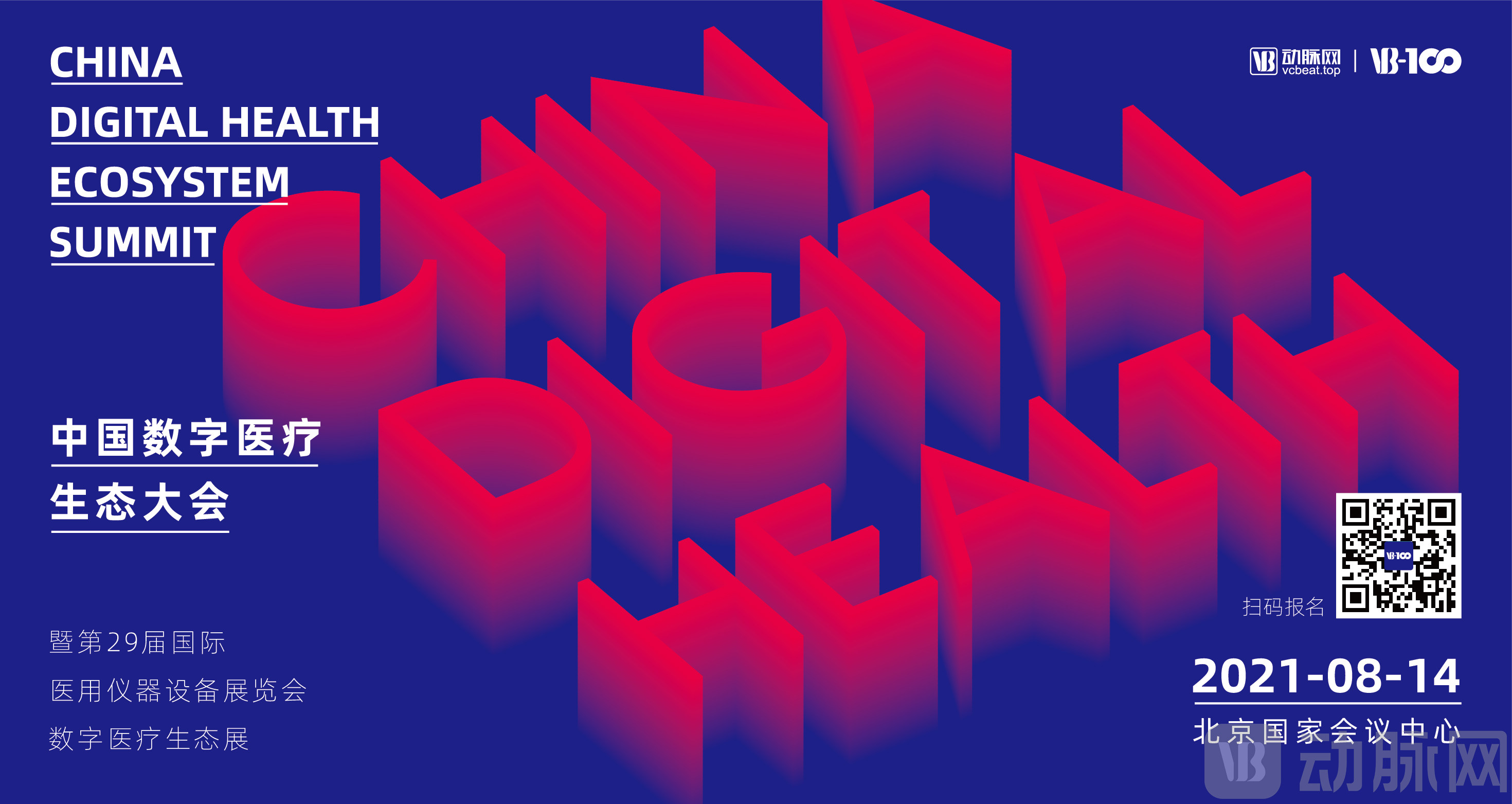
Scan the QR code or click the link to register:http://hdxu.cn/miXx8
Exhibition + Conference: A Multidimensional Showcase of the New Ecosystem in the Digital Healthcare Industry
Insights from Distinguished Guests
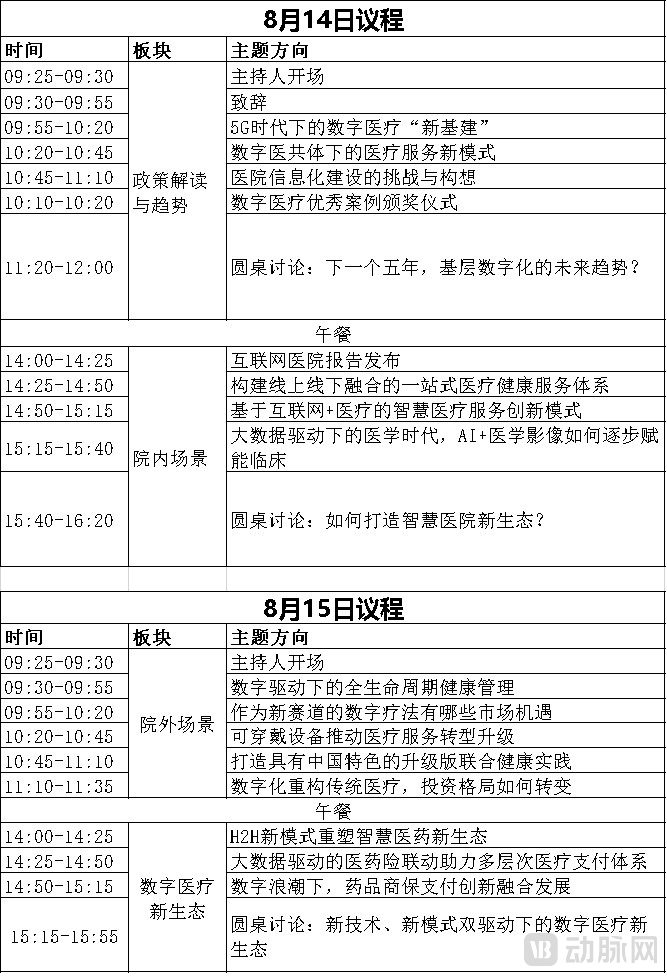
“The 2021 China Digital Health Ecosystem Conference” invites government officials, industry associations, hospital presidents, and leading enterprises to share insights and engage in dialogues on future trends and market opportunities in the healthcare ecosystem, covering policy, capital, market, technology, and ecological collaboration.
Digital Healthcare Ecosystem Exhibition: Driven by Technology and Model Iteration
Four major exhibition zones—Digital Therapeutics, Healthcare Informatics, Medical AI, and Medical Internet of Things (AIoT)—have been established to cater to enterprises in the health-tech sector. These zones primarily target companies that leverage digital innovations such as the internet, artificial intelligence, IoT, and 5G to empower the digital transformation of healthcare processes, build hospital information systems, upgrade medical equipment digitally, optimize business processes for healthcare enterprises, and enhance their products and services.
Precise Communication for Professional Attendees
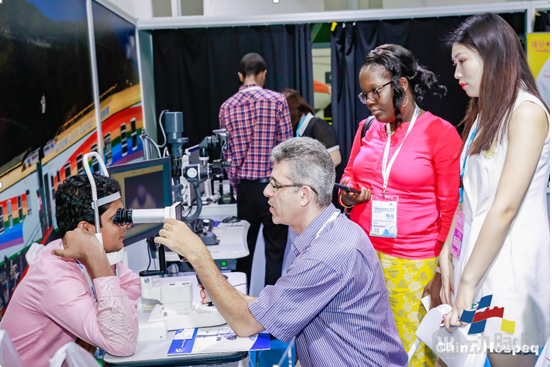
The 29th International Medical Equipment Exhibition & 2021 Beijing Health Conference, held concurrently at the same venue, attracted over 6,000 professional attendees, including representatives from health commissions of provinces and municipalities across China, delegates from foreign consulates in China, and senior management from major medical institutions. Distinguished guests included leaders from the National Health Commission, the Ministry of Industry and Information Technology, the National Medical Products Administration, the Ministry of Foreign Affairs, and the Ministry of Commerce. During the exhibition, teams from health departments of more than 20 provinces, autonomous regions, and municipalities were dispatched to conduct procurement research. The audience comprised over 1,000 leaders from relevant ministries and commissions, health administrative officials, and heads of medical institutions; more than 3,000 hospital directors and healthcare management professionals from hospitals at all levels nationwide; representatives from over 50 countries stationed in China; more than 1,500 medical imaging specialists; over 600 critical care medicine professionals; and representatives from various health industry sectors.
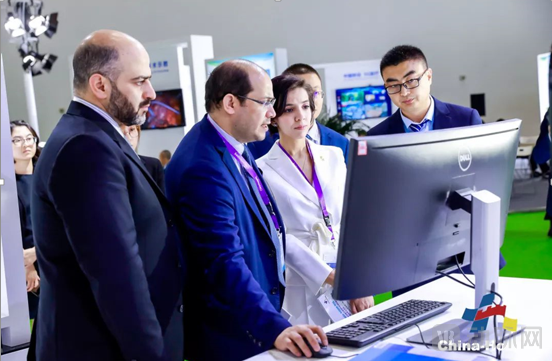
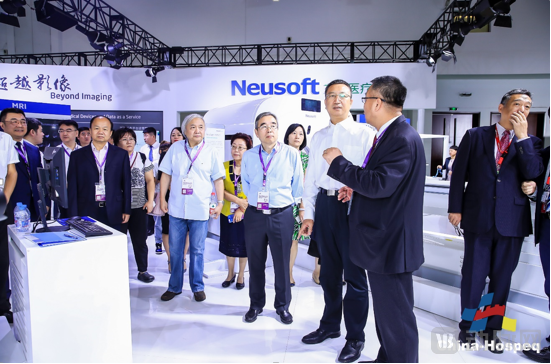
Overview of the Previous Exhibition Area
Wang Xinhe, Chief Economist of the Ministry of Industry and Information Technology; Fan Jia, Academician of the Chinese Academy of Sciences; Chen Junshi, Academician of the Chinese Academy of Engineering; Yang Shengli, Academician of the Chinese Academy of Engineering; Mao Qunan, Director of the Department of Planning and Information under the National Health Commission; Jiang Deyuan, Inspector Commissioner of the Medical Device Registration Department under the National Medical Products Administration; Fu Wei, Director of the Health Development Research Center under the National Health Commission; Wang Aihua, Chief Engineer of the China Academy of Information and Communications Technology; Zhao Jie, Director of the National Engineering Laboratory for Internet Healthcare Systems and Applications and Director of the National Telemedicine Center at the First Affiliated Hospital of Zhengzhou University; senior health officials from the 21 member countries of the Arab League; representatives from the embassies and consulates of more than ten countries, including the United States, the United Kingdom, Japan, the Netherlands, and Greece; relevant leaders from local health commissions; domestic and international experts and scholars in healthcare; representatives from medical institutions and industry; and media personnel, totaling approximately 20,000 attendees, visited the exhibition.

Registration Method
Proposed Invitees
Innovative enterprises in the digital health sector, including but not limited to: healthcare informatization, digital therapeutics, internet hospitals, and the Internet of Medical Things (IoMT);
Investment institutions investing in the digital health industry;
Listed companies in the healthcare industry; TMT companies;
Healthcare service institutions, industry organizations, and collaborative enterprises within the healthcare industry chain;
media representatives, etc.
Event Dates: August 14-15
Venue: Beijing · China National Convention Center
Registration Link:http://hdxu.cn/miXx8

Sign up now to enjoy early-bird discounts