

YiMai: Building an Internet-based TCM Ecosystem Powered by Remote Pulse Diagnosis Technology
In November 2019, Yimai signed a cooperation agreement with health authorities to launch an internet-based Traditional Chinese Medicine (TCM) service leveraging remote pulse diagnosis technology, using one Grade A tertiary hospital and eight community health service centers as pilot sites.
Wang Minye, head of Yimai, explained that due to technical limitations, two major challenges plaguing the market—namely, the decentralization of renowned TCM practitioners and the implementation of tiered diagnosis and treatment—had long remained unresolved. Leveraging its patented technologies, Yimai has built upon the traditional TCM diagnostic methods of “inspection, auscultation/olfaction, inquiry, and palpation” to organically integrate therapeutic care, health management, and preventive treatment for preclinical conditions. This approach breaks through temporal and spatial constraints, truly realizing the digital transformation of TCM via the internet. The system’s initial pilot phase has been validated by the market, garnering unanimous recognition from regulatory authorities, hospitals, experts, and patients, and holds promise for nationwide rollout across China.
Yimai is a remote Traditional Chinese Medicine (TCM) diagnosis and treatment service platform. By collecting facial features, tongue images, and pulse conditions through the user interface, and leveraging internet transmission and cloud storage, TCM experts can reconstruct these diagnostic indicators to provide users with TCM diagnosis and treatment services through a combination of real-time and non-real-time interactions.
On March 29, 2021, the State Council Information Office held a press conference to introduce the “14th Five-Year” Action Plan for the Project to Enhance Traditional Chinese Medicine (TCM) Service Capacity at the Primary Care Level. The plan aims to ensure that all community health service centers and township health centers establish TCM clinics; to continuously implement the TCM health management services under the National Basic Public Health Services Program; and to carry out TCM preventive treatment of disease and health education in primary-care TCM clinics.
Wang Minye stated that, in light of the current developmental challenges facing Traditional Chinese Medicine (TCM), the construction and development of the professional TCM medical workforce require improvement, as the traditional “master-apprentice” model is extremely limited. He proposed that the inheritance and dissemination of TCM can be improved in three aspects: First, leveraging internet technology to break the temporal and spatial constraints of the “master-apprentice” model; second, using internet technology to enable the general public to learn, use, and disseminate TCM, thereby truly achieving health management and preventive treatment; and third, applying TCM big data across various fields.
As early as 2015, the state encouraged the application of technologies such as the internet in the field of traditional Chinese medicine (TCM) at the policy level. In May 2015, with the approval of the State Council, the Chinese government website released the Development Plan for TCM Health Services (2015–2020). The document specifically mentioned the development of intelligent TCM health service products using information technologies such as cloud computing, mobile internet, and the Internet of Things (IoT). This programmatic document for the development of China’s TCM health service industry over the following five years was also the first national-level development plan in this field.
Since then, the state’s strong commitment to developing traditional Chinese medicine (TCM) has become evident, with a surge in favorable policies for TCM. These measures span strategic top-level design, legal safeguards, and practical implementation guidelines; they also cover the training of TCM practitioners, incentives and requirements for establishing TCM hospitals, and support through medical insurance reimbursement. The core objective of this series of policies is to “revitalize the cause of traditional Chinese medicine.”
December 4, 2017, marked a significant milestone in the development of Traditional Chinese Medicine (TCM). On this day, the National Administration of Traditional Chinese Medicine released the Guiding Opinions on Promoting the Integrated Development of TCM Health Services and the Internet, which stated that TCM would integrate with internet technologies in areas such as medical care, health preservation and wellness, elderly care, cultural tourism, service trade, and big data applications. This document outlined the development path for “Internet + TCM” in China, focusing on deepening the integration of TCM medical services with the internet and developing online TCM wellness and health services. YiMai was established against this backdrop.
Yimai is dedicated to providing internet-based TCM diagnosis and treatment solutions based on remote pulse-taking technology, promoting TCM culture worldwide. It has currently developed an integrated software-hardware solution. The Yimai system consists of three parts: a patient-side all-in-one data collection device for "inspection, auscultation-olfaction, inquiry, and palpation," an expert-side pulse reproduction device, and a cloud-based storage and service platform.
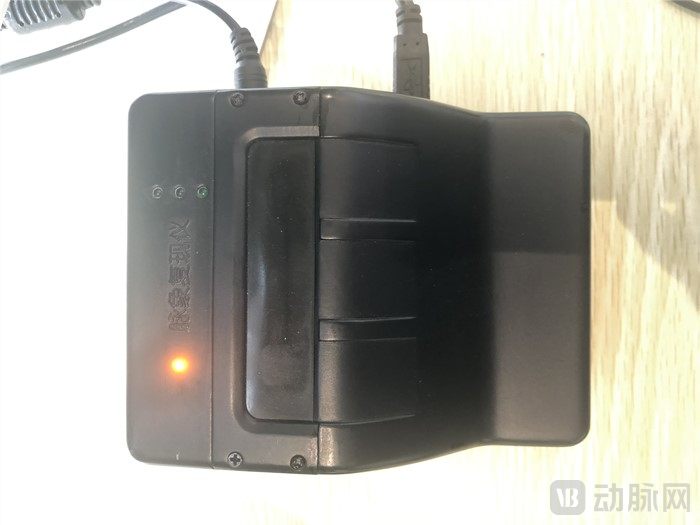
3D Model and Physical Prototype of the Three-Point Linkage Pulse Reproduction Instrument
During the clinical testing and comparison phase of the Yimai system, Yimai invited TCM experts from various departments of affiliated hospitals of multiple universities of Chinese medicine to participate in comparative tests between remote TCM consultations and on-site face-to-face consultations.
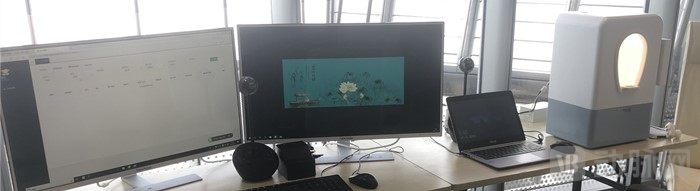
Experts conducted a detailed trial of the YiMai system, evaluating its various functions and significance through questionnaires and providing comprehensive feedback. Validation confirmed that the system’s real-time waveform reproduction achieved a correlation coefficient of over 0.85. Owing to the high stability and high waveform reproduction rate of the three-point linkage pulse reproduction device, TCM experts responded that this specialized equipment effectively simulates the tactile sensation of pulse diagnosis, warranting further clinical testing. Participating residents also completed evaluation surveys. Subsequently, YiMai rapidly updated its product based on expert feedback, developing the second-generation YiMai system.
A successful business model must balance the needs of all market participants with scalability. VCBeat has developed three distinct commercial pathways tailored to its three different categories of service recipients.
"Internet-based TCM" refers to the complete online migration of Traditional Chinese Medicine (TCM) consultations, encompassing the four diagnostic methods and online prescription issuance. Therefore, Yimai can collaborate with Internet TCM hospitals, digital healthcare platforms, and hospitals within Medical Consortiums (as Medical Consortiums require a deeply integrated cooperative system between tertiary hospitals and primary care institutions).
For B-side institutions such as pharmacies, outpatient clinics, general practices, nursing homes, enterprises, and schools, Yimai shares high-quality medical resources with them, leveraging the advantages of making specialist care accessible at the grassroots level and facilitating tiered diagnosis and treatment. For C-side clients, including individuals and families, Yimai implements private doctor and family doctor services through a combination of fixed and flexible arrangements. These three business pathways are interconnected, forming Yimai’s complete internet-based ecosystem for Traditional Chinese Medicine (TCM).
Regarding Yimai’s future development path, it is divided into three phases. In the short term, Yimai will deepen its collaboration with relevant institutions, rapidly penetrate grassroots and major medical facilities, cover and cultivate the local market, connect with leading internet healthcare platforms, and establish a national benchmark effect. Under the strategic framework of “Yangtze River Delta Integration,” the “benchmark model” will be promoted and replicated in surrounding provinces and cities.
Looking ahead, Yi Mai will expand from its established market share in the Yangtze River Delta region to other parts of China. Leveraging the extensive data accumulated in the early stages, it will provide professional technical support, diagnosis and treatment services, and data application solutions to traditional Chinese medicine (TCM) universities, various hospitals, online medical platforms, chain clinics, pharmacies, health institutions, and elderly care services. This strategy aims to achieve a multi-faceted development model integrating “government + enterprise + users” and “online + offline,” thereby comprehensively building an internet-based TCM health ecosystem.
It is reported that Yimai has already entered into strategic collaborations with well-known pharmaceutical companies, time-honored traditional Chinese medicine brands, and leading internet platforms. To accelerate the R&D of its system products and speed up its market expansion, Yimai is currently raising angel-round financing.