

Qingdao High-Tech Zone: Building China's 'Health Bay' with Over RMB 40 Billion Investment and 400+ Enterprises in Rehabilitation Medicine
Compared with developed countries in Europe and the United States, China’s exploration of biopharmaceutical industrial parks started relatively late, dating back to the early 1990s—fully 20 years later than the world-leading Boston area. Nevertheless, after more than three decades of rapid development, China’s biopharmaceutical industrial parks have now achieved a qualitative leap.
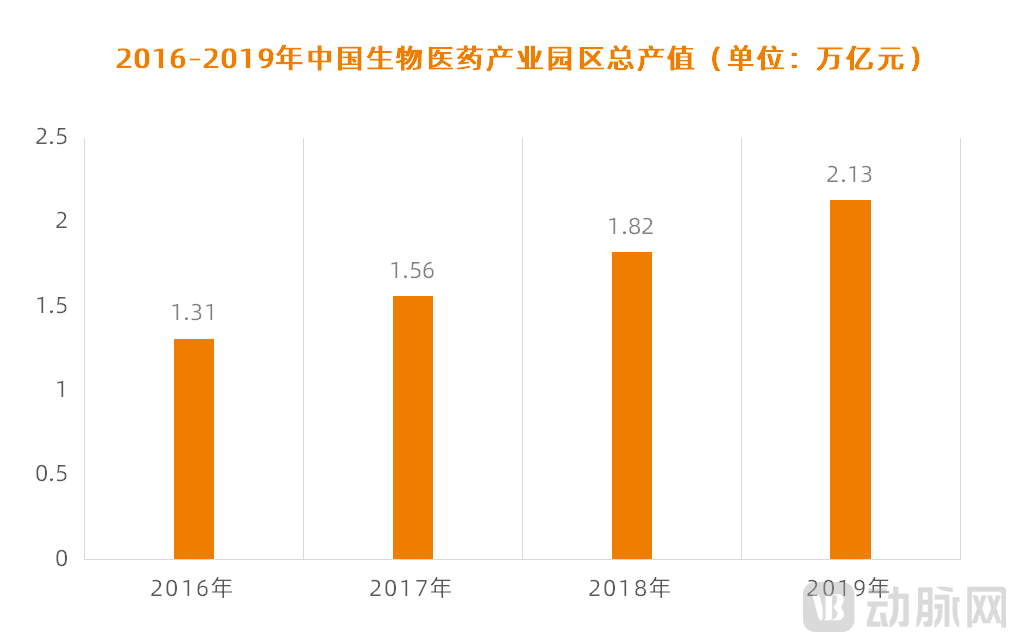
First, the industry scale has grown rapidly.According to official statistical data,In 2019, the total industrial output value of China's biomedical industrial parks reached RMB 2.13 trillion, a year-on-year increase of 17%.
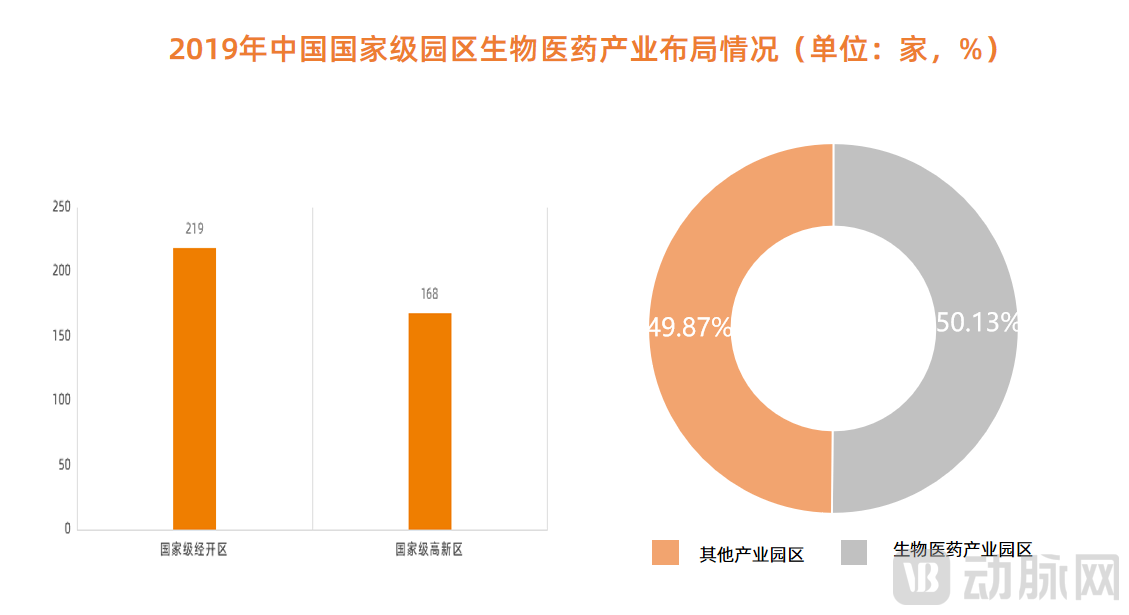
Secondly, the biopharmaceutical sector accounts for a high proportion of the industrial park.As of the end of 2019, there were 168 national-level high-tech industrial development zones and 219 national-level economic and technological development zones across China, totaling 387 national-level industrial parks, among whichA total of 193 companies have identified the biopharmaceutical industry as a key strategic focus, accounting for 50.13% of the total.
Finally, there has been a sharp increase in the number of biomedical industrial parks.According to statistics from Qianzhan Industry Research Institute,As of the end of 2020, there were 640 biopharmaceutical industrial parks in China., an increase of nearly 200 from the 450 in 2017,The average annual increase reached as high as 15%.。
Every figure reflects the current fervor surrounding biomedical industrial parks, yet this surge in interest has also brought a series of pressing challenges. Currently, China’s biomedical industrial parks are still in their nascent stage, facingUnclear top-level design and planning, insufficient enterprise clustering, shortage of core talent, inadequate independent R&D capabilities, and imperfect service facilities...and other issues, the industrial park’s supporting infrastructure is significantly inadequate, making it difficult to sustain long-term development.
Based on this, VCBeat takes the Qingdao High-Tech Zone as a case study to conduct an in-depth analysis of the park’s current development status, layout logic, and industrial planning. By distilling and summarizing practical experience, it aims to identify the “optimal solution” for industrial development and strive to provide constructive guidance for the development of industrial parks across China.
Qingdao High-Tech Industrial Development Zone (hereinafter referred to as Qingdao High-Tech Zone) is a national-level high-tech zone approved by the State Council in May 1992. In 2000, it was designated as a National Base for Export of High-Tech Products. In 2001, it was rated as a National Advanced High-Tech Industrial Development Zone. In 2002, it was recognized as a National Torch Program Software Industry Base and a University Science Park.
In recent years, the Qingdao High-Tech Zone has designated the medical and pharmaceutical industry as one of its key priority sectors for cultivation. By continuously optimizing industrial layout, establishing sound mechanisms for industrial development, refining policy support measures, and building a comprehensive service platform system, the zone has made multi-pronged efforts to foster an industrial cluster effect centered on innovative drugs, high-end medical devices, and rehabilitation medicine. This has driven exponential growth in the regional medical and pharmaceutical industry.
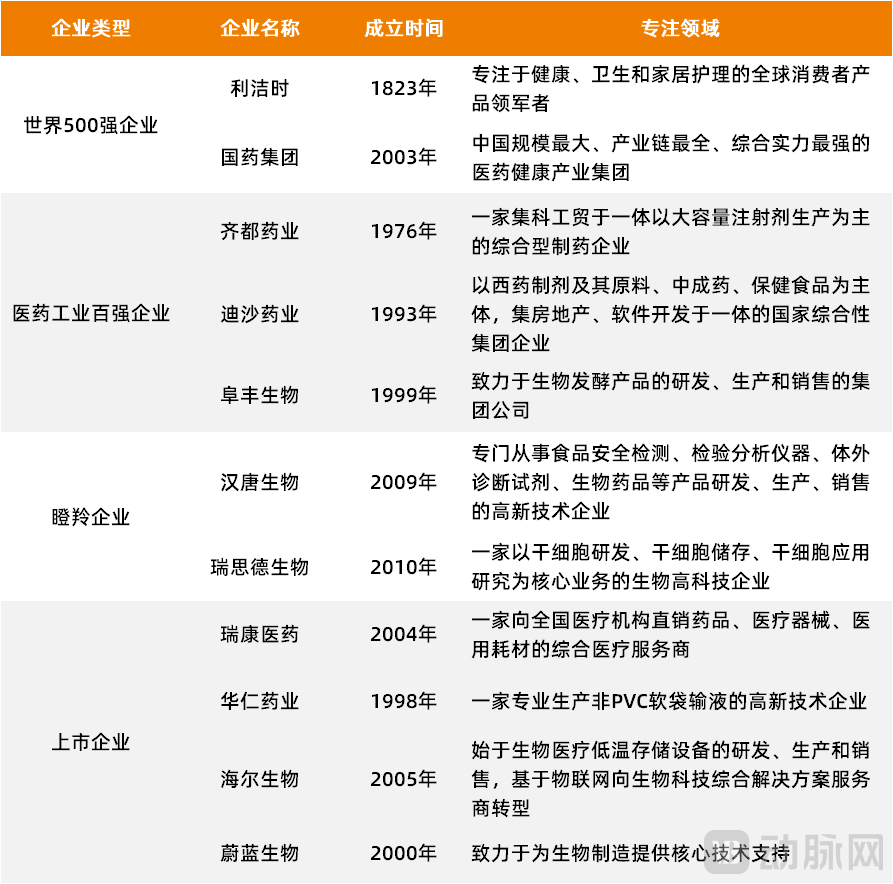
As of now, Qingdao High-tech ZoneMore than 400 biopharmaceutical-related companies have been gathered., mainly including Fortune 500 companies Reckitt and Sinopharm Group; top 100 pharmaceutical industry enterprises Qidu Pharmaceutical, Dishan Pharmaceutical, and Fufeng Group; Gazelle enterprises Hantang Biotechnology and Ruiside Biotechnology; and listed companies Ruikang Pharmaceutical, Huaren Pharmaceutical, Vland Biotech, and Haier Biomedical.
To provide enterprises with ample room for development, Qingdao High-Tech Zone has advanced“10 Million Square Meters” Industrial Carrier Construction Project, multiple high-quality industrial carriers have been established, including the Beijing Science and Technology Development Group (BSTG) Qingdao Blue Biomedical Industrial Park, Lanwan Entrepreneurship Park, Qingdao High-Tech Zone SME Incubator, Pangu Maker Space, Chinese Academy of Sciences R&D City, Qingdao Industrial Technology Research Institute, Qingdao High-Tech International Enterprise Port (Liandong U Valley), and Shandong University International Industrial Park, among other functional carrier platforms.
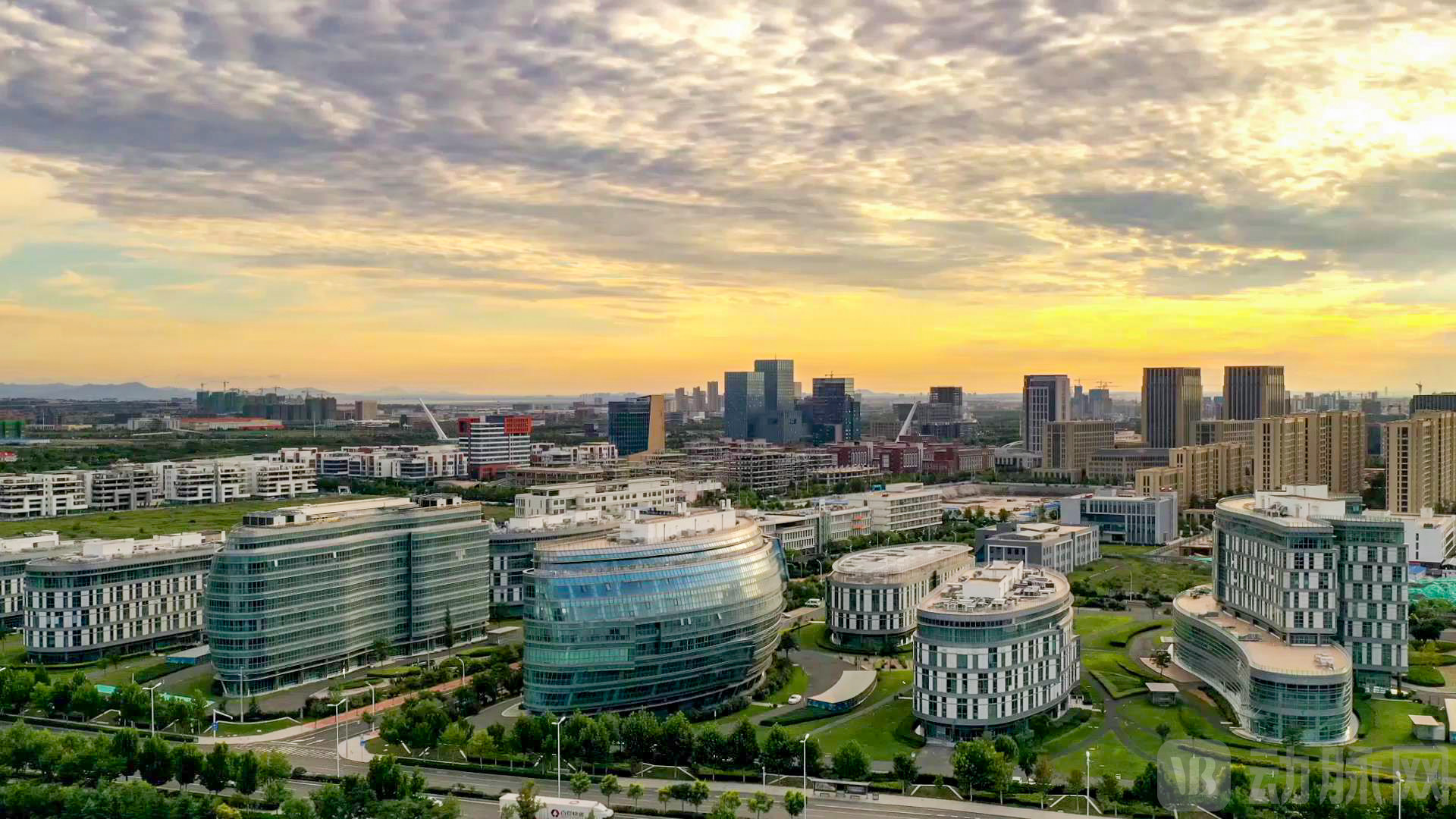
Most notably,Beikejian Qingdao Blue Biomedical Industrial Park. As a National Torch Marine Biopharmaceutical Industry Base, the Blue Biomedical Industrial Park has a total investment of RMB 14 billion, primarily clusteringInnovative Drugs, High-End Medical Devices, and Rehabilitation Medicineand other niche sectors,It has currently gathered 332 market entities in the biopharmaceutical sector, making it one of the largest specialized biopharmaceutical incubators in China.Ranked among the top 30 in comprehensive competitiveness of national biomedical industrial parks by the China National Center for Biotechnology Development under the Ministry of Science and Technology, and ranked 8th in “Environmental Competitiveness of China’s Biomedical Industrial Parks.”
Leveraging the 120,000-square-meter specialized biopharmaceutical incubator at the Blue Biomedical Industrial Park, the park has established a platform system that includes the Qingdao Public R&D Service Platform for Biomedical Engineering and Technology and the Qingdao Traditional Chinese Medicine (TCM) R&D Public Service Platform. Among these, the Qingdao Public R&D Service Platform for Biomedical Engineering and Technology represents a total investment of RMB 240 million and covers an area of 7,000 square meters. It comprises specialized platforms such as the Genomics Research Technology Platform, the Analytical Testing Technology Platform, and the Cell Biology Research Technology Platform, providing professional technical and consulting services to various biopharmaceutical enterprises, research institutes, and other entities, including companies within the park.
In addition to the industrial park, enterprises are also ramping up their efforts. Aoxi Biology’s self-built “National-Local Joint Engineering Research Center for Stem Cells and Biomedical Diagnostics” is the only national-level research center of its kind in the industry and the sole stem cell R&D base under the Chinese Association of Medical Biotechnology. It provides a high-level research platform for technological innovation and the industrialization of scientific achievements in regenerative medicine and biomedical diagnostics within the High-Tech Zone.
In addition, to support the development of innovative enterprises,Qingdao High-Tech Zone has actively established an innovation incubation and acceleration system comprising “mass maker spaces – incubators – accelerators – industrial parks.”. Currently, the park is home to 16 national-level incubators and mass innovation spaces, and has introduced research institutes established by prestigious universities such as Tsinghua Science Park, Peking University Science Park, Shandong University, Southwest Jiaotong University, and Shandong University of Traditional Chinese Medicine, thereby sustainably driving industrial innovation and supporting the growth of innovative enterprises.
It is evident from numerous successful cases both domestically and internationally that the development of an industrial cluster is not an “isolated endeavor”; rather, it must align with the region’s inherent conditions. This alignment constitutes the core competitiveness of an industrial cluster and serves as the key driver for its sustainable growth. So, what are the specific strengths that underpin Qingdao High-Tech Zone’s confidence?
1. The city brand has significant advantages.As a global marine central city, Qingdao is backed by Shandong Province and adjacent to Japan and South Korea, boasting distinct locational advantages in engaging with the world and leveraging both international and domestic resources and markets. In terms of geography and historical accumulation, its conditions for internationalization are second only to those of Shanghai.
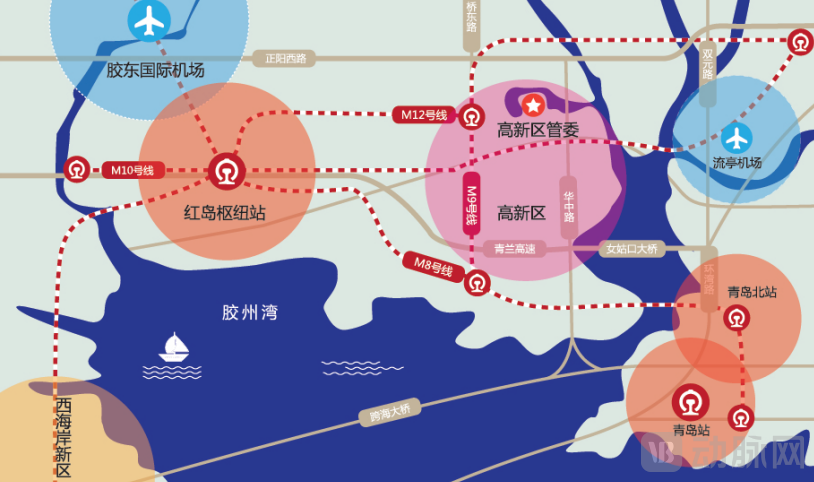
Second, the geographical location is superior.Located at the base of Jiaozhou Bay, Qingdao High-Tech Zone serves as a transportation hub within the Greater Qingdao Metropolitan Area and is a key central urban area under development on the city’s northern shore. From the Qingdao High-Tech Zone, Qingdao Liuting International Airport and the newly built Qingdao Jiaodong International Airport are both accessible within a 15-minute drive. High-speed rail connections reach Jinan in one hour and Beijing and Shanghai in three hours. The various port areas of Qingdao Port are approximately 30 minutes away by car. This establishes a transportation network that enables rapid domestic access to Beijing, Shanghai, Guangzhou, and Shenzhen, while maintaining close international links with Japan and South Korea.
Third, the pharmaceutical market offers immense growth potential.Qingdao boasts a high level of urban civilization, with residents demonstrating strong awareness of medical care and health preservation. The annual per capita expenditure on pharmaceuticals reaches RMB 400, significantly exceeding the national average of RMB 100. Furthermore, Qingdao faces a severe aging population issue, second only to Shanghai, indicating substantial future demand for pharmaceutical products.
Fourth, the government is taking proactive measures.To promote the development of the regional biopharmaceutical industry, the General Office of the Qingdao Municipal People’s Government issued the Notice on Several Policy Measures to Support the High-Quality Development of the Biopharmaceutical Industry (Qing Zheng Ban Fa [2020] No. 6). The scale of support ranks among the highest nationwide and first within the province, as reflected in key areas such as financial subsidies, enterprise incubation, approval procedures, and talent development.
5. The industrial foundation is robust.Since its establishment in 2008, the core area has attracted more than 2,000 projects, including those from Tencent and Huawei, with a total investment exceeding RMB 400 billion. It has been approved as the site for six national-level industrial bases, with robotics and next-generation information technology emerging as the park’s signature industries, making significant contributions to regional economic development. To date, the park has gathered a large number of Fortune Global 500 companies and leading domestic enterprises, such as Huawei Qingdao Base, Tencent Double Innovation Town, Baidu Intelligent Innovation Base, Sweden’s ABB, and Germany’s KUKA, providing strong support for the development of the medical and pharmaceutical industries.
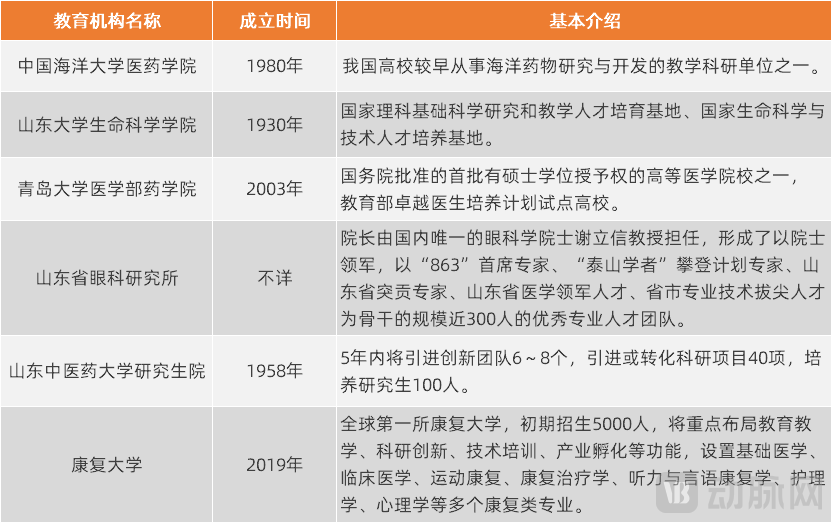
6. High concentration of top-tier talent.As Qingdao’s “Special Talent Zone,” the Qingdao High-Tech Industrial Development Zone has introduced more than 30 academicians and over 5,000 high-level professionals. It is home to two national demonstration bases for cultivating innovative talent: the China-Qingdao Overseas Scholars Pioneer Park and the Qingdao Special Talent Port. Furthermore, Qingdao boasts a dense concentration of universities and intellectual resources, hosting more than 50 higher education institutions, including the University of Rehabilitation Medicine, Ocean University of China, China University of Petroleum (East China), Shandong University’s Qingdao Campus, and Shandong University of Traditional Chinese Medicine. It is the only city in China designated as both a National Innovative City and a pilot city for the Technological Innovation Engineering Program.
Seventh, the park’s service system is well-developed.To comprehensively promote industrial development, Qingdao High-Tech Zone has established multiple carrier platforms, primarily including the Qingdao Biomedical Engineering and Technology Public R&D Service Platform, the Qingdao Traditional Chinese Medicine R&D Public Service Platform, the Genomics Research Technology Platform, the Analytical Testing Technology Platform, the Cell Biology Research Technology Platform, and the National-Local Joint Engineering Research Center for Stem Cells and Biological Diagnosis and Treatment. This platform system provides professional technical and consulting services to various biopharmaceutical enterprises, research institutes, and other entities, including companies within the industrial park.
Comprehensive supporting services have always been a key factor underpinning the sustainable development of industrial parks. For Qingdao High-Tech Zone, it has currently established critical advantages across multiple dimensions—including policy, location, talent, industry, market, and capital—covering all aspects of the industrial chain, which holds significant importance for industrial development.
Like the vast majority of domestic biomedical industrial parks, Qingdao High-Tech Zone currently faces its own “dilemmas.” On one hand, a significant number of enterprises are still in the stages of R&D, clinical trials, and project construction, with the leading effects not being prominent; on the other hand, a complete industrial chain has yet to be formed, resulting in insufficient competitive advantages in specialized sectors.
Although the path forward is fraught with challenges, Qingdao High-Tech Zone remains confident about the future. It will strive to build a cluster of medical and health industrial parks and bases characterized by aggregated business formats, enhanced functions, and distinct features, thereby accelerating the vigorous development of “Gazelle,” “Unicorn,” and “Hidden Champion” enterprises. This will drive the regional medical and health industry toward high-quality, high-growth, and high-standard development, gradually establishing it as a significant regional medical center in China.
To successfully achieve its goals, Qingdao High-Tech Zone will primarily focus onInnovative Drugs, High-End Medical Devices, and Rehabilitation MedicineWe will focus on building three sub-sectors and their respective industry maps. First, innovative drugs, with a particular emphasis on three major categories: chemical drugs, biological drugs, and veterinary drugs. Second, high-end medical devices, with a strong focus on five sub-segments: in vitro diagnostics (IVD), high-value consumables, home-use medical devices, diagnostic imaging equipment, and therapeutic equipment.
However, the most noteworthy area is rehabilitation medicine, which also serves as a key “breakthrough point” for the future industrial development of Qingdao High-tech Zone.
Currently, Qingdao is striving to become a leading medical and healthcare hub north of the Yangtze River and a national regional medical center of comprehensive category. It has initially gathered a number of medical and elderly care platforms, including the China-Japan-South Korea Medical and Elderly Care Health Cooperation Platform. Meanwhile, it is actively introducing and constructing new medical resources such as the Qingdao Hospital Affiliated to Tsinghua University. In particular, the establishment of the University of Rehabilitation—the world’s first university specializing in rehabilitation—in Qingdao has injected strong momentum into Qingdao’s leadership in driving the development of the rehabilitation industry across Shandong Province and even nationwide.
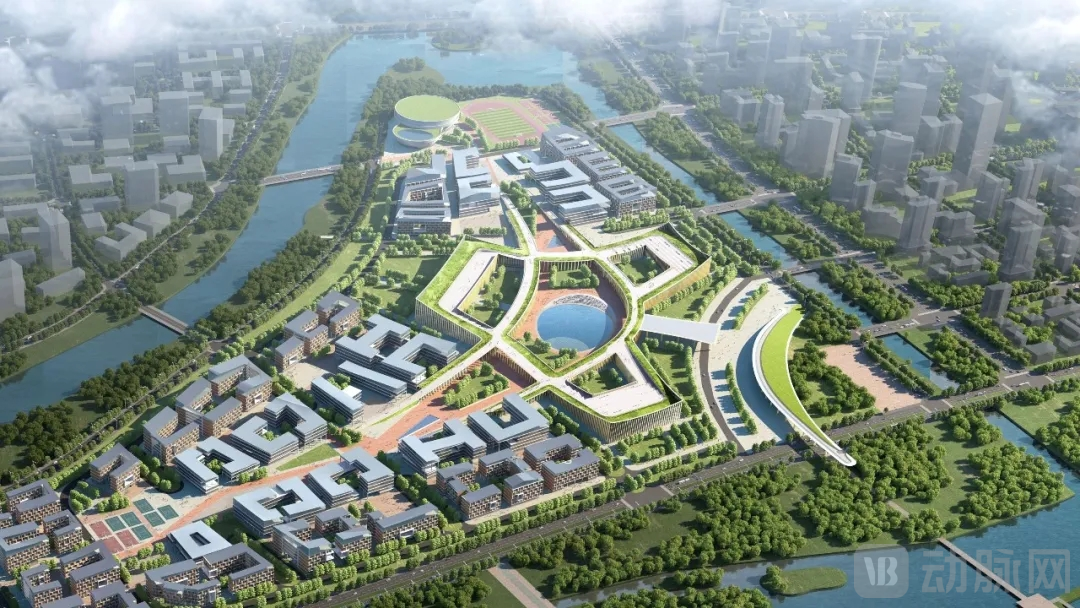
Rehabilitation UniversityHosted by Shandong Province and jointly established in Qingdao High-Tech Zone by the China Disabled Persons’ Federation, the National Health Commission, and other departments, it is the first national-level professional university dedicated to rehabilitation in China.Scheduled for completion in 2021, with an initial enrollment of 5,000 students.Upon completion, the project will help alleviate the bottleneck of insufficient professional rehabilitation technical personnel, serve as a key measure to address rehabilitation needs for persons with disabilities, advance supply-side structural reform in rehabilitation services, meet the public’s specialized rehabilitation needs for overall health, and promote the development of rehabilitation, medical care, and other related health industries in Qingdao.
In addition to its talent advantages, a robust industrial foundation will also provide significant impetus for the development of rehabilitation medicine. Qingdao boasts a deep-rooted manufacturing base, having established a relatively comprehensive manufacturing system through decades of accumulation. Currently, Qingdao’s traditional industries are advancing toward the mid-to-high end of the value chain, while emerging industries are accelerating their breakthroughs. The software sector has risen prominently, gathering more than 1,800 software and information technology service enterprises specializing in industrial software, artificial intelligence, big data, cloud computing, and blockchain. Multiple industrial clusters have taken shape in key fields such as intelligent manufacturing, virtual reality, microelectronics, artificial intelligence, and robotics, providing strong support from related industries for the development of the rehabilitation medicine sector in the High-Tech Zone.
The future roadmap has gradually become clear, but its successful implementation requires sustained momentum. In light of this, Qingdao High-Tech Zone has already taken action. On June 3,Boao Forum for Asia Global Health ForumThe signing ceremony for health industry cooperation projects at the 2nd Conference was successfully held at the News Center of the China Railway World Expo City in Qingdao. A total of 22 cooperation projects were signed on site, with a total investment of RMB 17.165 billion. Among the signed projects, there were 21 industrial investment projects and 1 technical cooperation project, covering multiple fields such as high-end healthcare, smart healthcare, biopharmaceuticals, medical devices, and health tourism.
In recent years, with the increasing support in terms of policies and funding, China’s biopharmaceutical industry has further demonstrated a trend toward clustered development. From the national level to local governments, active efforts are being made to strategically position and support the growth of the biopharmaceutical sector. At the national level, regions with strong industrial foundations, robust innovation capabilities, favorable business environments, and high levels of openness are continuously selected to establish biopharmaceutical industrial parks. At the local level, governments are integrating regional resources, strengthening top-level design, and prioritizing planning. By formulating industrial plans and policies, they guide industrial agglomeration and promote the formation of distinctive biopharmaceutical industrial parks across various regions.
However, opportunities and challenges always go hand in hand. For the vast majority of domestic biopharmaceutical industry clusters, numerous irreconcilable difficulties currently persist, significantly impeding the industry’s forward progress.Specifically, this is manifested in four aspects: the lack of top-level coordinated planning, the disconnection between innovation elements and industry, limited corporate competitiveness, and unsystematic supporting service mechanisms.To address these challenges and identify a breakthrough for industrial development, VCBeat has drawn on the development path of Qingdao High-Tech Zone to formulate the following four recommendations.
The first point is to leverage existing resource advantages and focus on building specialized industrial clusters.For regional-level industries, there is a significant gap in policy support and resources compared to China’s first-tier cities; therefore, entering through niche segments of the industry may be more conducive to establishing competitive advantages.
The second point is to enter the industry through various sub-sectors and complete the construction of the entire industrial chain.Thoroughly explore the sub-sectors of the core industry chain, continuously seek opportunities for upstream and downstream development, extend service coverage to all aspects of the industry, thereby building a comprehensive industrial chain, strengthening the industry’s “moat,” and establishing overall competitive advantages.
The third point is to focus on both the introduction of leading enterprises and the incubation of innovative companies.Enterprises are the lifeblood driving the development of industrial clusters; therefore, enhancing enterprise quality is equivalent to injecting a continuous source of momentum into industrial growth. For industrial clusters, efforts should be made on two fronts: first, sparing no effort to attract leading enterprises to establish their presence, which not only boosts the influence of the industrial park but also brings significant resource advantages to industrial development; second, continuously incubating innovative enterprises, which is key to providing industrial innovation capabilities.
The final point is to address the critical pain points in industrial development by improving the supporting service ecosystem.For industrial clusters, comprehensive supporting services are absolutely critical, serving as the core driver for industrial development. However, there is no “one-size-fits-all” solution; instead, services must be “tailor-made” to address the specific pain points of each cluster, providing tangible support to enterprises and thereby driving the industry toward continuous high-quality development.
Driven by the pandemic, the growth potential of the biopharmaceutical industry has been further unlocked. To seize this development opportunity, regions across China are making extensive strategic investments in the sector. However, this is not an endeavor that can be accomplished overnight or through fleeting enthusiasm. Consistent with the fundamental nature of the biopharmaceutical field, it is a process of continuous accumulation, requiring sustained effort and the passage of time to yield results.
Therefore, as we move forward, we must continuously summarize our experiences and strive to identify the optimal path for the development of the biopharmaceutical industry at the earliest possible date.
References:
1. Strategic Investment Promotion Research for Qingdao High-Tech Zone
2. Qingdao High-Tech Zone Special Plan for the Development of the Innovative Drug Industry
3. Specialized Development Plan for the High-End Medical Device Industry in Qingdao High-Tech Zone
4. Specialized Plan for the Development of the Rehabilitation Medical Industry in Qingdao High-Tech Zone