

Gluetacs Therapeutics Secures RMB 45 Million in Angel Funding to Advance Protein Degrader IND Submissions

Gluetacs Therapeutics
Developer of Oral Small-Molecule Protein Degrader Drugs
VCBeat (WeChat ID: vcbeat) has learned that Gluetacs Therapeutics announced today the completion of a RMB 45 million angel financing round,Led by Pu'en Guoxin, with follow-on investments from Pangu Venture Capital, Shenghui Capital, and Dongpingheng Capital, the proceeds from the financing will be primarily used to advance the company’s pipeline of molecular glue degraders under development to the IND filing stage.
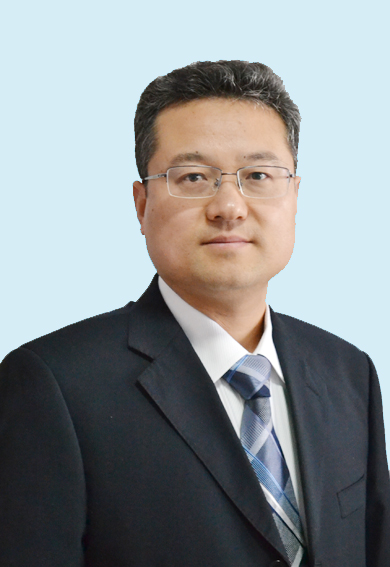
Dr. Yang Xiaobao, Founder, Chairman and CEO of BiaoXin Biomedical
Regarding the completion of this round of financing,Li Tianyu, Assistant to the Chairman and Business Operations Manager at BiaoXin BiomedicalHe responded, “We are deeply grateful to the four renowned investment institutions for their support of BiaoXin and for recognizing our efforts in the field of protein degradation. Prior to the official establishment of BiaoXin Biotechnology, Dr. Yang Xiaobao, Chairman of the Board, built a protein degradation team within Academician Jiang Biao’s group at the School of Immunity and Chemistry, ShanghaiTech University. Over four years, the team accumulated a robust scientific foundation. This round of financing will significantly accelerate the translation of the team’s achievements in applying protein degradation technologies to address refractory tumors.”
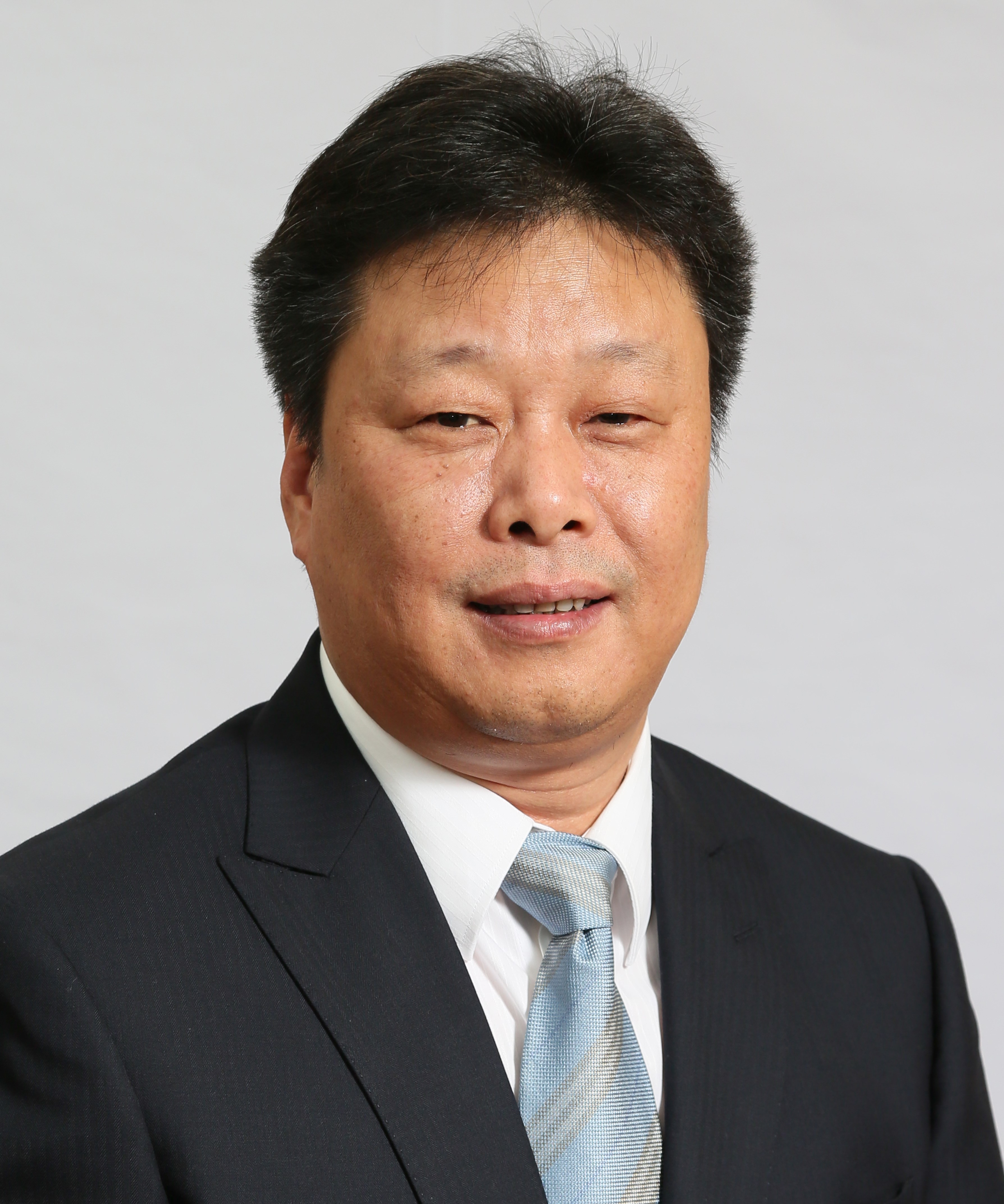
Academician Jiang Biao, Co-founder of BiaoXin Biomedicine, Director of the CAS Bangkok Innovation Cooperation Center, and Founding Executive Director of the Institute of Immunochemistry at ShanghaiTech University
Gluetacs Therapeutics, founded in 2020, is a novel protein-degradation drug developer incubated by the team of Academician Jiang Biao at the Institute of Immunochemistry, ShanghaiTech University, and stands as ShanghaiTech’s first incubated biopharmaceutical enterprise. By engaging in extensive collaborations with AI-driven drug design experts and DNA-encoded library (DEL) discovery platform specialists from research institutes, the company has independently established its own drug screening, proteomics, and tumor animal model platforms, thereby enabling end-to-end development of protein-degradation therapeutics. Gluetacs is one of the few platform-based protein-degradation drug developers in China that holds proprietary ligand patents.
True to its name, which emphasizes “pioneering innovation and groundbreaking advancement,” BiaoXin Biomedical Technology (Shanghai) Co., Ltd. has, within just one year, established an integrated drug discovery platform that synergizes molecular glues and PROTAC technologies, completed the layout of multiple core pipelines, and covered various indications in both hematologic malignancies and solid tumors.
Since its inception, BiaoXin Biomedical has exclusively licensed the patented technology package for the protein degradation drug (PROTAD) platform from ShanghaiTech University, dedicating itself to the development of tumor immunotherapy-related drugs. The company has established a strategic technical route based on two platforms with independent intellectual property rights—Molecular Glue and PROTAC—organically integrating molecular glues and PROTACs to leverage their synergistic effects.
Molecular Glues: Molecular glue degraders are small molecules that induce novel interactions between E3 ubiquitin ligase substrate receptors and target proteins, leading to the degradation of the target proteins. Small-molecule immunomodulatory drugs such as thalidomide, lenalidomide, and pomalidomide are typical examples of molecular glues; they redirect CRBN (cereblon), resulting in the polyubiquitination of the transcription factors IKZF1 and IKZF3, which subsequently leads to their proteasomal degradation.
A PROTAC molecule consists of three components: a binder targeting the protein of interest, an E3 ligase binder, and a linker connecting them, which can be vividly understood as a bifunctional small molecule. After entering the cell, the PROTAC drug molecule targets the protein of interest and the E3 ubiquitin ligase at its two ends, respectively, forming a “ternary complex.” Upon formation of this complex, the E3 ligase connected to one end of the PROTAC mediates the ubiquitination of the target protein. The polyubiquitinated target protein is then recognized and degraded by the proteasome, ultimately achieving the goal of destroying disease-causing proteins.
Currently, BiaoXin’s technological advancements are primarily centered on molecular glue degraders with independent intellectual property rights. Building upon its first-generation molecular glues, the company has designed and optimized second-generation molecular glue degraders. Furthermore, leveraging both generations of its proprietary molecular glues, BiaoXin has developed PROTAC molecules that simultaneously exhibit immunomodulatory activity and target protein inhibition, demonstrating excellent membrane permeability and superior cellular potency.
In BiaoXin Biomedical’s clinical pipeline, the most advanced asset is GT919, a first-generation molecular glue targeting relapsed/refractory multiple myeloma; IND-enabling activities are currently underway, with submission expected to be completed by June 2022. Additionally, BiaoXin Biomedical has identified oral PROTAC potential candidate compounds against two targets, for which it has designed proprietary E3 ligase ligands based on first- and second-generation molecular glues. These programs focus on various solid tumors and are fully covered by independent intellectual property rights.
Li Tianyu emphasized that BiaoXin Biomedical’s selection of relevant targets is entirely driven by unmet clinical needs in the market. The core objective is to address clinical challenges associated with currently marketed small-molecule drugs, such as drug resistance, metastasis, and high recurrence rates, or to focus on refractory cancer types, thereby providing tangible solutions to clinical problems.
It is reported that BiaoXin Biomedical conducted a head-to-head comparison of compounds designed using its first-generation E3 ligase against ARV110, revealing that the potential candidate compounds exhibited significantly superior cellular activity compared to ARV110. PROTACs based on second-generation E3 ligase designs are currently under validation.
Looking ahead, BiaoXin Biomedical will continue to strengthen its talent pool across all stages of drug development, integrate protein degradation technology with artificial intelligence and DNA-encoded library (DEL) technologies, further solidify its scientific foundation in the field of protein degradation, actively pursue extensive collaborations with pharmaceutical companies both domestically and internationally, and deliver innovative solutions to patients at the earliest possible date.
About Pu'en Guoxin
Puen Guoxin was jointly established by Guoxin Sichuang Investment Fund Management (Beijing) Co., Ltd. and CSPC Pharmaceutical Group (01093.HK), a leading domestic pharmaceutical company. Focusing on investments in innovative biopharmaceuticals, the firm aims to synergistically empower portfolio projects and enhance their value by combining industrial capital with socialized capital, thereby generating returns for investors and achieving mutual benefits for all parties involved.
About Pangu Venture Capital
Pangu Venture Capital is an early-stage venture capital firm focused on investing in emerging industries. Since its inception, the firm has adhered to an investment philosophy centered on companies’ core competitive advantages, upholding the core values of efficiently allocating social resources and growing alongside creative and innovative enterprises. Its investments are primarily concentrated in the fields of information technology, life sciences, artificial intelligence, and culture. To date, the company has completed investments in more than 70 projects (including Hello Transporation, CanSino Biologics, Ascentage Pharma, Unisound, Hesai Technology, Slamtec, Dongmantang, and AmoyDx), achieving exits through IPOs or mergers and acquisitions for over 10 projects.
About Shenghui Capital
Shenghui Capital was founded in 2008 with the mission of “enhancing the quality of life and upholding the dignity of living.” Focusing on early- to mid-stage venture capital investments, it empowers entrepreneurs in the healthcare and TMT (Technology, Media, and Telecom) sectors to create social value. To date, seven of its portfolio companies have gone public through IPOs or mergers and acquisitions. Representative investments include Aisai Biotechnology, Taifeier Pharmaceuticals, Gaocheng Biotechnology, Langkai Medical, Yinghui Pharmaceuticals, BiaoXin Biomedical, Lanque Biotechnology, Silergy, Yilu Software, Pinbianyi, Yite Chuangsi, Sinnet, Shichen Information, Lingmou Intelligence, Inventronics, Tuoshen Technology, Taihai Nuclear Power, and Yineng Electronics.
Shenghui Capital adopts a research-driven approach, selecting sectors through a top-down strategy and identifying investment opportunities via bottom-up industry analysis. The firm emphasizes the translation of innovative technologies and the incubation of innovative teams. In the healthcare and life sciences sector, it focuses on truly innovative drugs, biotechnology, and medical technology, aiming to address unmet clinical needs.
On Dynamic Balance Capital
Dongpingheng Capital is a core enterprise of Nanjing Jiangning Science and Technology Venture Capital Group. With government equity participation, market-oriented operations, and professional management, it manages multiple government fund-of-funds, venture capital funds, and industry funds, with a total scale exceeding RMB 30 billion, covering all stages from angel investment to venture capital (VC) and private equity (PE). Adhering to the mission of “enhancing the value of what is already valuable,” it focuses on addressing market failures, prioritizes serving innovation and entrepreneurship, and creates an “Investment Plus” service model for enterprises.