

Accelerating Digital Transformation in Dentistry: The Future of Clear Aligner Orthodontics
The dental industry is undoubtedly a hot sector in recent years.
According to VCBeat’s “2020 White Paper on Dental Care,” the market size of China’s dental medical services industry reached approximately RMB 140 billion in 2018, representing a year-on-year growth of about 24%. This growth is driven by the advent of population aging in China and the enhancement of residents’ health awareness and purchasing power. Against this backdrop,The demand for oral healthcare will continue to rise.
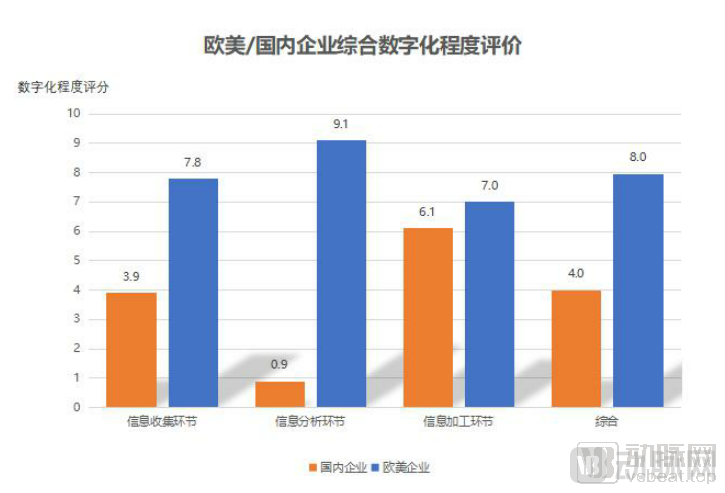
However, due to issues such as a shortage of medical professionals and low levels of informatization, the efficiency of the dental industry still needs significant improvement. Research results from VCBeat show that there is still a gap between the overall digitalization level of China's dental industry and that of developed countries in Europe and America. It should be noted that,The level of digitalization in the dental industry often determines the upper limit of clinical service quality in downstream dental care.
Therefore,Numerous enterprises are making concerted efforts to enhance industry-wide efficiency through digitalization, with the aim of delivering a superior medical service experience to dental patients.This team includes Align Technology, a global leader in medical device companies. Since entering the Chinese market a decade ago, the company has introduced a series of digital solutions and products to the domestic dental industry, with its flagship Invisalign system being a prime example.
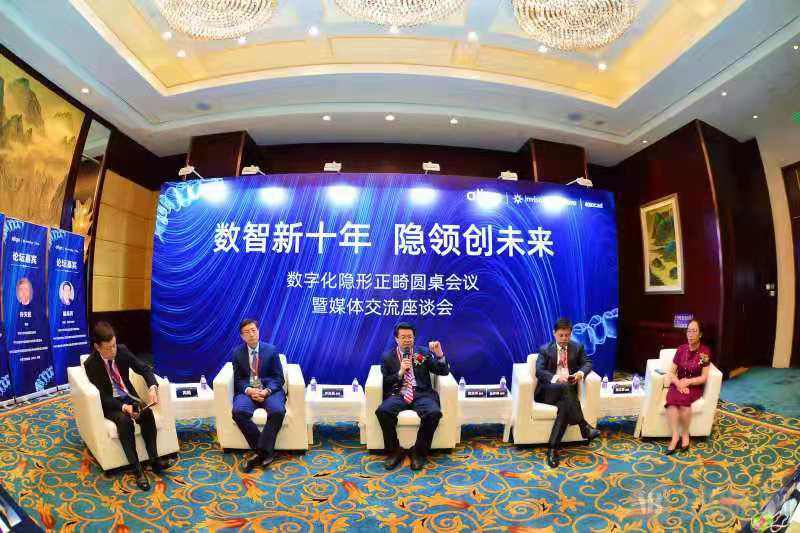
Recently, Align Technology, in collaboration with the West China School of Stomatology of Sichuan University and the Orthodontics Professional Committee of the Sichuan Stomatological Association, convened an Innovation Forum on Clear Aligner Therapy under the theme “A New Decade of Digital Intelligence, Leading the Future of Clear Aligners.” Experts, scholars, and clinicians specializing in orthodontics from public medical institutions across China gathered at the forum to discuss cutting-edge academic topics, application strategies, and the latest innovative research findings in clinical development, offering new perspectives on the growth of the clear aligner industry.
Seizing this opportunity, VCBeat engaged in in-depth discussions with orthodontic experts from major public medical schools and Xiang Jin, Managing Director of Align Technology China. They explored the future development of clear aligner therapy during the accelerated phase of its digital transformation, examining dimensions such as technological trends, talent development, and commercial evolution.
According to relevant statistics, the prevalence of malocclusion in China is as high as 74%, yet the treatment rate stands at only 0.43%. The primary population seeking orthodontic treatment consists of adolescents and individuals with aesthetic concerns. From a market perspective, traditional bracket-based orthodontics still dominates, accounting for nearly 90% of the market share.
In this context,Digital invisible orthodontics, which is more “aesthetic,” “comfortable,” “convenient,” with “predictable outcomes” and “visualized processes,” has gained significant popularity among young people today.Moreover, clear aligner therapy can expand the range of treatment indications. By enabling better control over tooth movement, it addresses an increasing number of indications and facilitates the application of clear aligner treatment to more complex cases that are prevalent in China, thereby creating a continuously expanding target patient population.
According to a Frost & Sullivan report, China’s overall clear aligner market, as the second-largest market globally, is in a phase of rapid growth. The retail sales revenue of China’s clear aligner market is expected to increase from USD 1.4 billion in 2019 to USD 11.9 billion in 2030, representing a compound annual growth rate (CAGR) of 21.5%.
“Digital clear aligner technology is rapidly advancing.In terms of data acquisition, two trends are worth noting.“Professor Zhao Zhihe, Vice Dean of the West China School of Stomatology at Sichuan University, stated, ‘First, data acquisition for future patients undergoing clear aligner therapy will inevitably be dominated by intraoral scanning. The current method of taking impressions using plaster models and then shipping them to processing laboratories has room for further improvement in terms of both time and space costs, a challenge effectively addressed by digital solutions. Second, the application of cone-beam computed tomography (CBCT) in dentistry will enhance the resolution of medical imaging scans while reducing radiation exposure to a new low, thereby enabling dentists to perform many surgical procedures that were previously unfeasible.’”
In the view of Professor Jin Zuolin, Chairman of the Orthodontics Professional Committee of the Chinese Stomatological Association and Director of the Department of Orthodontics at the School of Stomatology, Fourth Military Medical University,With technological iterations and the development of big data, chairside digitalization will be a particularly important direction for the future of the orthodontics industry.“The fabrication of metal copings for dentures using traditional manual techniques involves more than 20 steps, including impression taking, wax pattern creation, sprue attachment, investing, and lost-wax processing. This manufacturing process is relatively conventional and cumbersome. If rework is required, both labor costs and patient waiting times increase significantly. With the future widespread adoption of chairside digital workflows, dentures can be directly fabricated via 3D printing, enabling immediate pickup and greatly enhancing convenience and efficiency.”
From this perspective, digital clear aligner therapy is poised for further breakthroughs in the future. As a leading enterprise in digital clear aligner therapy, Align Technology undoubtedly holds a first-mover advantage in digitalization. For instance, as early as 2011, Align launched the iTero intraoral scanner, enabling partner dentists to directly acquire oral data, thereby improving treatment outcomes, reducing turnaround time, and enhancing doctor-patient communication and patient acquisition. VCBeat observed on-site that, in addition to efficiently performing intraoral scanning and modeling, the iTero intraoral scanner incorporates user-friendly features such as direct WeChat login and the ability to share and edit intraoral scan images. This functionality was specifically developed by Align for orthodontists and patients in China.
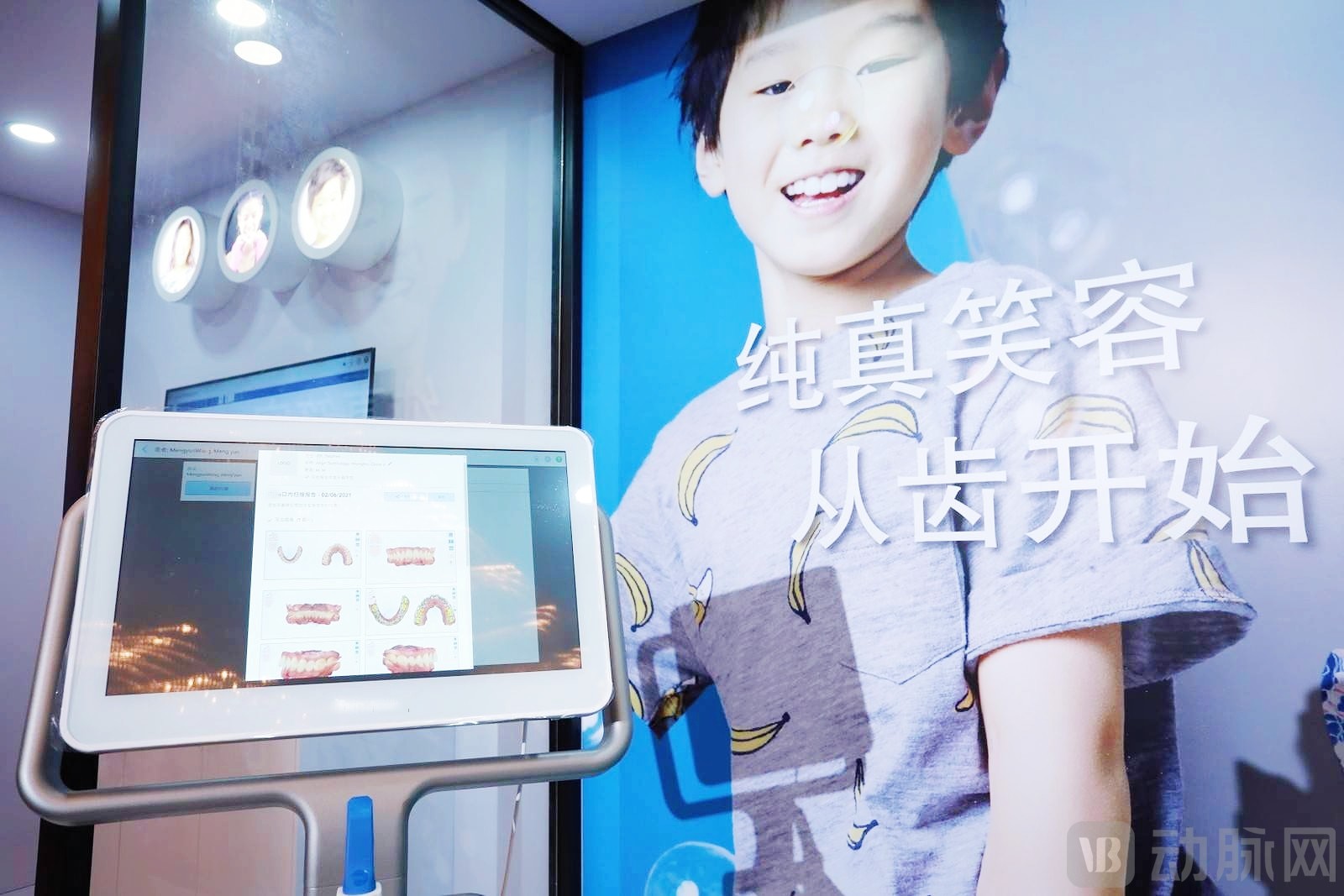
“We have been committed to helping more Chinese dentists master new digital techniques through Align Technology’s proprietary end-to-end digital solutions. By seamlessly integrating the iTero intraoral scanner with the Invisalign system, we enable a fully digital workflow—from intraoral scanning and model creation, patient record establishment, and treatment planning to large-scale customized manufacturing—thereby continuously optimizing and refining the entire diagnostic and treatment process,” said Xiang Jin, Managing Director of Align Technology China. “Beyond advancing technology, we are also making digital clear aligner therapy more patient-centric.”
In the field of dentistry, dentists have always been a scarce resource.
Relevant data show that China has approximately 210,000 general dentists and over 5,000 orthodontists, corresponding to an average national coverage of about 14.8 general dentists and 0.4 orthodontists per 100,000 population—far below the United States’ figures of 48.1 general dentists and 3.3 orthodontists per 100,000 population.In this context, strengthening the training of dental professionals has also become a priority.
“Digital methods can significantly improve dentists' efficiency and, to some extent, liberate them from certain repetitive tasks. However,”At a certain level, digital methods also impose higher demands on dentists.“Professor Xu Tianmin from Peking University School of Stomatology and Deputy Secretary-General of the Chinese Stomatological Association stated that in the future, dentists will assume a role more akin to ‘designers,’ providing crucial intellectual support to enhance post-orthodontic aesthetics for patients, guided by clinical experience.”
“I have always believed that clear aligner therapy is a valuable tool; what matters most for orthodontists is to strengthen their core clinical competencies,” said Professor Lai Wenli, Director of the Department of Orthodontics at West China School of Stomatology, Sichuan University."In addition to maintaining the drive to continuously learn about next-generation technologies, orthodontists must also demonstrate humanistic care."“Only with sufficient foresight can a doctor provide a correct treatment plan, ultimately achieving favorable therapeutic outcomes.”
It is worth noting that, at the macro level,In recent years, the Chinese government has also been actively encouraging the integration of industry, academia, and research, as well as the vigorous development of digital dentistry.Following the trend, the training of dental professionals has ushered in new development opportunities, while also imposing new requirements on the teaching models of educational institutions.
“With over two decades of development and extensive accumulation of clinical experience, clear aligner technology has seen continuous clinical research conducted at academic institutions,” said Xiang Jin, Managing Director of Align Technology China. Since entering the Chinese market, Align Technology has prioritized conducting physician training programs in collaboration with dental specialists and various colleges and universities.
To date, Align Technology has established training centers in Chengdu and Shanghai. “The training centers feature a simulated head model room, classrooms for digital treatment planning, and multi-functional rooms dedicated to case sharing by specialist doctors. Through these facilities, we provide more Chinese dentists with end-to-end digital clear aligner therapy training based on the Invisalign system and iTero intraoral scanners.”
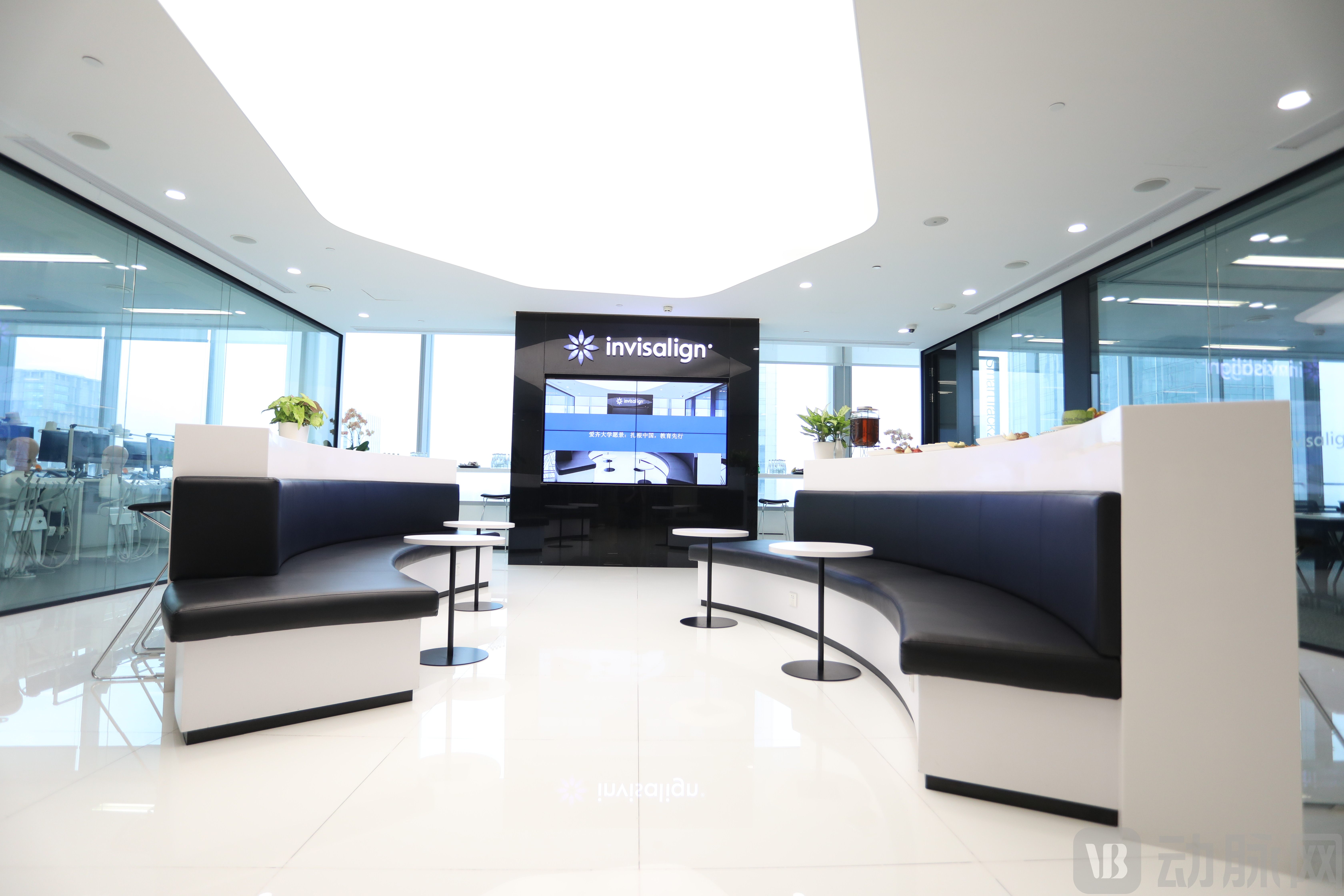
As the pioneer in introducing digital clear aligner technology from around the world to China, Align Technology has maintained close collaboration with Chinese orthodontists for the past decade. Through in-depth cooperation and exchange in digital clear aligner technology and clinical applications, it has provided significant impetus for the expansion of China’s clear aligner industry to reach a broader patient population.
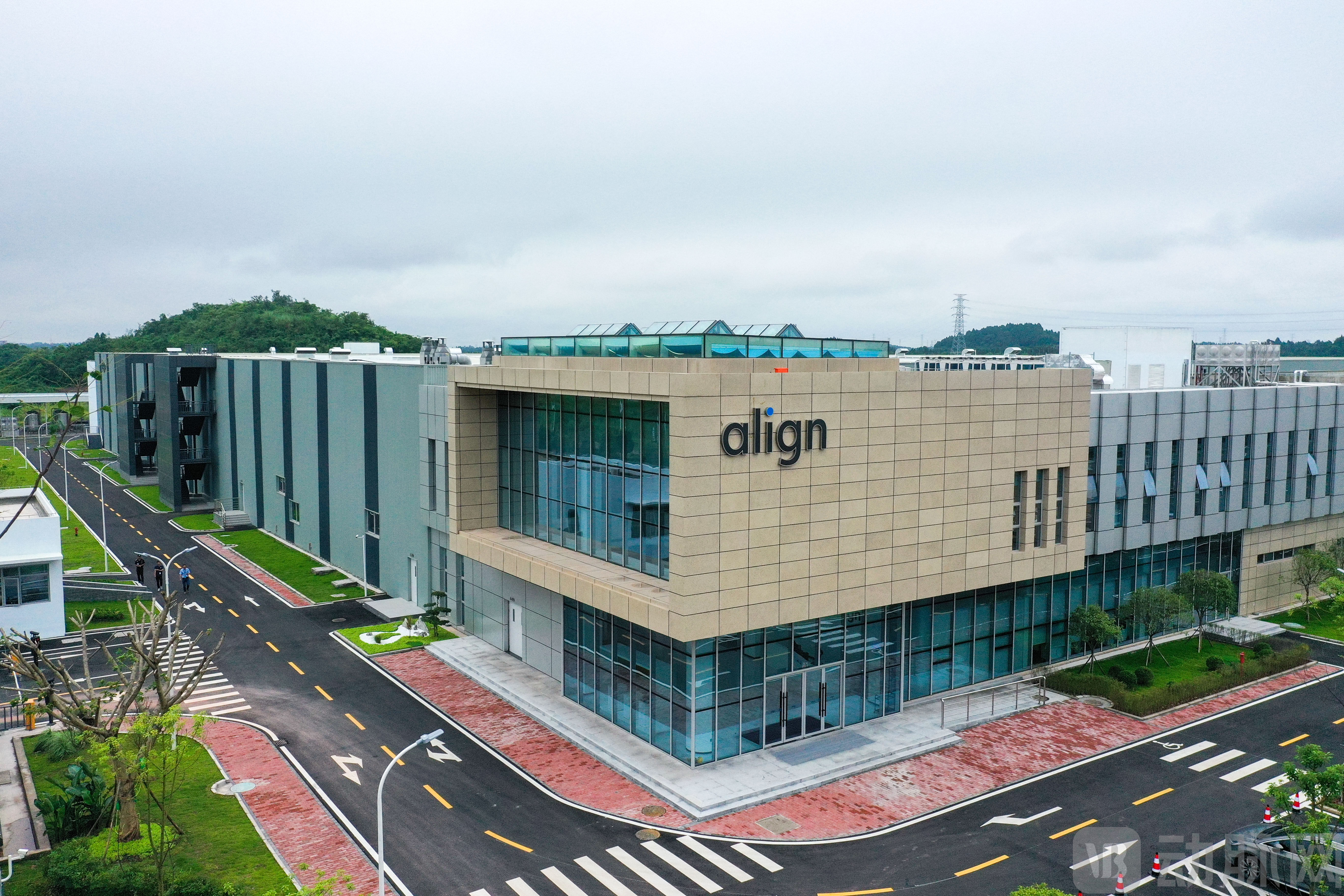
Looking back on a decade of development, Align Technology has achieved numerous breakthroughs.For instance, in 2011, Align Technology established a wholly-owned subsidiary in Shanghai, marking its entry into the Chinese market. In 2017, Align Technology officially launched its China Design Center in Chengdu. As the second design and technology center globally and the first of its kind introduced to China, the facility incorporates advanced global production and manufacturing technologies. In 2020, Align Technology’s new intelligent manufacturing base in Ziyang, Sichuan—located within the “China Dental Valley”—commenced operations. Covering a total planned area of 120 mu, it stands as Align’s largest digital production base in the Asia-Pacific region.
In terms of consumer awareness, Align Technology has also been consistently engaged in market education.“Since entering the Chinese market, we have been committed to helping patients in China gain a correct understanding of clear aligner therapy and seek treatment from qualified dental hospitals, clinics, and dentists,” said Xiang Jin, Managing Director of Align Technology China.
In addition, Align Technology has made numerous attempts at localization.For example, in 2017, Align Technology launched Invisalign aligners with mandibular advancement functionality in China. As the first orthodontic solution designed for adolescent patients with Class II malocclusion who are still undergoing growth and development, this treatment integrates the advantages of clear aligner systems to correct dental alignment while promoting forward positioning of the mandible. Currently, China represents the largest market globally for this segment.
As can be seen, Align Technology has achieved significant milestones during its decade in China, particularly in raising awareness of the concepts and technologies behind dental digitalization. Conversely, market cultivation has also fueled Align Technology’s growth. Recently, the global number of Invisalign users surpassed ten million, a milestone significantly supported by the Chinese market.
Looking ahead, Xiang Jin stated that Align Technology will continue to deepen its collaboration with Chinese physicians, constantly advancing and innovating digital clear aligner technology, and consistently delivering the most personalized and highest-quality treatment solutions to patients in China.