

Peking University Medicine Forum on Integrated Chinese and Western Medicine Innovation Successfully Held, Discussing Collaborative Development and Innovation
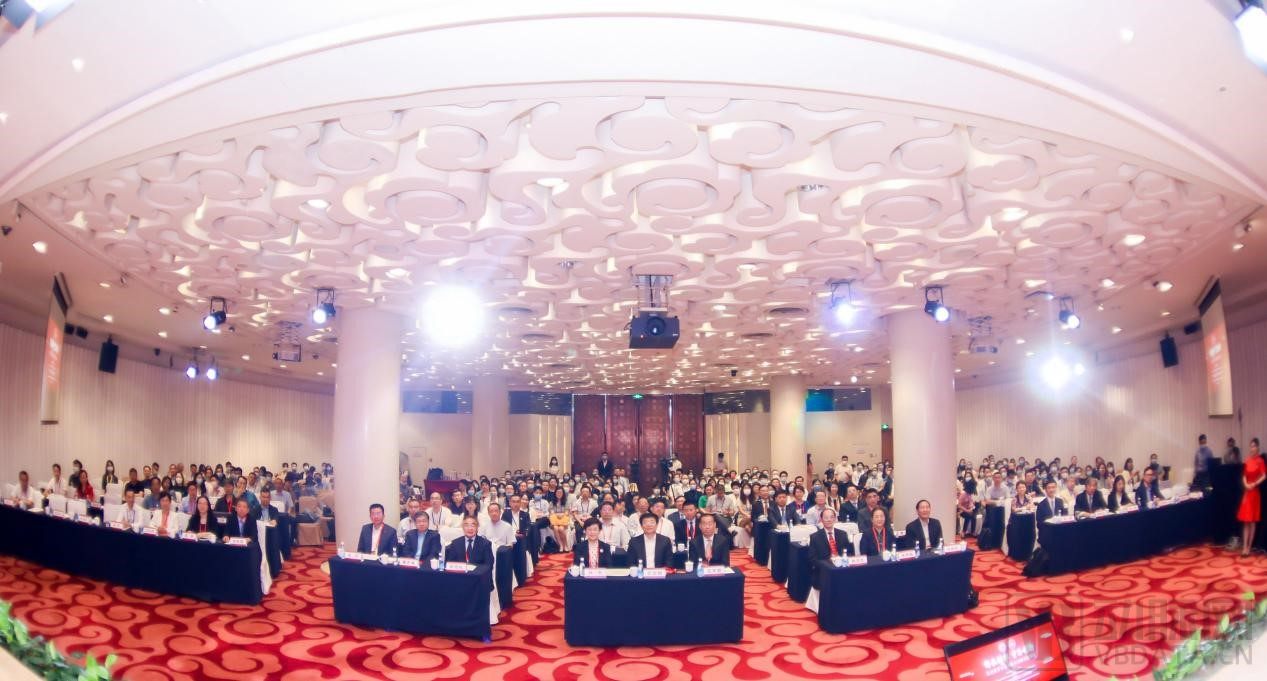
On June 12, the “Inheriting Essence, Upholding Integrity and Fostering Innovation—Peking University Health Science Center Forum on Integrated Traditional Chinese and Western Medicine” was grandly held, co-hosted by Peking University Health Science Center and the Shi Xuemin Traditional Chinese Medicine Development Foundation. More than 400 experts and scholars in the field of integrated traditional Chinese and Western medicine, colleagues from various sectors of society, and students participated in the forum, with online views exceeding 6 million. The meeting was presided over by Xiao Yuan, Deputy Director of Peking University Health Science Center.
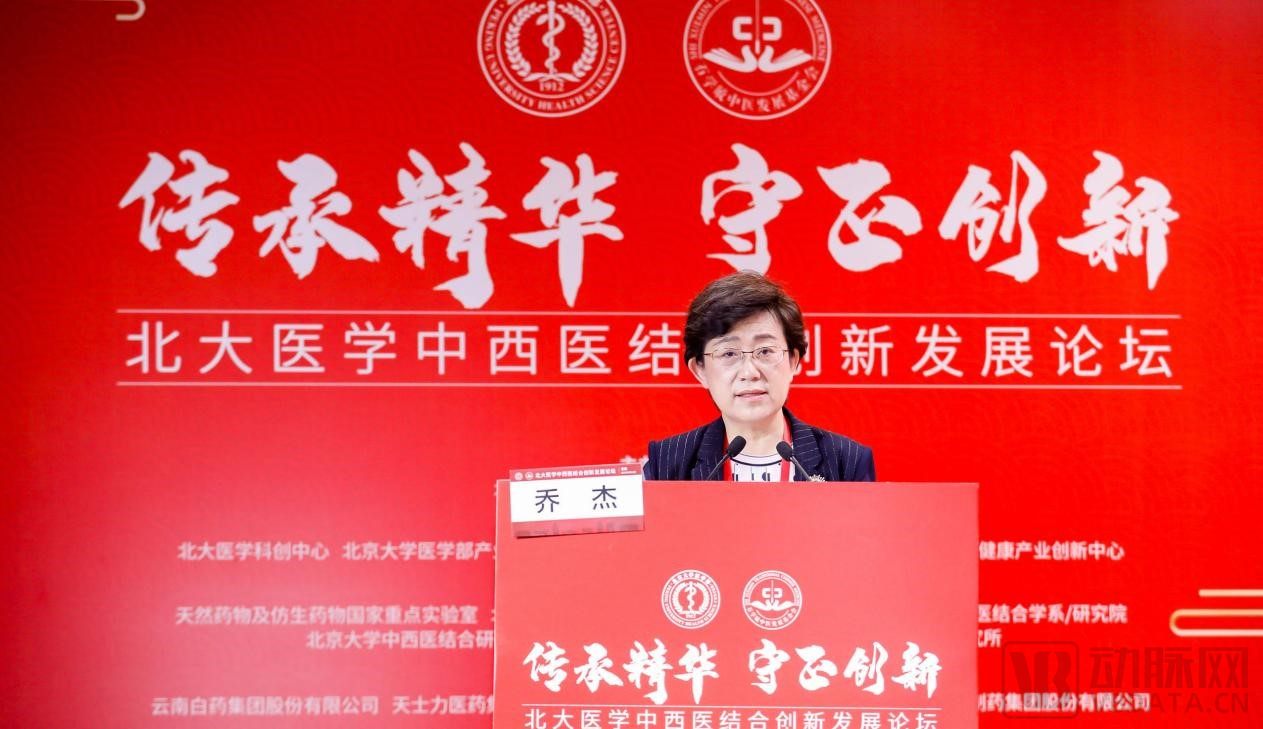
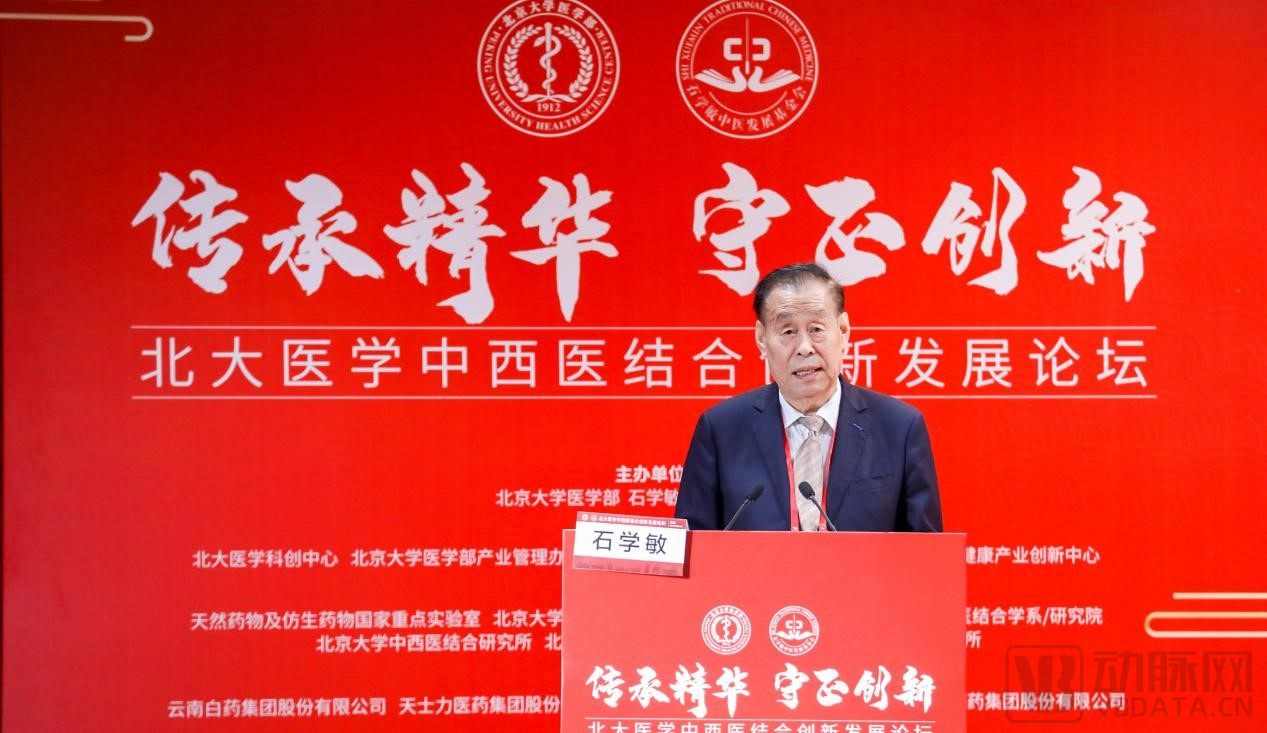
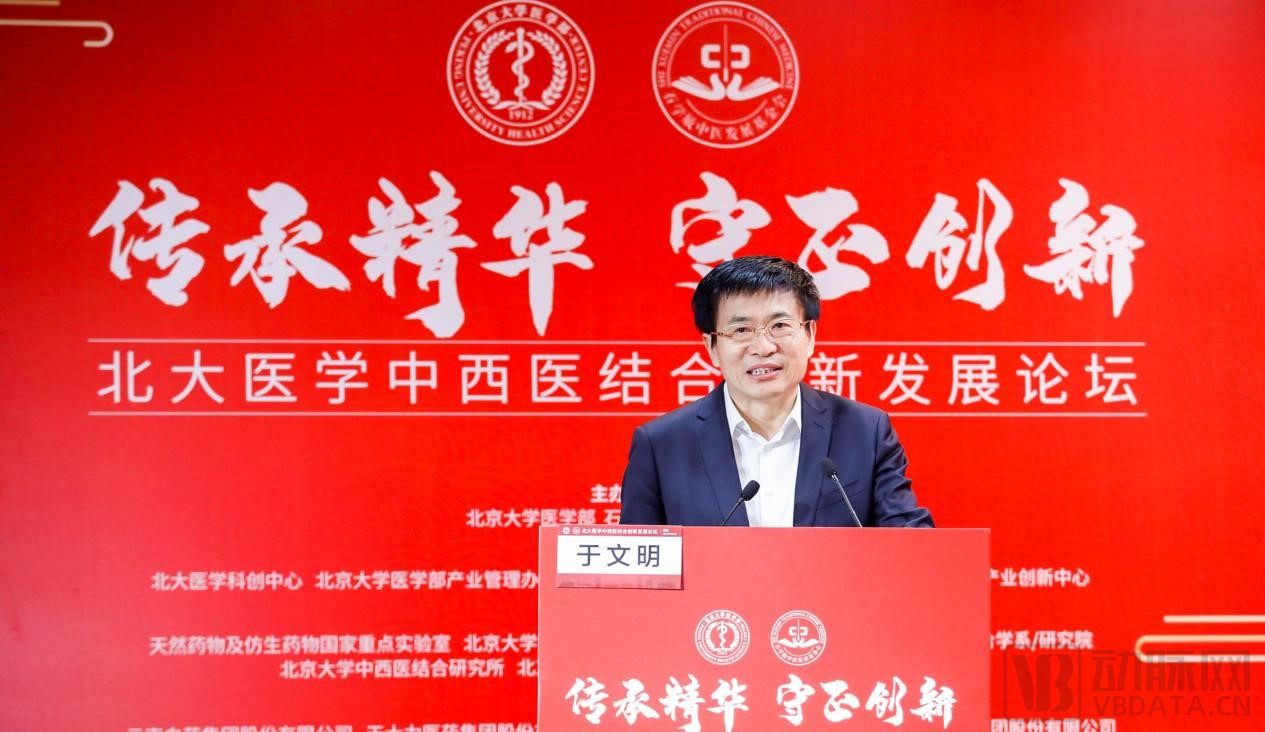
Qiao Jie, Executive Vice President of Peking University, Director of the Health Science Center, Dean of Peking University Third Hospital, and Academician of the Chinese Academy of Engineering; Shi Xuemin, Academician of the Chinese Academy of Engineering and National Master of Traditional Chinese Medicine; and Yu Wenming, Director of the National Administration of Traditional Chinese Medicine, delivered opening remarks at this forum.
Academician Qiao Jie stated that Traditional Chinese Medicine (TCM) is the key to unlocking the treasure trove of Chinese civilization, representing China’s unique theoretical and technical systems. Peking University Health Science Center alumnus Professor Tu Youyou revolutionized the extraction of artemisinin by replacing water decoction with low-boiling-point solvent extraction, saving millions of lives worldwide. During the fight against the COVID-19 pandemic, the integrated approach of combining TCM with Western medicine led to the development of “Three Herbal Formulas and Three Patent Medicines,” adapted from classical medical prescriptions, which became a highlight of the “Chinese Solution” in epidemic control. Meanwhile, clinical practice and scientific research in reproductive medicine have also demonstrated the enhancing effect of TCM on therapeutic outcomes. Peking University Health Science Center has always prioritized the development of integrated TCM and Western medicine. In recent years, continuous and in-depth collaborations with high-tech enterprises have created new opportunities for the advancement of TCM. The year 2021 marked the beginning of the 14th Five-Year Plan and the 100th anniversary of the founding of the Communist Party of China. Peking University Health Science Center is committed to building a higher-level platform to promote the long-term development of integrated TCM and Western medicine, supporting the Chinese Dream through the pursuit of health, and contributing its strength to the development of Traditional Chinese Medicine.
In his address, Academician Shi Xuemin stated that the Peking University Health Science Center Forum on Innovative Development of Integrated Traditional Chinese and Western Medicine aims to promote innovative development in the integration of traditional Chinese and Western medicine, fully leverage the complementary advantages of both systems, actively foster innovation, enhance research capabilities in the combined use of Chinese and Western medicines, better serve the health of the general public, fulfill responsibilities in advancing healthcare services, and drive substantial progress in the field of integrated traditional Chinese and Western medicine. He expressed hope for further in-depth research in the future, striving to contribute to the development of integrated traditional Chinese and Western medicine.
Director Yu Wenming stated that since the 18th National Congress of the Communist Party of China, the CPC Central Committee with General Secretary Xi Jinping at its core has placed greater emphasis on traditional Chinese medicine (TCM) work, issuing the Outline of the Strategic Plan for the Development of Traditional Chinese Medicine and promulgating the Law on Traditional Chinese Medicine. He elaborated on six aspects for implementing the important instructions and directives of General Secretary Xi Jinping on TCM: First, adhere to equal importance of TCM and Western medicine under the health guidelines for the new era, promoting complementary advantages and coordinated development; Second, focus on addressing weaknesses, strengthening shortcomings, and stimulating vitality in policy measures; Third, uphold a collaborative mechanism between TCM and Western medicine in epidemic prevention and control, better leveraging the role of TCM in infectious disease prevention and treatment as well as emergency response to public health incidents; Fourth, promote the “Four-Have” innovative model of integrated TCM and Western medicine—characterized by having mechanisms, teams, measures, and results—in clinical protocols for disease prevention and treatment; Fifth, strengthen the construction of platforms for innovative research on integrated TCM and Western medicine, enhancing the level of clinical research in this field; Sixth, persist in strengthening the development of specialized talent teams and improving education in integrated TCM and Western medicine.
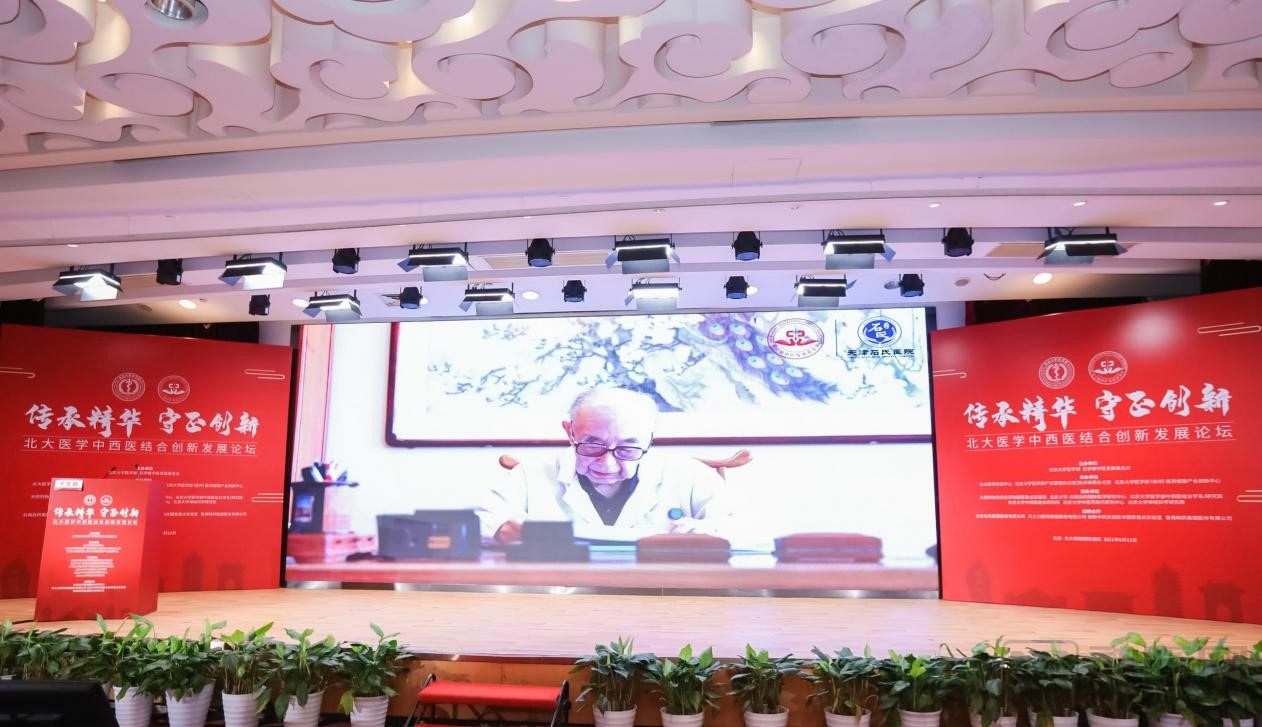
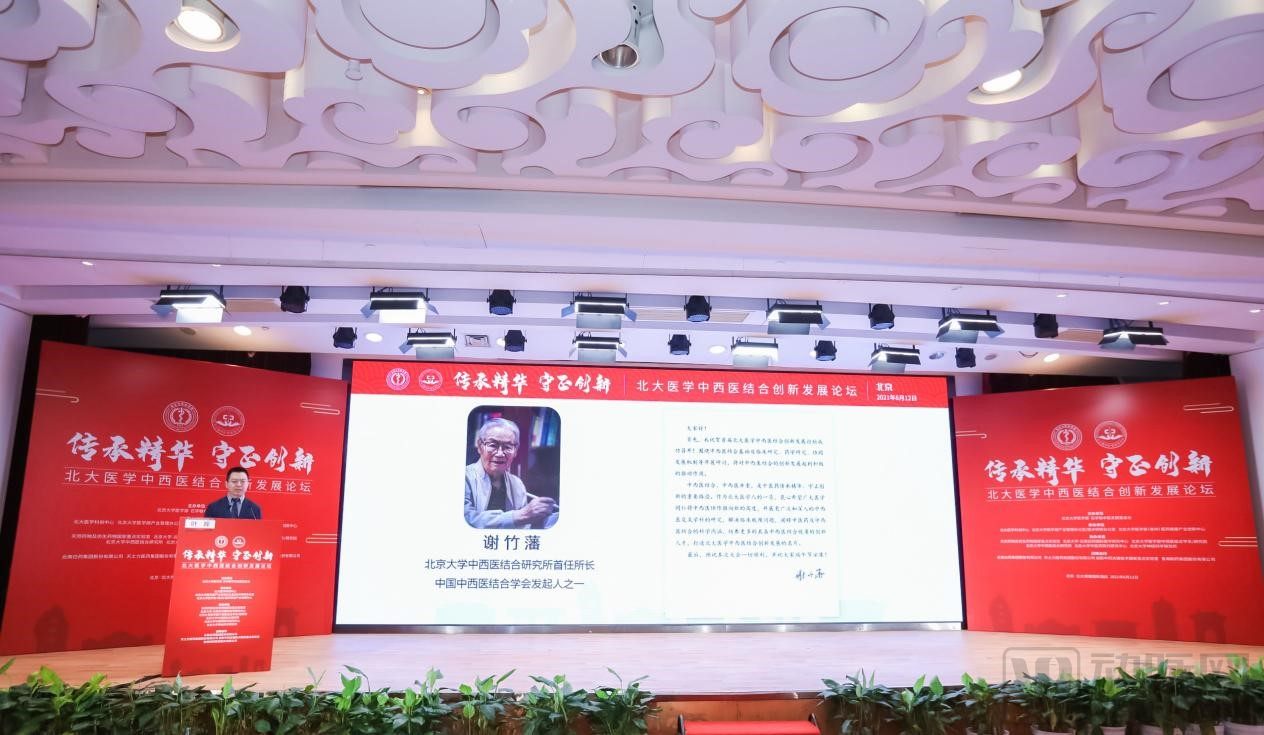
Wu Xianzhong, Academician of the Chinese Academy of Engineering and Director of the Tianjin Institute of Integrated Traditional Chinese and Western Medicine for Acute Abdominal Diseases, and Xie Zhufan, the first Director of the Peking University Institute of Integrated Traditional Chinese and Western Medicine and one of the founders of the Chinese Association of Integrative Medicine, extended their congratulations to the conference via video address and congratulatory letter, respectively. They sincerely hope that medical professionals will elevate the integration of traditional Chinese and Western medicine to new heights, conduct more extensive and in-depth interdisciplinary research, address clinical bottlenecks, elucidate the scientific connotations of traditional Chinese medicine and its integration with Western medicine, and cultivate more innovative talents with an integrated perspective.
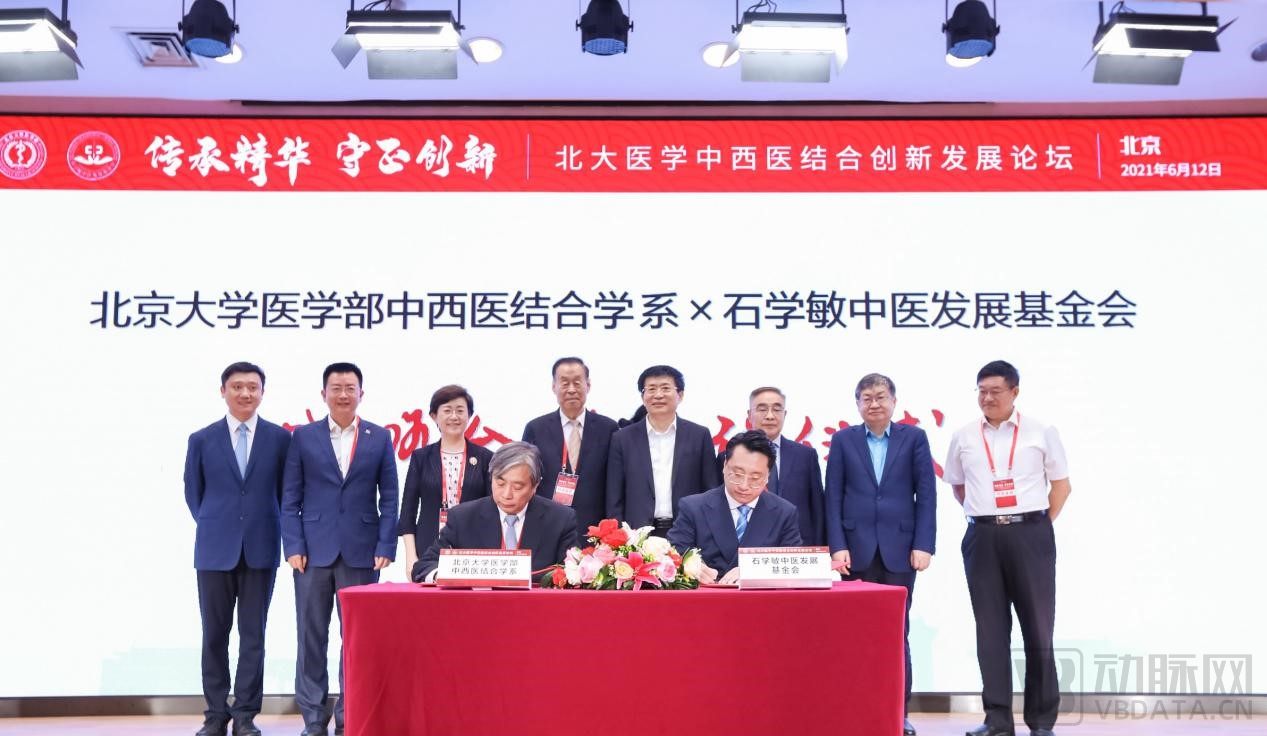
Subsequently, the Department of Integrated Traditional Chinese and Western Medicine at Peking University Health Science Center signed a cooperation agreement with the Shi Xuemin Traditional Chinese Medicine Development Foundation.
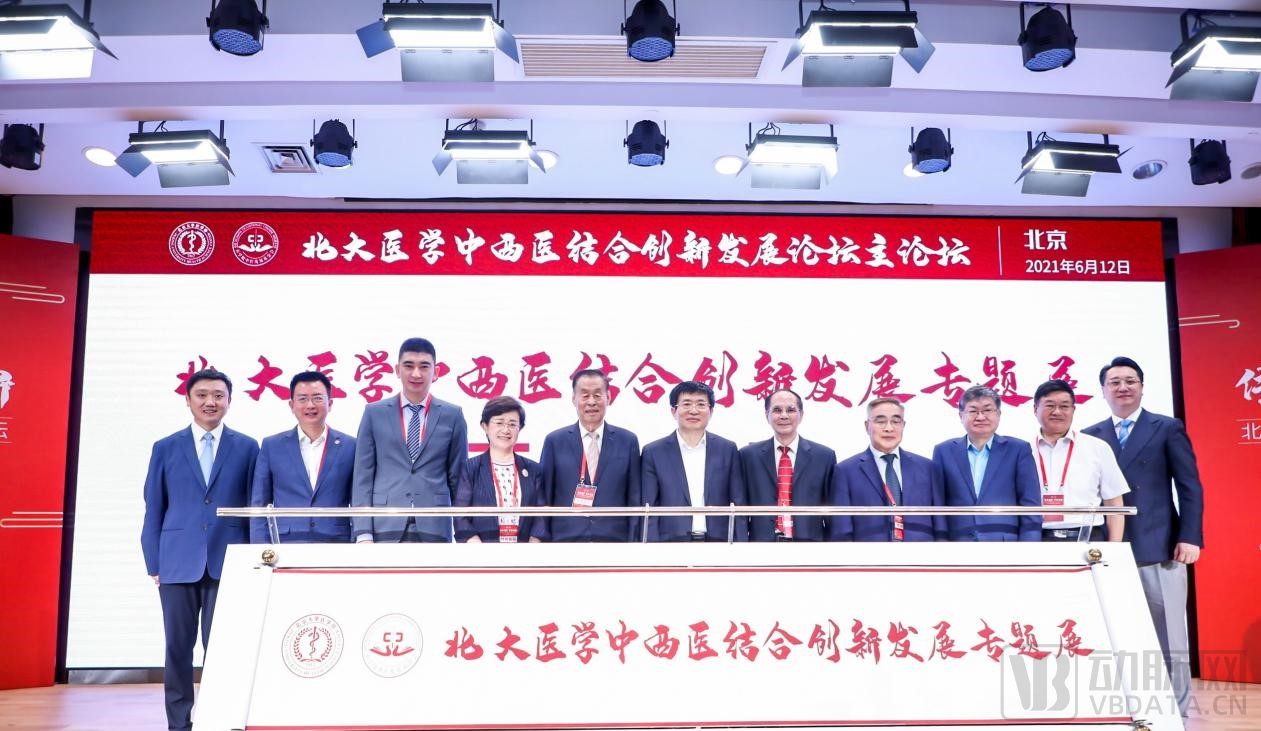
Academician Han Jisheng, Member of the Chinese Academy of Sciences, Boya Distinguished Professor at Peking University, and Honorary Director of the Peking University Institute for Neuroscience; Academician Shi Xuemin; Academician Zhang Boli, Member of the Chinese Academy of Engineering, Honorary President of Tianjin University of Traditional Chinese Medicine, and Honorary President of the China Academy of Chinese Medical Sciences; Academician Qiao Jie; Director Yu Wenming; Tu Zhitao, Director of the Beijing Municipal Administration of Traditional Chinese Medicine; Liu Baoyan, Director of the Key Laboratory of Clinical Evaluation of the National Administration of Traditional Chinese Medicine; Dong Ming, CEO of Yunnan Baiyao; Xiao Yuan, Deputy Dean of the Health Science Center; and Zhang Ning jointly unveiled the “Special Exhibition on the Innovative Development of Integrated Traditional Chinese and Western Medicine at Peking University Health Science Center.” The exhibition will be held at the Peking University Health Science Center from June 12 to September 12, 2021. Centered on themes such as “The Development of Ancient Chinese Medicine,” “The Development of Integrated Traditional Chinese and Western Medicine in Modern Times,” “Traditional Chinese Medicine Going Global,” and “The Development of Integrated Traditional Chinese and Western Medicine at Peking University Health Science Center,” the exhibition features important exhibits including TCM cultural relics, ancient manuscripts, and herbal prescriptions. It showcases the discipline construction and development of integrated traditional Chinese and western medicine at Peking University Health Science Center, striving to promote high-quality development of integrated traditional Chinese and western medicine in the new era.
Following the launch ceremony of the thematic exhibition, Academician Han Jisheng delivered an insightful report titled “Autism: From Etiology to Diagnosis and Treatment,” Academician Shi Xuemin presented on “Clinical Applications and Basic Research of the Xingnao Kaiqiao Acupuncture Method,” and Zhang Boli spoke on “Reflections on the Development of Integrated Traditional Chinese and Western Medicine Based on Anti-Epidemic Practices.” Drawing on their extensive research and clinical experience in integrated traditional Chinese and Western medicine, the three academicians elucidated their profound understanding of its development, fully demonstrating that the integration of traditional Chinese and Western medicine is a vital pathway for China’s medical technological innovation to adhere to the orientation of “facing the global scientific and technological frontier, facing the main economic battlefield, facing major national needs, and facing the life and health of the people.”
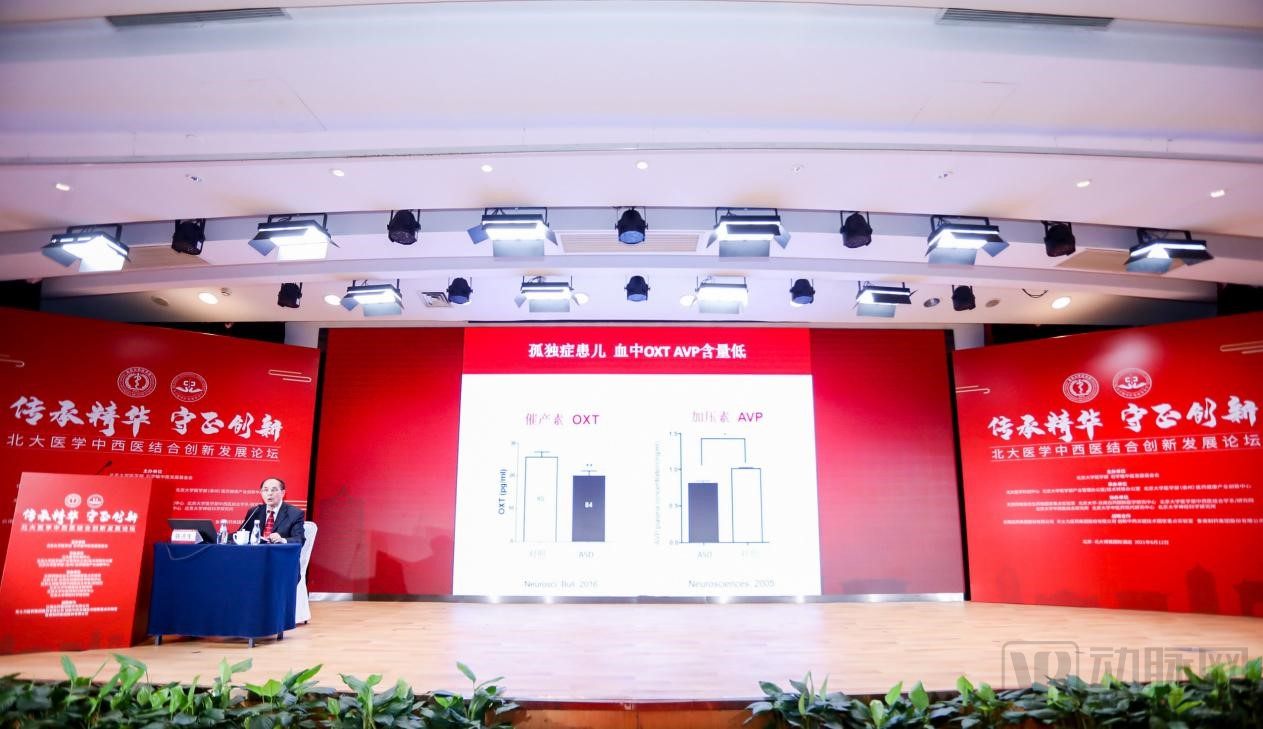
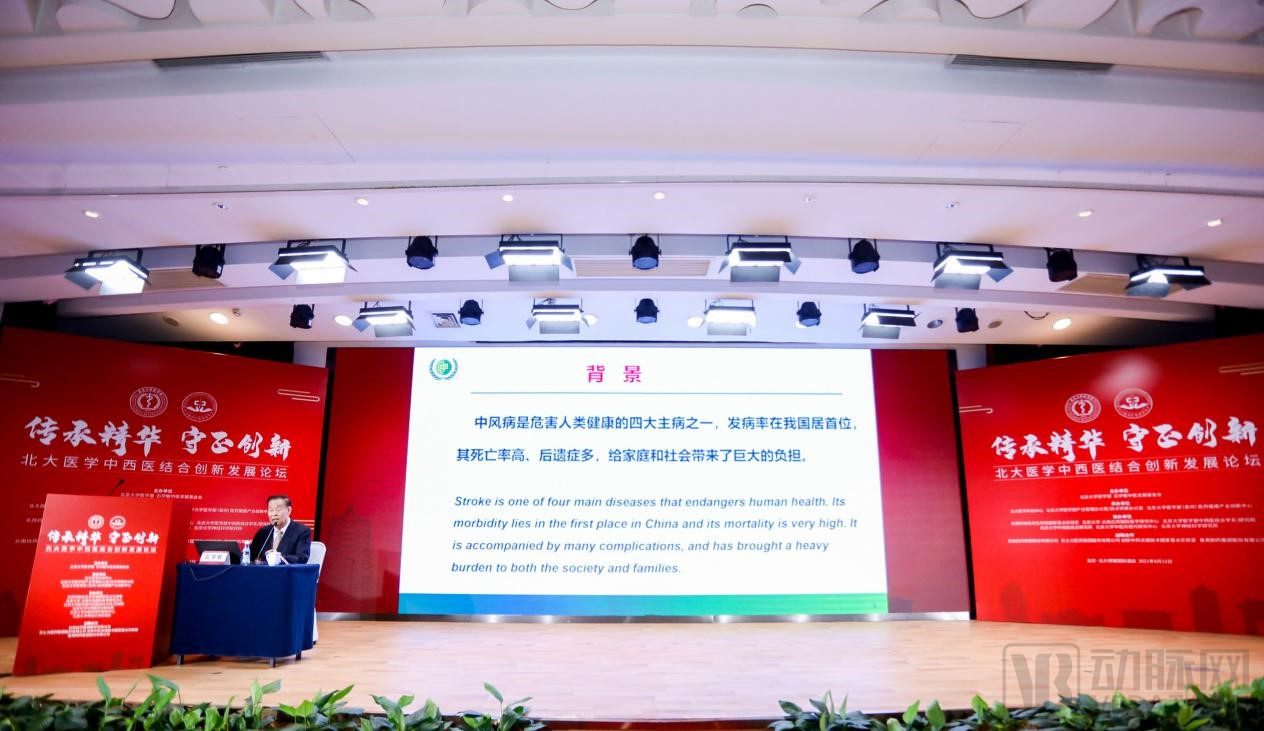
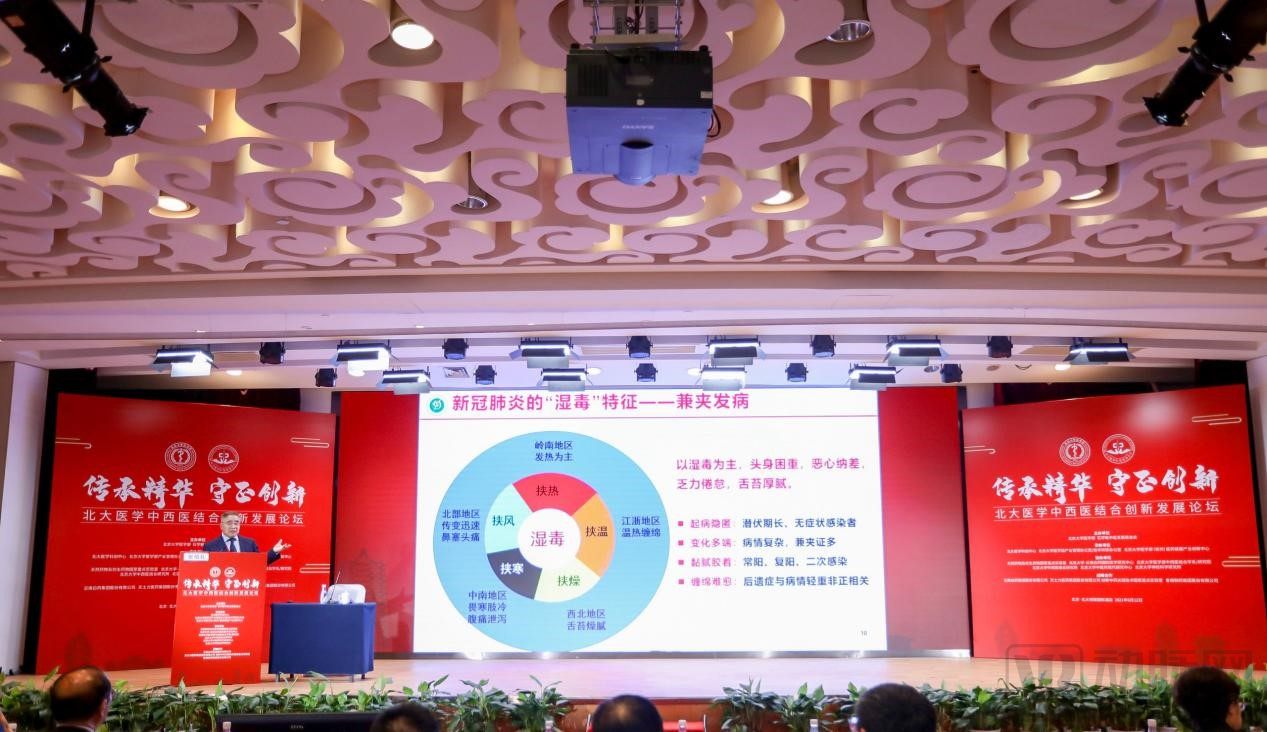
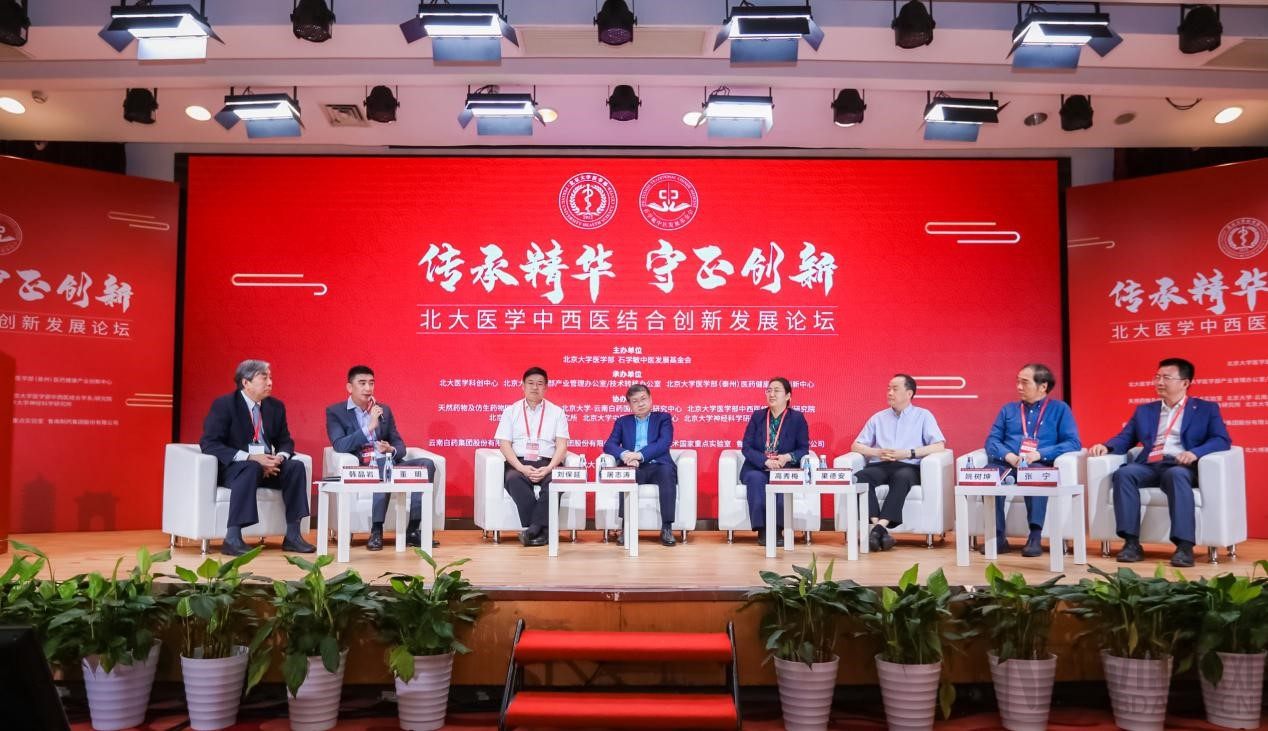
Following the insightful presentations delivered by three academicians, Tu Zhitao, Director of the Beijing Administration of Traditional Chinese Medicine; Gao Xiumei, President of Tianjin University of Traditional Chinese Medicine; Zhang Ning, Deputy Director of the Health Science Center at Peking University; Liu Baoyan, Academician of the International Eurasian Academy of Sciences and Director of the Key Laboratory for Clinical Evaluation of Traditional Chinese Medicine under the National Administration of Traditional Chinese Medicine; Dong Ming, CEO of Yunnan Baiyao; Guo Dean, Researcher at the Shanghai Institute of Materia Medica, Chinese Academy of Sciences; and Yao Shukun, Former Vice President of China-Japan Friendship Hospital, jointly participated in a roundtable discussion titled “Innovative Translation and Integration of Traditional Chinese and Western Medicine.” The session was moderated by Han Jingyan, Dean of the Institute of Integrative Medicine at the Health Science Center of Peking University. The panelists engaged in an in-depth discussion on the inheritance and development of traditional Chinese medicine (TCM) and Western medicine. They pointed out that TCM represents truths validated through clinical practice over 5,000 years of Chinese civilization, and that the “Three Medicines and Three Formulations” played a crucial role during the epidemic prevention and control efforts. The integration of TCM and Western medicine aims to achieve complementary advantages, maximize the respective strengths of both systems, leverage their unique characteristics, enhance endogenous momentum, learn from each other’s strengths, promote mutual advancement, collaborate to tackle key challenges, and address complex medical issues.
Following the conclusion of the main forum in the morning, three parallel sub-forums were held in the afternoon: the Forum on Integrated Traditional Chinese and Western Medicine Pharmaceuticals, the Forum on Innovation in Diagnosis and Treatment with Integrated Traditional Chinese and Western Medicine, and the Forum on Collaborative Development of Integrated Traditional Chinese and Western Medicine.
Leveraging the disciplinary strengths of Peking University Health Science Center, this forum focuses on hotspots and frontier issues in the integration of traditional Chinese medicine (TCM) and Western medicine across basic research, pharmaceutical research, clinical research, and collaborative development. It aims to discuss innovative development in integrated TCM and Western medicine, promote complementarity and fusion between the advantageous disciplines of Western medicine and TCM, and further uphold the principle of placing equal emphasis on both systems, thereby fostering their mutual supplementation and coordinated development. Effectively inheriting, utilizing, and advancing the cause of integrated TCM and Western medicine holds significant importance for enhancing public health literacy, establishing a high-quality and efficient healthcare service system, safeguarding people’s lives and health, and comprehensively promoting the Healthy China initiative.