Riding the Wave: Call for 2021 Digital Healthcare Excellence Partnership Case Submissions
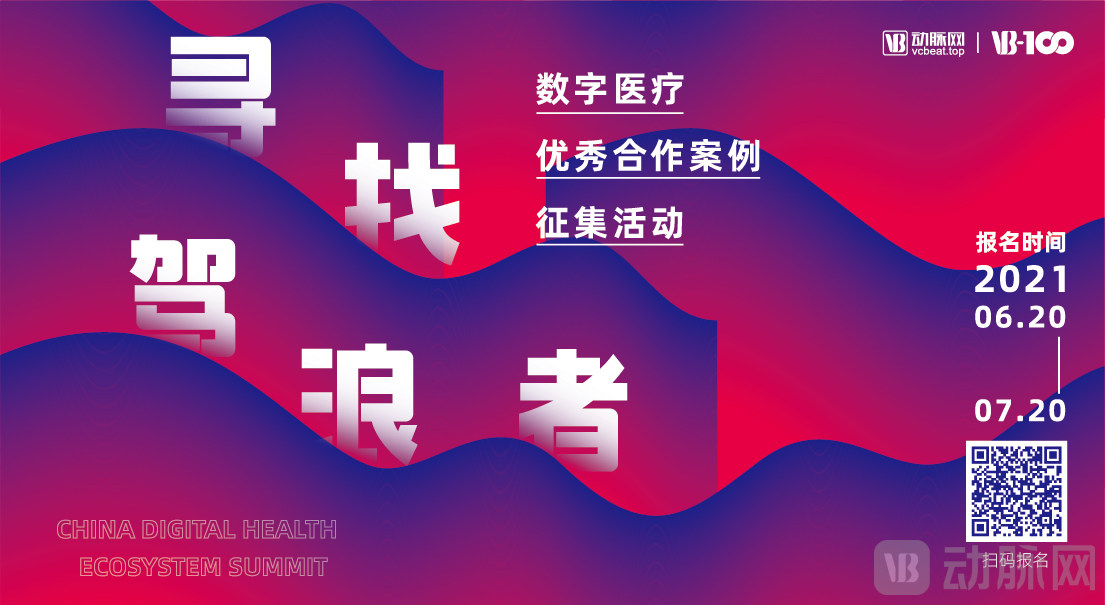
In 2020, the pandemic acted as a “catalyst,” accelerating the digital transformation of the healthcare industry. Riding the wave of digitization, technologies such as big data, 5G, artificial intelligence, the Internet of Things (IoT), and blockchain have become more deeply integrated with medical services, presenting both severe challenges and emerging opportunities.
Currently, the Chinese government is increasing its support for digital healthcare. The implementation of policies such as the “Healthy China 2030” plan, “Internet + Healthcare,” medical big data management standards, and tiered assessments for electronic medical records, smart services, and smart management will lay a solid foundation for the digital healthcare ecosystem. Performance evaluations of public hospitals at tertiary, secondary, and primary levels, along with reforms such as the “Two-Invoice System” and the elimination of drug markups, have created an imperative need for intelligent upgrades in hospitals. A series of policies are promoting cost containment within medical insurance and establishing a diversified payment model that integrates basic medical insurance with commercial health insurance.
Driven by strong policy support, digital technology innovations such as the Internet, artificial intelligence (AI), the Internet of Things (IoT), and 5G are empowering the digital upgrading of healthcare processes. Digital healthcare has been extensively applied across all stages of patient diagnosis and treatment, creating substantial opportunities for large-scale scenario-based applications. For instance, medical big data is widely utilized in clinical research, hospital operations management, medical quality control and regulation, and health insurance cost containment. Applications of VR/AR technologies in the healthcare sector include health wellness, medical training, medical intervention, and clinical diagnosis. Medical robots can perform tasks such as medication preparation, assistance in clinical surgeries, support for patient rehabilitation, and services for individuals with disabilities. The IoT is employed in telemedicine, intensive care, and long-term care, enabling the interconnectedness of medical devices on demand.
VCBeat’s VB100 has been closely monitoring the transformative impact of digitalization on the healthcare industry. Driven by curiosity and anticipation for the future of digital health, we recognize that this transformation is intricate and fraught with challenges. Throughout this journey, we have also identified typical cases and initiatives that are bravely navigating these headwinds to reshape healthcare.To better analyze the current state of digital innovation in China’s healthcare industry and explore future innovation models, we are now soliciting outstanding case studies of industrial collaboration in digital health from healthcare innovation enterprises across the country.
The call for case studies primarily targets enterprises in the technology-driven healthcare sector. VCBeat’s VB100 categorizes digital health implementation scenarios into in-hospital and out-of-hospital settings.
In-hospital Scenarios, including but not limited to healthcare informatics, AI-based medical imaging, clinical decision support systems (CDSS), intelligent prescription, surgical robots, in-hospital navigation, and smart nursing.
Out-of-Hospital Settings, including but not limited to medical services, pharmaceutical and medical device services, and health insurance services, such as internet hospitals, digital therapeutics, chronic disease management, pharmaceutical distribution platform development, CROs, wearable devices, and public/commercial health insurance management services.
Primarily covers enterprises that leverage digital technology innovations—such as the Internet, artificial intelligence, the Internet of Things (IoT), and 5G—to empower the digital upgrading of medical processes, hospital information system construction, digital upgrading of medical equipment, improvement of business processes for healthcare companies, and enhancement of products and services.
1. Participating enterprises in the call for outstanding case studies will receive“2021 China Digital Healthcare Ecosystem Conference” TicketTwo sessions, facilitating more in-depth exchanges with professionals such as government officials, industry peers, and potential partners.
2.Opportunity to deliver a keynote address at the conference.In line with the conference’s overall planning, selected representatives from companies with outstanding case studies may share their insights on the digital healthcare ecosystem with professional attendees, tailored to their unique strengths. Through on-site presentations and promotional coverage across VCBeat’s official website, official WeChat account, and media matrix, these representatives can achieve millions of impressions and foster multi-dimensional collaboration opportunities.
3. Outstanding Case Study Companies WillInvited to Attend the Award CeremonyAt this ecosystem conference, we shared the stage with numerous outstanding enterprises and engaged in face-to-face exchanges with industry peers, sparking opportunities for collaboration.
1.Registration Time and Method:June 20, 2021–July 20, 2021
Register by scanning the QR code below or clicking the link. It is recommended to complete the registration on a computer and provide information related to corporate medical technology projects.
2. Selection Period:July 21–28, 2021
Industry experts selected the award-winning cases from the preliminarily screened outstanding medical technology projects based on four criteria: product/service introduction, business model, case innovation, and case effectiveness.
3. Award Ceremony:August 14, 2021
Representatives from outstanding case-study companies will attend the “2021 Digital Health Ecosystem Conference” to receive awards, with further opportunities to deliver keynote speeches.
Click the link below or scan the QR code to fill out the information and register for the selection.

Registration Link:http://vcbeat-vb100.mikecrm.com/BTvJOn3
This case call for submissions will serve as a key component of the “2021 China Digital Health Ecosystem Conference.” VCBeat will extensively promote selected outstanding cases and invite their representatives to attend the conference. Centered on the implementation of digital health solutions both within and outside hospitals, the event will demonstrate its professional caliber through three dimensions—conference sessions, exhibitions, and networking—while jointly exploring how new technologies and business models can shape a new digital health ecosystem.
The 2021 China Digital Health Ecosystem Conference was held at the China National Convention Center in Beijing on August 14–15, 2021. The conference was jointly organized by the International Exchange and Cooperation Center of the National Health Commission and VCBeat VB100.Inviting government agencies, associations, hospital directors, and leading industry enterprisesShare insights and engage in dialogue on future trends and market opportunities within the healthcare ecosystem, focusing on policy, technology, and business models. The discussion centers on the widespread application of next-generation information technologies in the healthcare sector and the emergence of innovative service models, aiming to create a new healthcare ecosystem where medical care, health insurance, pharmaceuticals, and wellness are empowered by cutting-edge technologies.
The 29th International Medical Equipment Exhibition & 2021 Beijing Health Conference, held concurrently at the same venue,Over 6,000 professional attendees, including representatives from health commissions of provinces and municipalities across China, delegates from foreign consulates in China, and executives from major medical institutions, visited the exhibition., including leaders from the National Health Commission, the Ministry of Industry and Information Technology, the National Medical Products Administration, the Ministry of Foreign Affairs, and the Ministry of Commerce; health departments from over 20 provinces, autonomous regions, and municipalities will dispatch teams to conduct procurement research during the exhibition; more than 1,000 leaders from relevant ministries, health administrative officials, and leaders of medical institutions; over 3,000 hospital directors and healthcare management professionals from hospitals at all levels across China; diplomatic representatives from more than 50 countries stationed in China; over 1,500 medical imaging professionals; more than 600 critical care medicine specialists; and representatives from various health industry sectors.
The Call for Outstanding Digital Health Collaboration Cases aims to identify exemplary partnership cases across various sub-sectors of digital health that demonstrate technological advancement and significant demonstrative impact. This initiative seeks to provide an in-depth analysis of the current state of digital innovation in China’s healthcare industry and explore future models of innovation. An awards ceremony will be held concurrently with the conference to honor the selected outstanding cases. Participation in the conference and awards ceremony offers senior executives the opportunity to engage in face-to-face exchanges with numerous leading enterprises, providing new perspectives for corporate development.

Scan the QR Code to Register