

CARTiGEN Therapeutics Lists on HKEX: How Critical Is First-Mover Advantage in Cell Therapy?

CARsgen Therapeutics
Developer of CAR-T Cell Immunotherapy Drugs
On June 18, 2021, CARsgen Therapeutics was listed on the Hong Kong Stock Exchange, becoming another Chinese cell therapy company in the secondary market.
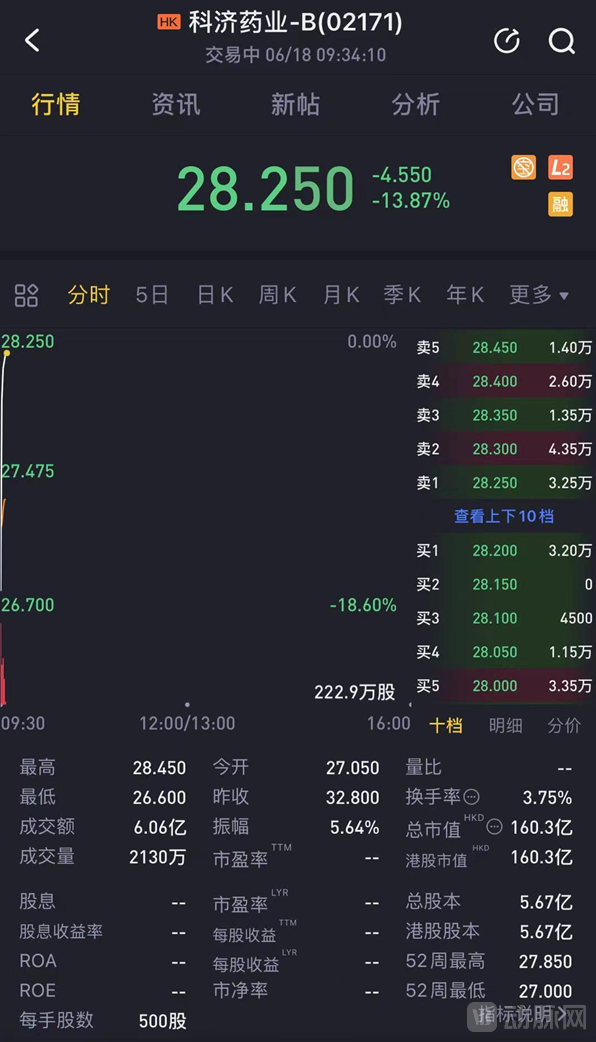
CARsgen Therapeutics priced its offering at HK$32.80 per share, issuing a total of 94.747 million shares. The stock opened today at HK$27.050, down 17.5% from the issue price.
Founded in 2014, CARsgen Therapeutics is one of the first Chinese companies to enter the cell therapy industry. However, amid the current wave of IPOs among cell therapy firms, CARsgen has failed to gain a first-mover advantage in the secondary market. Judging by the progress of its product pipeline, it is also unlikely to be the first to obtain marketing approval from the National Medical Products Administration (NMPA) for its CAR-T therapy.
However, in the healthcare industry, speed is not always the top priority. The commercial value of a biopharmaceutical company cannot be measured solely by the progress of its product development. For therapeutic products, clinical value remains the most critical factor. For instance, among drugs targeting PD-1, Keytruda, despite being approved later, has comprehensively surpassed Opdivo in sales volume.
For Keji Pharmaceutical, the early clinical data released by its core products have already demonstrated significant commercial value. In fact, the realization of this company’s commercial value has only just begun.
The most direct manifestation of CARsgen Therapeutics’ commercial value lies in its current “sole core candidate product,” CT053.
CT053 is a BCMA-targeted cell therapy product developed by CARsgen Therapeutics for the treatment of multiple myeloma. Although the product has not yet been marketed,CT053 has obtained RMAT designation and Orphan Drug Designation from the U.S. FDA, PRIME designation and Orphan Medicinal Product designation from the European EMA, as well as Breakthrough Therapy Drug designation from China’s National Medical Products Administration., which can be described as achieving a Grand Slam in the three major global pharmaceutical markets.
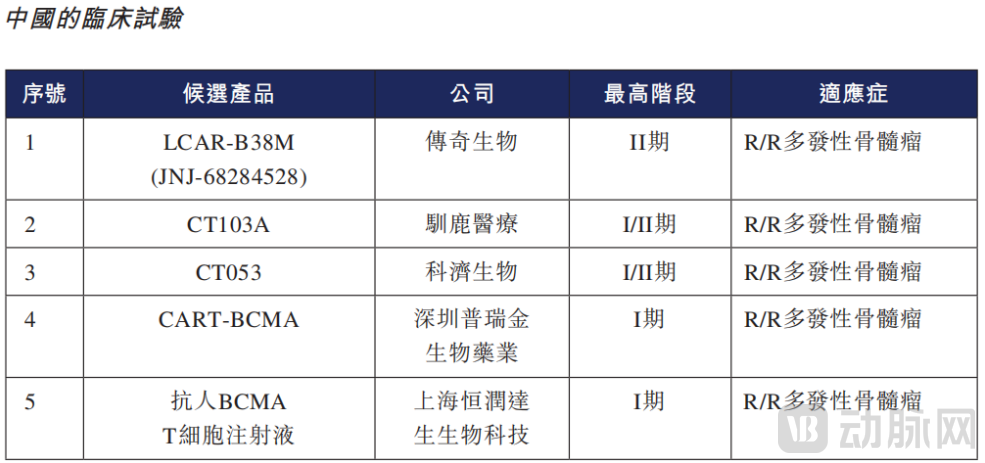
In the treatment of multiple myeloma, BCMA is a core target. Among therapeutic products targeting BCMA, cell therapies represent the current key competitive frontier.If we look solely at the progress of product development, CT053 can barely squeeze into the first tier, even considering only domestic clinical studies. According to relevant statistics in CARsgen Therapeutics’ prospectus, there are currently five BCMA cell therapy products undergoing clinical studies in China. All five products have identical indications, targeting relapsed/refractory multiple myeloma (RRMM). The most advanced among them is Legend Biotech’s LCAR-B38M, which has completed patient enrollment for its Phase II clinical study.
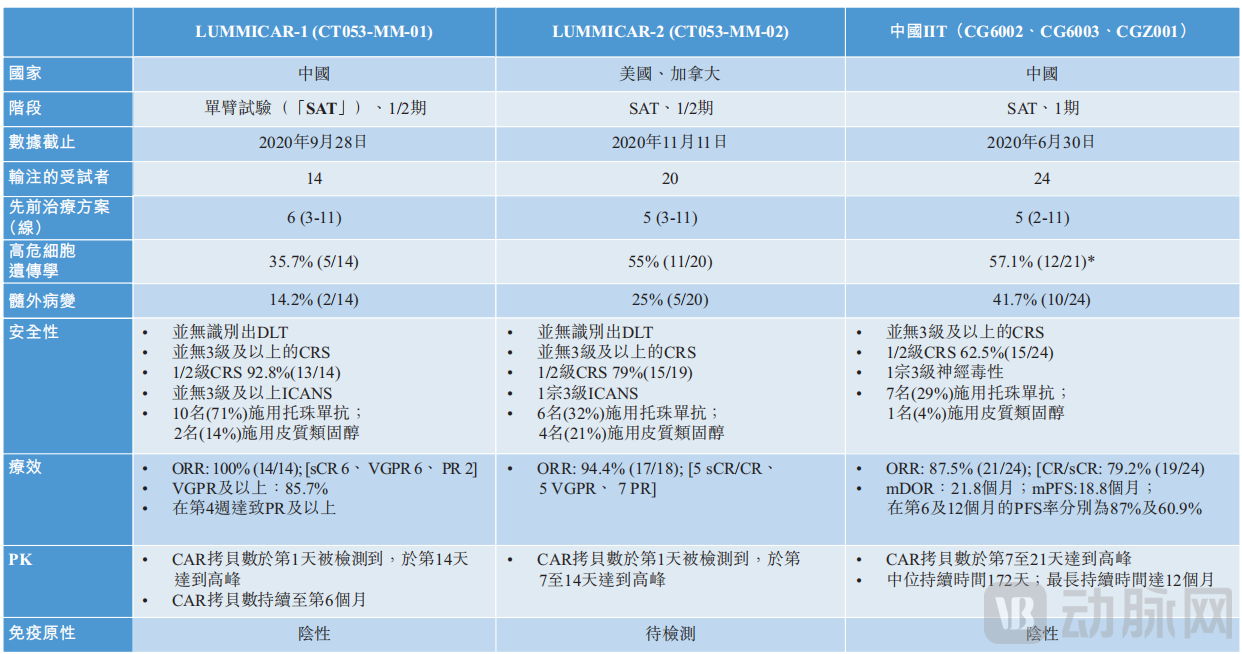
Currently, the clinical data disclosed for CT053 remain limited, with the primary data derived from an investigator-initiated trial (IIT) enrolling 24 patients. In the statistical analysis of this clinical study,CT053 achieved an overall response rate (ORR) of 87.5% and a complete response (CR) rate of 79.2%; the median duration of response was 21.8 months.In the interim results from the ongoing Phase I/II clinical trial of TP053 in China and the Phase 1b clinical trial in the United States, the overall response rate (ORR) has further improved, while the complete response (CR) rate has slightly decreased.
In the global market, the primary competitors of CT053 are Abecma (bb2121), which has recently received U.S. FDA approval for marketing, and Legend Biotech’s LCAR-B38M.
Based on publicly disclosed information, all three products demonstrate significantly superior efficacy compared to standard of care. LCAR-B38M currently shows the best performance, followed by CT053, with Abecma ranking third. While CT053 exhibits favorable efficacy, its current data do not yet support a claim of best-in-class status.
HoweverIn terms of safety, CT053 demonstrated a clear competitive advantage.To date, none of the enrolled patients receiving CT053 have experienced grade 3 or higher cytokine release syndrome (CRS), and the incidence of neurotoxicity has been very low.In contrast, five patients in the Phase II clinical study of Abecma experienced more severe CRS, including three with Grade 3, one with Grade 4, and one with Grade 5. The adverse reactions associated with LCAR-B38M were even more severe.
While efficacy is important, safety concerns during treatment cannot be overlooked. An excellent therapeutic product must ensure both high efficacy and patient safety throughout the treatment process. CT053 achieves a remarkable balance between efficacy and safety, with particularly outstanding performance in terms of safety. Therefore, when evaluating the clinical value of CT053 by considering both efficacy and safety, this product demonstrates significant potential to become Best-in-Class.
The Phase I/II clinical trial LUMMICAR STUDY 1 currently being conducted in China and the Phase Ib/II clinical trial LUMMICAR STUDY 2 being conducted in the United States for CT053 are both progressing steadily. The former is expected to conclude in the fourth quarter of 2021, while the latter is anticipated to finish in the fourth quarter of 2022. Accordingly, CARsgen Therapeutics expects to submit a New Drug Application (NDA) to the National Medical Products Administration (NMPA) of China in the first half of 2022, followed by submission of a Biologics License Application (BLA) to the U.S. Food and Drug Administration (FDA) in the first half of 2023.
The high safety profile demonstrated by CT053 is not accidental. In fact,Ensuring the safety of CAR-T cell therapy while maintaining its efficacy is CARsgen Therapeutics' primary technological advantage.
Cytokine release syndrome (CRS) induced by CAR-T cells is the most common and severe adverse event. Leveraging its proprietary antibody platform, CARsgen Therapeutics has discovered and optimized antibody fragments with higher specificity and stability for tumor targets through a fully human phage display library and improved hybridoma technology. This approach minimizes the tonic activation of CAR-T cells in the absence of tumor targets, thereby controlling cytokine release levels and reducing the incidence of CRS.
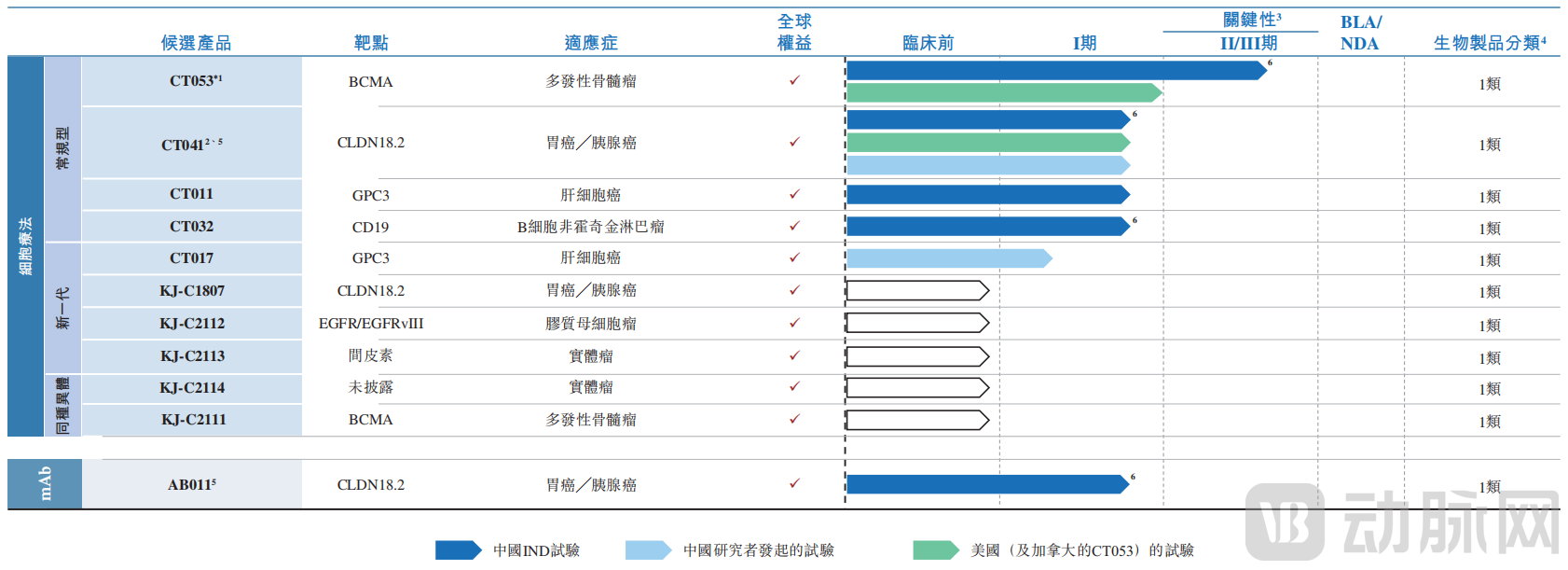
By incorporating new technologies to enhance safety on the basis of traditional CAR-T therapy, CARsgen Therapeutics has established its first portfolio of “conventional” pipeline candidates.In addition to CT053, all other products in this pipeline have also entered the clinical stage, covering indications for both hematologic malignancies and solid tumors.
Above the “conventional” pipeline,CARsgen Therapeutics has leveraged its second major technological advantage, CycloCAR, in solid tumor R&D to form a second set of “next-generation” pipelines.Among this pipeline, CT107, the most advanced candidate, has entered Phase I clinical trials.
CycloCAR technology enables CAR-T cells to additionally express two proteins: IL-7 and CCL21. IL-7 enhances the proliferation and survival of CAR-T cells while inhibiting apoptosis, whereas CCL21 improves the infiltration of T cells and dendritic cells into tumor sites, thereby enhancing antigen presentation efficiency. By expressing these two proteins, CycloCAR significantly boosts the therapeutic efficacy of CAR-T therapy against solid tumors.
Considering the high cost and long production cycle of autologous CAR-T products,CARsgen Therapeutics’ third major technological advantage, THANK-uCAR, focuses on allogeneic CAR-T products.In addition to reducing TCR and B2M expression on the surface of T cells, this technology coats CAR-T cells with an NKG2A-based CAR to resist NK cell-mediated attack.
The three sets of pipelines built upon three major technological advantages form a progressive hierarchy within CARsgen Therapeutics’ pipeline portfolio. “Conventional” products are rapidly commercialized to achieve corporate self-sufficiency as soon as possible; “Next-generation” products, serving as enhanced versions of the conventional ones, follow closely to establish stronger market competitiveness; while the long-term industrialization vision rests on “allogeneic” products, ultimately enabling off-the-shelf availability of CAR-T therapies.
Not only is its pipeline layout closely aligned with its R&D portfolio, but CARsgen Therapeutics’ target selection is also highly strategic.
CARsgen Therapeutics has not maintained an extensive footprint in hematologic malignancies, a sector already saturated with numerous products and competitors. Beyond the aforementioned CT053, its hematologic oncology portfolio consists solely of CT032, targeting CD19, and KJ-C2111, an allogeneic CAR-T product targeting BCMA. The remainder of its pipeline is exclusively focused on solid tumors.
Target and indication selection for solid tumors is more precisely tailored. Several core indications—gastric cancer, pancreatic cancer, liver cancer, and glioblastoma—are tumor types that currently lack effective clinical solutions. The selection of targets corresponding to these indications is also highly specific: CLDN18.2 (Claudin 18.2) was chosen for gastric and pancreatic cancers, while GPC3 was selected for liver cancer. Both targets demonstrate significant tumor selectivity, with pronounced expression in their respective tumor types.
In addition to the above, CARsgen Therapeutics is actively exploring the synergistic effects of combination therapies in enhancing CAR-T cell treatment, an initiative the company refers to as the Combo-CAR project. The primary objective of introducing additional molecules in the Combo-CAR project is to modulate the tumor microenvironment, thereby enabling prolonged infiltration of CAR-T cells within the tumor microenvironment and consequently improving therapeutic efficacy. This mechanism aligns closely with the ultimate goal of CycloCAR. Currently, CARsgen Therapeutics has demonstrated in animal studies the synergistic effect of sorafenib combined with GPC-specific CAR-T therapy in the treatment of liver cancer.
With a solid technical foundation and a smart pipeline layout, CARsgen Therapeutics has attracted investment from renowned domestic and international institutions since its establishment, including Hillhouse Capital, BioV Fund, JT Investment Fund, Lilly Asia Ventures, Loyal Valley Capital, PUYU Capital, Xiayan Capital, and Sunshine Insurance Group. Beyond the clinical achievements already attained by CARsgen Therapeutics, investors place even greater emphasis on the person standing behind the company: its founder, Dr. Li Zonghai.
Since obtaining his Ph.D. from Fudan University in 2005, Dr. Li Zonghai has been engaged in long-term research on cell therapy at the Shanghai Cancer Institute. He has published more than 70 academic papers, filed over 60 national invention patent applications, and obtained 21 granted invention patents. He currently serves as the Principal Investigator of the Biotherapy Group at the State Key Laboratory of Oncogenes and Related Genes, Shanghai Cancer Institute. Recognizing early on the importance of translating scientific research into practical applications, Dr. Li founded CARsgen Therapeutics to commercialize his research achievements.
As one of the two senior investors in CARsgen Therapeutics, Loyal Valley Capital has given Dr. Li Zonghai high praise, recognizing him as an outstanding and well-rounded entrepreneur with strong strategic capabilities, forward-looking vision, and exceptional leadership. Loyal Valley Capital believes that Dr. Li’s transition from a scientific researcher to an entrepreneur signifies that CARsgen has established a solid foundation and holds great promise for evolving from a biotech company into a globally leading biopharma in the field of cell therapy.
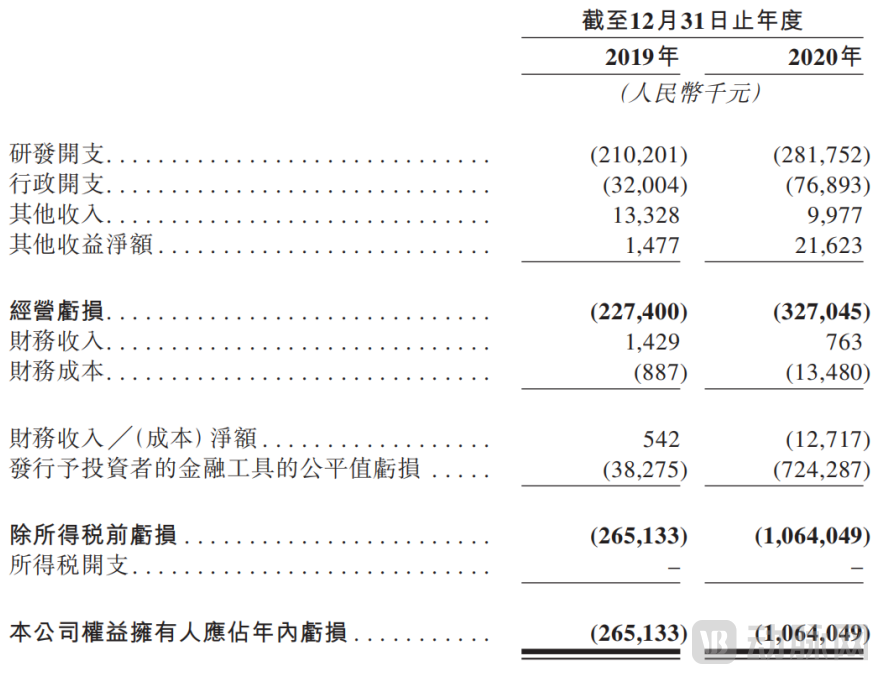
CARsgen Therapeutics is currently still incurring significant losses. In 2020, over 86% of its operating loss was attributable to R&D expenses. Based on its pipeline portfolio, CARsgen Therapeutics is expected to continue sustaining substantial losses, at least through 2021.
Approximately 30% of the proceeds from this IPO will be used to further advance the core pipeline candidate CT053; approximately 31% will be allocated to the further development of other clinical and preclinical pipeline candidates; approximately 20% will be used to expand commercial manufacturing capabilities and establish commercialization infrastructure; approximately 10% will be dedicated to continuing to enhance CAR-T technology and other early-stage R&D activities; and the remainder will be used for general corporate purposes.