BioChina Unveils China's Top Five Biopharmaceutical Rankings
On June 19, the inaugural BioChina Summit on Innovation in Biopharmaceuticals grandly opened in Suzhou. Themed “GO FORWARD · Empowering Innovation with Greater Strength,” the conference focused on innovative projects and served as a bellwether for the development of the new generation of biotechnology industries. It aimed to uncover sustainable and rapidly impactful innovation models, while offering a rich lineup of innovative project showcases and pitch events to help Chinese biopharmaceutical entrepreneurs find like-minded partners, thereby driving innovation and collaboration in China’s pharmaceutical sector.
In the biopharmaceutical sector, “innovation” is primarily manifested through various technologies and drugs. The main entities driving these innovative efforts are enterprises, which are inextricably linked to the support of investment institutions and capital. Furthermore, innovation is not an isolated endeavor; it necessitates transactional collaborations among various companies and institutions. Taking these key innovation elements into account, this year’s BioChina Conference has selected and released the Top Five Lists for China’s Biopharmaceutical Industry, focusing on participating companies representing cutting-edge technologies, influential investment institutions, and major players in significant transactional partnerships.
This ranking is based on PharmCube’s comprehensive data covering the entire pharmaceutical industry chain. Different data evaluation dimensions were established for each list, and PharmCube’s proprietary scoring system was employed to analyze and select the listed companies/institutions from a large pool of candidates. With its strong data-driven nature, this ranking effectively reflects the strength of the listed companies/institutions.
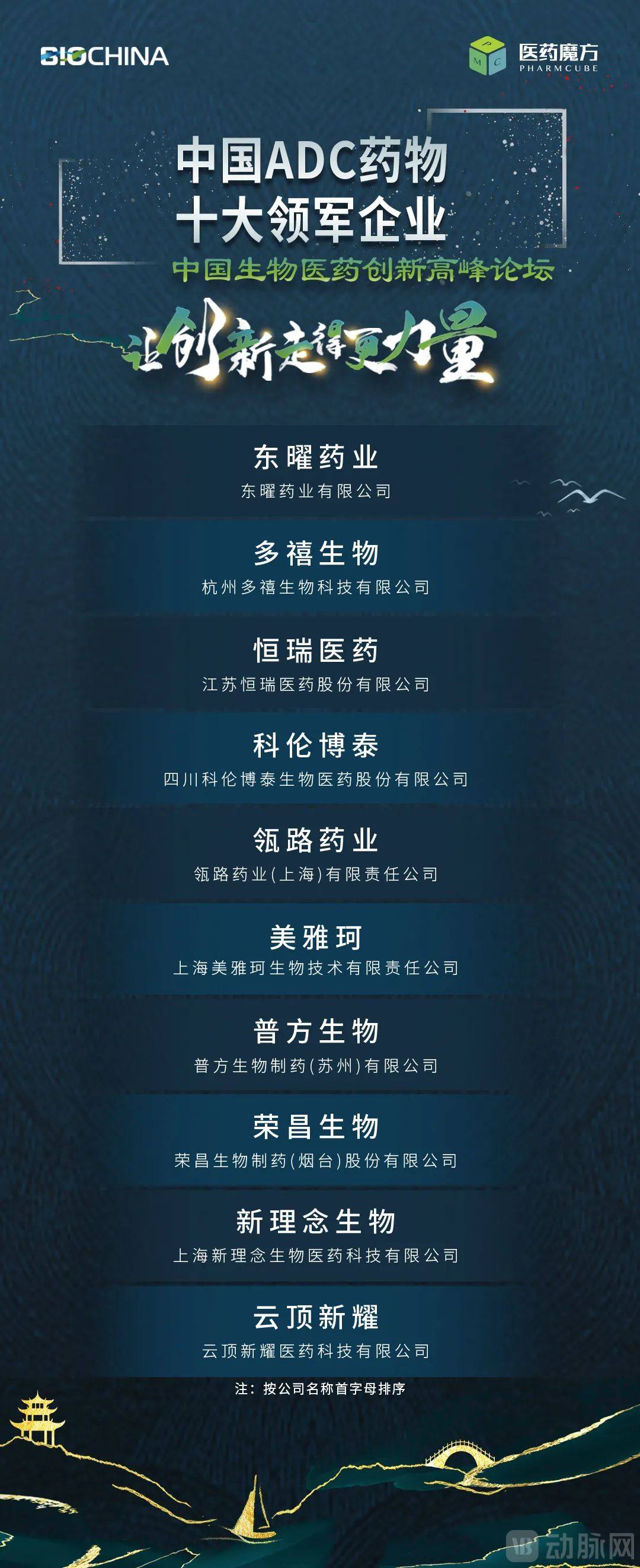
Antibody-Drug Conjugates (ADCs) are combination therapeutics that leverage the precise targeting capabilities of antibody drugs and the potent cytotoxic effects of small-molecule agents, earning them the industry moniker “biological missiles.” Since 2017, the number of ADCs approved by the U.S. Food and Drug Administration (FDA) has increased significantly. Blockbuster deals valued at billions or even tens of billions of dollars centered on individual ADC candidates have become frequent, drawing heightened attention from pharmaceutical companies and investment institutions to this class of therapeutic technologies.
An article published in Nature Reviews Drug Discovery this March predicted that the global market size for antibody-drug conjugate (ADC) drugs is expected to exceed $16.4 billion by 2026. Currently, there are 337 new ADC drug projects worldwide, with more than 100 of them associated with Chinese companies, involving a wide range of enterprises.
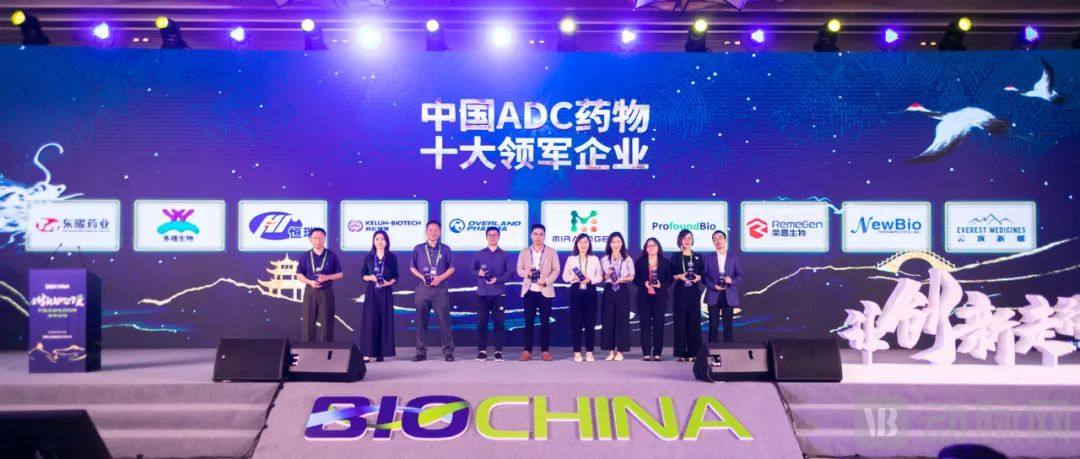
Based on the PharmCube database, we evaluated factors including PharmCube’s investment tags, the number of drugs in corporate R&D pipelines and their indication layouts, domain focus indices, and support from investment institutions to ultimately select the Top 10 Leading ADC Drug Companies in China.
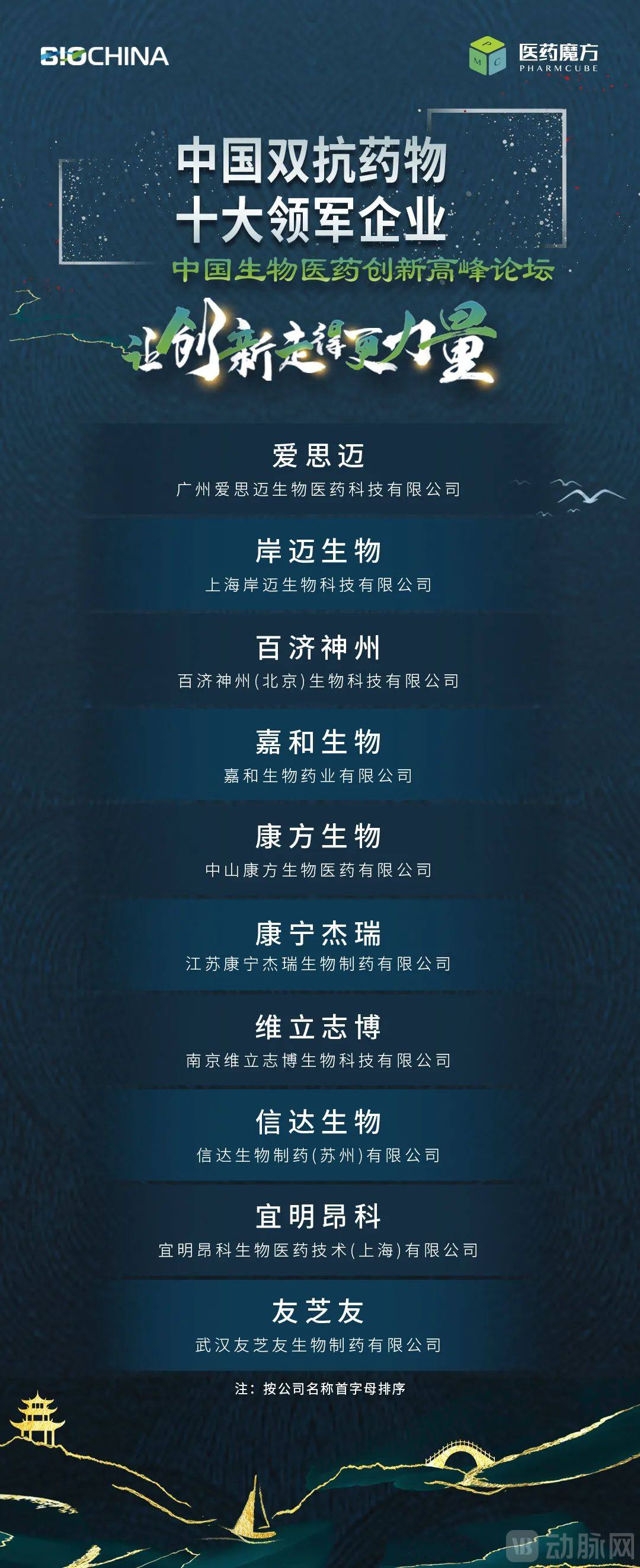
Bispecific antibodies are artificially engineered antibody molecules capable of simultaneously and specifically binding to two antigens or two epitopes. They can exert effects similar to the combined use of two monoclonal antibodies. In terms of mechanism of action, they primarily include dual-target signaling pathway blockade, mediation of immune cell-mediated cytotoxicity, and promotion of the formation of functional protein complexes.
The surge in interest in bispecific antibodies began to emerge in the second half of 2018, with investment and collaborations around bispecific antibodies heating up abroad. Meanwhile, a few domestic startups focused on bispecific antibodies also secured substantial financing. To date, four bispecific antibody drugs have been approved for marketing globally. However, nearly 500 bispecific antibody projects have been disclosed worldwide, among which 199 are from Chinese companies, accounting for as high as 40%. As time goes by, both the global market and China will gradually witness a wave of approvals for bispecific antibody drugs.
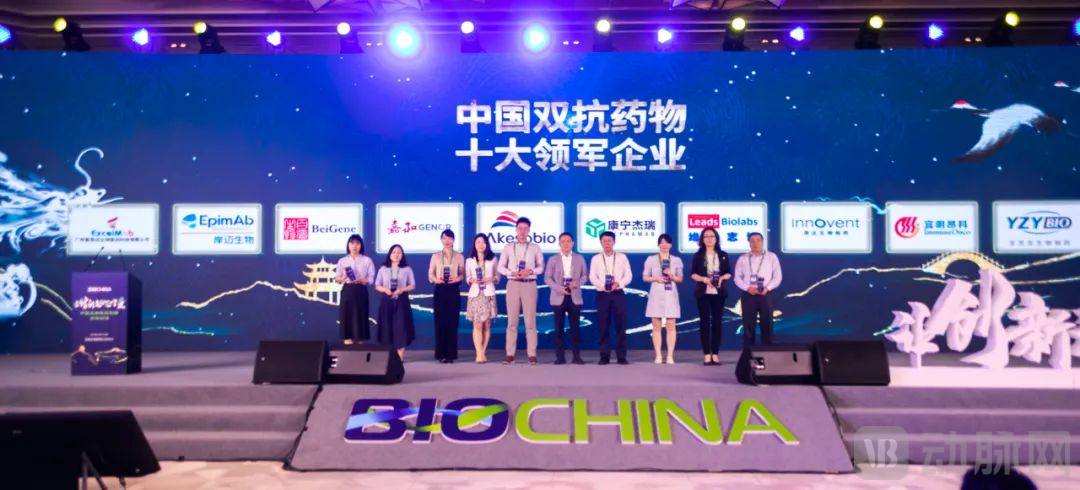
Based on the PharmaCube database, we conducted a comprehensive scoring system incorporating factors such as Cube Investment tags, the number of drugs in corporate R&D pipelines and their indication layouts, domain focus indices, and support from investment institutions. Through this evaluation, we have ultimately selected the Top 10 Leading Chinese Companies in Bispecific Antibody Drugs.
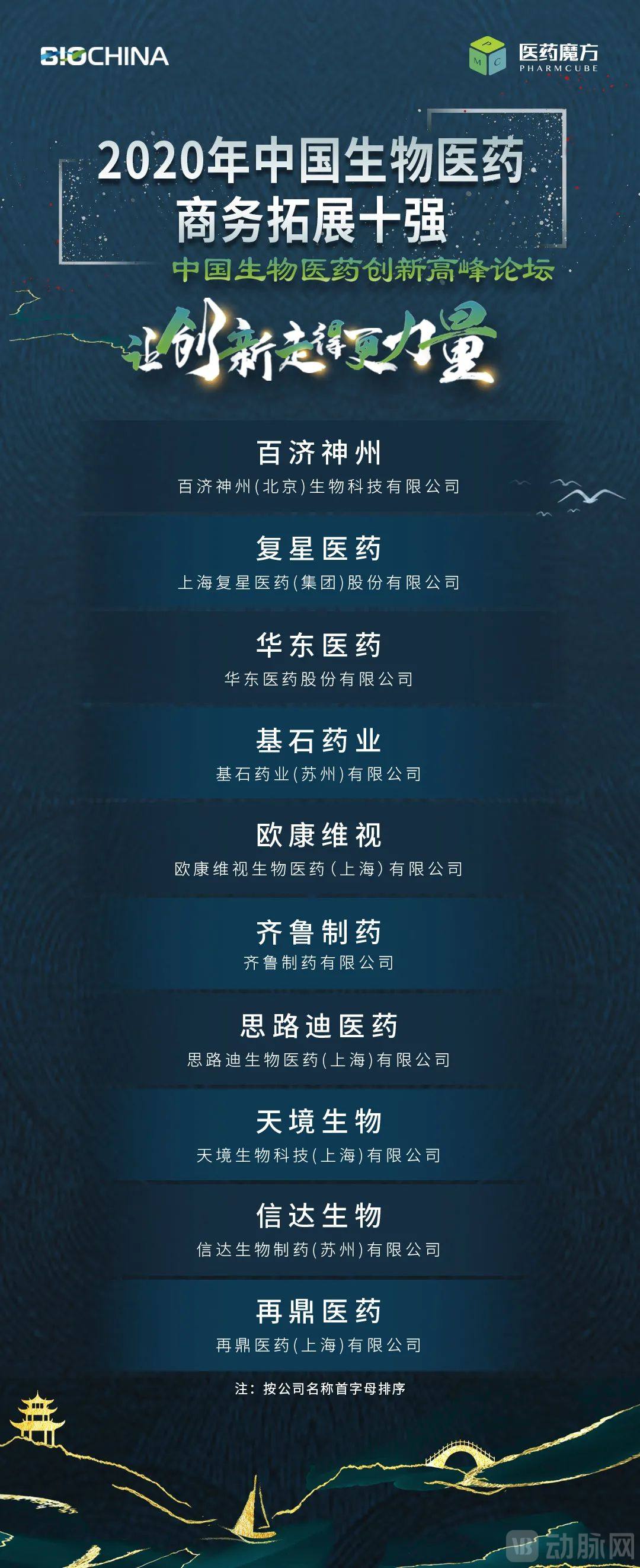
Business development (BD) has become an unavoidable topic for pharmaceutical companies worldwide. Whether it involves rapidly building or strengthening a company’s own product pipeline, supplementing operational cash flow, transforming potential competitors into partners, or seeking to expand into international markets, BD can be said to have become a fundamental capability required of pharmaceutical enterprises.
After years of exploration and growth, Chinese biopharmaceutical companies have rapidly enhanced their business development (BD) capabilities. License-in/out transactions have become routine, with deal sizes continually breaking records. Numerous successful BD deals have not only accelerated the availability of newly approved overseas drugs in China but also injected new momentum into the development of China’s biopharmaceutical industry through BD-driven business models.
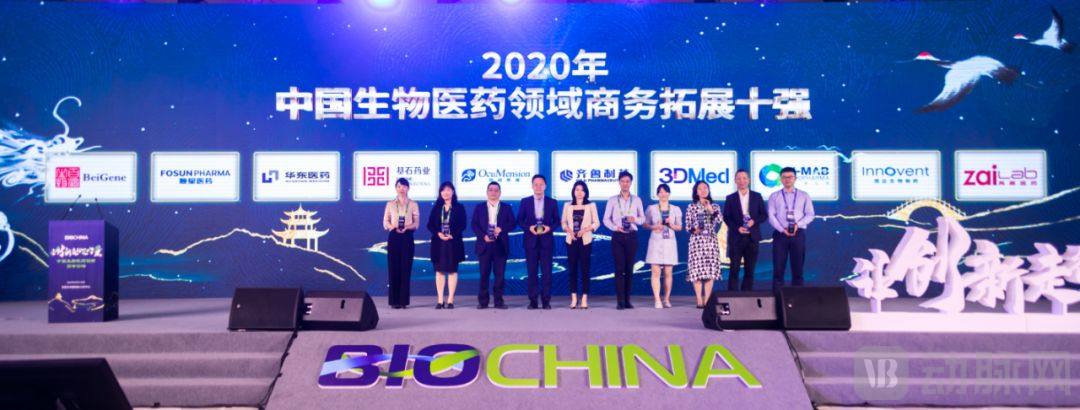
Which Chinese Biopharmaceutical Companies Have the Strongest BD Capabilities? Based on the PharmCube database, we evaluated multiple factors—including transaction amounts, project value, and forms of collaborative partnerships—to ultimately select the Top 10 Companies in Business Development within China’s biopharmaceutical sector in 2020.
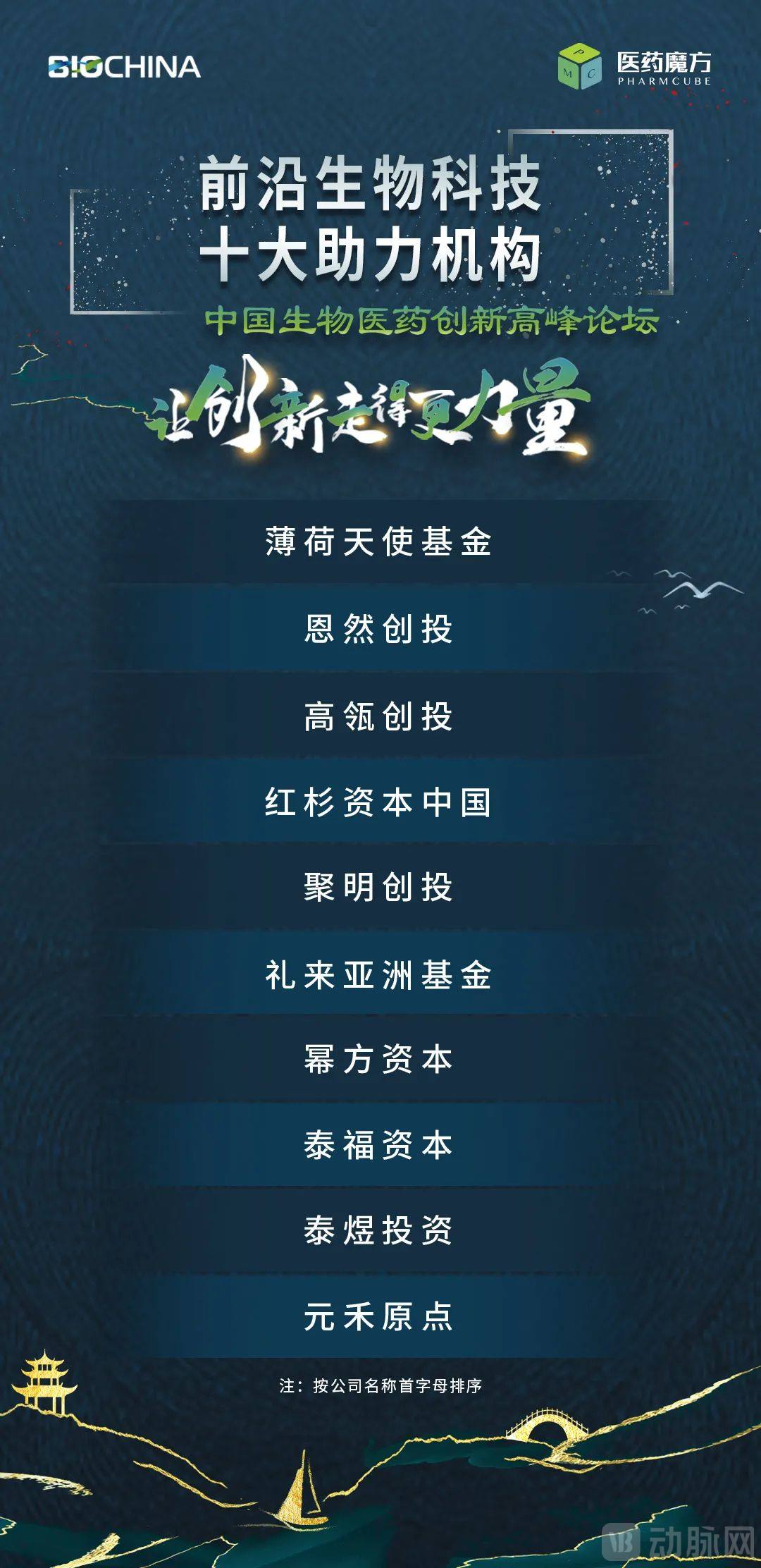
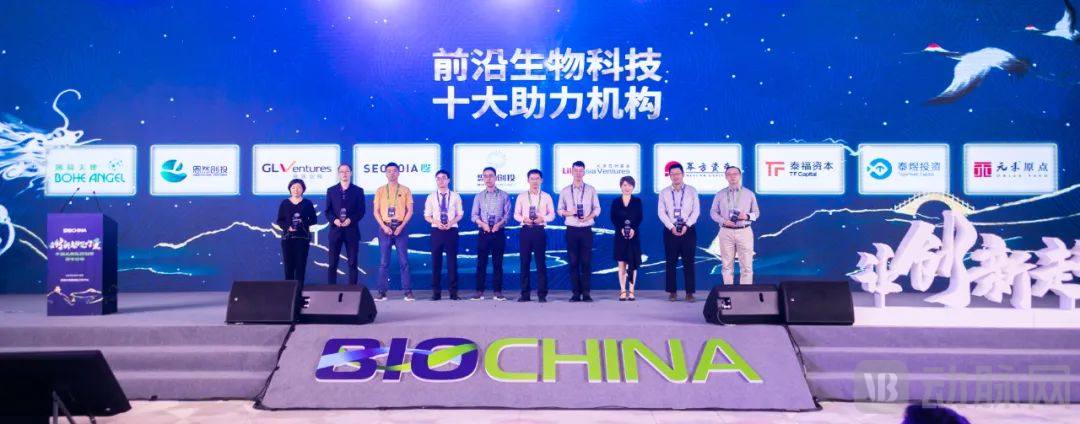
Within the entire biopharmaceutical industry chain, venture capital firms primarily provide financial support to startups, thereby facilitating the translation of cutting-edge research findings into industrial applications. With the deepening of regulatory reforms by China’s drug administration and the refinement of capital market policies, a large number of investment institutions have turned their attention to biopharmaceutical companies. This influx of substantial capital has injected significant funding into the sector, attracted and consolidated talent, and stimulated the vitality of the entire biopharmaceutical innovation ecosystem.
However, biomedical projects, particularly early-stage ventures based on emerging frontier technologies, are emerging in rapid succession, imposing higher demands on the professional expertise and judgment capabilities of investment institutions. If potentially promising innovative projects fail to secure sufficient funding in their early stages, it could significantly hinder the emergence of high-quality enterprises.
Focusing on institutions that invested in early-stage projects in 2020, and leveraging the PharmaCube database alongside PharmaInvest’s proprietary investment and financing scoring system, we have ultimately selected the Top Ten Enabling Institutions in Frontier Biotechnology.
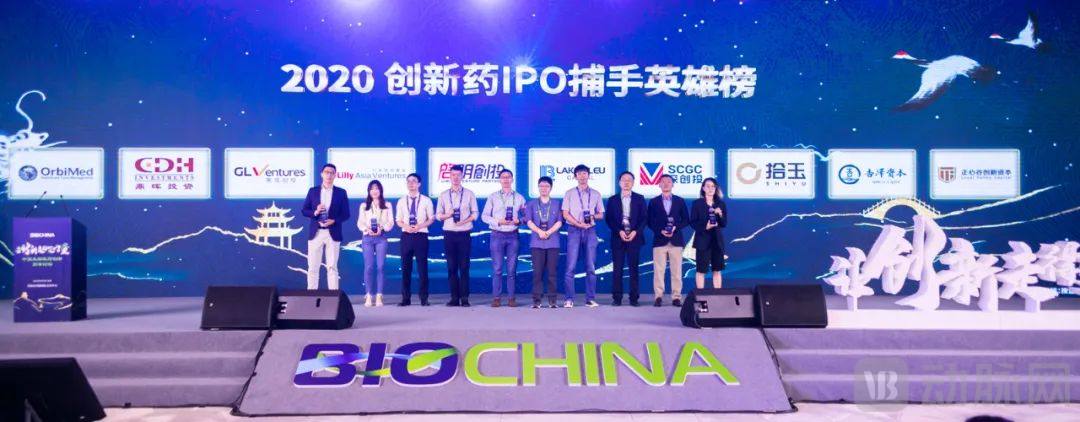
The new policies of the STAR Market and Chapter 18A of the Hong Kong Stock Exchange have opened the door to public listings for pre-profit biopharmaceutical companies, while also providing venture capital firms with more convenient exit channels, thereby promoting a more efficient operation of the biopharmaceutical innovation ecosystem. In terms of overall activity in the capital market, 2020 remained a bountiful year, with a total of 71 healthcare projects completing initial public offerings (IPOs), among which 29 were related to innovative drugs.
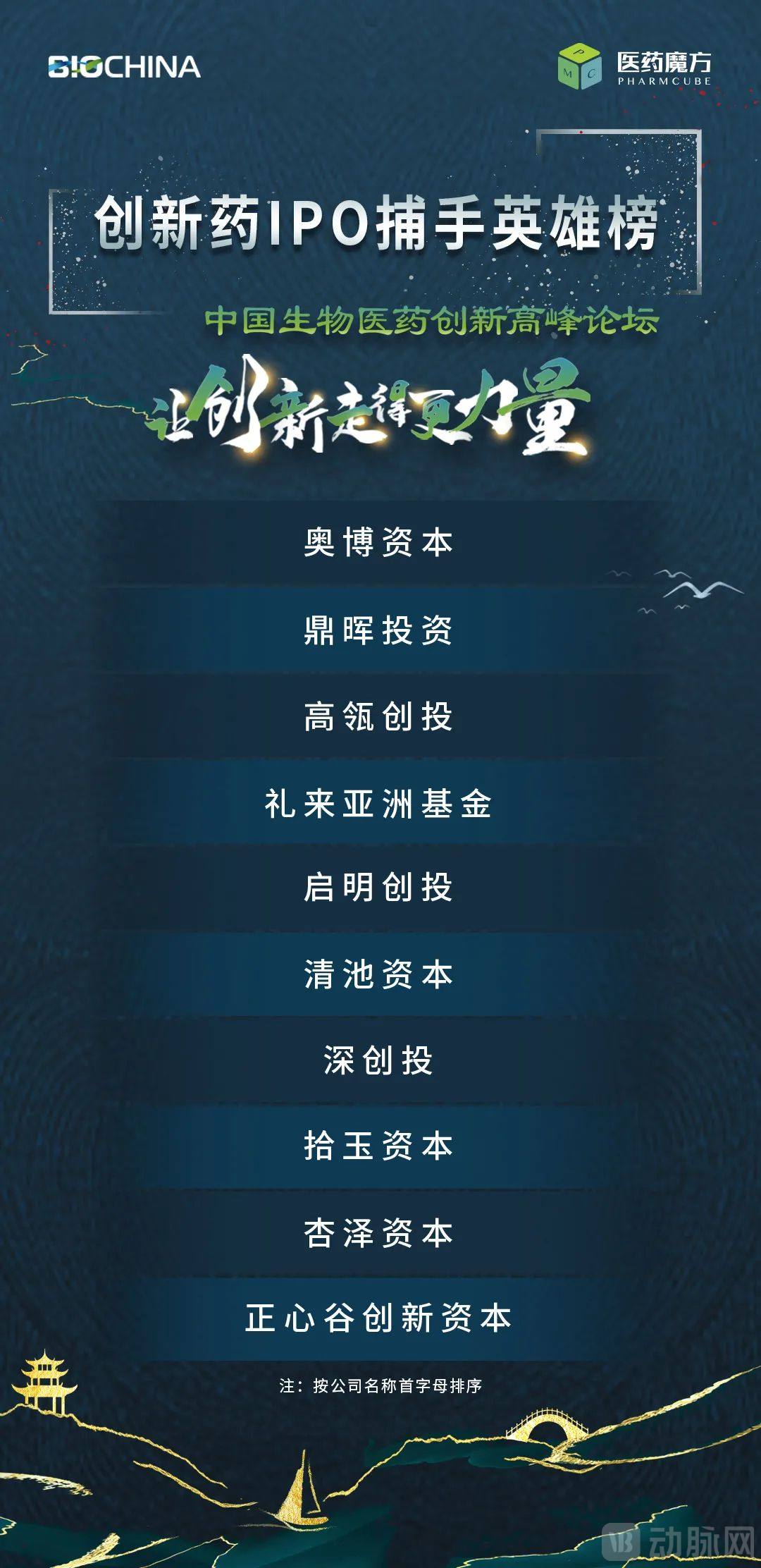
Behind these IPOs, which investment firms emerged as the biggest winners? Leveraging the PharmCube database, we focused on IPO projects in the innovative drug sector in 2020. By evaluating the number of IPO-backed investments and return on investment (ROI), we ultimately compiled the “Heroes List of Innovative Drug IPO Catchers.”