

Nanjing Institute of Smart Health Innovation Files IPO Prospectus to Build a Full-Chain Incubation System for the Medical Device Industry
In recent years, the translation of scientific research achievements has become a hot topic in the medical field.
First, at the policy level.Since the 18th National Congress of the Communist Party of China proposed the innovation-driven development strategy and placed innovation at the core of national development, China has established the tone for promoting the translation of medical research achievements. A series of key policies have been successively introduced along three dimensions—national strategy, laws and regulations, and industry guidance—thereby completing the “trilogy” of policy support for the translation of scientific and technological achievements.
Secondly, on the hospital side.According to the “Notice from the General Office of the National Health Commission on the National Monitoring and Analysis of the 2018 Performance Appraisal of Tertiary Public Hospitals,” released in July 2020, 80.34% of tertiary public hospitals received research funding support in 2018, with the value of translated scientific and technological achievements per 100 health technical personnel reaching RMB 13.0593 million, representing a 165.96% increase compared with 2016.
Finally, at the institutional level.With 2014 as the turning point, standing on the shoulders of the inaugural year of internet healthcare, medical research translation institutions in China have emerged rapidly. These primarily include the National Clinical Medical Research Centers, Tsinghua University Industrial Research Institute’s Global Health Industry Innovation Center, West China Research Base, Westlake University, and Nanjing Smart Health Innovation Institute (hereinafter referred to as “Nanjing Health Institute”). Established under diverse backgrounds, these institutions have implemented precise strategic layouts focused on specific areas of medical research achievement translation.
withNanjing Health Instituteas an example. Established with the support of the Gaochun District People’s Government of Nanjing and relying on the Suzhou Institute of Biomedical Engineering and Technology, Chinese Academy of Sciences, it is a research and development institution specializing in engineering technology research and services for medical devices, training of high-level technical personnel, transfer and commercialization of scientific achievements, and industrial incubation.
1. Targeting the RMB 100 Billion Medical Device Market, Nanjing Health Institute Was Incubated and Established Amidst Industry Tailwinds
In February 2018, the Gaochun District People’s Government of Nanjing signed a co-construction agreement with the Suzhou Institute of Biomedical Engineering and Technology, Chinese Academy of Sciences. In late June of the same year, it passed the filing review for new-type R&D institutions conducted by the Nanjing Municipal Science and Technology Commission, and the Nanjing Institute of Health was officially established.
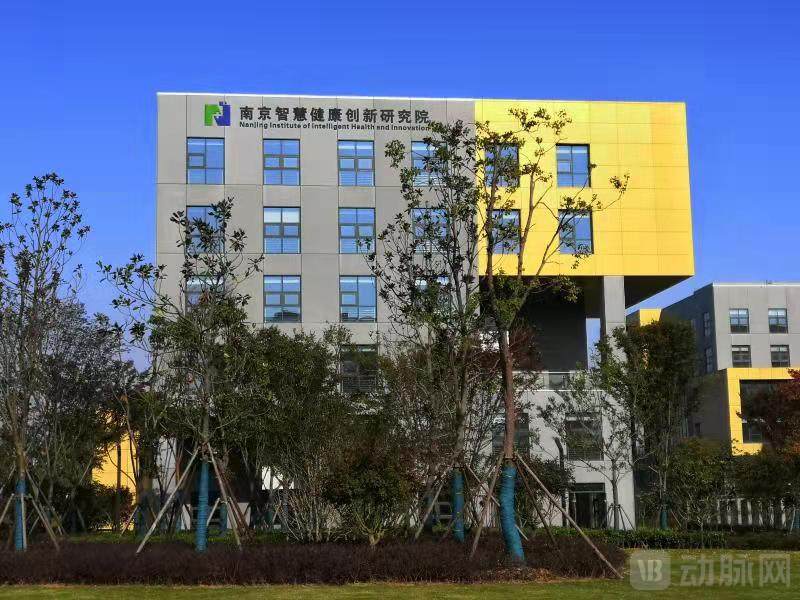
Nanjing Health Institute operates under Nanjing Guoke Medical Engineering Technology Development Co., Ltd. as its operational entity, guided by market demand and run on a corporate model. It serves as an R&D-focused incubator that effectively bridges the gap between technological research and industrial commercialization, connecting enterprises with research institutes.
Like most new developments, the establishment of Nanjing Health Institute was not accidental but an inevitable outcome resulting from the convergence of numerous critical factors.
First, the industry boasts clear advantages, with the market having reached a scale of hundreds of billions.Nanjing Health Institute has focused its attention on the medical device sector, a high-tech field that intersects with pharmaceuticals, machinery, electronics, plastics, and other industries. Characterized by relatively complex manufacturing processes and high barriers to entry, this sector is prioritized for development under national key encouragement policies. According to the latest data, sales revenue in China’s medical device industry grew from RMB 489 billion in 2016 to RMB 681.9 billion in 2019, and is projected to reach RMB 785.9 billion in 2020. The market offers substantial growth potential, with no visible ceiling to date.
Secondly, it is highly integrated with regional industries, aligning with the local development tone.The medical device industry is one of Nanjing’s eight core industrial chains. As the “main battlefield” for Nanjing’s innovative development and the “new engine” for its future industries, Gaochun District has vigorously promoted the growth of the medical device sector in recent years. In 2019, it jointly established the Nanjing Gaochun Medical Device Industrial Park with the Nanjing Medical Products Administration, aiming to accelerate the region’s medical device industry toward large-scale, standardized, and high-efficiency development. The Nanjing Institute of Health will serve as a key component in this industrial ecosystem, providing a continuous stream of innovative vitality.
Finally, there is the Suzhou Institute of Biomedical Engineering and Technology, Chinese Academy of Sciences’ strong “background” in medical devices.The Suzhou Institute of Biomedical Engineering and Technology (SIBET), Chinese Academy of Sciences, is a national research institution under the Chinese Academy of Sciences, with its primary R&D focus on biomedical instruments, reagents, and biomaterials. It was jointly established and funded by the Chinese Academy of Sciences, the Jiangsu Provincial People’s Government, and the Suzhou Municipal People’s Government. SIBET is the only research institution within the Chinese Academy of Sciences system dedicated exclusively to the medical device industry. Its research activities mainly center on medical optical technologies, clinical laboratory technologies, medical imaging technologies, medical acoustic technologies, medical electronic technologies, and rehabilitation engineering technologies.
II. Market Demand-Oriented: Building a Full-Chain Incubation System for Medical Device Engineering
As a new-type R&D institution, the Nanjing Institute of Health is market-oriented and deeply aligns with the development direction of the medical device industry in Gaochun District.Focusing on IVD (immunodiagnostics, molecular diagnostics) and high-value consumablesConduct applied technology research and product development in these fields, attract medical device research achievements from global scientific research institutions and universities to the Nanjing Health Institute through various channels, transform these research achievements into mature products that can be mass-produced and marketed, and finally implement them in the Medical Device Industrial Park in Gaochun District, Nanjing, by transferring them to local enterprises or incubated enterprises.
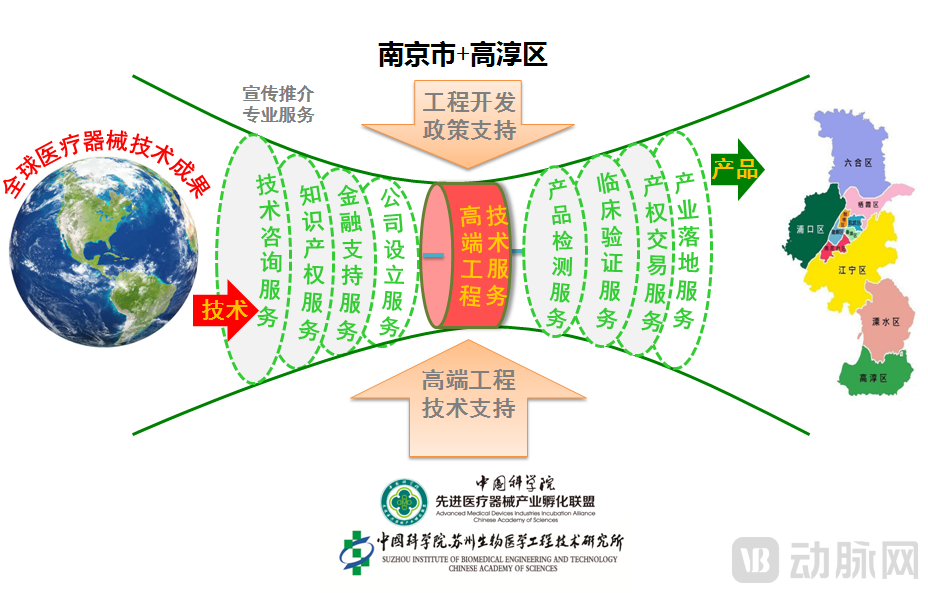
Vice President of Nanjing Health InstituteLei HengboHe stated, “The journey from an initial scientific concept to laboratory results, and then from technological translation into mature commercial products with industrial implementation, is a protracted process, with each stage requiring considerable time and effort. For universities or research institutions, their primary role is to transform ‘scientific concepts into laboratory results.’ In contrast, at the Nanjing Institute of Health, our focus is on engineering early-stage ‘laboratory results’ and ultimately bringing them to market. In simpler terms, we facilitate the process by which the ‘hen’ lays its ‘eggs.’”
Innovation is undeniably important; however, if an innovative project cannot be brought to market or scaled up for mass production, it lacks competitiveness. Therefore, research commercialization institutions must exercise discernment from the outset by identifying innovative projects with the greatest market potential.
Nanjing Health Institute primarily conducts “access assessments” for innovative projects from two dimensions,The first dimension is from a technical perspective.In short, it involves assessing whether the technology aligns with regional industrial development trends and offers greater application value compared to existing technologies. Taking electrochemiluminescence (ECL) as an example, it holds a higher market share in China and demonstrates more significant practical utility than chemiluminescence; therefore, ECL technology possesses greater research value.
The second dimension is from the perspective of clinical needs.The ultimate goal of translating medical research into practice is clinical application, continuously updating technologies and iterating products to better serve physicians and patients. Nanjing Health Institute collaborates with numerous hospitals on projects. By communicating with department directors, it promptly identifies current clinical pain points and uses these insights as the basis for evaluating and selecting projects worthy of initiation.
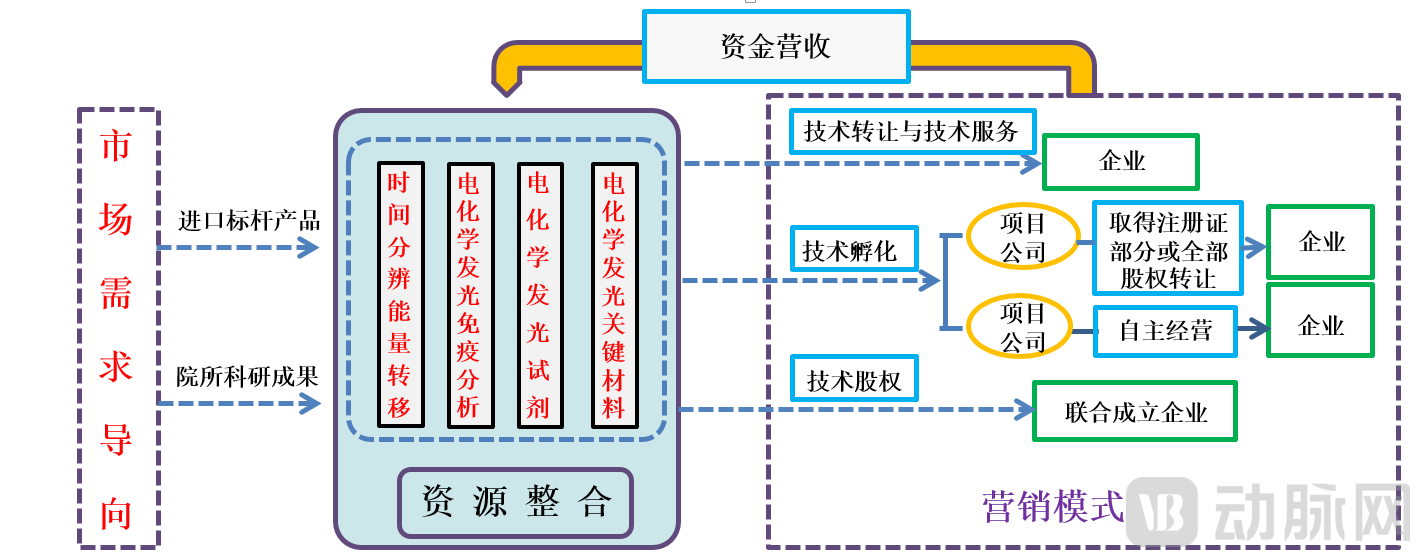
Following project initiation, the critical phase of market translation commences. In light of this, Nanjing Health Institute has proposed“Engineering” ModificationIts core philosophy is concretely manifested by leveraging the “strong background” of the Suzhou Institute of Biomedical Engineering and Technology, Chinese Academy of Sciences (CAS SIBET), utilizing its cutting-edge R&D team and mature R&D framework to establish the Nanjing Health Institute as a medical device R&D center that meets market demands. Through technology transfer and the incubation of innovative enterprises, it aims to promote the development of the medical device industry in Gaochun while establishing a self-sustaining mechanism to achieve continuous profitability.
III. Focusing on Key Disciplinary Directions to Build a Comprehensive Innovation Ecosystem
Although Nanjing Health Institute has been established for only two years, it has successfully incubated two cases to date. One case is the research and development commissioned by Jiangsu SanlianPartial Platform Technologies for Fully Automated Electrochemiluminescence Immunoassay Workflows; another case isTechnology Transfer of High-Throughput Homogeneous Time-Resolved Fluorescence Resonance Energy Transfer Immunoassay System. In addition, Nanjing Health Institute currently has more than ten projects in the research and development phase.
Translating scientific and technological achievements into practical applications has never been an easy task; once you embark on this journey, you will encounter different challenges every day. For the Nanjing Institute of Health, several pressing issues are currently hindering its progress, such as a shortage of top-tier R&D talent and inadequate development of hardware platforms.
The commercialization of scientific research achievements may appear to be a solitary endeavor, but in reality, it places a strong emphasis on teamwork. It is not a battle fought alone; rather, it requires collaborative efforts from researchers, clinicians, technology transfer organizations, enterprises, and other stakeholders across various sectors, all working together toward a shared goal.
Looking ahead, Nanjing Health Institute will focus on disciplines such as in vitro diagnostics (IVD) and high-value consumables, closely collaborating with nearby hospitals and enterprises to engage them deeply in all aspects of translating scientific research achievements into practical applications. This approach aims to establish a mature innovation ecosystem, truly leverage synergies, and fully realize the value of scientific research in the medical field.