

How to Capture Emerging Trends in Molecular Diagnostics? Insights from the 2021 Wanjiang Molecular Diagnostics Summit on June 30
Molecular Diagnostics Is the Fastest-Growing Segment of the In Vitro Diagnostics Industry. Data from Huoshi Chuangzao shows that from 2013 to 2019, the market size of molecular diagnostics in China grew from RMB 2.54 billion to RMB 13.21 billion, with a compound annual growth rate (CAGR) of 31.63%, approximately 2.6 times the global growth rate.
Driven by favorable policies, the sustained growth in demand for precision medicine, and the surge in products related to COVID-19 testing, the molecular diagnostics industry has accelerated its development since 2020, experiencing explosive growth and giving rise to numerous new trends and directions within the sector.
Trend 1: Further Unleashing of Clinical Potential with a Growing Number of Application Projects
In clinical practice, molecular diagnostics can be applied in areas such as infectious disease detection, personalized cancer diagnosis and treatment, blood screening, prenatal screening, genetic disease diagnosis, and pharmacogenomics. Among these, the application potential of molecular diagnostics in sectors like infectious disease testing and oncology diagnosis and treatment will continue to expand significantly.
Infectious disease testing is the most mature segment of molecular diagnostics, with viral hepatitis testing holding a significant market share and HPV testing experiencing rapid growth in recent years.
In 2020, under the impact of the COVID-19 pandemic, respiratory pathogen testing emerged as a new growth driver. Respiratory pathogen testing enables rapid diagnosis of multiple respiratory pathogen infections and facilitates differential diagnosis from COVID-19. The "Diagnosis and Treatment Protocol for Novel Coronavirus Pneumonia (Trial Version 8)" issued by China’s National Health Commission states that COVID-19 must be differentiated from other respiratory pathogen infections. On March 1, 2021, the Medical Administration Bureau of the National Health Commission released the "2021 National Goals for Improving Medical Quality and Safety," pointing out that the spectrum of pathogens causing respiratory infections is complex, with some capable of triggering epidemics, and emphasizing the need to increase the nucleic acid testing rate for respiratory pathogens. As respiratory pathogen testing entered a period of rapid development, numerous companies recently launched related new products.
Moreover, the clinical application of molecular diagnostics in personalized oncology care is gradually increasing, expanding from companion diagnostics to early cancer screening scenarios. The potential of molecular diagnostics in clinical practice will be further unlocked in the future.
Trend 2: High-end molecular diagnostic technologies garner significant attention, with multiple technologies coexisting
On the technical front,PCR is currently the mainstream molecular diagnostics platform.,The technology is mature and holds a large market share; among molecular diagnostic products approved in China, over 90% are based on PCR technology.
Amid the COVID-19 pandemic, demand for nucleic acid testing drove a multiple-fold increase in PCR instrument sales. The market size of PCR instruments rose from approximately RMB 1 billion in 2019 to over RMB 3 billion,The market share of domestically produced products rose from 30% in 2019 to over 70% in 2020.Meanwhile, during the pandemic, China established a large number of PCR laboratories. These facilities not only helped contain the outbreak but also play a significant role in cancer prevention and control, chronic disease management, and other areas, thereby driving the rapid development of PCR companies.
Currently, PCR technology has advanced to the third generation: absolute quantitative digital PCR (dPCR). With advantages such as high detection sensitivity, more accurate quantitative results, and greater intuitiveness, dPCR is accelerating the entry of clinical molecular diagnostics into the era of precise quantification. High-end molecular diagnostic technologies, including next-generation sequencing (NGS), single-molecule nanopore sequencing, and nucleic acid mass spectrometry, are also garnering significant attention. In the future, the molecular diagnostics market will witness the concurrent advancement of multiple technologies, with PCR, NGS, nucleic acid mass spectrometry, and single-molecule nanopore sequencing progressing side by side.
Trend 3: Molecular Diagnostic Products Become a R&D Hotspot, with an Increasing Number of Approved Products
In terms of products, molecular diagnostics is the hub for innovative R&D in China's in vitro diagnostics industry.Statistics show that in the first quarter of 2021, a total of 10 in vitro diagnostic (IVD) products obtained Class III medical device registration certificates in China, among which five were molecular diagnostic products.
Innovative molecular diagnostic products such as MSL, MRD, and TMD are also becoming hotspots in R&D, expected to further enhance China's competitiveness in the global molecular diagnostics market.
Meanwhile,In 2020, China conducted multiple rounds of nationwide nucleic acid testing.Significantly advance the development of miniaturized, automated, and user-friendly devices.Bioer Technology has launched multiple automated molecular diagnostic systems, including the Fully Automated Nucleic Acid Processing Workstation and the Fully Automated Real-Time Fluorescent Quantitative PCR Analysis System.
Trend 4: Rising Demand for Laboratory Consumables Drives Accelerated Domestic Substitution
Laboratory consumables, as a key factor in ensuring the stability and reliability of reagent quality, have received significant attention from the industry in recent years. With the continuous expansion of industries such as molecular diagnostics, the demand for laboratory consumables has risen accordingly, and the importance of product quality and performance has continued to increase.
Previously, China’s laboratory consumables market was heavily reliant on imports, with long-term dominance by companies such as Corning, Thermo Fisher, and VWR. As China’s independent R&D capabilities have strengthened, the trend toward domestic production of laboratory consumables has become increasingly pronounced. Issues prevalent within the industry, including non-standardized raw materials, subpar product quality, contamination, and incompatibility between instruments and consumables, are also being gradually resolved.Having cultivated its laboratory consumables portfolio for many years, Borui Technology has successfully achieved import substitution for high-end consumables. Its products are manufactured using imported, high-purity, pharmaceutical-grade raw materials and feature ultra-low adsorption, high transparency, and high precision, ensuring seamless experimental performance when used in conjunction with the company’s instruments and reagents.
Undoubtedly, the field of molecular diagnostics has become a prime sector within the in vitro diagnostics (IVD) industry, with promising prospects. After years of development, numerous outstanding companies have emerged in the industry. VCBeat has noted that Hangzhou Bioer Technology Co., Ltd. (“Bioer Technology”), founded in 2002, has become a leading domestic provider of molecular testing products and services, leveraging its first-mover advantage in the PCR field.
Bioer Technology is committed toBuilding a full-industry-chain layout of "instruments + reagents + consumables,"Accumulated 73 patents and 40 medical device registration certificates,The company obtained the registration certificate for China's real-time fluorescent quantitative PCR detection system in 2002.Achieving a milestone breakthrough in the field of PCR. Currently, the company offers a diverse portfolio of products, including real-time quantitative PCR analyzers, fully automated nucleic acid extraction and purification systems, gene amplifiers, nucleic acid extraction kits, and PCR kits. These products are distributed across 34 provinces and municipalities in China and exported to 121 countries and regions worldwide.
For years, Borui Technology has remained committed to the continuous updating and iteration of its products to enhance its market competitiveness.
In March 2021, Bioer Technology pioneered the launch of the “Jijiehao” Fully Automated Real-Time Fluorescent Quantitative PCR Analysis System. This integrated laboratory analysis system encompasses “sample pre-processing + nucleic acid extraction + fluorescent quantitative PCR,” achieving full-process automation. It can process 768 samples within 24 hours, ensuring high experimental efficiency, result stability, and detection flexibility.
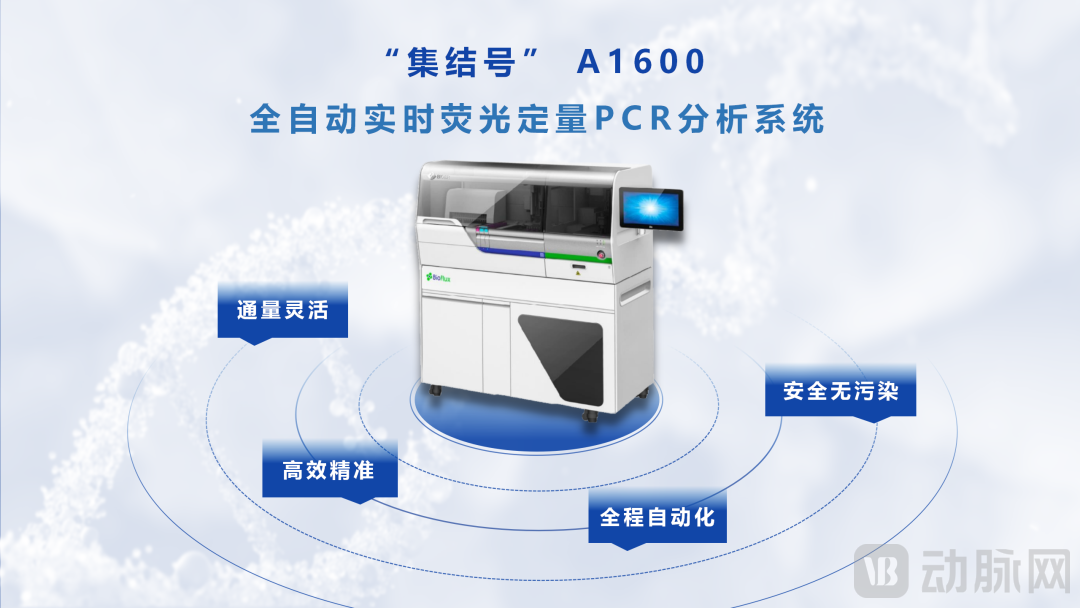
“Jijiehao” Fully Automated Real-Time Fluorescence Quantitative PCR Analysis System
In May, Borui Technology launched its new “Fully Automated Nucleic Acid Processing Workstation.” This integrated system combines sample loading, data entry, nucleic acid extraction, and PCR setup. Equipped with a high-purity nucleic acid extraction system and a high-precision pipetting and dispensing system, it delivers rapid, efficient, and accurate nucleic acid extraction.
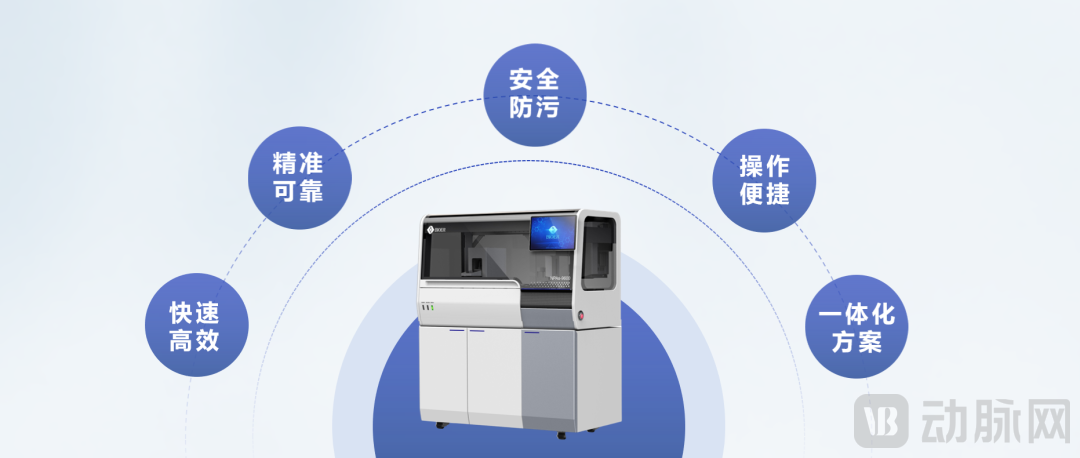
Fully Automated Nucleic Acid Processing Workstation
To date, BoRi Technology has launched nearly 500 serialized reagents for purification and testing, centered on basic research in molecular diagnostic biology, immunology, and microbiology, as well as their applications in medical diagnostics, livestock and aquaculture, scientific research, food safety, and customs disease control and prevention.
To address industry pain points such as the lack of core technologies in domestic consumables, a relatively small market size, and import-dominated market monopolies, Borui Technology initiated a new strategic layout for its high-end product line in 2020.Invested RMB 459 million to establish a wholly-owned subsidiary, Anhui Borui Biotechnology Co., Ltd. (hereinafter referred to as “Borui Biotech”), for its production base. The project covers an area of 42 mu, with a construction area of approximately 35,000 square meters. It introduces information-based and automated management software such as ERP, SRM, and WMS to enhance the company’s digital and intelligent management capabilities and improve production efficiency.
Bori Bio’s Phase I construction covers a total area of 13,000 square meters, featuring a Class 100,000 cleanroom facility compliant with GMP requirements. It has introduced more than 60 high-end brand injection molding machines equipped with a central material feeding system, achieving full mechanization, automation, and intelligence. The facility establishes production lines capable of annually producing 1.6 million sets of molecular diagnostic consumables, 6 million sets of general laboratory consumables, and 400,000 microfluidic chips, reaching an internationally leading level. Phase II construction will establish production lines for nucleic acid testing kits, nucleic acid extraction and purification kits, immunoassay kits, and recombinant protein enzymes, with an annual capacity of 400 million person-tests.
Currently, the Bo Ri Bio production base has been completed, and it is expected to significantly enhance the market competitiveness of domestically produced high-end consumables and reagents in the future, thereby accelerating the import substitution process for high-end consumables and reagents in China.
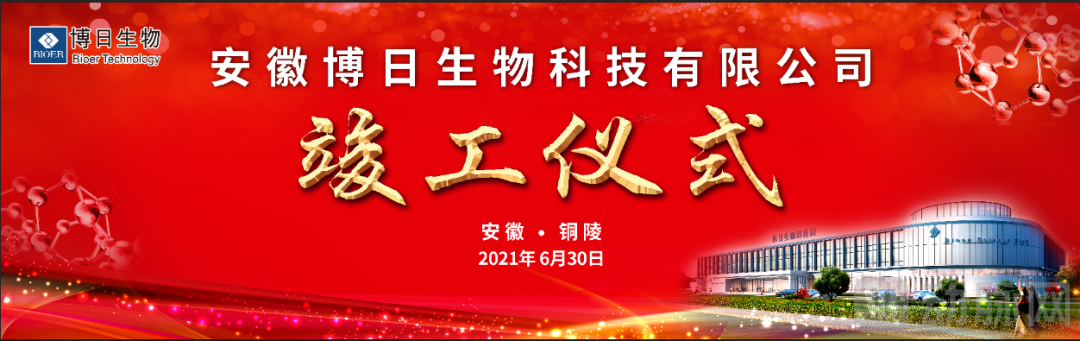
June 30,Completion Ceremony of the Production Base of Anhui Borui Biotechnology Co., Ltd.will beTongling, Anhuiheld, and will also host2021 Wanjiang Molecular Diagnostics Summit。
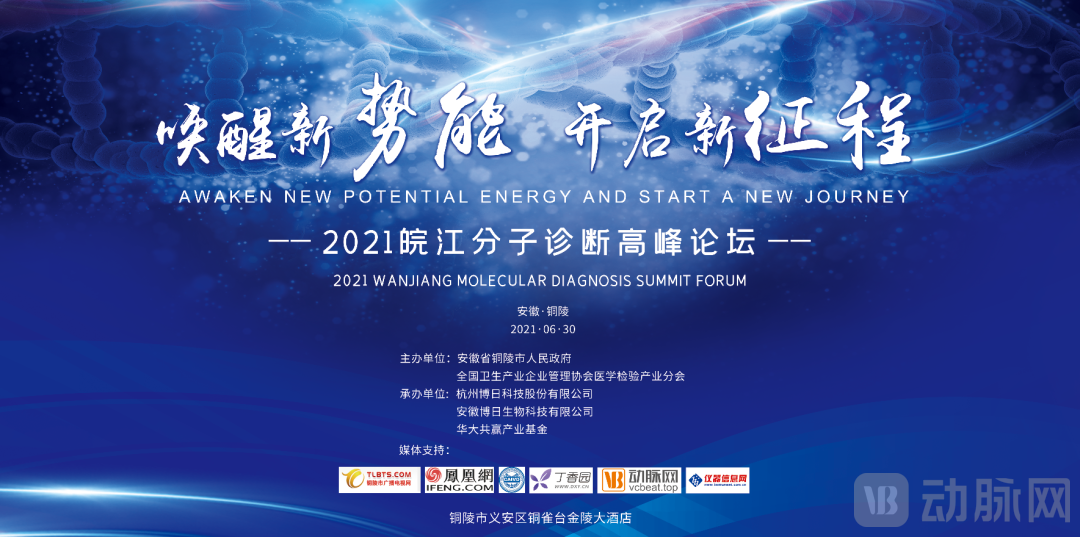
The forum is hosted by the People's Government of Tongling City, Anhui Province, and the Medical Laboratory Industry Branch of the China Health Industry Enterprise Management Association, and organized by Biore Technology, Biore Biology, and BGI Win-Win Industrial Fund. The forum focuses on“Awakening New Momentum, Embarking on a New Journey”Centered on this theme, the event will invite numerous industry experts, including Song Haibo, Vice President of the China National Health Industry Enterprise Management Association; He Xianhan, Chairman of Bioer Technology and Chairman of Bioer Biology; Zhang Hong, Dean of the College of Biomedical Engineering and Instrument Science at Zhejiang University; Du Wenbin, Researcher at the Institute of Microbiology, Chinese Academy of Sciences; Wan Kanglin, Deputy Director of the Chinese Center for Disease Control and Prevention; Liu Yu, General Manager of BGI Win-Win; Zhang Renhua, Vice Chairman of Realcan Pharmaceutical; and Zhu Yaoyi, Chairman of the In Vitro Diagnostics Branch of the China Association for Medical Devices Industry. These experts will discuss hot topics and new industry trends, such as molecular imaging, digital PCR technology, diagnosis of infectious disease pathogens, and the global expansion of in vitro diagnostics, to keep a finger on the pulse of the industry.
Forum Agenda:
