

3rd International Forum on Medical Device Innovation Kicks Off, Deeply Focusing on Medical Advancement Amid Technological Transformation and Redefining Industrial Innovation
On June 22, 2021, the 3rd International Summit on Medical Device Innovation was successfully held in Gaochun, Nanjing. Centered on the theme “Intelligent Manufacturing as the Foundation, Collaborative Innovation,” the event brought together the most active medical device innovators, listed companies, financial institutions, and healthcare providers from both China and abroad through activities such as the Medical Device Vitality Rankings, closed-door government-enterprise meetings, overseas live connections, keynote speeches, and roundtable discussions, creating a premier offline gathering for the medical device industry.
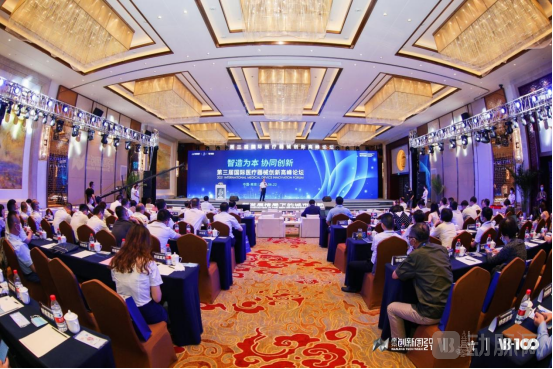
Guided by the Jiangsu Provincial Committee and the Nanjing Municipal Committee of the Chinese Peasants and Workers Democratic Party, and hosted by the Nanjing New Medicine and Life Health Industry Chain Working Task Force and the People’s Government of Gaochun District, Nanjing, this conference was organized by the Office of the Innovation Committee of the CPC Gaochun District Committee and VCBeat.
The summit has specially invited Nobel Laureates in Physiology or Medicine, academicians from the Chinese Academy of Sciences and the Chinese Academy of Engineering, and other distinguished experts to share insights on cutting-edge domestic and international technologies and frontier medicine. Focusing on medical advancements amid technological transformation, they will redefine the evolutionary logic of technology and innovative thinking in the industry. Senior executives from leading medical device companies, outstanding innovative entrepreneurs, and seasoned investors will engage in in-depth discussions through keynote presentations or roundtable dialogues, centering on three main themes: “The Growth Curve of the IVD Industry in the Post-Pandemic Era,” “High-Value Consumables under Domestic Substitution and Volume-Based Procurement,” and “Innovation in Rehabilitation Products and Application Scenarios in the New Era.”
Furthermore, the 2021 Medical Device Innovation Vitality List was officially released as part of the regular series under the Future Healthcare Top 100. Based on industry research, VCBeat focuses on innovative development, technological advancements, and policy updates in the medical device sector to identify high-growth innovative medical device companies. The 2021 Medical Device Innovation Vitality Enterprises were selected from three core categories: In Vitro Diagnostics (Digital PCR), High-Value Consumables (Cardiovascular Intervention), and Rehabilitation Equipment (Rehabilitation Robotics), along with a special list for cutting-edge medical device technologies.
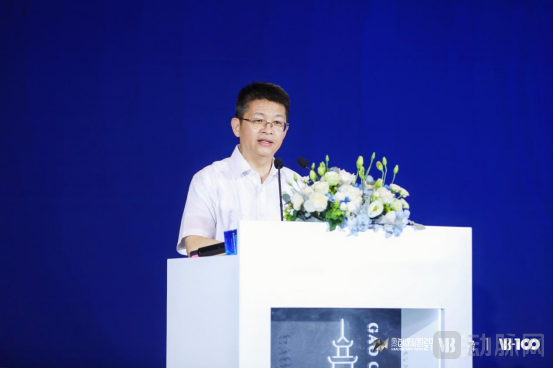
Address by Liu Wei, District Mayor of Gaochun District People's Government
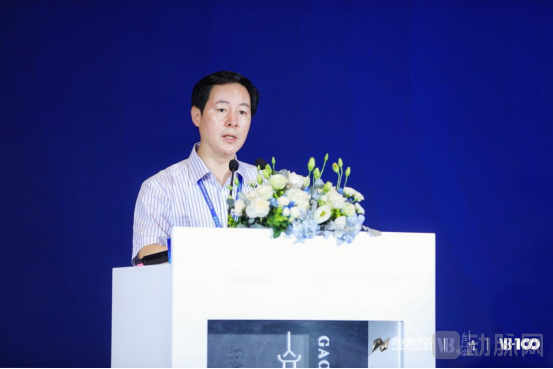
Wu Jiankun, Vice Chairperson of the Jiangsu Provincial Committee of the Chinese Peasants and Workers Democratic Party, Delivers a Speech
I. Industry Leaders Convene to Discuss Emerging Trends in Innovative Healthcare
The conference attracted numerous industry leaders, who provided in-depth analysis and discussion on the future trends of innovative healthcare. Distinguished speakers included Edvard Moser, Nobel Laureate in Physiology or Medicine; Fan Daiming, Academician of the Chinese Academy of Engineering; Zhao Jizong, Academician of the Chinese Academy of Sciences and neurosurgeon; Zhang Zhiyuan, Academician of the Chinese Academy of Engineering; Jiang Wei, Chief Strategy Officer for Greater China at BD Medical; Kang Keren, Senior Vice President of Wondfo Biotech; and Jin Lei, CEO of BaiRen Medical.
The following are the key highlights from the guest speakers’ presentations, curated by VCBeat:
Nobel Laureate in Physiology or Medicine Edvard Moser: "How the Brain Works—The Spatial System Guides You to Solve Computation in the Brain"
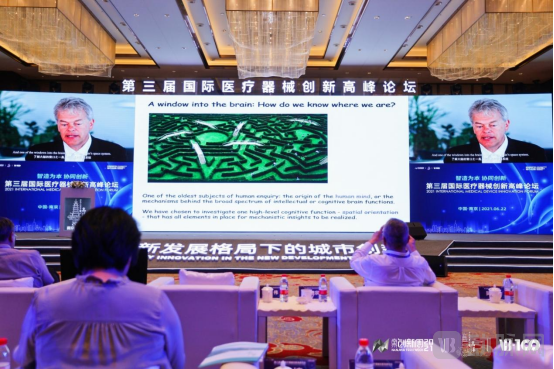
In the coming years or decades, humanity will gain a better understanding of its own cognitive and comprehension capabilities, thereby enabling the treatment of neurological and psychiatric disorders. We can study not only the healthy brain but also the diseased brain; since both neurological and psychiatric disorders arise from dysfunction within the same neural systems, it is hoped that research on the healthy brain will also enhance our understanding of the diseased brain.
Academician of the Chinese Academy of Engineering Fan Daiming: “Integrative Medicine: From Knowledge to Epistemology”
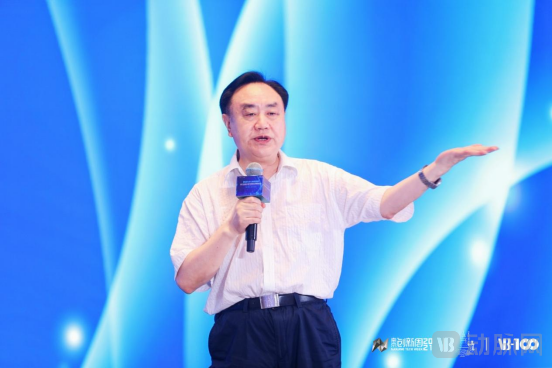
Faced with the rampant spread of emerging infectious diseases and the unchecked rise of chronic conditions, isolated efforts by individual countries or regions will prove inadequate. Similarly, relying solely on single technologies or pharmaceuticals, or even on medicine and physicians alone, will fall short. We must therefore build an integrated system that encompasses the integration of medical research, medical education, healthcare services, disease prevention, and, most critically, medical management. Only by forging such a new, integrated medical system can we navigate turbulent waters with confidence and stability.
Academician of the Chinese Academy of Sciences and Neurosurgeon Zhao Jizong: "Interpretation of China's Brain Project: Brain Science and Brain-Inspired Research"
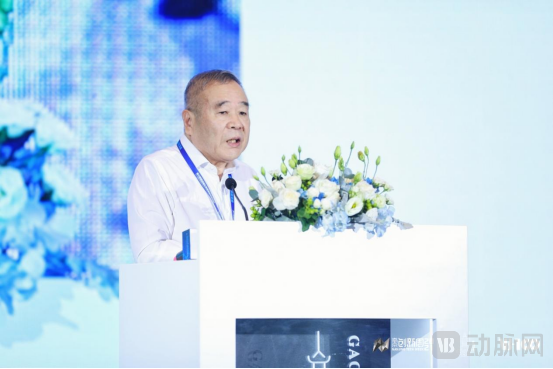
The National Brain Project was released earlier this year. To seize the opportunities it presents, disciplines must break down barriers and foster cross-disciplinary collaboration, involving fields such as mathematics, physics, chemistry, information science, and materials science. In my view, the greatest challenge we currently face is how to effectively integrate, coordinate, and fuse these diverse elements. This extends beyond mere collaboration between clinicians and engineers; it also encompasses interactions among clinicians themselves, between hospitals, and between hospitals and research institutes. Issues such as data sharing and the dissemination of achievements are more critical than scientific research itself.
Academician of the Chinese Academy of Engineering Zhang Zhiyuan: “Development of Digital Dentistry”
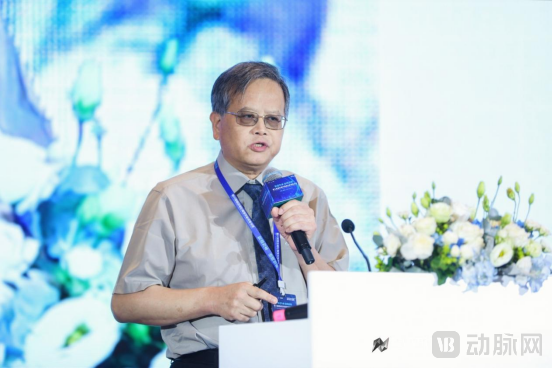
Future trends in the field of stomatology will be driven by digital medicine and advanced medical equipment and technologies such as 3D printing, navigation systems, and minimally invasive robotics. Currently, there are many critical core technologies (so-called “chokepoint” technologies) that must be conquered. Across all industries, we must thoroughly implement the strategic vision of building a scientifically and technologically strong nation through self-reliance and self-improvement, an idea repeatedly emphasized by President Xi Jinping. It is essential to unite and integrate resources from all sectors, focusing on the research and development of these chokepoint technologies to create products with independent intellectual property rights. This requires more entrepreneurs like Ren Zhengfei who prioritize and innovate in R&D. It also calls for a grand collaboration among scientists from diverse disciplinary backgrounds. Meanwhile, the state’s initiative of “unveiling the list and appointing leaders” for major projects should ensure that funding is allocated where it is most needed, offering hope for achieving new breakthroughs in the short term.
Jiang Wei, Chief Strategy Officer for BD Greater China: "Trends in Medical Innovation in China"
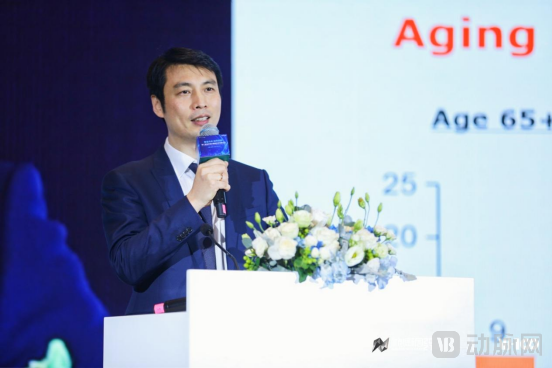
China offers a highly unique and favorable environment and ecosystem for medical device innovation, so we must remain confident in this market and its conditions. Regarding the primary drivers of market innovation, indigenous innovation in China is poised for explosive growth; indeed, we are already witnessing such rapid expansion in certain sectors. Although there are both opportunities and challenges, the overarching trend—whereby domestic innovation leads the market—is irreversible. In the future, China will become a global hub for innovation across many fields. This certainly applies to the healthcare sector and medical devices. Chinese enterprises, innovative companies, and their products will play an increasingly important role in the international marketplace.
Wondfo Senior Vice President Kang Keran: "Innovative Diagnostic Technologies and Scenario Exploration in the Era of Smart Healthcare"
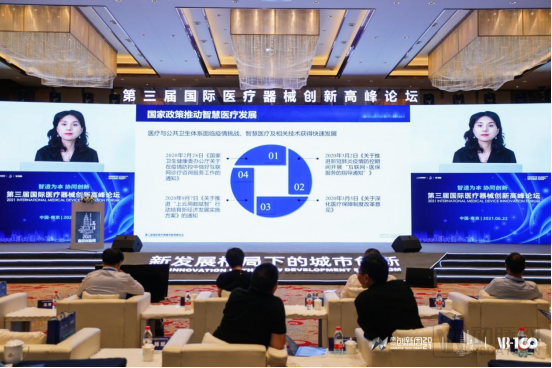
Smart healthcare leverages its informational and intelligent technological features to facilitate interactive communication among patients, medical devices, healthcare institutions, and medical personnel. Smart healthcare has extensive application scenarios both within and outside hospitals. Inside hospitals, it enables standardized, decentralized real-time management; outside hospitals, it helps address the imbalance in medical resource distribution, with the adoption of new technologies making home self-testing an emerging trend. In the context of normalized pandemic control, smart healthcare, combined with Point-of-Care Testing (POCT), supports COVID-19 prevention and control by enabling rapid identification and triage management, serving as a critical component in achieving “early detection, early reporting, and early isolation.”
BaiRen Medical CEO Jin Lei: “The Future of Artificial Heart Valves in China—From a Practitioner’s Perspective”
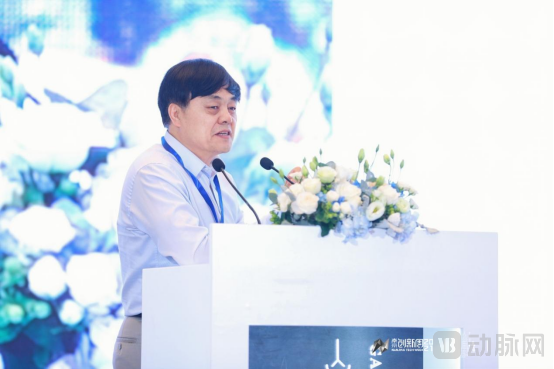
The future of prosthetic heart valves hinges on their durability. Assessing this durability depends on their opening and closing mechanics, the strategies employed for anti-calcification treatment, and, most critically, whether there is evidence demonstrating sufficient long-term durability. If transcatheter heart valves can achieve durability comparable to that of surgical valves—remaining free from structural deterioration for 10 to 15 years—they will replace surgical valves at that point.
II. Focusing on the Healthcare Industry: A Clash of Ideas Among Industry Titans
Senior executives from leading medical device companies, distinguished innovative entrepreneurs, and seasoned investors engaged in in-depth discussions through keynote presentations and panel discussions, focusing on three main themes: “The Growth Curve of the IVD Industry in the Post-Pandemic Era,” “High-Value Consumables Under Domestic Substitution and Volume-Based Procurement,” and “Innovation in Rehabilitation Products and Application Scenarios in the New Era.”
Topic 1: Strategic Choices for the IVD Industry in the Post-Pandemic Era
Following the COVID-19 pandemic in 2020, China’s in vitro diagnostics (IVD) market has reached a scale of RMB 100 billion, making China one of the fastest-growing IVD markets globally. The global industrial chain is being reshaped in this process, with numerous IVD companies experiencing rapid development. Many IVD firms have achieved record-high valuations upon listing, and upstream core raw material suppliers are rising rapidly. How can the IVD industry identify new avenues for sustained growth in the post-pandemic era? Industry leaders share their insights.
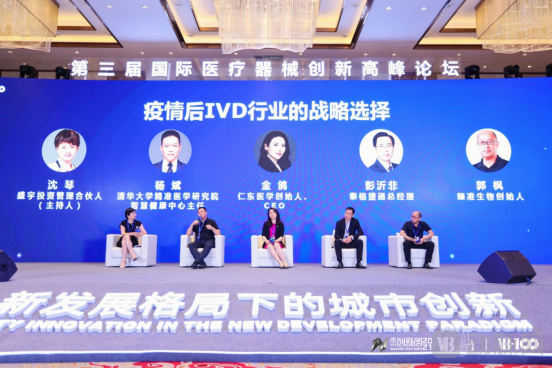
Mr. Yang Bin, Director of the Smart Health Center at the Institute for Precision Medicine, Tsinghua University, stated, “We must shift from a treatment-centric model to a health-centric one, establishing a closed-loop system for health management across the entire life cycle.” Ms. Jin Ge, Founder and CEO of Ren Dong Medicine, remarked, “Regardless of external changes, core cognitive reserves and technological reserves are the most fundamental assets for product-oriented or service-oriented companies.” Mr. Peng Yifei, General Manager of Tigermed Jietong, commented, “In vitro diagnostics (IVD) is inherently the largest segment within the medical device industry, and I am extremely optimistic about the future of China’s IVD sector.” Mr. Guo Feng, Founder of Zhunzhun Biology, noted, “Digital PCR is the best tool for companies to break free from involution and homogeneous competition in the PCR market.”
Topic 2: How to Balance the Investment Costs of Technological Innovation with the Low Gross Margin Expectations from Volume-Based Procurement?
Looking back on more than two decades of healthcare reform in China, the tug-of-war over the prices of medical consumables and pharmaceuticals has permeated nearly the entire process. With centralized procurement of medical consumables accelerating, it presents both challenges and opportunities for medical device companies. In this context, how should medical device enterprises embrace policy changes and adapt to industry shifts during this period of rapid development? Furthermore, how can they seize multi-level development opportunities to achieve long-term growth through independent innovation? Industry leaders have offered their insights on these questions.
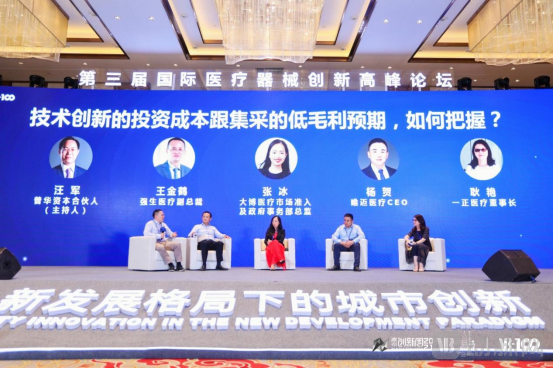
Wang Jinhe, Vice President of Johnson & Johnson Medical, stated, “There are essentially three paths forward. The first is volume-based procurement (VBP), which drives down prices and inevitably leads to low-cost competition. The second involves achieving product differentiation through innovation. The third, ultimately aimed at serving patients, requires a broader perspective—potentially adopting a platform- or service-oriented model that functions like an ecosystem, providing services to the entire ecosystem.”Zhang Bing, Director of Market Access and Government Affairs at Double Medical, remarked, “The outcome of volume-based procurement is increased industry concentration. China’s high-value medical device market will eventually resemble the U.S. market, consolidating around a few leading companies with genuine innovative capabilities. Innovation occurs at two levels: one involves technological revolution, which, due to cost constraints, can only serve a small high-end market segment; the other involves product upgrades, which allow the vast majority of Chinese patients to truly benefit. Both types of innovation are crucial.”Yang He, CEO of Vimai Medical, commented, “From an overall perspective, the fundamental intent of volume-based procurement is cost reduction and promoting accessibility at the grassroots level. Its impacts include, first, the inclusion of the vast majority of products in the national medical insurance scheme, and second, the avoidance of multi-product substitution, thereby reducing resource waste.”Geng Yan, Chairman of Yizheng Medical, stated, “When it comes to technological innovation, it is the lifeblood of an enterprise. Corporate development must rely on technological innovation. In the process of innovating, companies must carefully consider the costs of innovation and conduct comprehensive assessment and management throughout the entire journey from R&D to scaled production and final clinical application.”
Theme 3: How to Create Rehabilitation Innovations Tailored to the Chinese Context?
China has the world’s largest elderly population, and the number of stroke patients continues to rise alongside population growth. Meanwhile, the Chinese government is placing increasing emphasis on rehabilitation. On the 16th, eight national ministries and commissions jointly issued a document titled “Opinions on Supporting the Development of Rehabilitation Medical Services,” which highlights comprehensive advancements in the rehabilitation sector, including talent development, technological innovation, infrastructure construction, and hospital capabilities. Against this backdrop, how to foster rehabilitation innovations tailored to the Chinese context has become a major topic of discussion. What perspectives do industry leaders offer on this issue?
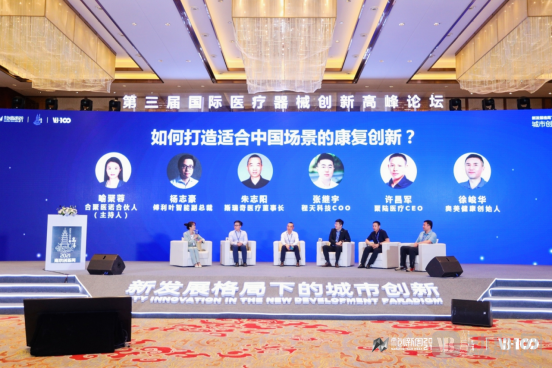
Mr. Yang Zhihao, Vice President of Fourier Intelligence, stated, “Innovative rehabilitation medical products should possess three characteristics: first, an appealing design; second, advanced technology; and third, high cost-effectiveness, enabling rehabilitation products to better serve grassroots-level healthcare.” Mr. Zhu Zhiyang, Chairman of Sreeqi Medical, remarked, “Rehabilitation is not as mysterious or profound as many imagine. Bringing rehabilitation truly into communities and households represents a significant opportunity for the future.” Mr. Zhang Jiyu, COO of Chengtian Technology, commented, “We need to approach rehabilitation from the perspectives of cost, service, penetration to individual consumers at the grassroots level, and digitalization.” Mr. Xu Changjun, CEO of Julu Medical, stated, “First, our rehabilitation practice is grounded in an evidence-based medicine system. By focusing on a specific sector and committing to it with dedication, I believe we are just getting started.” Mr. Xu Junhua, Founder of Aomei Health, stated,“The development of the rehabilitation industry chain requires product standardization and diversification, as some products may be designed for B-end institutions, while others can be used in home settings and are portable. Such products may better align with the future development of rehabilitation.”
III. Leveraging Multiple Resource Advantages, Nanjing Medical Device Industrial Park Accelerates Global Expansion
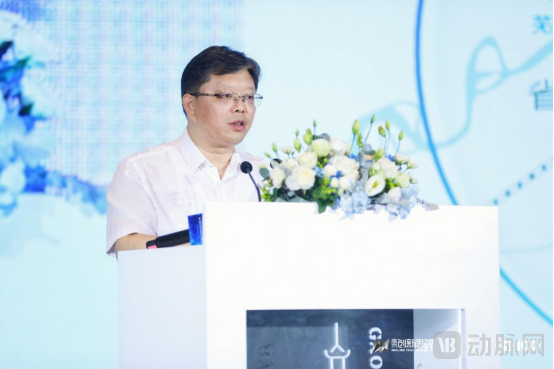
Song Weixing, Member of the Standing Committee of the Gaochun District Committee of the Communist Party of China and Secretary of the Party Working Committee of the Development Zone, Delivers a Presentation on the Industrial Park
In recent years, Gaochun District has closely aligned with its urban positioning as a “modern and vibrant new sub-center, a demonstration zone for Beautiful Nanjing, and a southern pillar for the innovative famous city.” Adhering to innovation-driven and high-quality development, the district has seized major opportunities by adopting the strategy of “focused entry points and robust technologies.” It has prioritized the cultivation and development of the medical device industry, planning and constructing an approximately 8-square-kilometer medical device industrial park with high starting points, high standards, and high efficiency. The district has steadily advanced the construction of public service platforms, including the “One Institute and Six Centers” such as the Gaochun Branch of the Jiangsu Provincial Medical Device Testing Institute. In collaboration with the China Association for Medical Devices Industry, it hosted the inaugural National Medical Device Industry Annual Conference. Furthermore, it has established new-type R&D institutions in partnership with prestigious academic and research institutions, including the Chinese Academy of Sciences, Fudan University, and Zhejiang University. These efforts have attracted nearly 800 medical device-related enterprises, forming a complete industrial chain covering R&D and manufacturing, front-end services, and market support.
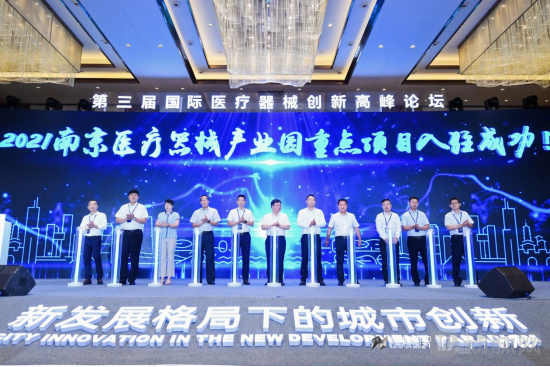
An entry ceremony for key projects at the Nanjing Medical Device Industrial Park was also held on site. The participating enterprise representatives included: Nanjing Shengxin Medical Co., Ltd., Nanjing Herui Biotechnology Co., Ltd., Sancao Medical New Materials (Nanjing) Co., Ltd., Xingyue Medical Health Technology (Nanjing) Co., Ltd., Ruixin Medical Technology (Nanjing) Co., Ltd., Nanjing Changfeng Share Investment Management Group Co., Ltd., Nanjing Aismier Metal Products Co., Ltd., Pushi Biotechnology (Beijing) Co., Ltd., Nanjing Bangshiyin Pharmaceutical Co., Ltd., and Nanjing Hongruijie Biomedical Technology Co., Ltd.
At the forum, Deputy Secretary-General Bao Hongxin also invited high-level talents and entrepreneurs from the medical device industry to offer advice and suggestions for the development and innovation of Gaochun’s medical device sector, encouraging them to pay greater attention to and support Gaochun.
IV. Driven by Dreams, Contributing to the Development of the Medical Device Industry
The International Summit on Medical Device Innovation has become an annual hallmark event in Gaochun District, with three consecutive editions held to date. Each summit provides a platform for intellectual exchange and collaborative dialogue among experts, scholars, industry leaders, and renowned entrepreneurs in the medical device sector, jointly exploring how the industry can seize opportunities and accelerate development amid the current trend of high-quality growth.
By hosting such a forum, we aim to identify a viable development path by exploring the growth of the medical device industry from multiple perspectives, including industry trends, clinical practice, market strategy, and policies and regulations. We seek to comprehensively share the most cutting-edge developments in the medical device sector and accurately grasp future trends. Furthermore, we strive to foster an atmosphere of collaboration, sincerely inviting industry experts and entrepreneurs to visit our district for inspections and negotiations, to diagnose and advise on the broader health industry, to pool talent and wisdom for shared development, and to contribute to the advancement of the medical device industry.
Although the 3rd International Summit on Medical Device Innovation has concluded, it also marks a new beginning. Through in-depth, face-to-face exchanges and communications among industry leaders, greater consensus was achieved. Furthermore, leveraging the promotional efforts of participants, the summit facilitated connections with more high-quality industrial resources and top-tier professional talent, fostering a virtuous cycle of development characterized by business-attracting-business and talent-recommending-talent.