

Pear Therapeutics to Go Public via SPAC Merger with $1.6 Billion Valuation
On June 22 local time, Pear Therapeutics (“Pear”), a star enterprise in the digital therapeutics sector, announced that it had entered into a definitive business combination agreement with the special purpose acquisition company (SPAC) Thimble Point Acquisition Corp. (“Thimble Point”). Upon completion of the transaction in the second half of 2021, the combined entity will be listed on the Nasdaq Stock Market under the ticker symbol “PEAR.”
Since its inception, Pear has rigorously validated the safety and efficacy of its products through randomized controlled trials (RCTs), securing both the FDA’s first-ever global approval for a digital therapeutic product and the first FDA-approved first-line digital therapy under the new pre-certification pathway. As a standout leader in the digital therapeutics sector, Pear’s recent public listing via a SPAC merger marks the beginning of a new phase focused on large-scale commercialization, offering a comprehensive and representative case study for analyzing the digital therapeutics industry.
Under the merger agreement between the two parties, the transaction values Pear at $1.6 billion, with Pear’s existing shareholders holding approximately 72% of the total shares in the newly formed company upon closing.
In addition to its status as a publicly listed company, Pear will raise more than $400 million in cash through its business combination with Thimble Point. This amount includes $276 million in IPO proceeds retained in Thimble Point’s trust account and $125 million from a private investment in public equity (PIPE). These funds will be used to accelerate the commercialization of three approved products and to advance the development of pipeline candidates in psychiatry, neurology, oncology, cardiology, and gastrointestinal diseases.
Furthermore, Thimble Point has committed to appointing Jorge Gomez to Pear’s board of directors as part of the integration of industrial resources following the completion of the business combination. Mr. Gomez is the current Chief Financial Officer of Dentsply Sirona, the world’s largest professional manufacturer of dental products and technologies, and the former Chief Financial Officer of Cardinal Health. Cardinal Health is one of the largest global pharmaceutical distributors, as well as a global manufacturer and distributor of medical and laboratory products, specializing in providing performance-optimized digital solutions for healthcare institutions.
Thimble Point stated that it chose to merge with Pear after screening more than 100 companies and conducting due diligence on over 30. In the view of Elon Boms, CEO and Chairman of Thimble Point, Pear is at the forefront of the healthcare revolution. It has created the new category of digital therapeutics, established roadmaps for development, regulation, and commercialization, and achieved early market penetration, paving the way for rapid scalability. Boms believes that with additional funding and resources, Pear will accelerate onto the fast track of commercial development.
In fact, Thimble Point’s initial PIPE fundraising plan for the acquisition of Pear was $100 million, which was later increased by 25% to $125 million due to strong subscription demand. Among Pear’s PIPE investors were many top-tier global industrial and equity capital firms, including Shanda Group, SoftBank, and Temasek.
As an investor in Pear’s previous funding round and PIPE offering, SoftBank believes that PDT manufacturers, including Pear, are creating a new class of drugs with global applications, and Pear is a pioneer in this trend.
In 2013, Pear was founded in Boston, USA. This team, composed of cross-disciplinary professionals from the biopharmaceutical, medical technology, and information technology sectors, is dedicated to redefining healthcare.
The tool they have chosen is software, not pharmaceuticals. From the perspective of the Pear team, digital therapeutics delivered via software applications should be akin to traditional drugs: developed in environments compliant with Good Manufacturing Practice (GMP) standards, tested in randomized controlled trials, evaluated and authorized by regulatory agencies such as the FDA, and used under the supervision of clinicians with prescribing privileges. The only difference lies in shifting the primary application scenario from in-hospital clinical settings to real-world environments outside the hospital.
Although digital health solutions had already begun to gain popularity in the United States at that time, the business model for digital therapeutics was far from mature, making Pear a pioneer in the field of Prescription Digital Therapeutics (PDT). In a sense, the Pear team was relatively fortunate, securing regulatory approval in just three years. In May 2016, the FDA approved Pear’s first digital therapeutic, reSET™, for market launch. As an innovative medical device marketed through the De Novo pathway, it became the first digital therapeutic worldwide to receive FDA approval.
reSET™ is grounded in cognitive behavioral therapy (CBT) and comprises a patient interface, a clinician interface, and a support system. Centered on therapeutic modules, reSET™ helps patients develop skills to achieve abstinence from substance use disorders, including addiction to alcohol, cannabis, cocaine, and stimulants.

Components of reSETTM
Typically, reSET™ is prescribed by clinicians as part of the treatment plan for patients with substance use disorders. Upon receiving the prescription, patients install the reSET™ patient-side software under the guidance of the Pear Connect support system and begin a treatment course lasting approximately 12 weeks. The course is divided into multiple treatment sessions, covering six modules: life skills, therapy, emotional management, social relationships, sexual health, and knowledge about hepatitis C and HIV. Each session lasts between 10 and 20 minutes. The focus is on building foundational cognitive-behavioral and relapse prevention skills, such as functional analysis of substance use, self-management plans, and refusal skills.
To enhance patient adherence, reSET™ incorporates quiz and reward modules into most treatment sessions. Patients who complete the treatment sessions and pass the quizzes receive virtual rewards, which can ultimately be redeemed for tangible rewards through their clinicians. During this process, clinicians can manage out-of-hospital patients via the clinician-facing interface of reSET™, monitoring patients’ progress in treatment sessions and reviewing substance use disorder–related metrics, such as self-reported cravings and triggers.
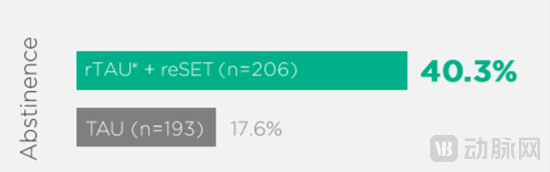
Prior to the market launch of reSET™, Pear completed a randomized controlled clinical trial enrolling more than 500 patients. These patients were randomly assigned to two groups: one group received standard abstinence treatment, while the other group followed an abstinence regimen in which weekly two-hour face-to-face counseling sessions were replaced with reSET™ remote therapy. Data showed that 72.2% of patients in the experimental group completed the 12-week abstinence treatment, compared with only 63.5% in the control group. During the final four weeks of the abstinence program, the abstinence rate in the experimental group reached 40.3%, more than double the 17.6% observed in the control group.
Clinical Trial Data of reSETTM
Shortly after the launch of reSET™, Pear received an order from Novartis and rapidly established more than ten pipelines in development. In its fourth year, Pear began replicating its FDA-validated product development model across additional indications.
In December two years later, reSET-O™, co-developed by Sandoz (a Novartis subsidiary) and Pear Therapeutics, received FDA approval for market launch, becoming the world’s first digital therapeutic for opioid use disorder treatment.
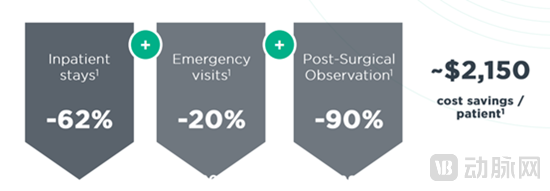
During the conference call announcing its SPAC listing, Pear presented a set of real-world data on reSET-O™, demonstrating the health economic impact of this digital therapeutic. Researchers conducted a six-month observational study involving 351 patients using reSET-O™. The data revealed a 62% reduction in hospitalization rates, a 20% decrease in emergency department visits, and a 90% decline in the need for post-procedure observation. Given that 82% of these patients were covered by U.S. insurance programs, the use of reSET-O™ resulted in a cost saving of $2,150 per patient.
Health Economics Data for reSET-O™
This figure is quite appealing to healthcare payers, and persuading them to accept digital therapeutics is the tough challenge that Pear and other digital therapeutic companies must tackle next. However, Pear faces another issue: both reSET™ and reSET-O™ are labeled as “adjunctive therapies” and cannot be prescribed independently, which to some extent limits the speed of commercial expansion for these two digital therapeutics.
The turning point came with the outbreak of the global COVID-19 pandemic, during which physical social interactions were entirely disrupted, prompting doctors, patients, and regulatory agencies alike to shift their focus to remote and online solutions. For Pear, the clinical trials for its new products progressed much more smoothly.
In March 2020, after completing two clinical trials involving more than 1,400 adults, Pear Therapeutics obtained its third prescription digital therapeutic (PDT) clearance. This PDT, named Somryst™ for the treatment of chronic insomnia, was cleared by the FDA through the traditional 510(k) pathway following review under the Software Precertification Pilot Program. It was approved for marketing as a first-line treatment for chronic insomnia and is the world’s first standalone digital therapeutic.
The Pre-Certification Program represents the FDA’s initiative to modernize and streamline the market pathway for Software as a Medical Device (SaMD) products. In September 2017, the FDA selected nine companies—Apple, Fitbit, Johnson & Johnson, Pear, Phosphorus, Roche, Samsung, Tidepool, and Verily—from over 100 applicants to participate in the development of the Software Pre-Certification Pilot Program.
Somryst™ is developed based on the principles of Cognitive Behavioral Therapy for Insomnia (CBT-I). It helps chronic insomnia patients aged 22 and older improve their symptoms through a 9-week program comprising six core modules: preparatory learning, sleep window training, behavioral intervention, cognitive intervention, sleep education, and relapse prevention.
Somryst™’s modules—including preparatory learning, behavioral interventions, cognitive interventions, sleep education, and relapse prevention—follow the same design logic as reSET™ and reSET-O™, and likewise require use under the guidance and supervision of qualified healthcare professionals. The key differences are twofold: First, Somryst™ incorporates a dedicated sleep window specifically for chronic insomnia, whereby the system advises patients on recommended bedtimes and wake times and helps them gradually establish new sleep habits through daily logging. Second, reflecting the long-term clinical benefits characteristic of first-line therapies, the therapeutic effects of Somryst™ can persist for up to 18 months.
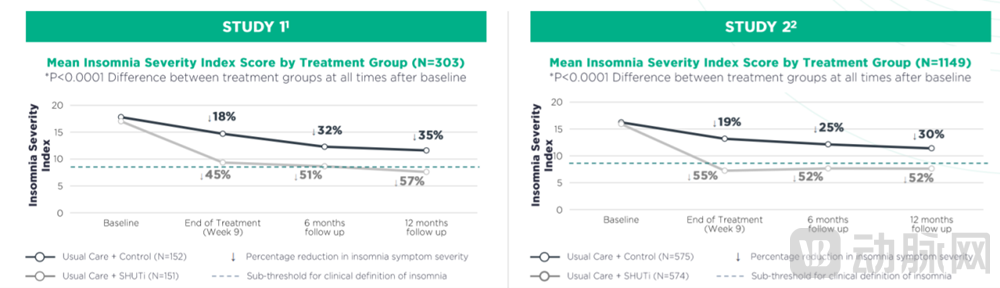
According to data presented by Pear during a conference call, in two clinical studies, the severity indices of chronic insomnia in the experimental group decreased by 45% and 18%, 55% and 19%, and 51% and 32% relative to the control group at the endpoints of treatment completion (9 weeks), 6-month follow-up, and 12-month follow-up, respectively; corresponding reductions were 52% and 25%, 57% and 35%, and 52% and 30%. These results indicate that although the difference between the two groups narrowed over time, the efficacy of Somryst™ in treating chronic insomnia was significantly superior to that of conventional therapies. Furthermore, another real-world study enrolling 7,414 patients demonstrated that more than half of the participants were able to complete all six core modules of Somryst™ within the 9-week treatment course.
Clinical Trial Data of Somryst™
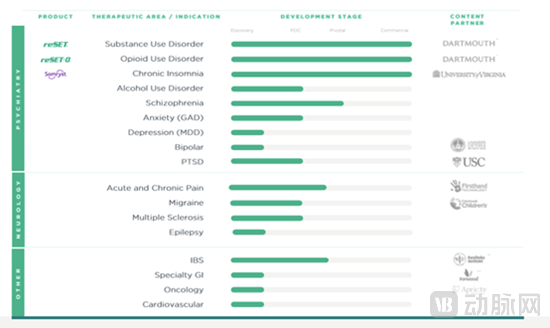
Leveraging its extensive experience in the development and replication of digital therapeutics, Pear has boldly established a pipeline of 14 candidates in development. These cover alcohol use disorder, schizophrenia, anxiety disorders, depression, bipolar disorder, and post-traumatic stress disorder in the field of mental health; acute and chronic pain, migraine, multiple sclerosis, and epilepsy in neurological disorders; as well as irritable bowel syndrome, oncology, and cardiovascular diseases.
Pear's R&D Pipeline
Meanwhile, Pear is continuously expanding its library of digital therapeutic biomarker components. It is collaborating with third-party organizations to incorporate voice analysis, keystroke dynamics, adherence metrics, and physiological monitoring into the design of its digital therapeutics products. Leveraging its clinical trial capabilities as well as its expertise in managing clinicians and patients, Pear is developing a broader portfolio of digital therapeutics.
After eight years of relentless effort, Pear has successfully connected nearly all key healthcare stakeholders, including patients, physicians, regulators, payers, and public investors. With each party fulfilling its respective role and a business model that is highly scalable, this achievement undoubtedly represents a significant milestone.
In fact, digital therapeutics is a broad concept. In addition to Pear, other notable vendors include Livongo, Canary Health, Akili, Omada, Noom, Headspace, and Calm. These companies all strive to develop application software based on digital logic that helps patients think, act, or perceive in different ways.
These software applications can range from consumer-oriented virtual coaches or training partners to clinically focused treatment protocols, with the latter offering capabilities comparable to those of clinicians or cognitive therapists. Clinical-grade digital therapeutics adopt the “software as a prescription drug” logic and the PDT model, with key manufacturers including Pear, Akili, and Mahana. In fact, the debate over digital therapeutic models has never ceased.
The defining characteristics of the PDT (Prescription Digital Therapeutics) model include being grounded in robust medical principles or combinations thereof, undergoing drug-level clinical validation prior to market approval, and requiring prescription by licensed clinicians. These attributes result in higher development and market education costs for PDTs. For instance, the need for years of research and substantial capital investment before launch creates a high barrier to entry that is difficult for many startups to overcome. Furthermore, integrating appropriate gamification elements into rigorous therapeutic frameworks to enhance patient adherence remains a challenging issue for PDTs. This is evident in the fact that Somryst™’s achievement of just over a 50% completion rate was met with considerable enthusiasm.
However, the advantages of PDT are also evident.
First, the FDA’s medical device approval standards serve as a professional endorsement for the product. Since PDT has undergone rigorous clinical trials and its promotional practices are strictly regulated, the PDT market is unlikely to be flooded with inferior or counterfeit products. Furthermore, PDT reaches patients through clinicians or nurses rather than through insurance companies or app stores, which helps build patient trust and improve adherence.
Second, PDT developers need to maintain close communication with clinicians and patients during the development process. This sense of involvement may make PDTs more readily accepted during the commercialization phase. Industry insiders have pointed out that many clinicians and patients are reluctant to adopt off-the-shelf digital therapeutics, except for products they have followed since the early stages.
Third, PDT has already established a first-mover advantage among stakeholders in the business model ecosystem. Following Pear’s receipt of the Somryst™ registration certificate in March 2020, the FDA successively approved WellDoc’s Blue Star Rx for marketing in April and June for the treatment of type 1 diabetes, as well as EndeavorRx, the world’s first “prescription digital therapeutic game,” for the treatment of pediatric patients aged 8 to 12 years with attention-deficit/hyperactivity disorder (ADHD).
Furthermore, regulatory agencies in many countries around the world are preparing to incorporate digital therapeutics into their regulatory decision-making and reimbursement systems. In China, attitudes toward digital therapeutics are gradually shifting from conservative to open. In November 2020, the Chinese National Medical Products Administration (NMPA) approved the first Class II medical device for digital therapeutics, ushering in the era of prescribed digital therapeutics in China.
However, it is worth noting that for the newly listed Pear, the real test may have only just begun.
Pear stated during a conference call that it holds three prescription digital therapeutic products and expects to achieve $4 million in revenue in 2021. According to Health Affairs, investment in U.S. digital therapeutics companies grew by 40% annually over the past seven years, exceeding $1 billion in 2018.
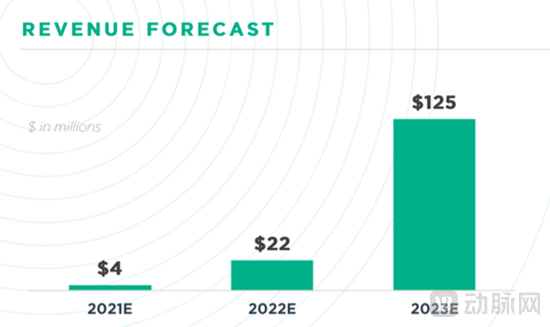
Pear's Expected Revenue Data
By comparison, the $4 million in revenue that Pear has yet to secure is merely a drop in the bucket, and pales in significance when measured against the $1.6 billion valuation offered by Thimble Point. Moreover, even under the more lenient financial disclosure standards permitted by the SPAC transaction mechanism, Pear provided forward-looking revenue projections of only slightly over $100 million.
Clearly, the road ahead remains long and arduous for both Pear and digital therapeutics.