

How Did Dingdang Kuaiyao Break Through the Winter? The Leading Medicine O2O Platform Submits Its IPO Prospectus
In May 2021, the operating entity of Dingdang Kuaiyao underwent multiple industrial and commercial changes, with 18 institutional shareholders, including Taikang Life Insurance, collectively exiting. This adjustment to the equity structure paved the way for Dingdang Kuaiyao’s overseas listing. One month later, on June 22, Dingdang Health Technology Group (hereinafter referred to as “Dingdang Kuaiyao”) submitted its prospectus to the Hong Kong Stock Exchange.
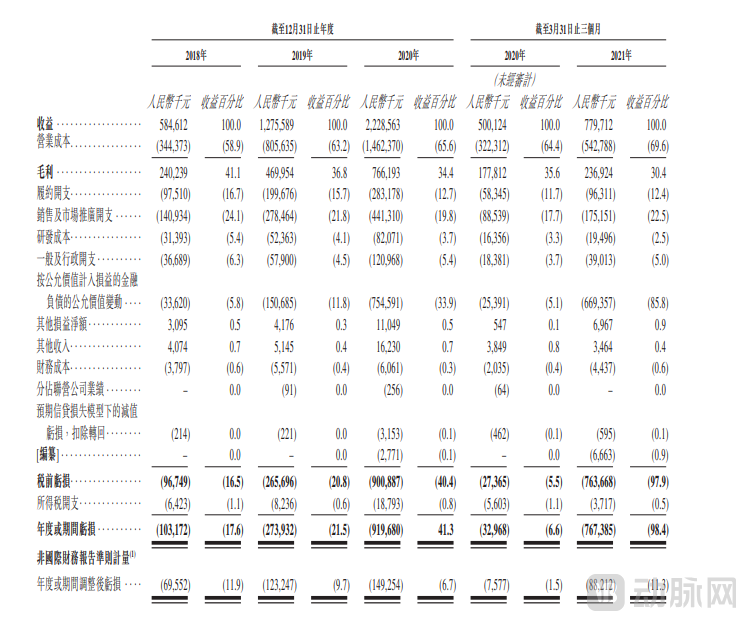
As a well-known pharmaceutical O2O platform in China, Dingdang Kuaiyao is regarded as a star enterprise in this sector and recently completed a new round of financing amounting to $220 million on June 8. According to its prospectus, Dingdang Kuaiyao has maintained rapid revenue growth in recent years, increasing from approximately RMB 585 million in 2018 to RMB 1.276 billion in 2019, and further to RMB 2.229 billion in 2020, representing a compound annual growth rate (CAGR) of 95.2%. Leveraging its pharmaceutical O2O business, the company’s online direct sales currently account for more than 70% of its total revenue from pharmaceutical and healthcare services.
In a remarkably short period, Dingdang Medicine completed the entire process from corporate registration changes and financing to the submission of its prospectus. We are also highly curious about Dingdang Medicine’s business structure and strategic layout, seeking to gain insights through an analysis of its prospectus.
Secured over RMB 3 billion in financing, having weathered the ups and downs of the pharmaceutical O2O industry
In 2014, the O2O (Online-to-Offline) wave swept across various industries. Recognizing the opportunity for O2O transformation in pharmaceutical retail, Yang Wenlong embarked on his second entrepreneurial venture, giving rise to Dingdang Kuaiyao. During the same period, pharmaceutical O2O companies such as Yaogeli, Yaokuaibao, and Kuaifang Songyao also intensified their efforts. Industry giants also began to lay out their pharmaceutical O2O strategies, with Alibaba Health and Tencent actively entering the space.
Capital’s optimism toward pharmaceutical O2O has turned the sector into a hotbed of investment, with financing volumes continuing to rise. However, platform homogenization has plunged the pharmaceutical O2O industry into fierce competition: companies vie for market share through aggressive cash subsidies, forcing those lacking substantial strength to exit. Yet, as pharmaceutical products represent low-frequency demand, the strategy of burning cash to capture market share has failed to achieve a qualitative leap from quantitative growth, thereby trapping the pharmaceutical O2O industry in a dilemma.
Since its establishment, Dingdang Medicine has secured five rounds of financing, with cumulative funding exceeding RMB 3 billion, backed by top-tier capital investors. This ample capital has enabled Dingdang Medicine to rapidly expand its business and quickly emerge as a star enterprise in the pharmaceutical O2O sector. Meanwhile, favorable policies have provided further support: initiatives promoting online pharmaceutical distribution and “online ordering, in-store pickup” models have safeguarded its development. Additionally, the company benefits from extensive access to pharmaceutical resources through partnerships with numerous drug manufacturers. All these factors have contributed to Dingdang Medicine’s rapid growth.
Looking back from today, the development of Dingdang Medicine can be broadly divided into the following stages:
Phase I: Collaboration with Offline Pharmacies. Dingdang Kuaiyao garnered significant external attention by offering free delivery within 28 minutes, around the clock. However, collaborations with offline pharmacies presented several challenges: physical pharmacies often declined to deliver medications with low average transaction values, and not all pharmacies operated 24/7. Furthermore, online promotions were frequently out of sync with those at offline locations, further exacerbating the disconnect between online and offline channels. The asset-light model based on pharmacy partnerships was gradually abandoned due to its inability to guarantee delivery timeliness or effectively address practical issues faced by users.
Notably, in January 2015, the establishment of the FSC (Factory-to-Consumer) pharmaceutical enterprise alliance enabled cooperation with up to 200 pharmaceutical companies. These companies can provide customized development and procurement strategies, allowing Dingdang Kuaiyao to secure lower drug prices. However, traditional large offline chain pharmacies already have their own supply chain channels, making it still difficult to penetrate the offline pharmacy system with low-priced drugs. Nevertheless, this laid the foundation for advantages in its future self-built pharmacy model.
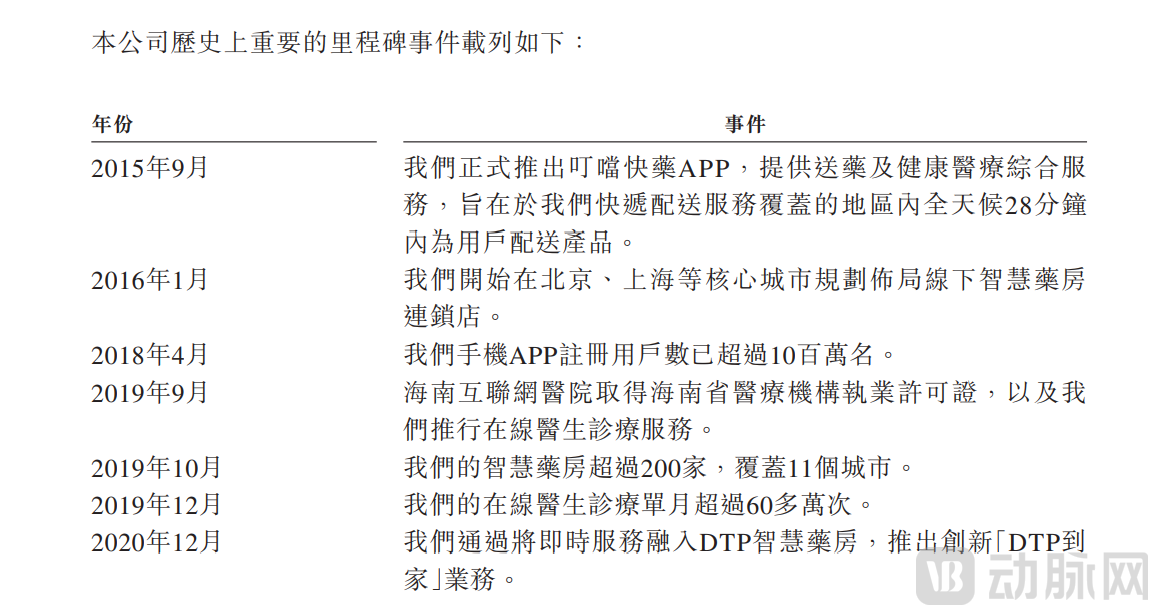
Phase II: Establishing Self-Owned Smart Pharmacies. Since third-party pharmacies could not guarantee delivery reliability, what about building proprietary pharmacies? In January 2016, Dingdang Medicine began exploring the self-owned pharmacy model, strategically laying out offline smart pharmacy chains in core urban areas of Beijing and Shanghai. Although this approach ensured faster delivery speeds, the substantial increase in both establishment and distribution costs imposed significant financial pressure.
Ultimately, this model achieved phased success. By the end of 2016, Dingdang Medicine’s daily order volume in the Beijing market exceeded 20,000 orders. At the end of the same year, Dingdang Medicine completed a RMB 300 million financing round, with the capital infusion enabling the continued development of this model.
Phase III: Exploration and Trial of New Scenarios. Leveraging its online app and offline smart pharmacies, Dingdang Kuaiyao has gradually built an integrated service model across online and offline channels, delving deeply into chronic disease management and general health management scenarios. Meanwhile, it has explored home and community settings through terminal devices such as the Dingdang Dabai robot and automated medication vending machines. In December 2020, Dingdang Kuaiyao integrated its on-demand delivery service into DTP (Direct-to-Patient) smart pharmacies, launching the “DTP Home Delivery Service.” These explorations and trials in new scenarios have enabled the company to better reach users and expanded the growth potential of its business.
The Core Remains “Pharmaceutical O2O,” with Online Direct Sales Accounting for the Majority of Revenue
 Selected Financial Data
Revenue data from the prospectus reveals that Dingdang Medicine’s core business remains pharmaceutical O2O services. Its main revenue stream has grown rapidly, surging from RMB 585 million in 2018 to RMB 2.229 billion in 2020. The prospectus states, “The Company has been committed to a series of initiatives, including expanding its smart pharmacy network to drive user base growth; increasing prescription drug sales to capitalize on opportunities associated with the industry trend of prescription outflow; and acquiring Yaofang.com to enhance market recognition, retain existing users, acquire new users, and maintain the Company’s competitiveness.” These measures have caused Dingdang Medicine’s cost growth rate to exceed its revenue growth rate, thereby exerting a certain impact on its gross profit margin.
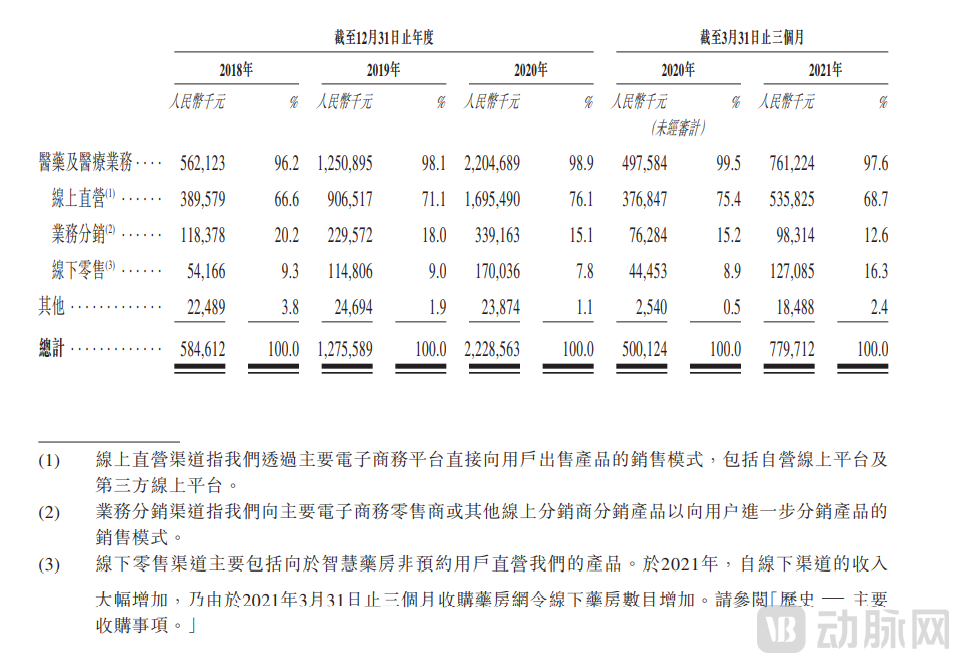
Dingdang Kuaiyao’s revenue is divided into two segments: pharmaceutical and healthcare services, and other services (marketing services, listing fees, and other income). The pharmaceutical and healthcare segment constitutes the absolute core of its business. From 2018 to 2020, its share of total revenue continued to increase, rising from 96.2% in 2018 to 98.9% in 2020. Within the pharmaceutical and healthcare segment, online direct sales have shown a year-on-year upward trend in terms of revenue contribution, which aligns with the company’s positioning as an O2O platform.
However, despite the favorable momentum in its online business development, it continues to face challenges. In terms of overall performance, the company recorded net losses of RMB 103 million (2018), RMB 274 million (2019), and RMB 920 million (2020), primarily due to changes in the fair value of preferred shares. On an adjusted basis, the losses continued to increase year over year, rising from RMB 70 million (2018) to RMB 123 million (2019) and further to RMB 149 million (2020). Nevertheless, a slowdown in the rate of loss growth is also evident.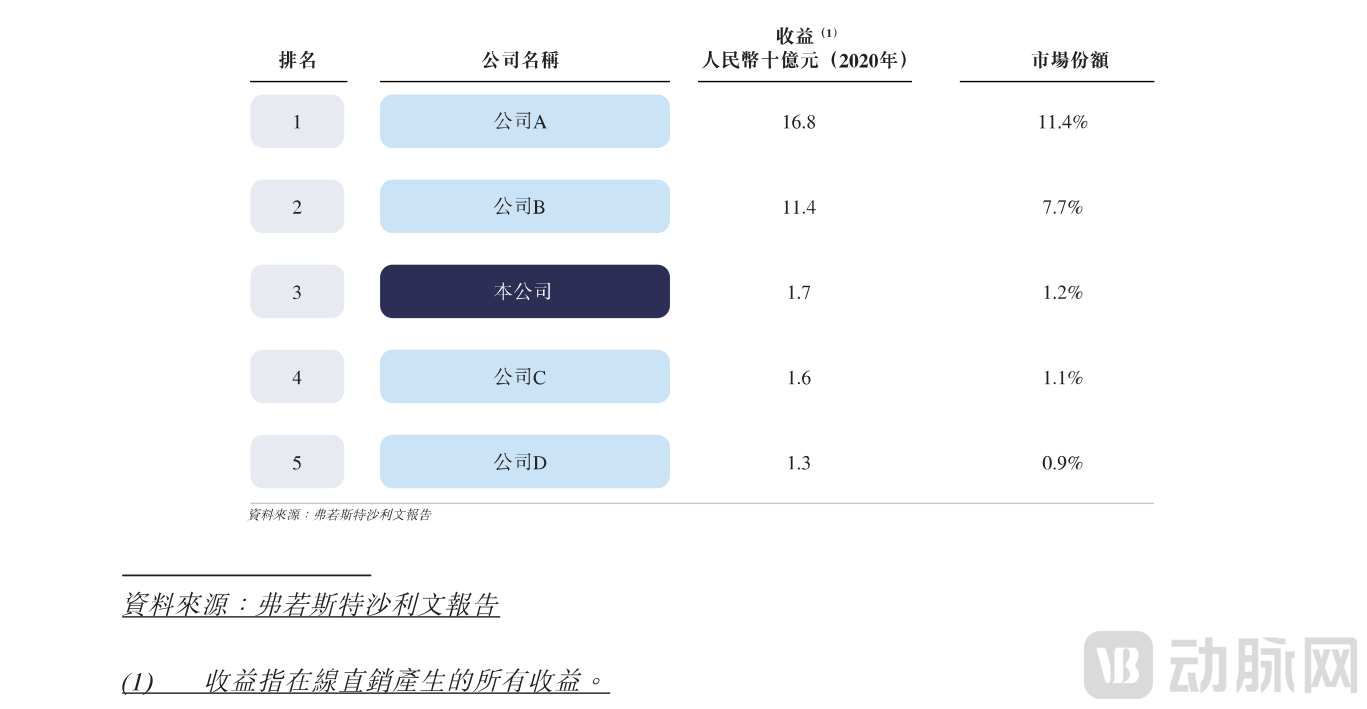
In the market segment, focusing on its digital pharmacy business—which constitutes the main source of its revenue—its current online direct sales have generated RMB 1.7 billion in revenue, accounting for approximately 1.2% of the market share. Facing competition from pharmaceutical e-commerce platforms represented by JD Health and medicine delivery platforms represented by Meituan Waimai, Dingdang Kuaiyao still needs to make more optimal strategic choices.
From “Healthcare + Pharmaceuticals” to “Healthcare + Pharmaceuticals + Insurance”
Observing the development trajectory of Dingdang Medicine, its business operations are not solely confined to rapid medication delivery services.
Dingdang Medicine’s current business primarily comprises rapid medicine delivery, online medical consultation, and chronic disease management and health services. The performance of these individual segments is not disclosed separately in its financial statements; instead, they are aggregated under the “Pharmaceuticals and Medical Services” line item. This may be attributable to the relatively small scale of its online consultation and chronic disease management and health service operations.
In the realm of rapid pharmaceutical delivery, Dingdang Kuaiyao has established a network of 302 smart pharmacies across 14 cities and provides 24/7 online pharmacist services, enabling medication delivery within 28 minutes in its service areas. Patients can promptly access prescription drugs, over-the-counter medications, and various medical products.
Chronic disease management and health services serve as a complement to Dingdang Medicine’s fast drug delivery and online consultation offerings. Dingdang Medicine provides medication and dosage guidance, follow-up visit reminders, prescription renewals, health status feedback, and medical knowledge management. Currently, it primarily focuses on chronic conditions such as liver disease, dermatological disorders, cardiovascular diseases, and diabetes. While assisting physicians in efficiently managing patients, Dingdang Medicine helps users establish personal health records, improves medication adherence, and enables precise prediction of patients’ healthcare needs.
As can be seen, users of the Quick Medicine service drive traffic to other business lines, facilitating their adoption of chronic disease management and DTP (Direct-to-Patient) pharmacy services. Conversely, users of other services may also become potential customers for the Quick Medicine service. This cross-conversion is partially reflected in the data: in 2018, 2019, and 2020, the conversion rates of users who purchased products and services after receiving prescriptions from online consultations were 51.4%, 69.9%, and 68.8%, respectively.
However, the more critical exploration may lie hidden in its future strategic planning. In its prospectus, Dingdang Medicine stated, “Its value proposition is to connect users, healthcare professionals, pharmacies, pharmaceutical companies, insurers, and other participants in the ecosystem through the provision of products and services, thereby creating a vibrant ecosystem.”
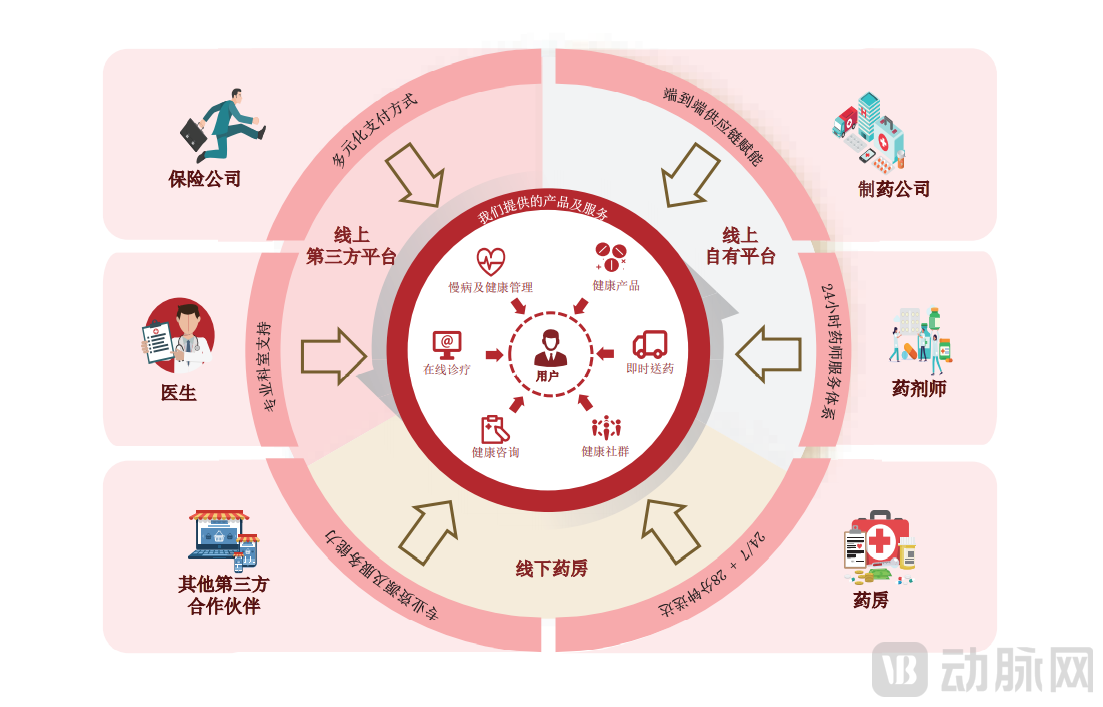 Dingdang Medicine’s Business Synergy Diagram
Upon completing a new $220 million financing round on June 8, Dingdang Kuaiyao stated, “With this round of financing, Dingdang Kuaiyao will advance the implementation of its ‘Healthcare-at-Home’ strategy integrating ‘medical services, pharmaceuticals, and insurance.’ Keeping pace with emerging trends in internet-based healthcare and pharmaceutical services in the era of normalized pandemic conditions, we will leverage continuous product iteration and technological innovation to deliver multi-scenario, one-stop online medical and pharmaceutical services, including consultations, medication purchases, chronic disease management, and psychological counseling.”
Positioning itself in the trillion-yuan health insurance market and building a complete closed-loop ecosystem of “healthcare + pharmaceuticals + insurance” may well be Dingdang Kuaiyao’s next strategic objective. The prospectus also reveals some of the initiatives it is currently undertaking:
As of March 31, 2021, Dingdang Medicine had partnered with nine insurance and reinsurance companies and maintained collaborations with more than 4,000 pharmaceutical manufacturers and drug distributors. Through its business operations and data mining initiatives, Dingdang Medicine is building a knowledge graph that integrates user health, pharmaceutical, and medical big data, thereby further supporting internet healthcare and pharmaceutical insurance services.
At present, online diagnosis and treatment services primarily serve to better guide users in purchasing medications, while unlocking greater value will require more time. As Dingdang Medicine’s “healthcare + pharmaceuticals” model becomes increasingly well-defined, the pathway toward a “healthcare + pharmaceuticals + insurance” ecosystem will also grow clearer, driven by the expansion of pharmaceutical transaction volumes and deepening digitalization across the industry chain. Nevertheless, determining how to strategically position itself and establish core competitive barriers within this “healthcare + pharmaceuticals + insurance” closed-loop ecosystem—amidst competition from peers pursuing similar models—remains a significant challenge.
In the Trillion-Yuan Digital Health Market, Where Does Dingdang Medicine Stand?
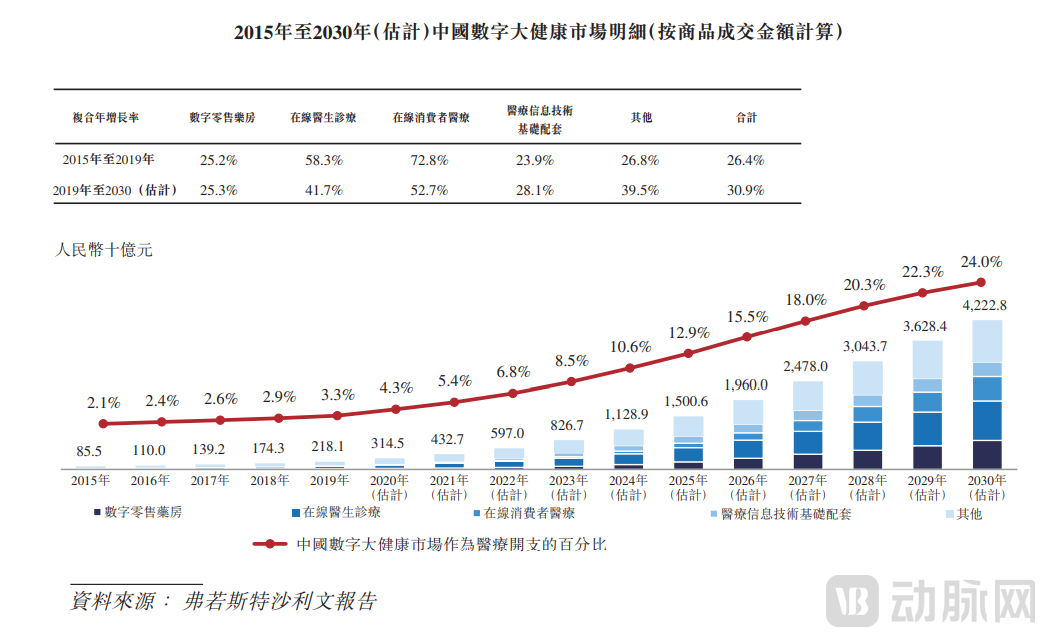
According to a report by Frost & Sullivan, the overall market size of China’s digital health market (which includes the digital retail pharmacy market, online consultations, online consumer healthcare, and health information infrastructure) reached RMB 218.1 billion in 2019 and is expected to reach RMB 4.2 trillion by 2030, representing a compound annual growth rate (CAGR) of 30.9%. Within this market, digital retail pharmacies account for the largest share and transaction volume, with gross merchandise value exceeding RMB 111.7 billion in 2019 and projected to reach RMB 1.3 trillion by 2030. This segment is also the core focus of Dingdang Medicine.
The continuous growth in the number of internet users, rising demand for convenient medical services, the widespread adoption of IoT and 5G technologies transforming monitoring, prevention, diagnosis, and postoperative care, the emergence of innovative health management approaches, and supportive policies are all driving the development of the digital health industry.
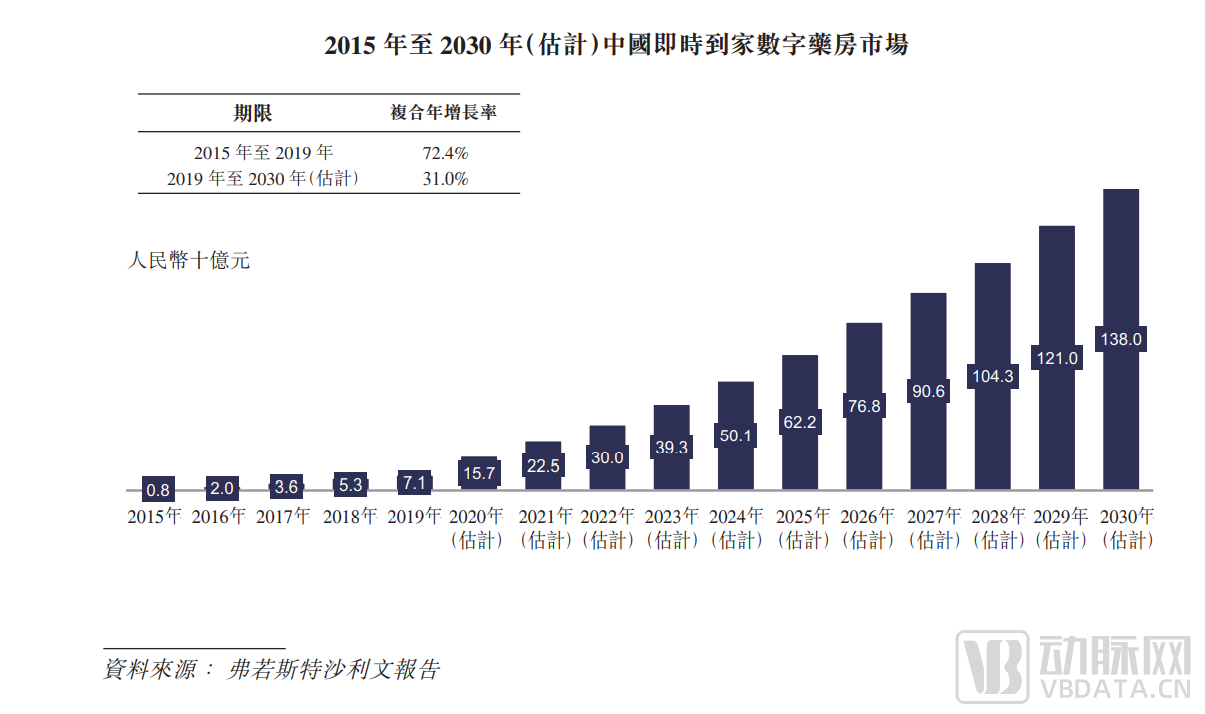
According to the prospectus, the digital pharmacy business comprises pharmaceutical e-commerce (i.e., online pharmaceutical sales) and on-demand home-delivery digital pharmacy services. The key distinction lies in the fact that the on-demand home-delivery digital pharmacy model operates offline smart pharmacies, enabling true immediate home delivery while achieving higher inventory efficiency. Dingdang Medicine currently holds an 8.5% market share, making it the largest player in the on-demand home-delivery digital pharmacy sector.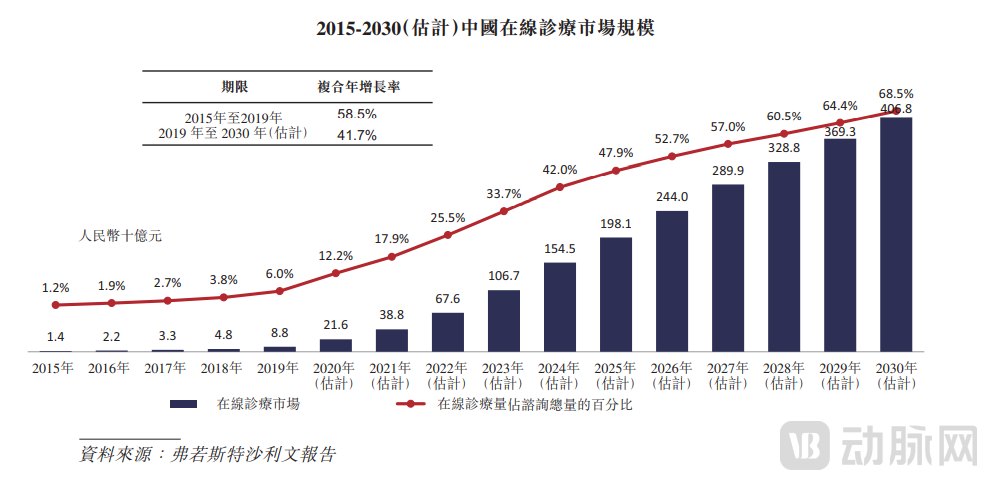
In the online consultation market, the market size is expected to reach RMB 406.8 billion by 2030. In addition, the size of China's chronic disease consultation market is expected to grow significantly over the next decade, surpassing RMB 15 trillion by 2030.
Dingdang Medicine currently has a presence in digital pharmacies, online consultations, and chronic disease and health management within the digital health sector. Judging by the overall development trends of digital health, this field holds immense potential for future growth.
In the past, Dingdang Medicine has reached its current position by leveraging its strong fundraising capabilities, backing from abundant pharmaceutical company resources, and its ability to integrate online and offline resources. We have reason to believe that it can also demonstrate its advantages in a market with more favorable development prospects. How will Dingdang Medicine build a closed-loop ecosystem of “medical care + pharmaceuticals + insurance” in the future to further achieve value growth? This is also a challenge facing the entire industry.