Blue Sail Medical's BioFreedom™ DCS, the First Evidence-Based Drug-Coated Stent for High Bleeding Risk Patients, Launches in China

Bluesail Medical
Producers of Medium-Low Value Consumables and High-Value Medical Devices
On June 24, Bluesail Medical (Stock Code: 002382) announced in a public filing that its classic BioFreedom™ stent has received approval from the National Medical Products Administration (NMPA). This marks the imminent official launch in China of the world’s first polymer-free drug-eluting stent, developed by Biosensors International, the cardiovascular division of Bluesail Medical. The product will provide a specialized drug-eluting stent option for hundreds of thousands of domestic patients at high bleeding risk undergoing PCI treatment each year, bringing significant clinical benefits.
BioFreedom™ is the first stent specifically recommended for patients at high bleeding risk (HBR) to be validated by clinical trials and included in the European cardiovascular treatment guidelines. Its initial publication in The New England Journal of Medicine in 2015 sparked global acclaim, pioneering a new era in the clinical management of HBR patients. After years of rigorous clinical practice and validation through evidence-based research, the BioFreedom™ stent has proven to remain the preferred choice for percutaneous coronary intervention (PCI) in HBR patients, establishing itself as the gold standard for PCI treatment in this population.
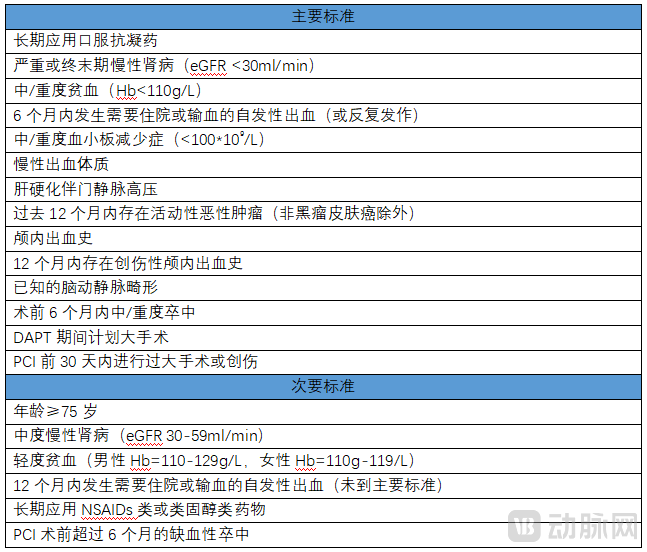
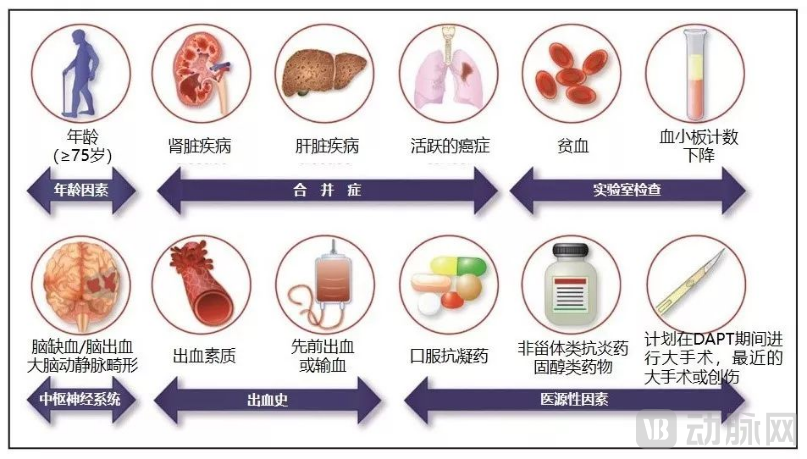
ARC-HBR【Defining High Bleeding Risk in Patients Undergoing Percutaneous Coronary Intervention: A Consensus Document from the Academic Research Consortium for High Bleeding Risk. Circulation. 2019; 140: 240–261. DOI: 10.1161/ CIRCULATIONAHA.119.040167】The statement indicates that a patient is considered to be at high bleeding risk if they meet at least one major criterion or two minor criteria. Patients at high bleeding risk are often also prone to thrombosis; therefore, balancing the risks of bleeding and ischemia in such patients has long been a focal point of concern for clinicians both domestically and internationally.
Perioperative Bleeding in PCI: A Serious Complication That Cannot Be OverlookedPerioperative bleeding during percutaneous coronary intervention (PCI) is a serious complication that cannot be overlooked. Among these complications, intracranial hemorrhage carries a high incidence rate and poor prognosis. Studies show that approximately two-thirds of patients with coronary heart disease have comorbid hypertension; long-term poor blood pressure control can lead to hyaline degeneration of cerebral microarteries and small arteries, as well as the formation of microaneurysms. Furthermore, hepatic and renal insufficiency, impaired coagulation function, and heart failure are all independent predictors of intracranial hemorrhage following antithrombotic therapy. Early identification of patients at high risk of bleeding, selection of safer and more effective PCI stent treatment strategies, or optimization of antithrombotic and anticoagulant regimens are of great significance for improving postoperative outcomes and reducing risks.
According to the latest research, nearly 40% of patients undergoing PCI are classified as having high bleeding risk (HBR) based on the ARC-HBR criteria.【Validation of Bleeding Risk Criteria (ARC-HBR) in Patients Undergoing Percutaneous Coronary Intervention and Comparison with Contemporary Bleeding Risk Scores,eurointervention,2020 Feb 18, DOI: 10.4244/EIJ-D-20-00052】In China, it is estimated that hundreds of thousands of patients with coronary heart disease (CHD) undergo percutaneous coronary intervention (PCI) annually despite being at high risk of bleeding. For these patients, the duration of dual antiplatelet therapy (DAPT) post-procedure needs to be shorter than that for the general PCI population. However, all coronary drug-eluting stents (DES) currently marketed in China require a minimum of six months, or even longer, of DAPT after implantation to ensure a sustained low risk of thrombosis.
The BioFreedom™ stent, combining its proprietary coating-free technology featuring a Selectively Micro-Structured Surface (SMS) with the highly lipophilic patented BA9™ drug, is particularly suitable for high bleeding risk (HBR) patients who cannot tolerate long-term dual antiplatelet therapy (DAPT), enabling the reduction of the DAPT duration from 6–12 months to 1 month.


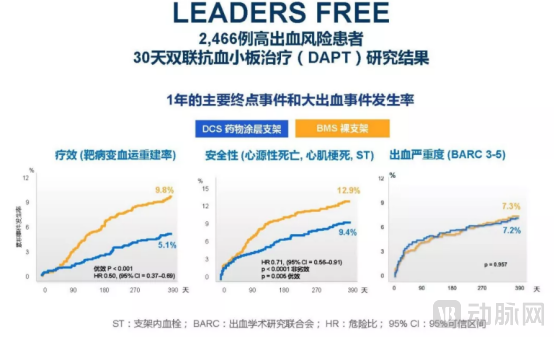
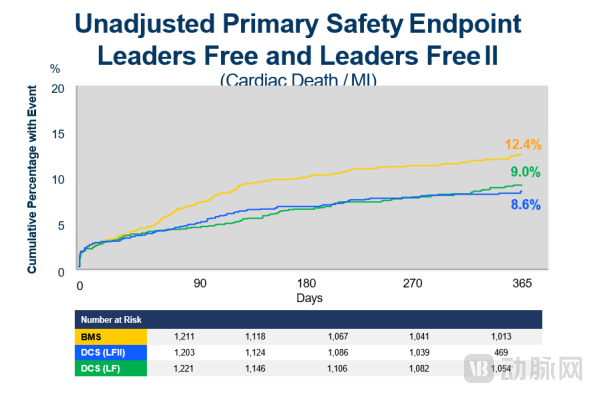
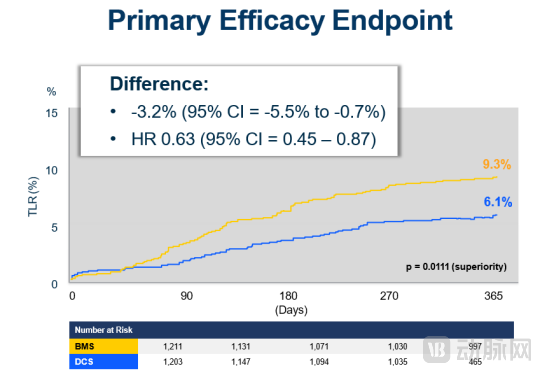
The LEADERS FREE trial, which used the BioFreedom™ stent as the experimental group, was the first in the world to demonstrate that drug-eluting stents can be applied to patients at high bleeding risk (HBR), achieving both superior post-procedural efficacy compared to bare-metal stents (BMS) and long-term safety comparable to BMS. The subsequent LEADERS FREE II trial conducted in the United States further validated the excellent safety profile and superior efficacy of the BioFreedom™ stent in high bleeding risk patients receiving only one month of dual antiplatelet therapy (DAPT).
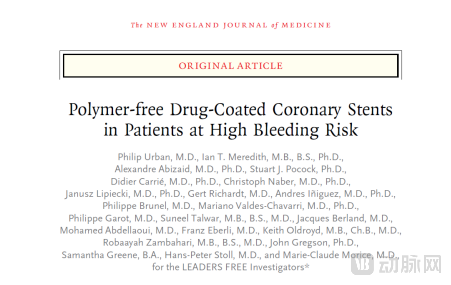
LEADERS FREE Clinical Trials .gov number, NCT01623180. N Engl JMed 2015; 373:2038-2047

Biosensors International’s proprietary patented drug, BA9™, is the world’s only commercially available third-generation rapamycin derivative. It exhibits tenfold greater lipophilicity than conventional rapamycin or its derivatives, enabling effective release and absorption without the need for a carrier. Owing to its unique pharmacological properties, BA9™ has been validated in both clinical practice and large-scale evidence-based studies, whether used in biodegradable polymer-coated stents (the Biomatrix series) or polymer-free stents (the BioFreedom series). Its outcomes have been published five times in top-tier academic journals, including The New England Journal of Medicine and The Lancet.
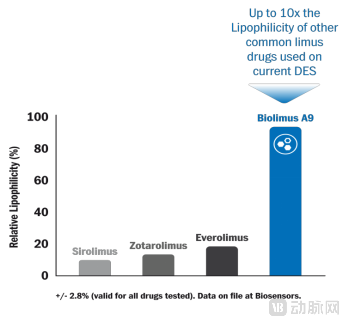
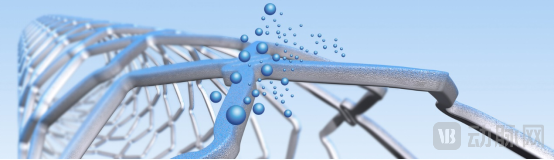
The BioFreedom™ stent utilizes Selective Micro-structure Surface (SMS) technology, which increases the contact area between the stent and the vessel wall, enabling more uniform and consistent drug release. This technology allows the patented drug BA9™ to adhere directly to the micro-structured surface without requiring a drug carrier. By eliminating the need for polymers or other carriers during treatment, it avoids the potential long-term adverse effects of polymers/carriers on the vasculature. Together with the patented BA9™ drug, this design enhances the efficacy and safety of percutaneous coronary intervention (PCI) in high bleeding risk (HBR) patients.
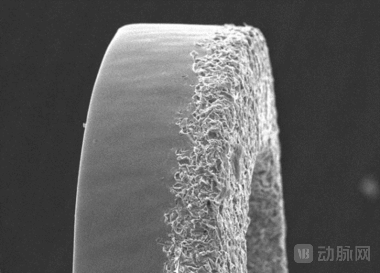
Strut of the Stent Under High-Power Microscopy: Selectively Micro-Structured Surface (SMS) Technology
In 2018, Medtronic conducted a global, head-to-head, randomized, non-inferiority clinical trial involving more than 2,000 cases, using its latest global flagship product, the Resolute Onyx stent, with the BioFreedom™ stent as the control group. The one-year follow-up results of the trial were published in the February 2020 issue of the New England Journal of Medicine. The results demonstrated that the Medtronic Resolute Onyx stent achieved non-inferiority to the BioFreedom™ stent in terms of efficacy and safety.
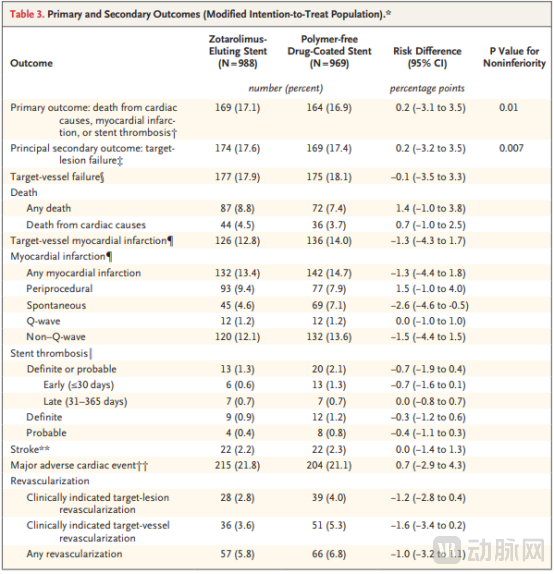
Polymer-based or Polymer-free Stents in Patients at High Bleeding Risk. N Engl J Med 2020;382:1208-18.
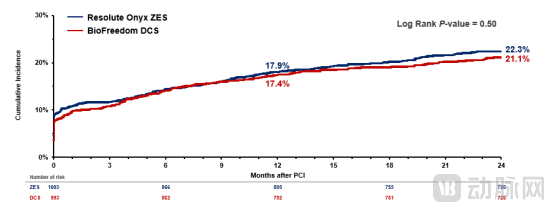
In May 2021, at the ACC 2021 (American College of Cardiology) conference, the 2-year follow-up results of the Medtronic trial demonstrated that the Resolute Onyx stent was non-inferior to the BioFreedom™ stent in terms of safety and efficacy.
Notably, the long-term safety profile of BioFreedom™ improved significantly over time; at 2 years, all-cause mortality and cardiovascular mortality were 22% lower with BioFreedom™ than with Resolute Onyx.
Clinical Outcomes at 2 Years
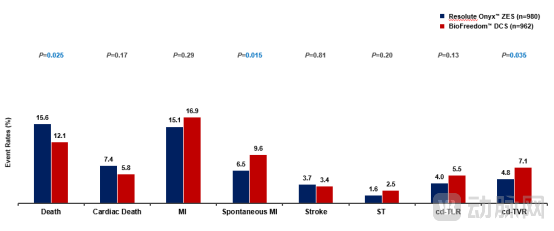
The Resolute Onyx stent is Medtronic’s most advanced flagship product currently available worldwide. Its ultra-thin cobalt-chromium alloy struts have a thickness of only 80 μm, whereas the BioFreedom™ stent, constructed from stainless steel, has a strut thickness of 120 μm. Despite a 33% difference in strut thickness, the BioFreedom™ stent demonstrates comparable safety and efficacy, while showing significant advantages in core endpoints such as all-cause mortality and cardiovascular mortality.
Excitingly, the BioFreedom™ Ultra stent, developed on the basis of BioFreedom™, also utilizes the latest ultra-thin cobalt-chromium alloy material, with strut thickness reduced to 80 μm. It received European CE certification in the second half of 2020 and has entered multiple countries and regions, including France, the United Kingdom, Italy, Denmark, Sweden, South Korea, Thailand, and Hong Kong. The launch of BioFreedom™ Ultra further provides a safer and more effective product option for treating patients at high bleeding risk (HBR). We look forward to the early approval and market launch of BioFreedom™ Ultra in China.
Primary Safety Endpoint Continued to 2 Years(Cardiac Death, MI, ST)
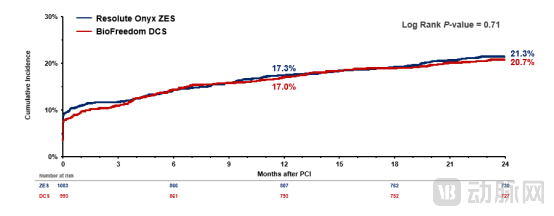
Secondary Endpoint Continued to 2 Years(TLF)