

The Next Frontier in EGFR-Targeted Therapy: Bispecific Antibodies and ADCs
EGFR is a member of the epidermal growth factor receptor family and plays a crucial role in cell growth, development, and differentiation. EGFR is highly expressed in various solid tumors, and drugs targeting EGFR have given rise to several blockbuster medications over the past three decades.
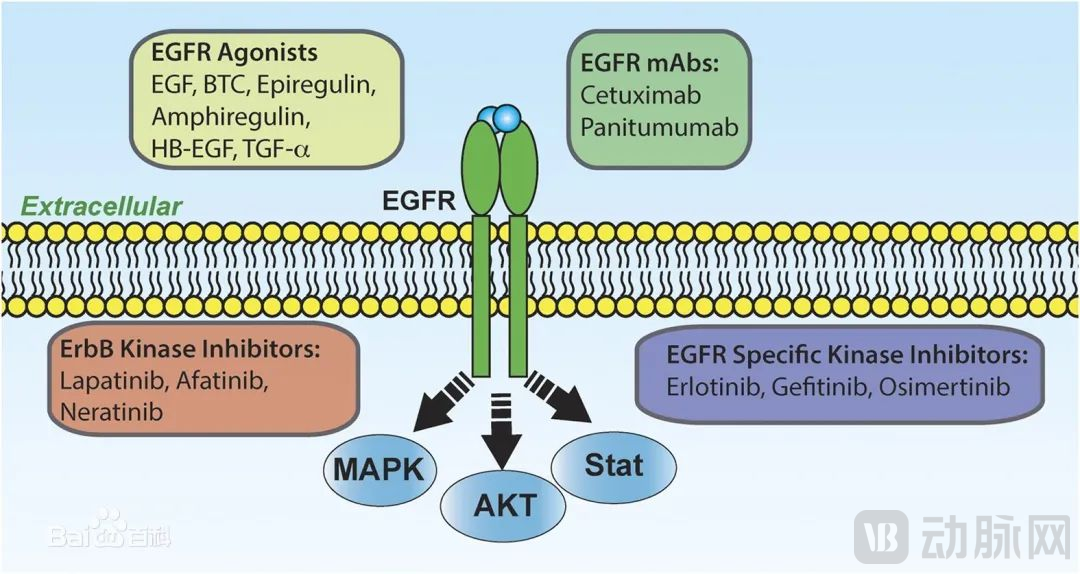
EGFR Pathway and Targeted Therapies
The approval of imatinib in 2001 ushered in a new era for small-molecule tyrosine kinase inhibitors.
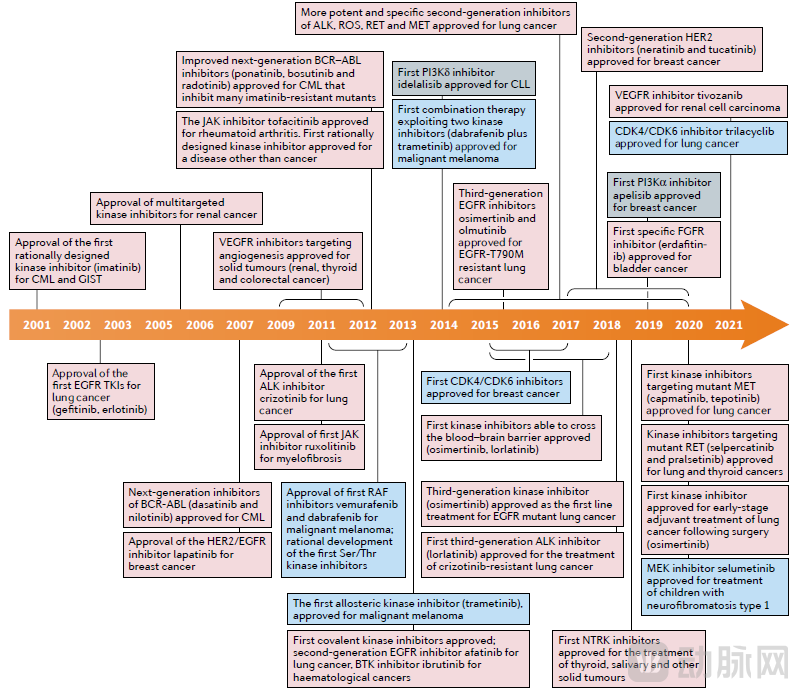
The Development History of Kinase Inhibitors
Since small-molecule therapies often induce mutations that lead to treatment resistance, iterative development involves the continuous creation of next-generation EGFR inhibitors targeting these resistance-conferring mutations.
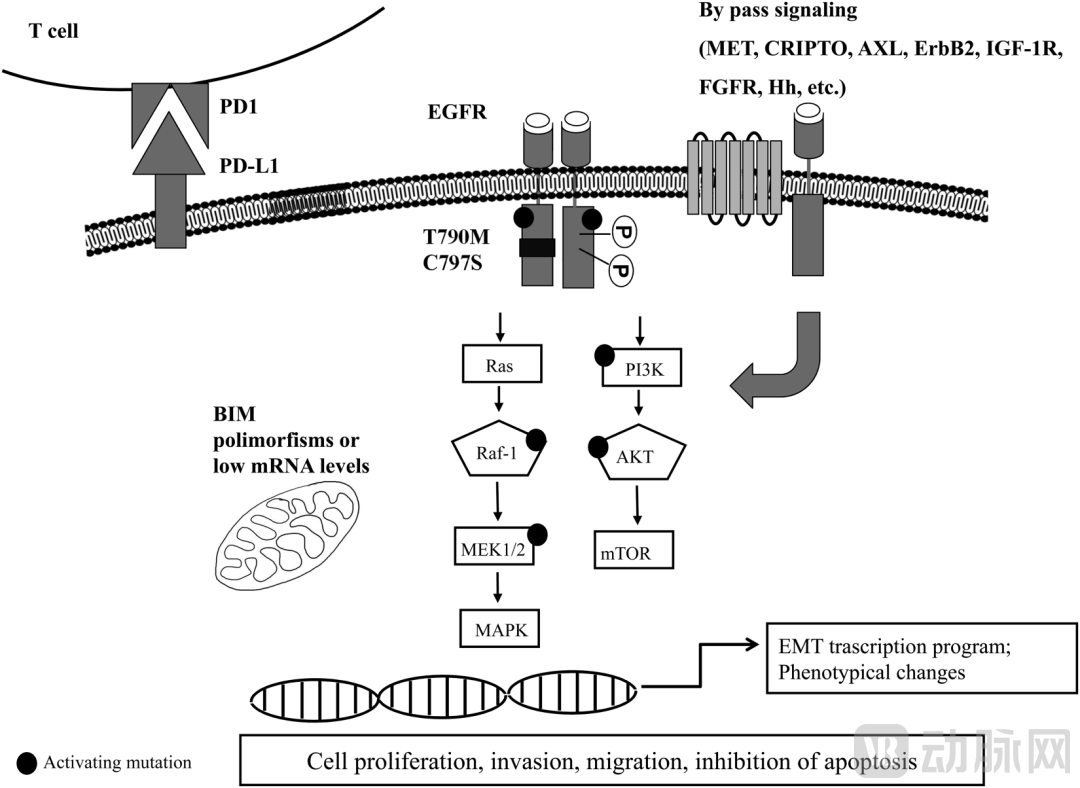
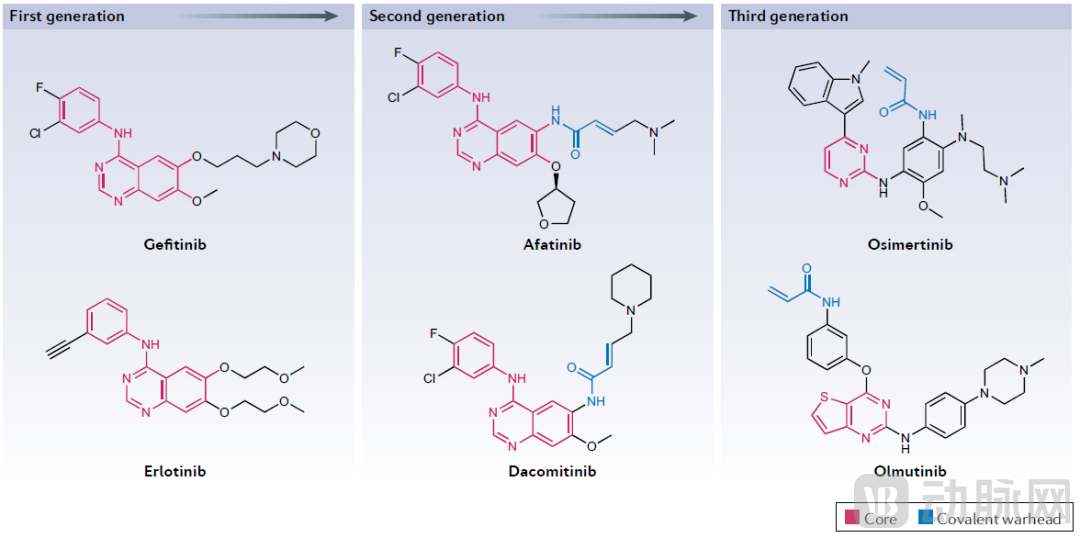
EGFR Resistance Mutations and Iterative Drug Development
Among antibody drugs, cetuximab was approved in 2004 and has demonstrated efficacy against colorectal cancer, lung cancer, nasopharyngeal carcinoma, and other malignancies. However, cetuximab is often combined with chemotherapy to enhance therapeutic outcomes. As a critical kinase target, EGFR remains a focal point of ongoing research and development. Novel antibody formats, particularly bispecific antibodies and antibody-drug conjugates (ADCs), have become important tools in the development of next-generation EGFR-targeted therapies. As previously mentioned, bypass pathway mutations in MET, AXL, and FGFR can also lead to resistance to EGFR-targeted treatments. Consequently, several bispecific antibodies targeting multiple pathways, such as EGFR/HER3 and EGFR/cMET bispecifics, have gradually come to the forefront. On May 21, 2021, the FDA approved Johnson & Johnson’s EGFR/cMET bispecific antibody, amivantamab (brand name: Rybrevant), for the treatment of non-small cell lung cancer (NSCLC) with EGFR exon 20 insertion mutations.
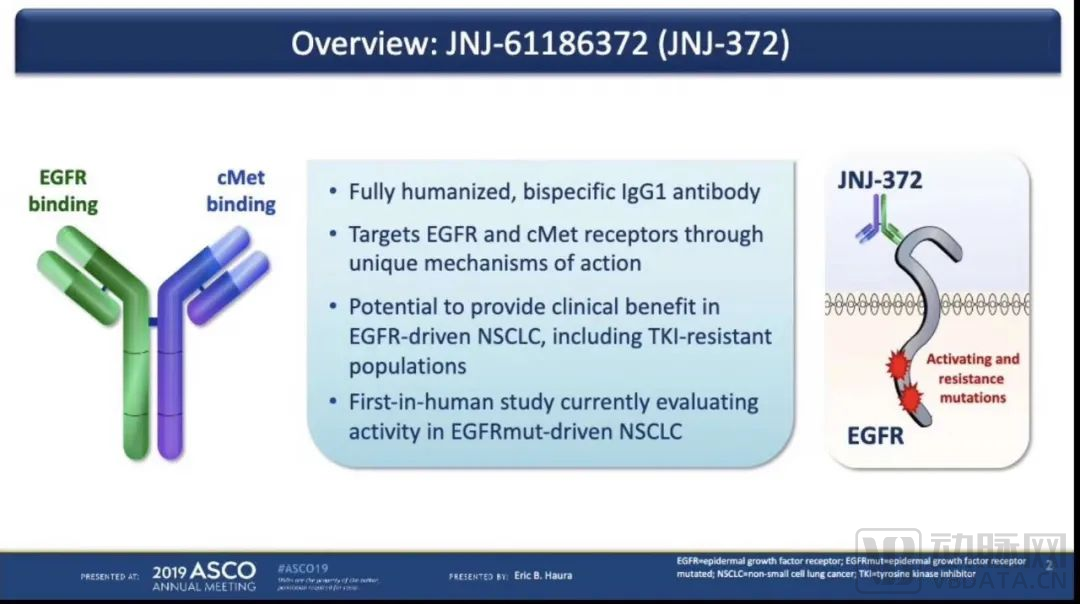
Mechanism of Action of Johnson & Johnson's EGFR/cMET Bispecific Antibody
Furthermore, the unique mechanism of action of ADCs, which involves the direct killing of cancer cells through toxin release following endocytosis, is theoretically effective against many drug-resistant mutations as well.
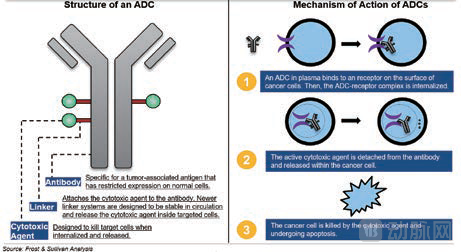
Mechanism of Action of ADCs
In fact, the development of antibody-drug conjugates (ADCs) targeting EGFR has a long history. AbbVie has been extensively engaged in this target for many years, developing multiple EGFR-targeting ADCs, including ABBV-221 and ABT-414 (the latter developed using ADC technology in collaboration with Seagen). Both ABBV-221 and ABT-414 demonstrated potent antitumor activity in preclinical studies and early-phase clinical trials, significantly outperforming cetuximab. ABT-414 utilizes Seagen’s ADC technology, linking the MMAF toxin via a valine-citrulline (vc) cleavable linker. The antibody component targets a cryptic epitope within the CR1 domain of EGFR, which becomes exposed only in abnormally proliferating tumor cells, thereby enabling preferential accumulation of the ADC in tumor tissues.
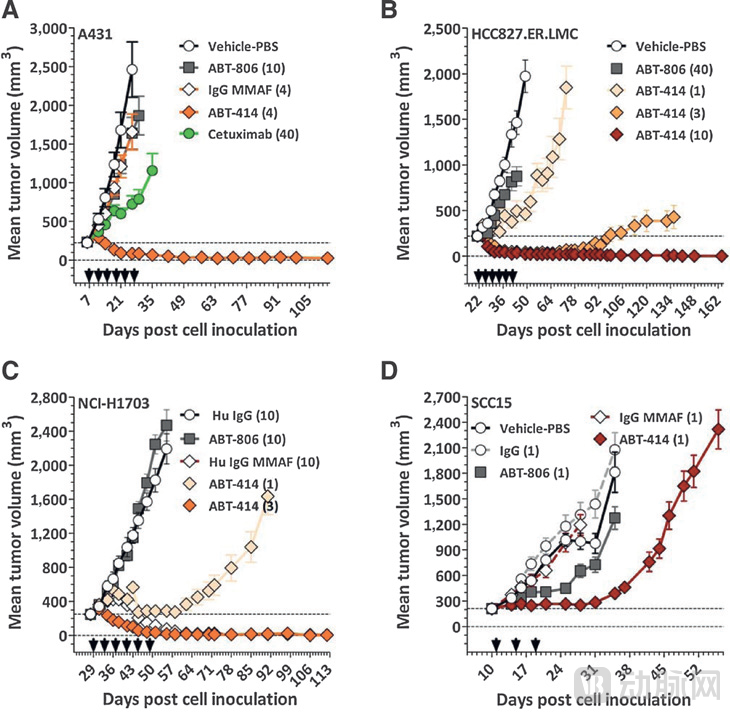
ABT-414 Animal Study Data
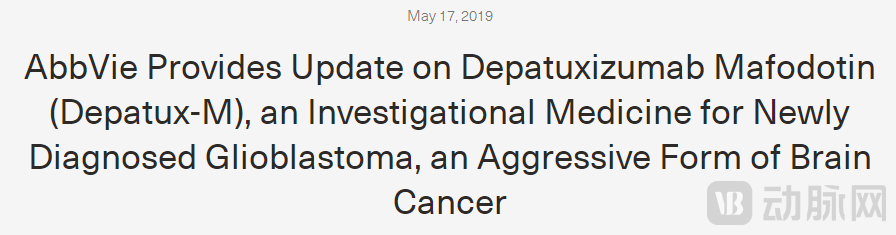
Unfortunately, AbbVie’s two ADC candidates failed sequentially. ABT-414 (generic name: depatuxizumab mafodotin), which primarily targeted glioblastoma multiforme (GBM), failed to meet its primary endpoint in the Phase III clinical trial for GBM, ultimately ending in failure.

In China, several biotechnology companies, including Lepu Biopharma (MRG003), Zhaohua Biologics, Hengrui Medicine (SHR-A1307), and RemeGen (RC68), have laid out strategies for EGFR-targeted antibody-drug conjugates (ADCs). Currently, only Lepu Biopharma’s MRG003 has entered the clinical trial stage. Lepu Biopharma’s EGFR ADC features an innovative design, combining a high-affinity, rapidly internalizing anti-EGFR antibody with a well-established and clinically validated vcMMAE ADC platform, along with a rational drug-to-antibody ratio (DAR) design. This ADC utilizes a valine-citrulline (vc) cleavable linker and the MMAE toxin.
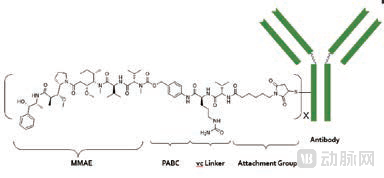
MRG003 Molecular Structure
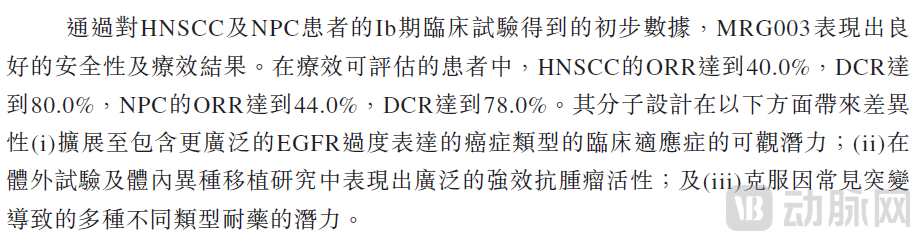
Lepu Biopharma’s MRG003 is primarily being developed for indications in head and neck squamous cell carcinoma (HNSCC), nasopharyngeal carcinoma (NPC), and non-small cell lung cancer (NSCLC). The inclusion criteria for the clinical trials are patients with locally advanced or metastatic disease who have failed standard therapy or are ineligible for standard treatment. In the Phase 1b clinical trial, the overall response rate (ORR) for HNSCC reached 40.0%, and the disease control rate (DCR) reached 80.0%. For the NPC indication, the ORR reached 44.0%, and the DCR reached 78.0%. In comparison, the ORR for Keytruda as a second-line treatment for head and neck cancer is only 18%, highlighting the significant potential of MRG003’s preliminary clinical data.
EGFR: An Enduring Target with Renewed Vitality—Bispecific Antibodies, ADCs, and Even CAR-T (Not Covered in This Article) Continue to Achieve New Breakthroughs. The maturity of the target itself signifies an increasingly clear understanding of its mechanisms, including resistance mechanisms. The diversification of drug modalities reflects the rapid advancement of technology. This represents both new opportunities for well-established targets and new hope for patients.
References
· Mechanisms of resistance to EGFR targeted drugs: lung cancer(2016);
· Characterization of ABBV-221, a Tumor-Selective EGFR-Targeting Antibody Drug Conjugate(2018);
· Discovery of A Novel EGFR-Targeting Antibody–Drug Conjugate, SHR-A1307, for the Treatment of Solid Tumors Resistant or Refractory to Anti-EGFR Therapies(2019);
· ABT-414, an Antibody–Drug Conjugate Targeting a Tumor-Selective EGFR Epitope(2016);
· Development of a Novel EGFR-Targeting Antibody-Drug Conjugate for Pancreatic Cancer Therapy(2019);
· Tumor-targeting anti-EGFR x anti-PD1 bispecific antibody inhibits EGFR-overexpressing tumor growth by combining EGFR blockade and immune activation with direct tumor cell killing(2021).