

Zhonghong Boyuan Biotechnology Files IPO Prospectus: Pioneering Preclinical CRO Services Centered on Human Disease Animal Models
According to the regulations of China’s National Medical Products Administration (NMPA): “Newly developed drugs classified as Class II or higher must obtain reliable data from non-human primate experiments before entering clinical trials. Meanwhile, neurological, psychiatric, anesthetic, and biological products, among others, are required to undergo non-human primate testing and receive approval before proceeding to human clinical trials.” This indicates that research on alternatives to experimental animals is an essential step in the drug development process, thereby creating a relatively inelastic market demand for animal models of human diseases and their associated technical services.
Experimental animal models are an indispensable core biological resource for scientific research and biopharmaceutical R&D in China. In particular, in response to the sudden outbreak of COVID-19 in early 2020, the SARS-CoV-2 animal models developed by Chinese scientists made significant contributions to the rapid development of drugs and vaccines and to epidemic control. Responding to the call from the Central Committee of the Communist Party of China to strengthen core technological capabilities, Jiangxi Zhonghong Boyuan Biotechnology Co., Ltd. has established more than 206 disease animal models, emerging as a leading enterprise in China in the development of disease animal models.
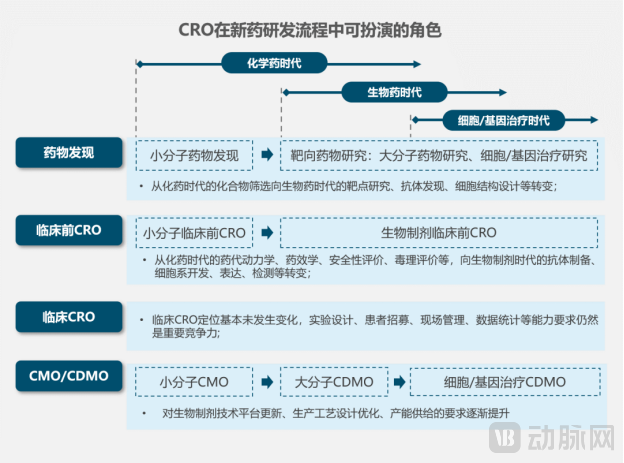
Jiang Bin, founder of Zhonghong Boyuan, believes that the following three issues need to be addressed in China’s current disease animal model industry:
“First,, the technology for constructing standardized animal models urgently needs optimization and refinement. The construction of animal models for special diseases is characterized by high difficulty, poor stability, and a high failure rate; various animal models available on the market can be described as “easy to start but difficult to master.”Secondly,, as animal models primarily involve live animals, strict control over operational procedures and quality indicators is required, resulting in exceptionally high standards;Finally, China’s regulatory framework for the laboratory animal industry remains incomplete, lacking standardized operating procedures, which makes it difficult to obtain reproducible and stable animal models.
“Although there are approximately 55,000 animal species associated with human diseases, only about 500 have documented disease models. Therefore, there is significant room for improvement and optimization within these 500 models,” Jiang Bin told VCBeat. He explained that the ideal animal model should closely mimic humans. His team aims to minimize interference during the handling of animal models through their own methods, which was one of the original motivations behind Jiang Bin’s establishment of Zhonghong Boyuan.
Specializing in the R&D and preparation of disease animal models, with a cumulative coverage of 206 animal modeling types.
In 2015, Jiangxi Zhonghong Boyuan Biotechnology Co., Ltd. was established as a contract research organization (CRO) specializing in the development and preparation of animal models of human diseases as its core offerings, while providing pharmacodynamic, pharmacokinetic, and non-GLP toxicology evaluation services for drug registration applications. Leveraging its extensively validated library of animal disease models, extensive experience in in vivo pharmacology studies using laboratory animals, and a professional research team, Zhonghong Boyuan has gained a leadership advantage and established technical barriers in the highly demanded field of animal experimentation.
Its animal model possesses the following characteristics:
1. Large Laboratory Space. Zhonghong Boyuan currently operates a 10,000 m² experimental base, including a 4,000 m² animal laboratory. This spatial advantage facilitates the execution of orders.
II. A Wide Variety of Animal Models. A total of 206 animal models have been established, covering ten major systems including respiratory, digestive, cardiovascular, urinary, skeletal, dermatological, neurological, endocrine, and reproductive systems, thereby aligning with the clinical departments and services offered by hospitals.
3. Rigorous Quality Control System for Models. The Animal Experiment Center has established a comprehensive set of quality control protocols and Standard Operating Procedures (SOPs) to ensure the consistency of model induction in each animal within the same group, thereby guaranteeing that samples collected for subsequent assays are comparable, which ultimately ensures the stability and reliability of the overall experimental results.
IV. Establish a Model Animal R&D Center. The company has set up a specialized team dedicated to the research and development of model animals, focusing on overcoming challenges associated with complex disease modeling. The R&D lead is a postdoctoral researcher who returned to China after studying in Singapore, and all team members possess over three years of experience in animal model establishment.
5. Abundant Professional Animal Model Development Technicians. The professional animal model development team comprises over 100 members, capable of performing both model creation and testing, thereby helping clients achieve integrated order fulfillment.
VI. Establish a Teaching and Mentoring Service Platform. Based on the types of disease models currently developed, those with high technical difficulty can be taught to client students through the teaching platform.
VII. Comprehensive Range of Animal Models. The experimental animals used for model establishment include not only common small animals (rats, mice, nude mice, guinea pigs, and rabbits) but also large animals (Beagle dogs, goats, and miniature pigs).
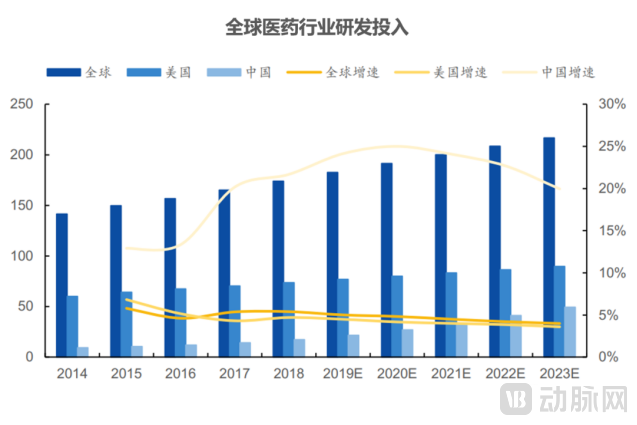
Zhonghong Boyuan Company Summary: All hospitals, universities, pharmaceutical companies, medical device manufacturers, aerospace entities, functional food producers, cosmetics brands, health supplement providers, and other sectors involved in R&D for human use inevitably rely on animal models.
For hospitals, it is necessary to customize animal models for specific diseases to closely align with real-world clinical needs. A comprehensive, end-to-end integrated service that combines custom animal model development with follow-up CRO (Contract Research Organization) support can help hospitals effectively enhance R&D efficiency, ensure data accuracy, and practically meet clinical demands.
At research-oriented universities and institutes, laboratory animals can meet the institutions’ own needs for research, testing, and teaching. Stable laboratory animal models can provide robust support for research projects at universities and scientific research institutes, shorten experimental cycles, accelerate project progress, ensure the reliability of experimental results, and facilitate the translation of scientific achievements.
Finally, for large pharmaceutical R&D enterprises, a robust laboratory animal support system can provide a platform for testing and translation in the biopharmaceutical industry. Zhonghong Boyuan’s CRO outsourcing services for experimental testing help pharmaceutical companies accelerate drug market entry and improve cost control, thereby enabling downstream medical institutions to focus their business efforts on R&D.
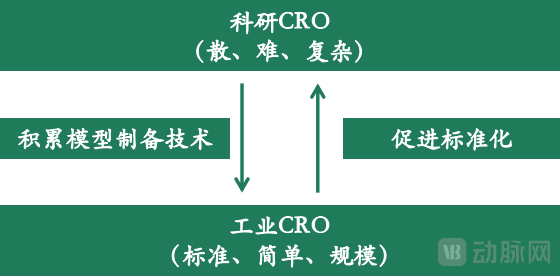
Market Operation Model: Complementary Demands from Dual Customer Segments Drive Mutual Growth of Both Businesses
Meanwhile, by undertaking scientific research CRO projects, the company can develop the latest human disease animal models at a lower R&D cost and has already accumulated preparation methods for over 206 types of disease animal models. Due to its strong scientific innovation capabilities, Zhonghong Boyuan is expected to add 60 new types of disease animal models annually, aiming to become the most comprehensive and largest library of human disease animal models in China within five years.
Amidst the current stringent quality control standards for animal model development, Zhonghong Boyuan has introduced Charles River’s internationally leading quality control system. This system implements rigorous monitoring of the six key technical elements—Man, Machine, Material, Method, Environment, and Measurement (5M1E)—that influence test results. The company regularly invites external experts to conduct on-site assessments of its quality control, technology, process workflows, and services, thereby continuously enhancing its overall capabilities. Furthermore, Zhonghong Boyuan holds regular technical skill competitions and fundamental operational stability assessments for its technical staff to ensure consistency in personnel operations and minimize the impact of human factors on results.
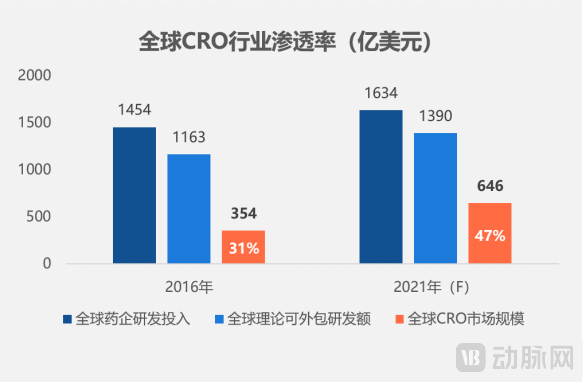
Currently, Zhonghong Boyuan has filed 17 patent applications related to animal modeling technologies, and the company plans to accelerate its development by filing an additional 20 patent applications annually. Types of animal models offered by Zhonghong Boyuan:
(1) Animal models of diseases related to the eyes, ears, mouth, and nose: sinusitis, uveitis, dry eye disease, allergic rhinitis, corneal alkali burns, myopia, otitis media, diabetic retinopathy, cataract models, periodontitis, etc.
(II) Animal Models of Respiratory Diseases: Pulmonary Fibrosis, Acute Lung Injury, Airway Allergic Diseases, Asthma, Pulmonary Edema, Pulmonary Ischemia-Reperfusion Injury, Bronchopulmonary Dysplasia, Chronic Obstructive Pulmonary Disease, Sinusitis, etc.
(3) Animal models of skin-related diseases: dermatitis model, burn sepsis, diabetic wound model, psoriasis, deep second-degree burn, frostbite model, allergic skin diseases, skin scarring model, acne model, etc.
(4) Cardiovascular and cerebrovascular disease models: atherosclerosis, myocarditis, myocardial infarction, aortic dissection, heart failure, hereditary hypertension, pulmonary arterial hypertension, abdominal aortic aneurysm, varicocele, etc.
(5) Neurological Disease Models: Spinal Cord Injury, Parkinson’s Disease Model, Alzheimer’s Disease, Depression, Epilepsy Model, Cerebral Hemorrhage, Sciatic Nerve Compression Experiment, Migraine Model, Complete Spinal Cord Transection Injury, etc.
(6) Endocrine disease models: spontaneous type 2 diabetes model, type 2 diabetes, type 1 diabetes, obesity, Hashimoto's thyroiditis model, hyperthyroidism model, insulin resistance model, etc.
(7) Digestive System Disease Models: Colitis/Colon Cancer, Total Parenteral Nutrition (TPN), Acute Pancreatitis, Sepsis, Reflux Esophagitis, Intestinal Obstruction, Non-Alcoholic Fatty Liver Disease, Neonatal Colitis Models, etc.
(8) Reproductive system disease models: endometriosis, autoimmune spontaneous abortion model, gestational hypertension, bacterial vaginosis model, benign prostatic hyperplasia model, bacterial vaginosis model, diabetic erectile dysfunction, etc.
(9) Musculoskeletal disease models: drug-induced osteoarthritis, osteoporosis, tibial fracture, avascular necrosis of the femoral head, surgically induced osteoarthritis, rheumatoid arthritis, large-segment radial bone defect, knee arthritis, etc.