

Digital Therapeutics Industry China Tour Hangzhou Stop: Seizing First-Mover Advantage in a Blue Ocean Market
June 24 and June 25, 2021,China's First Formal Organization for Digital Therapeutics—The Preparatory Committee for the Digital Therapeutics Systems Engineering Professional Committee of the China Association for Promotion of Rehabilitation Technology Translation and Development(hereinafter referred to as the “Preparatory Committee for the Specialized Committee”), launched the fourth phase of the “Digital Therapeutics Industry Tour in China” in Hangzhou, adopting a format that combined visits to benchmark enterprises with a city summit.
This event is organized byPreparatory Committee for Digital Therapeutics Systems Engineering, China Association for the Promotion of Rehabilitation Technology Translation and DevelopmentHosted by:VCBeat, Yuanyi Capital, Takeda (China), Viatris, Weimai, Fosun Pharma, Sanofi (China), Zhilan HealthCo-organized by;Tasly, Senmei Medical, Huanuo Zhisheng, Miao Health, Shukang, Yuanxin Technology, Rendong Medicine, Tigermed Jietong, Good Doctor Hui, Bostek Technology, GuyitangCo-organizer;Yongliu Technology, Yunkai Asia, ALSOLIFE, BlueRun VenturesSupport.
1Benchmarking Enterprise Visit
The fourth edition of the "Digital Therapeutics Industry China Tour" aims to engage advanced and exemplary digital therapeutics companies to play a leading role in the industry. This edition features two innovative local enterprises in Hangzhou that have strategically positioned themselves in the digital therapeutics sector,WeimaiandZhilan HealthAs a site visit destination. Weimai is one of China’s Top 10 Internet Healthcare Innovators, listed among CB Insights’ Global Digital Health 150, and is the largest city-level “Internet + Healthcare” service platform in China. Zhilan Health, in collaboration with Nanfang Hospital of Southern Medical University and with strong support from the Chinese Foundation for Hepatitis Prevention and Control, developed Xiao Beike, China’s first mobile app for managing mother-to-child transmission (MTCT) blockade of hepatitis B. On November 20, 2019, it received the Medical Device Registration Certificate for “Assistant Management Software for Mother-to-Child Transmission Blockade of Hepatitis B” issued by the Zhejiang Provincial Medical Products Administration. Following the implementation of the new catalog, it stands out in China’s field of liver disease prevention and control asThe first registration certificate for a mobile app-based medical device officially approved for market launch.
Benchmarking Corporate Visit — Weimai
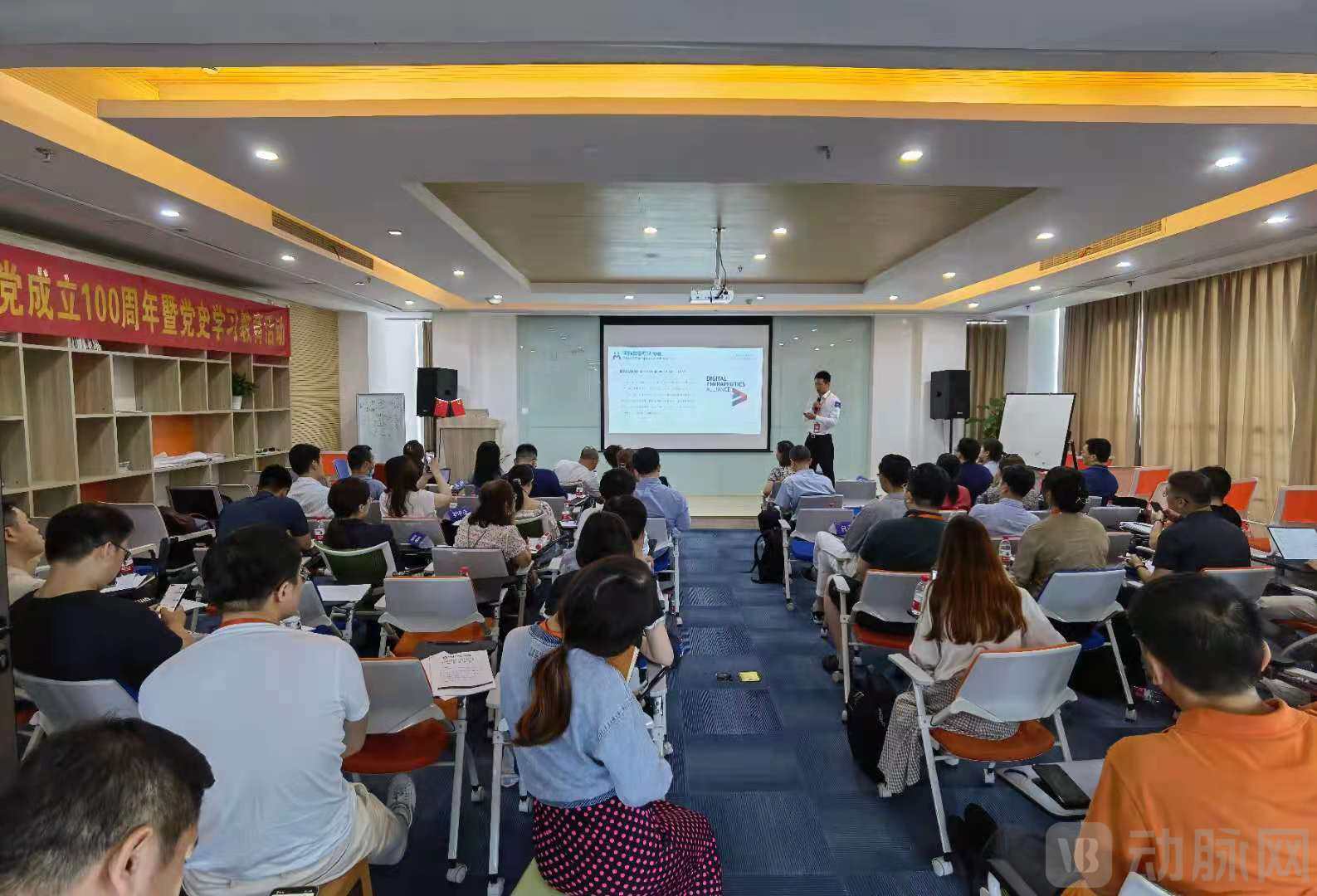
(Weimai Guest Sharing)
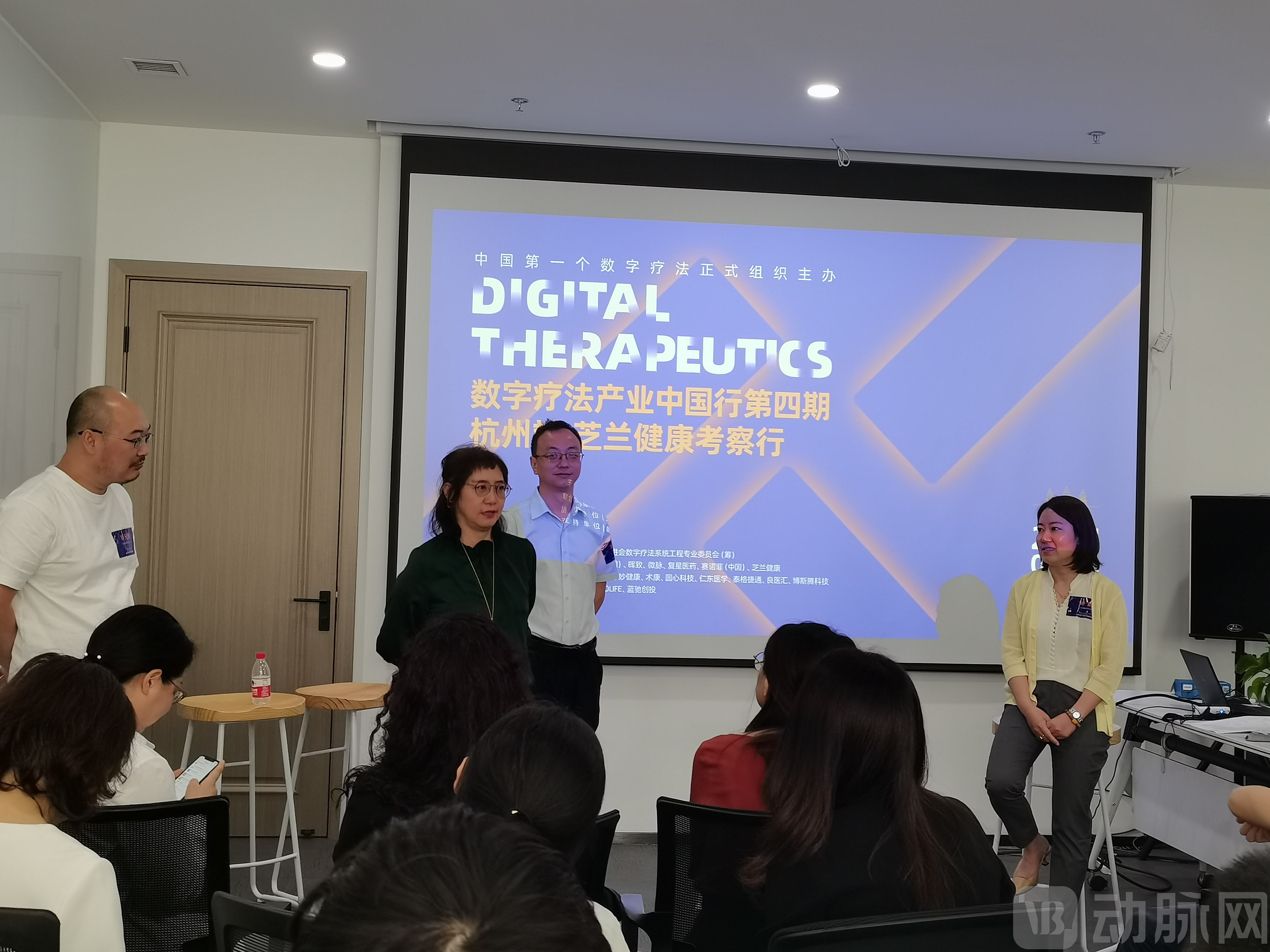
(Zhilan Health Discussion Session)
2Digital Therapeutics Hangzhou City Summit
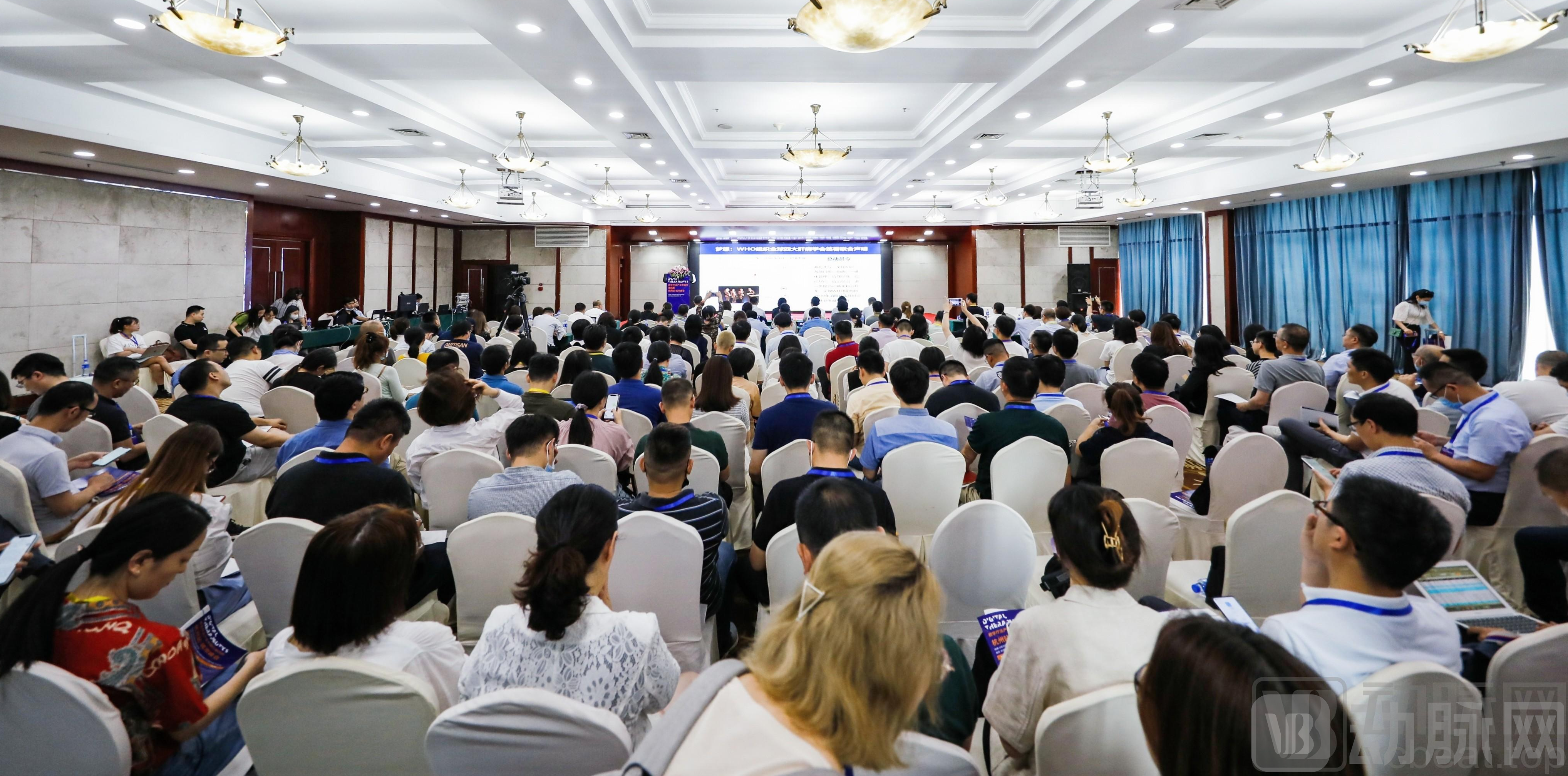
As a premier event for the digital therapeutics industry, the City Summit aims to invite renowned clinical experts, investment institutions, and leading enterprises from sectors such as pharmaceuticals, medical devices, smart equipment, and healthcare big data for exchanges and discussions. The agenda features in-depth interpretations by authoritative industry experts and insightful shares from prominent entrepreneurs. On June 25, the Hangzhou City Summit on Digital Therapeutics welcomedProfessor Hou Jinlin, Director of the Department of Infectious Diseases at Nanfang Hospital, Southern Medical University; Yang Han, Deputy Secretary-General and Head of Strategic Development at the China Association for Promotion of Rehabilitation Technology Transformation and Development; Yang Ruirong, Partner at Yuanyi Capital; Ying Li, Vice President of Weimai and General Manager of its Medical Center;Chief Operating Officer, Hangzhou Zhilan Health Co., Ltd.Wang Haiwei;Cao Qun, Founder and Chairman of Xinjing Technology;WeimaiBai Yan, Director of Public Affairs at the AI Digital Therapeutics Center;Peng Yifei, General Manager of Tigermed Jietong;Founder of UBrain,CEO: Liu Wenzhe;Founder of Huizhong Respiratory andCEO Gao Yunlong(Listed in the order of appearance) Take the stage to share.
>>>>
Yang Han | Address
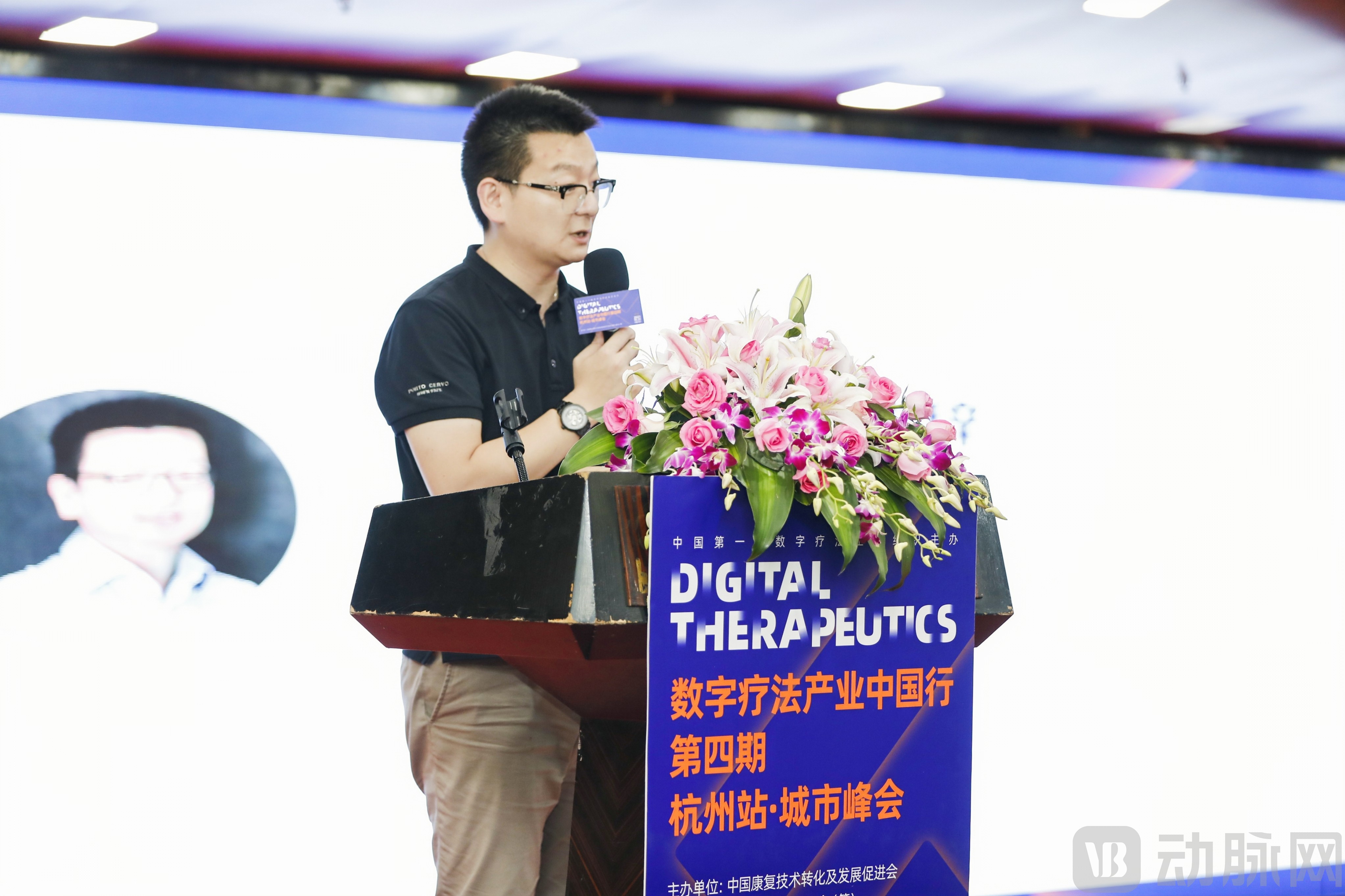
Yang Han, Deputy Secretary-General and Head of the Strategic Development Department of the China Association for Promotion of Rehabilitation Technology Transformation and Development
As a national-level industry association, the China Association for Promotion of Rehabilitation Technology Transformation and Development is actively responding to the call of the Healthy China Strategy and embracing the digital healthcare wave. We are preparing to establish the Professional Committee on Digital Therapeutics and Systems Engineering, collaborating with VCBeat and Yuanyi Capital to drive the development of the digital therapeutics industry. Through this committee, we aim to integrate experts, scholars, and leading enterprises within the industry to formulate technical standards and clinical pathways, promote technological innovation and clinical application in the healthcare sector, regulate the market, and enhance industry self-discipline. Furthermore, we look forward to contributing to the nation’s industrial development by incubating more high-quality enterprises, fostering industrial clusters, and working with local governments to systematically build an integrated platform for research, education, and production in the field of digital therapeutics.
Hou Jinlin | Little Shell Digital Health: Practical Cases from Dream to Reality
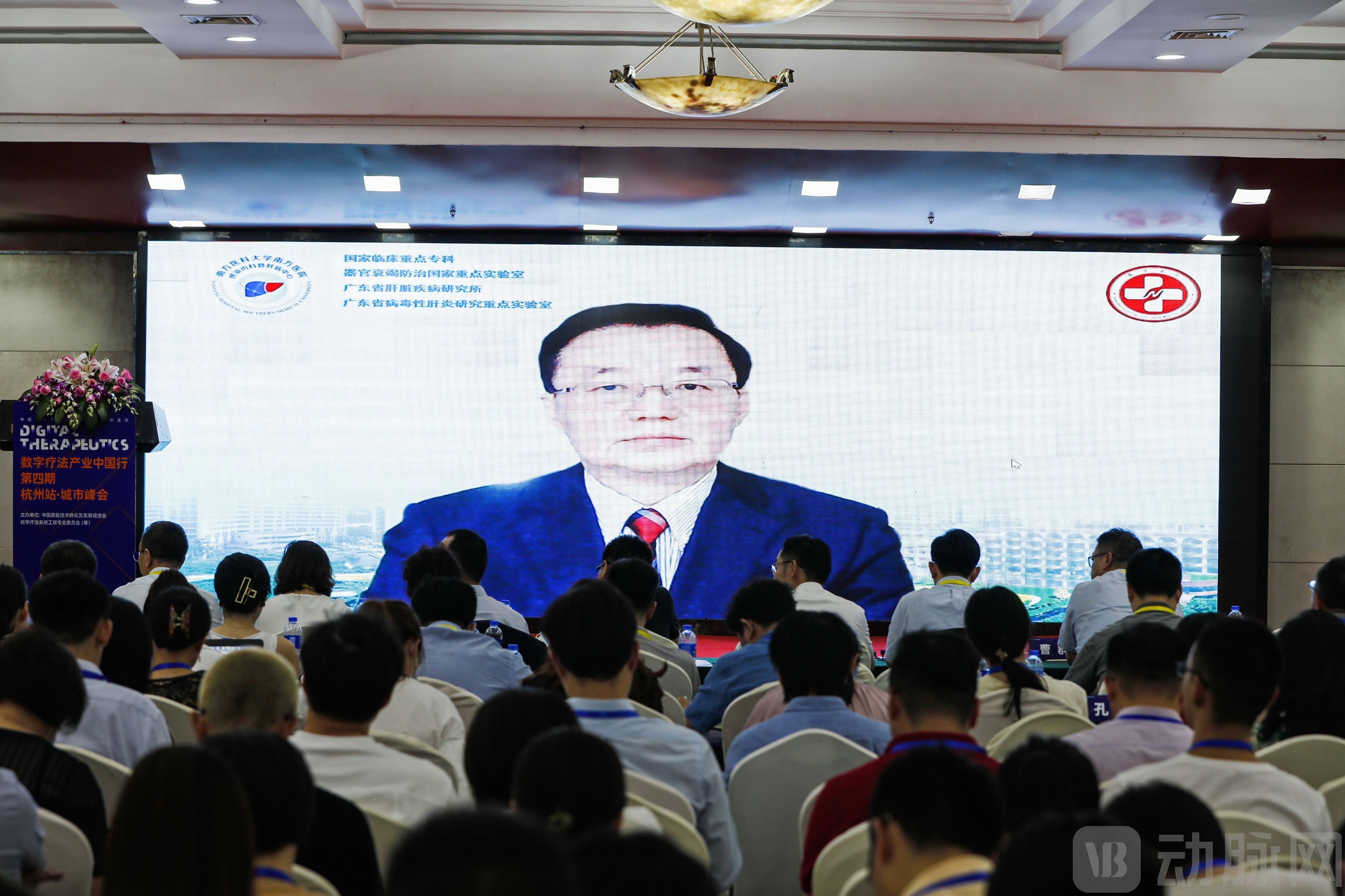
Director, Department of Infectious Diseases, Nanfang Hospital, Southern Medical UniversityHou JinlinProfessor
Software- and Evidence-Based “Little Shell” Project for Zero Mother-to-Child Transmission of Hepatitis B Is Turning Dreams into Reality
China has a large population of women of childbearing age with hepatitis B, making the prevention of mother-to-child transmission (MTCT) of hepatitis B a formidable task. Leveraging software solutions and evidence-based medicine, Xiao Beike enhances physicians’ efficiency in patient management, improves adherence among pregnant women with hepatitis B, and optimizes follow-up management. By promoting the international adoption and updating of clinical protocols for preventing MTCT of hepatitis B, and by integrating these practices across China to reach countless households, Xiao Beike is turning the goal of zero MTCT of hepatitis B into reality.
Yang Ruirong | Digital Therapeutics: Reflections at the Forefront

Yang Ruirong, Partner at Yuanyi Capital
Select disease areas that offer both clinical and commercial value, empowering future leaders in digital therapeutics to create greater value for industry stakeholders
Multiple stakeholders are driving the rapid development of the digital therapeutics industry. Digital therapeutics are creating incremental value for key stakeholders in the healthcare sector, with many practitioners already embarking on value-creation journeys across various disease areas. Leading overseas digital therapeutics companies and high-quality domestic portfolio companies are rising with the tide.
Ying Li | Internet+ Whole-Course Disease Management and Digital Therapeutics
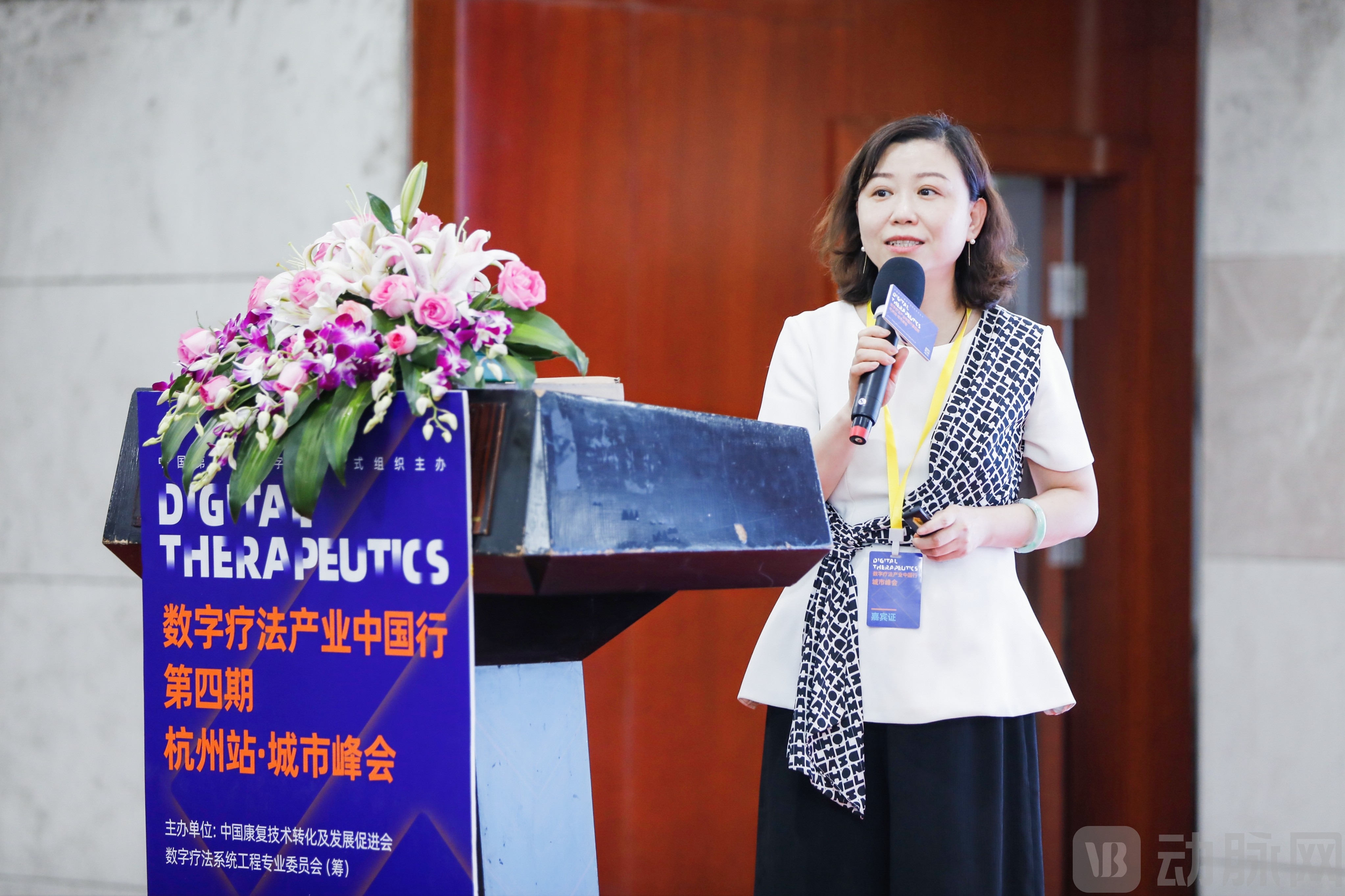
Ying Li, Vice President of Weimai and General Manager of the Medical Center
Illuminating Medicine with Technology: Digital Therapeutics Navigate Clinical Service Pathways to Deliver Compassionate Healthcare
2021 marked the inaugural year of digital therapeutics (DTx) in China. Weimai leveraged its independently developed Kailin Sande full-course disease management system and Neumann AI architecture to integrate hospital electronic medical records (EMR) with real-world data (RWD). This integration supports the accumulation and analysis of research data, empowering hospital experts and scholars in study design, statistical analysis, consensus building, and more. By precisely addressing the pain points of various stakeholders—including the government, hospitals, physicians, and patients—Weimai ensures a mutually beneficial outcome for all parties. Furthermore, Weimai pioneered the digital therapeutics theory expressed as (EMR + RWD) / Neumann AI = DTx, facilitating the transformation of internet healthcare from mere "connectivity" to active "intervention."
Wang Haiwei | Sharing Experience in the Approval of Xiaobeike Digital Therapeutics
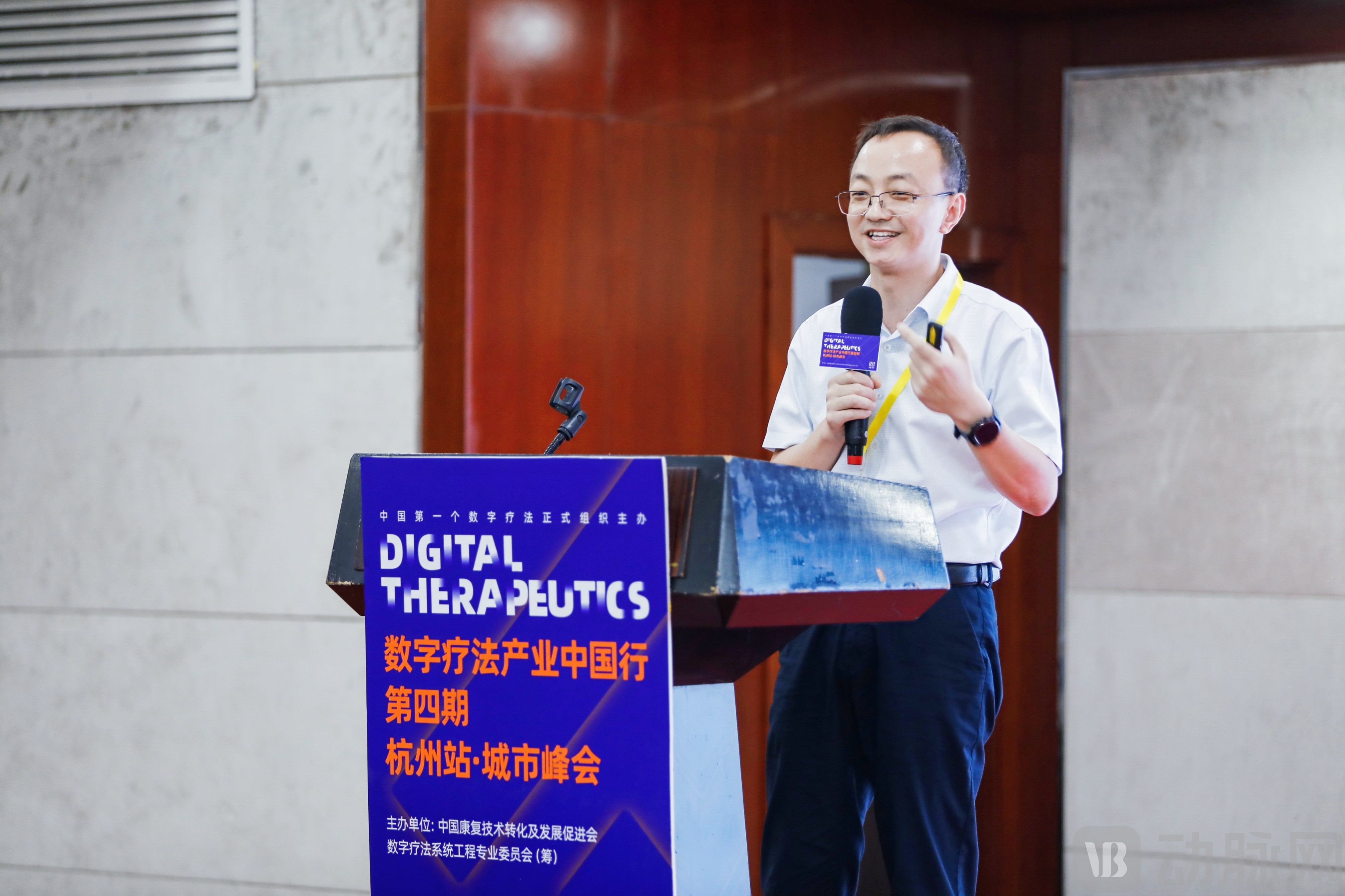
Wang Haiwei, Chief Operating Officer of Hangzhou Zhilan Health Co., Ltd.
Xiao Beike is the first mobile digital therapeutics product in China to obtain a Class II medical device certification. Driven by digital technology, it provides comprehensive management for hepatitis B-positive mothers and their infants, significantly improving the success rate of preventing mother-to-child transmission of hepatitis B.In this process, by facilitating real-world research, we have achieved multiple outcomes in disease diagnosis, treatment, prognosis, and public health decision-making. Furthermore, we have provided evidence-based medical support for national and international guidelines on the prevention of mother-to-child transmission (PMTCT) of hepatitis B, playing a pivotal role in global efforts to prevent and control new hepatitis B infections.
Cao Qun | Exploring the Application of VR Technology in Digital Therapeutics
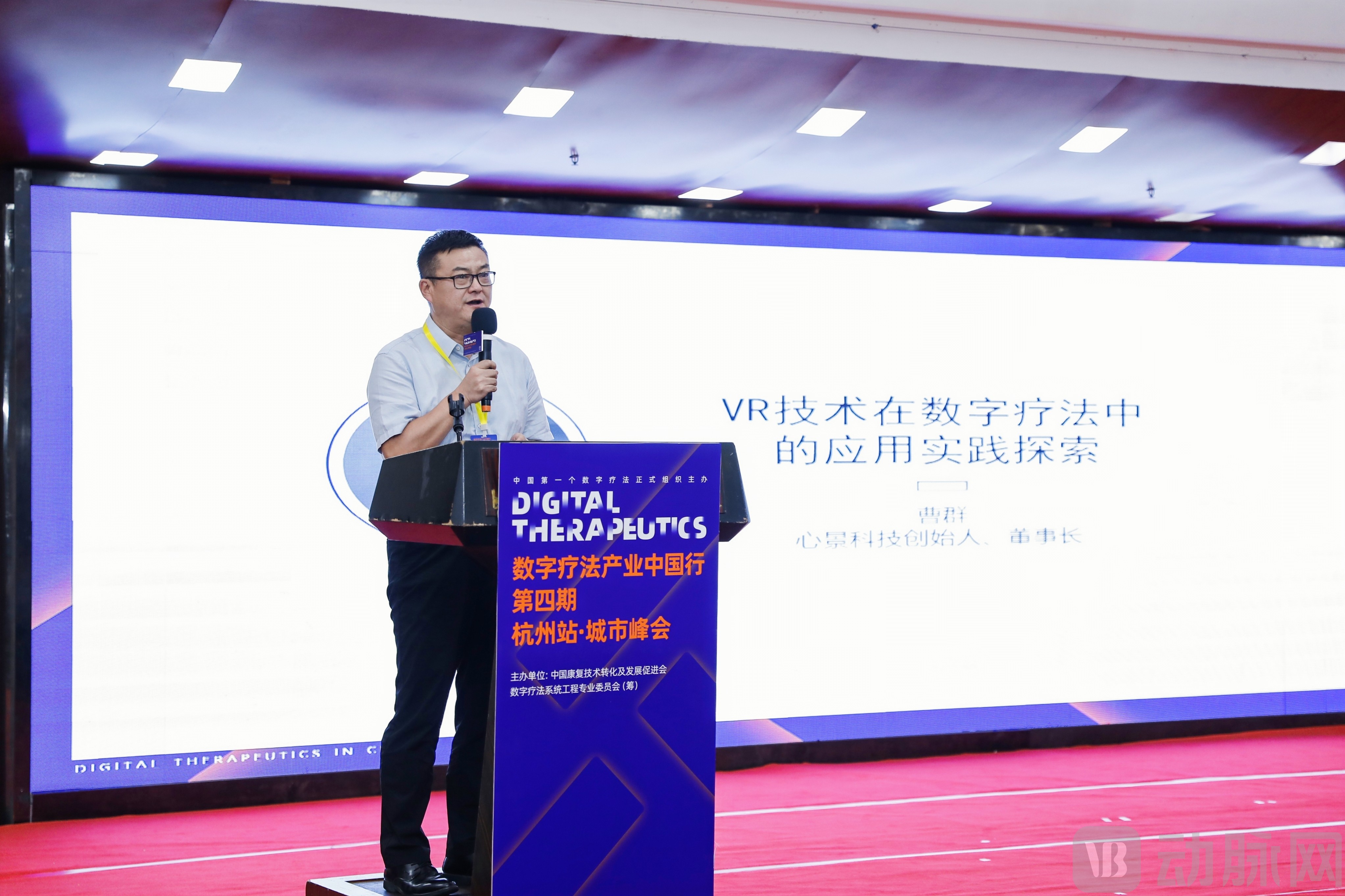
Cao Qun, Founder and Chairman of Xinjing Technology
The Mental Health DTx Training System is built upon the clinical practice of expert physicians, psychological research, and the continuous advancement of virtual reality technology.
The NMPA has specifically added a new Class II medical device product name: “Software for Adjunctive Treatment of Sleep Disorders.” The mental health DTx training system is indicated for the treatment of patients with insomnia and anxiety; the substance dependence and addiction DTx series is indicated for addiction withdrawal in patients with substance dependence, such as those undergoing drug or alcohol cessation; the pediatric attention DTx training and rehabilitation system is indicated for the treatment of attention-deficit/hyperactivity disorder (ADHD) and tic disorders; and the geriatric cognitive rehabilitation DTx system is indicated for rehabilitative training in older adults with cognitive impairment. The product portfolio, centered on these four major systems, has been implemented and is in clinical use at more than 100 Grade A tertiary hospitals across China.
Roundtable: Exploring the Path to Value Realization in Digital Therapeutics
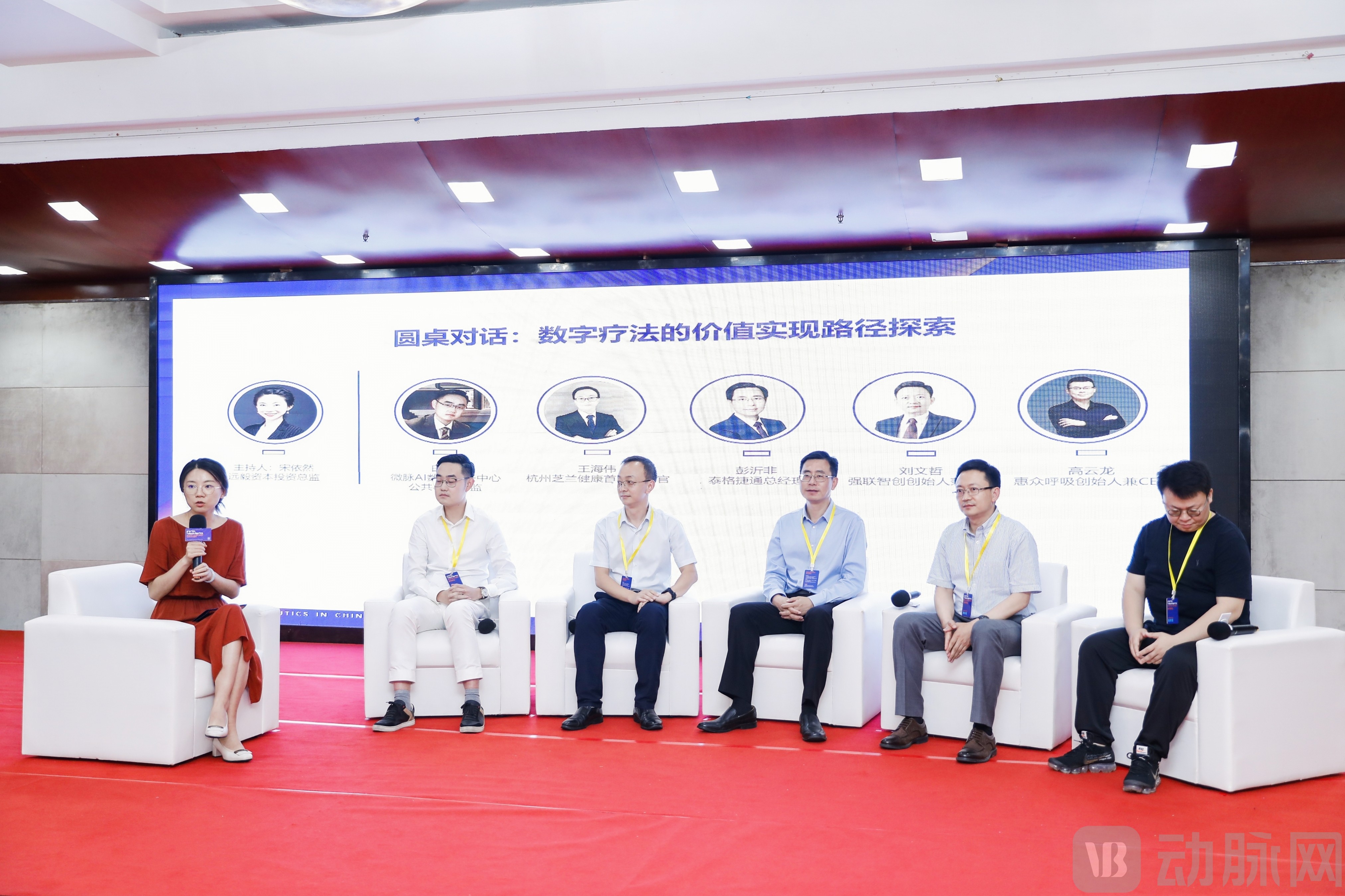
(From left to right: Song Yiran, Investment Director at Yuan Yi Capital,WeimaiBai Yan, Director of Public Affairs at the AI Digital Therapeutics Center,Chief Operating Officer, Hangzhou Zhilan Health Co., Ltd.Wang Haiwei,General Manager of Tigermed JietongPeng Yifei,Founder of QiangLianZhiChuang andCEO Liu Wenzhe,Founder of Huizhong Respiratory andCEO Gao Yunlong)
Recommendations for Digital Therapeutics Companies Applying for Certification?
From the perspective of a CRO, it is essential to align with the regulatory guidance of the drug administration authorities. The FDA has made significant strides in this area. In China, thanks to the efforts of various entrepreneurs, the National Medical Products Administration (NMPA) has also made considerable progress in product classification. Therefore, the primary recommendation for companies developing Digital Therapeutics (DTx) is to first clarify their regulatory classification. Additionally, while considering commercialization, companies must decide whether to pursue medical device certification or not, and whether to advance these pathways concurrently or separately. This strategic decision is also critical.
Currently, in terms of the difficulty of obtaining certification, there is little difference between Class II and Class III medical device registrations regarding their processes and complexity. According to the classification issued by the National Medical Products Administration (NMPA), products categorized as Class III are primarily those with therapeutic functions for psychiatric conditions, such as depression and anxiety. Other products, including certain sleep-aid devices in the VR and AR sectors, are classified as Class II. For domestically produced devices, the key distinction between Class II and Class III certifications lies in whether approval is granted by the provincial medical products administration or the national NMPA. From the perspective of Contract Research Organizations (CROs), given that companies are currently pioneers in this field, it is advisable to pursue a thorough and comprehensive approach to regulatory compliance.
Overview of Overseas Digital Therapeutics Companies?
Most foreign digital therapeutics companies have not yet considered immediately entering China to establish sales channels; they are currently observing and gathering information. Overseas markets are accustomed to adhering to regulatory protocols, typically requiring regulatory approval first, followed by inclusion in public medical insurance and commercial insurance plans before commercial sales commence. From our perspective, there is also a risk related to national regulation: foreign investment may not be fully permitted to conduct direct domestic sales due to data security and protection requirements, necessitating further assessment in the future. Whether hospitals will accept purely foreign-owned products remains another concern. This validates that domestic digital therapeutics companies in China actually possess unique advantages in leveraging the internal market cycle.
Foreigners tend to think differently from Chinese people, often preferring to clarify all details before making decisions. However, the key issue is that even regulatory authorities do not yet have clear guidelines on how to proceed in all aspects, and the lack of transparent information hinders decision-making. Even if a decision is made to enter this sector, numerous practical challenges remain. If regulatory approval is required, the pathway to obtain certification is essentially the same. Furthermore, due to cultural differences, when implementing these solutions, fine-tuning of algorithm design and parameter settings is necessary to better suit the Chinese population.