

Cyagen Biosciences Advances AI-Driven Gene Therapy for Rare Diseases: Combining Synthetic Biology and Artificial Intelligence to Accelerate Clinical Translation
Cyagen is actively expanding its presence in the fields of rare diseases and gene therapy. As a company specializing in mouse and rat gene editing, why has it entered this sector?
By developing in vivo and in vitro gene-edited and humanized mouse models, we can assist basic researchers in studying gene function and help drug developers conduct pharmacodynamic studies. Over the past decade, we have primarily focused on creating such gene-edited mouse and rat models as well as cell-based gene-editing models; however, our work extends far beyond these areas.
Rare diseases are mostly caused by single-gene mutations, leaving most patients without effective treatments and forcing them to silently endure the burden or even face premature death. In recent years, as China’s national strength has grown, the field of rare diseases—once overlooked by the pharmaceutical industry—has begun to receive greater attention, and China has started to establish an official catalog of rare diseases. Breakthroughs in gene therapy in Western countries in recent years have also rapidly heated up this field. Conducting research in mouse models is almost an indispensable first step in this area, which happens to be the specialty of Cyagen Biosciences.
Are the Pathogenic Mechanisms of Rare Diseases Fully Understood? Why Is Gene Therapy Used for Rare Diseases?
At the beginning of this century, scientists were exhilarated when they obtained the first draft of the Human Genome Project, believing that we would soon conquer human diseases by decoding the genome. Subsequently, a wave of genomics-based biopharmaceutical companies emerged. However, it quickly became apparent that the task was far more complex than anticipated. The human genome is akin to an arcane script with sparse annotations; deciphering it requires efforts hundreds to thousands of times greater than those needed to complete the Human Genome Project itself. Two decades have passed, and while questions still vastly outnumber answers, transformative changes have occurred. Through the collective efforts of tens of thousands of scientists worldwide, associations have been established between thousands of genetic disorders and thousands of genes, and our understanding of the pathogenesis of rare diseases has become increasingly clear. This progress has laid the groundwork for developing targeted therapies in the next phase.
In fact, each of us carries some recessive pathogenic mutations; no one’s genome is perfect. Pathogenic mutations in a single gene are mostly low-probability events in the population, so diseases caused by such single-gene mutations are often rare diseases. However, given the wide variety of rare diseases—with no fewer than 7,000 known types—the total number of affected individuals worldwide has reached 350 million. These diseases are almost all caused by genetic defects, and existing treatments have limited efficacy. Intervening at the genetic level may offer a fundamental solution.
Why Is Gene Therapy for Rare Diseases Gaining Momentum Now?
Next-generation sequencing-based genomics and data sharing have accelerated the discovery of novel pathogenic genes, while technological advancements and successful cases in gene therapy have ignited hope for the treatment of rare diseases. In this emerging field that has gained significant momentum in recent years, Cyagen possesses inherent advantages to support researchers throughout their journey. Over the past decade, Cyagen Biosciences has primarily focused on helping scientists decipher the complex code of the human genome using gene-edited mouse models and cell models. Through this process, we have accumulated extensive data in bioinformatics and gene editing. Our continuous dedication to this field has kept us at the forefront of gene editing technologies. Combined with Cyagen Biosciences’ in-depth exploration in the field of artificial intelligence, we are confident in our ability to provide scientists with more efficient solutions for gene function analysis and gene therapy.
You mentioned artificial intelligence. What role can AI play in this context?
First, without big data, AI would have limited practical applications. With the widespread adoption of next-generation sequencing (NGS) technologies and global data sharing, biomedical research has long entered the era of big data; however, bioinformatics analysis methods remain relatively lagging. For instance, although traditional genome-wide association studies (GWAS) have performed adequately over the past two decades, they have not yielded any surprising breakthroughs. In contrast, AlphaFold2’s prediction of protein structures last year sent shockwaves through the biological community, signaling the dawn of AI’s comprehensive entry into the field of biology.
The full range of possible permutations and combinations of features found in natural phenomena can be understood as a set within an ultra-high-dimensional space. Within this chaotic, nearly infinite ultra-high-dimensional space, only a tiny fraction of feature patterns exhibit logical coherence. For instance, among all possible permutations of amino acid sequences, only those capable of folding into stable proteins represent such logical patterns; these constitute merely one in 10^20 of all possible sequences. Furthermore, the proteins required for life account for only a minuscule subset of these foldable proteins, making their identification akin to finding a needle in a haystack. AI can learn from massive yet finite datasets, thereby developing an understanding of the features within this ultra-high-dimensional space. Based on this understanding, AI can make predictions that guide us to rapidly identify the desired logical patterns.
A key characteristic of life is that mutations introduce diversity, enabling continuous adaptation to new environments through iteration. The diversity of genes and proteins can be reflected in the vast number of viable forms they occupy within their respective ultra-high-dimensional possibility spaces. AlphaFold2 leverages neural networks to establish a mapping relationship between gene sequences and protein structures across two such ultra-high-dimensional spaces, built upon the massive accumulation of protein structure data over the past 50 years. Its applications are poised to be disruptive. Similarly, we can establish mapping relationships between genetic mutations and diseases, protein structures and functions, human genes and mouse genes, and more. By allowing AI to guide experimental design, we can not only significantly improve efficiency and reduce costs but also venture into previously unattainable frontiers. For instance, the integration of AI with synthetic biology may lead to the discovery of antibodies that do not exist in nature but are highly beneficial to humans.
Is Cyagen also working on AI-related initiatives?
Last year, we established a multidisciplinary team with combined expertise in biological big data, AI, and bioinformatics. The team comprises biologists, AI algorithm engineers, bioinformatics engineers, and IT professionals. We are currently building datasets and algorithmic models in the field of gene therapy for rare diseases, with a particular focus on two key areas: one is the prediction of pathogenic risks associated with human genetic mutations and the design of corresponding murine disease models; the other is the design and optimization of AAV viral capsid proteins, which are currently regarded as the most effective vectors for gene therapy. This team will work closely with our existing business units to provide clients engaged in rare disease research and downstream gene therapy development with a comprehensive suite of services. These services span from pathogenic risk assessment of mutant genes, murine model generation, and phenotypic analysis, to gene therapy solution design, AAV vector engineering, and efficacy validation in murine models. The integration of AI will significantly enhance the accuracy and efficiency of this process, constituting our core competitive advantage.
You mentioned the prediction of pathogenic risk associated with human genetic mutations. Could you elaborate on this? Why do clients seek your assessment services?
A significant portion of our client base consists of clinical researchers who frequently encounter various rare clinical cases, particularly those involving familial genetic disorders. After collecting patient samples for next-generation sequencing (NGS) and bioinformatics analysis, the data often reveal a series of potentially pathogenic mutations. These researchers frequently engage our services to develop point-mutation mouse models, aiming to recapitulate human disease phenotypes by introducing corresponding genetic mutations in mice.
Due to the difficulty in determining which specific mutations among hundreds or even thousands ultimately lead to disease, researchers must still generate multiple, or even dozens of, gene-mutant mouse models to validate the pathogenic mutations predicted earlier through laborious and time-consuming bioinformatics analyses and wet-lab experiments. Subsequent phenotypic analysis of these mice helps further identify which mutations recapitulate the symptoms observed in humans with corresponding genetic mutations.
Due to the limitations of current research methods in accurately analyzing a large number of mutation sites, researchers often fail to observe phenotypes in the numerous point-mutant mouse models they generate, resulting in significant waste of resources and time. Therefore, for such clients, we recommend that we perform data analysis on their behalf, conducting risk assessments on their series of gene mutation sites and ranking them by risk level. This approach can substantially reduce research costs and shorten the duration of studies.
Currently, our approach primarily involves leveraging existing data to train various machine learning and deep learning models for multi-level analysis of gene mutations. We conduct classified assessments of disease types, affected protein structures, tissue types, and mutation locations, while fully accounting for a comprehensive range of factors—including those previously overlooked—to significantly improve prediction accuracy. Our analysis considers whether mutations affect structural or functional proteins, as well as their impact on protein folding, RNA splicing, and other relevant mechanisms. We incorporate prior knowledge into model training and continuously refine and enrich our models to achieve state-of-the-art performance within the industry. We plan to release this resource as a publicly accessible database for researchers worldwide by the end of this year.
You mentioned that the first step in gene therapy is to obtain a suitable mouse model. Does each rare disease correspond to a specific mouse model?
We have taken stock of the mouse models we have developed over the years, hundreds of which are related to rare diseases. However, we are now refining our approach with greater precision. Our survey of numerous domestic and international gene therapy studies reveals that obtaining an appropriate mouse model is invariably the first step. We begin by understanding client needs: specifically, what problems they aim to solve, and the proportion of their work dedicated to basic research versus translational applications. Based on this, we provide tailored recommendations for the optimal research pathway. For instance, mutations in the dystrophin gene can cause Duchenne Muscular Dystrophy (DMD) or Becker Muscular Dystrophy (BMD). There are already more than 3,000 known pathogenic mutations, with potentially many more yet unidentified. Researchers can use simple dystrophin knockout mice or point-mutation mice that mimic specific disease-causing mutations. Various model generation methods are available, and the choice depends on the therapeutic strategy. Although the dystrophin gene is extremely large, a miniaturized micro-dystrophin can be delivered in vivo using adeno-associated virus (AAV) vectors. Alternatively, CRISPR or base editors can be employed to correct pathogenic mutations, or antisense oligonucleotides can be used to induce skipping of pathogenic exons. Each distinct therapeutic approach requires a corresponding mouse model.
You mentioned AAV, a currently popular gene therapy vector. Do you also work in this area? What are your competitive advantages?
Designing AAV packaging vectors and conducting mouse experiments have been our ongoing efforts. Recently, we have initiated AI-assisted directed evolution of adeno-associated viruses (AAVs). Different AAV serotypes and mutations exhibit distinct properties, such as packaging efficiency, tissue tropism, and immune evasion. We generate diverse AAV libraries through synthetic mutagenesis, perform in vivo and in vitro experiments to accumulate substantial data, and then leverage these datasets to train machine learning or deep learning models for predicting desired AAV capsid protein sequences. This powerful platform can enhance the efficiency of AAV optimization by orders of magnitude and identify superior sequences that are inaccessible through traditional rational design or conventional directed evolution. We believe that the integration of AI and synthetic biology represents a major trend in the pharmaceutical industry, with a quiet revolution already underway.
AAV is an excellent vector for gene therapy. What specific gene therapy strategies are available?
Currently, lentiviral vectors are predominantly used for ex vivo gene therapy, while adeno-associated viruses (AAVs) are the primary choice for in vivo applications. The most advanced clinical-stage approaches mainly employ AAVs to deliver genes encoding missing or defective proteins into the body. In contrast, AAV-based CRISPR or single-base editor therapies remain largely in the preclinical animal testing phase. We are also establishing strategic partnerships with leading industry collaborators to leverage the most effective gene-editing tools for therapeutic gene correction, an initiative that is currently underway.
“You also mentioned that your clients might pursue commercialization, meaning they will enter clinical trials, right?”
Yes, some of our clients aim to advance their candidates into clinical trials. If the experimental results in mice are satisfactory, the next step would be to conduct efficacy and safety evaluations in large animals, which is also what we hope to see. After all, treating diseases and saving lives is the ultimate goal for both us and our clients. Among our partners are companies capable of producing GMP-grade AAV, and we welcome our clinical clients to initiate investigator-sponsored clinical studies.
How do you view gene therapy as an emerging treatment modality? Are there ethical concerns?
Some argue that altering human genes is tampering with God’s domain. This is indeed the case: humanity has progressed from modifying nature to modifying itself. I believe that gene therapy poses no cause for concern as long as it does not involve germline inheritance. Current scientific advancements have already established all the necessary components for gene therapy. Time is of the essence. For patients with rare diseases, clinicians who have hitherto been helpless in treating them, and scientists engaged in rare disease research, this door has opened too late; yet, once opened, it promises a bright future.

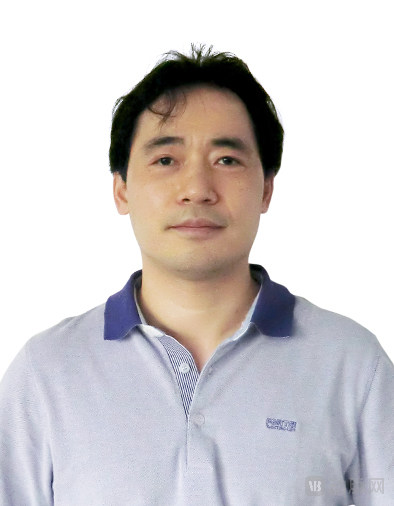
Chairman of Cyagen Biosciences
Director, Center for Artificial Intelligence Innovation, Tsinghua University Pearl River Delta Research Institute
Selected for the National Major Talent Program
Mr. Han Lanqing earned his bachelor’s degree from Tsinghua University, followed by a Master of Engineering from McGill University in Canada and an MBA from Queen’s University in Canada. He also conducted advanced studies at the Massachusetts Institute of Technology (MIT) and previously held positions at companies such as Sanyo Electric and Alcatel. In 2006, Mr. Han returned to China and founded Cyagen Biosciences, serving as its Chairman to this day. The company specializes in the research and development of cutting-edge technologies, including genetically engineered model animals, cell biology products, and related services. Under Mr. Han’s leadership, Cyagen Biosciences has become a well-known international innovative CRO company specializing in model animal-based solutions.
In 2017, Mr. Han Lanqing was appointed as the Director of the Artificial Intelligence Innovation Center at the Tsinghua University Pearl River Delta Research Institute. He has undertaken multiple national, provincial, and municipal scientific research projects, conducting in-depth exploration of AI applications in the biomedical field. The team led by Mr. Han has published several significant papers in top-tier academic journals and secured numerous invention patents.
Cyagen Biosciences Group is an international, innovative CRO platform dedicated to drug development using model animals. Leveraging its extensive library of gene-edited mouse strains, highly efficient and intelligent custom model animal platform, mouse models for drug screening and evaluation, one-stop small animal phenotyping platform, one-stop germ-free mouse technology service platform, and advanced cell technology service platform, Cyagen has established an integrated, innovative CRO service network. This network supports scientific research and drug discovery and screening in fields such as oncology, immunology, metabolism, endocrinology, cardiovascular disease, neuroscience, and infectious diseases. The company has established extensive collaborations with tens of thousands of scientists and institutions across more than 100 countries and regions worldwide, and its products and technologies have been directly cited in over 5,200 academic papers, including those published in the prestigious CNS journals (Cell, Nature, and Science).