

Kindstar Globalgene Technology Launches IPO, Bringing New Dynamics to China's Independent Clinical Testing Market
In mid-June, KingMed Diagnostics (hereinafter referred to as “KingMed”) passed the listing hearing of the Hong Kong Stock Exchange. On the 29th, KingMed officially began its public offering. After a long period of silence, China’s national independent medical laboratory market is set to welcome a new listed company.
Founded in Wuhan, Hubei Province in 2003, KingMed Diagnostics is China’s first provider of specialized clinical testing services and the largest independent provider of in-depth hematology testing in the domestic market by market share. According to its prospectus, in 2020, it held the largest market share (42.3%) in China’s independent specialized clinical hematology testing sector, which was 50% higher than that of the second-largest player in the same year. Its total revenue accounted for 4.1% of the national specialized clinical testing market, ranking it as the fifth-largest independent specialized clinical testing service provider in China.
After nearly 18 years of development, KingMed Diagnostics has established R&D centers in Shanghai, Beijing, Chengdu, Urumqi, and other cities, with Wuhan as its hub. It provides one-stop clinical specialty testing services covering hematology, genetic and rare diseases, infectious diseases, oncology, neurology, gynecological diseases, and more, aiming to cover all clinical specialty tests for every indication in its focused specialized fields. In its prospectus, KingMed Diagnostics stated that it offers over 3,500 test items, including 2,300 hematology specialty tests, making it the global provider with the most comprehensive range of specialty tests. As of its public offering, KingMed Diagnostics served over 3,000 hospitals in China, including more than 1,500 tertiary hospitals, encompassing all of the top 20 hospitals in the country.
Prior to its IPO, KingMed Diagnostics received investments from domestic and international institutions including Morningside Venture Capital, KPCB, Panacea Medical Healthcare Fund (Panacea), CPE Yuanfeng, Mayo Clinic (a global leader in third-party medical testing), BOC International, Agricultural Bank of China International, Investcorp, and Top Group. Among these, Panacea Medical Healthcare Fund (13.83%), Morningside Venture Capital (13.41%), and CPE Yuanfeng (11.83%) were the largest institutional investors in KingMed Diagnostics’ primary market and long-term partners.
Kingstar Global’s specialty in clinical specialty testing refers to a series of clinical laboratory tests that differ from routine testing.
Generally, routine testing refers to the standard laboratory tests listed in the "Catalogue of Clinical Laboratory Items for Medical Institutions" issued by the National Health Commission, such as blood biochemistry, body fluid biochemistry, and blood typing. Specialized testing typically refers to tests not included in this catalogue, such as those for Mycobacterium tuberculosis and hepatitis viruses. Furthermore, routine and specialized testing differ in terms of technical platforms employed, personnel requirements, profitability, service scope, and primary customer base.
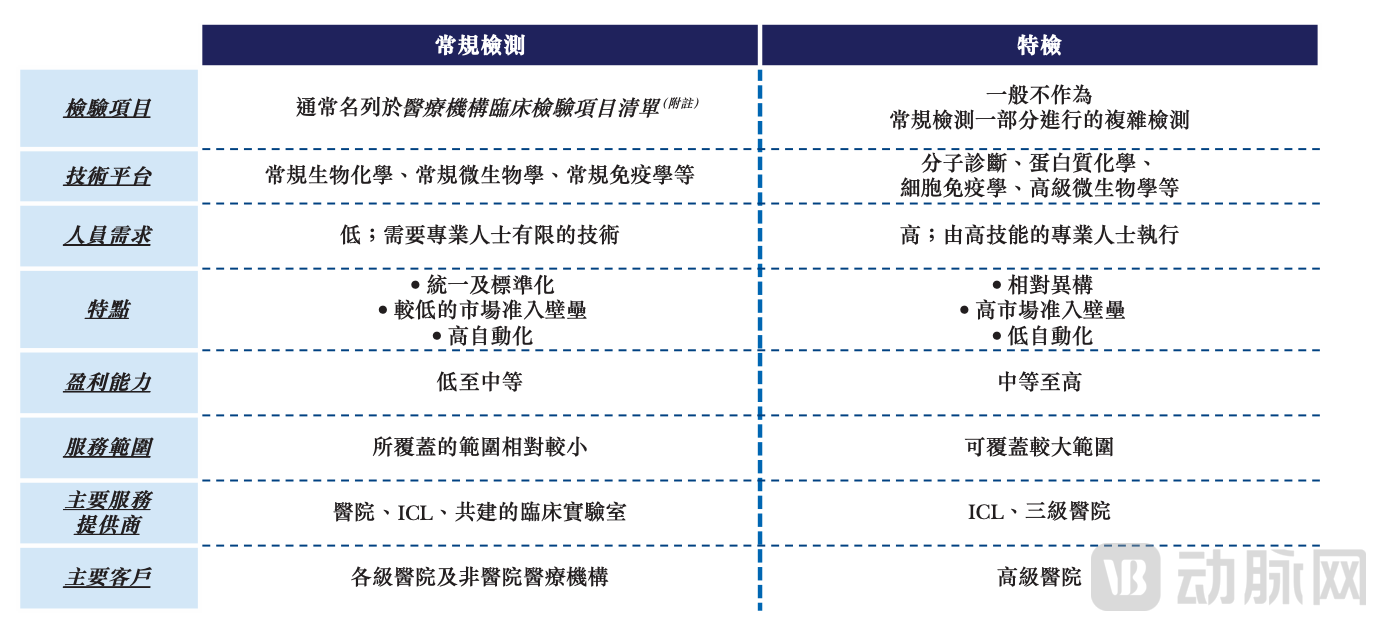
From 2019 to 2020, driven by the surge in demand for nucleic acid testing (NAT) for SARS-CoV-2—which was classified as a specialized test at the time—the market size of clinical specialized testing in China grew from RMB 9.765 billion to RMB 20.057 billion, representing an increase of 105.4%. In reality, the domestic clinical specialized testing market has expanded rapidly in recent years due to the growing adoption of precision medicine in clinical practice, the widespread application of advanced technologies, accumulated technical expertise among laboratory personnel, enhanced healthcare payment capacity, and significant capital inflows. According to the prospectus of KingMed Diagnostics (Kangsheng Global), the compound annual growth rate (CAGR) of China’s independent clinical specialized testing market was 42.2% between 2016 and 2020, accounting for 65.3% of the independent clinical laboratory testing market; during the same period, the corresponding CAGR for the independent routine testing market was 11.7%.

By applying cutting-edge technologies to molecular diagnostics, protein chemistry, cellular immunology, and advanced microbiology, clinical specialized testing is particularly well-suited for disease diagnosis, identification of disease subtypes, precision medicine eligibility assessment, and pandemic diagnostics. Currently, in China, clinical applications are primarily focused on six major specialties: hematology, genetic and rare diseases, infectious diseases, oncology, neurology, and gynecology-related conditions. In 2020, excluding COVID-19 nucleic acid testing, the market shares of these six specialties were as follows: hematology 12.1%, neurology 2.1%, infectious diseases 10.9%, genetic and rare diseases 6.8%, oncology 40.1%, and gynecology-related conditions 24.9%.
In recent years, an increasing number of clinical guidelines and expert consensus statements have recommended the use of specialized clinical laboratory tests in the diagnosis and treatment of various diseases.
For example, in the field of hematology, the China Anti-Cancer Association formulated the “Chinese Expert Consensus on the Application of Next-Generation Sequencing Technology in Hematologic Malignancies” in 2018. The “2020 CSCO Guidelines for Diagnosis and Treatment of Lymphoma” list clonal rearrangement of antigen receptor genes (IG, TCR) associated with non-random, lineage-specific chromosomal and genetic abnormalities as a Category I recommendation for the diagnosis of AML, CLL, MZL, and WM. Imatinib (Gleevec), the “miracle drug” featured in the film *Dying to Survive*, is primarily used to treat patients with Ph+ (Philadelphia chromosome-positive) CML and ALL.
Furthermore, in the field of cancer screening, multiple guidelines and expert consensus statements on early screening for high-incidence cancer types have been developed since 2017. The Chinese Expert Consensus on Early Gastric Cancer Screening recommends that adults aged 40 years or older undergo serum biomarker screening for gastric cancer when clinically indicated.
Furthermore, personalized diagnosis and treatment integrated with specialized clinical testing have achieved significant research progress. For instance, tumor mutational burden (TMB) testing has been widely applied in immunotherapy. Given the correlation between plasma TMB levels and the efficacy of immune checkpoint inhibitors, assessing TMB status through specialized tests can predict which patients are most likely to benefit from immunotherapy. This enables precise, personalized treatment strategies based on test results, underscoring its critical importance in understanding patient pathogenesis and throughout the entire treatment lifecycle.
In 2003, Kingstar Global strategically entered the field of specialized clinical hematology testing. The company’s rationale was to penetrate the independent clinical laboratory sector—a domain with a clear supply-demand gap in clinical practice—by focusing on major specialty areas that adopt new clinical diagnostic tests. With the growth of the domestic independent market for specialized clinical hematology testing, Kingstar Global’s business model has also achieved tremendous success.
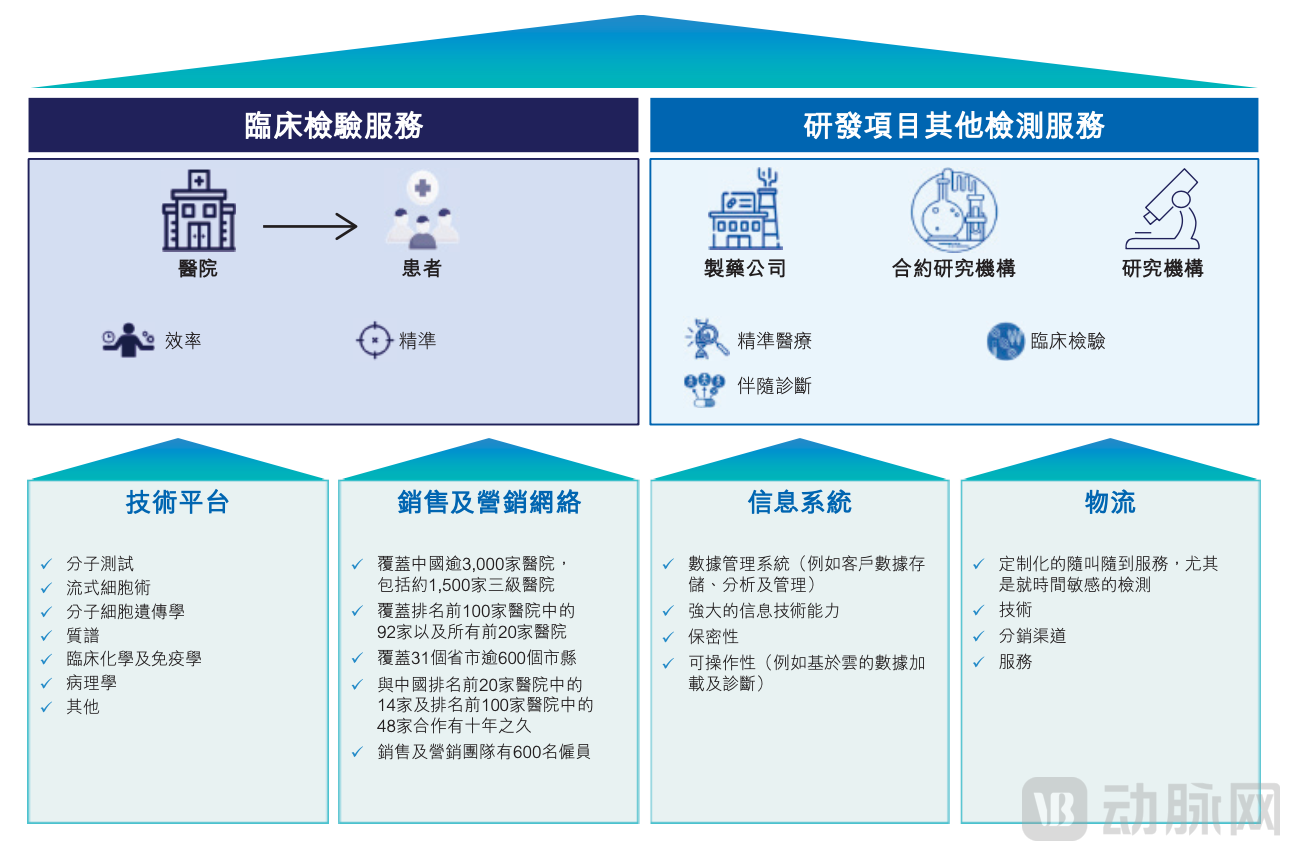
Behind the most comprehensive portfolio of clinical specialty tests, KingMed Diagnostics has established technical platforms spanning molecular genetics, flow cytometry, molecular cytogenetics, mass spectrometry, and anatomical pathology. Leveraging advanced testing technologies such as immunophenotyping, liquid chromatography-mass spectrometry (LC-MS), and fluorescence in situ hybridization (FISH), the company provides analytical testing across all specimen types, covering morphological, cellular, chromosomal, genetic, proteomic, and other molecular levels.
On the other hand, Kindstar Global’s in-house expert team and scientific advisors ensure the delivery of high-quality specialized testing services within a short timeframe. As of its IPO, Kindstar Global had a team of 664 full-time specialized testing personnel, including laboratory experts specializing in complex laboratory testing and analysis, as well as clinical experts dedicated to providing clinical consultations and comprehensive test reports. According to the prospectus, these specialized testing professionals have an average of more than five years of experience in their respective vertical fields, each handling over 1,900 clinical samples annually at Kindstar Global, and possess extensive experience in issuing test reports that integrate results and analyses from diverse technology platforms.
Kingstar Global stated that it will continue to develop its hematology testing platform by introducing advanced global technologies, such as AI-based pathology examination, AI-based cytogenetic analysis, breakthrough immune repertoire applications, flow cytometry-based circulating tumor cell monitoring, mass spectrometry-based proteomics, ctDNA/circulating RNA detection or tumor mutational burden (TMB) analysis, single-cell sequencing, and advanced automated systems for the diagnosis of malignant hematologic diseases.
Meanwhile, KingMed Diagnostics has been committed to continuously expanding its test menu through the research and development of innovative testing technologies. Since its inception, KingMed Diagnostics has internally developed over 1,100 test items, including 69 specialized assays for hematology, oncology, and genetic diseases, and holds 10 invention patents and 38 utility model patents. Taking COVID-19 nucleic acid testing as an example, in February 2020, at the outset of the pandemic, KingMed Diagnostics rapidly established nucleic acid testing capabilities for the novel coronavirus, providing testing services to Huoshenshan and Leishenshan Hospitals, two major emergency field hospitals established in Wuhan during the outbreak. According to statistics, between February and July 2020, KingMed Diagnostics conducted more than one million COVID-19 nucleic acid tests.
In its 10th year of operation, Kingstar Global began replicating its successful experience in hematology to new disease areas.
In 2013, 2014, and 2016, KingMed Diagnostics successively launched specialized testing services for genetic and rare diseases, infectious diseases, oncology, and neurology, establishing a research and development team composed of 253 medical and scientific experts in hematology, genetics, oncology, and other specialty fields. By 2020, KingMed’s specialized testing businesses for genetic and rare diseases, infectious diseases, oncology, and neurology had expanded to 735, 1,281, 246, and 1,106 hospitals and institutions, respectively. Between 2018 and 2019, the compound annual growth rates (CAGR) of revenue from these new business segments’ testing services were 28%, 20%, -6%, and 35%, respectively.
According to the prospectus, Kindstar Global took eight years to expand its hematology specialty testing services across China, whereas it achieved nationwide coverage for genetic and rare disease as well as neurology specialty testing within just three years. This indicates that the scalability of Kindstar Global’s business model across different specialized testing markets has been preliminarily validated.
It is not difficult to observe that Kingstar Global has adopted a relatively prudent strategy when expanding into new fields. Given the substantial growth potential of specialized testing for these diseases or the significant synergies with its hematology specialized testing services, Kingstar Global’s expertise in hematology can help pave the way for the expansion of new business lines. In the future, Kingstar Global plans to develop 5–10 new specialized testing service specialties, such as gastroenterology, pulmonology, endocrinology, anesthesiology, and rheumatology, thereby further broadening its specialty portfolio and enhancing operational synergies.
“As economies of scale and synergies continue to improve, they will be able to rapidly replicate their success in hematology specialty testing to other specialized fields,” Kingstar Global stated in its prospectus.
It is worth noting that although its core business is providing clinical laboratory services, KingMed Diagnostics is also attempting to leverage collaborative R&D to export its robust capabilities in specialized clinical testing and the resulting vast volumes of real-world specialty data to other fields.
For example, it collaborates with globally renowned medical institutions and pharmaceutical companies to continuously launch innovative and validated high-quality testing services. Another example is that in 2016, Kingstar Global established an alliance laboratory with a top-tier public hospital in Southwest China, focusing on the development of specialized hematology tests tailored to local characteristics. In addition, Kingstar Global has partnered with a well-known U.S.-headquartered biotechnology company to validate and clinically adopt its key sequencing and screening technologies. According to the prospectus, the two parties jointly developed 20 test items, and Kingstar Global licensed the introduction of four testing technologies.
Over the past decade, KingMed Diagnostics has undertaken more than 30 international and domestic collaborative projects in fields such as specialized testing for malignant hematologic diseases and tumors, metagenomic next-generation sequencing (mNGS), and circulating tumor cell (CTC) detection, continuously exploring and developing advanced technologies with broad clinical applications and significant market potential.
Looking ahead, KingMed Diagnostics plans to further deepen its strategic collaborations with leading industry stakeholders, including physicians, hospitals, pharmaceutical companies, contract research organizations (CROs), academic institutions, and regulatory authorities. By continuing to expand its partnership network, the company aims to drive business growth while enhancing the overall development of China’s specialized clinical testing industry.
Currently, collaboration with pharmaceutical companies and contract research organizations (CROs) has become a significant component of KingMed Diagnostics’ business landscape. In its partnerships with pharmaceutical companies, KingMed Diagnostics strategically focuses on prospective and retrospective studies of emerging clinically relevant biomarkers. For instance, as stated in the prospectus, KingMed Diagnostics will collaborate with a diagnostics and analytics company and a U.S.-based molecular diagnostics company to provide risk assessment tests for preterm birth and preeclampsia.
Furthermore, Kingstar Global will continue to collaborate with a U.S.-based biotechnology company to conduct next-generation sequencing (NGS) testing for tumor mutational burden (TMB), which will facilitate patient stratification and predict the efficacy of immunotherapy. Kingstar Global’s collaboration plans also include working with a leading domestic research institute to introduce a more sensitive DNA mutation detection technology into hospitals in China.
For Kingstar Global, R&D projects represented by pharmaceutical company services and other testing services not only create a value proposition within the value chain of China’s specialized clinical testing industry but also facilitate cross-industry value chain migration. This helps further consolidate its competitive advantage as an industry pioneer and capitalize on the growth of the clinical specialized testing market.
As of the public offering, Kindstar Global’s national sales network covered 31 provinces and municipalities, more than 600 cities and counties, and over 3,000 hospitals. However, in its prior development, Kindstar Global focused on tertiary hospitals, providing services to more than 1,600 such institutions, accounting for over 60% of China’s tertiary hospitals, including 92 of the top 100 hospitals and all of the top 20 hospitals in China. From 2018 to 2020, approximately 77.6%, 79.2%, and 68.9% of Kindstar Global’s total revenue was derived from specialized testing services provided to tertiary hospitals.
KingMed Diagnostics explained that this is because tertiary hospitals are the most concentrated areas of demand for specialized testing services in China. According to Frost & Sullivan data, in 2019, tertiary hospitals accounted for more than 69.9% of the domestic market demand for specialized testing services. As clinical specialized testing is a highly specialized field, a comprehensive service product portfolio helps establish strong relationships and customer loyalty among top-tier hospitals and physicians. Among the Top 20 and Top 100 hospitals, KingMed Diagnostics has maintained collaborations with 14 and 48 of them, respectively, for over 10 years. This undoubtedly lays a solid foundation for consolidating its leading market position and expanding into new specialty areas.
Going forward, on one hand, Kingstar Global will continue to provide one-stop specialized hematology testing services to the top 100 hospitals, meeting their growing demand for advanced specialized hematology tests. On the other hand, given the substantial market demand for clinical specialized testing among lower-tier tertiary hospitals, Kingstar Global plans to leverage its relationships with key opinion leaders and top-tier hospitals to organize training programs and academic conferences for other hospitals, aiming to enhance physicians’ understanding and application of clinical specialized testing.
According to Kingstar Global’s plan, mature specialized testing services will cover the top 500 hospitals in China and be available in the top 500 cities over the next decade.
Throughout this process, Kingstar Global’s sales team provides assistance across the entire lifecycle of testing services, from specimen collection to the interpretation of test results. The company’s nationwide logistics network, boasting the most extensive industry experience, ensures the quality of test specimens and the timeliness of both specimen collection and delivery of test results. Furthermore, Kingstar Global has stated that it will adopt diversified and digital approaches to further enrich its service offerings and optimize user experience. For instance, by collaborating with healthcare institutions, physicians, and insurance companies, the company provides health management and online medical services to patients with chronic diseases through remote testing and diagnosis. Leveraging robust data analytics capabilities and clinical records, it generates comprehensive personal health profiles for each patient.
More importantly, Kingstar Global has assembled a management team with global vision, extensive local experience, strategic insight, and expertise gained from world-renowned institutions.
Dr. Huang Shi’ang, Founder, Chief Executive Officer, Chief Medical Officer, and Chairman, oversees the Company’s strategy and overall operations. He brings over 30 years of experience in medical practice, medical research, diagnostics, and management, and currently serves as Professor and Chief Physician at the Stem Cell Center of Union Hospital, Tongji Medical College, Huazhong University of Science and Technology. Co-founder, Executive Director, and Operations Director Tu Zanbing has over 17 years of experience in independent laboratory management, testing service product management, and sales and marketing. Executive Director and Chief Financial Officer Chai Haijie has over 15 years of experience in finance and investment.
In the view of Kingstar Global, insufficient testing resources in developing countries overseas, coupled with the rising prevalence of chronic diseases, have created substantial demand for specialized diagnostic tests, which will become one of the main drivers of future growth. To this end, Kingstar Global plans to build cloud infrastructure to expand its business into selected emerging markets such as Southeast Asia, while deepening cooperation with trusted local partners to enhance its competitive advantage globally and gradually establish an efficient global collaboration network.
After 18 years of entrepreneurship, the industry and operational resources accumulated by Kingstar Global are undoubtedly valuable assets for future expansion. The journey ahead continues; this new phase presents unfamiliar challenges for Kingstar Global, while also unveiling a more vibrant and engaging new landscape for the industry.