

Lepu Biopharma's First NDA Accepted: Commercialization Imminent
Source: PharmaCube
Recently, Lepu Biopharma submitted a marketing application to the National Medical Products Administration (NMPA) for its PD-1 monoclonal antibody, putlerimab (HX008), for the second-line treatment of melanoma. The application was formally accepted by the Center for Drug Evaluation (CDE) on July 5, 2021. Putlerimab is Lepu Biopharma’s first innovative drug candidate filed for market approval, signaling that the company is poised to join the ranks of commercial-stage innovative pharmaceutical companies.

Lepu Biopharma is an innovative biopharmaceutical company registered and established in Shanghai in January 2018 by Dr. Pu Zhongjie, Chairman of Lepu Medical. Since its inception, the company has focused on the field of tumor immunotherapy, striving to become a platform-based innovative enterprise that meets the medical needs of cancer patients with first-in-class and best-in-class drugs. Over more than three years of operation, Lepu Biopharma has rapidly built a product pipeline with differentiated competitiveness through independent innovation, mergers and acquisitions for controlling stakes, and strategic collaborations. It has developed three major technology platforms. As product development advances toward later stages, the company is simultaneously strengthening production capacity building and initiating the establishment of sales and marketing teams, while proactively engaging in licensing collaborations with overseas companies. It can be said that Lepu Biopharma currently possesses the initial framework of a platform-based innovative enterprise. This article provides a brief analysis and introduction to Lepu Biopharma from the perspectives of its product pipeline, technology platforms, industrialization, and commercial capabilities.
Tumor immunotherapies represented by PD-1/PD-L1 inhibitors have become the cornerstone of clinical oncology treatment. Currently, eight PD-1/PD-L1 drugs have been approved for market launch in China, sparking intense competition over indications, pricing, production capacity, and national medical insurance coverage. This landscape imposes higher demands on latecomers to demonstrate differentiated potential and commensurate therapeutic efficacy.
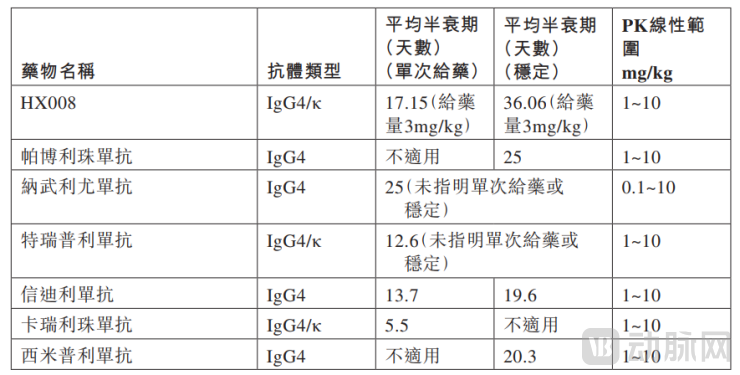
The inherent advantage of putrilimab lies in its half-life extension design strategy, which innovatively employs differentiated antibody engineering techniques to introduce mutations into the Fc region. This approach is expected to reduce dosing frequency, lower treatment costs, and further improve patient medication adherence.
Source: Lepu Biopharma Prospectus
In addition to the melanoma indication nearing its marketing approval target, Lepu Biopharma will also submit a marketing application for putrelizumab in MSI-H/dMMR solid tumors in the second half of the year. Furthermore, the clinical development of putrelizumab for gastric cancer has reached Phase III.
Overall, although Lepu Biopharma does not hold a significant first-mover advantage in the domestic PD-1/PD-L1 market, it remains competitive in specific niche indications. More importantly, successfully commercializing a PD-1 inhibitor carries substantial strategic significance for Lepu Biopharma’s future business expansion. On one hand, PD-1/PD-L1 inhibitors have become standard offerings for players in the oncology sector; even companies without their own PD-1 products actively seek collaborations with those that do, to explore the therapeutic potential of various combination regimens. On the other hand, putrilimab serves as a cornerstone for Lepu Biopharma’s commercial operations, enabling the company to build comprehensive industry expertise across the entire value chain—including R&D, clinical development, regulatory submission, manufacturing, and sales—thereby paving the way for the subsequent development and commercialization of its ADCs and oncolytic virus therapies.
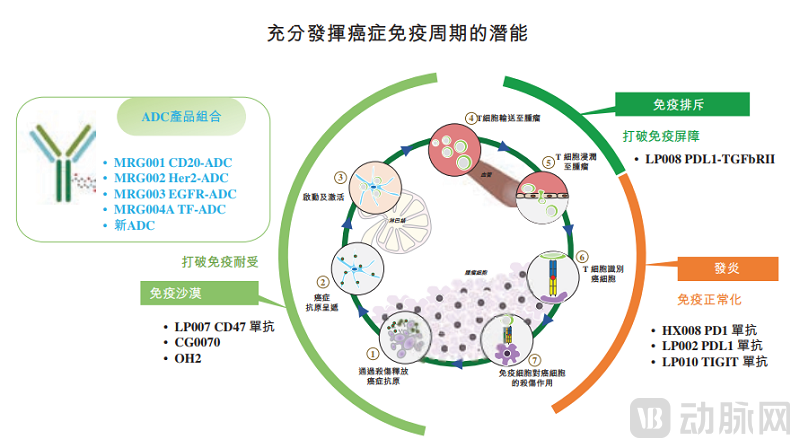
In the field of tumor immunotherapy, Lepu Biopharma first established a solid business foundation with its PD-1 product. Furthermore, through acquisitions and in-licensing, the company has built an antibody-drug conjugate (ADC) pipeline that is pioneering in China and even leading globally, strategically positioning itself with several projects possessing differentiated competitive advantages, including EGFR ADC, CD20 ADC, and TF ADC.
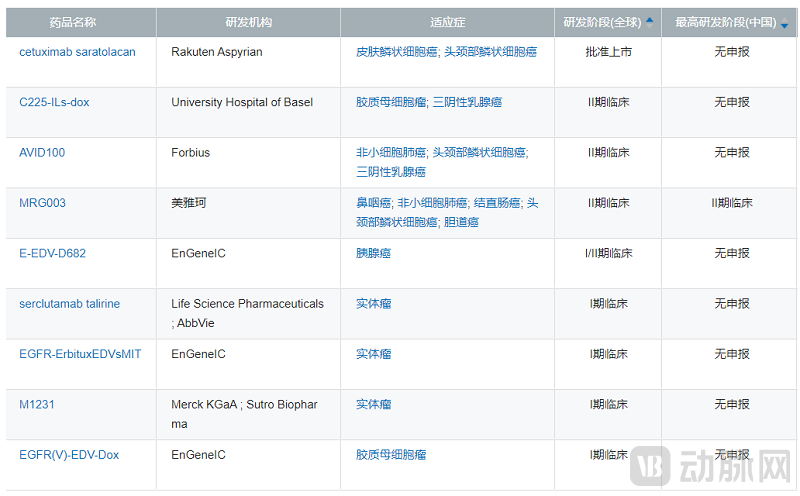
MRG003 is an EGFR-targeting antibody-drug conjugate (ADC) developed by Lepu Biopharma and Shanghai Meiyake. Its primary clinical advantage lies in its potential to overcome various acquired resistance mutations that emerge following treatment with small-molecule EGFR tyrosine kinase inhibitors (TKIs), thereby addressing the unmet clinical needs of many patients who have developed resistance to EGFR TKIs. Furthermore, based on the mechanism of action of ADCs, EGFR-targeting ADCs are expected to induce degradation of the target protein, highlighting their promising potential for early-stage treatment of patients with EGFR mutation-positive tumors. Currently in Phase II clinical trials, MRG003 is the only EGFR-targeting ADC under clinical development in China, positioning it significantly ahead of other domestic candidates in this class.
Global EGFR ADC Drugs in Clinical Development
Source: NextPharma Database
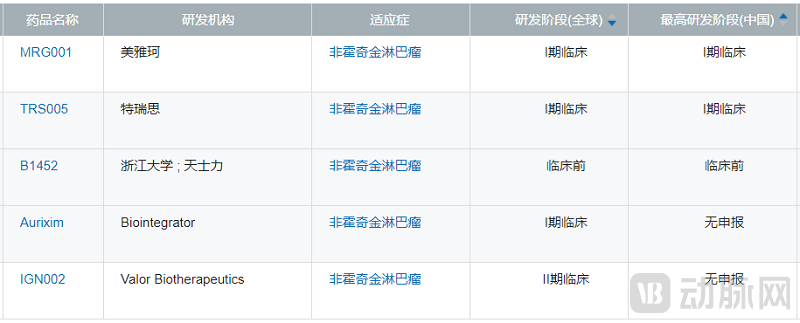
MRG001 is a CD20-targeting antibody-drug conjugate (ADC) intended for the treatment of CD20-positive relapsed or refractory B-cell non-Hodgkin lymphoma (B-NHL), representing a key strategic product for Lepu Biopharma in the field of hematologic malignancies. The combination of CD19 and CD20 antigens covers nearly all tumor subpopulations of B-NHL. Following the global launch of the first CD19-targeting ADC, there remains significant unmet need for breakthroughs in CD20-targeting ADCs. Currently, most global therapeutic efforts targeting CD20 are focused on specific bispecific antibodies and CAR-T cell therapies, resulting in relatively limited competition in the CD20 ADC space. In fact, based on the mechanism of action of ADCs, MRG001 has the potential to overcome widespread resistance to CD20-targeted therapies, particularly in patients with primary or acquired resistance to rituximab combined with standard chemotherapy. At present, only two CD20-targeting ADC products are in clinical development in China, positioning MRG001 with the potential to become a global first-in-class therapy.
Global CD20 ADC Drugs in Development
Source: NextPharma Database
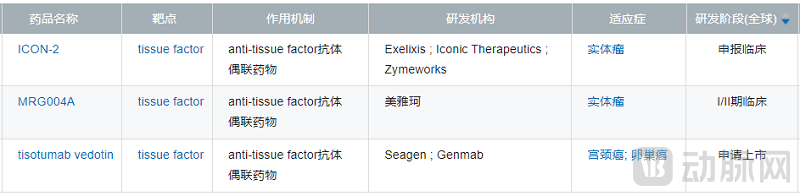
MRG004A is an antibody-drug conjugate (ADC) targeting tissue factor (TF). TF is highly expressed in various solid tumors and is closely associated with poor prognosis in cancer patients. Globally, no TF-targeted therapies have been approved for marketing, and TF-directed ADCs in development are extremely scarce. The most advanced candidate is tisotumab vedotin, jointly developed by Genmab and Seagen, which has already submitted a marketing application to the U.S. Food and Drug Administration (FDA). In China, Lepu Biopharma’s MRG004A is currently the only publicly disclosed TF-targeting ADC, also leading in terms of development progress.
Global TF ADC Drugs in Clinical Development
Source: NextPharma Database
In addition to the three aforementioned ADC drugs with distinctive features and significant competitive advantages, Lepu Biopharma has also built a pipeline that includes the HER2-targeting ADC MRG002 and CMG901, the world’s first CLDN18.2-targeting ADC to enter clinical studies. Furthermore, through its wholly-owned subsidiary Shanghai Meiyake and its joint venture KYM, Lepu Biopharma collaborates with external institutions such as Fudan University, the Shanghai Institute of Materia Medica of the Chinese Academy of Sciences, and Keymed Biosciences to continue the development of innovative ADC products, including MRG004A and CMG901.
In terms of its overall oncology portfolio, in addition to PD-1 inhibitors and antibody-drug conjugates (ADCs), Lepu Biopharma holds the rights to develop, manufacture, and commercialize the oncolytic virus candidate CG0070 in mainland China, Hong Kong, and Macao, as well as OH2, which is jointly developed with business partners. The company is also exploring combination studies involving ADCs and oncolytic viruses with either the PD-1 inhibitor HX008 or the PD-L1 inhibitor LP002. This demonstrates that Lepu Biopharma has established a multi-tumor, multi-dimensional oncology product layout, enabling it to conduct combination therapy research across various fields and continuously unlock the potential of tumor immunotherapy and its market opportunities.
Source: Lepu Biopharma Prospectus
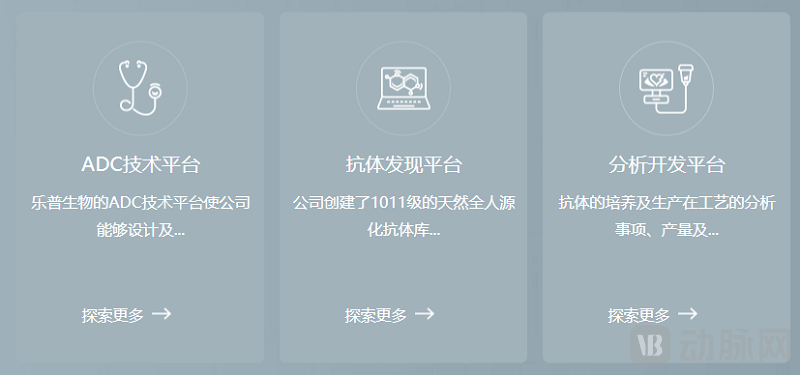
If specific product pipelines reflect a company’s strength over a given period, then its technologies and platforms represent its long-term growth potential. Lepu Biopharma currently possesses an ADC technology platform, an antibody discovery platform, and an analytical development platform, providing comprehensive coverage of the entire workflow for antibody and ADC drug development.
Source: Lepu Biopharma Official Website
Lepu Biopharma’s wholly-owned subsidiary, Meyak Therapeutics, has licensed Synaffix’s advanced GlycoConnect™ site-specific conjugation technology and HydraSpace™ hydrophilic spacer technology for the development of antibody-drug conjugates (ADCs). Lepu Biopharma’s ADC technology platform enables continuous refinement and optimization of process development technologies for antibodies, linkers, and payloads. This facilitates precise control over the drug-to-antibody ratio (DAR), comprehensive high-quality analysis and evaluation of antibodies, linkers, and payloads, improved conjugation production efficiency, and reduced manufacturing costs.
Meanwhile, Lepu Biopharma has also established a robust antibody discovery platform, including a fully built 10^11-sized natural fully human antibody library, which significantly shortens the development cycle of innovative candidate drugs through phage display technology. Furthermore, Lepu Biopharma has developed a trispecific antibody T-cell engager platform based on protein-binding domains such as nanobodies and scFvs, addressing issues like insufficient T-cell response in solid tumors. This powerful antibody discovery platform not only enables Lepu Biopharma to rapidly and efficiently discover and develop advanced antibody therapeutics but also accelerates the development of its ADC products, creating a mutually reinforcing synergy.
The development of antibodies and antibody-drug conjugates (ADCs) inevitably relies on antibody culture, production, analysis, separation, and purification. Lepu Biopharma’s analytical development platform was established with these considerations in mind, aiming to support cost-effective batch production capabilities. By constructing GMP-compliant cell banks, continuously improving product separation and purification processes, and developing corresponding bioanalytical characterization methods and detection technologies, we are confident that the development of innovative products will proceed smoothly and naturally.
These technology platforms provide fundamental support and assurance for Lepu Biopharma’s continuous development of innovative antibody and ADC products, thereby endowing the company with long-term competitiveness.
As new drug products approach the commercialization stage, in addition to readily apparent clinical data and price competition, production capacity assurance and commercial teams become critical factors for which each company must plan ahead.
Lepu Biopharma established a 2,000L antibody production line in Beijing in 2019, which has been put into operation to support internal product development and the manufacturing of clinical and commercial drugs under GMP standards. In the field of oncolytic virus production, Lepu Biopharma has introduced leading serum-free suspension culture technology and ATF perfusion culture technology, built multiple process development platforms for oncolytic viruses, and constructed an oncolytic virus drug production line with a designed capacity of 200L.
Meanwhile, the company is constructing Phase I of its biopharmaceutical park in Shanghai, which includes a biologics manufacturing line with a capacity of 12,000 liters and supporting laboratories. The 6,000-liter production line is expected to become operational by the end of 2021.
In terms of its core leadership team, Lepu Biopharma may possess inherent advantages over many biotech companies founded by scientists. First, Dr. Pu Zhongjie, the founder of Lepu Biopharma, has spent decades in the industry, witnessing the entire development trajectory of China’s pharmaceutical sector. He has formulated forward-looking strategic layouts and differentiated competitive strategies for Lepu Biopharma, as evidenced by the company’s current product pipeline and technology platforms. The commercial resources and distribution networks that Dr. Pu has accumulated over the years constitute an intangible asset for Lepu Biopharma as it approaches the commercialization stage. Second, a review of the resumes of Lepu Biopharma’s executive team reveals that members holding key positions in corporate strategy, new drug discovery, clinical development, and regulatory affairs are all seasoned veterans with extensive industry experience. Finally, Lepu Medical, a major shareholder of Lepu Biopharma, brings mature expertise in drug R&D and commercial sales, along with abundant market access and distribution resources. This creates strong synergies with the commercialization of Lepu Biopharma’s novel drug products, undoubtedly enabling Lepu Biopharma to build its commercialization capabilities with greater efficiency and effectiveness.
Although Lepu Biopharma is not a pioneer in the field of oncology therapy, it has consistently adhered to its original mission of “improving patients’ quality of life through pharmaceutical innovation.” Based on its business development trajectory, the company has established a highly promising pipeline of innovative products, with a focus on tumor immunology and advanced therapies. In particular, in the area of antibody-drug conjugates (ADCs), Lepu Biopharma has secured several potential first-in-class candidates that are both highly promising and at an advanced stage of development. Furthermore, its strategic moves in innovative product layout and development, technology platform construction, and commercialization readiness indicate that Lepu Biopharma is pursuing in-depth growth in oncology treatment and is evolving from a biotech company into a biopharmaceutical enterprise. Thanks to ample production capacity and the management team’s extensive experience and resources, Lepu Biopharma’s business expansion prospects are viewed favorably. Lepu Biopharma is certain to have a significant presence in the future landscape of China’s oncology drug market.