

Sigilon Therapeutics Secures Third Orphan Drug Designation for Encapsulated Cell Therapy SIG-007 in Fabry Disease
Sigilon Therapeutics
Chronic Disease Treatment Technology Developer
In March this year, the FDA granted orphan drug designation to SIG-007, an investigational drug under development by Sigilon Therapeutics (hereinafter referred to as “Sigilon”), for the treatment of Fabry disease.
Fabry DiseaseFabry disease is a rare X-linked inherited disorder. It is a clinical syndrome caused by mutations in the gene encoding α-galactosidase A (α-Gal A) located in the mid-region of the long arm of the X chromosome. These mutations lead to structural and functional abnormalities of α-Gal A, resulting in the significant accumulation of its metabolic substrate, globotriaosylceramide, and related glycosphingolipids in multiple organs throughout the body. The disease commonly presents with multi-organ and multi-system involvement.
Regarding the treatment of this disease, the primary approach is enzyme replacement therapy, which involves the in vitro synthesis of α-Gal A using recombinant DNA technology to replace the deficient enzyme in the body. Preclinical study results from SIG-007 demonstrate that it can sustain prolonged functional enzyme release, thereby yielding clinical benefits and reducing the treatment burden on patients.
This is not the first time a Sigilon product has received “Orphan Drug” designation. Prior to SIG-007, Sigilon’s investigational drugs SIG-001 and SIG-005 had each received “Orphan Drug” designation for the treatment of hemophilia A (HA) and mucopolysaccharidosis type I (MPS-I), respectively.
Next, this article will provide a detailed introduction to this biotechnology company and explore the unique aspects of its drug development.
Sigilon is a biotechnology company founded in 2015, located in Cambridge, Massachusetts, USA. Cambridge is part of the Greater Boston area, one of the world-renowned hubs for biopharmaceuticals.
According to MassBio data, $5.8 billion in venture capital was invested in biopharmaceutical companies in Massachusetts in 2020, and another 21 biopharmaceutical companies headquartered in the state conducted IPOs, including Sigilon Therapeutics.
Judging from Sigilon’s financing trajectory, the company rang the opening bell on the Nasdaq (ticker symbol: SGTX) within just five years of its founding.
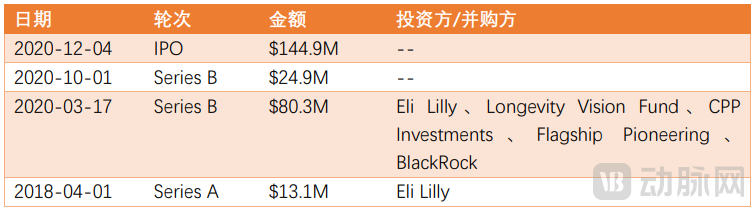
Source: VCBeat Orange, Crunchbase
Sigilon went public so quickly,On the one hand, this is attributable to the intrinsic value of the company itself and the sector in which it operates; on the other hand, it would not have been possible without the support of Flagship Pioneering (hereinafter referred to as “Flagship”).
Douglas Cole, Managing Partner at Flagship Pioneering with a focus on life sciences investments, has served as a board member of Sigilon Therapeutics since 2015. After Sigilon established its intellectual property foundation within Flagship’s Venture Labs, Flagship injected $23.5 million into the company in June 2017 to support team building and business expansion.
It can be said that Flagship and Professors Daniel G. Anderson and Robert Langer from the Massachusetts Institute of Technology (MIT) jointly founded Sigilon.Flagship incubated Sigilon Therapeutics, and the two professors, as co-founders, laid the foundation for the company.Sigilon’s platform technology is inspired by more than a decade of laboratory research conducted by its co-founders, Professors Daniel G. Anderson and Robert Langer, at the Massachusetts Institute of Technology’s Institute for Medical Engineering and Science, Department of Chemical Engineering, and Koch Institute.
In addition, Sigilon has three scientific founders: José Oberholzer, Arturo Vegas, and Dr. Omid Veiseh, who have made outstanding contributions in the fields of cell therapy and novel materials for cell encapsulation.
Shielded Living Therapeutics™, a Modular Therapy Platform
The approach by which diabetic patients control their condition through insulin injections is, in essence, an improvement achieved by transplanting pancreatic cells that produce insulin. Such cell transplantation can also be applied to the treatment of many other diseases, such as cancer, hemophilia, and glaucoma.
However, cell implantation has a major drawback: it can trigger an immune response. The human immune system mounts a defensive reaction against foreign components or altered self-components, attacking these cells.
Although scientists have developed a technique to encapsulate cells within a semi-permeable protective membrane to shield them from immune system attacks, if the immune system recognizes this protective material as foreign, it can trigger the formation of scar tissue. This fibrotic response blocks nutrient access to the cells, ultimately leading to cell death.
Sigilon’s encapsulated cell therapy, built on its modular Shielded Living Therapeutics™ (SLTx) platform, can overcome the aforementioned limitations of immune responses and fibrosis.The platform primarily consists of the following three main components.
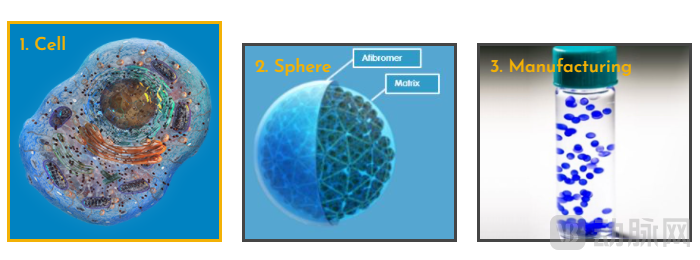
Shielded Living Therapeutics™ Platform Source: Sigilon Official Website
First, the development of specific engineered cells.These cells can release and deliver substances required by the human body at a constant rate, while sensing and responding to changing environments. They are not only capable of large-scale production but also thrive in encapsulated environments.
Secondly, it is the sphere manufacturing for protecting engineered cells.This sphere, built upon foundational discoveries at the Massachusetts Institute of Technology, is a bilayered structure capable of encapsulating thousands of therapeutic cells.
First, its outer layer is composed of a biocompatible material developed using the Afibromer™ encapsulation platform, which prevents immune responses and reduces fibrosis while allowing for the influx of nutrients and efflux of proteins. Second, its internal compartment optimizes cell viability and productivity.
Finally, product manufacturing.The SLTx platform is a modular platform whose modules are shared across all drug development projects, thereby enhancing Sigilon’s development efficiency and cost-effectiveness.
Cell therapies developed on this platform do not require genetic modification of the patient or immunosuppression. Their mechanism of action involves five stages: Engineer, Shield, Prepare, Place, and Produce. The first three stages involve drug production via the SLTx platform. In the fourth stage, clinicians implant the spheres into the patient’s body through a minimally invasive surgical procedure during clinical treatment. Finally, the cells within the spheres produce the specific substances required by the patient.
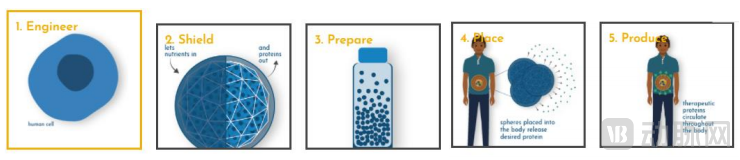
Source: Sigilon Therapeutics Official Website
The implanted spheres and the cells within them act as a living drug factory, providing sustained therapeutic effects.Moreover, this is a method that does not require individualized design and customization based on each patient’s condition, making it applicable to different patients. Such an approach significantly reduces the cost of drug manufacturing and improves the speed and convenience of patient treatment.
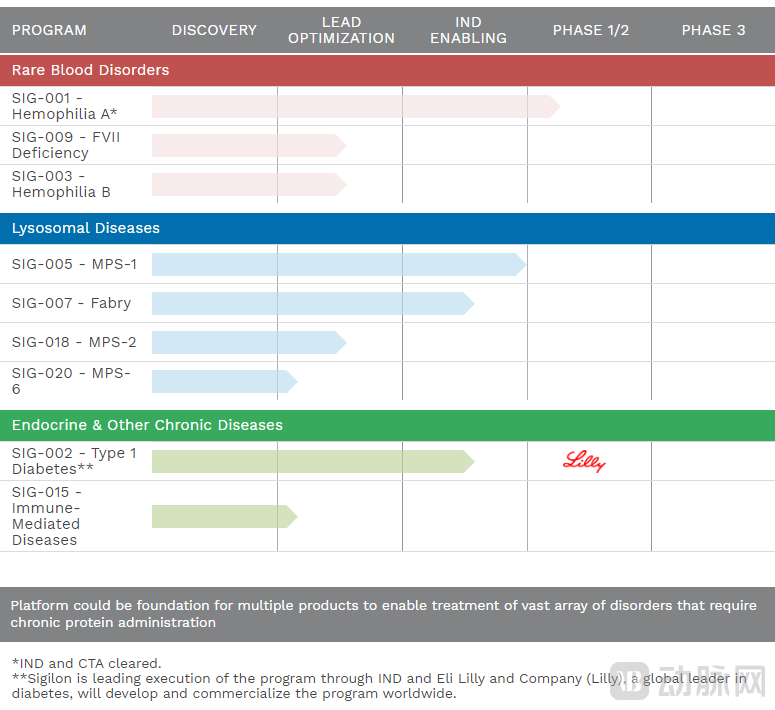
The SLTx platform combines cell engineering with innovative biocompatible materials, enabling its products to remain in the human body for extended periods and produce various therapeutic molecules that are missing or deficient in patients.Sigilon believes that this platform will bring functional treatments to patients with various chronic diseases. Currently, it focuses on three therapeutic areas: rare blood disorders, lysosomal storage diseases, and endocrine disorders, with nine drug programs.As shown in the figure.
Source: Sigilon Therapeutics Official Website
Among them, SIG-001 is an “orphan drug” for the treatment of HA.Hemophilia is a rare blood disorder caused by mutations in the coagulation factor VIII (FVIII) gene. Its clinical manifestations primarily include bleeding into joints, muscles, and deep tissues, and may also involve hemorrhage in internal organs such as the gastrointestinal tract and central nervous system. If not treated promptly, it can lead to joint deformities or pseudotumor formation, with severe cases posing a life-threatening risk.
Currently, the primary treatment for this disease is replacement therapy. Most patients require intravenous infusion of Factor VIII (FVIII) concentrates several times a week, with additional infusions needed during bleeding episodes. It is estimated that there are approximately 10,000 patients with severe or moderate hemophilia A in the United States and about 95,000 worldwide. China has also included this disease in its first National List of Rare Diseases.
SIG-001 has obtained IND and CTA approvals. According to disclosures by Sigilon in the first quarter of 2021, the Phase 1/2 safety and dose-ranging study of SIG-001 in patients with moderate-to-severe hemophilia A (HA) is ongoing to evaluate its safety, tolerability, and preliminary efficacy. This study is being conducted at clinical centers in the United States, the United Kingdom, and the European Union, with preliminary data expected to be released in the third quarter of this year.
In addition, Sigilon has SIG-002, SIG-005, and SIG-007, drugs targeting type 1 diabetes, mucopolysaccharidosis type I (MPS-I), and Fabry disease, respectively, which are currently under Investigational New Drug (IND) application and are poised to enter early-stage clinical trials.。
Notably, in 2018, Sigilon Therapeutics entered into a strategic partnership with Eli Lilly and Company valued at $473 million to jointly develop SIG-002, an encapsulated cell therapy product. This therapeutic agent restores endogenous insulin secretion by sensing blood glucose levels and providing sustained insulin release.
Sigilon aims to leverage its therapeutic platform and products to provide long-acting therapies that free patients from the burden of continuous disease management. Judging by its pipeline, the company is steadily progressing toward this goal.
In April this year, Sigilon presented preliminary findings from its SLTx platform technology in animal models of immune-mediated hepatitis and hypoparathyroidism at the 24th Annual Meeting of the American Society of Gene & Cell Therapy. In mid-June, Sigilon appointed Philip Ashton-Rickardt, Ph.D., as Chief Scientific Officer.
Ashton-Rickardt is the Chair of Immunology at Imperial College London and an Associate Professor in the Department of Pathology at the University of Chicago. He has published more than 65 peer-reviewed papers in over 30 academic journals, including Cell, Science, and Nature Immunology. His appointment will advance the expansion of Sigilon’s product pipeline. Ashton-Rickardt also expressed his hope to further strengthen Sigilon’s robust product pipeline and fulfill its commitment to improving the lives of patients with chronic diseases.
In addition to talent acquisition, R&D inevitably requires financial support. According to Sigilon’s financial reports, the full-year R&D expenses in 2020 amounted to $53.5 million, representing an increase of approximately 11.23% compared to 2019. In the first quarter of 2021, R&D expenditures reached $16 million, marking a year-over-year increase of approximately 20.3% from the first quarter of 2020. The rise in R&D spending was primarily driven by the progress of SIG-005 and SIG-007 and pipeline development, directly reflecting the expansion of Sigilon’s project pipeline.
Encapsulated cell therapy is an emerging field in biomedical research. In addition to Sigilon Therapeutics, other companies include Neurotech Pharmaceuticals, which is dedicated to the treatment of ophthalmic diseases and currently has its drug candidate NT-501 in clinical trials, and Living Cell Technologies, which is conducting clinical trials on implants for Parkinson’s disease.
As an emerging player in the field of encapsulated cell therapy, Sigilon Therapeutics went public just five years after its founding. This achievement is partly attributable to the immense potential of the cell therapy sector, but more importantly, it reflects the team’s unwavering commitment to advancing cell therapy. While continuing to secure strategic advantages, Sigilon is also expanding its pipeline to diversify risk and strengthen its core competitiveness in cell encapsulation technology.