

Cannabinoids, Bioplastics... This Technology Is Set to Disrupt Chemical Manufacturing! A Spotlight on Cutting-Edge Applications in Synthetic Biology
Fossil fuels are a finite resource. With the rapid progress and development of human history, the issue of energy depletion urgently needs to be addressed. Moreover, as human reliance on fossil resources continues to grow, problems such as environmental pollution and safety risks have gradually come to light. Humanity has begun seeking cleaner and more sustainable energy sources to replace traditional fossil fuels, and the emergence of synthetic biology technology offers a novel solution.
In the 1990s, the gradual emergence of genomics and systems biology laid the technological foundation for the birth of synthetic biology. In the early 21st century, scientists attempted to introduce engineering concepts and strategies based on modern biology and systems biology, giving rise to synthetic biology—a highly interdisciplinary field that has become one of the most rapidly developing emerging frontier disciplines in recent years.
Synthetic biology is a novel biotechnology that integrates science and engineering. By leveraging the highly efficient metabolic systems of living organisms and employing gene-editing technologies to reengineer them for designed synthesis, this approach is progressively enabling the targeted and efficient assembly of substances and materials within biological systems. The technology has been applied across multiple fields, including biomaterials, biofuels, and biopharmaceuticals.
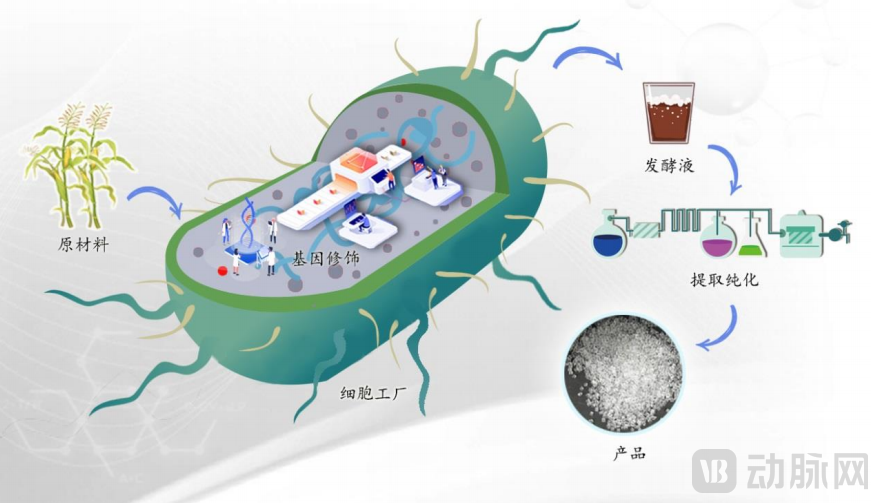
Schematic Diagram of “High-Efficiency Cellular Microfactories” in Synthetic Biology
Specifically, synthetic biology involves the targeted engineering of organisms into “high-efficiency cellular micro-factories,” which then process and convert raw materials into target new material products through directed, efficient, and large-scale biomanufacturing. This represents a revolutionary production paradigm characterized by green processes and mild conditions, effectively addressing humanity’s excessive reliance on traditional petrochemical and chemical products, as well as the associated environmental pollution and safety risks.
Theoretically, material production via synthetic biology can replace the vast majority of petrochemicals derived from fossil fuels, and even synthesize novel materials unattainable through traditional chemical methods, offering boundless potential for future development.VCBeat (WeChat ID: vcbeat) has compiled a list of companies deeply engaged in the synthetic biology industry, both domestically and internationally, to examine which scenarios are being empowered by the most cutting-edge synthetic biology technologies, which chemical products are poised for complete replacement, and what new materials have been developed.
From Healthcare to Agriculture: A Review of the Four Major Application Scenarios of Synthetic Biology
No one could have imagined that the fermentation technology, which humanity has employed in beer production for thousands of years, would find a new application scenario in the 21st century—namely, the targeted microbial synthesis of desired products. Empowered by genomics and systems biology, this technology has now become a reality.
As early as 2002, the U.S. research team led by Craig Venter synthesized a complete phi X 174 viral genome for the first time, drawing attention to synthetic biology; in 2008, the same team artificially synthesized the bacterial genome of Mycoplasma genitalium and successfully transplanted it into recipient cells, creating the first truly synthetic bacterium in human history.
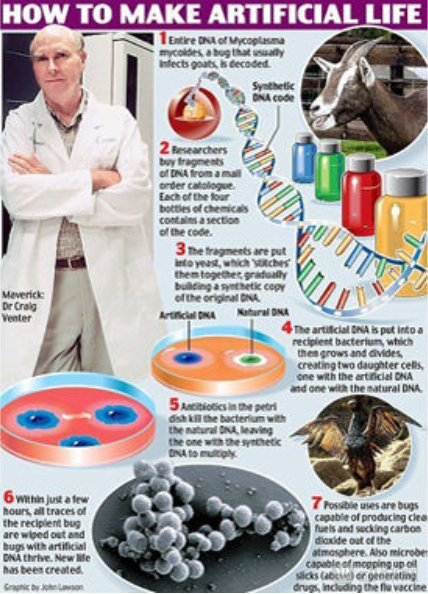
Craig Venter and “Synthia”
In 2010, the Venter team chemically synthesized a genome closely resembling that of *Mycoplasma mycoides* and transplanted it into a recipient cell. The synthetic genome fully controlled the recipient cell, creating Cynthia, the first truly artificial life form in human history.
Since humanity’s first attempt at synthetic biology in 2010, the past decade has seen its applications expand beyond mere scientific experimentation to encompass multi-sector product manufacturing and commercial deployment across diverse scenarios. Drawing on CB Insights’ classification of synthetic biology subsectors, we categorize its application scenarios into four major domains: agriculture, food, industry, and biomedicine.
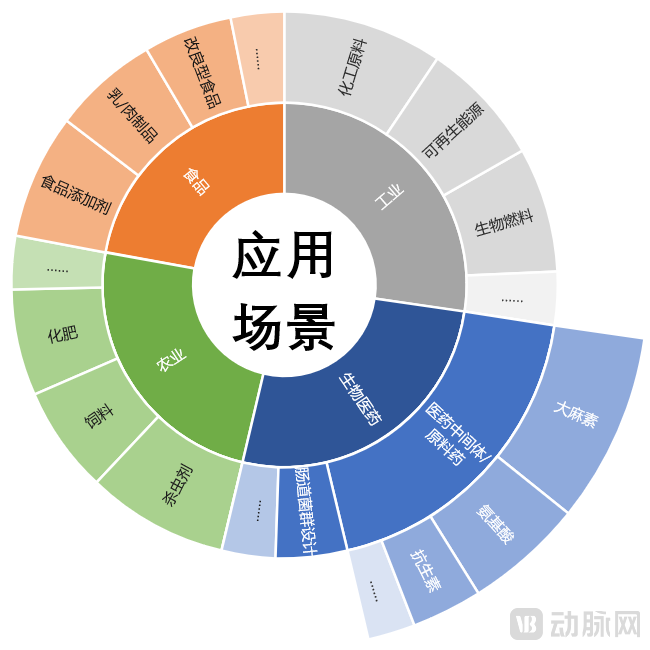
Four Major Application Scenarios of Synthetic Biology
1Biopharmaceuticals: Pharmaceutical Intermediates/APIs (Cannabinoids, Antibiotics, Amino Acids, etc.), Gut Microbiota Design
The biopharmaceutical sector is one of the application scenarios for synthetic biology. In this context, in addition to certain raw materials serving as pharmaceutical intermediates that can be produced via biosynthesis, another prominent application area lies in cannabinoids. U.S. biopharmaceutical companyTeewinot Life Sciences, ChinaXinbeilai BiotechCompanies such as these focus on the production of medical-grade cannabinoids via synthetic biology as their core business.
Cannabinoids can serve as pharmaceutical intermediates, and the production of such intermediates represents one of the primary applications of synthetic biology in medical settings. In China, there are approximately five companies engaged in the development of synthetic biology-derived pharmaceutical intermediates and raw materials, based on incomplete statistics, as shown in the figure below:
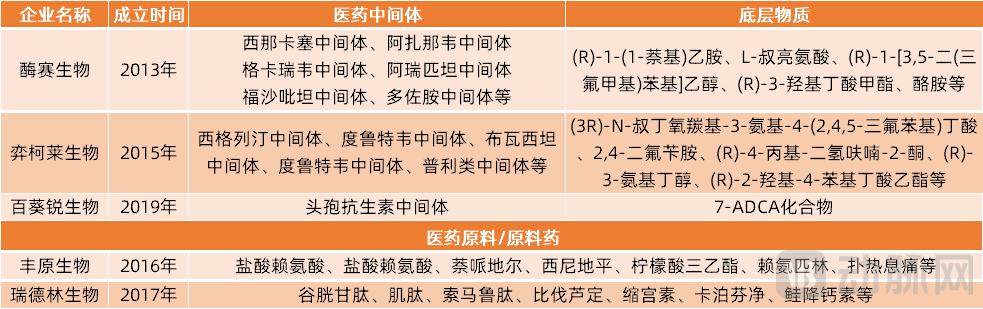
Overview of Synthetic Biology Companies in China Engaged in the Production of Pharmaceutical Intermediates and Raw Materials
YiKeLai Biotechnology, EnzymeTech Biology, and BaiKuiRui Biotechnology are all engaged in the development of pharmaceutical intermediates in China, among whichYikolai BiotechButyric acid developed as an intermediate for the synthesis of sitagliptin, an oral hypoglycemic agent (antidiabetic drug); additionally, 2,4-difluorobenzylamine was developed as an intermediate for dolutegravir, a widely used anti-HIV medication, and has been included in the procurement lists of charitable organizations such as the World Health Organization (WHO) and the Bill & Melinda Gates Foundation. Meanwhile,Ecocare BiotechandEnzyme BiotechIn addition to independently developing pharmaceutical intermediates, we also provide customized R&D services in the field of biocatalysis.
Additionally, another synthetic biology company in ChinaHuaheng BiologyIt specializes in the biosynthesis of various niche amino acid products, with its alanine-based product series ranking among the leading producers globally. This fermentation-based production process, centered on microbial cell factories, has replaced the heavily polluting methods of traditional chemical synthesis, resulting in lower production costs and a safer, greener, and more environmentally friendly manufacturing process.
As synthetic biology technologies are more centered around microorganisms and bacteria, another major application scenario of synthetic biology in the biomedical field focuses on the “synthetic design” of gut microbiota. For example, the U.S. biotechnology companyNovome BiotechnologiesEngineering Common Lactococcus lactis in Food to Possess Anti-Inflammatory Properties as an Effective Therapeutic Strategy for Controlling Diseases Such as Crohn's Disease and Ulcerative Colitis
2Industry: Chemical Raw Materials, Biofuels, Renewable Energy
The chemical industry is one of the most extensively applied fields for synthetic biology. By leveraging synthetic biology technologies to produce and develop raw materials that traditionally require petrochemical processes, this approach is both environmentally friendly and resource-efficient, representing the future development trend for petrochemical materials. For example, U.S. technology companyNovviExtracting Target Hydrocarbon Molecules from Plant Sugars to Produce Renewable "Petroleum"
Another example is a U.S. synthetic biology companyNovoLoopusesA proprietary bacterium has been engineered to consume the organic components of plastic, converting them into valuable biosynthetic compounds for secondary utilization. Similarly, in the United States, Gevo Inc., a renewable fuels company, employs synthetic biology to engineer yeast strains capable of converting sugars from corn or sugar beets into chemicals such as isobutanol, which are then used for biofuel production.
Likewise, in this field, China'sCathay BiotechThe long-chain dicarboxylic acid series produced via synthetic biology technologies holds a dominant position globally. Long-chain dicarboxylic acids and diamines can be synthesized into polyamides (PA), commonly known as nylon. Cathay Biotech has established a prominent competitive advantage in the industries of bio-based long-chain dicarboxylic acids, bio-based pentamethylenediamine, and bio-based polyamides.
3Agriculture: Chemical fertilizers, feed, insecticides
In the agricultural sector, microorganisms are engineered to synthesize natural insecticidal compounds, thereby replacing chemical agents that may have adverse effects on crops and human health. For example, U.S. technology companiesAgrimetisRepresented by [entity], it leverages synthetic biology to produce natural insecticides, preventing pest damage to crops and enhancing crop quality and yield.
Secondly, in the agricultural sector, synthetic biology can also be used to improve the microbiome of crop soils, thereby increasing crop yields. For example, U.S. technology companiesPivot BioA crop nitrogen fixation solution has been developed, in which the company identified nitrogen-fixing microorganisms (Gammaproteobacteria) in maize root systems and genetically engineered them to “switch on” nitrogen-fixation genes, enabling the microbes to convert atmospheric nitrogen to meet the daily nitrogen requirements of crops.
In addition to crops, synthetic biology-enabled applications in agriculture can also be applied to animal husbandry. U.S. technology companyAgrividaIsolate the gene for a specific enzyme from microorganisms that enhances phosphorus absorption in chickens. Agrivida incorporates this gene into corn plants, enabling the genetically modified corn to directly produce feed containing the enzyme.
4Food: Food Additives/Preservatives, Meat Products/Dairy Products, Modified Foods
In the food sector, synthetic biology can also play a significant role. Sweeteners are synthesized through microbial fermentation technology, such as by the Irish startupMiraculexandMilis Bio. Biosynthetic sweeteners do not linger in the human intestine like chemical sweeteners, nor do they elevate insulin levels like sugar; instead, they are completely digested by the body.
By leveraging fermentation technologies similar to those used in beer production, scientists have also identified applications for biosynthesis in meat and dairy products. For example, a U.S. technology companyClara FoodsBy engineering yeast to synthesize proteins required for various human foods, such as egg whites, this approach replaces traditional animal-derived food sources, delivering alternative products with identical taste profiles at lower production costs and with reduced resource consumption.
Additionally, in terms of preservatives, U.S. technology companiesApeel SciencesDrawing inspiration from fruit peels, plant-based coatings have been developed using synthetic biology techniques to extend the shelf life of fruits, offering a safer and more environmentally friendly alternative to traditional chemical preservatives. Additionally, genetic modification of specific foods has enabled the creation of hypoallergenic products that can be safely consumed by individuals with food allergies. The applications of synthetic biology are ubiquitous.
Hot Global Tracks in Synthetic Biology Applications: Cannabinoids and Bioplastics
Currently, there are approximately 40 companies worldwide engaged in the biosynthesis of cannabinoids. According to a new analysis by New Frontier Data, a cannabis market research firm, the global cannabis consumer market is valued at $344 billion. A key driver of growth in the cannabinoid market is the increasing application of the additional values of cannabinoids, such as their medical benefits. Consequently, companies that leverage fermentation-based synthetic biology to produce cannabinoids with low cost and high purity will have greater opportunities.
Although most cannabinoids are still directly extracted from cannabis plants, this has not dampened scientists’ interest in applying microbial engineering to produce cannabinoids. As early as 2014, Canadian scientist Kevin Chen attempted to produce cannabinoids through synthetic biology and establishedHyasynth BiologicalsBiotechnology Company.
In 2015, while serving as a researcher at the University of Copenhagen, Danish scientist Nehtaji Gallage dedicated herself to identifying unique genes in cannabis plants capable of producing cannabinoid compounds, a critical step toward the mass production of cannabinoids via synthetic biology. This experience also led Nehtaji Gallage to establish a Danish biotechnology company in 2018.Octarine Bio。
The association between cannabinoids and cannabis has long stigmatized cannabinoid research. In fact, cannabinoids are a group of terpenophenolic compounds extracted from cannabis; they also occur naturally in the nervous and immune systems of animals, where they act as neurotransmitters and exert diverse pharmacological effects on the nervous system. Therefore, research into cannabinoids holds promise for delivering breakthrough therapies for patients with neurological and psychiatric disorders.
The most well-known cannabinoid in cannabis is tetrahydrocannabinol (THC), which is addictive, whereas cannabidiol (CBD), a cannabinoid proven to have therapeutic value for mental disorders and epilepsy, is non-addictive. As early as 2019, researchers at the University of California, Berkeley, pioneered the production of THC and CBD separately in yeast, paving the way for cannabinoid fermentation.
This production method, which generates cannabinoids through yeast fermentation, is known as synthetic biology. Compared with traditional plant extraction methods, biosynthetic cannabinoids can effectively overcome the impacts of weather, geography, and pests, conserve arable land, reduce resource waste, and rapidly achieve large-scale production. With a fermentation cycle of only a few weeks, it can replace planting cycles that take months or even years, creating high-purity CBD raw materials whose molecular structure and efficacy are identical to those found in nature.
“It is very difficult to remove THC when extracting CBD from cannabis plants, but if you adopt a biosynthetic production approach, you can determine the final product during microbial design,” emphasized Danish scientist Nehtaji Gallage. Similarly, biotechnology companiesHyasynth BiologicalsIts official website also points out that synthetic biology methods can enable the large-scale production of clean cannabidiol (CBD) and even facilitate the development of novel cannabinoid compounds with pharmacological properties, expressing confidence that people will increasingly recognize the benefits of cannabinoids in the future.

Xinbeilai BioThe company has also established cannabinoid biosynthesis as a core project. It first employs computational analysis to identify the metabolic pathways of cannabinoids in cannabis plants, and then leverages functional module design and metabolic pathway optimization to engineer cell factories capable of secreting cannabinoids. These cell factories can replace traditional cannabis cultivation for cannabinoid extraction, enabling pharmaceutical companies to obtain large quantities of high-purity cannabinoids within a short timeframe (no more than six months).
Ms. Wang Xiao, Co-Founder of Xinbeilai BiotechThe company also told VCBeat: “Our 100-square-meter fermentation facility can replace tens of thousands of square meters of cannabis cultivation area, enabling the synthesis of high-value core drugs from low-cost raw materials. Meanwhile, the biosynthesis of high-purity CBD cannabinoids avoids the THC contamination commonly associated with traditional cannabis extraction methods.”
What cells are most suitable as chassis cells for the “high-efficiency cellular microfactories” that produce cannabinoids? Each company’s choice may vary. However, because chassis cells require genetic modification, development, and scale-up, they must exhibit high adaptability. Currently, yeast is the most popular chassis cell in the industry, due to its ease of genetic manipulation and cultivation.
However, since the use of yeast cells as chassis cells for the biosynthesis of cannabinoids has become a popular application scenario, startups adopting the same strategy again will face numerous patent infringement risks. Therefore, the industry is also actively exploring innovative chassis cells for cannabinoid production.
For example, U.S. biotechnology companiesCreoAdopting from the progenitor of synthetic biologyAmyrisLicensed bacteria as chassis cells for cannabinoid production; GermanyFarmakoCanadian biotechnology company attempts to produce cannabinoids from sugar using engineered bacteria and has filed for global patents;Algae-CCannabinoid cultivation using algal microorganisms: Algae can utilize wastewater and carbon dioxide as nutrient sources and are naturally rich in many precursors required for cannabinoid production.
Regardless of which cell type is used as the chassis, engineering them into “high-efficiency cellular micro-factories” requires overcoming numerous challenges: cytotoxicity, growth inhibition, protein secretion, metabolic balance, fermentation optimization, and downstream processing. Failure to properly coordinate these factors can lead to production failure. This is particularly critical in the production of pharmaceutical-grade cannabinoids, where compliance with national legislative regulations must also be taken into account. For exampleIn China, it is illegal for industrial hemp cannabinoids to contain more than 0.3% THC.。
In addition to cannabinoids, another hot application scenario for synthetic biology lies in the field of bioplastics. Bioplastics mainly refer to biodegradable plastics made from biological materials, which can be produced through fermentation engineering in synthetic biology.
In 2020, global plastic production amounted to approximately 368 million metric tons, with biobased plastics accounting for only about 1% of this total, representing a production capacity of merely 2.11 million metric tons. Although this figure is relatively low, the output of bioplastics has been steadily increasing year by year. According to market data forecasts from European Bioplastics e.V., global bioplastic production is projected to reach 2.87 million metric tons by 2025.
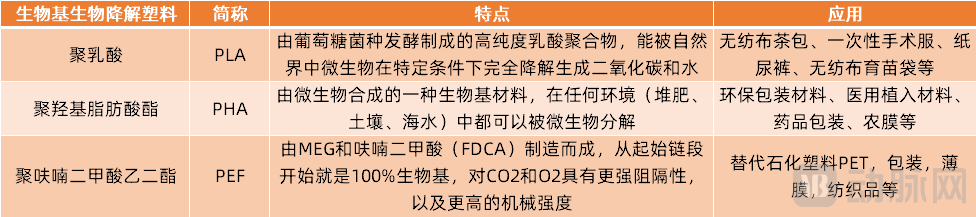
Three Types of Bio-Based Biodegradable Plastics
The emergence of synthetic biology has accelerated the development of bioplastics. Through biosynthetic technologies, researchers can engineer cell factories designed to continuously produce plastic compounds. This concept has been validated in the production of polyhydroxyalkanoates (PHAs), which are commonly used in food packaging and single-use products.
In nature, PHA is a linear polyester produced by bacterial fermentation of sugars or lipids, which helps bacteria store carbon and energy. Based on this principle, several companies have successfully achieved PHA production from bacteria through strain fermentation optimization. For example, the Italian biomaterials companyBio-onand French Sugar Industry PartnersCristal UnionIn 2015, it was announced that a PHA plant would be established in France. In 2018,Bio-onalso announced a partnership with a Spanish companyAcorAn agreement has been reached to begin producing PHA bioplastics from sugar beets.

In China, there is also a biotechnology company focused on the green synthesis of PHA plastics—Beijing Bluepha Microbiology Co., Ltd. (hereinafter referred to as:Bluepha), the company selected an oil-resistant bacterium found in oilfield soil and, through engineering modifications using synthetic biology technology, enabled it to stably synthesize and produce high-performance PHA materials. Since this bacterium naturally thrives in harsh wild environments, its requirements for growth conditions and “nutrients” are relatively low, thereby significantly reducing the production cost of PHA.
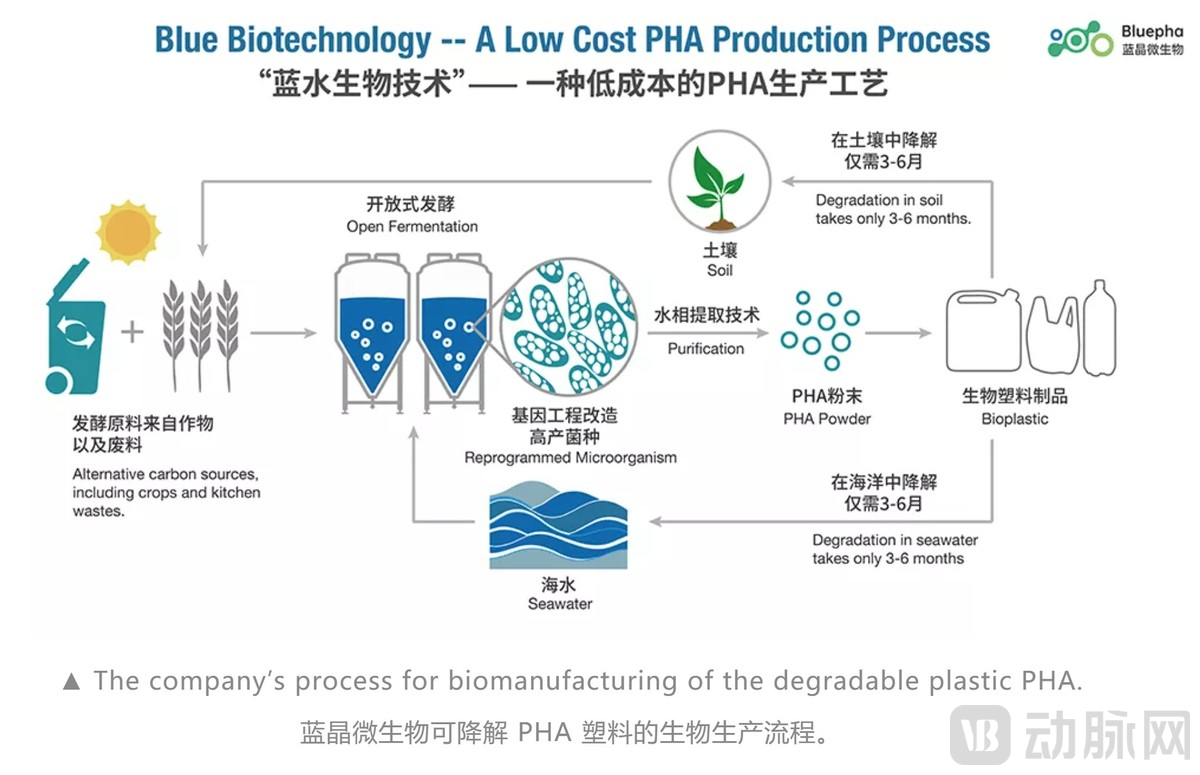
It is reported that Bluepha has been working to reduce the cost of PHA,has approached the cost price of existing petrochemical plastics, becoming the third company globally and the first in China to significantly reduce PHA costs to a level enabling scalable commercial sales.
Apart from PHA, there are currently no known natural metabolic pathways for other highly versatile plastic polymers; however, synthetic genomes in humans are not limited to naturally occurring biosynthetic pathways and can also involve artificially designed genetic pathways.
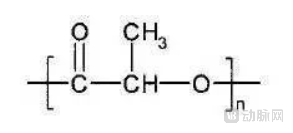
Chemical Formula of Polylactic Acid (PLA)
For example, in 2016, a French biochemical companyCarbiosIn collaboration with the French National Institute for Agricultural Research (INRA), a novel metabolic pathway has been successfully engineered for PLA production. PLA (polylactic acid) is a biodegradable thermoplastic derived from lactic acid, widely used in various food containers, packaged foods, disposable meal boxes, nonwoven fabrics, and industrial and consumer textiles.
For Carbios, creating efficient metabolic pathways for PLA makes it a more cost-effective material, enabling direct competition with chemical plastics. In addition to Carbios, currently, the Dutch biotechnology companyCorbion Purac, Dutch biotechnology companySynbra, French Biotechnology SiteFuterroare actively producing PLA and other bio-based plastic alternatives.
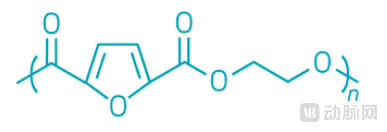
Chemical Formula of Polyethylene Furanoate (PEF)
The emergence of PLA bioplastics is likely to replace PET plastics in many applications in the future. Meanwhile, the Netherlands'AvantiumThe company is also holding its ground, developing PEF plastic derived from corn-based sugars as a substitute for PET. Unlike PLA, PEF (polyethylene furanoate) can be distinguished from PET during the recycling sorting process and offers superior barrier and thermal properties. Avantium has already reached agreements related to this biomaterial with companies that produce Coca-Cola bottles. Coupled with the significant efforts previously invested in PEF research and development, PEF is expected to enter the commercial market on a large scale in 2023.
In addition to genetically programming microorganisms to synthesize biodegradable bio-based plastics, scientists are also attempting to develop plastic-degrading enzymes through protein engineering.
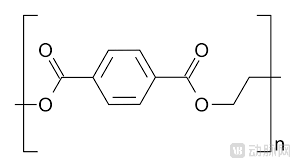
Chemical Formula of Polyethylene Terephthalate (PET)
Also a French biotechnology companyCarbios, the company successfully developed a special enzyme in 2018 capable of breaking down PET plastic fibers found in textile waste. PET (polyethylene terephthalate) is a plastic that is difficult to recycle; these degradative enzymes can break down PET polymers into smaller components, which can then be resynthesized into bioplastics. Unlike traditional recycling methods that involve shredding, melting, and reprocessing plastics, the small-molecule materials produced through enzymatic reactions can be recycled to yield high-quality plastics.
“In the future, we hope to have a corresponding depolymerization enzyme for each type of polymer. This would allow us to recycle any type of plastic without the need for sorting,” Emmanuel Maille, former Director of Strategy and Development at Carbios, told the media. In the future, these enzymes could also be incorporated into certain plastics to facilitate their degradation within a specific timeframe, such as in biodegradable plastic bags. Currently, Carbios has already applied this technology to packaging and agricultural films.
Although bioplastics are more environmentally friendly and sustainable, there are greater challenges for the future plastics market to make bio-based plastics a substitute for plastics made from petrochemical resources.
First, the primary driving force behind bioplastic manufacturing stems largely from external regulations and environmental protection concerns, rather than genuine market “domestic demand.” Increasingly stringent policy and regulatory requirements for biodegradable and bio-based plastics will not only spur the growth of bioplastics but also accelerate the development of underlying technologies.
Next is the price competition between bioplastics and petrochemical plastics. A major challenge lies in whether complex biosynthesis processes can reduce production costs to compete with petrochemical plastics. However, expanding the application scenarios of bioplastics to medical settings can help alleviate this price competition. For example, the German chemical company Evonik (EVONIK) The Group has developed a series of biodegradable polymers for medical devices and sustained drug-release implants, pioneering new application scenarios for bioplastics.
China's Synthetic Biology: In the Early Stages of Industrial Development, Chemical Applications Are Leading the Way Globally
Biomanufacturing technologies for chemical products have become the primary direction for the upgrading and transformation of the traditional chemical industry, with countries around the world incorporating them into their key strategic development areas. China’s “13th Five-Year Plan” for the Development of the Bioindustry set forth the goals of achieving a total output value of over RMB 1 trillion for the modern biomanufacturing industry and raising the share of bio-based products to 25% of total chemical production, reflecting a sustained upward trend in industrial scale.
According to statistics from the Tianjin Institute of Industrial Biotechnology, Chinese Academy of Sciences, biomanufacturing products achieve an average energy saving and emission reduction of 30%–50% compared with petrochemical routes, with future potential reaching 50%–70%. This plays a significant role in promoting the substitution of fossil raw materials, replacing high-energy-consuming, high-material-consuming, and high-emission process routes, and upgrading traditional industries.
Biomanufacturing leverages biological or fossil resources to facilitate material conversion within biological micro-factories under mild process conditions. As a green production method, it promotes the formation of a new industrial structure and production paradigm characterized by low resource consumption and minimal environmental pollution, potentially offering an effective alternative to traditional chemical manufacturing processes. Through biomanufacturing, China has achieved green production of a range of basic chemicals, fine chemicals (including active pharmaceutical ingredients for chemical drugs), and bio-based polymeric materials, providing exemplary models for transforming industrial raw material pathways and enabling the industrial-scale synthesis of agricultural products.
By compiling publicly available information, VCBeat (WeChat ID: vcbeat) has conducted a brief overview of 15 biotechnology companies in China that apply synthetic biology technologies, categorizing and introducing their key application scenarios.
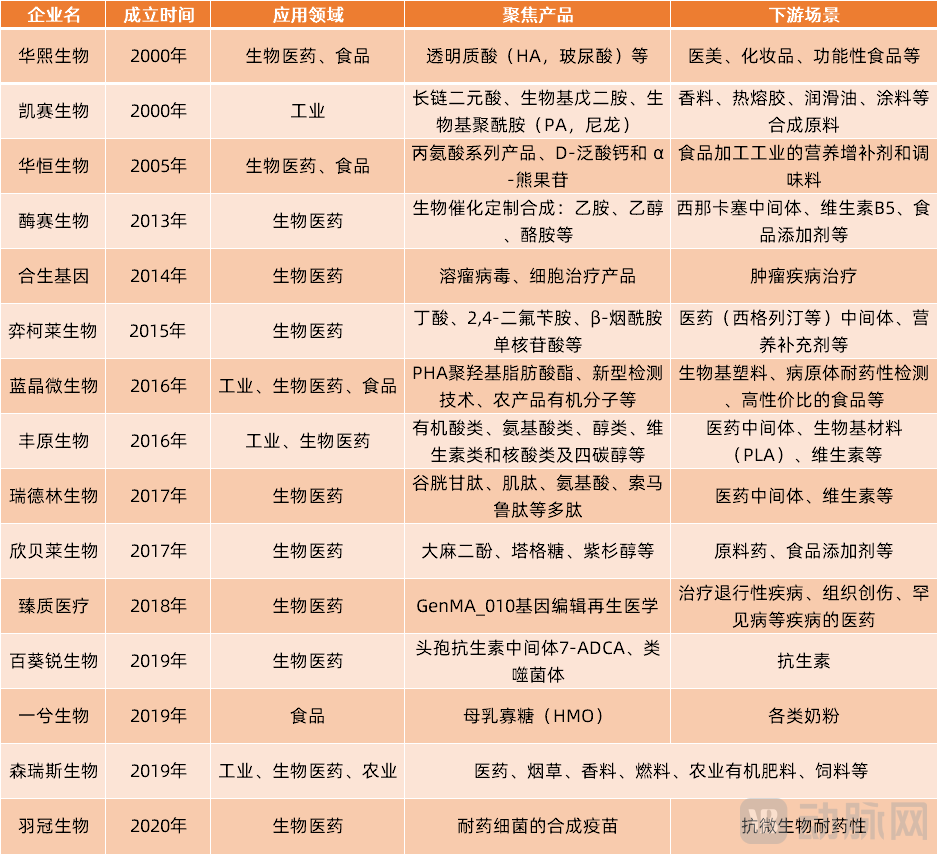
Overview of Companies Engaged in the Application of Synthetic Biology Technologies
Of course, in the upstream and downstream segments of the synthetic biology industry, besides downstream companies directly engaged in biosynthesis operations, there are also upstream technology firms whose core business is providing synthetic biology technical support. Examples include Oxford Genetics, a UK-based company offering DNA synthesis services, as well as Chinese enterprises such as Hongxun Technology and Diying Biology. However, these upstream players are not the focus of this article; we only classify downstream synthetic biology companies based on their application scenarios for the technology.
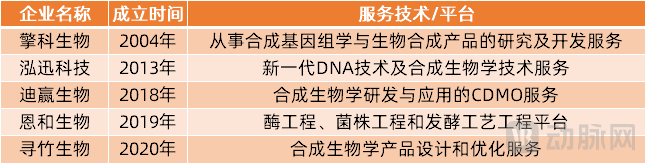
Enterprises Providing Technical Services Related to Synthetic Biology
As the data reveals, the number of synthetic biology companies in China is relatively small, and their product focuses vary significantly. Among the 15 synthetic biology companies compiled by VCBeat, 13 have applications in the biopharmaceutical sector, 5 in the food and agriculture sector, and 4 in industrial applications. However, due to the reliance on limited public information, some companies involved in industrial, agricultural, or food sectors have not disclosed their technical principles, making it difficult to determine whether synthetic biology technologies are employed. Consequently, these companies were not included in the table.
Secondly, we can also see that companies in China applying synthetic biology technologies to empower chemical industry scenarios are experiencing the fastest growth. Leading the pack is the company already listed on the STAR Market of the Shanghai Stock Exchange.Cathay Biotech, the company holds a prominent competitive advantage in the industries of bio-based long-chain dicarboxylic acids, bio-based pentamethylenediamine, and bio-based polyamides. It is currently a leading global enterprise representative of those capable of simultaneously achieving bio-based manufacturing and large-scale industrialization of series of long-chain dicarboxylic acids, bio-based pentamethylenediamine, and bio-based polyamides, with clients including DuPont, Evonik, EMS, and others.
Similarly, in the chemical industry applications of synthetic biology,BluephaWith biosynthetic PHA plastics as its core business, the company is dedicated to producing “green plastic” PHA that is low-cost, high-yield, and performance-stable, aiming to replace traditional plastics responsible for “white pollution.” Bluepha has designed hundreds of genes at both regulatory and functional levels. By integrating multiple factors, it has developed a PHA pipeline that halves production costs, positioning itself among the world’s leading PHA synthetic biology manufacturers. The company’s founder stated in an interview that if Bluepha further expands its production scale in the future, the cost of PHA could continue to decline, approaching that of currently common plastics such as polyethylene.
Beyond the initial industrial applications that went global, the second company to go public in the synthetic biology sector has emerged from the biopharmaceutical track—Huaheng Biology, the company is primarily engaged in the research and development, production, and sales of amino acids and their derivatives. Its main products include alanine series products, D-calcium pantothenate, and α-arbutin, making it one of the largest manufacturers of alanine series products globally. Huaheng Biology's largest partner is BASF, a company that focuses on being the world's largest producer of the new green chelating agent MGDA.
Furthermore, recognized as one of the "Big Three" domestic hyaluronic acid manufacturers,Bloomage BiotechThe company also adopts a biosynthetic approach to produce hyaluronic acid, commonly known as sodium hyaluronate. An analysis of the company’s prospectus reveals that Bloomage Biotechnology leverages the natural ability of Streptococcus zooepidemicus to metabolically produce hyaluronic acid. Through mutagenesis of wild-type strains and high-throughput screening, the company has identified premium strains with the highest hyaluronic acid yield, enabling large-scale fermentation production. Building on this foundation, the company further employs multi-scale process optimization technologies to implement targeted metabolic regulation during hyaluronic acid fermentation. This promotes the synthesis of hyaluronic acid-related enzyme systems, directing metabolism primarily toward hyaluronic acid biosynthesis, thereby significantly increasing fermentation yield while reducing the generation of impurity metabolites.
In summary, the primary applications of synthetic biology remain focused on the synthesis of chemical raw materials and pharmaceutical intermediates, with the most rapid development occurring in the industrial sector. Notably, nylon raw materials represented by Cathay Biotech have been among the first to enter the global market. The main competitors for these bio-based material manufacturers are companies employing traditional synthetic methods. To capture market share, bio-based production must achieve cost-effectiveness comparable to, or even exceeding, that of conventional chemical manufacturing. However, with the scaling up of “high-efficiency cellular micro-factories,” economically viable production and a green lifestyle are well within reach.