

Cleveland Clinic's $500 Million Annual Investment in Medical Innovation: Driving Global Healthcare Transformation
Earlier this year, the Global Medical Innovation Summit hosted by the Cleveland Clinic announced“Top 10 Innovative Medical Products of 2021”, namely gene therapy for hemoglobinopathies, new drugs for multiple sclerosis, pacemaker devices, new drugs for cystic fibrosis, universal treatment for hepatitis C, Bubble CPAP, research on telehealth accessibility, vacuum-induced uterine tamponade devices, PARP inhibitors for prostate cancer, and immunology for migraine prevention.
This is not a mere list; rather, it comprises ten medical innovations with both clinical significance and commercial value that benefit a broad patient population. These innovations were ultimately selected by the Cleveland Clinic’s professional evaluation team through a rigorous screening process from nearly 500 nominations. They are poised to exert a profound influence on the global healthcare landscape in the coming years and have already become a bellwether for the medical innovation industry.
The list’s influence is inseparable from the Cleveland Clinic’s nearly century-long dedication to and perseverance in medical innovation. As early as 1945, the Cleveland Clinic establishedLerner Institute, specializing in biomedical research; in 2000, the Cleveland Clinic jointly established with the Global Healthcare Innovation AllianceCleveland Clinic Innovations, primarily responsible for the commercial development of medical technologies developed by physicians and researchers at our hospital.
In addition to its strategic planning, the Cleveland Clinic has been equally generous in its financial investments. According to official data disclosed,Cleveland Clinic's R&D funding has risen to $500 million in recent years, with the Cleveland Clinic covering 70% of the costs out-of-pocket and the government and related agencies subsidizing the remaining 30%,Out-of-pocket expenses account for as much as 5.5% of the clinic's annual revenue.
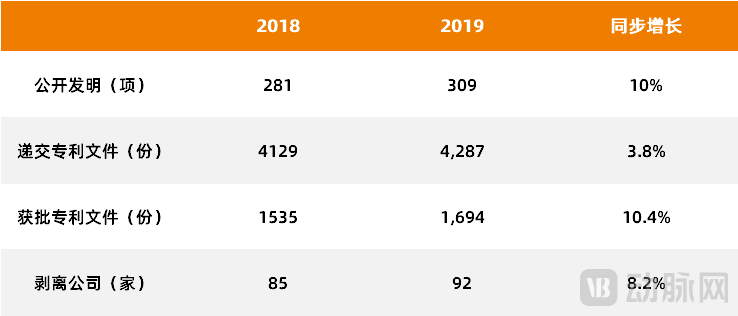
But this investment is by no means “great value for money.”In 2019, Cleveland Clinic disclosed 309 public inventions, representing a nearly 10% increase from the 281 reported in 2018. The institution filed 4,287 patent applications, of which 1,694 were granted. A total of 92 inventions were successfully commercialized into products, attracting over $1.3 billion in investment and generating nearly $90 million in returns for investors.
By any measure, the Cleveland Clinic has achieved remarkable success in scientific research. However, engaging in research within a healthcare institution is not an endeavor that can be accomplished overnight through fleeting enthusiasm. Much like the fundamental nature of the medical field, it is a process of continuous accumulation, requiring sustained effort and the passage of time to yield meaningful results.
So, what enables the Cleveland Clinic to stand out? What operational model and resource advantages drive its global leadership in translating scientific research achievements into practical applications? To explore its path to success, VCBeat has conducted an in-depth study of the Cleveland Clinic, aiming to build upon the shoulders of this “giant” and lay bare the top-level logic underlying the translation of medical research findings.
I. Innovation Is Embedded in the DNA of Cleveland Clinic
Founded in 1921, the Cleveland Clinic is nearly half a century younger than its “big brother,” Mayo Clinic (formerly known as Mayo Clinic Medical Center, established in 1864 and consistently ranked No. 1 among hospitals worldwide). Located in the remote city of Cleveland, Ohio, the clinic currently employs more than 3,000 physicians and researchers, handles 6 million patient visits annually, and has maintained annual revenues at the multi-billion-dollar level for five consecutive years.

Cleveland Clinic Abu Dhabi
Many shining points can be seen in Cleveland Clinic, with its high standards for medical services being the foremost. In 2004, cardiothoracic surgeon Cosgrove was appointed as the President and CEO of Cleveland Clinic. When Cosgrove first appeared at the staff meeting as a leader, he gave each person a simple badge engraved with“Patients First (Patient-Centered)”, and from then on, this creed has defined and guided everything Cleveland Clinic has done since.
In addition, in-depth exploration of specialized fields is another hallmark of the Cleveland Clinic. Benefiting from the foundational legacy established by its pioneers and innovations in management models, the Cleveland Clinic holds a leading position in numerous specialties, including the Heart & Vascular Institute, Digestive Disease Center, Department of Rheumatology and Immunology, Kidney Center, Endocrinology Department, Obstetrics and Gynecology, and Respiratory Institute, with rankings consistently among the top nationwide.It is worth noting that since 1995, Cleveland Clinic’s cardiac surgery program has ranked No. 1 in U.S. News & World Report for 26 consecutive years.
But this is not the full story of the Cleveland Clinic. This world-class medical center, which has risen from a remote small town in Ohio to global prominence, also carries a hidden moniker: its relentless pursuit of medical innovation.
Since its inception, Cleveland Clinic has established the Cleveland Clinic Laboratories and the Office of Research. In 1945, it founded the Lerner Research Institute, dedicated to biomedical research. In 2000, in partnership with the Global Medical Innovation Alliance, Cleveland Clinic established Cleveland Clinic Innovations, responsible for the commercial translation of medical technologies developed by its physicians and researchers. In 2002, Cleveland Clinic collaborated with Case Western Reserve University to establish the Cleveland Clinic Lerner College of Medicine, thereby achieving an organic integration of clinical practice, scientific research, and medical education.
The Cleveland Clinic has also been a witness to and practitioner of numerous major breakthroughs in human medicine. In 1940, researchers at the Cleveland Clinic successfully isolated serotonin; in 1958, they performed the first coronary angiography in human history; in 1967, they developed and refined coronary artery bypass grafting surgery; in 1996, they carried out the first minimally invasive aortic heart valve surgery; in 1998, they performed the first successful laryngeal transplant; in 2006, they achieved pioneering success in deep brain stimulation for mental disorders; in 2007, they performed the first kidney surgery via the patient’s umbilicus; in 2008, they completed the world’s first full-face transplant; in 2011, they conducted the first transcatheter valve replacement and repair in the United States; in 2012, they demonstrated that bariatric surgery can control diabetes; and in 2013, they discovered that gut bacterial metabolite trimethylamine N-oxide (TMAO) can predict the risk of heart disease...
On the path of internet healthcare, Cleveland Clinic also demonstrates a spirit of exploration. It isThe world’s first medical institution to introduce technologies such as “smart ward” design and mobile integrated healthcare information systems, which enables the Cleveland Clinic to maintain operating costs nearly 20% lower than those of comparable hospitals in the United States. In 2019, the Cleveland Clinic served 10 million outpatient visits and 309,000 inpatients, and performed 255,000 surgeries. The patient survival rate was 34% higher than the average for other hospitals in the United States.
In addition, the Cleveland Clinic’s annualMedical Innovation SummitThe summit has also exerted significant influence in the global healthcare sector. To date, it has successfully held 18 editions, attracting thousands of prominent figures from global health systems, the medical academic community, and the investment sector from around the world. The most anticipated segment is the unveiling of the Top Ten Healthcare Innovations list, which holds epoch-making significance for the development of the entire healthcare industry. Each healthcare innovation will improve traditional treatment modalities and write a new chapter in clinical care.
II. Addressing the Greatest Challenges Faced by Patients with the Most Concentrated Resources
Every step forward in human medicine is grounded in the premise of saving patients’ lives while ensuring they receive the best possible medical care. Take tuberculosis as an example: once regarded as a “terminal illness” with no hope but death, it is no longer feared today. This profound transformation is attributable to advances in medicine, and more specifically, to substantive progress generated through the repeated translation of scientific research findings into clinical practice. This underscores the fundamental reason why the translation of medical research achievements is needed in our time: to address unmet needs in the medical field.
Along this path, the Cleveland Clinic has developed a mature model for innovative research, namelyBring together scientific researchers, clinical investigators, and physician care teams to address the most pressing challenges currently facing patients by leveraging the most concentrated resources.
Specifically, the Cleveland Clinic possesses a unique business portfolio in medical research, perfectly realizing "translational medicine" from basic medical research to clinical application and then to commercial product development.First is basic medical research, primarily conducted by the Lerner Research Institute. To date, more than 1,200 researchers work at the Lerner Research Institute, collaborating to discover new cures for diseases. Second is clinical medical application: Cleveland Clinic boasts a substantial pool of physician-scientists who can accurately identify current clinical needs and provide constructive recommendations.
Finally, commercial translation is a critical step. To better promote the commercialization of scientific research achievements, Cleveland Clinic established Cleveland Clinic Innovations, dedicated to transforming breakthrough technologies invented by healthcare professionals into medical products or companies that benefit patients.
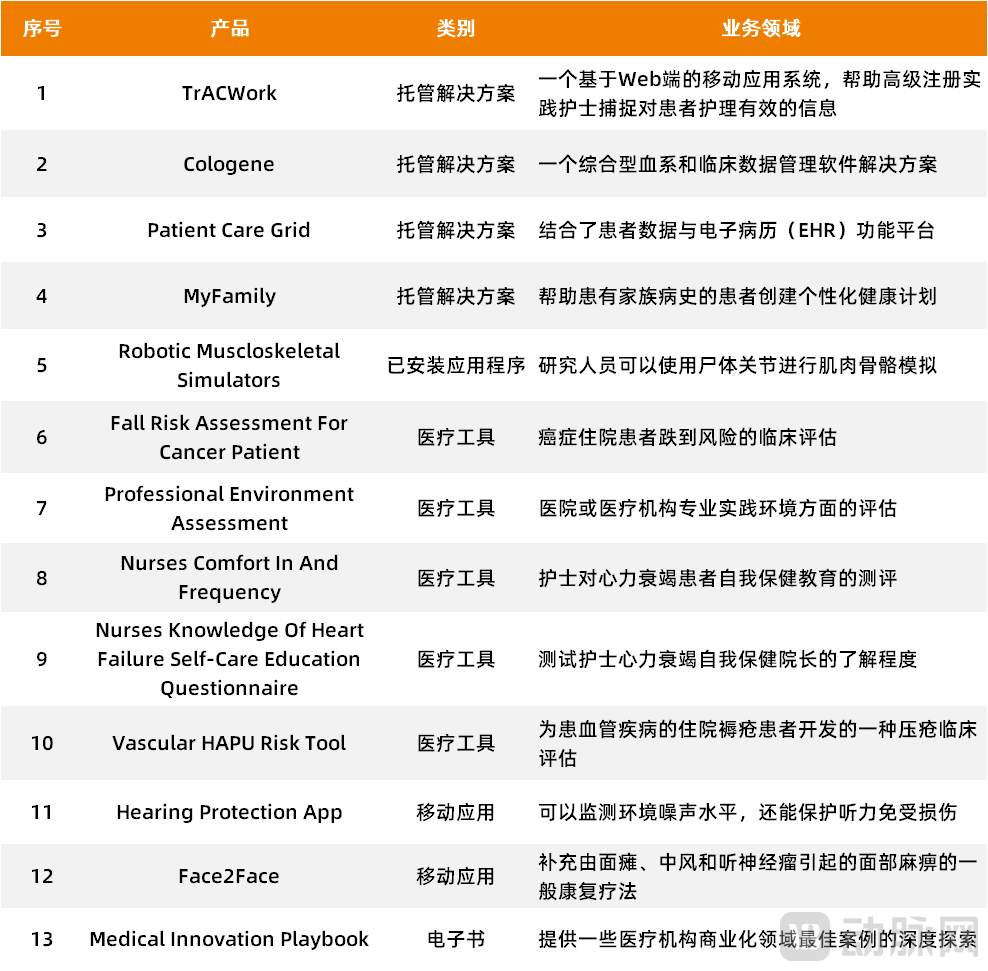
Cleveland Clinic Innovations operates four incubators, focusing on health information technology, medical devices, diagnostics and therapeutics, and care delivery solutions.Among the internet products launched, the most distinctive is undoubtedly “ADEO.” Derived from Latin, “ADEO” means “to move forward.” Launched in October 2014, the platform currently offers 13 products, primarily focused on seven key segments: medical devices, mobile applications, consulting services, toolkits, e-books, hosting solutions, and installed applications.
In addition to commercializing medical technologies, the Innovation Division also engages in investment activities. According to information disclosed on its official website, the division’s primary investment sectors include medical devices, diagnostics and therapeutics, system software, and biopharmaceuticals, with twelve portfolio companies involved in software systems.
Furthermore, the Innovation Department has independently developed mobile applications and incubated new companies. In terms of app development, Cleveland Clinic Innovations has successfully launched multiple functional apps, including those for Cleveland Clinic, Cleveland Clinic Innovations, and Cleveland Clinic Wellness Enterprise, which hold significant importance for hospital management and operations.
In terms of incubating new companies, statistical data show that since the establishment of Cleveland Clinic Innovations, over the past two decades, the innovation arm has spun off 88 companies, managed more than 600 paid product licenses, attracted over $1.3 billion in investment, and generated nearly $90 million in returns for investors.
III. “4P” Innovation: Identify Problems, Engage the Right People, Emphasize Processes, and Create Quality Products
According to official statistics, in 2019, Cleveland Clinic conducted a total of 2,488 research projects and published 5,020 research findings, ranking first in the United States. The institution secured $307 million in research funding, representing a year-on-year increase of 3.7%, including $111 million from the National Institutes of Health (NIH).
The remarkable achievements in translating scientific research outcomes into practical applications are inseparable from the Cleveland Clinic Innovation’s distinctive “4P” model.
At the "5th Future Healthcare Top 100 Conference" held in April this year,Mr. Tom Sudow, Director of Business Development, Cleveland Clinic InnovationsHe stated, “Commercializing technology means translating ideas and innovations rooted in the medical field into practical projects that deliver tangible benefits to patients. This is no easy task, as it involves multiple processes, each of which is critically important. To streamline the entire workflow, the Innovation Department has developed the ‘4P’ innovation model: first, identify problems; second, find the right people; third, emphasize process; and fourth, create high-quality products. This model has been successfully applied in tens of thousands of cases within the Innovation Department and has become the ‘compass’ guiding its scientific research efforts.”
So, what exactly is the “4P” innovation model?
The starting point of medical research is always to address the practical problems faced by patients; therefore, identifying fundamental needs is crucial. The Lerner Research Institute regularly communicates with physicians and nurses to define problems within real-world clinical settings, continuously breaking them down to ultimately identify the most valuable issues.
Human capital remains an indispensable critical factor, a reality that is particularly evident in scientific research. As an investor in the research sector, Cleveland Clinic Innovations imposes rigorous standards on teams. These criteria primarily encompass the leadership’s depth of understanding in their respective fields, the resource accumulation backing the team, and their attitude toward and aspiration for scientific research.
Mr. Tom Sudow stated, “In the United States, if you want to drive innovation in the healthcare sector, it is crucial to recruit the right individuals to join your team. This not only significantly reduces your research costs but also alters the ultimate trajectory of the project, as the right people bring additional resources and propose more constructive ideas, which are essential for innovation.”
of great significance.”
Innovation itself is a challenging and mission-driven journey. Throughout this journey, the Cleveland Clinic Innovations department primarily serves as a “problem-solver,” addressing issues as they arise and integrating diverse resources to ensure the efficient operation of every stage.
Mr. Tom Sudow outlined the complete journey of the Cleveland Clinic’s Innovation Department to VCBeat: “First, we assemble a team to conduct market research on innovative projects, and then engage with physicians and nurses to further refine the processes. Next, we perform clinical analyses tailored to their needs, focusing on dimensions such as project feasibility, business models, commercialization strategies, early-stage challenges, and clinical trials. Throughout this process, the Innovation Department collaborates with leading industry enterprises and government agencies to identify clear payers and facilitate smooth implementation in the most effective manner. Only by truly addressing these factors can one become a winner in the field of medical innovation.”
A successful product must be capable of commercialization. For the Cleveland Clinic Innovations, once a product enters the production phase, considerations such as distribution strategies, direct-to-customer sales approaches, and training programs for marketing personnel come into play. The department has established systematic operational frameworks for each of these stages.
Mr. Tom Sudow told VCBeat, “Medical innovation is essentially a process of natural selection, where the fittest survive. It begins with a plan to address an identified problem, followed by the proposal of a concept and subsequent design work, before finally entering the market. Throughout this journey, many projects fail. To identify the most valuable initiatives, our Innovation Department has devoted considerable time and effort to scrutinizing the details hidden within these projects, deliberately seeking out flaws. This is because there is no turning back in medical innovation; once embarked upon, the path must be pursued with unwavering determination. Therefore, as researchers, what we should cherish is not the product itself, but rather our ability to identify and solve problems.”
IV. Lessons from Others: How Can Medical Institutions Excel in Medical Innovation?
In recent years, the translation of scientific research achievements has become a hot topic in China's medical field.One aspect is reflected at the policy level.Since the 18th National Congress of the Communist Party of China proposed the innovation-driven development strategy and placed innovation at the core of national development, China has set the tone for promoting the translation of medical research achievements. Successively, multiple key policies have been introduced across three dimensions—national strategy, laws and regulations, and industry guidance—thereby completing the “trilogy” of policy support for the translation of scientific and technological achievements.
On the other hand, it is reflected at the hospital level.According to the "Notice of the General Office of the National Health Commission on the National Monitoring and Analysis of the Performance Appraisal of Tertiary Public Hospitals Nationwide in 2018," released in July 2020, 80.34% of tertiary public hospitals received research funding support in 2018, with the value of transformed scientific and technological achievements per 100 health technical personnel reaching RMB 13.0593 million, representing a 165.96% increase compared to 2016.
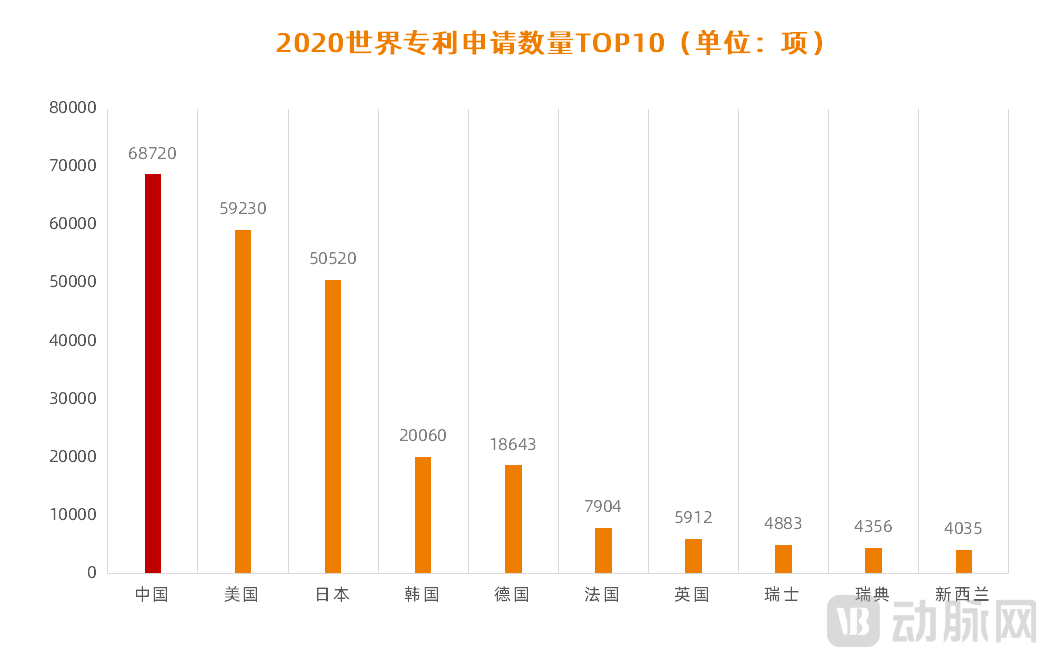
Although there is significant interest, the actual benefits remain unsatisfactory. According to the latest data released by the World Intellectual Property Organization (WIPO) of the United Nations, China filed a total of 68,720 international patent applications through the Patent Cooperation Treaty (PCT) in 2020, topping the global rankings for the second consecutive year. However, compared with the technology transfer rate of approximately 40% in developed countries in Europe and America,China's rate in this metric stands at only about 15%, indicating a remarkably low overall conversion rate.
The reasons for this outcome are multifaceted.First, doctors lack motivation., the vast majority of physicians in China remain primarily focused on clinical practice, making it difficult for them to devote sufficient time and energy to scientific research;Second, there is a lack of a mature operational system., taking the unclear division of intellectual property rights as an example, in some projects, hospitals and other institutions each hold a certain proportion of intellectual property rights. During the commercialization process, it is necessary to navigate two distinct evaluation systems, making the procedure quite complex.
Finally, healthcare institutions are stretched thin in terms of commercial translation.The translation of scientific and technological achievements is a continuous process involving multiple critical stages, with commercialization being the most pivotal. This stage directly determines whether a project holds genuine value. However, this is precisely the area where hospitals are least proficient, manifesting in two main aspects: first, hospitals exhibit relatively weak awareness and mindset regarding commercialization; second, they lack the necessary resources for commercialization, making implementation challenging.
"Stones from other hills may serve to polish the jade." What lessons can we draw from the Cleveland Clinic, one of the world’s leading institutions in translating scientific research into clinical practice?
First, the division of labor is clear.Cleveland Clinic has separated its scientific research from commercialization processes by independently establishing the Lerner Research Institute, which focuses on R&D, and an Innovation Department dedicated to commercial implementation. It closely integrates physicians, nurses, researchers, investors, and entrepreneurs, enabling each group to fulfill its respective role in jointly advancing the translation of scientific research.
Second, approach problems with a problem-oriented mindset.Mr. Tom Sudow has consistently emphasized the critical role of “problems” in the translation of scientific research achievements. Within the Cleveland Clinic’s research model, these “problems” have remained a central thread. This concept of “problems” encompasses two key dimensions: on one hand, the challenges patients currently face during clinical consultations; on the other, the obstacles that implementing institutions must address in the process of translating scientific research into practical applications.
3. Visualization of Benefit Distribution.In Cleveland Clinic’s revenue distribution model, the hospital and the Technology Transfer Office (TTO) each receive approximately 30%, while the innovators receive 40%. To ensure fairness, Cleveland Clinic has established a dedicated Conflict of Interest Committee aimed at achieving complete transparency in revenue allocation and fully reflecting market value.
Fourth, emphasize resource integration to create an integrated operational model of “industry, academia, research, and commerce.”Translating scientific achievements into practical applications is not a solitary endeavor but requires deep engagement at every stage. To ensure efficient execution across all phases, Cleveland Clinic has implemented a comprehensive strategy spanning from initial scientific concepts and laboratory breakthroughs to the transformation of technologies into mature commercial products. Within this framework, “industry” is represented by research scientists, “academia” by the Lerner College of Medicine, “research” by the Lerner Research Institute, and “commerce” by the Innovation Department. Each component operates independently yet remains intricately interconnected.
According to the "2019 Annual Report on the Transformation of Scientific and Technological Achievements in China (Higher Education Institutions and Research Institutes)," in 2018, the contract value of scientific and technological achievements transformed by 3,200 universities and research institutes in China through assignment, licensing, and equity investment reached RMB 17.73 billion, a year-on-year increase of 52.2%. Among them, 32 institutions had total transformation contract amounts exceeding RMB 100 million, representing a year-on-year increase of 14.3%. Notably, 12 of these 32 projects valued at over RMB 100 million were medical-related, highlighting the significant future value of translating medical research outcomes into practical applications.
However, focusing on the present, we still have a great deal of work to do.From a current perspective, the translation of medical research achievements into practical applications can be considered a tough task. One reason is the long time cycle involved, and another is that numerous challenges need to be addressed directly. However, the more difficult something is, the more excited we should feel about it, because every step forward for humanity comes with its own set of challenges. Only by doing what is difficult yet right can we truly realize the value of scientific research.