

HuiSleep Files IPO Prospectus: Pioneering CBT-I-Based Digital Therapeutics for Insomnia
Hi, stranger! How long has it been since you last had a good night’s sleep?
Theoretically, people spend about one-third of their lives sleeping. However, with the improvement in living standards and the new lifestyle brought by the Internet, people's sleep conditions have become increasingly severe. Among all sleep disorders, insomnia is the most common sleep disorder. According to the "2021 White Paper on Exercise and Sleep," more than 300 million people in China currently suffer from sleep disorders, and the incidence of insomnia among Chinese adults is as high as 38.2%. Data from the Chinese Sleep Research Society shows that over the past year, due to the impact of the pandemic, people spent significantly more time at home, but their overall bedtime was delayed by 2 to 3 hours.
In the treatment of sleep disorders, public understanding generally remains confined to the use of synthetic sedatives and hypnotic medications. However, due to the risks of drug tolerance, addiction, and withdrawal symptoms, as well as the inherent adverse effects of these medications, there is a growing demand among patients with sleep disorders for non-pharmacological solutions to insomnia.
In response to this situation, Shanghai Fangxin Technology Co., Ltd. (brand name “Hui Shui”) has built an integrated sleep health solution encompassing medical validation, product development, health management services, and the application of medical data models by leveraging Cognitive Behavioral Therapy for Insomnia (CBT-I). This approach efficiently addresses insomnia in patients with sleep disorders. Recently, VCBeat interviewed Zhu Yuhan, CEO of Hui Shui Smart Healthcare, to explore the company’s product architecture and strategic development layout.
From Traditional Home Textiles to Digital Therapeutics: The Journey of Hui Shui
Currently, in China, the sleep market constitutes an extremely vast ecosystem, which can be categorized into four major segments: sleep health supplements, sleep medications, sleep products, and sleep services. Among these, sleep products (including home textiles, medical devices, and smart hardware) dominate the market, largely due to the high maturity of traditional home textile and home furnishing industries. Although traditional home textile and furnishing products account for a significant share of the sleep market, it is undeniable that the growth rate of this sector has gradually slowed down. How to unlock new market opportunities has become a new topic of discussion among industry insiders.
Against this backdrop, Shandong Yuyue Home Textile Group leveraged its existing home textile business to enter the broader health industry by focusing on sleep health. In 2019, it established HuiShui, which initially provided sleep health services primarily by enhancing product quality and integrating digital monitoring technologies into traditional home textile products.
As HuiShui delved deeper into the sleep health market, its team recognized the widespread prevalence of sleep disorders among the general population. Leveraging digital therapeutics, which were then beginning to take root in China, HuiShui officially established its smart healthcare division in 2020. This marked the true commencement of HuiShui’s exploration into non-pharmacological interventions for sleep disorders.
Currently, treatments for sleep disorders are generally categorized into two main approaches: Cognitive Behavioral Therapy for Insomnia (CBT-I) and pharmacological therapy. CBT-I is recommended as the first-line treatment for insomnia by the American College of Physicians and the European Sleep Research Society. It is currently the most effective non-pharmacological intervention for insomnia and is also commonly used for self-management. CBT-I improves sleep by correcting maladaptive beliefs and attitudes about sleep, as well as unfavorable behavioral habits. Its core components include sleep hygiene education, relaxation training, cognitive therapy, stimulus control, and sleep restriction therapy.
Compared with pharmacotherapy, although CBT-I holds advantages and is gradually being implemented in China, its current penetration remains low due to the prolonged treatment duration, high cost, and limited availability of medical professionals.
Therefore, how to leverage technology to enhance the accessibility of CBT-I while ensuring therapeutic quality has become a top priority in product planning and design.
AI-Integrated Cognitive Behavioral Therapy for Insomnia: Accessible Anytime, Anywhere
Unlike internet-based healthcare, digital therapeutics directly intervene in diseases through algorithms and functionalities embedded in software and products, whereas internet healthcare platforms primarily serve as tools to facilitate connections between patients and physicians. Recognizing this distinction, HuiShui, leveraging its partnerships with the Asian Sleep Society, the Chinese Sleep Research Society, sleep centers within its affiliated group hospitals, Peking University People’s Hospital, and other collaborating medical institutions, along with its in-house medical team, has developed HuiShui CBT-I, a non-pharmacological, AI-driven digital therapeutic for sleep disorders.
This therapy is a systematic treatment strategy targeting the behavioral, cognitive, and physiological aspects of patients with insomnia. In practice, it leverages AI algorithms to intelligently generate and optimize sleep protocols based on sleep assessment data from insomnia patients, creating personalized sleep-wake schedules. Combined with educational courses and support from a team of professional physician consultants, this approach addresses multiple factors—including maladaptive behaviors, poor sleep habits, and erroneous cognitions—to effectively alleviate insomnia.
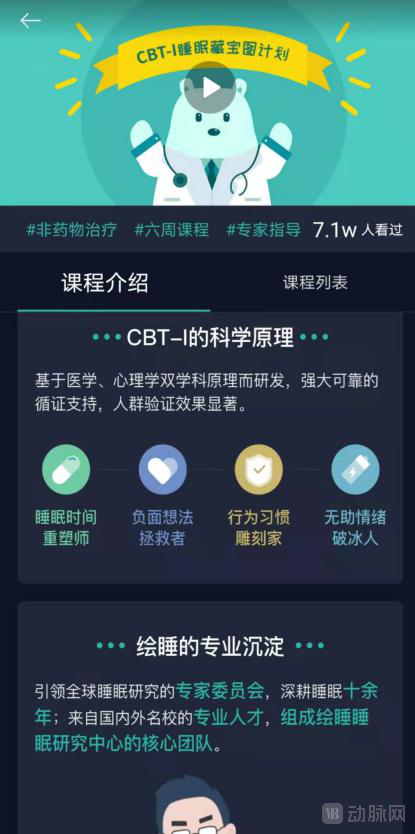
To achieve better integration of product algorithms with CBT-I therapy, half of HuiShui’s core technical team possesses R&D and design experience in traditional medical devices, while the other half consists of technical professionals from leading Chinese internet enterprises and gaming companies. This strategic composition takes into account that digital therapeutics products abroad tend to be presented in gamified formats. Furthermore, during product design, the HuiShui team collaborates with clinically experienced physicians or senior psychological counselors to advance projects, thereby ensuring the quality of product implementation.
Existing implementation cases demonstrate that, compared with traditional face-to-face CBT-I therapy and pharmacological treatments, Huishui’s CBT-I therapy offers significant advantages in terms of efficacy, medication dependence, convenience, and cost. In terms of efficacy, users experience a marked reduction in sleep onset latency, an increase in deep sleep cycles, and notable improvements in emotional well-being.
Currently, Huishui has built a sleep ecosystem that integrates remote CBT-I (Cognitive Behavioral Therapy for Insomnia) services, intelligent sleep monitoring devices, online consultations, and a smart sleep-aid app, forming a closed-loop service system spanning sleep monitoring, assessment, treatment, and management.
Continue to conquer the consumer market and strengthen market education
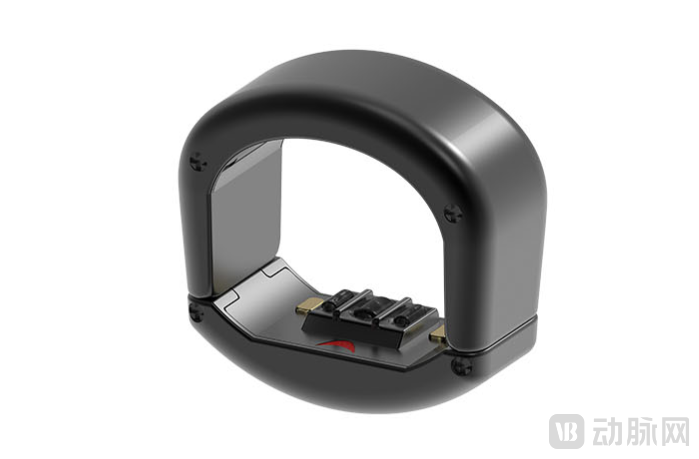
Within HuiShui’s comprehensive service ecosystem, sleep monitoring serves as the foundation for therapeutic implementation. To facilitate initial screening and intervention for sleep disorders while ensuring the medical integrity of its services, HuiShui employs medical-grade smart monitoring rings to track sleep data. These devices monitor parameters such as heart rate and blood oxygen saturation on a per-second basis, delivering high-precision outputs for sleep staging, apnea risk assessment, and sleep quality evaluation. Currently, this product has been approved as a Class II medical device.
To address common sleep-related issues, HuiSleep has developed intelligent sleep health devices, including smart sleep bands, anti-snoring pillows, and one-touch soothing water-heated mattress pads, significantly improving sleep quality. Moving forward, HuiSleep will focus on non-contact technologies for its smart hardware product development to enhance user comfort.
Regarding the company’s future development, Huishui will continuously advance and conduct clinical validation of its Huishui CBT-I digital therapeutic, laying the groundwork for subsequent applications for medical device registration certificates. In terms of market strategy, Huishui has chosen to continue penetrating the market through the consumer segment (C-end), while strengthening market education during this process to enhance public awareness of CBT-I and digital therapeutics. Meanwhile, the company aims to collaborate with investors whose professional expertise and philosophical alignment are more closely matched, thereby facilitating resource integration.