

Innovative Approaches to Dementia Care by Taikang Community in the Era of Longevity
Currently, as the aging of society deepens, public demand for care services for the elderly continues to rise. Specifically, in the field of dementia care, addressing the aging trend and the year-on-year increase in dementia incidence, how to provide safe, effective, and high-quality care for individuals with dementia has become a critical issue requiring collaborative exploration by all sectors of society.
On July 10, the Special Forum on Dementia Care and the Launch Ceremony of the Manual for Setting Up Multi-Sensory Rooms were held at Taikang Community·Chuyuan in Wuhan. Co-hosted by Taikang Community and the Hubei Provincial Association of Elderly Care Institutions, and organized by Taikang Community·Chuyuan Nursing Apartment, the forum featured six domestic and international experts in dementia diagnosis, treatment, and care, who shared their explorations and practical experiences in dementia care and multi-sensory stimulation therapy.
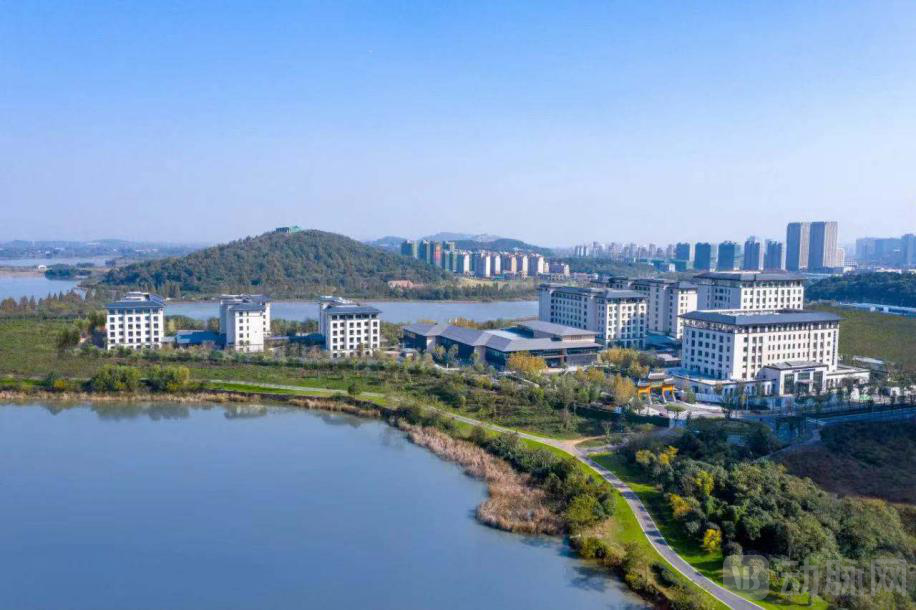
Taikang Community·Chuyuan (Image source: Provided by the enterprise)
The Fading of Memory: The Dilemma of the "Longevity Era"
Data from the 2021 census shows that China’s population aged 60 and above reached 264 million, accounting for 18.70% of the total population. Based on current demographic distributions across age groups, the elderly population is projected to reach 380 million by 2030. Alongside rising living standards, aging has been accompanied by increased life expectancy. In 2016, China’s average life expectancy was 76.3 years; some experts suggest that if this trend continues, it will reach 81.9 years by 2040.
Along with increased longevity comes a year-on-year rise in the incidence of dementia.
Dementia, with Alzheimer’s disease being the most common form, has become the fourth leading threat to the health of older adults, following cardiovascular diseases, cerebrovascular diseases, and cancer. Although an increasing number of people are facing this challenge, the vast majority of dementia cases currently remain incurable.
A common misconception in dementia care is that pharmacological treatment is the optimal approach. However, according to the "Expert Consensus on Care and Management of Patients with Cognitive Impairment in China," non-pharmacological care interventions are the first-line strategy for managing behavioral and psychological symptoms of dementia (BPSD) in older adults, and pharmacological treatment should be used in conjunction with non-pharmacological interventions.
In addressing the care needs of seniors with dementia, Taikang Community has long established a strategic presence. In 2018, Taikang Community partnered with GRS, a leading U.S. operator of senior living and rehabilitation facilities, to develop the Taikang Standardized Long-Term Care System (TK-LTC) by integrating international expertise with its own practical experience. Building on the existing TK-LTC framework and its integrated medical-and-care model, Taikang Community has further launched the “Home Direction” memory care program by introducing international dementia care techniques and philosophies. A professional multi-sensory room pilot for this program has been implemented at Taikang Community·Chuyuan.
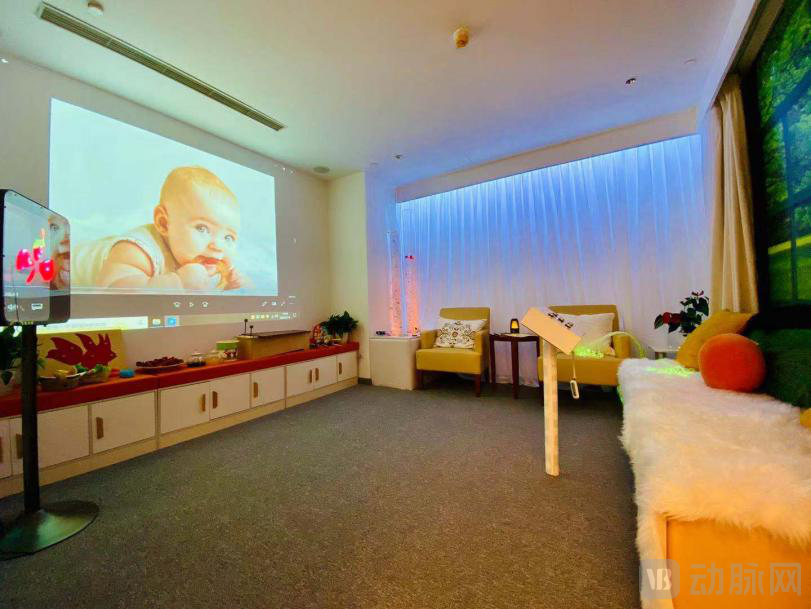
Taikang Community · Chuyuan Multi-Sensory Stimulation Room (Image source: Provided by the enterprise)
At the introduction to Taikang Community’s Memory Care System and the sharing of pilot experience from Chuyuan’s Multi-Sensory Room, Gong Zengliang, Head of Dementia Care at Taikang Community, stated that “The Direction of Home” integrates a person-centered dementia care philosophy to create five key features: a supportive environment, recreational and therapeutic activities, specialized dining, staff support, and family support. It also incorporates non-pharmacological interventions for Behavioral and Psychological Symptoms of Dementia (BPSD), featuring multi-sensory stimulation therapy, music therapy, and reminiscence therapy.
How to Promote the Implementation of Multisensory Stimulation Therapy in China?
In 2018, Kezia Scales and colleagues published a review article in The Gerontologist, systematically analyzing 197 empirical studies on the efficacy of non-pharmacological interventions for behavioral and psychological symptoms of dementia (BPSD). They found that among various interventions, multisensory stimulation, music therapy, and reminiscence therapy had substantial empirical evidence supporting their efficacy, with multisensory stimulation having the most extensive research evidence. Therefore, Taikang Community has made multisensory stimulation therapy a key feature in developing its memory care program.
Multisensory Stimulation Therapy is grounded in the theory of sensory balance. Implemented in specially designed rooms or environments, it utilizes media such as lighting, music, aromas, and tactile objects to provide six types of sensory stimulation to individuals with dementia. This approach aims to help them achieve sensory equilibrium and inner calm, evoke positive memories and emotions, and encourage communication and interaction with others.
Currently, multisensory stimulation therapy for dementia is relatively popular in countries with mature elderly care industries, such as those in Europe and the United States, while exploration and practice of this therapy remain relatively limited in China. During the construction of its multisensory rooms, Taikang Community underwent multiple rounds of trial and error and refinement before ultimately establishing its current memory care system.
To promote the implementation and dissemination of multisensory stimulation therapy for dementia in China, Taikang Community has partnered with Dr. Lesley Collier and Dr. Anke Jakob from the UK to translate their jointly authored international pioneering manual on multisensory room design, “How to Set Up a Multisensory Room for People with Dementia,” and release it free of charge to the public.
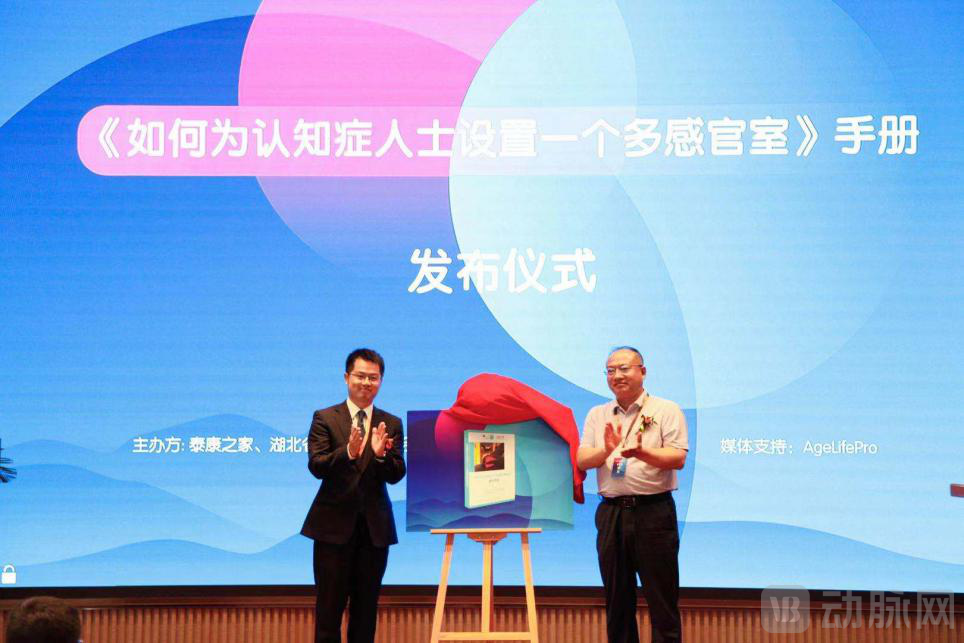
Image source: Provided by the company
At this forum, Taikang Community invited Dr. Anke Jakob to attend and provide an overview of the handbook. Covering everything from the principles underlying multisensory stimulation therapy for individuals with dementia to practical recommendations for designing multisensory rooms, the handbook compiles best practices for engaging individuals with dementia in daily activities. It serves as a scientifically grounded and effective reference guide for professionals seeking to implement multisensory stimulation approaches.
Furthermore, the forum invited Dr. John Zeisel, founder of the philosophy of dementia care, to share his “I’m Still Here” care philosophy and model. Meanwhile, Taikang Community plans to translate and publish Dr. Zeisel’s monograph, I’m Still Here, within the year, thereby introducing his care philosophy—particularly its distinctive approaches such as art therapy, music therapy, and multisensory living—to Chinese professionals and the millions of families affected by dementia.
A Senior-Centered Scientific Care System
In fact, within Taikang Community’s memory care program, the use of multi-sensory stimulation rooms to support seniors with dementia is only one component of a personalized care plan. Specifically, each resident undergoes a rigorous scientific assessment prior to move-in and receives a personalized Life Story Book upon admission. Taikang Community’s “1+N” multidisciplinary team then develops individualized care plans for residents with dementia, based on the assessment results and the unique life story information of each senior.
In terms of staffing, Taikang Community adopts a “1+N” multidisciplinary team approach to develop personalized care plans for residents. The “1” refers to the case manager, who is responsible for coordinating multidisciplinary services and maintaining close communication with family members; the “N” refers to the care team composed of professionals from various fields, including nursing, rehabilitation, medicine, pharmacy, recreational activities, and nutrition. Notably, specialized teams in rehabilitation, pharmacy, and nutrition leverage the medical resources of Taikang Community’s rehabilitation hospitals across different regions to provide professional services to seniors with dementia and their families.
To ensure the quality of care for residents with dementia, Taikang Community has established a specialized training system for dementia care staff. In addition to foundational training based on international long-term care standards, the team conducts three to four additional dementia care training sessions per month. These sessions include professional instruction in three key therapeutic approaches: multisensory stimulation therapy, music therapy, and reminiscence therapy. Looking ahead, Taikang Community will continue to provide more advanced and in-depth training, foster the team’s innovative capabilities, and actively explore a broader range of non-pharmacological interventions.
Throughout the service implementation process, the team has demonstrated meticulous attention to detail in every aspect. Taking multisensory stimulation as an example, when seniors engage in experiences within the multisensory stimulation room, the care team limits concurrent sensory stimuli to no more than three types. This design not only ensures that seniors can effectively focus their attention but also prevents emotional instability that may arise from excessive sensory input.
Furthermore, the application of color schemes and the interactive, experience-oriented design of nostalgia-themed corners all exemplify the integration of humanized and scientific care. It is this meticulous attention to detail that enables residents with dementia and their families to perceive Taikang Community’s omnipresent care for its residents.
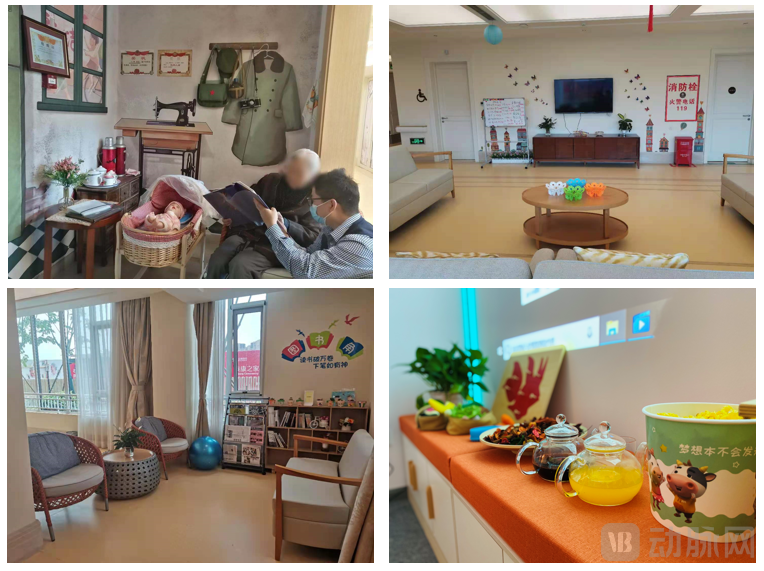
An Inside Look at the Memory Care Unit of Taikang Community · Chuyuan
Currently, Taikang Community has established memory care units in its seven operational senior living communities across China, implementing the “Direction of Home” dementia care system to provide professional dementia care services to nearly 200 resident seniors. Chen Dongsheng, Founder, Chairman, and CEO of Taikang Insurance Group, stated, “In keeping with global trends and the rapid pace of population aging in China, Taikang is committed to ensuring that seniors who have worked hard throughout their lives enjoy a golden retirement, enabling everyone to retire with financial security and live with elegance.”
In the face of opportunities and challenges in the era of longevity, Taikang will continue to actively explore and practice. Taikang Community is actively engaging in scientific research collaborations with professional societies and research institutes specializing in Alzheimer’s disease, employing evidence-based research methods to refine care protocols for non-pharmacological interventions, thereby better promoting the advancement of the dementia care industry.