

AstraZeneca: Building a Medical Innovation Ecosystem Powered by Artificial Intelligence

AstraZeneca
Cancer Drug Developer
Currently, the healthcare industry is undergoing a transformation driven by intelligent technologies such as data, computing power, and artificial intelligence. The immense opportunities embedded in these technologies have provided a significant boost to many sectors, with life sciences being a key area. Pharmaceutical giants, represented by AstraZeneca, are leveraging technologies and platforms such as artificial intelligence, machine learning, big data, and electronic data capture to accelerate drug development efficiency, shorten clinical trial timelines, strengthen relationships with physicians and patients, and comprehensively revolutionize pharmaceutical business processes.
Technology has endowed the pharmaceutical industry with immense potential for development and driven its rapid growth, while AstraZeneca is also forging ahead on the path of innovation. What specific initiatives has AstraZeneca undertaken in digital innovation, represented by AI and big data, and what results have been achieved? At the 2021 World Artificial Intelligence Conference, we could gain some insights from AstraZeneca’s presentations.
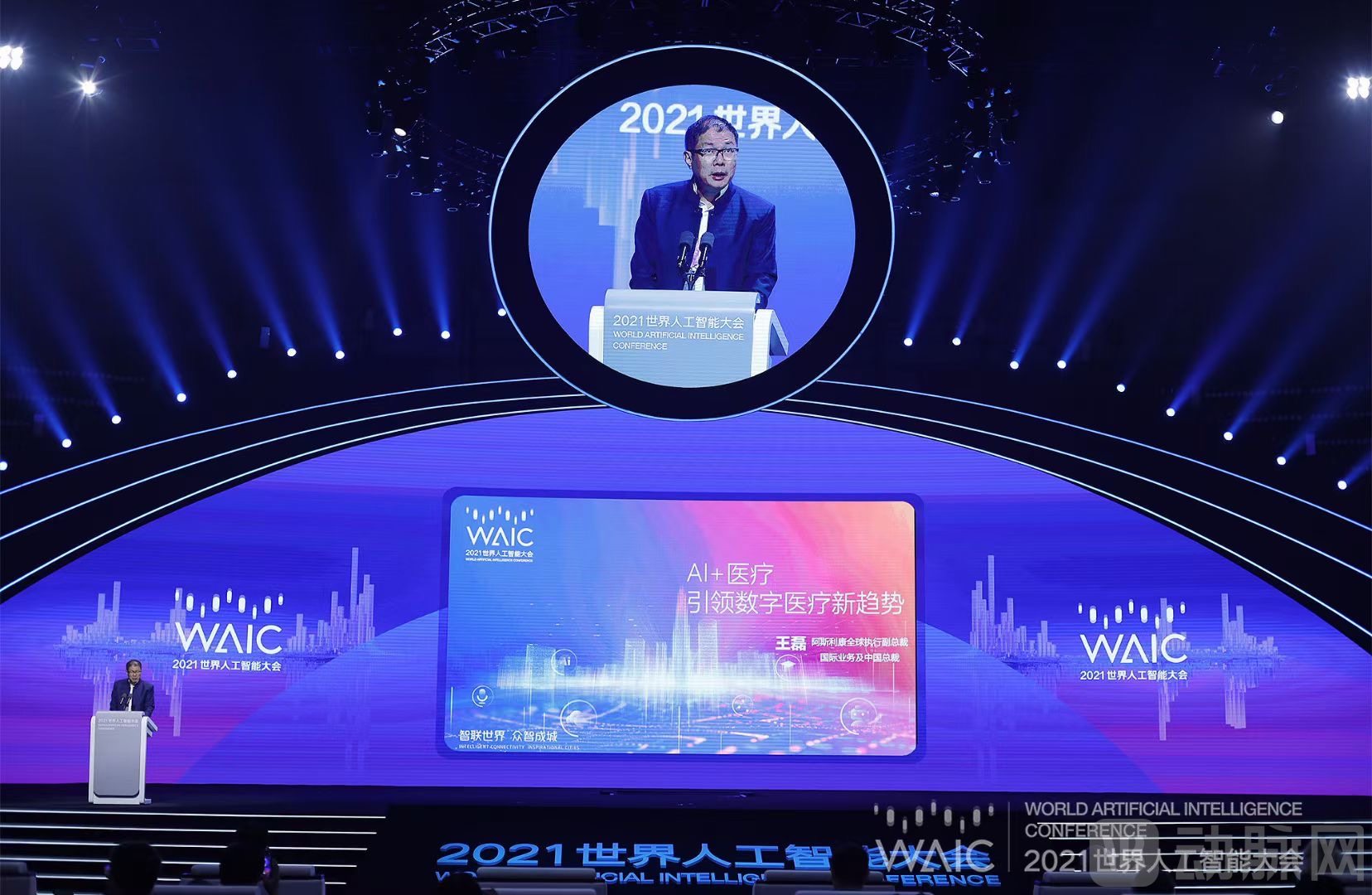
This marks the second time AstraZeneca has partnered with the World Artificial Intelligence Conference (WAIC), and its first time hosting exhibitions and forums in an offline format. Lei Wang, Executive Vice President of AstraZeneca, President of International Business and China, stated in his keynote address at the conference that artificial intelligence technology has been integrated into AstraZeneca’s entire value chain—from drug research and development and manufacturing to disease screening and diagnosis, treatment, and patient management—both globally and in China.
During the early R&D phase, AstraZeneca collaborated with BenevolentAI to discover the first novel therapeutic target for chronic kidney disease (CKD) generated by artificial intelligence. In the new drug development phase, the integration of AI with chemical automation has reduced the time required to develop lead molecules from several months to just a few weeks, without the need for manual intervention. During the clinical R&D phase, AI accelerates patient identification and stratification, improves the efficiency of forecasting medication demand for clinical trials, reduces the cost of supplying drugs to more than 19,000 experimental centers worldwide collaborating with AstraZeneca, and minimizes waste. In the later stages of R&D, the “Real-World Evidence Data Program” broadens insights into patients, leveraging machine learning methods to summarize patient treatment outcomes more accurately and efficiently.
Wang Lei pointed out that with economic development and improvements in healthcare standards, the health needs of Chinese patients have shifted from simply “curing diseases” to comprehensive whole-disease-course management. AstraZeneca, by studying patient needs along the disease journey, found that advancements in technologies such as the Internet of Things (IoT), big data, artificial intelligence (AI), and 5G have segmented patient needs into three parts: pre-hospital health prevention and disease screening; in-hospital precise diagnosis and personalized treatment; and post-hospital chronic disease rehabilitation and management.
Amid the imbalance of medical resources in China, how can large-scale technological solutions meet patients’ healthcare needs while enhancing their care experience and improving the efficiency of healthcare professionals? Artificial intelligence may play a significant role in this endeavor.
As a hub for the development of the artificial intelligence industry, Shanghai is also a key base for AstraZeneca to explore innovations in medical AI. To more comprehensively empower partners and accelerate the translation of AI projects, AstraZeneca has leveraged Shanghai’s industrial advantages and announced several major initiatives at the “Healthcare Without Borders, AI for the Long Run” Smart Healthcare Innovation Forum:
First, the Medical AI Innovation Center, AI iLab, has been established in Jing’an District, Shanghai. According to Xu Jing, Vice President of AstraZeneca China and Head of Digitalization and Business Innovation, AI iLab will center on patient needs and focus on artificial intelligence technologies. By leveraging collaborative efforts from government, industry, academia, research institutions, healthcare providers, and investors, and through joint expert research and industrial co-creation, it will provide partners with richer clinical application scenarios, medical and scientific research support, expert guidance, and omni-channel commercial coverage. This enables resident partners to share AstraZeneca’s ecosystem resources and establish a win-win business cooperation model.
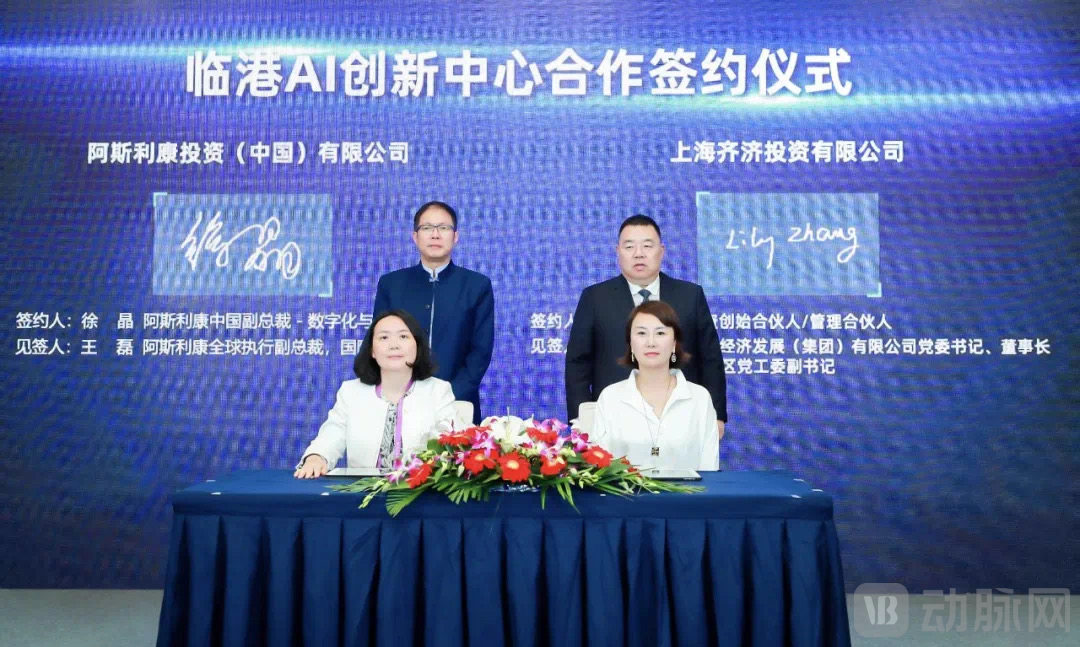
Second, by joining forces with Qiji Investment to co-establish the Lingang AI Innovation Center and build an AI diagnostics/pathology laboratory. As a pharmaceutical company with profound insights into diseases, AstraZeneca can focus on patient needs to promote research into AI healthcare application scenarios and accelerate the adoption and promotion of “AI + Healthcare” products. Meanwhile, Qiji Investment can leverage its capital strength to provide startups with one-stop product development and financial support services. Both parties aim to help Shanghai establish itself as an international hub for AI industry innovation through the development of the Lingang AI Innovation Center.
Furthermore, the International Life Sciences Innovation Park (iCampus) will officially open in Jing’an, Shanghai this year. Focusing on startups in the field of artificial intelligence, it will provide comprehensive incubation support—including policy guidance, business operations, industrial funds, and product collaboration—to resident startups. This initiative aims to empower the accelerated growth and product incubation of AI-driven enterprises, further expanding AstraZeneca’s innovative healthcare ecosystem.
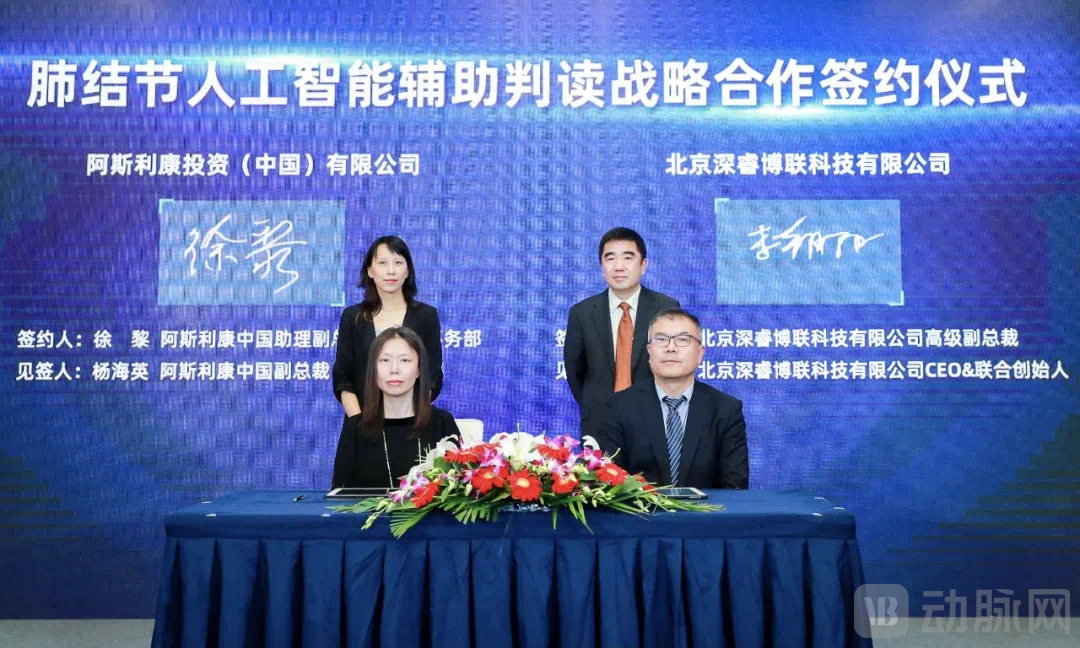
At the conference, AstraZeneca announced another milestone in its disease-area exploration: AstraZeneca and Deepwise Healthcare have entered into a strategic collaboration to co-develop an AI-assisted interpretation software for low-dose spiral CT scanning of pulmonary nodules. The two parties will join forces to develop cutting-edge “AI + healthcare” applications, aiming to promote precise management of pulmonary nodules and help improve patient outcomes.
In a post-conference interview, Xu Jing stated that AstraZeneca centers its business on drug accessibility and patient benefit. The company aims to collaborate with partners across various vertical sectors to connect the fragmented stages of disease diagnosis and treatment into an integrated continuum, thereby creating end-to-end, whole-disease-journey solutions that address patients’ needs at every step of care. Guided by its philosophy and resource advantages, AstraZeneca has already attracted numerous like-minded partners.
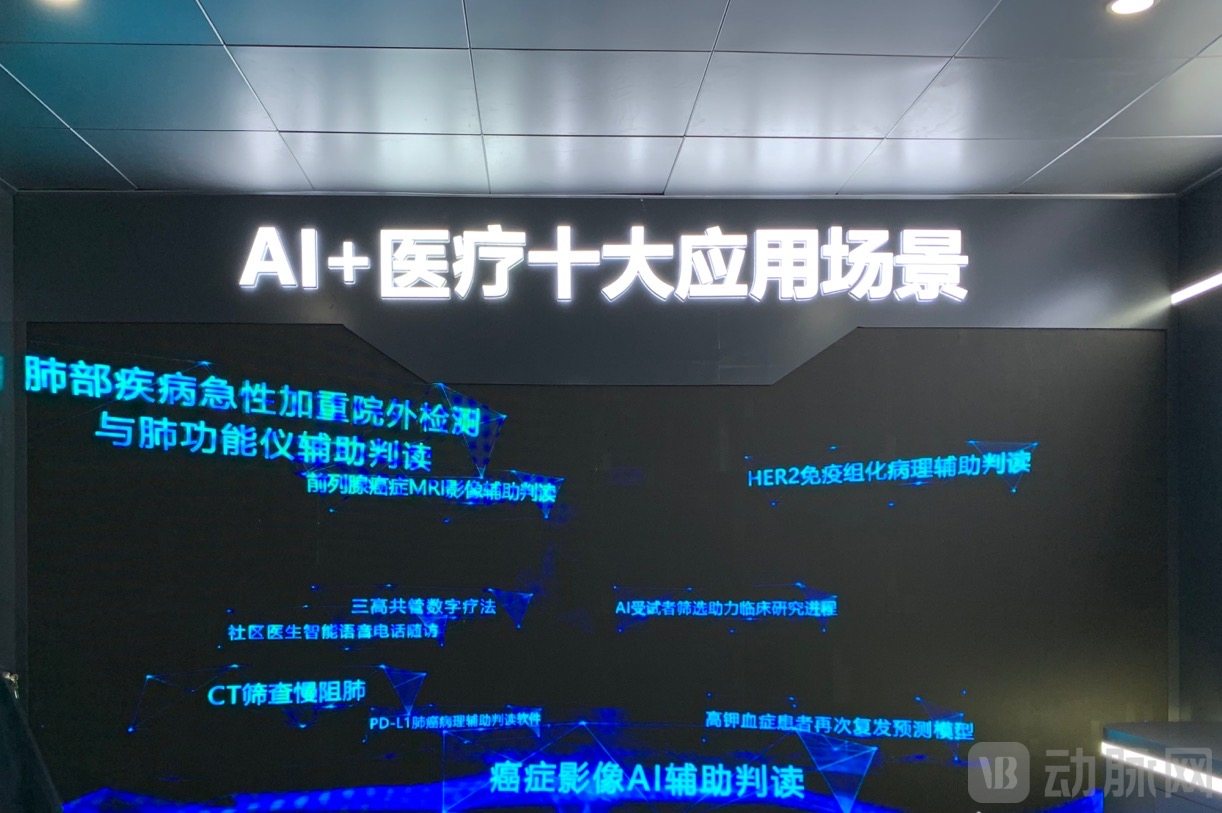
At this World Artificial Intelligence Conference, AstraZeneca also dedicated a 180-square-meter interactive exhibition booth to showcase its new “AI + Healthcare” application outcomes, developed in deep collaboration with dozens of partners across various fields to cover the entire process of disease diagnosis and treatment.
Among the top ten “AI + Healthcare” application scenarios, AstraZeneca and its partners this year prominently showcased intelligent voice-call follow-ups in community hospitals, AI-assisted interpretation of PD-L1 immunohistochemistry, digital therapeutics for the integrated management of hypertension, hyperglycemia, and hyperlipidemia, AI-assisted MRI-based diagnosis of prostate cancer, and AI-enabled screening of clinical trial participants.
Primary care is also one of the markets where AstraZeneca has established a strong presence. The company is continuously exploring how artificial intelligence can empower primary care practices and chronic disease management.
The mobile screening vehicle project, supported by AstraZeneca and its partners, leverages AI-powered automatic segmentation to assist in the screening and analysis of lung CT images, thereby helping radiologists improve diagnostic efficiency. By the end of 2021, this initiative is expected to benefit a broader population at the primary care level. Additionally, AstraZeneca has collaborated with iFlytek to launch an intelligent telephone follow-up project for community hospitals. Hospital staff need only specify the follow-up content and target patients; the use of chatbots for follow-ups can achieve an 80% response rate. It is reported that this pilot project has already been implemented in multiple community hospitals in Suzhou and other cities, with plans to expand it to numerous cities across China in the future.
AstraZeneca’s collaboration with DINGx Technology has also achieved phased results. In 2020, the “Immunohistochemistry Digital Pathology Image Processing Software” developed jointly by the two parties for AI-assisted PD-L1 interpretation in non-small cell lung cancer (NSCLC) obtained a Class II medical device registration certificate. According to the project lead from the Medical Affairs Department of DINGx, an AstraZeneca partner, this software assists pathologists in identifying tumor cells and replaces estimation with precise counting, thereby reducing subjectivity and improving accuracy. The system currently achieves an accuracy rate exceeding 90%. Moving forward, the two parties will continue to collaborate on developing additional AI-powered pathology solutions, including AI-assisted pathological interpretation of HER2 in breast cancer.
As AstraZeneca’s one-stop innovation enablement platform, the International Life Science Innovation Park (iCampus) also showcased AI-related innovative achievements from its park partners at the conference. Jinse Medical, Xinyun Hengan, Xin’an Medical, Deepwise Technology, and Zheng’an Health presented their respective solutions, including mixed reality (MR) clinical solutions, medical-grade home-use 12-lead ECG recorders, Tricog’s big data-based ECG diagnostics, handheld ultrasound intelligent screening systems, and digital therapeutics for chronic insomnia. According to the project lead, these innovations are at varying stages of development: some products, such as the 12-lead ECG recorder, have already been launched on the market; the MR mixed-display clinical solution has begun collaborative deployments with hospital departments; and the digital therapeutic for chronic insomnia has initiated clinical studies in partnership with hospitals.
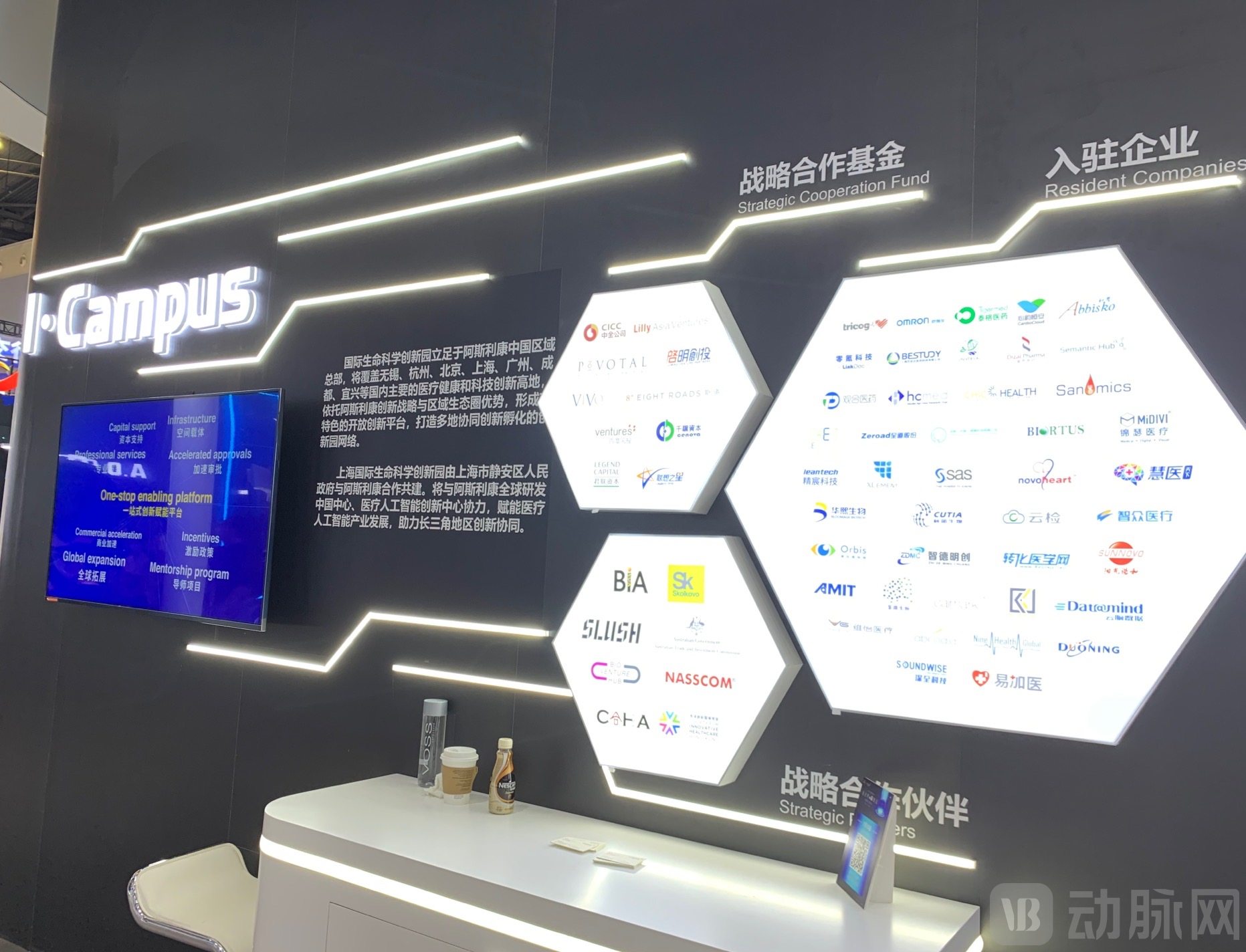
In 2017, AstraZeneca joined forces with its partners to establish the China Health IoT Innovation Center, aiming to provide patients with whole-disease-course management solutions spanning multiple therapeutic areas. In 2019, AstraZeneca announced a collaboration with Wuxi to co-build the Wuxi International Life Science Innovation Park, offering a one-stop innovation empowerment platform for domestic and overseas innovative enterprises across the entire life sciences spectrum, including pharmaceuticals, diagnostics, medical devices, and digital health. In the same year, AstraZeneca announced the establishment of its Global R&D China Center in Shanghai and launched a $1 billion global healthcare industry fund in partnership with CICC Capital. In 2020, AstraZeneca entered into a strategic partnership with Hillhouse to support the development of internet hospital projects. In 2021, AstraZeneca established the Primary Care Smart Healthcare Innovation Center in Beijing, and set up the Medical Artificial Intelligence Innovation Center, AI iLab, and the Shanghai International Life Science Innovation Park in Jing’an District, Shanghai. Within this year, AstraZeneca will successively launch innovation centers and International Life Science Innovation Parks in Hangzhou, Chengdu, and Guangzhou, thereby completing its layout of regional innovation ecosystems. All these developments demonstrate that AstraZeneca is gradually transforming into a patient-centric, comprehensive innovation platform company.
As AstraZeneca transforms from a traditional pharmaceutical company into a platform-based enterprise, its digital innovation is highly aligned with the broader digital transformation of the pharmaceutical industry. Whether it is the surge of capital interest in “AI-driven drug discovery,” the ongoing wave of digital transformation among pharmaceutical companies, the imminent “patent cliff,” or the increasing complexity of business models driven by heightened regulatory scrutiny, all these phenomena indicate that the pharmaceutical industry is ushering in a transformative “wave.”
Against this backdrop, establishing a collaborative platform that integrates resources across the upstream, midstream, and downstream segments of the industry chain represents a more strategically sound approach. It is believed that AstraZeneca can revitalize its innovation ecosystem—comprising innovation centers, innovation parks, and industrial funds—to build a robust innovation and collaboration platform. This platform will leverage strong resources from local governments, experts and scholars, leading medical device companies, innovative enterprises, top-tier investment institutions, and scientific research translation platforms. By doing so, it aims to provide patients with higher-quality medical resources and services, empower enterprises with competitive advantages in both the depth and breadth of resources, and thereby promote the deep integration and fission of the industrial ecosystem.
Overall, the pharmaceutical industry, as a fertile ground, carries the multifaceted expectations of the government, the sector, and society. It may face more unknown changes in the coming years, while also holding the promise of yielding greater achievements. What moves AstraZeneca will make next in the pharmaceutical industry are worth anticipating.