

14 Deans of Chinese Pharmacy Schools Discuss Scientific Research Translation: The Rise of University-Led Innovation
China’s pharmaceutical research and development has advanced to a stage where it is no longer lagging far behind international counterparts. Chinese scholars who returned during the previous wave of overseas talent repatriation, together with research elites domestically trained in China, have gradually become the backbone of this new era. They have propelled China’s scientific research to new heights, marked by a continuous emergence of high-impact publications and high-value patents.
Yet, in stark contrast to these outstanding research achievements is an imperfect system for translating scientific outcomes into practical applications. Published findings and filed patents often remain shelved, failing to be implemented in industry. How can we more efficiently accelerate the industrialization of these scientific achievements, ensuring that academic advancements do not remain confined to the laboratory?
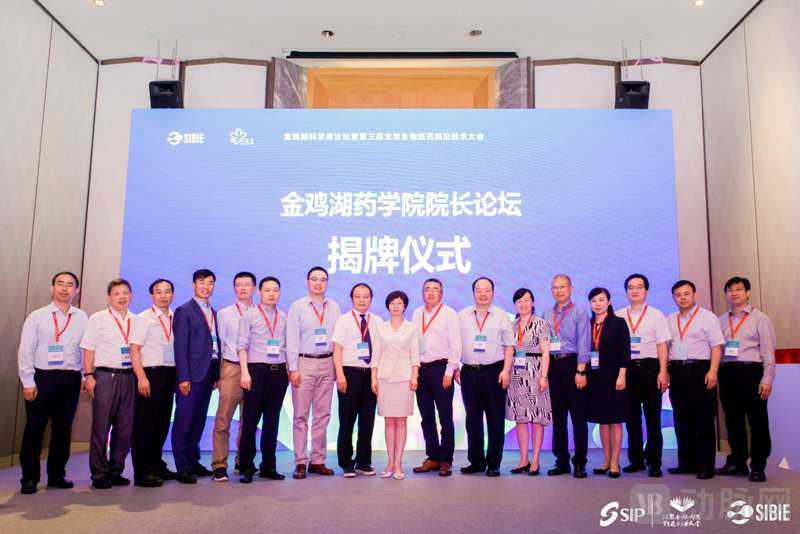
At the Jinji Lake Scientists Forum and the 3rd Global Frontier Technologies Conference in Biopharmaceuticals, hosted by Tongxieyi, a forum themed “Industry-Academia-Research Collaboration” brought together deans of pharmacy schools from multiple universities. The deans shared their diverse perspectives, experiences, and insights with all attendees.
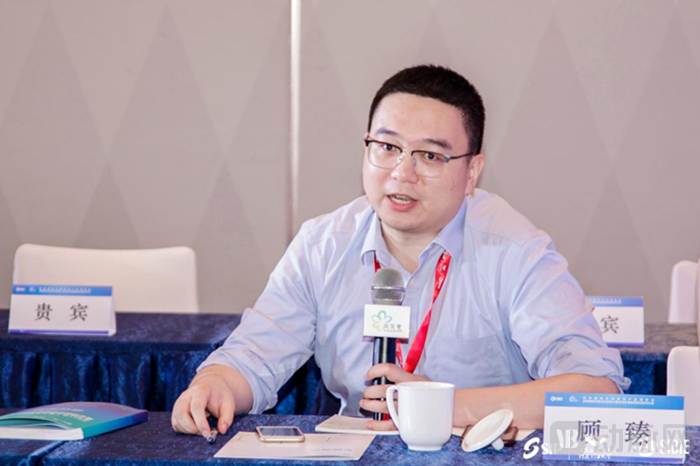
Dean of the College of Pharmaceutical Sciences, Zhejiang University: Gu Zhen
Indeed, within universities, there is often a weak correlation between the academic papers published by faculty members and the products available on the market, a phenomenon commonly referred to as the “two separate tracks.” What we most encourage and hope for is that innovative research conducted in laboratories can continuously advance, ultimately finding ways to be applied in clinical settings and successfully translated into practical applications. However, it must be pointed out that, compared to translation and commercialization, the primary mission of university faculty remains innovative research and development. They should be granted the space to engage in free exploration. The successful translation of their work into marketable products should be regarded as an “exceeding of expectations,” as it requires seamless integration with a complete industrial chain, including capital investment, much of which must be facilitated through platforms outside the university.
Certainly, regarding how to better facilitate the translation of teachers’ innovative achievements into practical applications, there is one actionable step we can take. While we cannot mandate that faculty members must commercialize their innovations, whenever conditions permit, source-level innovations should ideally consider future translational potential from the initial design stage. For instance, in innovations related to pharmaceutical formulations, biocompatible materials with favorable profiles could be selected right from the outset. The goal is to maintain consistency and continuity throughout the entire development process, effectively “keeping everything integrated from start to finish.”
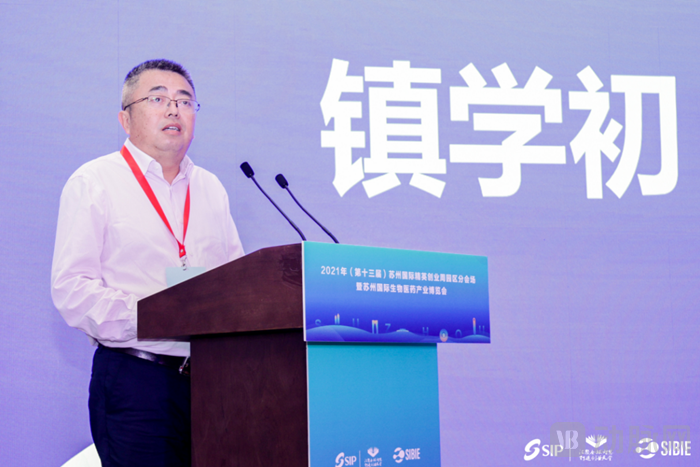
Dean of the School of Pharmaceutical Sciences, Soochow University Zhen Xuechu
When university professors embark on entrepreneurial ventures, a significant challenge is their reluctance to discuss financial matters and their lack of corporate management mindset. In this regard, it is crucial for institutions or third-party organizations to provide appropriate support throughout the process. This is particularly important in areas such as establishing a company’s compensation structure. Some professor-founders tend to recruit their former students during the startup phase. A common issue arises when these professors, viewing the hires as their former students, offer salaries significantly below industry standards. This approach can lead to problems. Since they are running a business, they must adhere to standard corporate practices. However, this requires training and guidance, with specialized agencies offering early-stage managerial advice to professor-entrepreneurs.
Li Zhiyu, Dean of the School of Pharmacy, China Pharmaceutical University
In recent years, our collaboration with enterprises has taken two main forms: directly co-developing products with companies, and facilitating the commercialization of scientific research achievements by engaging enterprises in the process. I believe that universities and enterprises possess complementary resources, enabling extensive joint efforts. By collaborating across various dimensions—including funding, platforms, and human resources—we can achieve resource sharing, mutual benefit, and common development.
We welcome enterprises to contact us to promote our school’s projects. Each year, we solicit research projects from within the university and facilitate centralized discussions with enterprises, leveraging the collective strength of the college to advance the commercialization of faculty research. Previously, faculty members operated independently in a self-sufficient manner. Now, during academic breaks, we invite numerous enterprises to campus and recommend our college’s research projects poised for translation, thereby driving their commercialization through the college’s coordinated efforts.
Yin Lifang, Deputy Dean of the School of Pharmacy, China Pharmaceutical University
The optimal approach to industry-academia-research collaboration is to bridge the gap between theoretical research and practical application, ensuring that basic research serves applied purposes. In my university role, I engage in both basic research and industrialization; while there is indeed a certain degree of inherent tension between the two, they are not entirely mutually exclusive. It is feasible to integrate applied research with basic research. If universities foster innovative ideas and tolerate a certain level of failure, they can effectively carry out incubation activities.
Here, I would like to share some of my personal insights. The first point concerns talent development. Our fundamental objective is to cultivate professionals for the industry; therefore, I have shared my pharmaceutical review methodologies with numerous students, and enterprises are highly inclined to hire our graduates. The second point involves fostering innovative approaches to address critical technological challenges. As a university of pharmacy, we bear an unshirkable responsibility to drive the industrialization of the pharmaceutical sector, rather than merely producing academic papers that serve only as wall decorations.
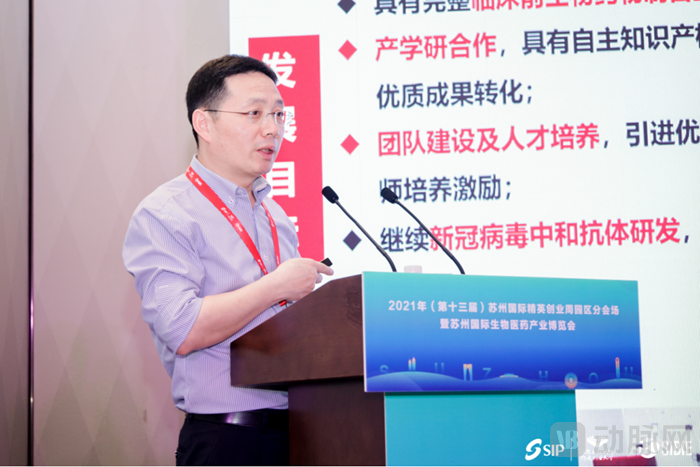
Zhang Ao, Dean of the School of Pharmacy, Shanghai Jiao Tong University
In terms of translating scientific and technological achievements, Shanghai Jiao Tong University is a pilot university for achievement transformation under the Ministry of Education. It has a relatively sound system that grants researchers greater ownership and long-term usage rights to job-related inventions. Established in 2000, the School of Pharmacy at Shanghai Jiao Tong University has laid a solid foundation in system and capacity building over the past two decades. Moving forward, its focus will be on strategic planning centered around source innovation in China’s biopharmaceutical sector, addressing core issues in basic research and bottlenecks in industry-academia-research collaboration. Therefore, we are actively advancing talent and project deployment in frontier disciplines, exploring a novel model for innovation and translation by optimizing management measures and improving the translation system.
In the field of drug development, we have established our own new drug R&D platform. For instance, our Antibody Drug R&D Center maintains collaborative research partnerships with numerous biopharmaceutical enterprises in the Yangtze River Delta region. Furthermore, leveraging the resources of our School of Pharmacy, we have co-established multiple joint laboratories with industry partners, engaging in in-depth collaborations with pharmaceutical companies in areas such as medicinal chemistry, pharmaceutics, chemical biology, and immunotherapy. This strategic initiative provides crucial support for the long-term development of our School of Pharmacy. We look forward to earlier engagement from more enterprises, investment funds, and clinical institutions, strengthening their support through flexible cooperation models to jointly drive original innovation in new drug research in China.
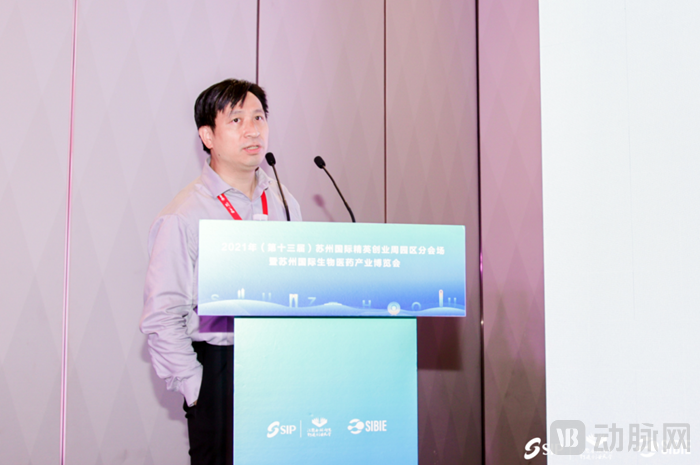
Chen Xiongwen, Dean of the School of Pharmacy, Tianjin Medical University
The current challenges we face include the existence of some patents, but more significantly, a low rate of patent commercialization. There is a disconnect between R&D and clinical practice, resulting in poor patent conversion rates and limited collaboration with pharmaceutical companies as we expand outward. Both intellectual property commercialization and drug development encounter certain issues. Therefore, we are preparing to establish a new drug R&D center to strategically reallocate faculty members across various stages of the development process. Additionally, we are actively engaging with enterprises; we have already established a series of collaborations with Tianjin Institute of Pharmaceutical Research Co., Ltd. and Tianjin Pharmaceutical Group, with several projects currently under negotiation.
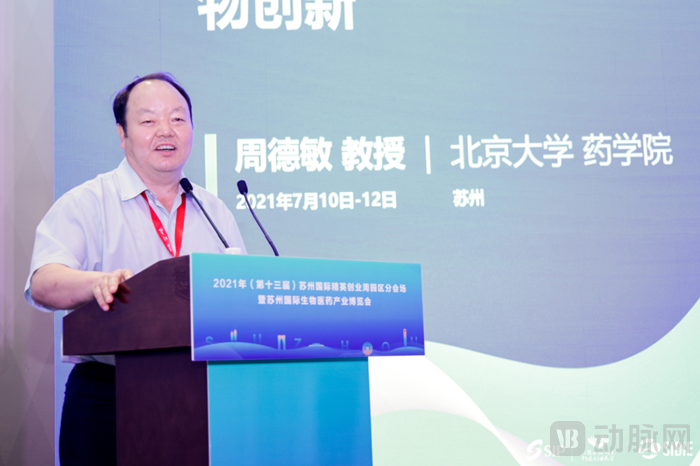
Dean of the School of Pharmaceutical Sciences, Peking University Zhou Demin
I believe we have performed quite well in scientific research, but we should learn more from Stanford and focus on industrial translation. Chinese universities file a large number of patent applications each year, with a single university’s patent volume rivaling that of several U.S. universities combined; however, our efficiency in technology transfer falls far short of Stanford’s. The key lies in intellectual property: without commercialization, IP is merely a piece of paper.
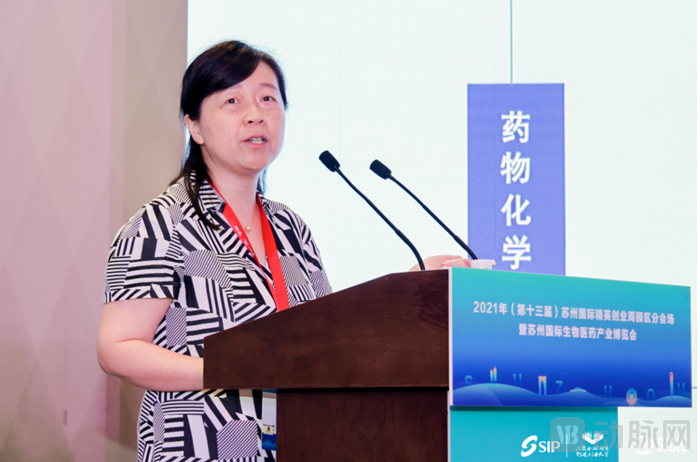
Huang Yuan, Secretary of the Party Committee, West China School of Pharmacy, Sichuan University
Universities are increasingly aligning with enterprises and hospitals. For instance, professional master’s students are required to complete one year of work in enterprises and hospitals, and must be supervised by dual mentors from both sectors. However, we are currently encountering a bottleneck: the dual mentors are not fully aligned, and enterprise mentors often lack sufficient professionalism. Therefore, key issues for discussion include how to jointly train professional master’s students, how to leverage their training as an entry point for collaboration with academic supervisors, and how to initiate innovative research projects in partnership with enterprises.
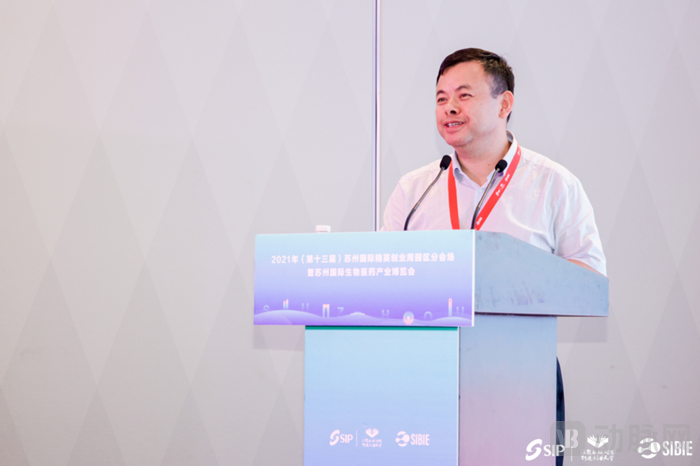
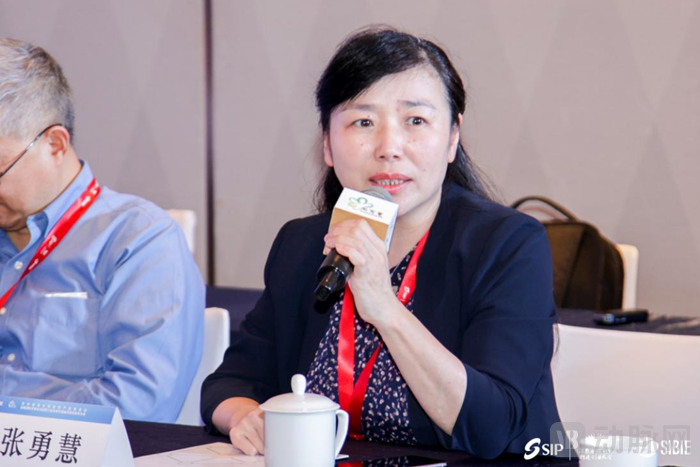
Dean of the School of Pharmacy, Tongji Medical College, Huazhong University of Science and Technology: Zhang Yonghui
My primary research focus is on natural products, specifically identifying constituents from plants and microorganisms with promising prospects for novel drug development. We have established our own in-house library of small-molecule natural products, comprising approximately 3,000 compounds that we have isolated ourselves. Currently, none of these compounds have been commercialized, and more than half are novel chemical entities. We are currently conducting a systematic evaluation to identify which compounds hold the greatest potential for further development.
We are also gradually exploring industrial translation. I personally have a project currently underway involving a simple compound isolated from traditional, precious Chinese herbal medicines, which demonstrates excellent hepatoprotective effects.
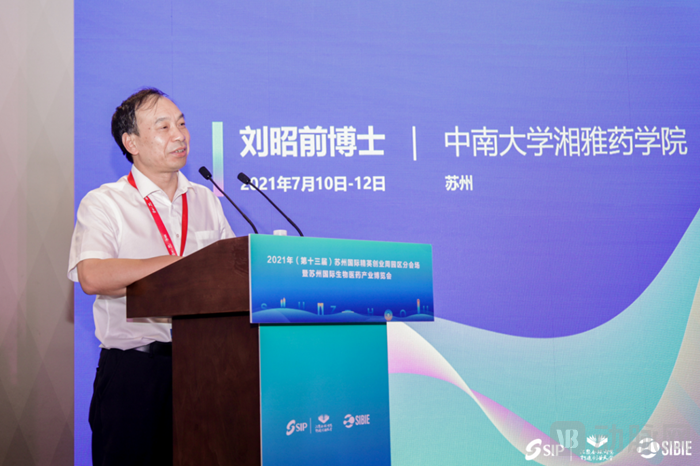
Liu Zhaoqian, Executive Vice Dean (Presiding) of the Xiangya School of Pharmaceutical Sciences, Central South University
In terms of market engagement, we collaborate with certain pharmaceutical companies, such as Yuxin and Hisun. Additionally, we assist pharmaceutical manufacturers in conducting preclinical drug evaluations. We are also actively promoting the translation of scientific research achievements into practical applications. Although we started relatively late and currently operate on a smaller scale, our university places high importance on these efforts, enabling us to achieve notable results. Several of our flagship projects have generated significant commercial value, with the largest project reaching hundreds of millions of yuan.
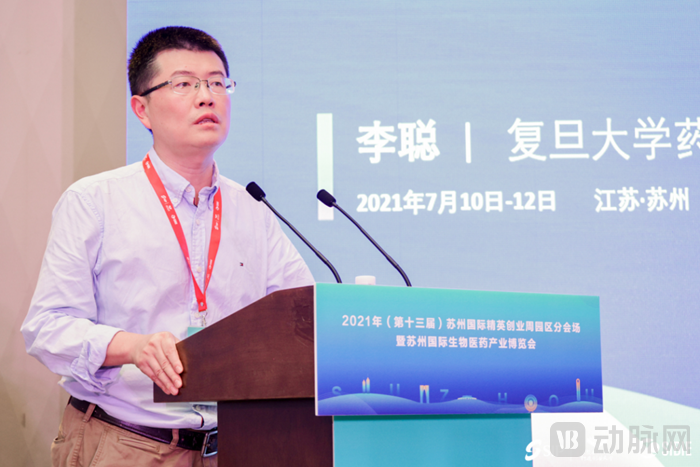
Li Cong, Deputy Dean (Presiding) of the School of Pharmacy, Fudan University
In pharmaceutical research, numerous disciplines are involved in every critical stage, and interdisciplinary collaboration is essential to develop high-quality drugs. To underscore the importance of cross-disciplinary integration in pharmacy, we have established several joint funding initiatives. For instance, we launched an independent innovation joint fund with the Shanghai Institute of Materia Medica, primarily aimed at fostering scientific research exchanges and collaborations. Additionally, we have partnered with two affiliated hospitals of Fudan University. Pudong and Minhang are two districts in Shanghai with substantial populations and high outpatient volumes, offering unique medical resources. Furthermore, we have set up interdisciplinary research institutes, such as by establishing collaborative centers with other constituent institutions within Fudan University.
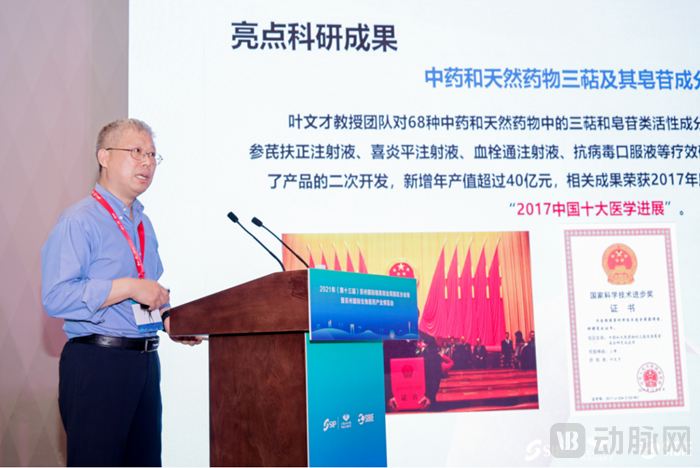
Dean of the School of Pharmacy, Jinan University Ding Ke
In the past, the academic disciplines of the college were relatively singular. We have now made corresponding adjustments, adopting a strategy of “building teams, establishing platforms, developing technologies, fostering collaboration, and advancing projects” in line with the trends of modern pharmaceutical development. The teams are primarily structured around the characteristics of pharmaceutical advancement, forming interdisciplinary research groups led by principal investigators. Previously, faculty members were dispersed across different teaching and research sections, which hindered effective collaboration. By integrating faculty into team-based management, we have significantly enhanced overall project efficiency.
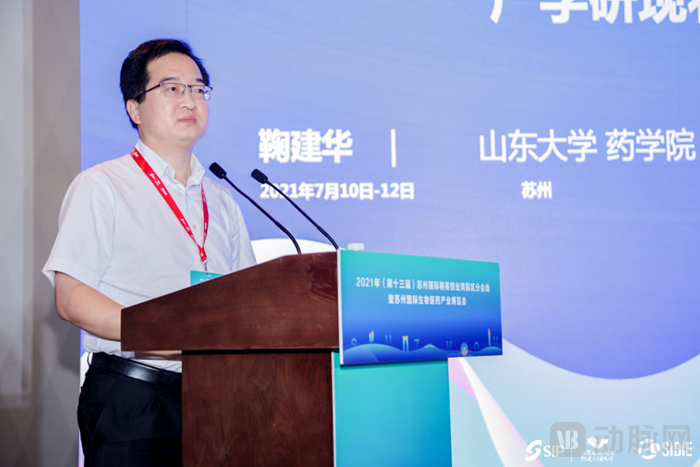
Ju Jianhua, Dean of the School of Pharmaceutical Sciences, Shandong University
Schools of Pharmacy at higher education institutions serve two primary functions: cultivating pharmaceutical talent and acting as sources of original innovation. This year marks the 50th anniversary of the re-establishment of the School of Pharmacy at Shandong University. The school’s programs in Pharmacy and Clinical Pharmacy are designated as National First-Class Undergraduate Major Construction Sites, and it offers nine doctoral and twelve master’s degree programs. The school has consistently prioritized industry-academia-research collaboration, partnering with nearly ten renowned enterprises to establish pharmaceutical research institutes, R&D centers, or R&D laboratories. Scientists from the School of Pharmacy have collaborated with enterprises to develop more than ten drugs, helped incubate several startups, and enhanced companies’ scaled-up and green manufacturing capabilities for various products, including carbohydrate-based active pharmaceutical ingredients (APIs). In recent years, six projects have been transferred to enterprises, with total transfer fees exceeding RMB 100 million. Moving forward, the school plans to establish the Shandong University Institute for Pharmaceutical Research, invite relevant enterprises to settle in the university’s science and technology entrepreneurship park, further strengthen industry-academia-research collaboration, address gaps and bottlenecks, and build a complete disciplinary chain for new drug development.
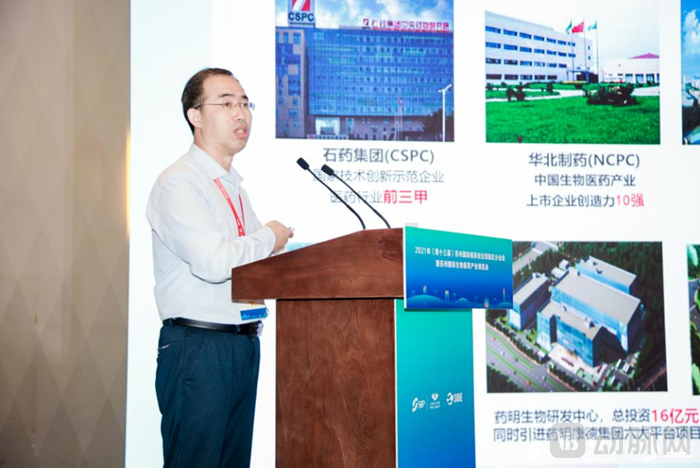
Dean of the School of Pharmacy, Hebei Medical University Jia Qingzhong
As a major pharmaceutical province, Hebei established China’s earliest biomedical industrial park. Hebei Medical University has emphasized the integration of industry, academia, and research in talent development and scientific inquiry, cultivating distinct strengths and achieving high standards over the years. In particular, focusing on neurological disease research, the university has built a comprehensive research platform targeting ion channels, spanning molecular, cellular, and whole-animal levels. It hosts a Key Laboratory of the Ministry of Education, has established an ion channel drug screening platform, operates a Good Laboratory Practice (GLP) center capable of conducting preclinical safety evaluations for new drugs, and maintains a Good Clinical Practice (GCP) institution for clinical research evaluation. Multiple research achievements have been successfully translated into applications, including landmark agreements with pharmaceutical companies for a Class I novel antiepileptic drug. In the area of generic drugs, the university has completed industry-university collaborations on several products, such as lacosamide and β-cyclodextrin. The university places great emphasis on pharmaceutical talent cultivation, having achieved notable success in the development of first-level doctoral disciplines and top-tier undergraduate programs, thereby playing a significant role in serving local economic development and industry advancement.