

InnoCare Medical to Launch Home-Use Non-Invasive Pulmonary Fluid Monitor, Bridging the Gap in Out-of-Hospital Heart Failure Management

MitrAssist Lifesciences
Cardiovascular Innovative Medical Device R&D Manufacturer
In the global wave of transformation towards precision and home-based cardiovascular diagnostic and treatment technologies, the core of medical innovation is gradually extending from "in-hospital treatment" to "full-cycle management." On March 26, MitrAssist Lifesciences Limited (hereinafter referred to as "MitrAssist Lifesciences") held its annual group meeting and new product launch ceremony in Shanghai. The highlight of this grand event was an innovative device by MitrAssist Lifesciences that is about to be released, aimed at bridging the "last mile" of heart failure management — a home-use non-invasive lung water measurement instrument.
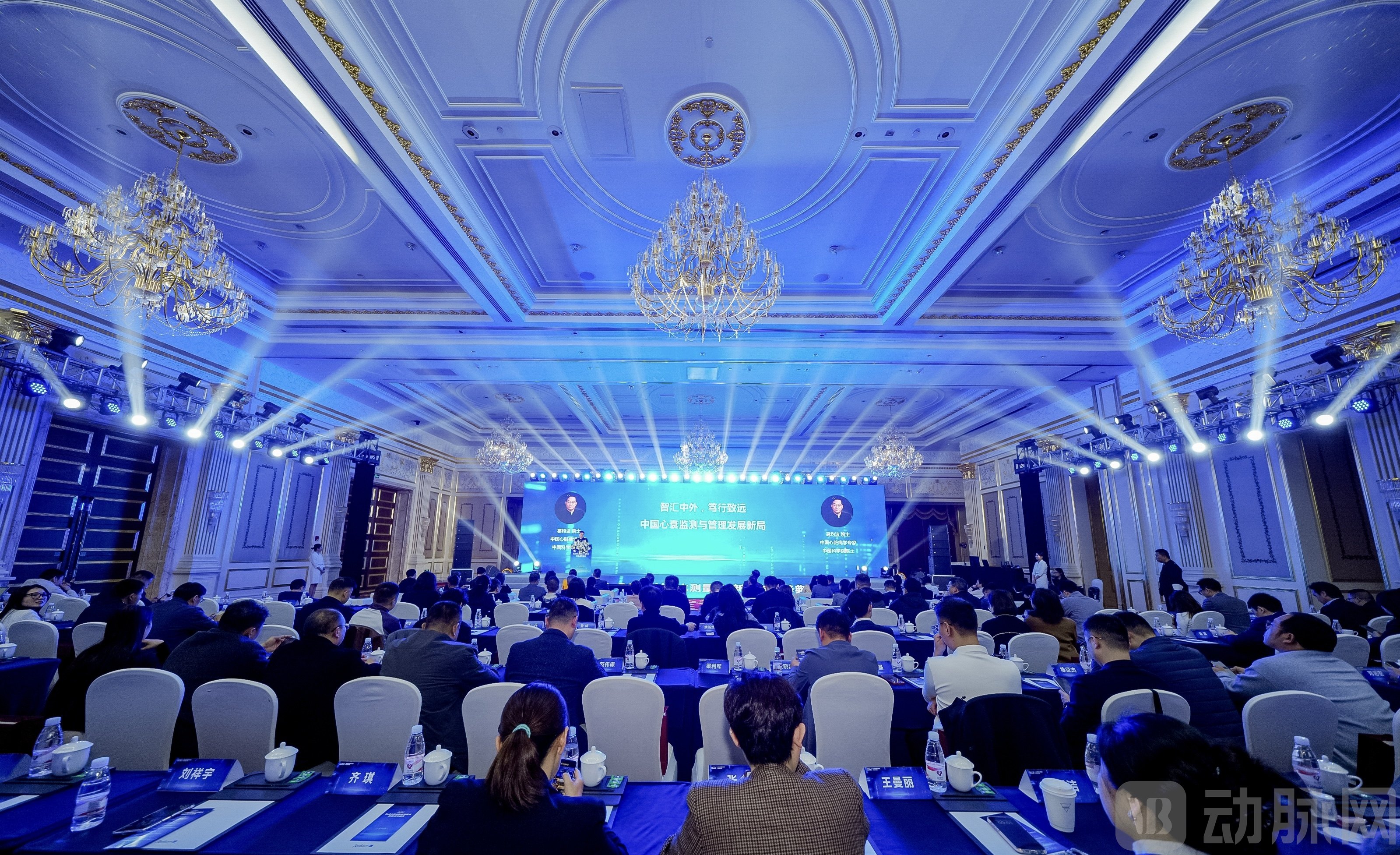
Currently, the situation of heart failure prevention and control in China is far from optimistic. Data shows that the number of heart failure patients in China has exceeded 12 million, and with the continuous intensification of population aging. Heart failure is not a single disease but the end stage of cardiovascular disease development. The populations with chronic diseases such as hypertension and coronary heart disease are continuously being converted into the "reserve army" for heart failure. For patients, heart failure often means extremely high economic burdens and a significant loss in quality of life: the average annual hospitalization frequency is 3.3 times, with related expenses nearing 30,000 yuan. This vicious cycle of "repeated hospitalizations and acute exacerbations" is not only a heavy burden on families but also exerts enormous pressure on medical insurance funds.

Academician Ge Junbo, academician of the Chinese Academy of Sciences and Zhongshan Hospital Affiliated to Fudan University, pointed out: "The essence of heart failure treatment is a systematic management project. Truly effective management is not only in the hospital but also needs to extend to long-term follow-up and monitoring after the patient is discharged." The non-invasive lung water measurement instrument developed by MitrAssist Lifesciences has made this concept achievable.
The Core of Heart Failure Management Lies in the Precise Assessment of Volume Status, and Fluctuations in Lung Water Content Serve as the "Barometer" of Volume Changes. Decline in cardiac function leads to obstructed blood return, elevated pulmonary circulation pressure, and fluid accumulation in the lungs, resulting in increased lung water. Symptoms such as shortness of breath and dyspnea are closely related to this. Early symptoms of heart failure are often subtle, while changes in lung water typically appear several days to a week before visible clinical symptoms.
The Current Heart Failure Management Faces Three Core Pain Points: First, early identification is difficult due to complex symptoms and insufficient patient awareness, often leading to diagnosis at middle or late stages; second, there is a disconnect between inpatient and outpatient management, with a lack of continuous monitoring after discharge; third, there is a lack of objective, precise, and continuously monitorable methods, easily resulting in either late detection or waste of medical resources.
In response to this clinical pain point, the non-invasive lung water measurement device quantitatively obtains the absolute value of a patient's lung water content by emitting low-power electromagnetic signals to measure the dielectric constant of the lungs. Compared with traditional assessment methods, this non-invasive, rapid, and quantitative monitoring approach provides patients with a "digital guardian."

In its design, this home-based device fully takes into account the needs of aging users and operational convenience, aiming to provide patients with accurate data support even after leaving the hospital. When the device detects subtle signals of pulmonary fluid retention, it can alert the patient to adjust medication or seek medical intervention in a timely manner through a warning system. This "digital guardianship" shifts the focus forward, helping patients block disease progression through personalized volume management before symptoms flare up, thereby significantly reducing the risk of acute exacerbations.
The Future of Heart Failure Management: Three Major Shifts on the Horizon

From the macro perspective of health economics and industry development, the value of non-invasive lung water measurement devices is not limited to a single product innovation but lies more in their role in optimizing the allocation of medical resources. Professor Chen Huanzhen from the First Hospital of Shanxi Medical University mentioned during the roundtable forum that the early warning function of the non-invasive lung water treatment device is very important for patients. This shows that the application of lung water measurement devices helps achieve high-quality and precise full-chain management of heart failure patients in clinical practice. Through early identification, dynamic monitoring, and standardized intervention, unnecessary medical consumption can be reduced, and the efficiency of medical resource utilization can be improved, allowing limited resources to serve chronic disease long-term management more effectively.
Professor Cui Xiaotong from Zhongshan Hospital Affiliated to Fudan University believes that for portable medical devices to ensure continuous use by patients, they must possess three characteristics: non-invasive, low operational barriers, and portability. MitrAssist Lifesciences' lung water measurement device embodies these features. Especially in the upcoming AI era, multi-modal data can be integrated through a single device, providing a valuable data foundation for subsequent treatment. Additionally, from the perspective of health economics, more accurate data can also optimize patients' cost structures, enabling subsequent treatments to enter a virtuous cycle.
MitrAssist Lifesciences, as a globally leading cardiovascular platform-based medical device enterprise, has heavily built a non-invasive lung water measurement instrument series with a three-in-one product matrix through its independent core technology. With the ability to cover all scenarios, it redefines the heart failure management track and builds a complete closed loop from precise in-hospital diagnosis and treatment to long-term home management. Relying on profound technical accumulation and full industry chain layout capabilities, the company continuously builds leading advantages in core tracks such as heart failure, structural heart disease, and coronary arteries. It always addresses people's livelihood issues through technological innovation and safeguards national cardiovascular health with high-end, universally accessible medical solutions.
Academician Ge Junbo mentioned in his summary that he hopes a more comprehensive management system will allow patients to avoid frequent trips between the hospital and home, completing most of the management work within the community and at home. He believes that with the continuous integration of medicine and technology, heart failure management in China will gradually evolve from passive treatment to proactive management, reducing hospital stays for more patients, improving their quality of life, and enabling them to live with greater dignity.