

EndoAngel: China's Leading AI-Powered Endoscopy Solution Makes Global Debut at World Artificial Intelligence Conference with World-First Impact Factor
From July 8 to 10, 2021, the World Artificial Intelligence Conference (WAIC) grandly opened in Shanghai under the theme “Intelligent Connectivity for a Shared World, Collective Wisdom for a Better City.” As a globalized, specialized, and comprehensive world-class AI event, the conference featured nearly 100 forums and attracted more than 300 participating companies, showcasing the latest achievements and perspectives in global AI development and charting a new blueprint for collaborative governance of artificial intelligence worldwide.
In exploring the new era of medical development, AI empowerment holds significant importance. Centered on the theme “Digital Health · Smartly Enjoying the Future,” the Health Summit brings together leaders from domestic and international government agencies, experts and scholars in the global AI + healthcare field, and industry professionals to promote the deep integration of artificial intelligence with the healthcare industry, accelerate the process of digital transformation in healthcare, and jointly benefit the health of all humanity.
Among innovative application scenarios in the AI+healthcare sector, AI-assisted systems for the gastrointestinal (GI) tract represent a relatively underexplored niche. Wuhan Chu Jingling Medical Technology Co., Ltd. (hereinafter referred to as “Chu Jingling”) currently offers modules for gastroscopy, colonoscopy, management, and remote services. In the future, it plans to launch standalone products for esophageal examination, bowel preparation, reporting, biliary tract, and pancreas assessment. It is currently the only high-tech company in China that provides comprehensive coverage across the entire GI tract.
At the 2021 World Artificial Intelligence Conference (WAIC) Health Summit, EndoGenie not only delivered a keynote speech at the “Digital Health · Smart Future” High-Level Forum but also showcased its innovations at the WAIC exhibition hall. The product received extensive coverage from a matrix of prominent media outlets, led by the Associated Press and Shanghai Television, further elevating EndoGenie’s influence.
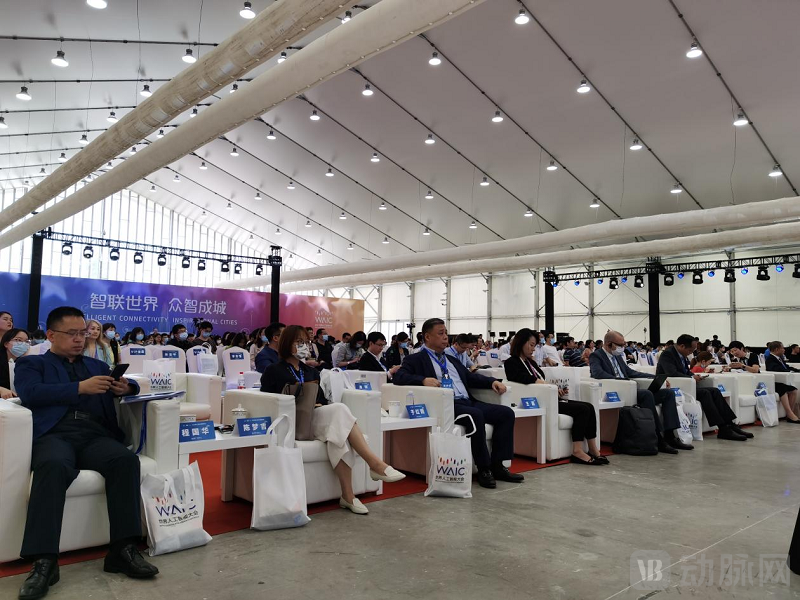
On-site Photo of the Health Summit Forum at the World Artificial Intelligence Conference
China has a large population and is also a country with high cancer incidence. In 2015, the number of patients with esophageal cancer, gastric cancer, and colorectal cancer in China was nearly 1.5 million, with more than 1 million deaths, accounting for one-third of all cancer-related deaths. By 2020, the treatment costs for malignant tumors are projected to reach RMB 1.5 trillion, representing 1.7% of the gross domestic product (GDP), indicating an extremely severe development trend.
In fact, gastrointestinal tumors can be detected through screening. Precancerous lesions, early-stage cancer, and advanced-stage cancer represent the "trilogy" of gastrointestinal cancer progression. If screening and intervention are performed during the precancerous or early-stage phases, patient survival rates can be significantly improved. When gastrointestinal tumors are diagnosed at an early stage, the 5-year survival rate exceeds 90%; however, if the disease progresses to intermediate or advanced stages, the 5-year survival rate drops to merely 5–25%.
“Currently, gastrointestinal endoscopy is the most commonly used and powerful method for detecting gastrointestinal cancers. However, it faces two major challenges: first, quality control is difficult due to varying levels of expertise among endoscopists, making it hard to ensure consistent examination quality; second, the detection rate of early-stage cancer is low. In China, few physicians can identify early-stage cancers under white-light endoscopy. The early cancer detection rates are 70% in Japan, 50% in South Korea, but only 13% in China,” stated Professor Yu Honggang in his speech at the World Artificial Intelligence Conference. Inspired by Google’s AlphaGo defeating the world Go champion, and addressing the current issues in gastrointestinal endoscopy, he has innovatively explored and developed artificial intelligence (AI) solutions to assist primary healthcare diagnosis, improve the quality of gastrointestinal endoscopic examinations, increase the detection rate of early-stage cancers, and achieve precise endoscopic quality control and tiered diagnosis and treatment.
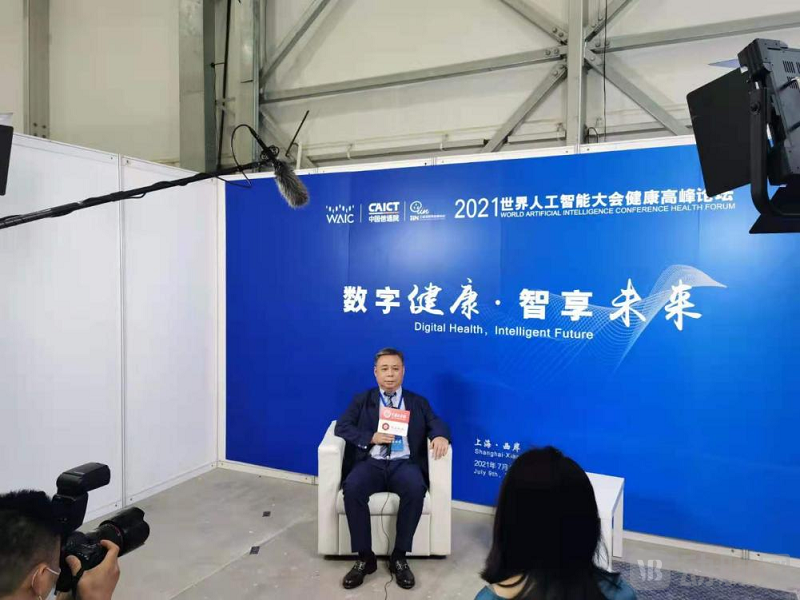
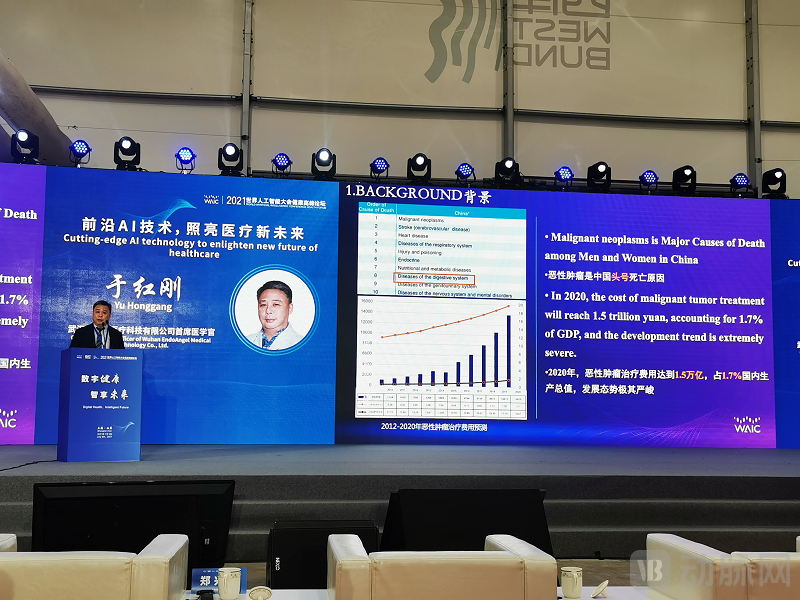
Professor Yu Honggang, Chief Technology Officer of Wuhan Chujingling Medical Technology Co., Ltd., Delivers a Speech
In recent years, the supply and application scenarios of AI in the healthcare sector have gradually expanded, with AI-powered medical products gaining increasing recognition from healthcare institutions. The AI-enabled digestive endoscopy solution, "EndoGenie," has become a favored tool in gastrointestinal endoscopy centers and a boon for patients. As of June 30, 2021, it had been deployed in more than 350 healthcare institutions across China, including remote regions such as Xinjiang, Tibet, Gansu, and Yunnan, as well as the Hong Kong Special Administrative Region. Furthermore, it has assisted physicians in detecting 2,794 cases (as of June 30, 2021) of early-stage gastrointestinal cancers and precancerous lesions. Under normal circumstances, the treatment cost for early-stage gastric cancer is approximately RMB 30,000, whereas treatment for mid-to-late stage disease costs at least RMB 300,000. To date, the early detection of gastrointestinal cancers and precancerous lesions by EndoGenie has saved the nation approximately RMB 838.2 million. This underscores the significant impact of EndoGenie on the early detection and treatment of gastrointestinal cancers.
Chu Jingling has developed EndoGenie, the first AI-powered medical product to integrate endoscopic quality control with lesion diagnosis, featuring real-time dynamics and close alignment with clinical practice. During gastroscopy, it innovatively employs AI technology to monitor whether the examination covers all 26 regions of the upper gastrointestinal tract, detect abnormal lesions under white-light imaging, identify neoplastic lesions, and determine lesion characteristics under chromoendoscopy with magnification. During colonoscopy, it leverages deep learning and machine learning technologies to construct an AI-based quality control system for the lower gastrointestinal tract, monitoring withdrawal time to ensure it is no less than six minutes, identifying polyps and adenomas, and alerting endoscopists to blind spots caused by scope slippage.
Exploratory achievements gained during technological expansion have been published in top-tier international endoscopy journals, including *Gut*, *Endoscopy*, *Gastrointestinal Endoscopy (GIE)*, and *The Lancet Gastroenterology & Hepatology*. The cumulative impact factor (IF) of these publications has reached 189.474, ranking first globally and leading research directions in the digestive endoscopy industry. Meanwhile, in terms of regulatory approval, three Class II medical device registration certificates have been obtained, and three products have received CE certification.
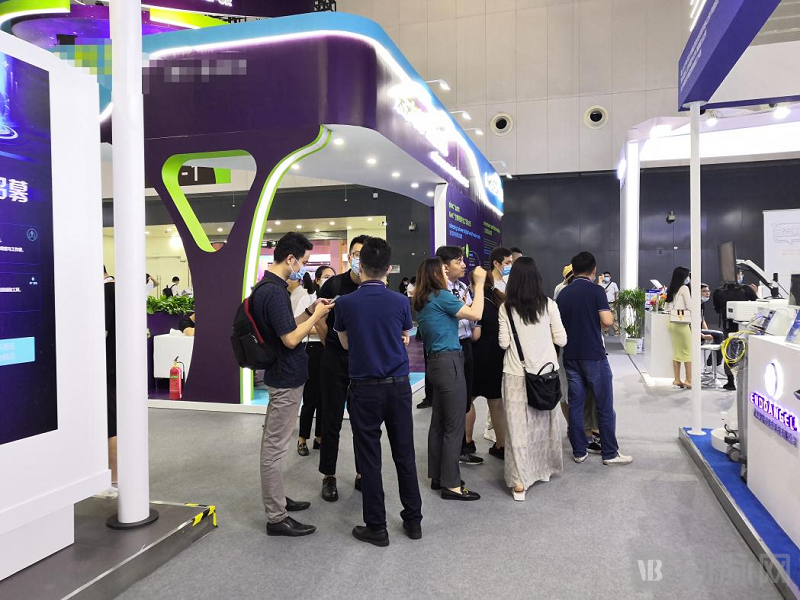
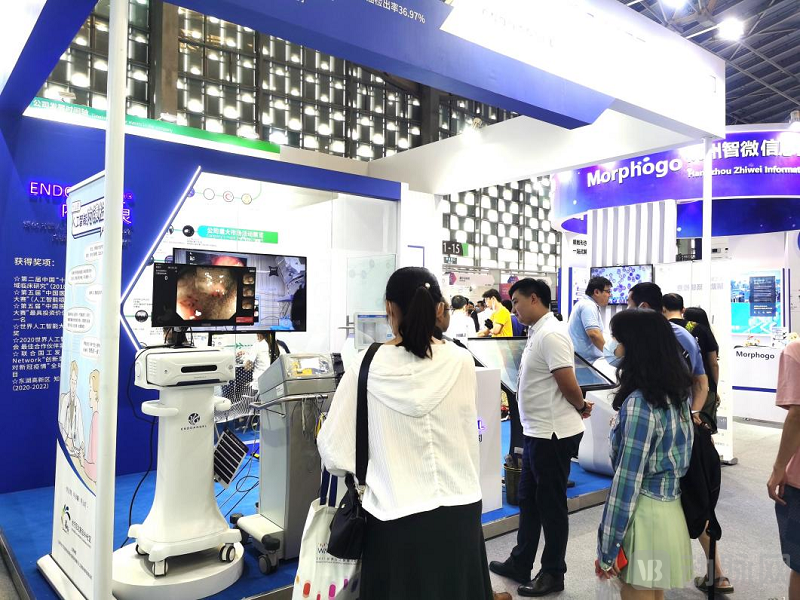
On-site Photo of Chu Jingling’s Exhibition at the World Artificial Intelligence Conference
AI Solution for Digestive Endoscopy – EndoGenie: Internationally Recognized and Industry-LeadingSince 2018, the Chu Jingling team has been invited to participate in more than 20 academic lectures. In 2019, they conducted a live surgical demonstration at the ENDOCLUB conference in Hamburg, Germany. Their work has been frequently cited by international peers, making it the most invited Chinese product in the field of medical artificial intelligence.
As of press time, Chu Jingling has had one Class III medical device approved through the National Medical Products Administration’s (NMPA) Innovative Medical Device Review Channel, and one Class II medical device approved through the Hunan Provincial Medical Products Administration’s innovative medical device review process. The company has obtained three Class II medical device registration certificates, secured CE certification for three products, and is currently expanding into the European and U.S. markets as it continues to advance along its path toward industrialization.
AI Empowers a New Era in Healthcare: The Wuhan Chu Jingling Team Addresses Key Challenges in Digestive Endoscopy, Including Avoiding Blind Spots, Reducing Missed Lesions, Improving Early Cancer Diagnosis Rates, Standardizing Physician Practices, and Enhancing Endoscopic Quality. Through the application of AI-assisted diagnostic technology for digestive endoscopy—EndoGenie—not only has the level of early diagnosis and treatment of gastrointestinal cancers in hospitals been improved, but it also helps standardize physician operations and enhance endoscopic quality. Meanwhile, it meets public demand for health check-ups, benefits more patients, achieves further breakthroughs in early screening for gastrointestinal tumors in China, and contributes to the nation’s public health initiatives.
AI-assisted diagnostic and therapeutic products for medical services are accelerating their adoption, demonstrating a robust growth trajectory. Artificial intelligence is a national innovation development strategy, and healthcare represents a key area of future state investment. As EndoGenie’s AI technology is progressively implemented within the smart hospital ecosystem, it will empower Chinese endoscopists and help elevate the global reputation of China’s endoscopy practice.