

Seizing New Opportunities in Multi-Omics Era: Advancing Early Cancer Screening, Single-Cell Analysis, Molecular Pathology, and Real-World Evidence Research
Gene methylation, gene mutations, and protein biomarkers are currently commonly used tumor diagnostic biomarkers. However, the pathogenesis of diseases is complex, and numerous studies have demonstrated significant limitations in relying on single-omics approaches. Multi-omics holds substantial potential in elucidating disease mechanisms, screening for tumor biomarkers and therapeutic targets, as well as facilitating early diagnosis and treatment.
Multi-omics has become the future direction of tumor gene testing. To further explore the development opportunities of multi-omics, on July 10, 2021, Genetron Health Research Institute, in collaboration with Suzhou BioBAY, jointly hosted the 5th Annual Conference on Tumor Gene Big Data. The conference gathered nearly 300 top scholars from around the world, including Academician Cheng Shujun from the Chinese Academy of Engineering and Academician Yang Huanming from the Chinese Academy of Sciences. With the theme “Multi-omics: New Opportunities,” the event discussed the new landscape brought about by multi-omics technologies and the endless new opportunities derived from gene big data.
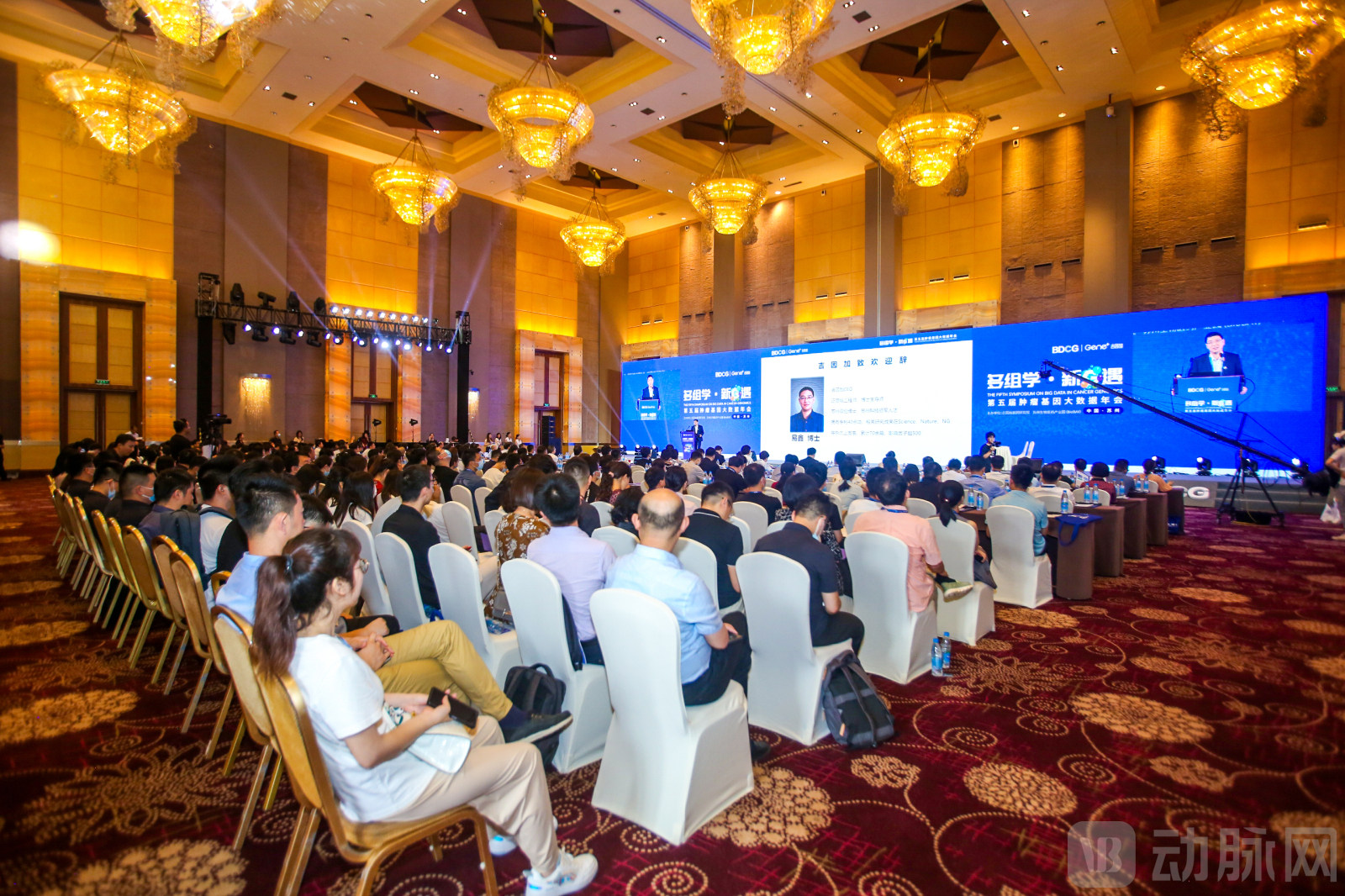
The Annual Conference on Tumor Gene Big Data, launched in 2016, has been held for five consecutive sessions, aiming to comprehensively showcase achievements derived from big data mining in oncology. VCBeat has noted that the Fifth Annual Conference on Tumor Gene Big Data covered numerous new developments and trends in the tumor gene testing industry. Emerging hotspots such as single-cell omics, early cancer screening, molecular pathology, and minimal residual disease (MRD) detection were focal points of discussion among guests, contributing wisdom and outcomes to the development of precision oncology in the multi-omics era. This underscores the significance of the conference’s sustained commitment over the years.
Although single-omics approaches can explain or uncover certain biological phenomena, they are often limited by their one-sided nature. For instance, studies have revealed that gene mutations can also be present in healthy tissues, and gene methylation, as a biomarker for early screening, is susceptible to interference from various factors such as age and physiological stage.
Multi-omics can effectively compensate for the limitations of single-omics approaches. As a novel biological analytical method, multi-omics leverages extensive biological data at the molecular level across multiple dimensions and stages of life—including genomics, transcriptomics, epigenomics, proteomics, metabolomics, and microbiomics—to conduct high-level analysis and interpretation of complex biological phenomena involving numerous influencing factors, such as life processes and diseases. With the widespread adoption of next-generation sequencing (NGS) technology and the accumulation of vast amounts of omics data, integrating multi-omics data for precise cancer diagnosis and treatment has emerged as a growing trend.
At the 5th Annual Conference on Big Data in Cancer Genomics, Academician Cheng Shujun of the Chinese Academy of Engineering first expressed his affirmation of multi-omics research. He stated, “Cancer is a highly complex disease that humanity has not yet fully understood. In terms of cancer treatment, our understanding of the disease remains at a primary stage. Cancer is a systemic disease, and multi-omics research can promote a deeper understanding of its true nature.”
Currently, multi-omics research has demonstrated broad potential in various fields, including precision medication for lung adenocarcinoma, diagnosis and treatment of lung cancer, and T-cell receptor (TCR) analysis in gastric cancer. As the preferred partner for clinical oncology scientists, Genetron Health leverages two key advantages: a domestically developed NGS platform and a big data repository of over 250,000 tumor genetic profiles. In collaboration with numerous scientists, the company has conducted extensive academic research on cutting-edge technologies such as multi-omics. It has partnered with more than 500 hospitals and over 1,000 experts, undertaking more than 300 collaborative projects and publishing over 170 SCI-indexed papers.
For example, in the field of multi-omics research on T-cell receptors (TCR) in gastric cancer, Professor Shu Yongqian’s team from Jiangsu Province Hospital collaborated with Genetron Health to analyze immune repertoire (IR) sequencing results from over 200 lung cancer tissue samples. The findings indicated that tissue-based TCR parameters correlated better with clinical parameters than those derived from peripheral blood; clonality was associated with prognosis; clonality reflected genomic alterations and immune infiltration status; multi-omics analysis combining clonality with ARID2/FBXW7/RNF43 mutations and M1 macrophage infiltration could optimize prognostic stratification; and clonality combined with the mutational context score (MCS) showed potential for predicting immunotherapy outcomes.
In research on the transformation of ground-glass nodules, Professor Yang Fan from Peking University People’s Hospital collaborated with Genetron Health to conduct a multi-omics study of ground-glass lesions. The study confirmed that ground-glass nodules have a relatively low mutational burden and revealed minimal infiltration of immune cells. In contrast, higher expression of genes in immune-related pathways was observed in high-grade malignant lung cancers, indicating greater immune pressure.
Overall, propelled by multi-omics research, clinical understanding of oncology has reached a higher dimension. It is believed that with the continuous improvement of sequencing technologies and analytical methods, multi-omics research will play an increasingly important role in the field of precision oncology, breaking through the bottlenecks associated with single-omics studies. In the future, the industry needs to make greater efforts in ensuring the reliability of multi-omics data and enhancing bioinformatics analysis, while actively exploring application scenarios to gradually build up the industrial ecosystem for multi-omics research.
Early detection is the key to whether cancer can be cured. Experience both domestically and internationally has demonstrated that implementing preventive and control measures, such as early prevention, early screening, and early treatment, yields significant effects in reducing cancer incidence and mortality.
Current cancer screening technologies all have certain limitations. Protein biomarkers exhibit low specificity and sensitivity; invasive procedures such as colonoscopy and gastroscopy suffer from poor patient compliance and cannot serve as routine screening methods. Furthermore, there are currently no effective screening modalities for cancers such as ovarian and pancreatic cancer.
Liquid biopsy is a highly acclaimed innovative technology for early cancer screening. Before specific symptoms manifest in the body, or even before imaging can detect minute lesions, various tumor markers such as mutations, copy number variations (CNVs), methylation, and microRNAs (miRNAs) are already present in the blood. By quantifying these tumor-associated markers in the blood using techniques such as PCR and next-generation sequencing (NGS), early-stage tumors that are undetectable by imaging can be identified. Early detection and intervention can reduce cancer incidence and mortality rates.
As the initiating team of PREDICT, the first multicenter clinical study in China to prospectively screen for pan-cancer using ctDNA in the Chinese population, Professor Zeng Qiang from the Chinese PLA General Hospital stated at the conference that the application of liquid biopsy and genetic testing in the field of oncology is becoming increasingly mature. Technological advancements have spurred numerous practical applications and transformed the diagnosis and treatment paradigms for various cancers. Genomic testing technologies are emerging as a promising direction in the field of early cancer screening.
At the conference, numerous cancer early screening studies conducted by domestic clinical scientists and enterprises based on liquid biopsy technology were also shared.
Professor Fu Jun from the First Affiliated Hospital of Harbin Medical University shared progress on the PREDICT project, a nationwide multicenter prospective cancer screening study co-led by the Chinese PLA General Hospital and Genetron Health. PREDICT is a prospective observational study aimed at identifying ultra-early warning biomarkers in high-risk populations for six major cancers using ctDNA liquid biopsy technology, thereby establishing a pan-cancer early screening model for the Chinese population.
In early screening, the combined performance of multi-dimensional technologies surpasses that of single-technology approaches, making multi-omics technologies a promising ideal choice for future cancer early detection. Professor Fu Jun stated that during the PREDICT 2.0 study phase, the team will adopt a cfDNA multi-omics screening strategy to analyze tumor-specific signals—including methylation, mutations, copy number variations (CNVs), and fragmentomic features—and integrate multi-omics data to enhance screening performance.
In the field of early screening for liver cancer, Shanghai Eastern Hepatobiliary Surgery Hospital is currently implementing the ForeSee liver cancer early screening project. The ForeSee technology enables early detection of liver cancer by simultaneously analyzing and evaluating mutations, viral integration, and cfDNA fragment characteristics. According to Professor Yang Yuan from Shanghai Eastern Hepatobiliary Surgery Hospital, the ForeSee liver cancer early screening test has demonstrated robust performance in a study cohort of over 1,000 cases. In retrospective studies, the sensitivity and specificity of the ForeSee technology were 89% and 95.7%, respectively. In prospective cohorts, the sensitivity reached 100%, with a specificity of 86.7%, significantly outperforming the existing screening method, AFP.
Furthermore, genetic risk assessment for tumors is a critical component of cancer prevention and control. Professor Zhang Kai’s team from the National Cancer Center/Cancer Hospital of the Chinese Academy of Medical Sciences reported their analysis of nearly 30,000 large-panel samples from the Genetron Health database. The study analyzed 94 susceptibility genes and identified 2,473 pathogenic or likely pathogenic mutations in 2,354 patients. Based on hereditary variants associated with common cancers, Professor Zhang Kai guided the development of a genetic risk mini-program that enables one-click online assessment of tumor genetic risk and automatically generates pedigree charts and family history profiles. This innovation significantly improves the efficiency and convenience of cancer genetic risk assessment, addressing key limitations of traditional screening methods based on family and personal history, such as high rates of missed diagnoses, incomplete penetrance, and prolonged follow-up periods.
Conventional NGS-based genetic testing performs genetic analysis on the entire cell population at the macroscopic level of bulk cells, failing to reflect cellular heterogeneity. Single-cell sequencing not only enables the analysis of heterogeneity among cells of the same type but also acquires precise genetic information from different cell types within precious clinical samples, holding broad prospects in the fields of scientific research, clinical practice, and drug development.
At the conference, Professor Bai Fan from Peking University presented on the application of single-cell sequencing technology to investigate the interactions among nasopharyngeal carcinoma (NPC) tumor cells, Epstein-Barr virus (EBV), and the tumor microenvironment. Professor Bai’s team performed scRNA-seq analysis on nasopharyngeal tissue samples from 19 EBV-infected NPC patients and 7 non-tumor controls, obtaining approximately 100,000 single cells and elucidating the transcriptomic profiles of tumor cells, EBV, and non-tumor cells in NPC. This single-cell sequencing approach has enhanced the industry’s understanding of the NPC tumor microenvironment, offering significant clinical implications for cancer therapy.
In research on immunotherapy for triple-negative breast cancer (TNBC), Professor Mo Hongnan from the Cancer Hospital of the Chinese Academy of Medical Sciences has employed single-cell sequencing to address the challenges of poor prognosis and limited treatment options in TNBC. Professor Mo stated, “Breast cancer cells exhibit high heterogeneity; both primary tumor cells and micrometastatic tumor cells demonstrate transcriptional heterogeneity, with micrometastatic cells displaying distinct transcriptional profiles. By performing single-cell sequencing on tumor tissues from TNBC patients, we observed that post-chemotherapy tumor responses manifested as either clonal persistence or clonal extinction. We found that adaptive selection of pre-existing genetic aberrations leads to chemotherapy resistance, thereby offering new possibilities for clinical immunotherapy in TNBC.”
Currently, single-cell sequencing has rightfully become one of the hottest fields in genomics. Relevant scientific research on single-cell sequencing in China is continuously increasing. Moving forward, the development of single-cell omics and spatial omics, as well as their applications in markets such as drug development and clinical diagnostics, deserve continued attention.
In clinical practice, hospital pathology departments are transitioning from traditional histopathological and immunohistochemical diagnoses to molecular pathological diagnosis. Molecular pathology provides a scientific basis for the diagnosis and differential diagnosis of tumors, enabling physicians to achieve higher efficiency and more precise diagnoses in a shorter timeframe, thereby facilitating the development of more accurate and personalized treatment plans.
Driven by favorable policies and patient demand, the molecular pathology sector has witnessed robust growth, with nearly all provincial-level and above hospitals across China now offering molecular pathology diagnostics. Data indicates that the potential testing market for molecular pathology in China exceeds RMB 5 billion. On June 28, the National Health Commission released the “Indicators for Clinical Rational Use Management of Antineoplastic Drugs (2021 Edition),” stipulating that antineoplastic targeted therapies with well-defined targets must be preceded by corresponding target testing before administration, thereby further promoting the clinical implementation of molecular pathology services.
Professor Liang Zhiyong from Peking Union Medical College Hospital pointed out at the conference, “We have now entered the era of molecular pathology, and pathologists should carefully reflect on their mission and seize the rare new opportunities.”
Professor Guo Lingchuan from the First Affiliated Hospital of Soochow University stated, “From genomics to post-genomics and then to proteomics, these technologies will be successively implemented in pathology departments, presenting unprecedented opportunities for the field of molecular pathology.”
In terms of specific applications, cutting-edge technologies such as RNA-seq, WES, and large gene panels have already seen some clinical adoption. During the conference, experts analyzed the clinical advantages and selection strategies for each of these technologies.
Professor Wu Huanwen from Peking Union Medical College Hospital stated, “When IHC and FISH test results are insufficient or contradictory, RNA-Seq can provide new references. Meanwhile, in cases where DNA panel testing yields negative results, RNA-Seq can improve the detection rate of gene fusions.” Professor Shao Jianyong from Sun Yat-sen University Cancer Center described RNA-Seq with the words “integration and flexibility,” emphasizing that it ensures the detection of fusion genes while complementing DNA testing to achieve comprehensive analysis. Professor Zhou Xiaoyan from Fudan University Shanghai Cancer Center pointed out, “Although whole-exome sequencing (WES) is currently less commonly used in clinical practice, driven by clinical needs, it will be a future direction for development.”
Professor Li Wenbin from the Cancer Hospital of the Chinese Academy of Medical Sciences pointed out, “Pathology should not be limited to a single slide; rather, it should capture more pathological changes during tumor initiation and progression by incorporating additional temporal and spatial information, which necessitates research using spatial multi-omics.”
Professor Shi Huaiyin of the Chinese PLA General Hospital stated, “The use of cutting-edge technologies can help resolve a large number of complex and challenging cases; however, the specific choice of technology should be determined based on the actual circumstances of each hospital.”
Listening to the expert discussion at the Pathology Forum, as Professor Qi Jiping from the First Affiliated Hospital of Harbin Medical University stated, "The spring of pathology has arrived."
However, when hospitals implement next-generation sequencing (NGS) and RNA-Seq programs, they often encounter challenges such as immature technology, complex workflows, cumbersome operations, difficulties in data analysis, and insufficient staffing. These issues result in low testing efficiency and prolonged turnaround times, thereby dampening hospitals’ enthusiasm for launching innovative molecular pathology initiatives. To address this challenge, Genetron Health launched a comprehensive domestic NGS platform solution in 2018, leveraging the Oncobox fully automated NGS data analysis and interpretation system for oncology. This end-to-end solution covers laboratory design consultation, testing workflow establishment, quality management system implementation, personnel training, and technical support. It helps hospitals improve operational efficiency, expand testing capabilities, cultivate multidisciplinary NGS talent, and enhance their academic standing.
Zhejiang Cancer Hospital is among the first hospitals in China to adopt Genetron Health’s fully localized, end-to-end NGS platform solution. Professor Su Dan of Zhejiang Cancer Hospital stated, “Given the substantial shortage of pathologists in China, workforce availability was the primary consideration for our hospital when introducing an NGS testing platform. Genetron Health’s fully localized, end-to-end NGS platform solution has achieved seamless integration with our hospital’s information management system, significantly reducing personnel requirements. Currently, only two bioinformatics analysts are needed to meet routine testing demands, while also shortening the testing turnaround time.”
Professor Su believes that NGS technology will be more widely applied in clinical settings in the future. The fully localized, end-to-end solution for NGS platforms is an essential requirement for pathology departments, offering significant potential for broader adoption. He looks forward to further enhancements in the intelligence and automation levels of these domestically produced, end-to-end NGS platform solutions.
In recent years, with the continuous integration of big data and healthcare, the value of real-world data (RWD) has become increasingly prominent, driving the rapid development of precision oncology. At the conference, multiple experts engaged in discussions and exchanges on several hot topics surrounding high-incidence cancers—including lung cancer, gastrointestinal cancers, gynecologic malignancies, breast cancer, and hepatobiliary tumors. These discussions covered advances and achievements in clinical oncology research based on genomic big data, future trends and developments in precision oncology, and an analysis of the challenges and opportunities associated with oncology genomic databases.
To advance the progress of real-world studies, better empower precision oncology with big data, and maximize patient benefits, five conference chairs—Professor Huang Jian’an (lung cancer) from the First Affiliated Hospital of Soochow University, Professor Liu Yunpeng (gastrointestinal cancer) from the First Affiliated Hospital of China Medical University, Professor Zhou Qi (gynecologic oncology) from Chongqing University Cancer Hospital, Professor Liu Qiang (breast cancer) from Sun Yat-sen Memorial Hospital of Sun Yat-sen University, and Professor Yuan Zhengang (hepatobiliary and pancreatic tumors) from Shanghai Eastern Hepatobiliary Surgery Hospital—jointly launched the Real World Data and Research Board (REWARD) at this conference.
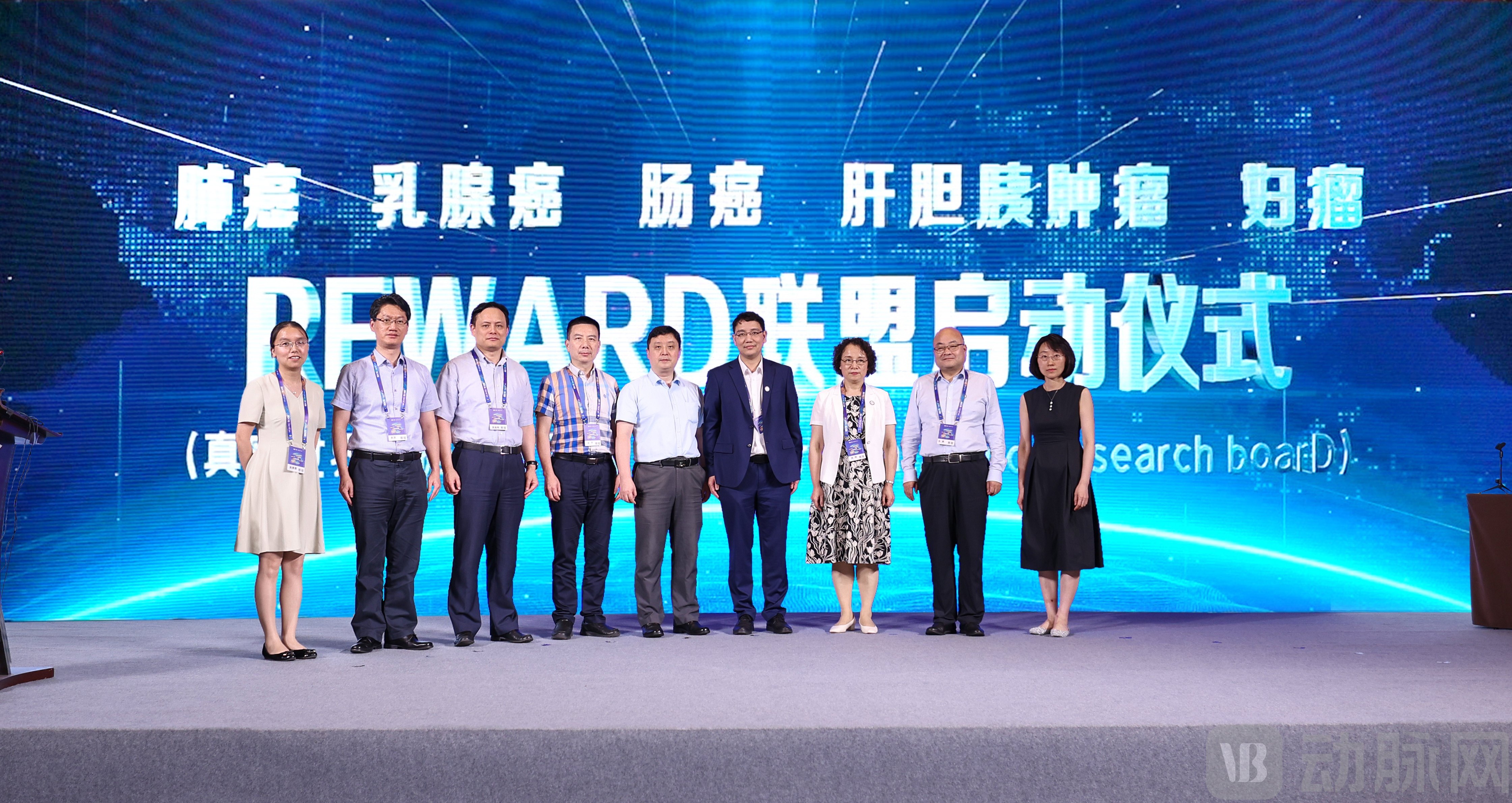
Real-World Data Research Consortium Officially Launched
Professor Zhou Qi and Professor Liu Qiang, representing clinical experts, delivered speeches. Zhou Qi from Chongqing University Cancer Hospital stated, “Following the establishment of the Real-World Data Research Alliance, and with the support of Genetron Health, various centers will collaborate to foster greater achievements in translational clinical research.” Professor Liu Qiang emphasized, “In this data-driven era, particularly within the field of oncology genomics big data, only sufficient data can provide meaningful insights. Our collaboration with Genetron Health is founded on this principle. Therefore, establishing the REWARD Alliance is crucial. It enables cross-referencing and mutual promotion across different tumor types, ensuring high-quality big data management in solid tumors to truly benefit patients.” Dr. Yi Xin, CEO of Genetron Health, stated that moving forward, Genetron Health will continue to provide a robust technical foundation for clinical scientists. Working together with them, and guided by the goal of practically resolving clinical challenges, the company strives to transform big data into clinical evidence, thereby advancing the progress of precision medicine.