

Looking Ahead: The 8th China IVD Industry Investment and M&A CEO Forum Concludes Successfully
On July 15, 2021, jointly hosted by the People's Government of Taicang City, CHC Medical Consulting, and the IVD & Precision Medicine Industry and Investment Alliance“The 8th China IVD Industry Investment and M&A CEO Forum & Annual Conference of the IVD and Precision Medicine Industry and Investment Alliance”concluded successfully at the Four Points by Sheraton Taicang, Jiangsu.
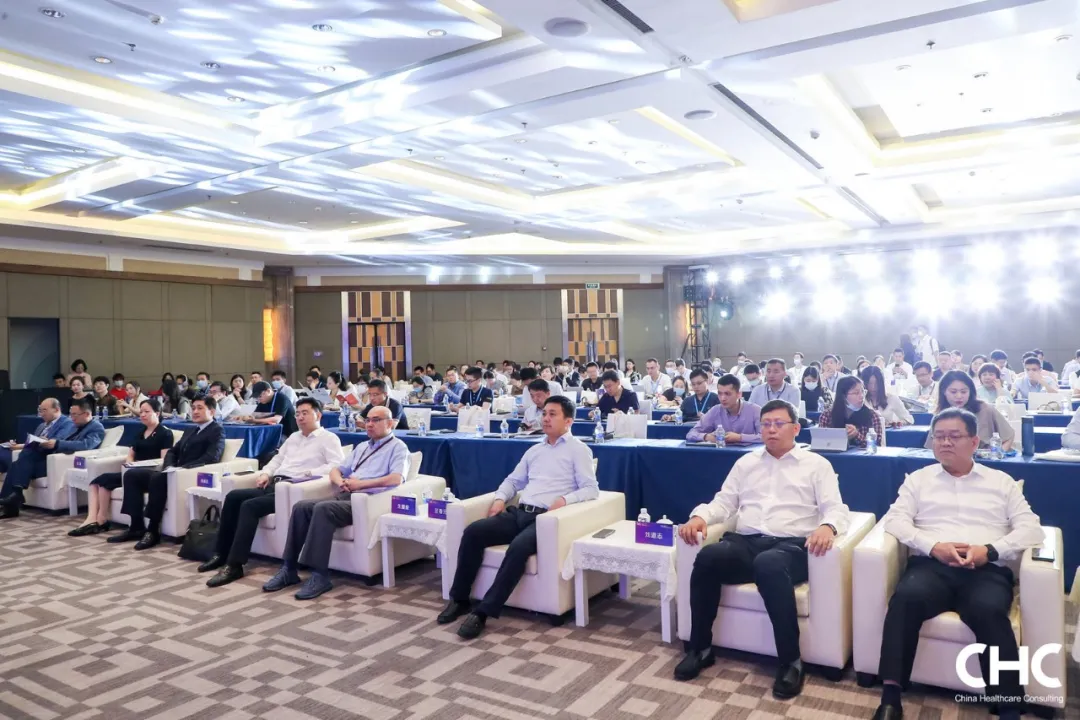
Leading Experts Gather in Taicang
This event received strong support from the Taicang Municipal People's Government. A total of representatives from multinational corporations, listed companies, innovative enterprises, government research institutions, and the investment community300MultipleDistinguished Guests Gather in Taicang to Discuss the Forum’s Theme【Diagnostic Power Resonating with the Times】The discussion unfolded with great enthusiasm, and the atmosphere at the venue reached a fever pitch. IVD professionals exchanged insights and learned from one another through this forum, expressing deeper confidence and hope for the future of the IVD industry. Together, they are committed to supporting and driving the robust growth of the sector.
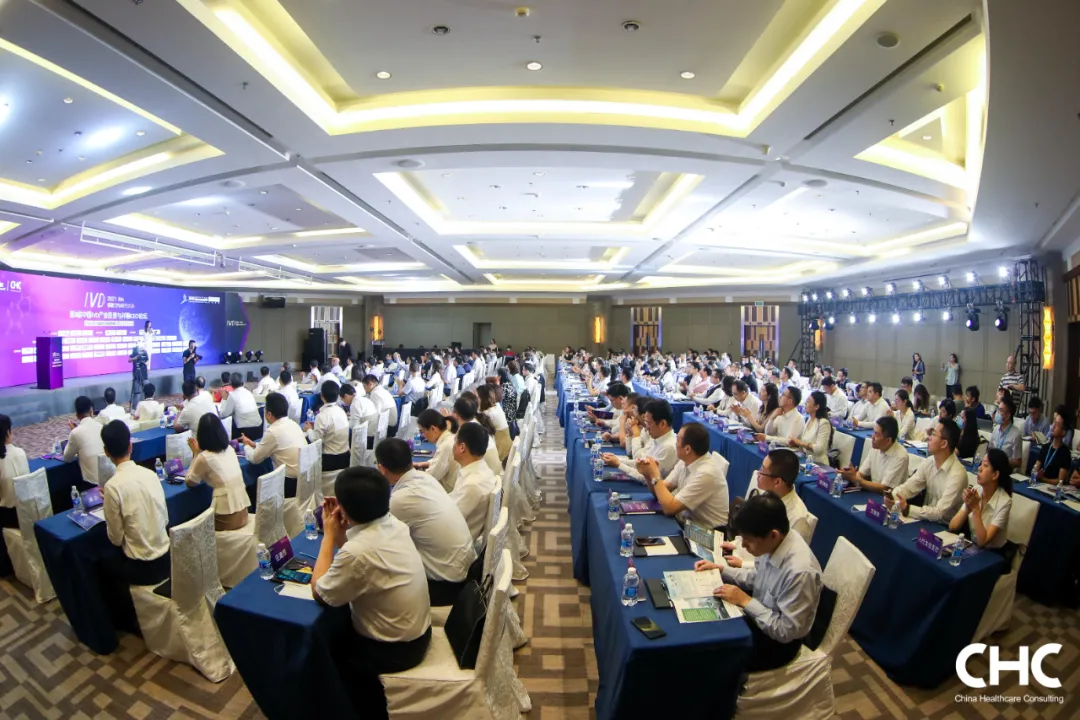
The forum was packed to capacity.
Conference Highlights Review
The conference officially commenced with opening remarks delivered by Mr. Wang Xiangyuan, Secretary of the CPC Taicang Municipal Committee, and Dr. Liu Daozhi, Founding and Executive Partner of Shanlan Capital.
Secretary Wang stated that benchmarking against and integrating with Shanghai is the goal Taicang currently pursues. He expressed his hope to forge close ties with Shanghai and make every effort to promote the development of the biopharmaceutical industry. He believes that, leveraging Taicang’s superior geographical advantages and favorable talent policies, the city can collaborate with more outstanding enterprises to jointly strengthen the ecosystem of its biopharmaceutical industry. He looks forward to participants using this event as an opportunity to visit, understand, get to know, invest in, and reap benefits from Taicang.
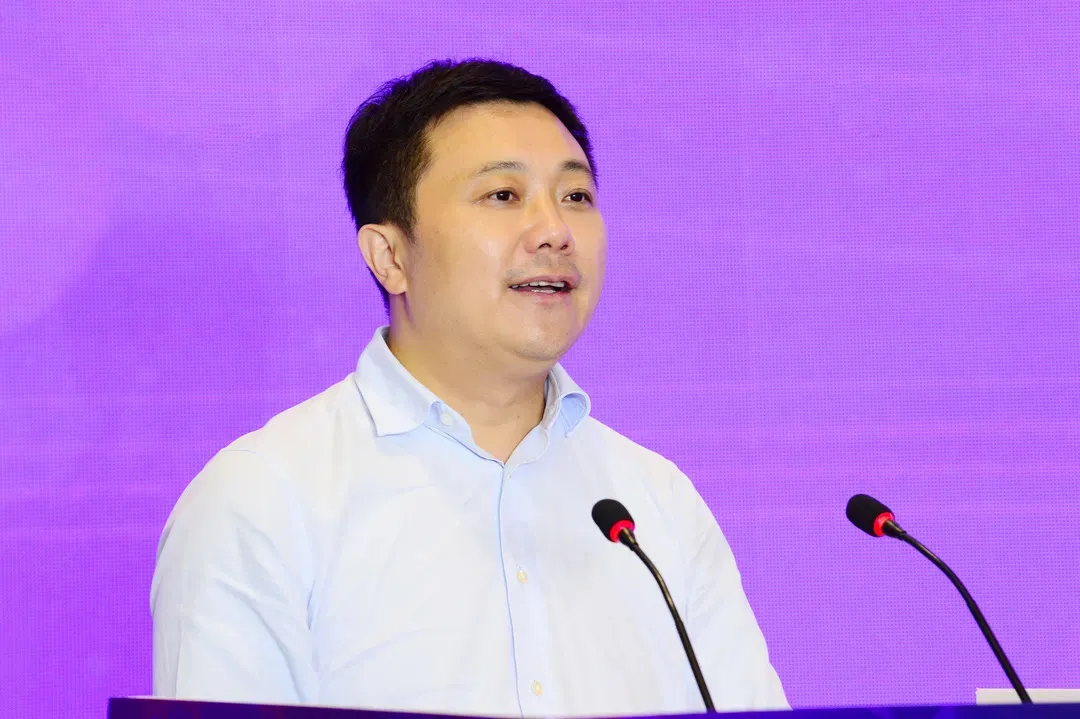
Wang Xiangyuan, Secretary of the CPC Taicang Municipal Committee
Dr. Liu Daozhi introduced the development journey of the IVD Alliance, which has now entered its eighth year. For China’s healthcare industry, the importance and promising prospects of the in vitro diagnostics (IVD) sector are widely recognized and continue to show an upward trend. As a seasoned entrepreneur and investor, he believes that the healthcare sector is one that will remain perpetually vibrant. Consequently, governments, investment promotion agencies, and individuals alike are willing to inject capital into this field. With the ongoing integration of the Yangtze River Delta region, Taicang is poised to bring even more opportunities for the development of the medical industry.
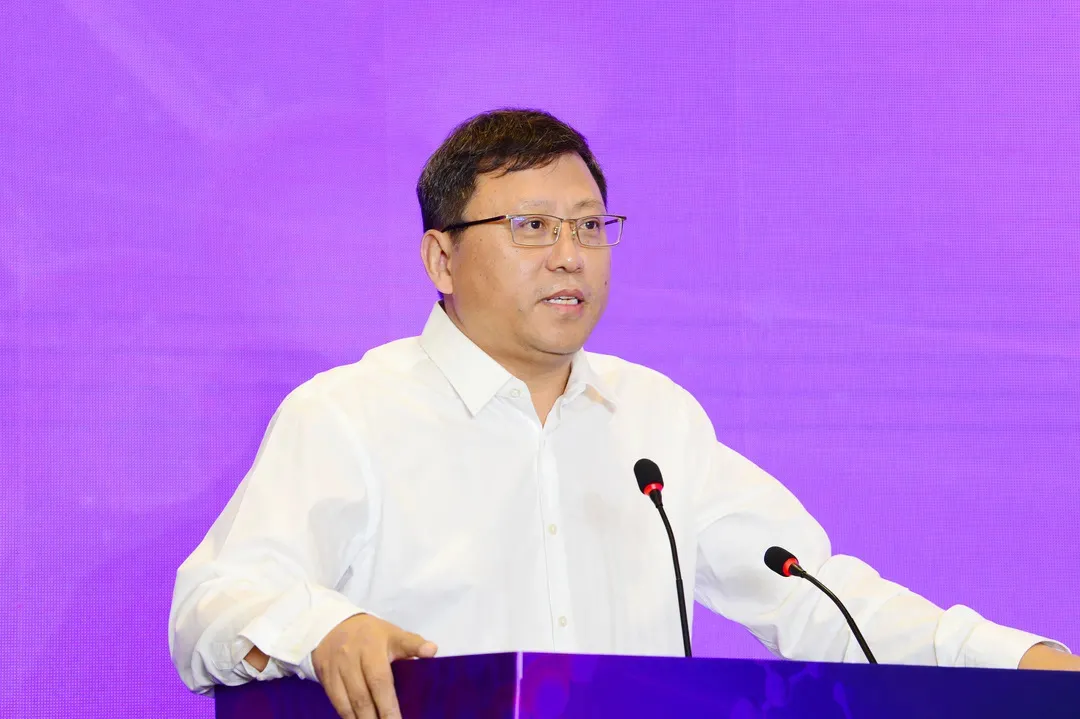
Liu Daozhi, Conference Chair, Founding and Managing Partner of Shanlan Capital
Lu Zheng, Director of the Taicang Investment Promotion Bureau, delivered a brief presentation on Taicang’s biomedical industry, covering four key aspects: city overview, biomedical industrial cluster, supporting services, and preferential policies. As a strategic emerging industry prioritized for development in Taicang, the biomedical sector focuses on three major areas: biopharmaceuticals, medical devices, and pharmaceutical outsourcing services, attracting a large number of outstanding enterprises. In addition to introducing specialized policies for the biomedical industry, Taicang places significant emphasis on talent cultivation and recruitment. Finally, Director Lu sincerely welcomed entrepreneurs and investors to visit Taicang for on-site inspections and investment opportunities.
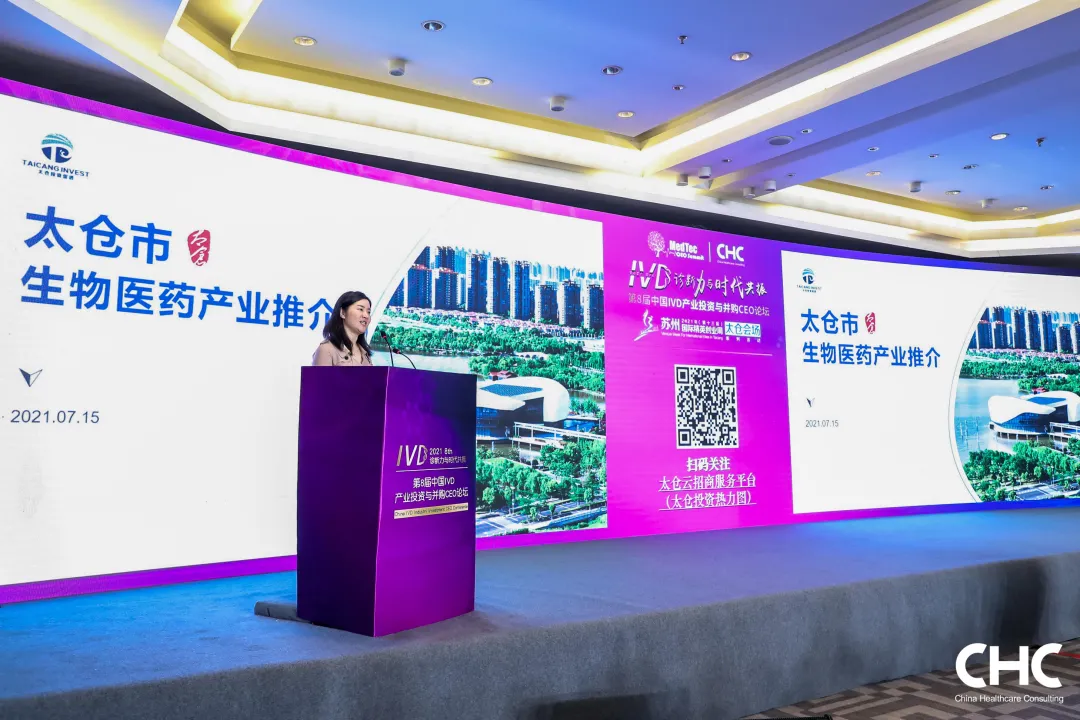
Lu Zheng, Director of the Taicang Investment Promotion Bureau
Zhu Yaoyi, Chairman of the In Vitro Diagnostics (IVD) Branch of the China Association of Medical Device Industry (CAMDI), delivered a presentation titled “Development of In Vitro Diagnostics in the New Normal of the Pandemic.” He provided an analysis and interpretation from two perspectives: the latest industry developments as of the end of June, and the state of the sector under the new normal of the pandemic. Drawing on industry data, he led attendees through a brief review. Finally, Chairman Zhu highlighted the recently prominent field of molecular diagnostics and urged stakeholders to pay close attention to emerging industry policies.
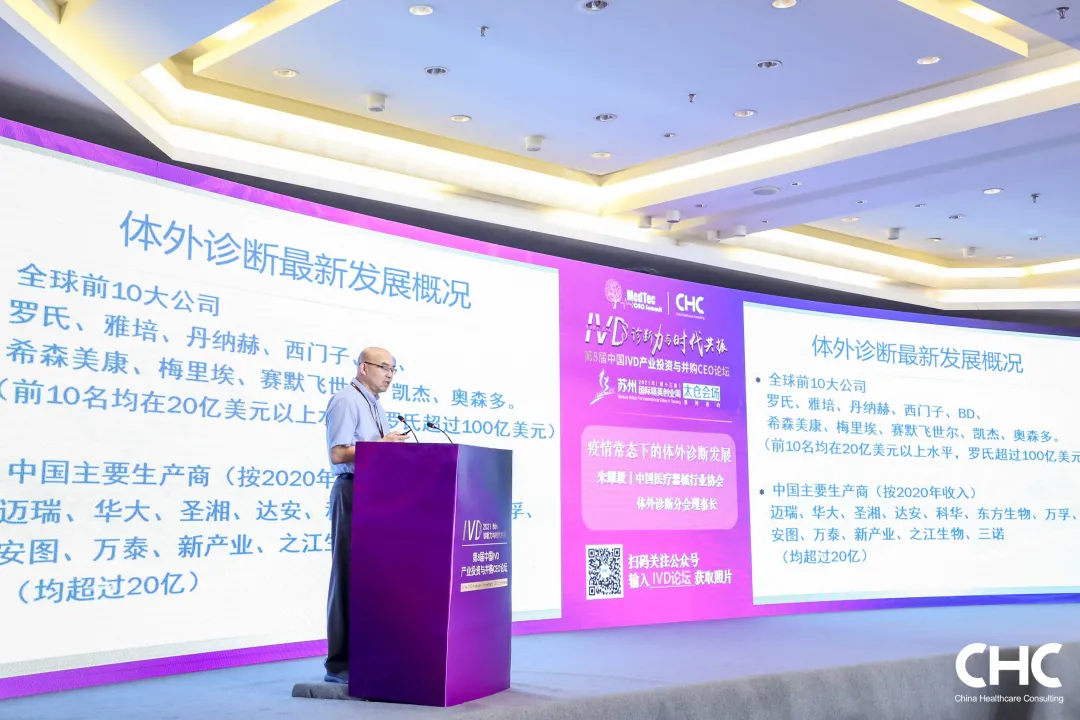
Zhu Yaoyi, Chairman of the In Vitro Diagnostics Branch of the China Association for Medical Devices Industry
Chen Jianzhong, Vice President of Abbott’s Core Diagnostics in China, shared his presentation titled “Global Trends in IVD” from a global perspective. He began by introducing Abbott’s core business structure, then provided in-depth insights on multiple aspects, including rapid product development, segmentation of the IVD industry, global growth of the IVD sector, industrial dimensions, industry peers, and data. Finally, he emphasized that automation will inevitably become the prevailing trend in the future development of the IVD industry.

Chen Jianzhong, Vice President, Core Diagnostics, Abbott China
Dr. Liu Daozhi, Founding and Managing Partner of Shanlan Capital, provided a comprehensive analysis of the development trends in the in vitro diagnostics (IVD) industry from a capital perspective, interpreting investment opportunities in the post-pandemic era. He began by outlining the overall landscape of the IVD sector and then elucidated investment trends and potential areas of interest from an investor’s standpoint. He emphasized that trend-driven developments warrant particular attention.

Liu Daozhi, Founding and Managing Partner of Shanlan Capital
Zhao Lijian, CEO of BGI Genomics, opened his report, “The IVD Path of China’s Genomics Technology,” by marking the 21st anniversary of the publication of the Human Genome Project’s working draft. He argued that merely obtaining in vitro diagnostic (IVD) certification for products, along with improvements in testing turnaround time and iteration, is insufficient to meet all clinical needs. Currently, BGI Genomics has established a comprehensive genomic medicine solution that spans the entire human life cycle. He identified this as the future direction for the application of genomic medicine. Additionally, Mr. Zhao expressed his hope to deepen understanding and foster collaboration with more peers in the field.
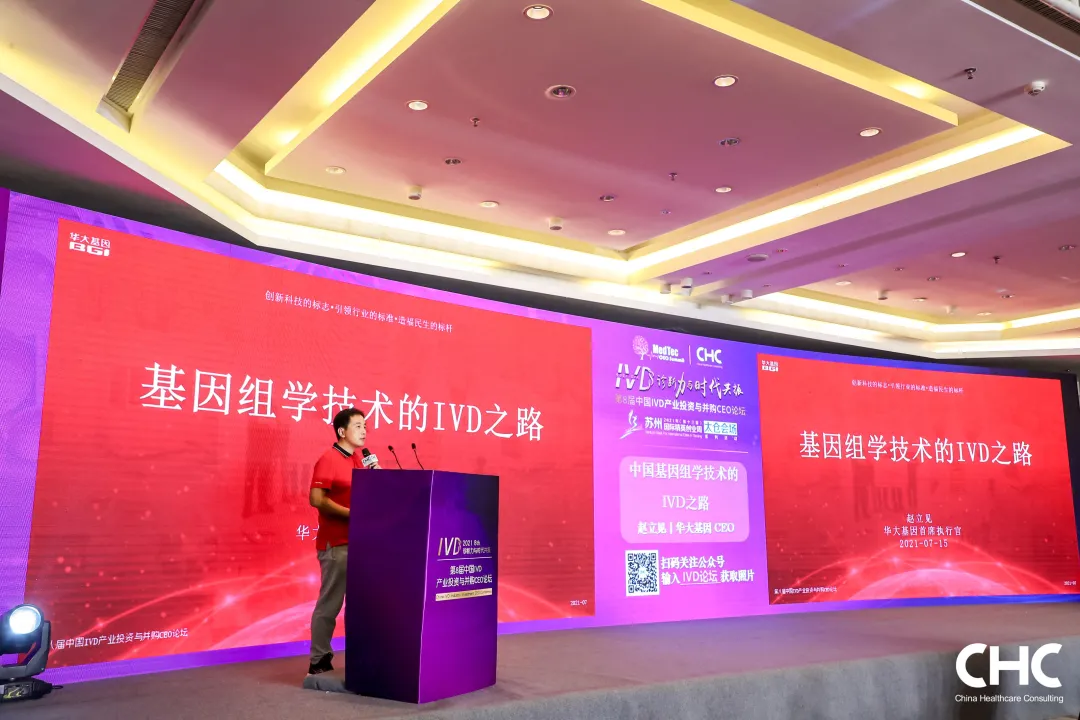
Zhao Lijian, CEO of BGI
Finally, Dr. Fang Zhuo, Vice President and Chief Technology Officer of WuXi NextCODE, shared her insights on the topic “Focusing on Integrated Diagnostics to Lead Precision Medicine.” She began by analyzing the evolution of medical diagnostics, asserting that integrated diagnostics represents the path forward. Centered on diseases and patients, integrated diagnostics leverages multi-omics data combined with algorithmic models to achieve more precise diagnoses. WuXi NextCODE aims to empower the healthcare ecosystem through integrated diagnostics, creating a closed loop encompassing “diagnosis, treatment, pharmaceuticals, and insurance.” By collaborating with clinical experts to develop and translate innovative products, and leveraging its Mayo Clinic-centered partnerships for global promotion, the company pursues an “In China, for the World” strategy, ultimately ensuring that its products and services benefit patients worldwide.

Fang Zhuo, Vice President and Chief Technology Officer of WuXi NextCODE
2021 Industry Shifts and the Future
Wu Hao:From a technical perspective, continuous iteration and the emergence of new technologies have made the in vitro diagnostics (IVD) industry an essential investment sector for healthcare investment firms. In terms of public listings, IVD companies are poised to exceed expectations, demonstrating robust growth momentum.
Zhao Lijian:BGI Genomics has demonstrated outstanding performance in epidemic prevention and control, but it must by no means neglect its traditional business. He believes that investing in research and development within core competitive areas is essential for the future, and he remains confident about future returns.
Fang Zhuo:Over the past one to two years, the most significant challenge facing the industry has been the severe homogenization of products. In response, WuXi Diagnostics has endeavored to align its offerings more closely with clinical needs while also seeking to integrate a broader range of resources.
Sun Jianfeng:The most significant change is that the COVID-19 pandemic has reshaped the entire IVD industry landscape. Many small and medium-sized enterprises have emerged rapidly. He believes that Chinese companies, particularly numerous smaller firms, have experienced a collective surge. This seemingly accidental boom was in fact inevitable, as long-term technological reserves are an essential prerequisite.
Liu Yonghui:In recent years, the in vitro diagnostics (IVD) industry has seen a significant rise. In addition to diversified financing channels, there has been a surge in mergers and acquisitions. A notable trend is that even general firms now engage patent-qualified attorneys to specialize in IVD-related cases. This shift reflects not only changes within IVD companies but also brings substantial transformations to the entire investment community and law firms.
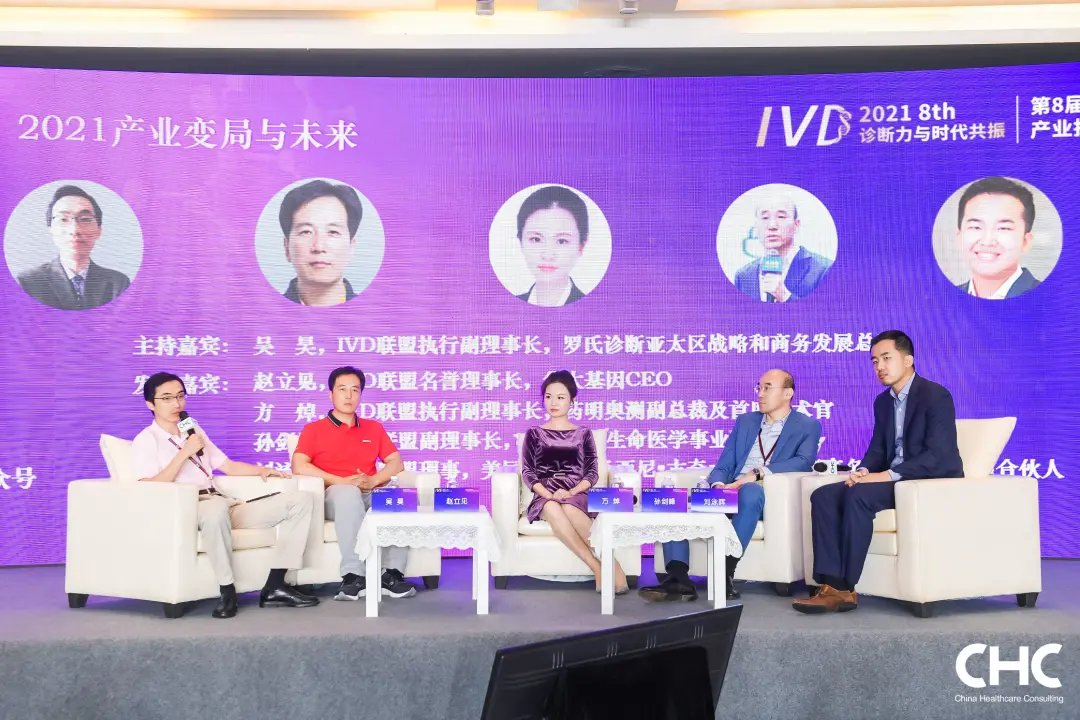
From left to right: Wu Hao, Director of Strategy and Business Development, Asia Pacific, Roche Diagnostics; Zhao Lijian, CEO of BGI Genomics; Fang Zhuo, Vice President and Chief Technology Officer of WuXi Apptec Testing; Sun Jianfeng, General Manager of the Life Sciences Division of Kehua Bio-Engineering; Liu Yonghui, Partner at Wilson Sonsini Goodrich & Rosati.
The morning forum was packed with distinguished guests, creating a vibrant atmosphere. Despite the sweltering heat of Taicang in July, it could not dampen the enthusiastic spirit of learning and sharing among the IVD professionals and attendees present.

The conference venue was packed.
After a brief lunch break, Hu Xuefeng, Committee Member of the Party Committee of the Port Area of Taicang Port Economic and Technological Development Zone and Director of the Modern Service Industry Development Center, delivered a presentation on the port area as a representative of Taicang Bioport.
Director Hu shared the origin, stories, and cultural figures of Taicang through several photographs. As a specialized park dedicated to in vitro diagnostics (IVD), Taicang BioPark has tailored all its policies specifically for the IVD sector, supporting the entire product lifecycle. This defines the industrial positioning of Taicang BioPark. Finally, Director Hu invited everyone to visit and conduct on-site inspections at the park.
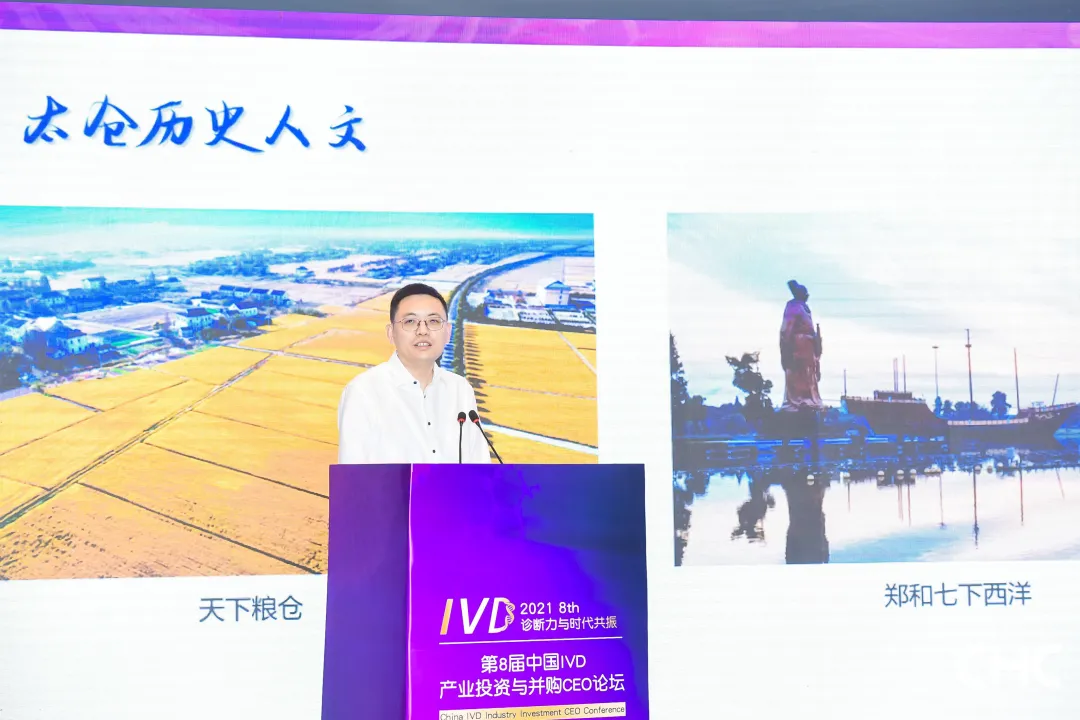
Hu Xuefeng, Member of the Party Committee of the Port Area, Taicang Port Economic and Technological Development Zone; Director of the Center for the Development of Modern Service Industries
China's POCT Industry: Market Challenges and Trends
Liu Dan:The IVD industry, particularly the POCT sector, will undoubtedly see increasing opportunities to expand from China into overseas markets, spearheading a global “Chinese wave.”
Jin Xin:Chinese POCT companies seeking to expand overseas must first understand local environments and policies and make thorough preparations; secondly, they must ensure rigorous quality control.
Wang Chengchao:POCT has been evolving toward self-testing in recent years; however, its market scale will truly explode only when it reaches households and individual users. Mission of Vazyme Biotech in developing POCT products is to make them simpler, faster, and more cost-effective.
Gao Yan:In recent years, attention has focused on microfluidics. After decades of accumulation and exploration by the scientific and industrial communities, we are currently at an opportune moment for rapid growth or even an explosion in this field. Driven by sustained and rising demand for microfluidic products, the vigorous global development of point-of-care testing (POCT) based on microfluidics is undoubtedly an inevitable trend.
Liu Xiaolan:At the current stage of POCT development, future growth will hinge on several dimensions: 1) more innovative technologies; 2) increased market penetration; and 3) Chinese enterprises expanding into overseas markets need to integrate diagnostic information with therapeutic information.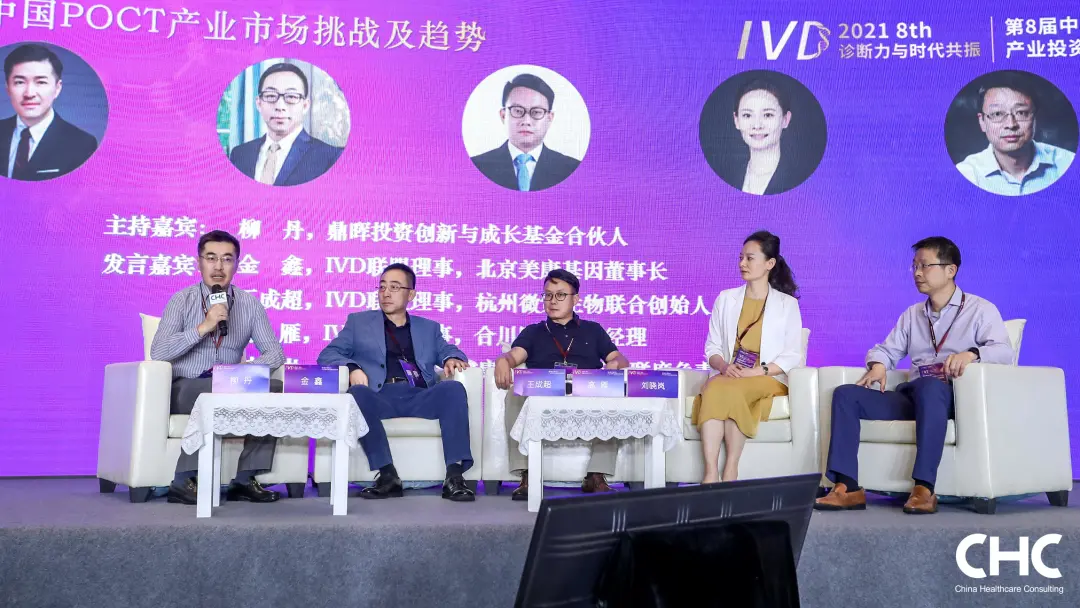
From left to right: Liu Dan, Partner at CDH Investments’ Innovation and Growth Fund; Jin Xin, Chairman of Beijing Meikang Gene; Wang Chengchao, Co-founder of Hangzhou Microtest Biotech; Gao Yan, Deputy General Manager of Hechuan Medical; Liu Xiaolan, Co-Head of the Executive Directors in the Healthcare Group at CITIC Securities.
Wang Haijiao, Executive Partner at GTJA Investment, provided a comprehensive analysis of "Investment Trends in Clinical Mass Spectrometry Testing." He noted that while clinical mass spectrometry testing is a relatively new and niche industry, it offers distinct advantages over traditional testing methods in terms of sensitivity, specificity, analytical speed, and the ability to simultaneously detect multiple analytes. He believes that in the short term, the priority should be to expand service delivery; only by gaining broader user acceptance of clinical mass spectrometry services can the field extend its reach upstream. Over the next three to five years, he remains optimistic about investment opportunities in clinical mass spectrometry testing services.
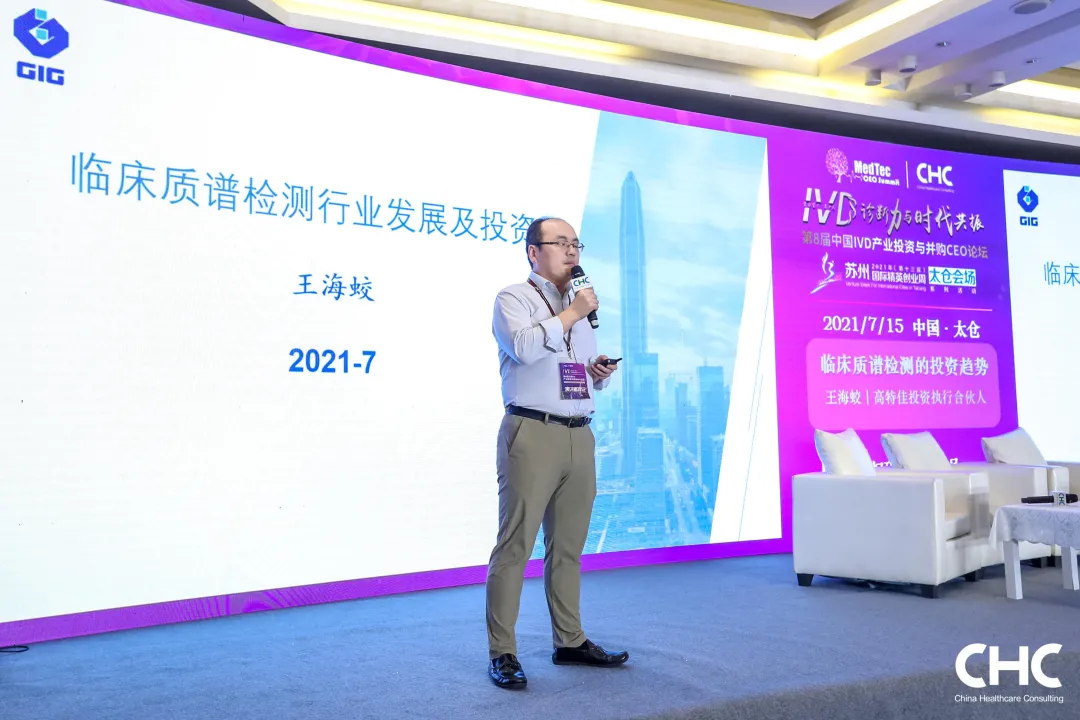
Wang Haijiao, Executive Partner at GTJA Investment
Wang Jun, CEO of Hangzhou Jieyi Biotechnology, provided insights into how big data is driving the development of pathogen metagenomics. He attributed the rapid growth of next-generation sequencing (NGS) in recent years to the urgent need to address infections, which primarily requires accurate identification of the causative pathogens. He noted that among all NGS applications, metagenomic NGS (mNGS) is closest to in vitro diagnostics (IVD), due to its strong demand for localized operations. Although mNGS faces significant challenges in both technology and data dimensions, Jieyi remains committed to improving the industry through its own innovative approaches.
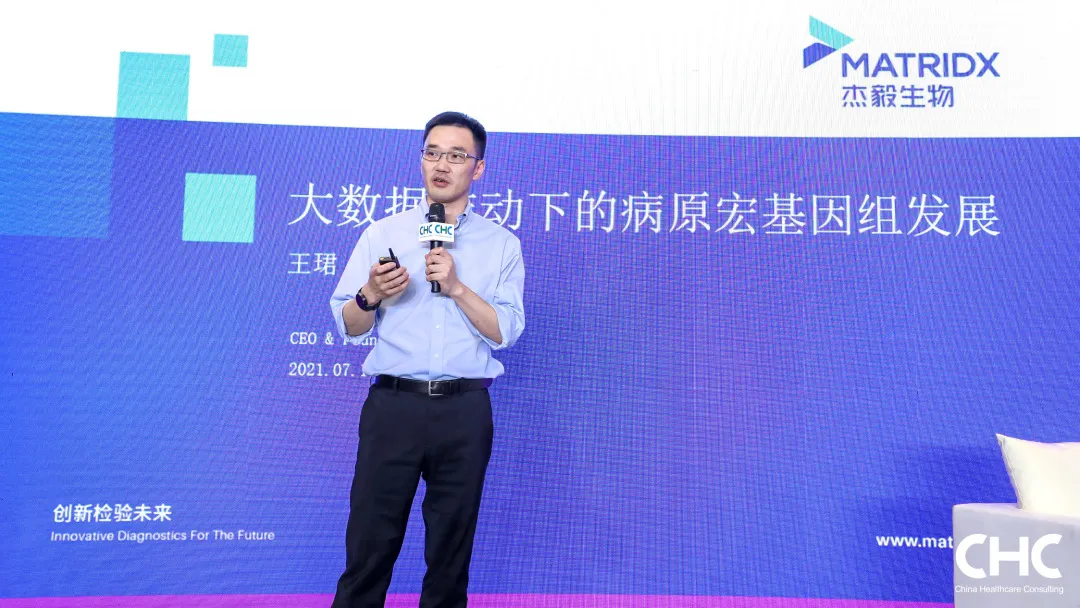
Wang Jun, CEO of Hangzhou Jieyi Biotechnology
IVD Industry Landscape: Commercializing High-End Immunoassays and Molecular Diagnostics
Qin Jun:# How Is the Chemiluminescence Market Performing?Our expertise in chemiluminescence lies in tackling the technically challenging field of electrochemiluminescence, which requires international collaboration and benchmarking against imported products. Furthermore, Lianzhong Taike is committed to investing substantial time in refining its products.
Wang Xiaorui:Serving as a critical bridge between clinical needs and technological platforms, translational medicine represents a core focus of the services and initiatives undertaken by next-generation sequencing (NGS) companies. Consequently, the strategic direction in healthcare naturally centers on two key pillars: 1. Clinical needs; 2. Business models.
Baowei:Regarding the overall direction of China’s healthcare reform, developments such as Laboratory Developed Tests (LDTs) and the growth of various medical centers and specialty disciplines have comprehensively promoted the adoption of Point-of-Care Testing (POCT). In terms of specialty development, only two models have achieved notable success: the Sanming Model and the development of Specialty Medical Consortia. Technological advancements must also align with China’s specific national conditions.
Xu Guowei:Regarding the future development of the oncology field, if we consider only the domain of cancer detection, the focus should be more on leveraging new and advanced technologies to deliver products that offer superior clinical benefits. This is the direction for future development.
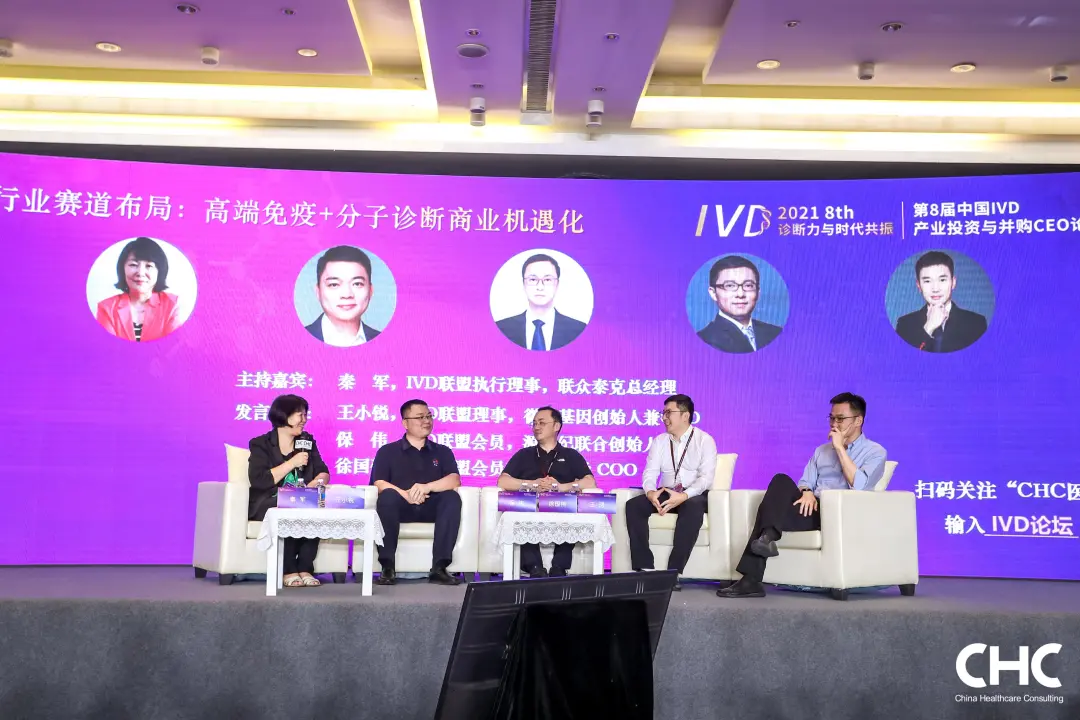
From left to right: Qin Jun, General Manager of Lianzhong Tech; Wang Xiaorui, Founder and COO of Weiyuan Genomics; Bao Wei, Co-founder and CEO of Yuanguji; Xu Guowei, COO of FanYin Medicine; Wang Jun, CEO of Hangzhou Jieyi Biotechnology
Commercialization Strategy for Clinical Mass Spectrometry
Zhang Zhenyu:For investors, the IVD sector is evaluated not only on technological merits and our strategic positioning, but more critically on our capability to execute commercialization.
Wu Chao:The company is highly optimistic about the mass spectrometry sector and is dedicated to its application in clinical diagnostics. We focus on two key aspects: first, how to endow mass spectrometry with genuine medical attributes, and second, how to uncover authentic clinical needs. We believe these are the two most critical issues for mass spectrometry, which is undoubtedly poised to become the next significant blue ocean market.
Zheng Yi:As a provider of integrated solutions that combine hardware with closed, proprietary reagent kits, our main product portfolio spans the full spectrum from large benchtop mass spectrometers to compact point-of-care testing (POCT) mass spectrometry systems. Beyond addressing the initial challenge of equipment availability in China’s clinical mass spectrometry sector, there is a greater need to advance the clinical integration of mass spectrometry technologies to better serve hospital laboratory departments across the country. This is the direction in which we are striving.
Xu Guobin:Our primary objective remains to focus on serving expert customers within China, pursuing import substitution on one hand, and developing specialized equipment for closed reagent systems with proprietary intellectual property on the other. Furthermore, we will collaborate with publicly listed companies to advance our development in both general-purpose and specialized equipment sectors.
Zhou Li:From our perspective, regarding the closed-loop ecosystem, our company’s overall product and service portfolio is strategically positioned to evolve into a fully integrated closed loop in the future. This represents an ideal state that we are continually striving to achieve. Our products require close collaboration with clinicians and laboratory departments, while also maintaining a strong focus on the hospitals themselves.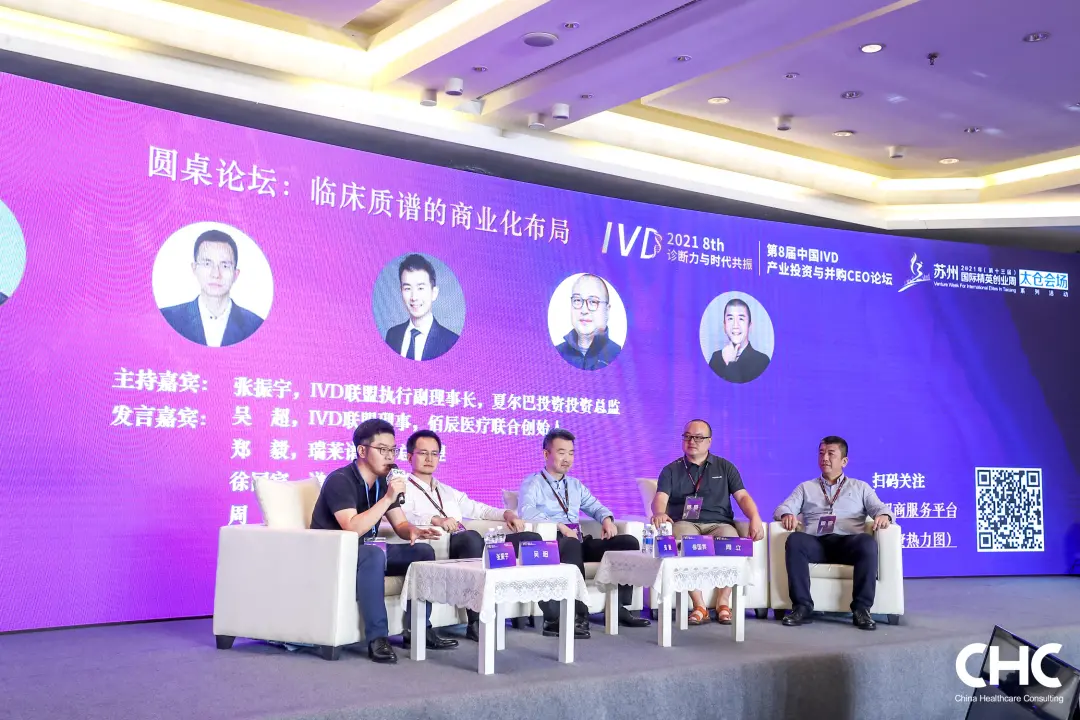
From left to right: Zhang Zhenyu, Investment Director at Sherpa Capital; Wu Chao, Co-founder of Baichen Medical; Zheng Yi, General Manager of RelaiPu Medical; Xu Guobin, Founder of Puxiu Technology; Zhou Li, Assistant to the General Manager at Haosi Biology
Entrepreneurs Face-to-Face: The Last “Kilometer” of Early Cancer Screening
Gu Shenghan:Both enterprises and clinical practitioners have strong confidence in the development of the early cancer screening industry. Shanlan Capital will continue to invest in this field. Our ultimate goal is for all industry participants to jointly drive the sector’s growth, ultimately benefiting patients.
Zhang Jiangli:First, there is the opportunity. Identifying appropriate commercialization channels to enable the early deployment of early-screening technologies, thereby benefiting the public, is of paramount importance. In the future, further increasing sensitivity may better align with China’s specific conditions. Moreover, for cancer screening products, prospective single-blind trials should be conducted during the research and development phase.
Zou Hongzhi:Our primary opportunity lies in strong investor enthusiasm, followed by policy support. The state has provided significant backing for the early screening industry, with the Government Work Report specifically highlighting chronic disease management and cancer screening. This represents a major policy tailwind for us. Our greatest challenge, however, is reimbursement coverage under the national medical insurance system. We aspire to be one of the pioneers in this industry.
Liu Pei:Different positioning strategies lead to variations in product performance, design, and end-user pricing. Our approach favors an outpatient-centric pathway, recognizing that different companies adopt distinct strategic positioning—a reflection of their business model considerations. Furthermore, for the market promotion of new products, it is essential to first establish clear guidelines and evidence-based frameworks to achieve maximum efficiency with minimal effort.
Zhong Sheng:First, we must clearly define the concept of early cancer screening. This process is stratified: it begins with population-wide screening, followed by refined screening, and culminates in early diagnosis. For end users, a higher positive predictive value (PPV) is required, which represents the most difficult and challenging aspect of developing pan-cancer screening products. Therefore, improving PPV and increasing the rate of true positive predictions are the key directions of our current efforts.

From left to right: Gu Shenghan, Investment Director at Shanlan Capital; Zhang Jiangli, Co-founder and CEO of Genetron Health; Zou Hongzhi, Founder and Chairman of ClearCare Bio; Liu Pei, Founder of Juhua Biotech; Zhong Sheng, Co-founder of Tellgen
The Future Is Here: The Fission of AI + IVD, Where 1+1>2
Liu Mingyu:In the future, tasks involving both physical and cognitive labor will be handled by AI. All sectors must be driven by technological innovation. The most urgent priority lies in cloud-based sensors.
Liu Ying:AI is an information technology tool that enhances efficiency, reduces costs, and saves labor. AI applications are implemented through software and various other means. The correct approach to utilizing AI lies in its ability to practically solve problems in clinical medical practice.
Cao Jianjun:In addition to helping us improve efficiency, AI can also uncover correlations within massive datasets that are undetectable by human analysis. However, for AI to deliver meaningful value, it must be supported by sufficiently large data volumes.
Yang Lin:For AI, data is paramount; only by ensuring the quality of annotated data can a robust system be achieved. From the perspective of AI development, it is also essential to reach a certain scale of data volume. Leveraging AI technology can further facilitate our data collection efforts. Ultimately, selecting the right entry point is crucial, which encapsulates my overall view on AI.
Lu Tao:First, from the perspective of application scenarios, we aim to assist primary care physicians in improving diagnostic efficiency and accuracy. Second, we need to address certain challenges that are otherwise unsolvable in real-world clinical practice. Finally, there is the issue of data reliability.

From left to right: Liu Mingyu, Founding Partner of Bangqin Capital; Liu Ying, Partner at SoftBank China Fund; Cao Jianjun, Co-founder and Chief Operating Officer of Rendong Medicine; Yang Lin, Founder and CEO of Hangzhou Dyingjia Technology; Lu Tao, Partner at Zhiben Medical and General Manager of Zhiben Internet Hospital
IVD Raw Material Innovation
Duan Yun:In 2020 and 2021, the most significant change in the IVD industry was the business opportunities brought by COVID-19. We need to develop our own technologies and accurately identify niche market segments.
Ren Hui:The pandemic has significantly driven the development of the critical raw materials industry. 1. The upstream raw material sector is generally small in scale, thus facing substantial market demand. 2. Quantitative changes have led to qualitative transformations; furthermore, the influx of capital has greatly benefited our industry. 3. For this industry, the primary applications are in high-throughput and automated processes.
Li Li:Although the pandemic marked the beginning of automation in the molecular diagnostics industry, it also brought significant pressure. Therefore, how to provide the best and highest-quality products, as well as achieve differentiation, are questions we must carefully consider.
Liu Ming:For small enterprises traditionally engaged in the IVD sector, relying on merely one or two product lines is far from sufficient. Therefore, how to address this challenge constitutes a critical imperative. It is essential to develop differentiated products that distinguish these companies from other IVD manufacturers.
Wu Yifei:Whether from a channel or strategic perspective, it is essential to enhance the quality of product raw materials. Raw materials constitute our primary focus and core business segment. We need to concentrate on integrating all cutting-edge technologies, ensuring not only successful development but also stability and high quality. Therefore, resource integration is indispensable.

From left to right: Duan Yun, Executive Director of Shanlan Capital; Ren Hui, Chairman and CEO of Haili Bio; Li Li, General Manager of Yimai Sai Biotechnology; Wu Yifei, Founder and Chairman of Yinjia (Shanghai) Biopharmaceuticals; Liu Ming, Founder, General Manager, and Chief Scientist of Baixin Yi Biotech
Summary
At this conference, the guests discussed【Diagnostic Power Resonating with the Times】exchange diverse perspectives on key topics; engage in face-to-face dialogue and brainstorming with IVD entrepreneurs, investors, academic institutions, and government agencies to directly address the pain points and hotspots of the IVD industry, sparking reflection and resonance among all attendees.
One Dream, One Goal. The Future of the IVD Industry Is Promising! We Look Forward to a Vaster Blue Ocean and More Like-Minded Partners Joining Us! ""The 9th China IVD Industry Investment and M&A CEO Forum"Let’s Reunite and Envision a New Future!