

Digital Therapeutics Industry China Tour – Clinical Session V Files for IPO
The 14th Five-Year National Science and Technology Strategic Plan proposes “research and development of frontier technologies such as proactive health intervention techniques and novel therapies.” This signifies the integration of disease prevention and health maintenance concepts with the advancement of digital technologies. The R&D and clinical translation of innovative technologies, including digital therapeutics, have become a core focus for both domestic and international biomedical and big health industries in the post-pandemic era.
Recently, the term “digital therapeutics” has frequently appeared in various healthcare industry conferences and reports. Across traditional pharmaceuticals, medical devices, and the emerging field of digital therapeutics, clinical trial data play a crucial role. Learning from real-world cases to grasp the essence of practical application, an increasing number of clinical trials and real-world evidence demonstrate that delivering disease treatment or auxiliary disease management through digital means to stabilize disease progression and accelerate recovery is entirely feasible. The future of digital therapeutics is promising.
The 5th Edition of the Digital Therapeutics Industry China Tour Lands in Shanghai on July 18, Centering on Clinical Perspectives and Featuring Insights from Frontline Clinical Experts at Fudan University and Shanghai Jiao Tong University Affiliated Hospitals, as Well as Innovative Digital Therapeutics Entrepreneurs. This event is organized byDigital Therapeutics and Systems Engineering Professional Committee (Preparatory), China Association for the Promotion of Rehabilitation Technology Translation and DevelopmentHosted by:Shanghai Medical Association, Digital Medicine Specialty BranchSpecial Support:VCBeat, Yuan Yi Capital, Viatris,Sanofi (China),Weimai, Fosun Pharma,Takeda (China)Co-organized by;Tasly, Senmei Medical, Huanuo Zhisheng, Miao Health, Shukang, Yuanxin Technology, Rendong Medicine, Tigermed Jietong, Liangyihui, Bositeng Technology, Guyitang, Jianhai Technology, Qianglian ZhichuangCo-organizer;Yongliu Technology, Yunkai Yamei, ALSOLIFE, BlueRun Ventures, Changling CapitalSupport.
Kailian-Kaichao Digital Therapeutics Project Sharing—"Online Lifestyle Intervention Therapy for PCOS Patients"
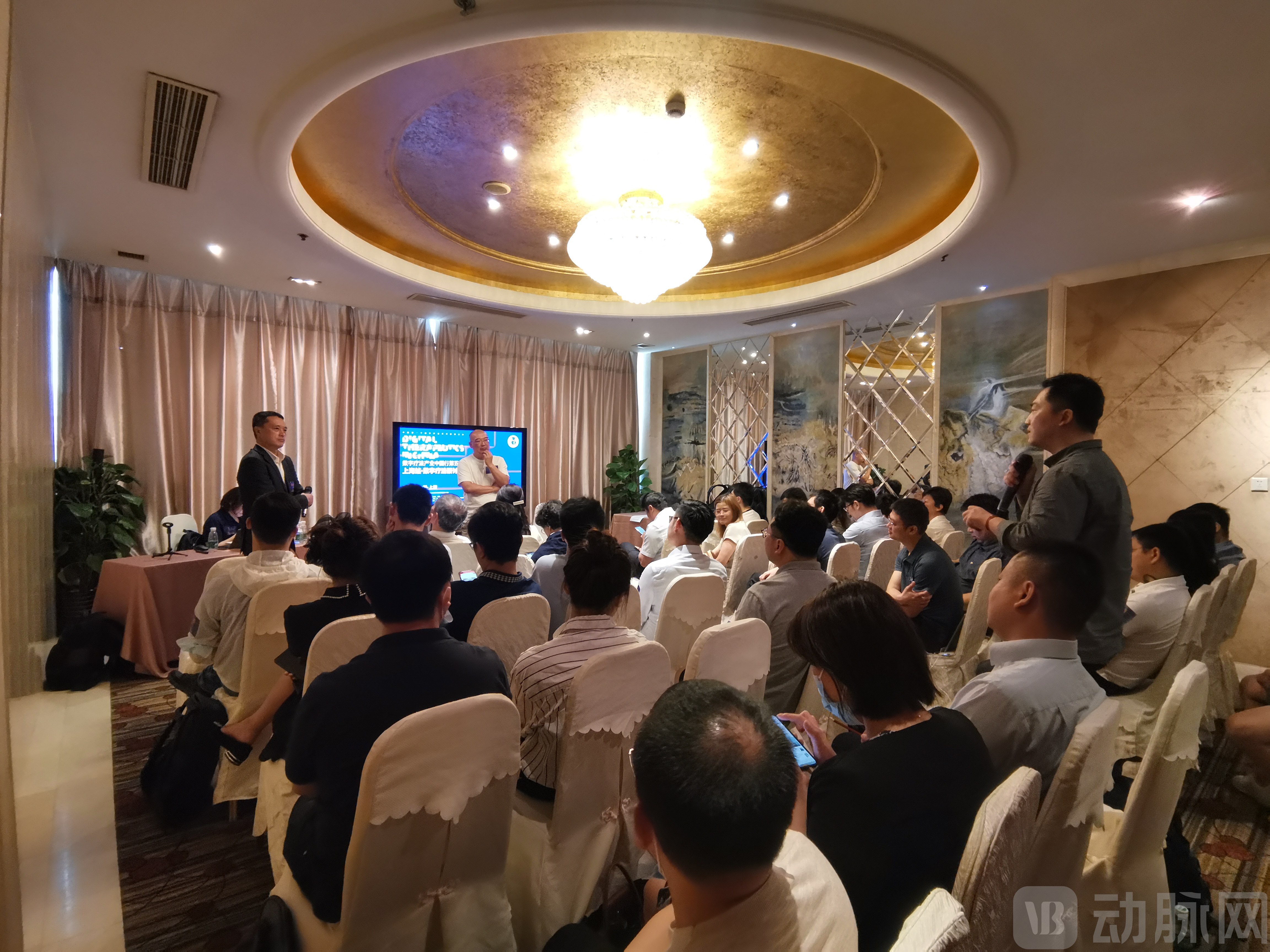
“ShanYue” Mini Program integrates medicine with digital internet technologies, utilizing mobile devices and intelligent diagnostic equipment to deliver personalized online lifestyle interventions for patients with polycystic ovary syndrome (PCOS). By assessing body fat percentage and skeletal muscle mass to characterize body composition, the program formulates scientifically grounded treatment plans. It provides comprehensive therapeutic services—including dietary guidance, exercise regimens, and psychological counseling—to help patients cultivate effective self-management habits, improve body composition, and achieve PCOS remission.
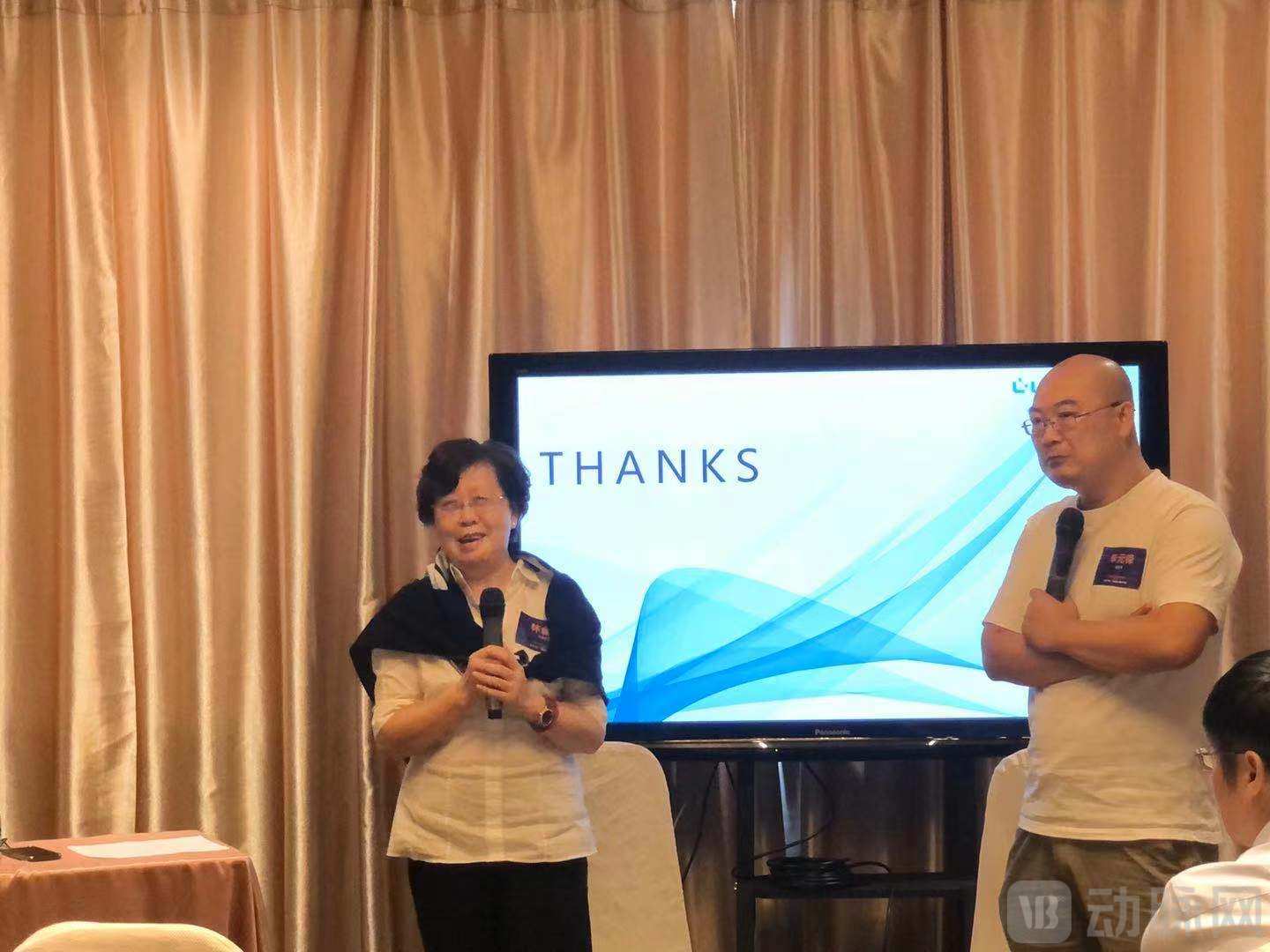 (Professor Lin Jinfang, Chief Physician at the Obstetrics and Gynecology Hospital of Fudan University, participated in the project discussion)
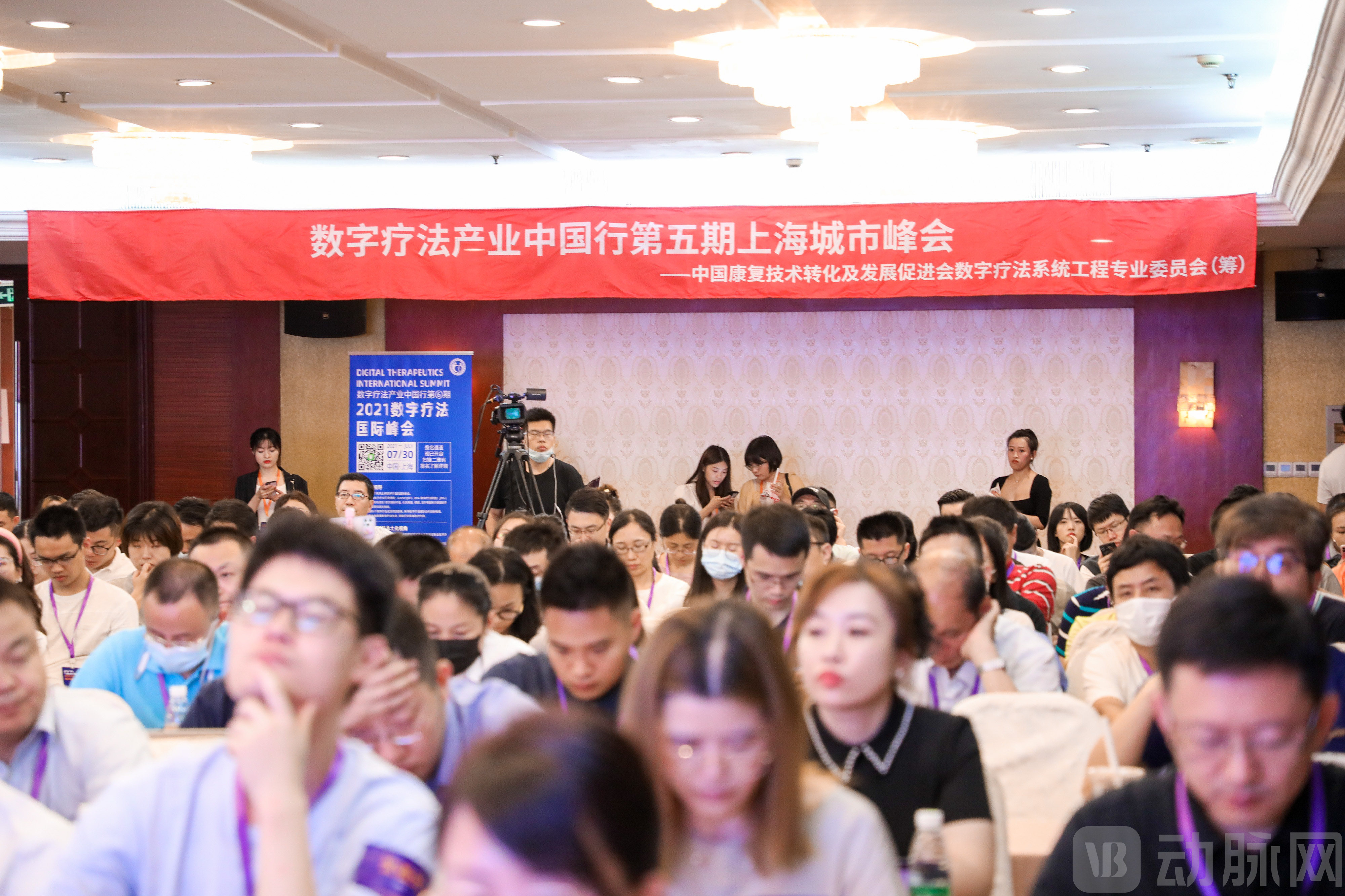
Preparatory Committee for Digital Therapeutics Systems Engineering, China Association for the Promotion of Rehabilitation Technology Translation and Development), is a secondary branch of the China Association for Promotion of Rehabilitation Technology Translation and Development. It is voluntarily composed of clinical and research experts and scholars engaged in the field of digital therapeutics in China, industry elites, as well as multidisciplinary talents with expertise in technology management and technical testing, clinical institutions, research institutes, and related enterprises. It serves as an important force in the theoretical research and practical development of systems engineering for digital therapeutics. AsChina’s First Formal Organization for Digital Therapeutics, currently joined by over60home, all of which are stakeholders in the value chain of digital therapeutics, currentlySuccessfully HeldTwiceDigital Therapeutics City Summit, committed to advancing the practice of digital therapeutics in China.Digital Therapeutics City SummitAs the premier industry event for digital therapeutics in China, it has cumulatively1000+The participating representatives provided a platform for exchange, significantly promoting cooperation and development across the upstream and downstream segments of the industry’s supply chain.
Host: Shen Ye
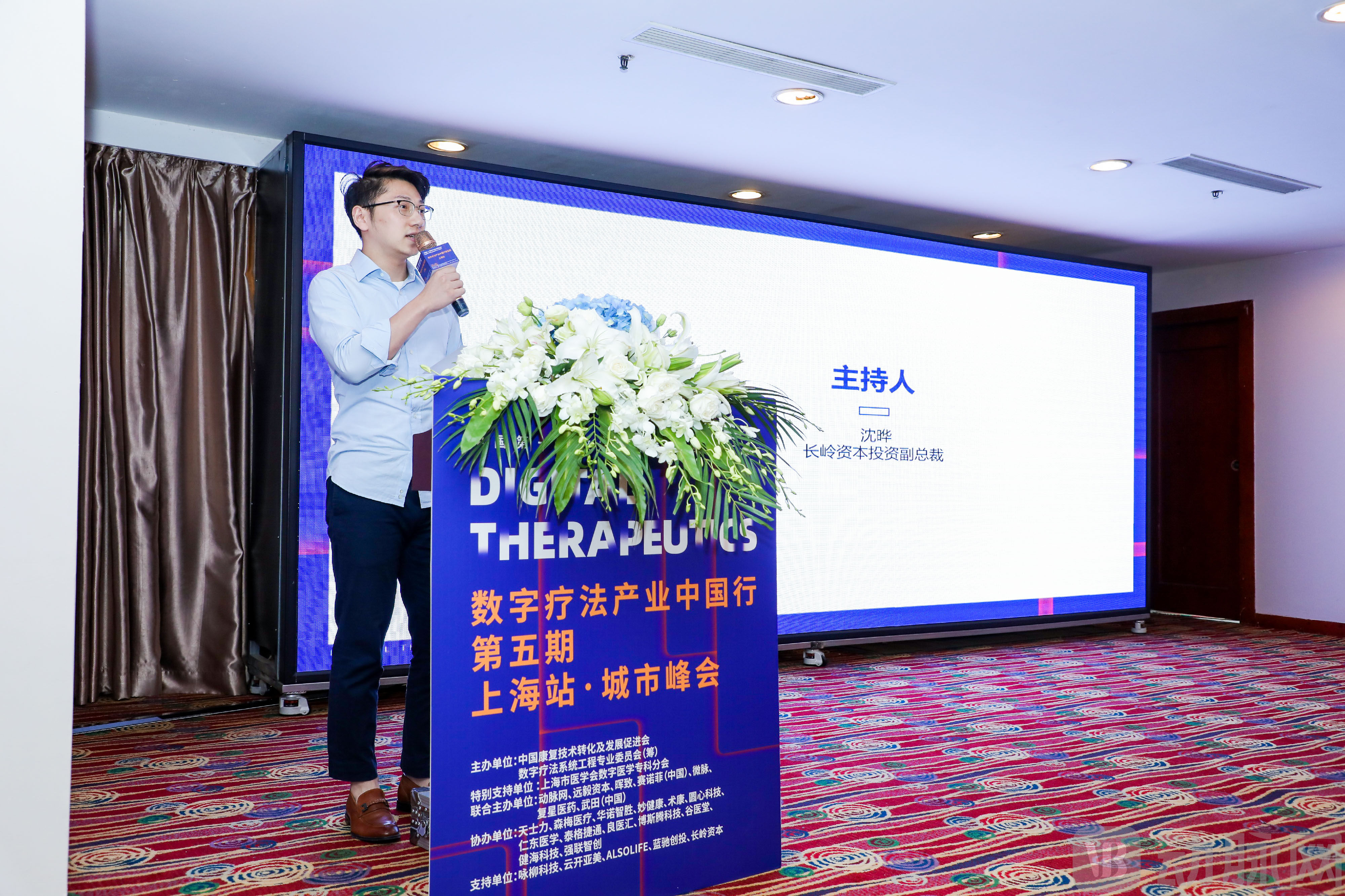
(Shen Ye, Vice President of Investment at Changling Capital)
Opening Remarks: Wang Jianxiang

(Wang Jianxiang, Deputy Secretary-General of the China Association for Promotion of Rehabilitation Technology Translation and Development; former Deputy Director and Party Group Member of the Sichuan Provincial Department of Economy and Information Technology)
Technological innovations in the medical field primarily stem from clinical practice, with physicians serving as key participants. On one hand, the clinical needs that drive technological innovation are identified and raised by physicians during diagnosis and treatment, making them the discoverers of innovative medical technologies. On the other hand, the refinement and application of these innovations require validation through extensive clinical trials conducted by physicians, positioning them as the promoters of medical technological innovation. Therefore, to foster innovation in medical technology, it is essential to fully leverage the leading role of clinicians, unlock their innovative potential, establish a robust ecosystem for medical innovation, and cultivate a favorable environment for innovation.
As a national-level industry association, the China Association for Promotion of Rehabilitation Technology Transformation and Development has actively responded to the call of the Healthy China Strategy by preparing to establish the Professional Committee on Digital Therapeutics and Systems Engineering, and is collaborating with VCBeat and Yuanyi Capital to promote the development of the digital therapeutics industry.
Keynote Speech:
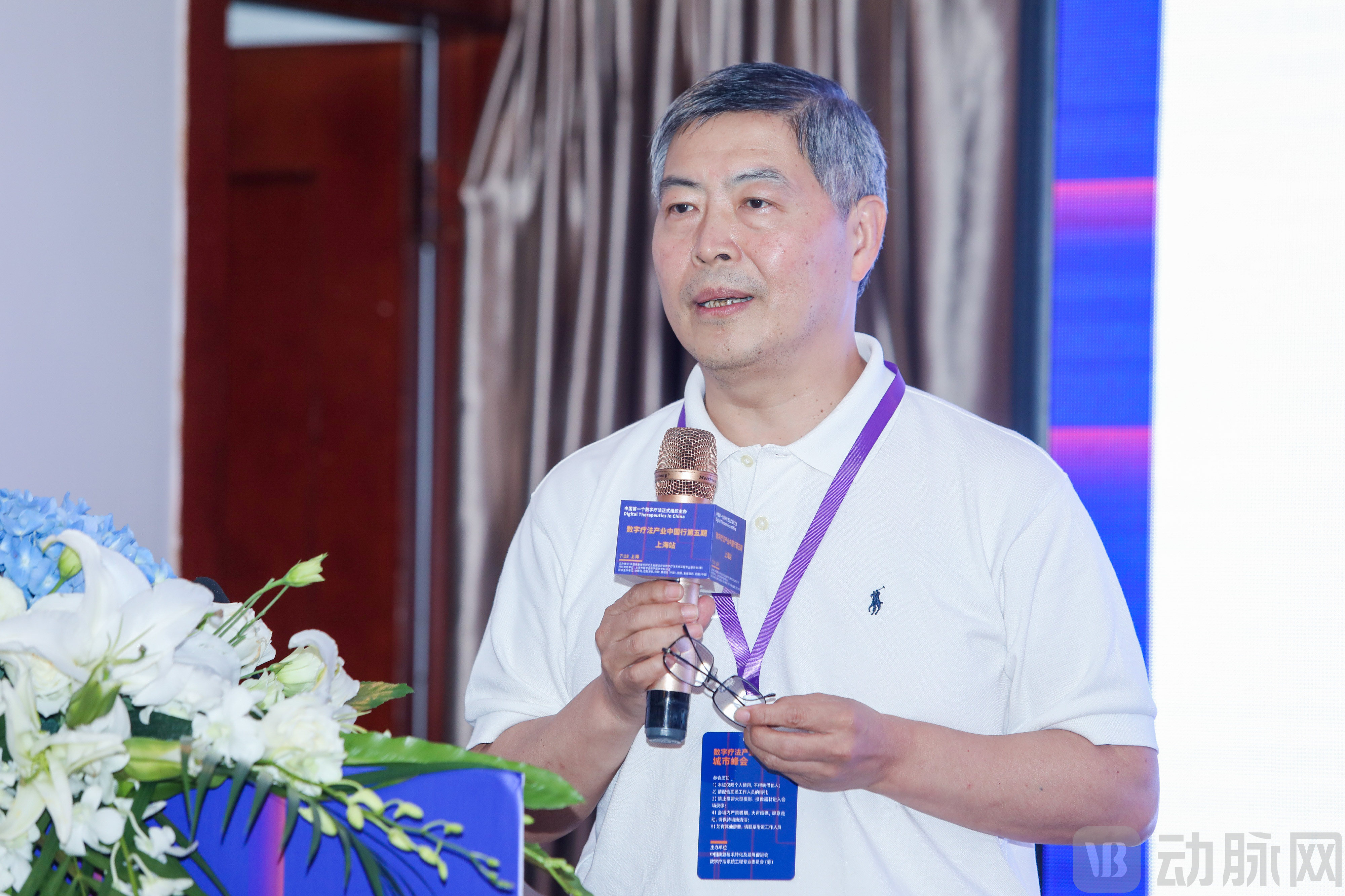
(Standing Committee Member, Digital Medicine Branch of the Chinese Medical Association; Chairman, Digital Medicine Branch of the Shanghai Medical Association; Chief Physician, Eye and ENT Hospital of Fudan University, Zhang Tianyu)
Over the past 20 years since its establishment, the Digital Medicine Branch of the Chinese Medical Association has produced numerous significant achievements, such as cochlear implants, under the guidance of its vision. These efforts have facilitated a renewed understanding of digital medicine by redefining its core concepts and definitions. The branch also highlighted innovative research projects in digital medicine led by prominent teams, including those headed by Professor Wang Zhengmin, Academician Dai Kerong, and Professor Wang Jinwu.
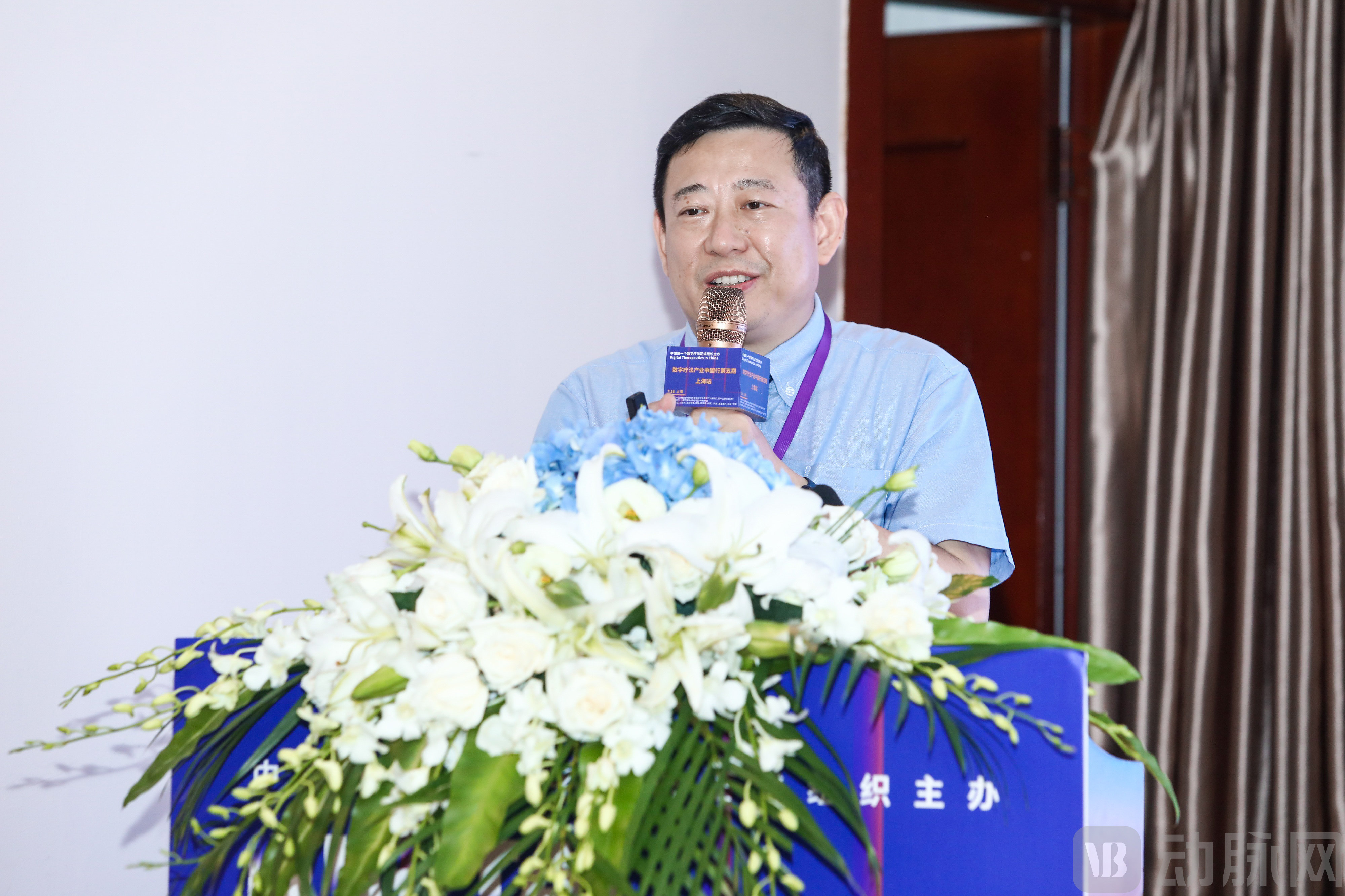
(Wang Jinwu, President-Elect of the Digital Medicine Specialty Branch of the Chinese Medical Association Shanghai Chapter; Chief Physician, Department of Orthopedics, Shanghai Ninth People’s Hospital, Shanghai Jiao Tong University School of Medicine)
Focusing on the development of digital medicine and 3D printing in orthopedic surgery, this article discusses the latest advances in 3D-printed surgical guides, implants, and bioprinting through clinical cases, and introduces the registration process for China’s first 3D-printed medical device certificate resulting from the transformation of achievements by a research institution under the Marketing Authorization Holder (MAH) system.
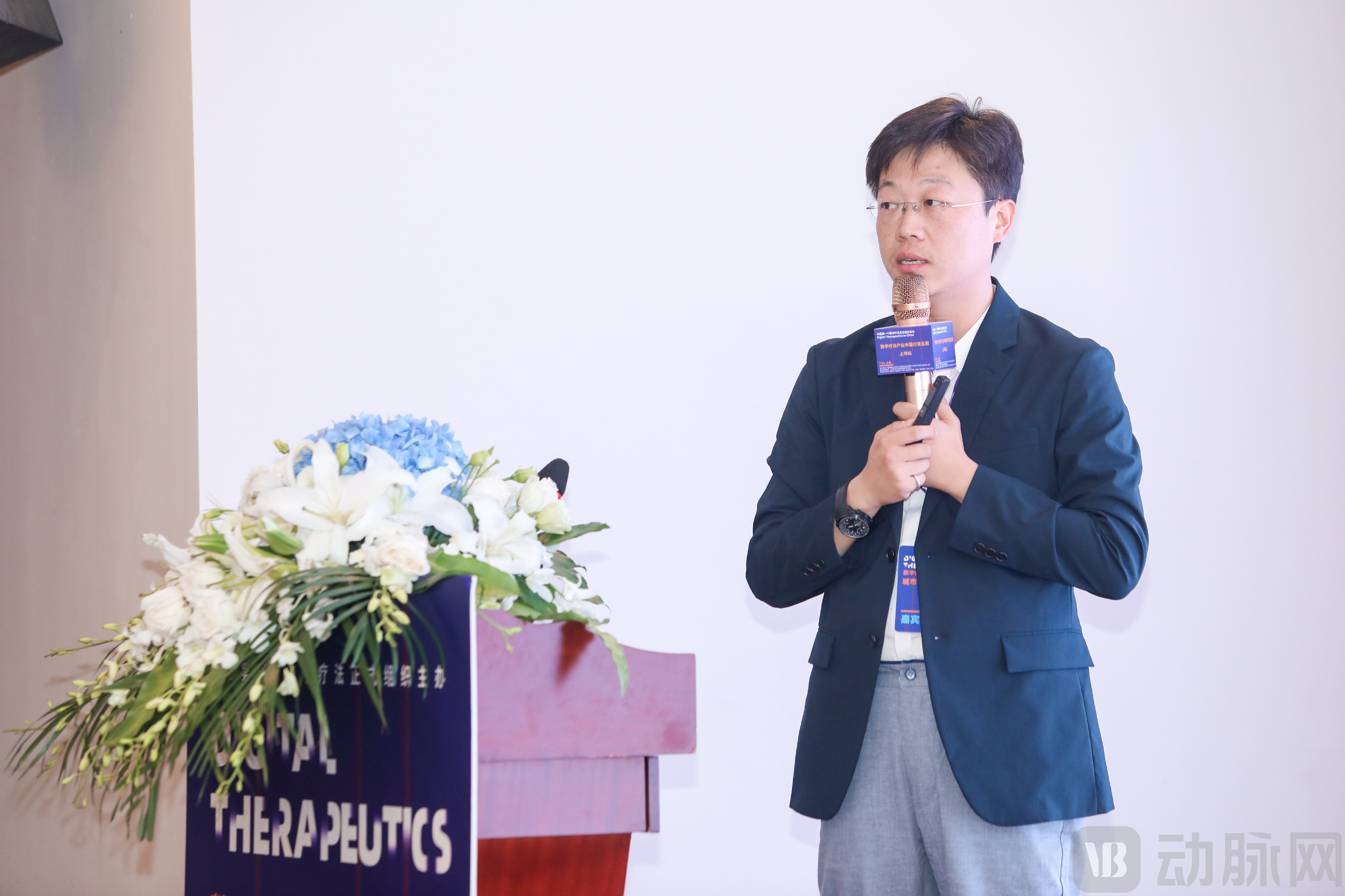
(Li Yuekun, Deputy Director of the Institute of Artificial Intelligence and Brain-Computer Interface Technology at Huazhong University of Science and Technology)
By leveraging AI-based brain-computer interfaces and big data-driven affective computing technologies, this project investigates intelligent screening for depression and mental disorders, as well as digital therapeutic interventions using neurobiological feedback. It leads global advancements in multimodal physiological and psychological data technologies, filling the gap in rapid, objective, and precise intelligent digital diagnosis and treatment within the field of mental health.
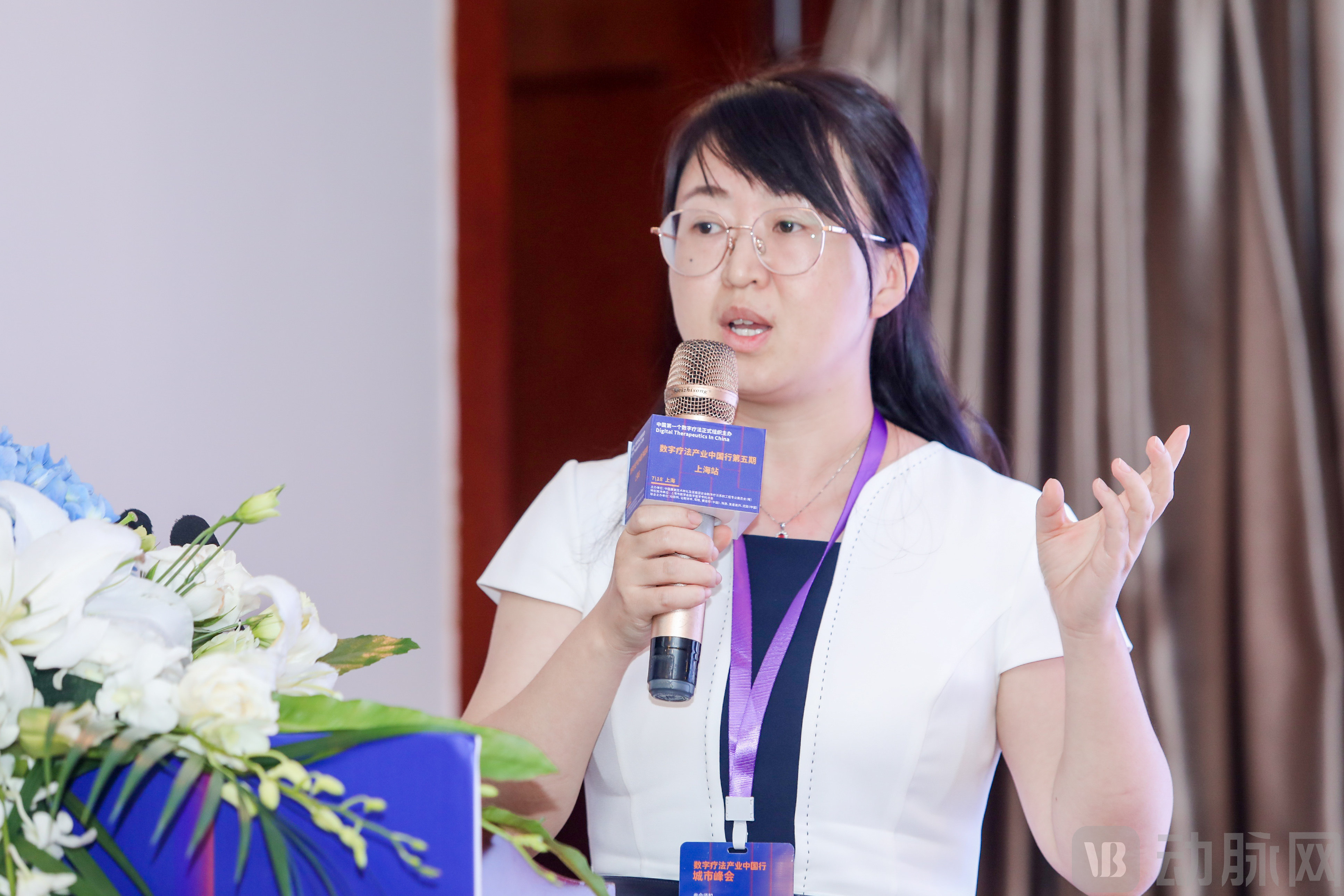
(Li Wenyan, Researcher at Fudan University; Deputy Chief Physician in the Department of Otorhinolaryngology at the Eye & ENT Hospital of Fudan University; Youth Committee Member of the Otorhinolaryngology–Head and Neck Surgery Branch of the Chinese Medical Association and the Chinese Medical Doctor Association; Member of the American Rho Society)
Addressing the pain points and challenges in disease diagnosis and treatment, Professor Li Huawei’s team from the Eye & ENT Hospital of Fudan University has developed multiple sets of digital diagnostic and therapeutic equipment capable of performing refined hearing tests and tinnitus assessments, as well as comprehensive multi-frequency vestibular function evaluations. This initiative advances the localization of related medical devices, facilitates their promotion and application at the primary care level, and has successfully opened up the European market.
Furthermore, the development of public-facing applications such as “Fudan Tinnitus RS” and “Fudan Vertigo AI Workstation” has effectively driven technological advancements in multiple areas, including disease education, home-based rehabilitation, big data collection and analysis, and intelligent diagnosis. These innovations are poised to enhance the efficacy of disease diagnosis, treatment, and rehabilitation while conserving substantial medical resources, thereby benefiting both patients and society.
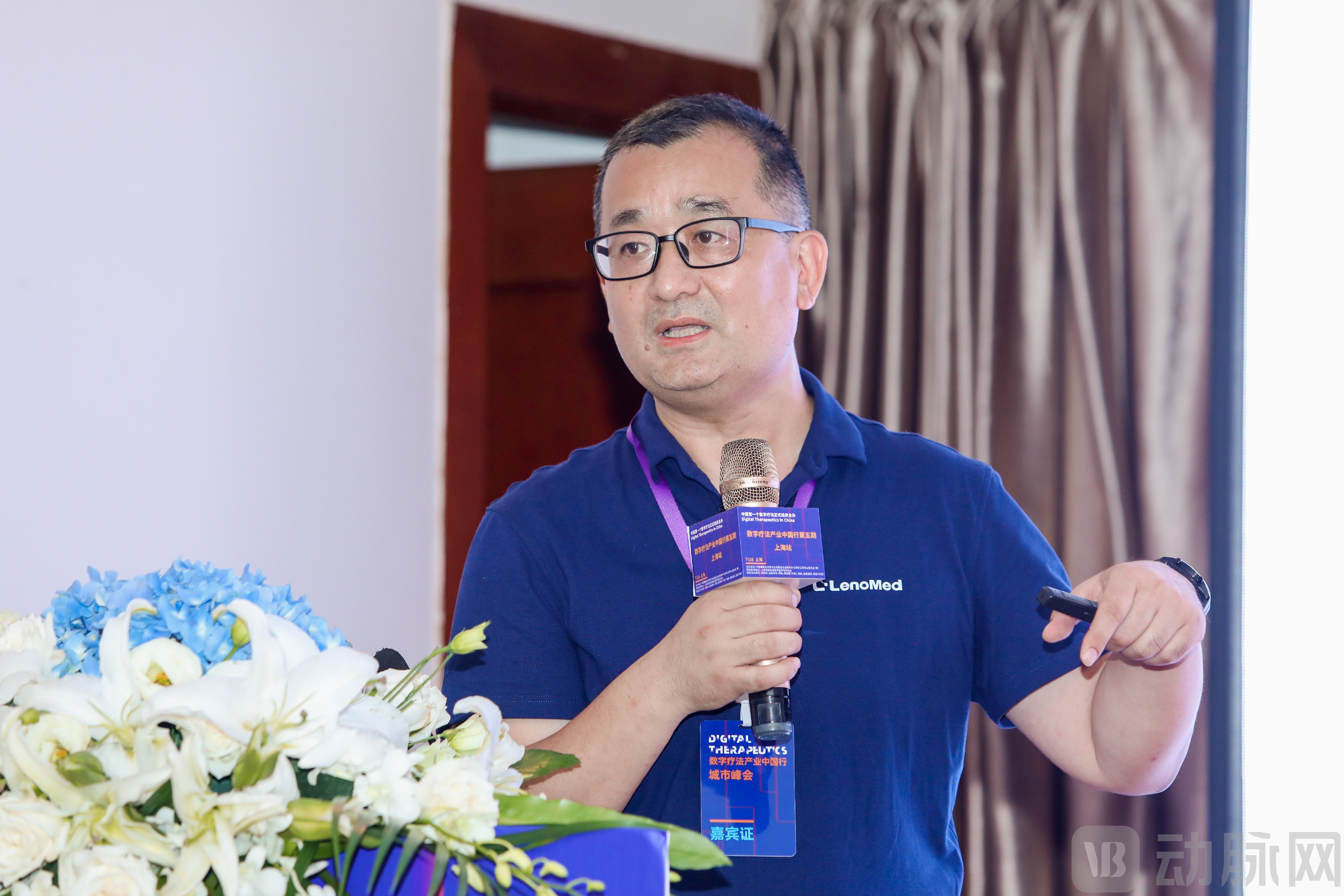
(Huang Xiaomin, Founder and CEO of Kailian Medical)
He believes that digital healthcare must be grounded in evidence-based medicine and the acquisition of real-world data, thereby providing a closed-loop system encompassing prevention, management, intervention, and treatment, which aligns closely with the attributes of medical devices. Digital healthcare is distinct from mobile health and is not merely simple online management.
He also disagrees with the statement that “all healthcare deserves to be redone through digitalization,” because digital therapeutics must be grounded in the essence of medical care. Huang Xiaomin shared a case study on digital therapeutics from Kailian Medical. As an enterprise with independent intellectual property rights in drug infusion devices, Kailian Medical collaborated with medical experts to launch the “Shanyue” project. This initiative integrates lifestyle intervention protocols for Polycystic Ovary Syndrome (PCOS) with mobile internet technologies and smart hardware, creating a digital therapeutics service platform that enables seamless communication among physicians, patients, and service teams, thereby facilitating effective intervention and treatment for PCOS patients.
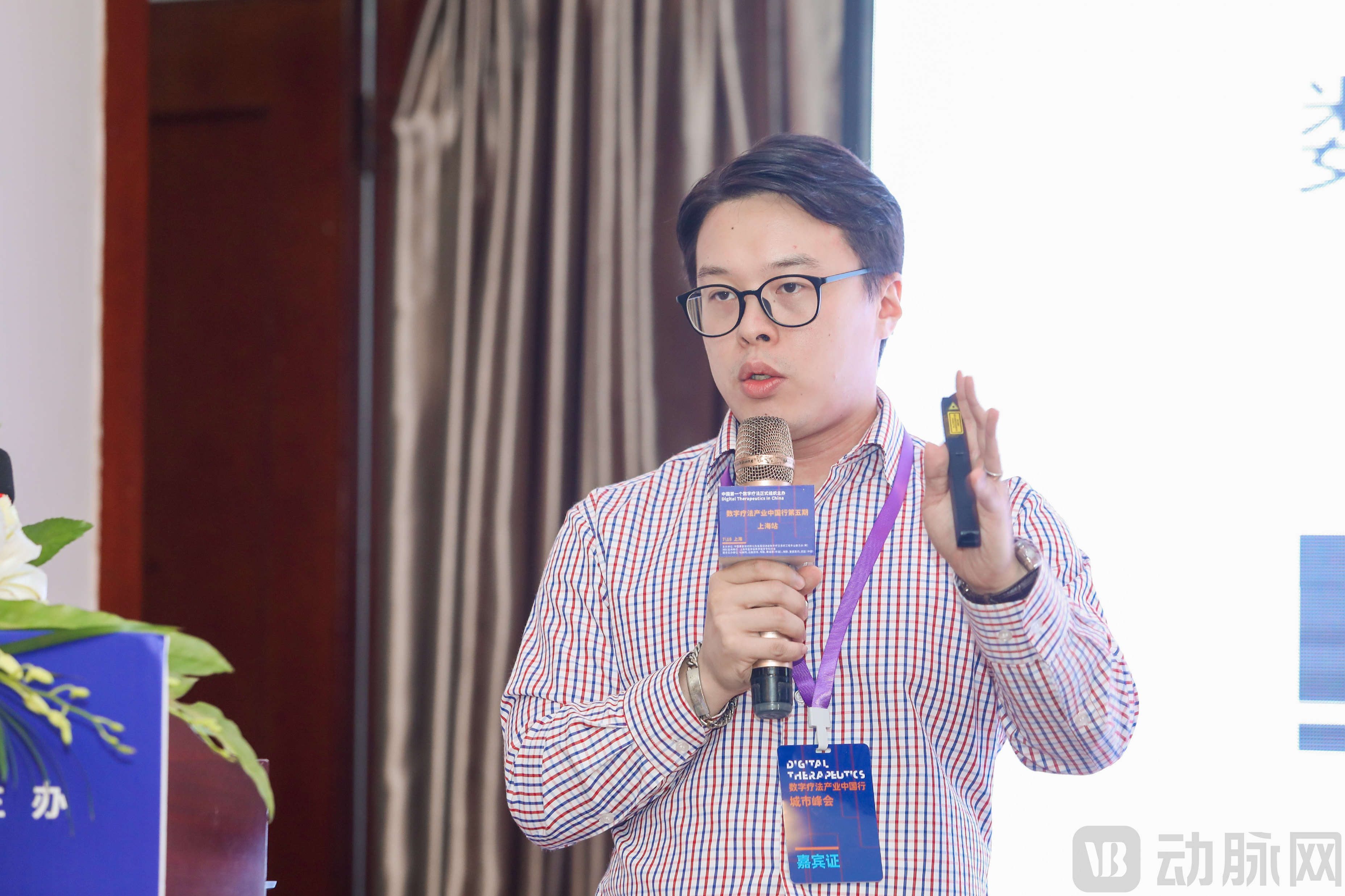
(Ding Song'en, Digital Innovation Business Consultant at Boehringer Ingelheim (China) Investment Co., Ltd.)
The success of digital therapeutics requires helping information technology connect with clinical medicine, while also enabling medicine to adopt agile development.
Multinational pharmaceutical companies are encountering the common ailments of large enterprises. How can alignment between headquarters and local offices be achieved to foster collaboration among cross-functional colleagues? Digital therapeutics are no exception. Once consensus is reached, development becomes the intersection of medicine and information technology, facilitating the “tri-linkage” among medical care, health insurance, and pharmaceuticals.

(Chen Kaishen, Founder and CEO of Shuyu Medical Technology)
Digital therapeutics is not a case of “old wine in new bottles”; rather, it entails accountability for patient benefits. The application of digital therapeutics in oncology holds promise for “managing cancer as a chronic disease,” thereby supporting the national strategic goal of “increasing the overall 5-year cancer survival rate by 15%.”
In his speech, Chen Kaishen noted that there are numerous pain points to be addressed for cancer patients after diagnosis. Shuyu has taken it as its mission to “manage cancer as a chronic disease” and, leveraging patient follow-up research findings from its parent company, LinkDoc Technology, is exploring digital therapeutics for oncology. Shuyu’s lung cancer digital therapy adopts a patient-centered approach, stratifying and addressing post-discharge issues through an innovative patient management system that combines patient self-management, regular care from nursing teams, and professional intervention by physician teams. This model optimizes the use of limited healthcare resources and ensures timely resolution of critical issues for high-priority patients. Currently, Shuyu’s lung cancer digital therapy product has entered the pilot trial phase. Clinical data show that patients using this product engage in post-discharge disease management across multiple dimensions—including exercise, diet, breathing exercises, and biomarker monitoring—thereby accelerating pulmonary function recovery and achieving high levels of patient adherence and satisfaction.

2021 International Summit on Digital TherapeuticsJuly 30Coming Soon: The First-Ever Dialogue Among the World’s Three Major Digital Therapeutics Organizations—CDTSP (pre), DTA, and JDTx!
Centered on the industrial development needs of digital therapeutics, this initiative focuses on the current status and trends of digital therapeutics both domestically and internationally from global and localized perspectives. Through keynote speeches, live overseas connections, and project roadshows, it genuinely fosters exchange, discussion, and collaboration to advance the development of digital therapeutics.

(Registration Open)