Seizing the Golden Era of Digital Healthcare: Strategies and Opportunities for Industry Growth
Never before has technological innovation, represented by digital technology, garnered such widespread attention, emphasis, and participation from all sectors of society.
From a global perspective, the new technological revolution and industrial transformation are advancing in depth and approaching a critical breakthrough phase. Major powers are racing toward the frontiers of science and technology; for instance, the United States released its National Strategy for Critical and Emerging Technologies last year, and the United Kingdom published its 2020 Science and Technology Strategy, all seeking to seize the initiative in this round of technological competition.
Amid this major global trend, our country has also continued to exert strong efforts. Since 2015, it has successively issued important policy documents, including Made in China 2025, the Development Plan for Intelligent Manufacturing (2016–2020), and the Three-Year Action Plan to Promote the Development of New-Generation Artificial Intelligence Industry (2018–2020), thereby providing policy support for the advancement of digital technologies.
The tide is surging, and the general trend of technological innovation has become irreversible:Digitalization has become the primary driver of economic growth and a watershed moment in the new round of global industrial competition.
Amid this major trend, the healthcare and wellness industry, as one of the most critical application scenarios, is undergoing structural changes. For instance, digital technologies have permeated every stage of drug research and development, manufacturing, and distribution, significantly boosting overall industry efficiency. The deployment of 5G networks and the increasing maturity of Internet of Things (IoT) technologies have substantially reduced the management and maintenance costs for healthcare service providers. Furthermore, the informatization and intelligent transformation of hospitals are driving a new round of iterative upgrades in traditional healthcare.
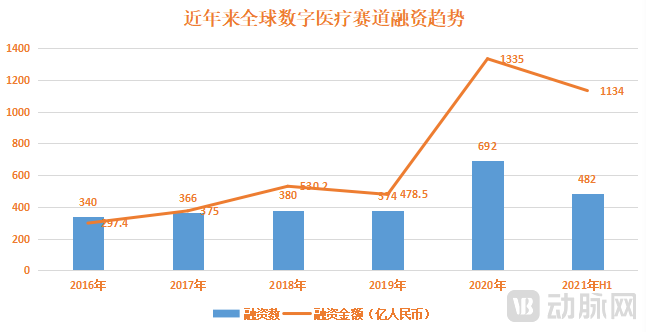
The enormous industrial value has attracted significant capital investment in digital health.According to data from Artery Orange, a total of 692 financing events occurred in the digital health sector in 2020, with cumulative financing reaching RMB 133.5 billion, making it the second-largest field after biopharmaceuticals.
Of course, this wave is far from reaching its peak, and the challenges ahead will only intensify. Because,Innovation is not “low-hanging fruit” that can be easily picked; it therefore demands substantial talent, funding, and resources, as well as policy support and industrial collaboration.This tests the wisdom, talent, and boldness of every participant.
So, in the face of the impending golden age of digital health, how can various stakeholders seize the opportunities?
From global experience,The development of any industry is inseparable from a region that possesses industrial cluster advantages and deep collaborative capabilities., such as Silicon Valley to semiconductors.
In the healthcare and life sciences sector, there is the “Life Sciences Corridor” in the Boston area of the United States. This globally renowned hub for the life sciences industry was jointly established in 2014 by the cities of Boston, Braintree, Cambridge, Quincy, and Somerville. The region now hosts more than 600 biotechnology companies, 48 universities, and five of the six largest hospitals in the United States. It is evident that the development of a robust innovation ecosystem is closely tied to regional conditions.
Focusing on China, the rapid development of the digital health industry inevitably requires forming intersections with the development of specific regions.
First, the region must have a solid foundation in the digital economy and possess strong ecological synergy capabilities within the medical and health industry. Furthermore, it should feature a vibrant innovation atmosphere, along with robust supporting elements such as talent pools and favorable policies.
These dimensions are precisely the key areas where Zhejiang is focusing its efforts on digital healthcare.Since the launch of the “Digital Zhejiang” initiative in 2003, Zhejiang has advanced its digital economy development for 18 years and achieved phased results.
One detail worth noting is that Zhejiang Province, leveraging its geographical advantages, is proactively capitalizing on the spillover effects of the China International Import Expo (CIIE). For instance, during the second CIIE in 2019, the Department of Commerce of Zhejiang Province signed a memorandum of cooperation with AstraZeneca, a global leading pharmaceutical company, which helped promote the aggregation of resources in the field of medical innovation in Zhejiang Province.
At the beginning of this year, Zhejiang Province launched its province-wide Digital Reform Conference, driving the continuous iteration and deepening of “Digital Zhejiang.” Given the resources and determination Zhejiang has devoted to digital reform, the industry has dubbed 2021 the “Year One of Zhejiang’s Digital Economy Reform.” As a vanguard of Zhejiang’s comprehensive digital reform, healthcare services—critical to people’s lives and health—have been elevated to a position of strategic importance.
Thus, it can be seen thatThe Zhejiang Investment and Trade Fair (ZITF), hosted by the People’s Government of Zhejiang Province, serves as the province’s highest-level government event platform. This year, it innovatively launched industry-specific vertical summits, selecting healthcare as its inaugural focus for exploration into specialized sectors.
It is worth noting that this is not a journey from 0 to 1, but rather from 1 to N. As the capital of Zhejiang Province, Hangzhou—an innovative city committed to building itself into China’s “No. 1 City” for the digital economy—has already achieved fruitful results in its exploration of medical innovation.
Specifically, over the past two decades, Hangzhou has given rise to Alibaba, a global technology giant, as well as renowned digital health companies such as WeDoctor, DXY, Jianhai Technology, Weimai, and Zhuojian Technology. Coupled with globally prestigious universities and institutions like Zhejiang University and Westlake University, the city boasts a high concentration of resources in scientific research and talent.
Additionally,In terms of practical supporting measures, Hangzhou has also spared no effort.For instance, in terms of capital, Hangzhou has established a biomedical industry investment fund on the scale of tens of billions of yuan, and encourages financial institutions to innovate their support mechanisms for the medical technology sector. Coupled with highly active private capital, Hangzhou boasts substantial capital support and significant market potential.
In terms of the industrial environment, the government provides proactive services and allocates comprehensive public resources for innovation and entrepreneurship, such as platform carriers and policy frameworks. Furthermore, in terms of market demand, the open, positive, and inclusive attitude of medical institutions and physicians toward new technologies and products has made Hangzhou a breeding ground for medical innovation.
In light of the above, it is not difficult to understand why Hangzhou has frequently seen the emergence of high-quality digital health innovators and developed a robust innovation ecosystem.
Moreover, to build a platform for exchange and collaboration among government, industry, academia, research institutions, healthcare providers, and investors in the digital health sector, Hangzhou is actively promoting major industry summits.
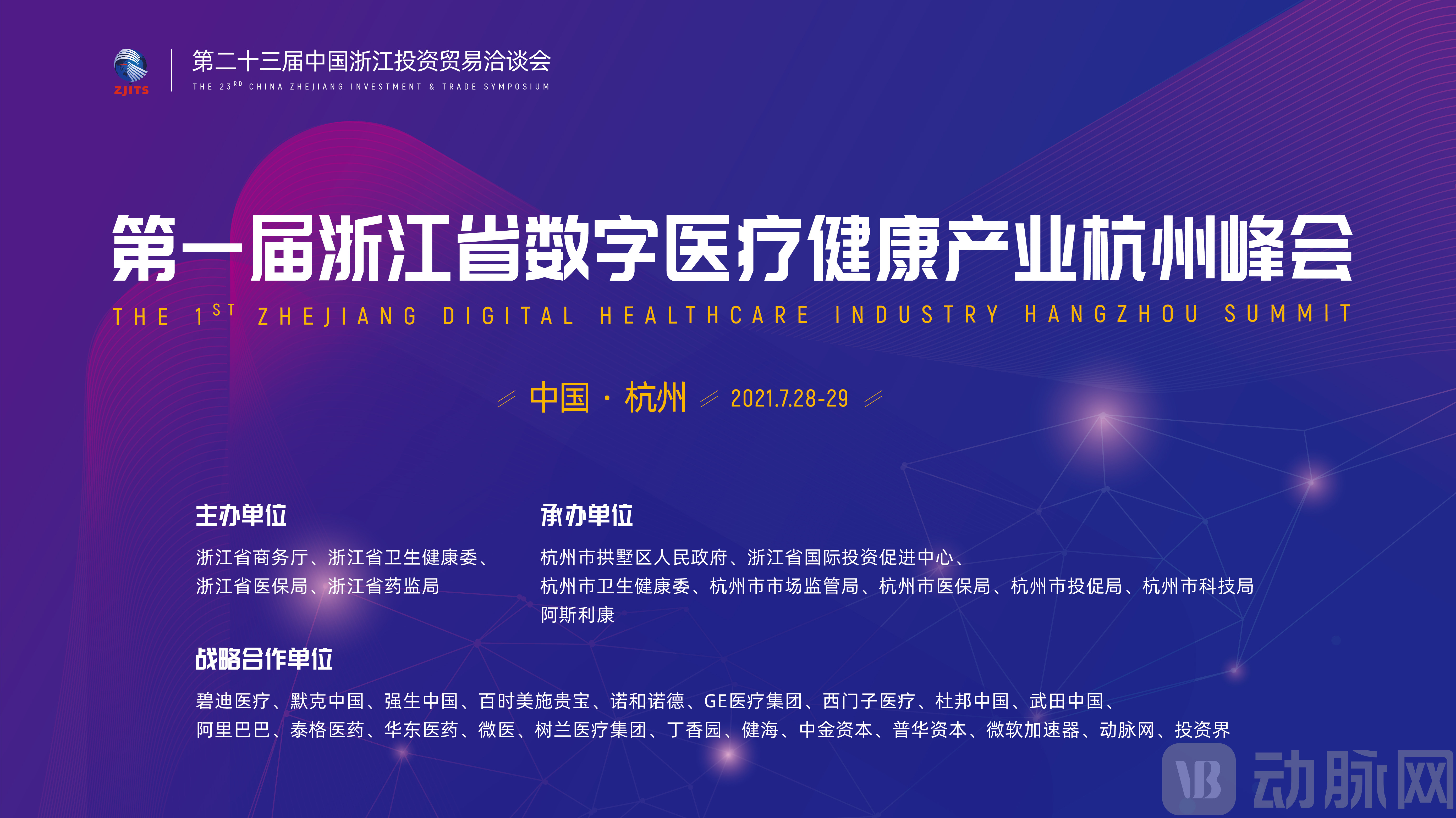
Just atThe First Zhejiang Provincial Digital Medical and Health Industry Hangzhou Summit, part of the 23rd China Zhejiang Investment and Trade Fair, themed “Embracing the New Digital Economy, Pioneering the New Future of Healthcare,” will be held in Gongshu District, Hangzhou, from the 28th to the 29th of this month (July)., with the aim of injecting new momentum into digital healthcare by linking and aggregating resources from multiple parties, and jointly building a government-enterprise collaborative ecosystem platform characterized by digital healthcare.
It is worth noting that Gongshu, the host district of this conference, has emerged as a fertile ground highly conducive to the development of the digital healthcare industry. This is because 2021 marked the final year of the “Five-Year Action Plan for Enhancing Medical and Health Services in Gongshu District.” From the perspective of the overall strategic roadmap, Gongshu District has focused its efforts across multiple dimensions over the past five years—including accelerating the construction of carrier platforms, strengthening the cultivation of key enterprises, and making every effort to attract future-oriented projects—thereby gradually establishing a “new calling card” for its digital healthcare industry.
In greater detail, the strategic initiatives that Gongshu District has already implemented or is currently pursuing include:
· In terms of partnership selection, we jointly established the International Life Science Innovation Park with AstraZeneca, a global pharmaceutical leader, featuring digital healthcare as its hallmark. The park provides end-to-end services for innovative and entrepreneurial projects, encompassing project development, business incubation, and industry cultivation.
· In terms of policy support, Gongshu District will successively introduce relevant policies and specific measures to improve industrial supporting facilities and create a favorable policy environment.
· In terms of ecosystem building, Gongshu District has actively invited digital health innovators to join its ecosystem by hosting high-profile industry conferences and events such as the 2021 Digital Healthcare Solutions Innovation Challenge.
These initiatives are propelling Gongshu District to become a pioneer demonstration zone for digital healthcare in Hangzhou and across China.
It is not difficult to see that, on the fertile ground of Zhejiang Province’s digital economy, a digital healthcare ecosystem is being rapidly built.
In a robust industrial ecosystem, there must be industry summits that are both highly prestigious and sharply focused.This serves not only as a platform for communication, collaboration, and advocacy among ecosystem stakeholders, but also as a special invitation to attract more participants to join the ecosystem. The 1st Zhejiang Digital Health and Medical Industry Hangzhou Summit is undoubtedly such an event.
Let’s start with the high specifications.First, this conference is a sub-event of the Zhejiang Investment and Trade Fair (ZITF). Since its inception in 1999, ZITF has spanned 23 years, achieving remarkable success in investment negotiations, trade exhibitions, open cooperation, and the introduction of talent and technology. This exploration into the healthcare vertical at ZITF will also hold significant importance for enhancing the diversity and richness of future conferences.
Second, the summit was co-hosted by the Zhejiang Provincial Department of Commerce, the Zhejiang Provincial Health Commission, the Zhejiang Provincial Healthcare Security Administration, and the Zhejiang Provincial Medical Products Administration, and organized by the People’s Government of Gongshu District in Hangzhou, the Zhejiang International Investment Promotion Center, the Hangzhou Municipal Health Commission, the Hangzhou Municipal Administration for Market Regulation, the Hangzhou Municipal Healthcare Security Administration, the Hangzhou Municipal Investment Promotion Bureau, the Hangzhou Municipal Science and Technology Bureau, and AstraZeneca, bringing together significant multi-stakeholder resources.
Third, the strategic partners of this summit include pharmaceutical giants such as Merck China, Johnson & Johnson China, Bristol-Myers Squibb, Novo Nordisk, Takeda China, Tigermed, and Huadong Medicine; medical device leaders such as BD, GE HealthCare, Siemens Healthineers, and DuPont (China) R&D Management Co., Ltd.; digital health technology pioneers such as Alibaba, WeDoctor, DXY, Shulan Healthcare Group, and Jianhai; as well as premium capital and industry enablers such as CICC Capital, Puhua Capital, Microsoft Accelerator, VCBeat, and Pedaily.
Furthermore, it is sufficiently focused.Centered on digital health, this conference encompassed six key sectors—government, industry, academia, research, healthcare, and investment—to comprehensively showcase the innovative ecosystem of China’s healthcare sector and foster robust cross-industry exchange and interaction.
It is worth noting that this conference has invited over 80 industry leaders to delve into the challenges, pain points, and trends in digital healthcare development. They will engage with officials from the National Health Commission, the National Healthcare Security Administration, and the National Medical Products Administration to discuss future policy directions. Additionally, they will systematically explore the most cutting-edge digital healthcare scenarios alongside presidents of renowned hospitals across China, listed companies, seasoned investors, and pioneers from innovative enterprises.
At the high-level closed-door seminar on the afternoon of July 28, the Hangzhou Municipal Government, leading enterprises, and investment institutions will jointly explore future trends and examine how various stakeholders can empower the development of Hangzhou’s digital healthcare industry from multiple perspectives, including government, industry, academia, medicine, and investment.
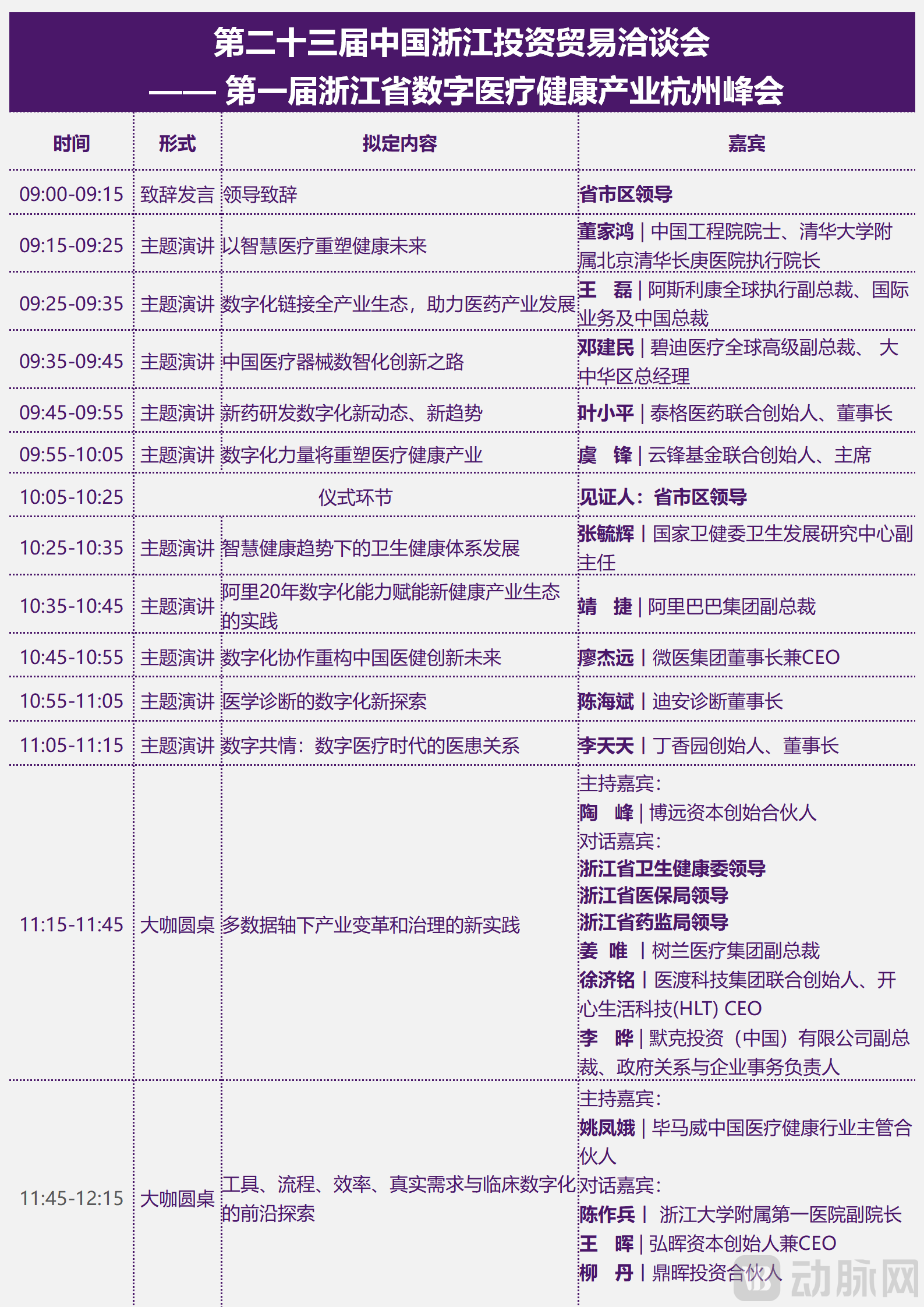
At the main forum on the morning of July 29, leading figures from various fields will deliver ten keynote speeches and participate in two high-profile panel discussions. For instance, Dong Jiahong, Academician of the Chinese Academy of Engineering and Executive Director of Beijing Tsinghua Changgung Hospital affiliated with Tsinghua University, will deliver a keynote speech. Other distinguished speakers sharing their insights include Wang Lei, Global Executive Vice President of AstraZeneca and President of International Operations and China; Deng Jianmin, Global Senior Vice President and General Manager of Greater China at BD (Becton, Dickinson and Company); Ye Xiaoping, Co-founder and Chairman of Tigermed; Yu Feng, Co-founder and Chairman of Yunfeng Capital; Zhang Yuhui, Deputy Director of the Health Development Research Center under the National Health Commission; Jing Jie, Vice President of Alibaba Group; Liao Jieyuan, Chairman and CEO of WeDoctor; Chen Haibin, Chairman of Dian Diagnostics; and Li Tiantian, Founder and Chairman of DXY.
As a platform showcasing the insights of industry participants, the main forum will feature numerous industry leaders engaging in a “brainstorming” session on the digital transformation of pharmaceuticals, medical devices, smart health, biotechnology, and other sectors.
On the afternoon of July 29, there will be four parallel sessions, specifically:
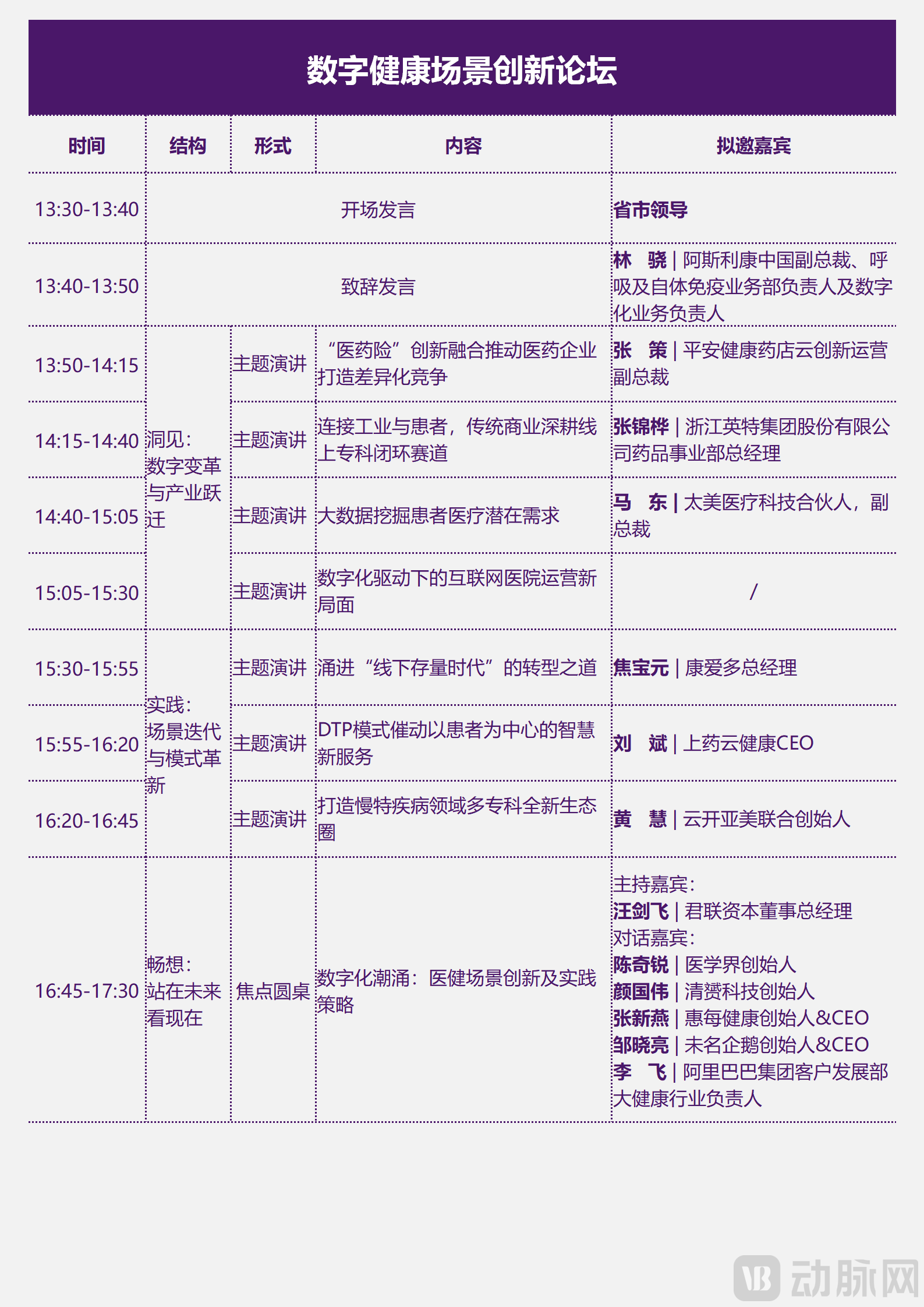
· The “Digital Health Scenario Innovation Forum” will start from internet healthcare to explore the closed-loop construction logic of “medical care + pharmaceuticals + insurance,” as well as the layout strategies of major platforms across various digital health scenarios;
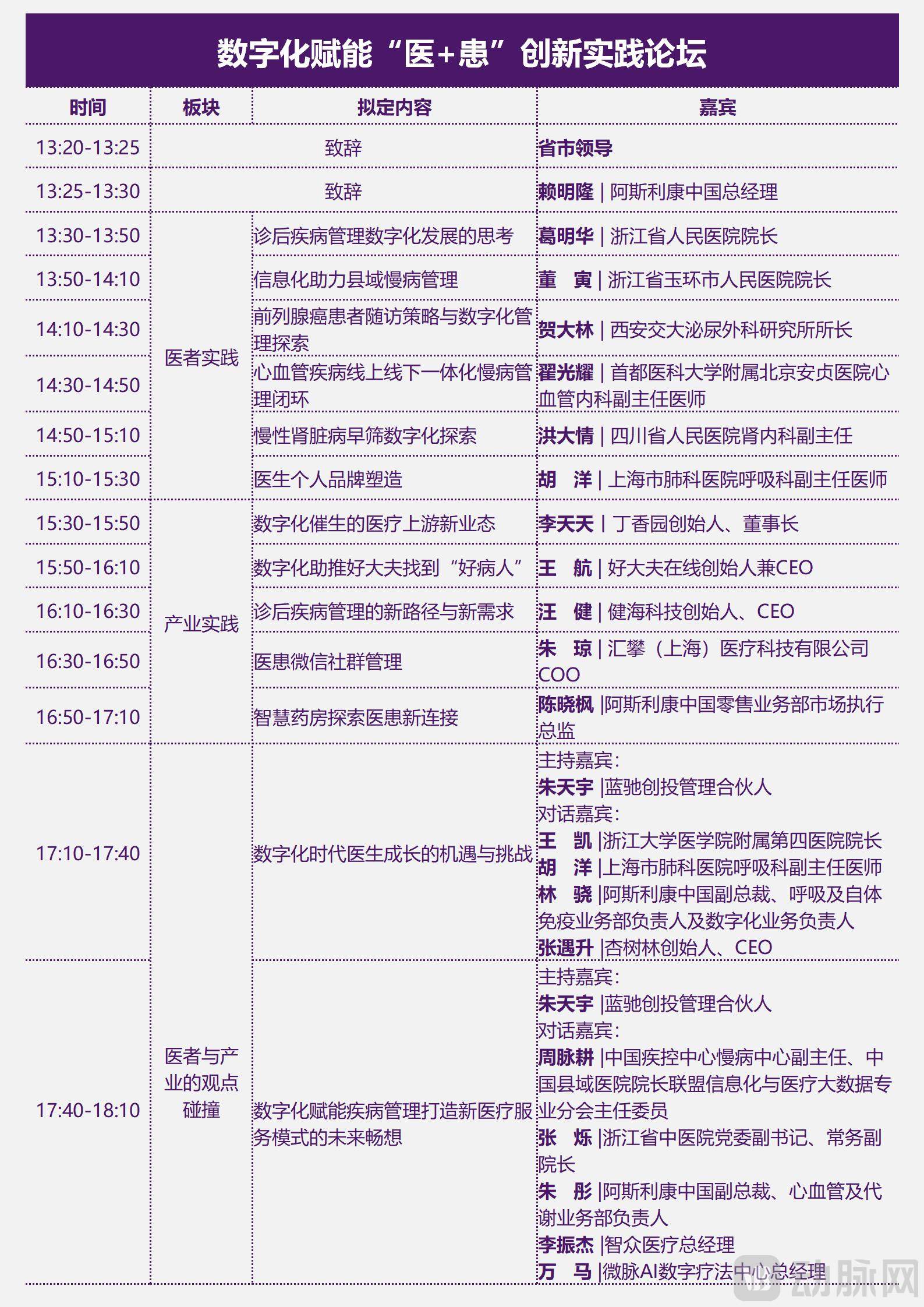
· The “Digital Empowerment: ‘Physician + Patient’ Innovation Practice Forum,” in collaboration with the Hangzhou Digital Healthcare Innovation Center, facilitated an exchange of perspectives on innovative practices in post-diagnosis disease management and physician professional development, focusing on insights from both clinical and industry viewpoints;
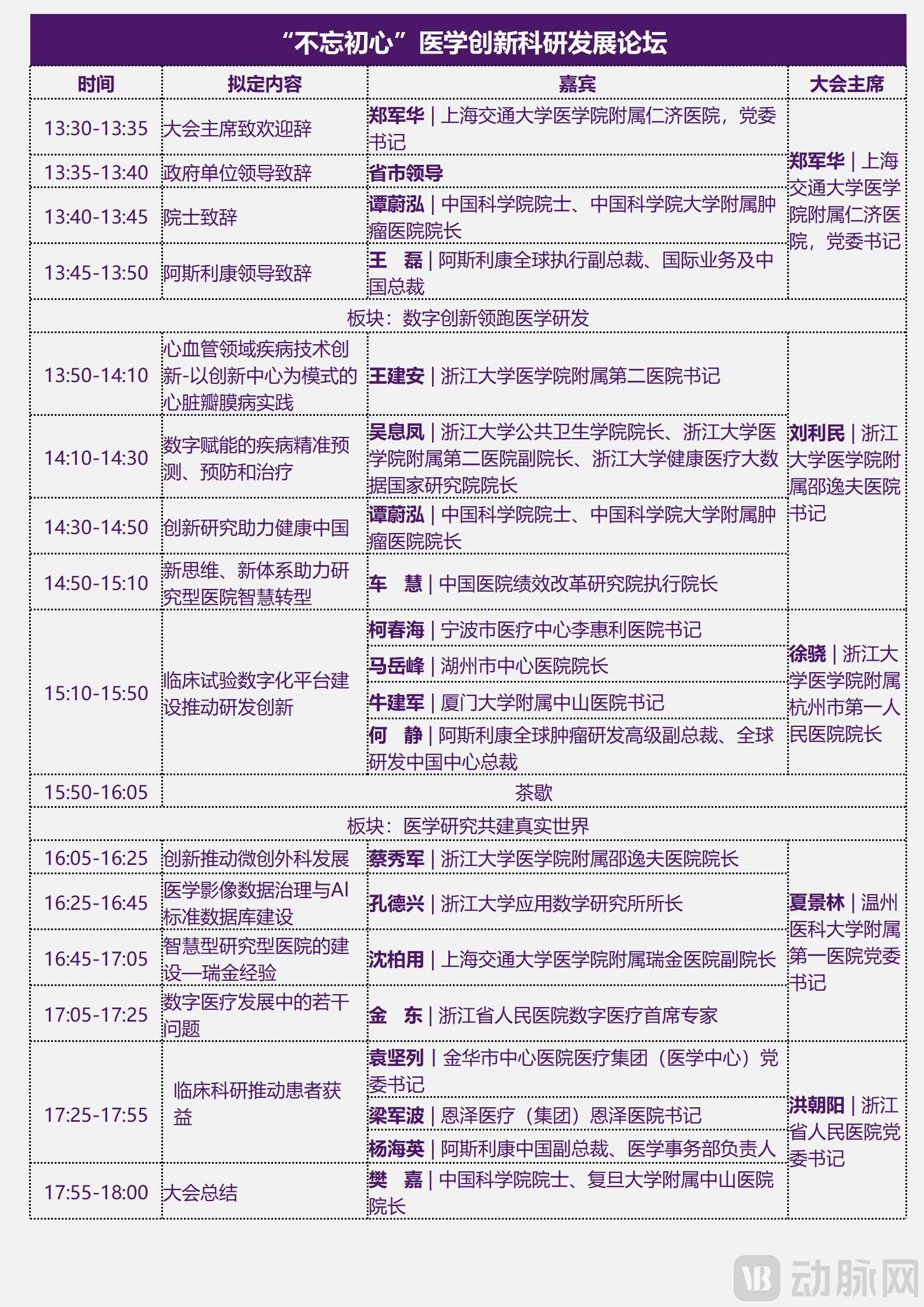
· The "Forum on Medical Innovation and Scientific Research Development" stays true to the original mission of healthcare, facilitating multi-perspective discussions on cutting-edge medical advances, clinical application scenarios, and the digital transformation of smart hospitals;
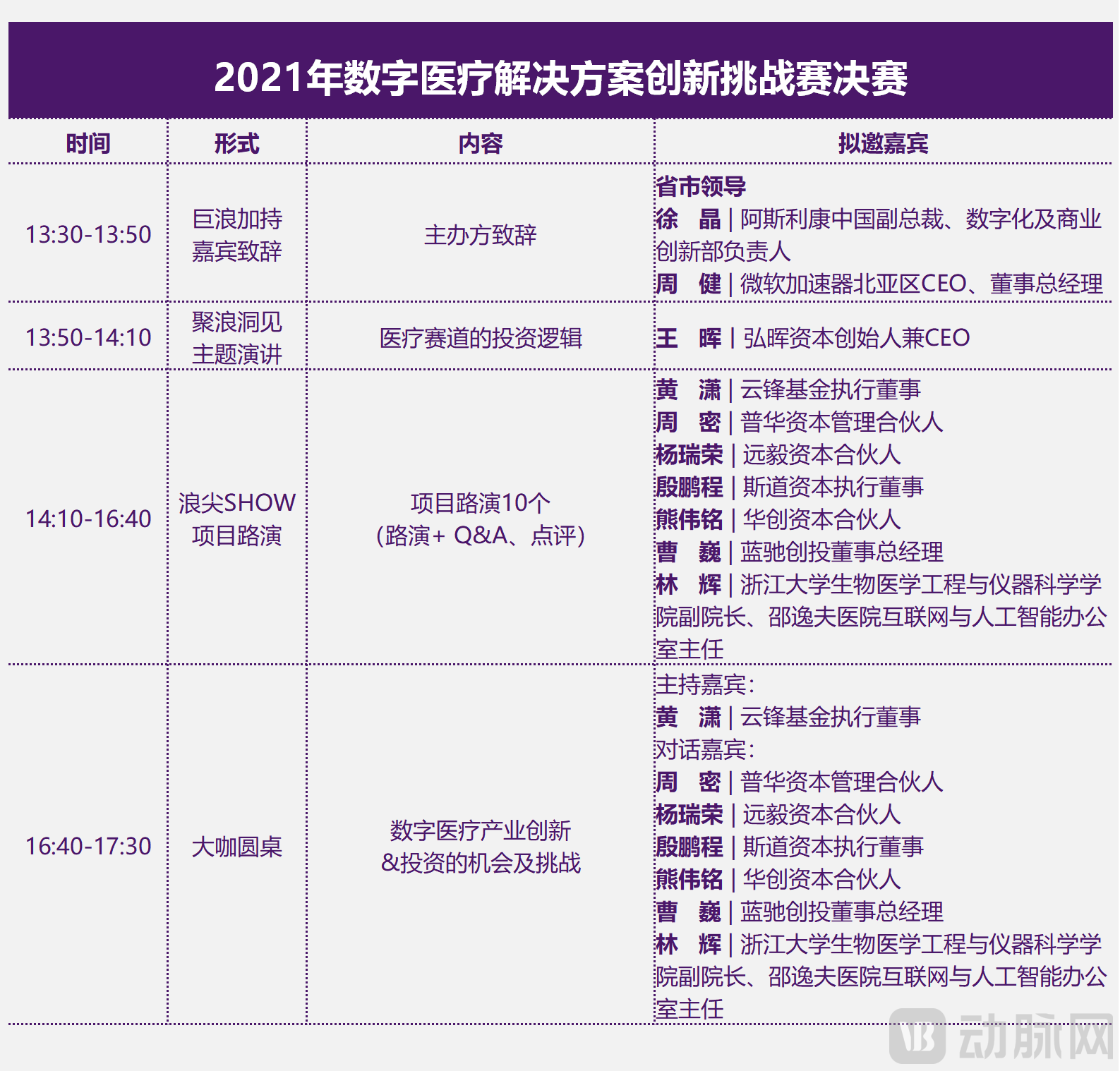
·The Finals of the “2021 Digital Healthcare Solutions Innovation Challenge” carefully selected 10 high-quality projects for live roadshows, and offered additional specialized modules such as face-to-face meetings with investors, financing guidance, and industry collaboration.
Additionally, a parallel session will be held that afternoon, focusing on one-on-one capital and partnership matchmaking.
It can be seen that, through a diversity of formats, this summit maximized the depth, breadth, cutting-edge nature, and resource richness of the discussions.
In summary,The summit is characterized by its high profile, participation of numerous industry leaders, diverse event formats, cutting-edge topics, and strong resource aggregation effects, enabling a comprehensive overview of the digital healthcare landscape.: Analyze digital healthcare from multiple dimensions, including capital, industry, government, and academic research institutions. By integrating multifaceted insights across various domains, we ensure comprehensive coverage and in-depth analysis, enabling attendees to gain maximum insight into the emerging trends and new opportunities in the digital healthcare wave.
Outside the summit,The long-term development of the industry requires greater synergy among all ecosystem stakeholders.At this point, Hangzhou has already been actively making strategic arrangements.
For example, during the summit, Gongshu District and AstraZeneca comprehensively deepened their cooperation, jointly establishing the Hangzhou International Life Science Innovation Park (“Hangzhou iCampus”), which features digital healthcare, as well asAstraZeneca’s Eastern China Headquarters to Officially Open
“Hangzhou iCampus” primarily focuses on the digital healthcare sector, targeting high-growth segments with significant market potential, such as internet-based healthcare, AI-driven healthcare, digital therapeutics, medical big data, IoT-enabled healthcare, and innovative commercial insurance payment models. Built upon an innovative ecosystem of multi-party collaboration, it fully integrates resources from government, industry, academia, research institutions, healthcare providers, and investors to offer a one-stop empowerment platform for global life sciences innovators. This platform provides comprehensive support spanning early-stage R&D, innovation incubation, technology transfer, commercial acceleration, intelligent showcasing, and professional services.
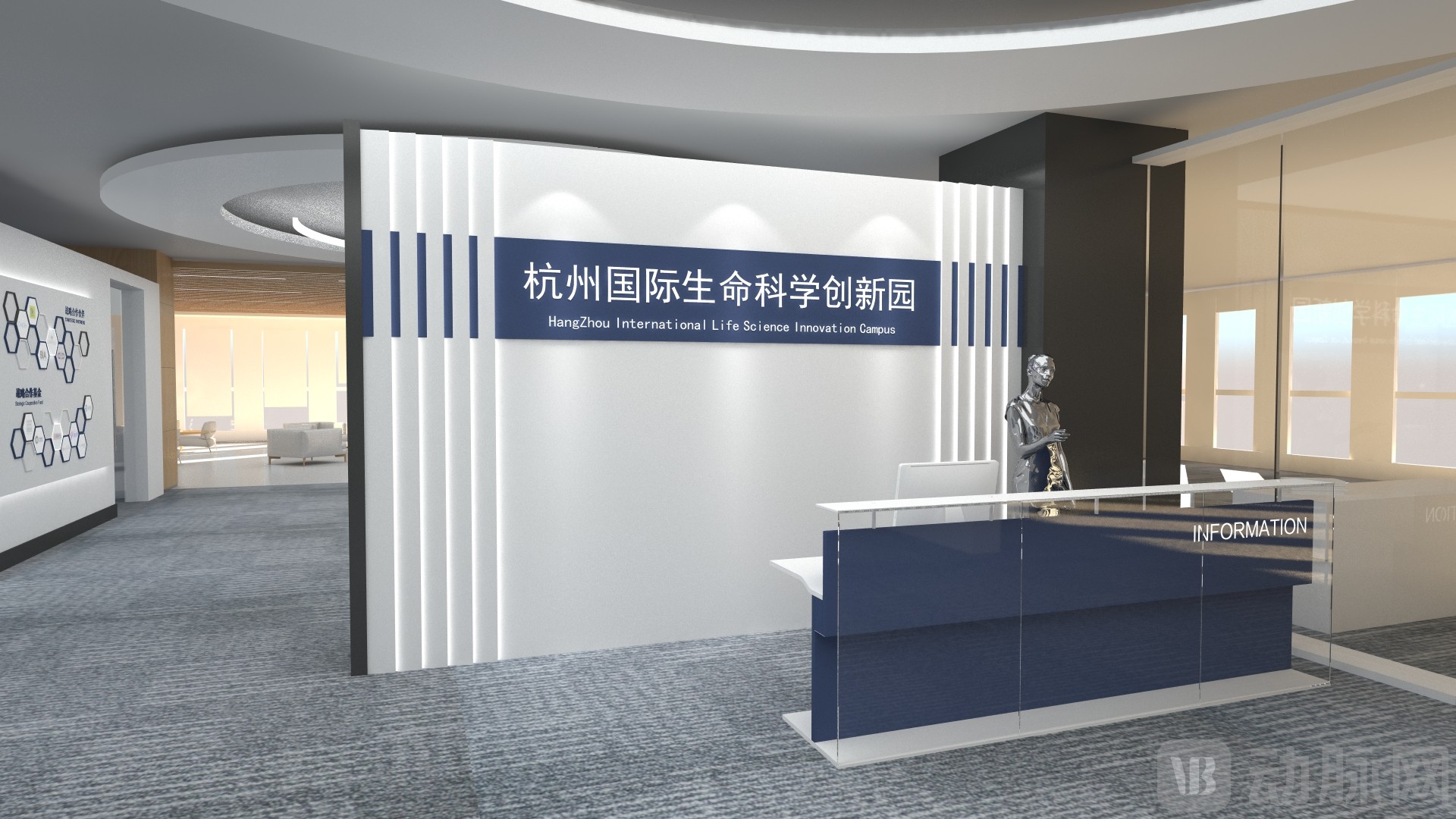
Specifically, “Hangzhou iCampus” will focus its efforts on three key dimensions: capital support, commercialization, and professional services.
First is capital support. Tenant companies can receive investment evaluations from the $1 billion global healthcare industry fund jointly established by AstraZeneca and CICC Capital, as well as from the park’s fund partners.
Next is commercialization. Supported by AstraZeneca’s global network and its omnichannel commercialization platform, we provide enterprises with market insights both domestically and internationally, product concept validation, commercial innovation collaborations, sales licensing, and agency promotion, thereby assisting innovative companies in expanding their global business.
Finally, professional services. Comprehensive supporting services have always been a key factor underpinning the sustainable development of industrial parks. For “Hangzhou iCampus,” it has already established critical advantages across multiple dimensions, including incentive policies, spatial infrastructure, and industrial guidance.
In other words, supported by three major dimensions, the industrial park can provide comprehensive assistance to the development of digital healthcare enterprises in Hangzhou.
More importantly, by leveraging the industrial park as a spatial carrier and integrating events such as this summit, Hangzhou has established a comprehensive ecosystem platform for exchange and cooperation. Strategic partners of the summit, including Tigermed, Yunfeng Capital, BD Medical, Dian Diagnostics, Shulan Healthcare Group, and Huadong Medicine, will engage in expanded business collaboration and resource alignment within this platform in the future.
Not only that,Using AstraZeneca, a leading global pharmaceutical company, as a blueprint, Hangzhou’s Gongshu District will attract more multinational corporations to participate in building the local digital healthcare ecosystem, continuously expanding its “circle of friends” and thereby driving and leading the development of the digital healthcare ecosystem.
Digital healthcare is entering its golden age. To seize the opportunities of this era, it requires concerted efforts from stakeholders across government, industry, academia, research institutions, healthcare providers, and investors. Amidst such a dynamic and transformative historical period, there is no greater fortune than being both a witness to and a participant in the profound changes reshaping the industry.
We warmly welcome you to attend the 1st Zhejiang Digital Health & Medical Industry Hangzhou Summit, taking place on July 28–29 in Gongshu District, Hangzhou. We look forward to seeing you there!
Event Schedule:July 28–29, 2021 (The high-end closed-door meeting on the 28th and the business negotiation session on the 29th are by invitation only)
Venue:Radisson Hotel Hangzhou New World (No. 1018 Changbang Road, Gongshu District) & Landison Plaza Hotel Hangzhou Huashengda (No. 968 Changbang Road, Gongshu District)
Conference Official Website:http://vcbeat.top/Forum/DHIHS
Event Agenda: