AstraZeneca Seeks Partners to Advance Post-Diagnosis Disease Management Solutions
With the advancement of China’s tiered diagnosis and treatment system, the separation of acute and chronic disease management, and initiatives to improve medical services, the issue of follow-up care for patients with common diseases, chronic conditions, and tumors—who require long-term monitoring and therapeutic guidance—has become increasingly prominent. This is mainly manifested in a decline in self-management capabilities among some patients after discharge due to the lack of professional guidance, leading to problems such as unauthorized discontinuation of medication and failure to attend timely follow-up visits, thereby posing risks to their personal health.
Currently, this has not attracted widespread “attention” from society.From the current perspective, smart healthcare services are primarily focused on optimizing patients’ pre-consultation and intra-consultation medical processes. Post-consultation patient management remains in an exploratory stage, with few companies concentrating on this sector and no “benchmark cases” yet emerging; successful models still require continuous exploration.
In recent years, AstraZeneca has been gradually transforming from a traditional pharmaceutical company into an innovation-driven, patient-centric platform enterprise. Centered on the needs of whole-disease-course management for patients, it continuously collaborates with partners to support comprehensive care solutions—spearheaded and initiated by authoritative medical societies—that encompass education, screening, diagnosis, treatment, follow-up, and rehabilitation. Therefore, to further explore patient-centered digital health management and post-diagnosis disease management pathways, and to address the pain points and needs of patients throughout the disease progression, AstraZeneca aims to collaborate with partners within specific disease areas to support authoritative medical societies in exploring the “Top 10 Post-Diagnosis Disease Management Scenarios,” thereby providing scientific and convenient solutions for patients’ post-diagnosis management.
I. Envisioning the "Top 10 Post-Consultation Disease Management Scenarios" Centered on Patient Needs
AstraZeneca has made significant moves in recent years, yet these appear to have little connection with its core pharmaceutical business. Therefore, when discussing what kind of company AstraZeneca will become in the future, Wang Lei, Global Executive Vice President, President of International Business and China at AstraZeneca, stated, “AstraZeneca is definitely an innovative platform company, aiming to provide patients with integrated disease management services. We believe that the starting point for any innovation is to meet patient needs.”
However, AstraZeneca does not act “rashly.” Its support for the exploration of the “Top Ten Post-Consultation Disease Management Scenarios” stems from its recognition of the substantial needs of Chinese patients. According to the Report on the Nutritional Status and Chronic Diseases of Chinese Residents (2020), China currently has over 300 million individuals living with chronic diseases. As the number of people with chronic conditions in China surges, related issues and contradictions have become increasingly prominent. These are primarily reflected in fundamental problems such as patients’ lack of basic medical knowledge, non-standardized medication use, poor adherence, and limited channels for purchasing medications. However, these challenges cannot be addressed solely through hospital-based efforts; they require broader societal attention, namely, the establishment of an efficient post-consultation disease management platform.
Digital healthcare presents a significant opportunity in this regard. In recent years, internet technology has permeated the medical field extensively, not only propelling it into a new historical phase but also reshaping the service model of internet-based healthcare. Specifically, in the realm of post-diagnosis management, digital platforms enable continuous patient management after clinical visits. This facilitates closer engagement between patients and medical resources, allows for timely adjustments to treatment and medication regimens, maintains high post-discharge follow-up rates, and enhances patient satisfaction with healthcare providers. Consequently, this ensures the continuity of treatment plans and improves overall therapeutic outcomes, which holds substantial significance for enhancing the health quality of the population.
This time, focusing on patients’ needs during the rehabilitation and follow-up phases, AstraZeneca and its partners have collaborated with authoritative medical societies to further segment patient needs and engage in post-diagnosis management. The initiative aims to prioritize disease areas where Chinese patients have the most urgent needs, including oncology, nephrology, cardiovascular diseases, respiratory conditions, and gastrointestinal disorders. By leveraging advanced technologies such as artificial intelligence, the Internet of Things (IoT), big data, and 5G, and by integrating personalized requirements for different disease types with digital solutions and human-centered services, tailored post-diagnosis management programs are being developed for patients.
Currently, the “Top 10 Post-Consultation Disease Management Scenarios” are still in their early stages. We look forward to more industry partners joining us to explore how innovative technologies and tools can empower post-consultation disease management for patients across various therapeutic areas:
1. Peri-dialysis Period Kidney Disease Management:The health status of peri-dialysis patients is critical to the efficacy of dialysis treatment. This scenario implements comprehensive health management for patients during the peri-dialysis period, including: adjustment of key physiological indicators (such as blood pressure, serum potassium, and hemoglobin), and monitoring and analysis of both in-hospital and out-of-hospital data. This approach ensures a smooth transition from pre-dialysis to post-dialysis phases, thereby reducing severe complications and mortality associated with initial dialysis sessions, enhancing dialysis efficacy, improving patients' quality of life, and extending patient survival.
2. Post-diagnosis Disease Management for Chronic Kidney Disease:Since chronic kidney disease (CKD) is difficult to reverse once diagnosed, it is particularly important to delay disease progression through disease management and postpone the patient's entry into the stage of renal replacement therapy. This scenario implements comprehensive management measures for patients with chronic kidney disease, including lifestyle interventions such as diet and exercise, control of related risk factors, and medication guidance, so as to achieve the goals of slowing disease progression, reducing the occurrence of complications, improving quality of life, and saving social health economic resources.
3. Refined Post-Consultation Follow-Up Management for Chronic Respiratory Diseases:Due to insufficient disease awareness and poor treatment adherence among patients with chronic respiratory diseases—primarily those with chronic obstructive pulmonary disease (COPD) and asthma—recovery is often slow and prone to relapse. This scenario provides refined post-diagnosis management tailored to the characteristics of this patient population. It addresses multiple dimensions, including patient education, disease assessment, medication guidance and monitoring, self-management, and rehabilitation. By leveraging home-based Internet of Things (IoT) devices, it enables physicians to monitor patients’ recovery and health status, facilitating remote doctor-patient communication and whole-course disease management, thereby allowing for the formulation of targeted follow-up plans. This approach not only offers risk warning capabilities but also enhances patient adherence, ultimately achieving effective disease management and improving patients’ quality of life.
4. Intelligent Out-of-Hospital Follow-up Management for Heart Failure:The population of patients with heart failure is large, and the five-year survival rate is low. Treatment requires long-term management; even when symptoms improve, patients must strictly adhere to medical advice, take medications as prescribed, and undergo long-term monitoring of disease-related indicators. However, after discharge, inadequate patient understanding of the disease and delays in treatment and indicator monitoring often lead to improper out-of-hospital disease management, resulting in frequent readmissions. This initiative aims to monitor key out-of-hospital indicators in heart failure patients using wearable devices, collaborate with clinical experts to refine a precise follow-up management model, enhance doctor-patient interaction, prompt timely medical consultation, and improve quality of life.
5. Digital Therapeutics for the Co-management of the "Three Highs":The population of patients with the "three highs" (hyperglycemia, hypertension, and hyperlipidemia) is substantial. However, due to the nonspecific nature of early symptoms and poor treatment adherence, these patients often face complex and severe comorbidities and syndromes in the mid-to-late stages of disease progression. This scenario classifies and stratifies patients based on continuous, reliable data for blood glucose, blood pressure, and blood lipids, thereby establishing personalized pathways for disease education, dietary management, exercise regimens, and medication adherence. The aim is to reduce key clinical indicators and improve patients' quality of life.
6. Refined Follow-up Management for Gut Health:Due to the insidious onset of intestinal diseases and the overlap of their symptoms, patients often lack sufficient understanding of disease-related knowledge and the necessity of early colonoscopy. With advancing research in recent years, the treatment of many intestinal disorders is no longer confined to gastroenterology; instead, their management and assessment involve multiple related specialties. This scenario focuses on disease education and screening for individuals presenting with intestinal symptoms. In collaboration with multiple experts, we have developed refined post-diagnosis patient management pathways for intestinal conditions such as irritable bowel syndrome (IBS), inflammatory bowel disease (IBD), and colorectal cancer. These pathways address the need for multidisciplinary team (MDT) consultations involving gastroenterology, surgery, psychiatry, and other departments, thereby optimizing management protocols and improving therapeutic and rehabilitative outcomes for patients with intestinal diseases.
7. Breast Cancer Rehabilitation Management:Breast cancer patients generally have a long survival period, but the peak incidence of recurrence and metastasis occurs within 2 to 3 years post-surgery. Therefore, it is essential to address the diverse needs of breast cancer patients during home-based rehabilitation, including medication management, dietary planning, and postoperative recovery guidance. This scenario establishes targeted rehabilitation management plans, builds effective channels for doctor-patient communication, and improves follow-up efficiency. This ensures that breast cancer patients receive professional medical advice promptly, reduces loss to follow-up during later stages of endocrine therapy, promotes regular clinical visits, and ultimately lowers the risk of recurrence.
8. Whole-Course Health Management for Ovarian Cancer:Most ovarian cancer patients are diagnosed at an advanced stage due to limited awareness of the disease in its early phases and nonspecific symptoms. This scenario aims to enhance disease knowledge among high-risk populations and establish a post-diagnosis disease management platform for ovarian cancer. By optimizing communication channels between healthcare providers and patients, the platform helps maintain a stable, long-term relationship between diagnosed patients and ovarian cancer specialists. It also assists patients in overcoming barriers to treatment, better managing various side effects and anxiety during therapy, thereby promoting active physiological and psychological adherence to medical guidance, optimizing treatment regimens, and accelerating recovery.
9. Whole-Course Health Management for Prostate Cancer:
a) Health Management for Individuals at High Risk of Prostate Cancer:
Provide scientific education to individuals identified as being at high risk for prostate cancer during screening, enhancing their understanding of the disease, clinical consultation processes, and mainstream treatment options, while promptly guiding those in need to seek medical attention.
b) Disease Management for Patients with Intermediate to Advanced Prostate Cancer:
Considering the specific characteristics of prostate cancer patients, this approach aims to alleviate psychological barriers, facilitate confident communication between doctors and patients, enable faster patient access to physicians, and allow doctors to promptly track disease progression. Through long-term monitoring of key indicators and timely optimization of treatment plans, it seeks to ensure long-term survival while improving the recovery of urinary continence and sexual function, thereby enabling patients to live with dignity.
10. Holistic Care Throughout the Entire Course of Lung Cancer:Standardized diagnosis and treatment, timely follow-up, and psychological support services for lung cancer patients remain severely inadequate. Digital therapeutics can help patients understand their condition, adhere to scheduled follow-ups, alleviate psychological stress, improve treatment adherence, and enhance quality of life.
II. It Is High Time for Post-Diagnosis Disease Management: Co-Creating an Innovative Digital Healthcare Ecosystem
With 28 years of deep commitment to China, AstraZeneca not only possesses profound insights into disease areas but also collaborates with partners to build an integrated innovation ecosystem comprising Innovation Centers, the International Life Science Innovation Park, and the AstraZeneca-CICC Healthcare Industry Fund. By closely aligning its service system with partners’ core businesses, AstraZeneca is co-creating a patient-centric new ecosystem for innovative healthcare, thereby enabling more patients to access more convenient, precise, and high-quality disease management services.
Focusing on post-diagnosis management is not a new concept for AstraZeneca. In recent years, AstraZeneca has been at the forefront of innovative transformation by concentrating on whole-disease-course patient management, continuously breaking stereotypes, and frequently extending its innovative “tentacles” to pursue cross-sector layouts. It has engaged in deep collaborations with partners across pharmaceuticals, medical devices, diagnostics, digital health, and capital sectors. In 2017, AstraZeneca established the China Health IoT Innovation Center in Wuxi, joining forces with over 300 partners to support authoritative medical societies in developing fourteen integrated diagnosis-and-treatment solutions tailored to different disease areas. In 2021, leveraging regional industrial advantages, AstraZeneca collaborated with partners to establish distinct Regional Innovation Centers in Beijing, Hangzhou, Chengdu, Guangzhou, and Shanghai, which are currently being gradually implemented.
In the field of digital health, AstraZeneca will leverage Hangzhou’s industrial advantages to actively explore new opportunities, collaborate with partners to establish a Digital Health Innovation Center, and support the Gongshu District Government in building an International Life Science Innovation Park featuring digital health. By integrating capital resources to empower business development, continuously expanding its ecosystem of partners, and leading the construction of a robust digital health ecosystem, AstraZeneca aims to drive innovation and growth in the sector.
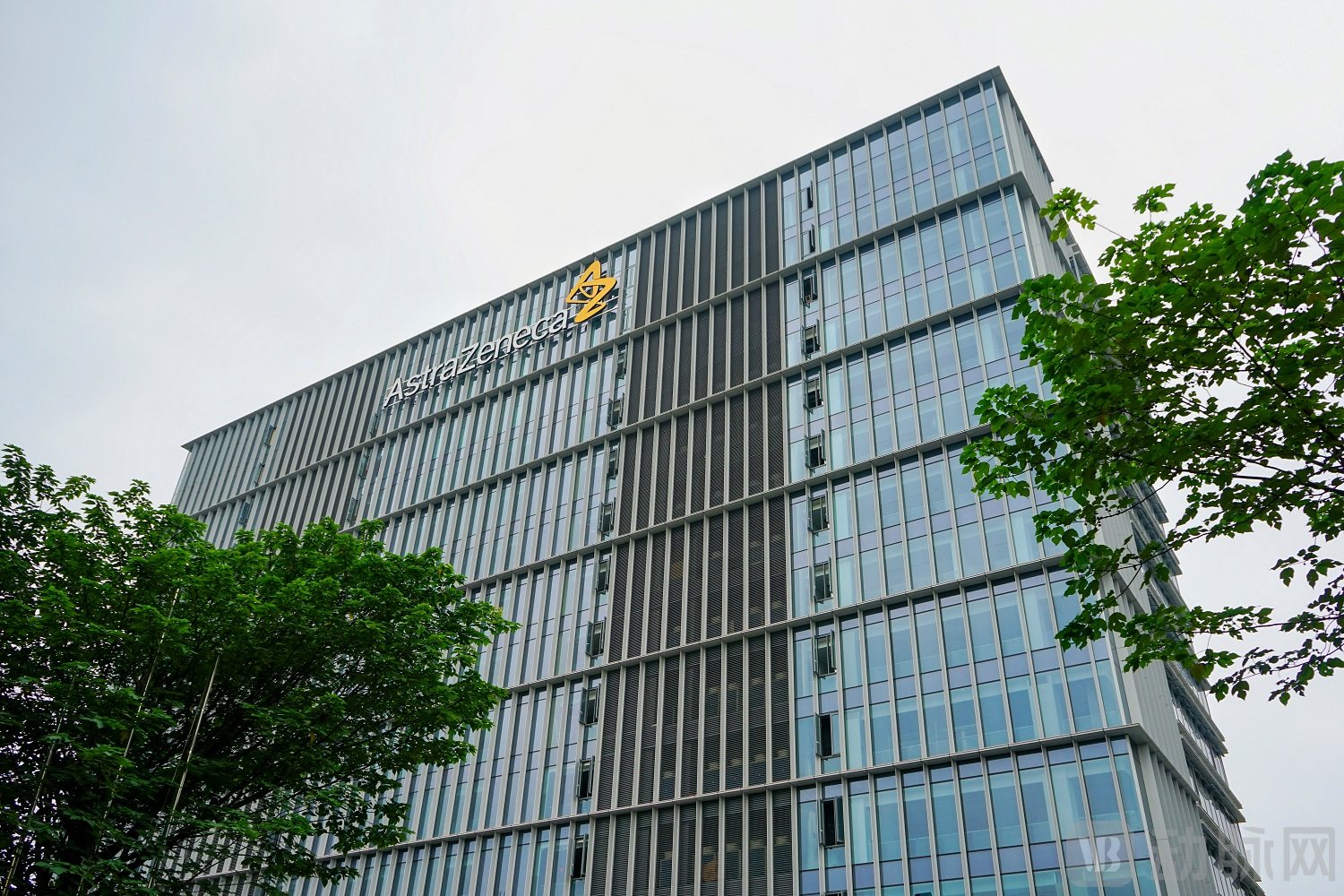
On July 29, the Digital Medical Innovation Center located in Gongshu District, Hangzhou, is set to open.This will be the third regional innovation center established by AstraZeneca, tailored to local industrial characteristics, following the China Health IoT Innovation Center in Wuxi and the Primary Care Smart Healthcare Innovation Center in Beijing. Leveraging Hangzhou’s strong foundation in digital industry development, the newly launched Digital Healthcare Innovation Center will also serve as a key platform for the development and implementation of “post-diagnosis disease management scenarios.” We look forward to welcoming more partners to join us in advancing together, exploring how to better support patients in achieving whole-course disease management in the era of digital healthcare, and jointly building a digital innovation ecosystem.
No matter how unconventional its approaches may be, all of AstraZeneca’s initiatives are grounded in building a comprehensive healthcare industry chain and an innovation ecosystem. This is reflected in its patient-centric strategy, which leverages the company’s core strengths to create synergies with partners, jointly accelerating the realization of “Healthy China” and fulfilling the pharmaceutical industry’s corporate responsibilities.
Please scan the QR code below and complete the required information to register for the “Top 10 Post-Consultation Disease Management Scenarios” participant recruitment.