

N1 Life Files IPO Prospectus: Revolutionizing Drug Delivery with 30 Years of Stanford-Backed Innovation
N1 Life
Biopharmaceutical R&D Company
Stanford University is the heart of Silicon Valley in the United States, boasting a vibrant entrepreneurial culture where both students and faculty across all disciplines can find sources of innovation. Stanford’s research scholars continuously achieve breakthroughs and deliver new technological advancements within an interdisciplinary collaborative environment. Some choose to license their patents to large pharmaceutical companies for commercialization, while others opt to launch independent startups to further conduct clinical research.
Dr. Zang Xiaoyu is the latter. She earned her Ph.D. in Molecular Medicine from the Department of Chemistry at Stanford University. In 2013, she joined the research group of Professor Paul A. Wender, a renowned international chemist and member of the U.S. National Academy of Sciences. Her research has focused on innovative drug delivery and administration technologies, spanning multiple prominent fields such as peptides, protein nanoparticles, and biocompatible polymeric materials.
Incubated at Stanford University, harnessing the innovative power of Silicon Valley, and translating over 20 years of technological achievements by members of the U.S. National Academy of Sciences into practical applications
With the support of the Department of Chemistry and the School of Medicine at Stanford University, Dr. Xiaoyu Zang and Academician Paul A. Wender founded N1 Life, Inc. in the United States to translate the research team’s technological achievements from over two decades into clinical applications. N1 Life was successively incubated by Stanford University’s official student incubator and the California Institute for Quantitative Biosciences (QB3).
Academician Paul A. Wender is the co-founder of N1 Life, and he isMember of the U.S. National Academy of Sciences, Member of the American Academy of Arts and Sciences, Fellow of the American Association for the Advancement of Science, Member of the Royal Spanish Academy of Sciences; internationally renowned chemist, distinguished educator, and entrepreneur; Tenured Professor in the Department of Chemistry and the School of Medicine at Stanford University. The research team he leadsPioneered the First Synthetic Paclitaxel, and it is also the shortest and most efficient synthetic route to date. He is a serial entrepreneur with many years of experience in the biopharmaceutical field, always prioritizing the mission of serving humanity through technology. Currently, several companies based on the research achievements of Professor Wender’s laboratory are conducting translational research at both clinical and preclinical stages, including treatments for Alzheimer’s disease, development of tumor immunotherapies, therapies for viral infectious diseases such as AIDS, and R&D of new drugs against superbugs.
Pursuing new drug development has always been Dr. Zang Xiaoyu’s heartfelt aspiration. In her view, the work of developing new drugs is as important as physicians treating patients, as it can help liberate patients from the burden of disease. Therefore, since her undergraduate studies and throughout her doctoral research, she has consistently strived toward this goal. “During the course of my doctoral thesis research,We have identified an innovative delivery technology that has demonstrated superior delivery efficacy in animal studies, not only enhancing drug potency but also reducing toxic side effects and overcoming multidrug resistance..” Dr. Zang Xiaoyu told VCBeat, “We hope to accelerate the commercialization of this technology to truly benefit more patients.”
In 2019, N1 Life was officially established in Silicon Valley, USA, focusing on the translational application of biopharmaceutical technologies from academic and research institutions to industry. The company has launched multiple collaborative research projects with Stanford University, including those on small-molecule drug delivery, protein and peptide drug delivery, and nucleic acid drug delivery technologies. Meanwhile, it maintains long-term close collaborations with Stanford University, Stanford University School of Medicine, and the California Life Science Institute.
Innovative Molecular Transport Technologies: A Multi-Pronged Approach to Driving Innovation in Drug Delivery and Accelerating R&D for New Drugs Across All Categories
N1 Life is currently primarily developing products based on Stanford’s patented technology.Absotride and ChRLP-mRNA Technology, namely peptide-based conjugated drug delivery technology and polymer-based nucleic acid drug transfer and delivery technology.
Absotride Delivery TechnologyPrimarily targeting small-molecule, peptide, and protein therapeutics, the Absotride technology significantly enhanced the efficacy of parent drugs and effectively overcame multidrug resistance in tumors within the company’s preliminary humanized subcutaneous head and neck cancer animal models. Compared with the first-generation HIV-Tat transmembrane delivery technology currently used in Phase III clinical trials, Absotride enables more efficient and safe enhancement of small-molecule drug delivery across biological barriers, achieving a delivery efficiency over 100 times greater than that of HIV-Tat.
Over the past three decades, Professor Paul A. Wender’s research group has achieved multiple generational advancements in peptide delivery technology, continuously enhancing its delivery efficiency, safety, and stability, while accumulating extensive data and expertise. Consequently, N1 Life’s Absotride technology demonstrates significant advantages in non-antigen-dependent tumor targeting, penetration into tumor tissues and cells, and overcoming multidrug resistance.
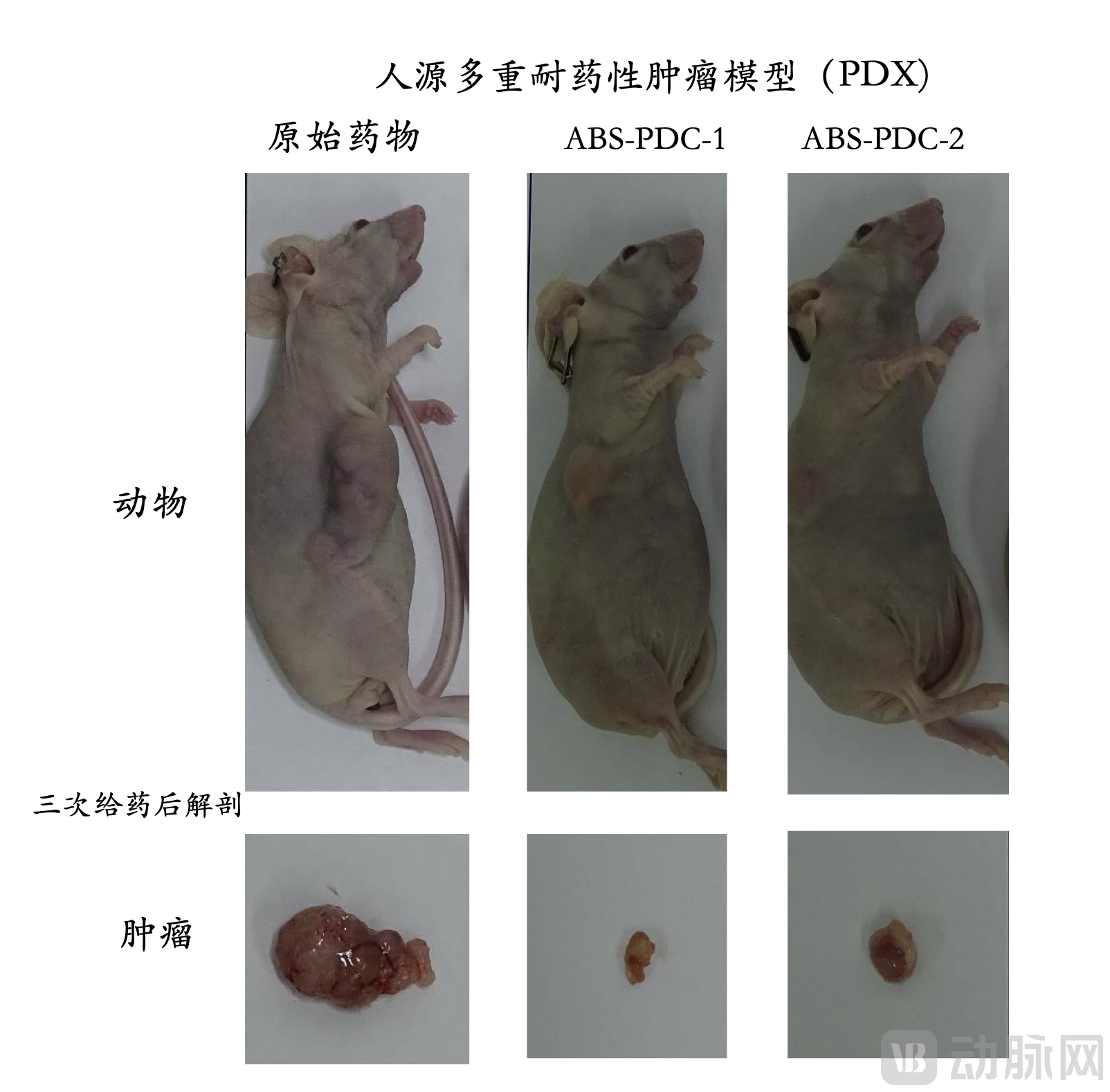
Application of Absotride Technology in PDX Animal Tumor Models
Currently, peptide-drug conjugates (PDCs) used in clinical practice consist of three main components: the parent drug, the linker, and the peptide transporter (e.g., Absotride). By covalently linking specific peptide sequences to cytotoxic agents via a cleavable linker, PDCs enable targeted delivery of the cytotoxin to diseased tissues. This approach mitigates toxicity in non-diseased tissues, thereby reducing adverse effects and achieving enhanced efficacy with reduced toxicity.
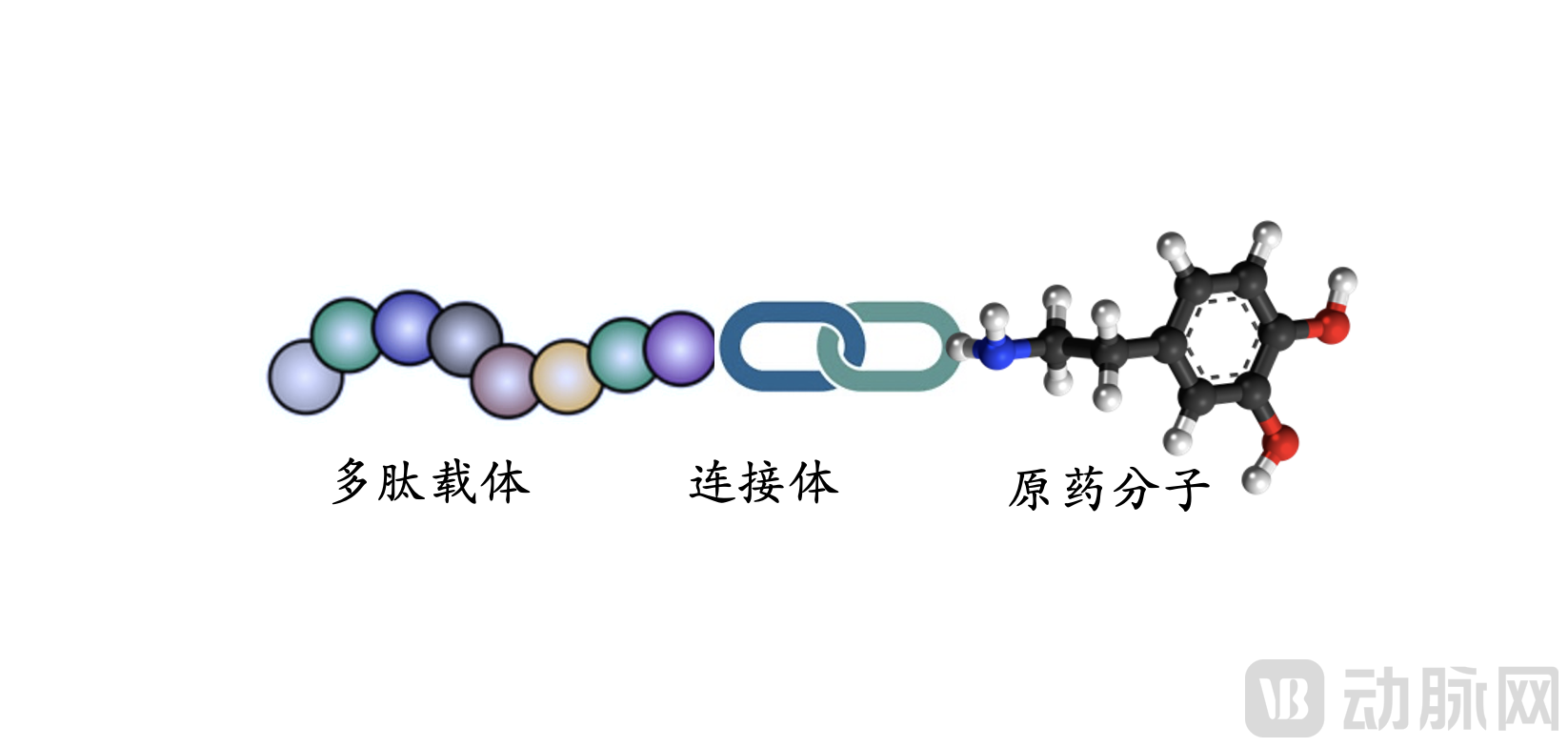
Schematic Diagram of Peptide-Drug Conjugates (PDCs) Image: N1 Life
N1 Life’s independently developed PDC drug, based on its Absotride delivery technology, can significantly shorten the new drug development cycle. Dr. Zang Xiaoyu explained, “Starting from a single target to screen and develop a new drug typically requires at least a 10-year R&D cycle, which is both lengthy and costly, causing countless patients to lose their chance of survival while waiting. Whether in scientific research or translational medicine, we must have the courage to stand on the shoulders of giants, deeply exploring and learning from the experience and wisdom of our predecessors. Over the past few decades, scientists and medical researchers in the field of drug development have accumulated extensive data on drug efficacy and safety, including preclinical research data and clinical trial data. For these ‘old drugs’ that have already been extensively validated through experiments or approved for market use, we can rapidly optimize them according to clinical needs by leveraging our innovative Absotride technology. This allows us to design and synthesize PDC drugs and test them directly in disease models, thereby significantly shortening drug development timelines and reducing costs. Our goal is to address challenging clinical dilemmas with the greatest speed, shortest timeframe, and lowest cost.”
Through Absotride technology, N1 Life has successfully"Repurposing 'Old Drugs' into New Drug Molecules"Small-molecule, peptide, and protein-based drugs whose patents have expired or that have failed in Phase II or III clinical trials are all candidates for optimization by N1 Life. The resulting Peptide-Drug Conjugate (PDC) therapeutics demonstrate enhanced efficacy, improved drug absorption efficiency, and reduced toxicity and side effects compared to the original agents. Furthermore, they can overcome drug resistance associated with the parent compounds and even expand their indications. For example, systemic immunotherapies can be repurposed for ex vivo local administration, thereby reducing systemic immune toxicity. In comparison to Antibody-Drug Conjugates (ADCs),PDCs offer superior tissue penetration, tumor penetration, manufacturing controllability, performance tunability, biocompatibility, and easier in vivo metabolism.。
In addition to PDC, N1 Life has also laid out innovative delivery technologies for nucleic acid-based drugs—ChRLP-mRNA Technology, derived from the research achievements in nucleic acid molecular delivery from the laboratory of Academician Wender at Stanford University.
Through continuous innovation and research, N1 Life has established its proprietary vector screening platform, enabling the rapid development of efficient mRNA delivery tools.
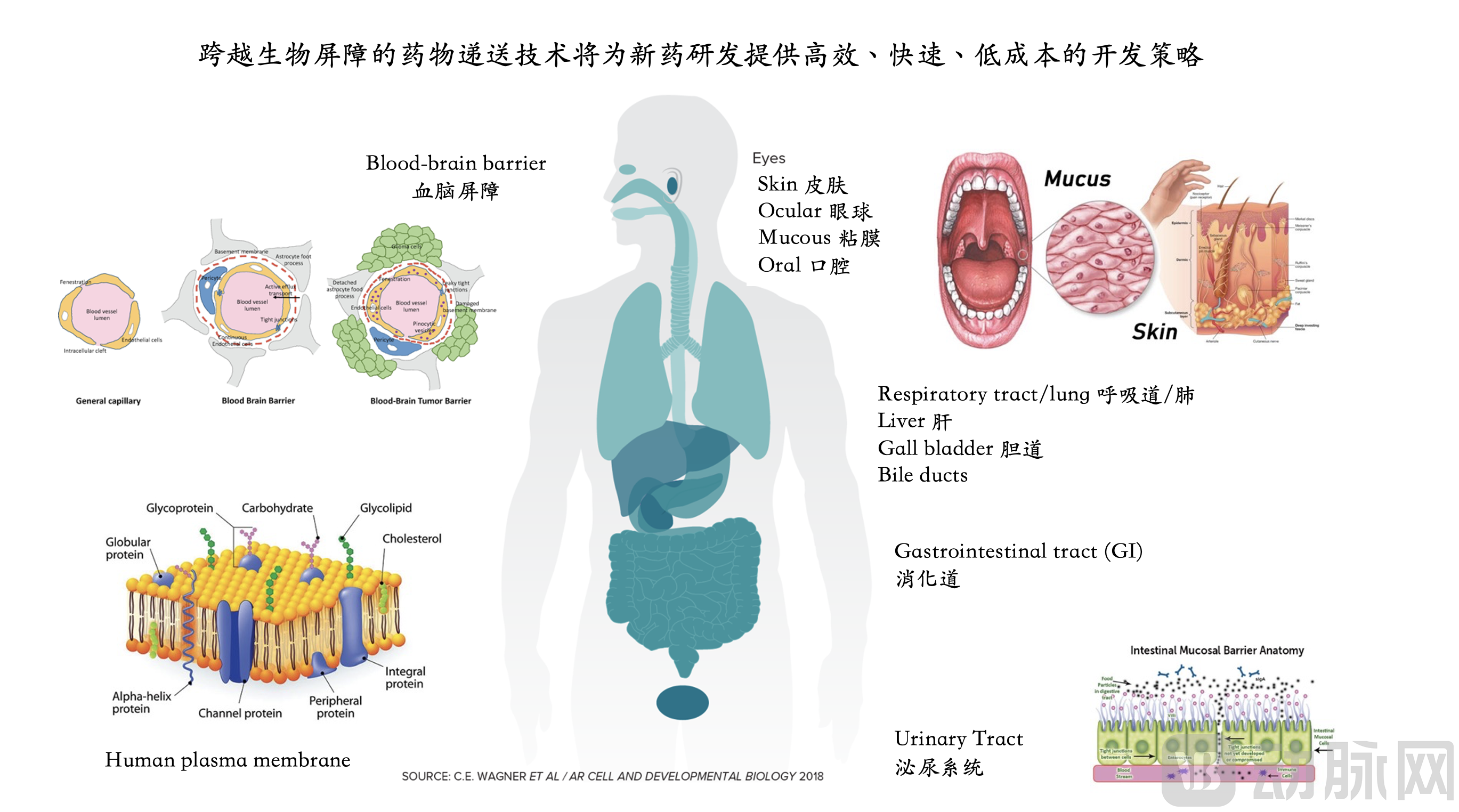
By leveraging ChRLP-mRNA technology to empower nucleic acid-based therapeutics, combined with Absotride delivery technology to enhance traditional small molecules, peptides, and protein-based drugs, N1 Life adopts a multi-pronged approach targeting the majority of drugs on the market that have room for optimization.“Drug Upgrading,” “Repurposing Old Drugs”Dr. Zang Xiaoyu explained, “Through innovations in drug delivery technology, the company is developing Class I innovative drugs, sustaining its innovative vitality, continuously launching new drug products, and facilitating the transformation of China’s innovative pharmaceuticals from ‘Me-too’ to ‘Me-better.’” Notably, empowered by N1 Life’s delivery technology, it can effectively overcome traditional drug delivery challenges such as the “blood-brain barrier” and “blood-eye barrier,” offering immense potential for future applications.
In terms of its business model, N1 Life screens for candidate drugs from drug molecule databases such as those provided by the NIH and NCI, independently establishes its R&D pipeline, and advances the development of clinical products based on its proprietary delivery technology platform. Meanwhile, as a technology owner and pioneer, N1 Life maintains an open and welcoming stance toward interdisciplinary and cross-team collaborations. Dr. Xiaoyu Zang stated, “The N1 Life team has always remained true to its original mission: to serve and benefit humanity by leveraging the most advanced scientific technologies and delivering the fastest, most direct solutions. As an innovative company originating from Silicon Valley, we embrace the mission of innovation and collaboration. We have built two bridges: one facilitating the translation of biomedical technologies from top-tier academic institutions like Stanford University, and the other connecting clinical needs with scientific research, technological expertise, and product development.”
Currently, N1 Life has reached consensus with multiple partners in the scientific research and industrial sectors to jointly select promising novel drug candidates for development. The company’s proprietary pipeline primarily focuses on the R&D of innovative therapies for refractory and drug-resistant diseases. It has already established a strategic portfolio in areas such as the treatment of drug-resistant tumors, adjunctive cancer therapies, dermatological conditions, and ophthalmic diseases. With preclinical studies actively underway, the company expects to advance several pipeline candidates into clinical trials in 2022.
It is reported that N1 Life has launched a new round of Pre-A financing, which will be used for the construction of new R&D laboratories, pipeline advancement, and talent recruitment. The seed round of N1 Life was led by FreeS Fund, with Xinjin Venture Capital as a co-investor.