

EGFR Therapeutics Flourish with Diverse Modalities: Small Molecules, Bispecific Antibodies, and ADCs Expand Treatment Horizons
Editor’s Note: This article is reprinted from Medical Notes, with authorization granted to VCBeat.
EGFR is a member of the epidermal growth factor receptor family and plays a crucial role in cell growth, development, and differentiation. EGFR is highly expressed in various solid tumors, and targeting EGFR has led to the development of several blockbuster drugs. In the field of small-molecule drugs, the approval of imatinib ushered in a new era of small-molecule tyrosine kinase inhibitors. Even after two decades, this class of drugs continues to evolve, with ongoing advancements beyond osimertinib. In the realm of large-molecule drugs, cetuximab and panitumumab have both achieved blockbuster status.
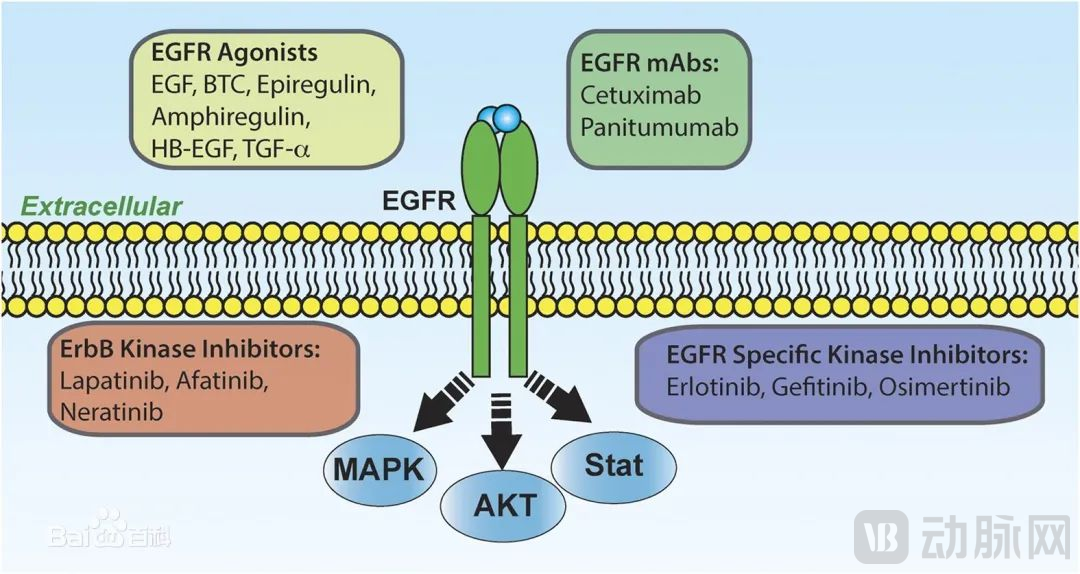
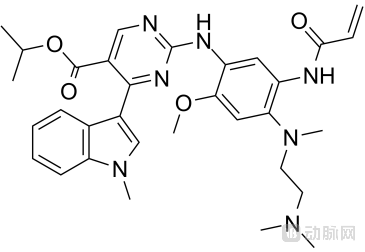
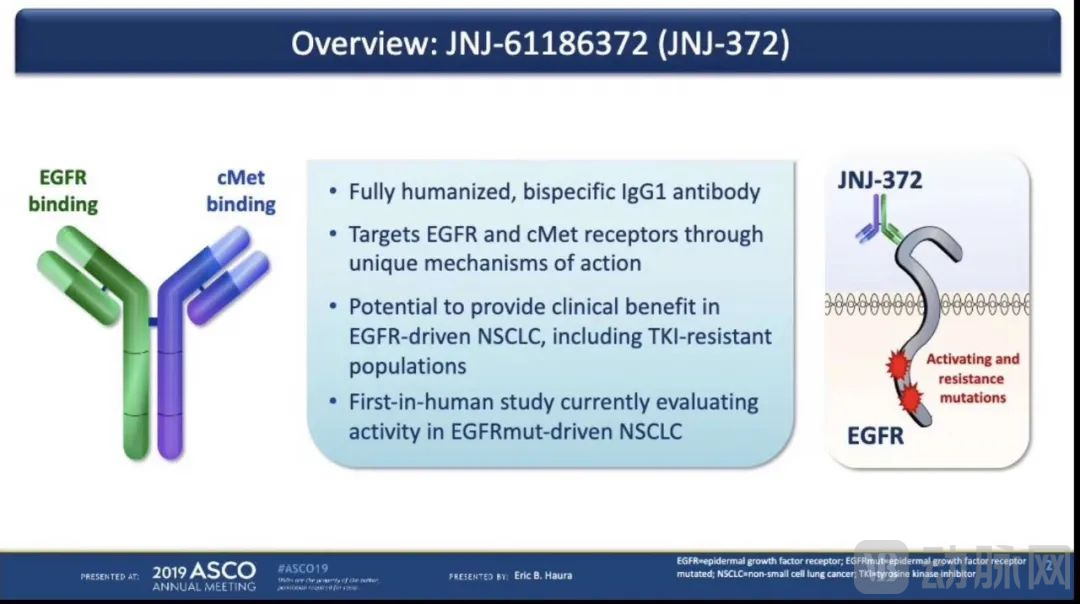
New EGFR-targeted therapies are focusing on different types of mutations, such as Takeda’s TAK-788 and Janssen’s JNJ-372, which target EGFR exon 20 insertion mutations. The small-molecule drug TAK-788 demonstrated an overall response rate (ORR) of 35%, a disease control rate of 78%, a median progression-free survival (PFS) of 7.3 months, and a median duration of response of 17.5 months.
Johnson & Johnson’s EGFR/cMET bispecific antibody, amivantamab, has been approved for marketing. It demonstrates an overall response rate (ORR) of 40% in the treatment of non-small cell lung cancer (NSCLC) with EGFR exon 20 insertion mutations, which is slightly higher than that of TAK-788; however, its median duration of response is 11.1 months, shorter than that of TAK-788.
Lepu Biopharma’s MRG003 is the first EGFR-targeting antibody-drug conjugate (ADC) to enter clinical development in China. MRG003 incorporates an innovative high-affinity, rapidly internalizing anti-EGFR antibody and utilizes vcMMAE ADC technology. Lepu Biopharma is prioritizing the development of MRG003 for head and neck squamous cell carcinoma (HNSCC), nasopharyngeal carcinoma (NPC), and non-small cell lung cancer (NSCLC). The inclusion criteria for its clinical trials are patients with locally advanced or metastatic disease who have failed standard therapy or are ineligible for standard treatment. In the Phase 1b clinical trial, the overall response rate (ORR) for HNSCC reached 40.0%, and the disease control rate (DCR) reached 80.0%. For NPC, the ORR was 44.0%, and the DCR was 78.0%. By comparison, Keytruda demonstrated an ORR of only 18% as a second-line therapy for head and neck cancer, highlighting the significant potential of MRG003’s preliminary clinical data. Recently, Lepu Biopharma announced updated clinical data on MRG003 for the treatment of lung cancer, observing partial responses (PR) in three patients.
● Patient 1, diagnosed with advanced primary bronchogenic lung adenocarcinoma, received first-line icotinib therapy for over 13 months. Upon disease progression (without T790M mutation), the patient was enrolled in the Phase II clinical trial of MRG003 for EGFR-positive advanced NSCLC. After only two treatment cycles (6 weeks), the sum of diameters of target lesions decreased by 51.1%, achieving a partial response (PR) per efficacy assessment.
● Case 2 involved a patient with advanced right lung adenocarcinoma who received first-line gefitinib therapy for nearly 15 months. Upon disease progression, the patient underwent second-line almonertinib therapy for over 5 months, followed by further disease progression. The patient was then enrolled in a Phase II clinical trial and received only two doses of MRG003 (over 6 weeks), resulting in a 50.1% reduction in the sum of diameters of target lesions, with an efficacy assessment of partial response (PR).
● Case 3 involved a patient with advanced lung squamous cell carcinoma (negative for genomic alterations in EGFR, ALK, ROS1, BRAF V600E, MET exon 14, RET, or NTRK), who received first-line treatment with the docetaxel plus cisplatin (DP) regimen and experienced disease progression after 12 months. The patient was subsequently enrolled in a Phase 2 clinical trial and received only two doses of MRG003 over 6 weeks, resulting in a 54.1% reduction in the sum of diameters of target lesions, with an efficacy assessment of partial response (PR).
Although these are preliminary clinical data, they demonstrate the clinical potential of MRG003 in the treatment of lung cancer. The drug remains effective in patients who have developed resistance to first-generation and third-generation EGFR inhibitors, as well as in patients who are EGFR mutation-negative, suggesting that MRG003 may cover a broader population of lung cancer patients in the future.
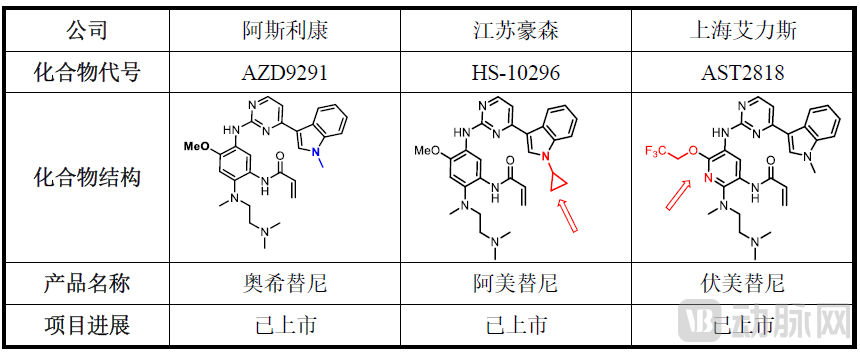
EGFR plays a pivotal role in various solid tumors, offering broad avenues for exploration. Differentiated molecular designs, such as small molecules, bispecific antibodies, and antibody-drug conjugates (ADCs), provide benefits to diverse patient populations. Preliminary clinical data on MRG003 demonstrate therapeutic responses in lung cancer patients resistant to both first-generation and third-generation EGFR inhibitors, as well as in those with EGFR mutation-negative lung cancer. This suggests that MRG003 may benefit a broader spectrum of lung cancer patients. We look forward to its subsequent clinical validation and timely market approval to improve patient outcomes.