

RuiKai Group Unveils IPO Prospectus: Accelerating the Integration of Industry, Academia, and Research in China's Healthcare Innovation Ecosystem
“The next decade will be a golden age for the development of life sciences, with the potential to even surpass the impact brought by the information technology industry,” said Liu Haoran, Executive Director and Head of China at RayCare. With the convergence of artificial intelligence, big data, and life health, coupled with breakthroughs in fields such as cell therapy and gene technology, the healthcare industry has witnessed unprecedented development opportunities in recent years.
As Liu Haoran stated,The healthcare industry in China is indeed booming.
From a policy perspective, the introduction of the "Healthy China 2030" Planning Outline, which emphasizes prevention first, followed by healthcare reform measures such as the separation of prescribing and dispensing, the tiered diagnosis and treatment system, and centralized drug procurement, and further to the State Council’s issuance of the "Opinions on Deepening the Reform of the Review and Approval System to Encourage Innovation in Drugs and Medical Devices," have all served to distribute policy dividends and accelerate the development of the healthcare industry.
Meanwhile, biopharmaceutical industrial parks are blossoming across China, with local governments vigorously supporting their construction and development. Key measures include encouraging investment attraction, fostering product innovation and R&D, and promoting the commercialization of scientific achievements, thereby making “chips” and “pills” the two most critical “pieces” in China’s current stage of development.
In terms of investment and financing, according to relevant data from VCBeat’s “2020 Global Healthcare Industry Capital Report,”In 2020, the total financing in China's healthcare sector reached a record high of RMB 162.65 billion, representing a 58% year-on-year increase from 2019.
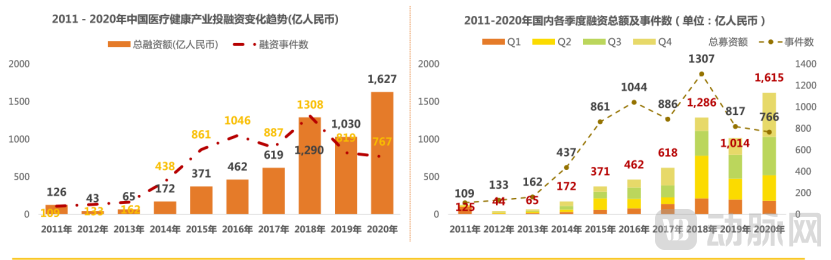
Investment and Financing Status of China's Healthcare Industry in 2020
Source: VCBeat, “2020 Global Healthcare Industry Capital Report”
Building on this foundation, leading investment firm Rui Kai Group, in partnership with The University of Hong Kong Beijing Centre, co-hosted the inaugural Industry-Academia-Research Innovation Forum on Healthcare. The forum brought together prominent figures in the healthcare sector—including Professor Cai Hongbin, Dean of the Faculty of Business and Economics at The University of Hong Kong; Professor Wang Mingwei, former Dean of the School of Pharmacy at Fudan University; Professor Leung Wai Keung, Associate Dean of the Li Ka Shing Faculty of Medicine at The University of Hong Kong; Mr. Wang Yinxiang, Chairman of Jacobio Pharmaceuticals; and Mr. He Weiwu, Founder of Genetron Health—to jointly explore academic and industrial breakthroughs and innovations in fields such as biotechnology and digital health. By harnessing the collective strength of the industrial ecosystem, the forum aims to streamline industry-academia-research collaboration in China’s healthcare sector, facilitate the practical application of innovative technologies and ideas, and drive source-level scientific research innovation through industry demands.
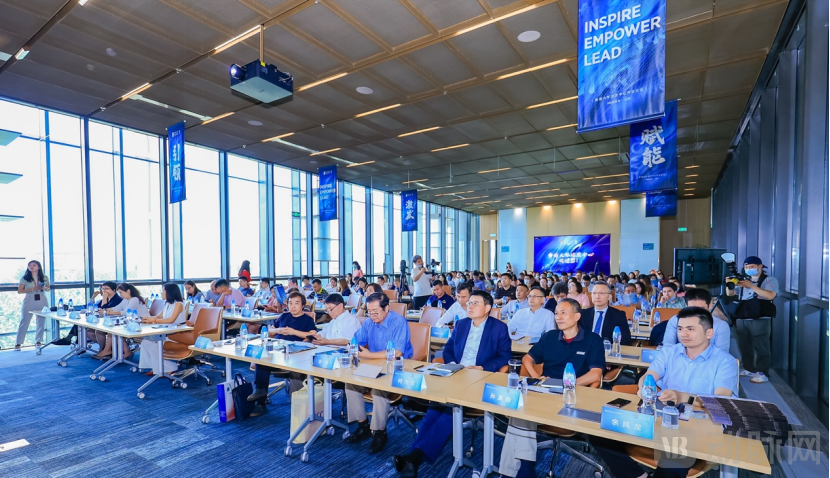
On-site at the Innovation Forum on Industry-Academia-Research Collaboration in the Healthcare Sector
In his opening remarks, Mr. Liu Haoran stated that, compared with the past, current scientific research achievements are exerting a more direct and rapid impact on industry, thereby generating greater social benefits.The transition from “scientific research” to “technology” and then to “products” has become more efficient. In particular, the development and application of science in the healthcare sector are poised to enter a golden age of growth. China’s top universities have accumulated robust scientific research capabilities, and the government has introduced a series of incentive policies.。China Is Building a Vast Ecosystem Centered on Healthcare InnovationAs a branch of the Ruikai Group, Ruikai China has its investment roots in overseas primary-private and secondary markets. It is dedicated to promoting the translation of academic research into industrial applications in the healthcare sector, aiming to collaborate with top universities, research institutions, and leading enterprises to establish a value-driven platform for industry-academia-research integration. This serves as the foundational rationale for co-hosting this forum with the Beijing Center of The University of Hong Kong.
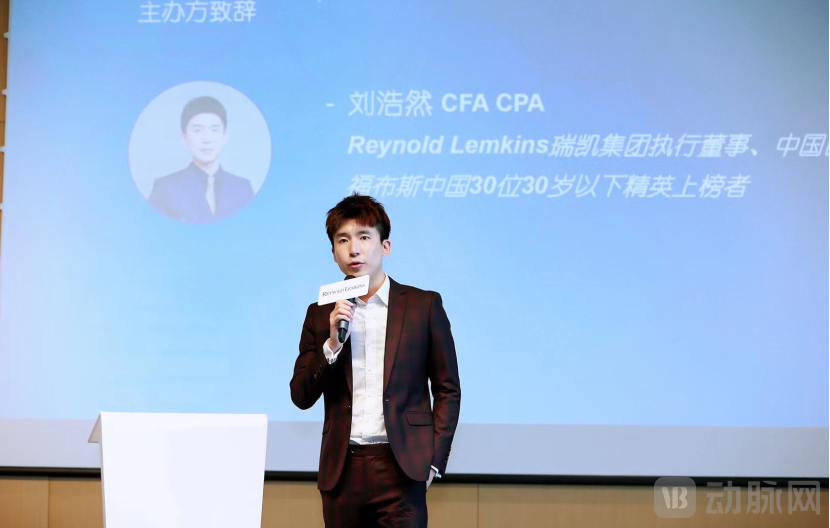
Liu Haoran, Executive Director and Head of China Region at Ruikai Group
“Currently, the life sciences we focus on mainly consist of two fields: agronomy and medicine. Agronomy aims to address the basic needs of food and clothing, which have largely been met in China. Medicine, on the other hand, concerns the health of the people. Once you are well-fed and in good health, you begin to aspire for longevity,” said Wang Mingwei, and within this context, the treatment of tumors has always been particularly important in every era. “The treatment of tumors is essentially an issue of immunity.”
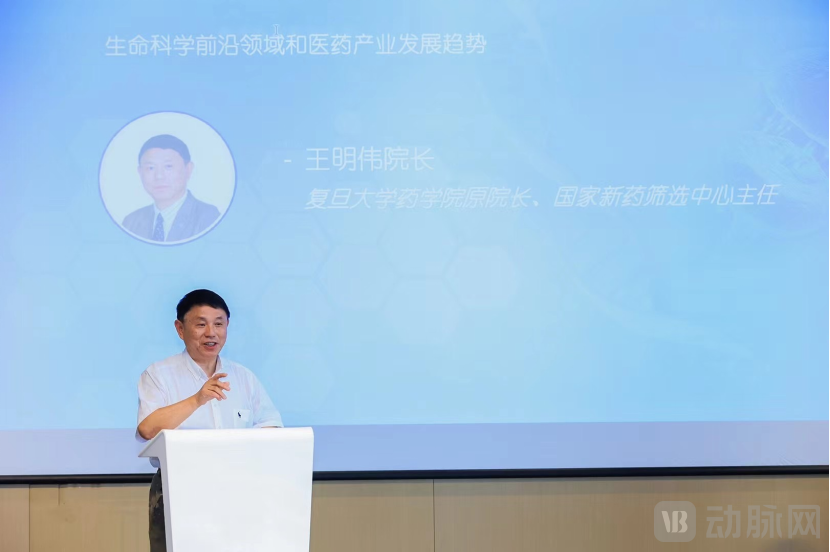
Professor Wang Mingwei, Former Dean of the School of Pharmacy, Fudan University
According to Wang Mingwei, tumor immunotherapy refers to the use of the human body’s own immune mechanisms to enhance patients’ immune function and overcome the immunosuppressive effects of tumor cells through active or passive approaches, thereby achieving the goal of killing tumor cells. It is one of the biological treatment methods.Currently, there are two main approaches to tumor immunotherapy: one is to enhance the immune response, and the other is to break immune tolerance.
“Among these, there are two major directions: one is CAR-T therapy, and the other is immune checkpoint inhibitors,” said Wang Mingwei.
It is understood that CAR-T represents the latest advancement in adoptive cell therapy. Its mechanism of action involves genetically engineering patients’ T lymphocytes to express functional genes that recognize tumor-specific targets, thereby enabling the T cells to identify tumor cells and become tumor-specific T cells. This approach offers superior therapeutic efficacy with minimal side effects.
Furthermore, Wang Mingwei also stated that,Beyond oncology therapeutics, trends in the biotechnology industry will include big data and artificial intelligence, research and application of the gut microbiota, gene-editing technologies, and the development of multi-target drugs.
Specifically,Wang Mingwei believes that big data will continue to empower the healthcare industry, reducing medical costs and improving clinical outcomes. However, as data applications involve national security and personal privacy, data protection and compliance are paramount. With the continuous advancement of artificial intelligence (AI), AI-driven “robotic medicinal chemists,” AI “biologists and chemists,” surgical robots, and nursing robots will become feasible. Furthermore, given the close link between the human gut microbiota and health, industries related to gut microbiota—such as microbial testing, probiotic libraries, and microbiome-based therapies—are gradually taking shape.
Furthermore, although gene-editing technology has been misused by unethical scientists, its applications will still transform the world in the following five areas: correcting disease-causing genetic mutations; combating infectious microorganisms; reviving extinct species; creating novel healthy foods; and eradicating highly hazardous pests.
Furthermore,Wang Mingwei stated that rapidly evolving new technologies, such as wearable devices, 3D printing, and proteolysis-targeting chimeras (PROTACs), represent key industry trends warranting close attention.
“We know that there are many types of disease manifestations in cells, butOnly 20%-30% of targets are truly druggable, and 70%-80% of these have already been developed into drug targets.“Wang Yinxiang stated, in other words,”Despite the fact that undruggable targets are being conquered bit by bit with advancements in science and technology, the development of anti-tumor drugs has still entered an era characterized by undruggable targets.
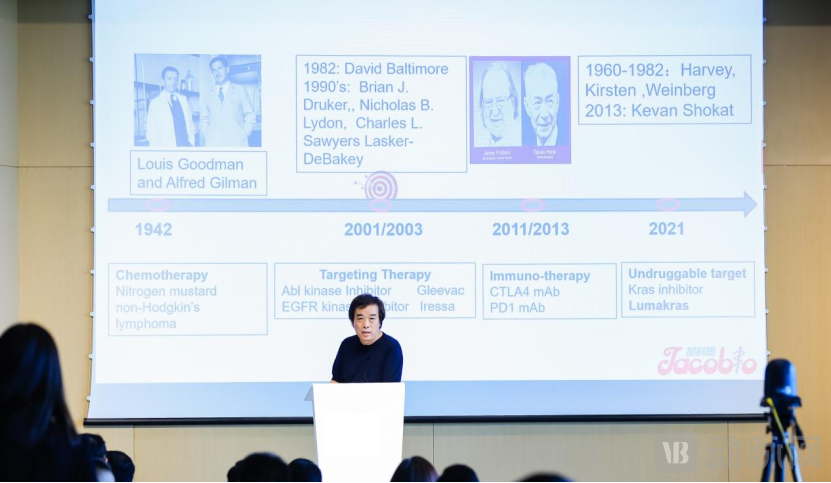
Dr. Wang Yinxiang, Chairman and CEO of Jacobio Pharmaceuticals
In fact,“There is a wealth of public information in the field of oncology. From a biological perspective, certain targets are known to be associated with cancer, yet they have not been successfully developed into drugs. This presents significant opportunities for many biotech companies in China,” added Wang Yinxiang. “You do not necessarily need to engage in original target discovery; instead, you can develop drugs against undruggable targets. This, too, constitutes an important form of original innovation.”
“Moreover, in the field of oncology, the development history of each drug is extremely long, fraught with numerous uncertainties, setbacks, and failures,” emphasized Wang Yinxiang.
Taking KRAS as an example, Peyton Rous of the Rockefeller Institute first discovered RSV (Rous sarcoma virus) in 1910, for which he was awarded the Nobel Prize in 1966;
Subsequently, in the 1960s, Harvey and Kirsten et al. independently discovered the murine tumor genes HRAS and KRAS, which are carried by retroviruses similar to RSV.
In 1982, HRAS was also discovered in human bladder cancer cell lines T24 and EJ by Weinberg’s laboratory and others, making RAS the first identified human oncogene;
The KRAS gene belongs to the RAS gene family. Since its discovery in 1954, 19,644 relevant publications have been indexed in PubMed, with 15,000 of them published in the past decade.
KRAS mutations are widely distributed across various types of tumors. Why were they once considered an “undruggable target”? The reasons are as follows:
However, in 2013, Kevan Shokat’s laboratory at the University of California, San Francisco (UCSF) published a paper that reported for the first time the feasibility of a small-molecule covalent targeting strategy for KRAS G12C and identified a previously undiscovered “Switch-II pocket” on KRAS, achieving a breakthrough in KRAS research.
“The next hotspot is likely to be overcoming KRAS G12D, which accounts for 80% of pancreatic cancer cases.”Wang Yinxiang shared that pancreatic cancer is currently the only malignancy for which chemotherapy remains the sole therapeutic option, earning it the title of the “king of cancers” due to its extreme refractoriness. Therefore, in the coming years,We look forward to the advancements in KRAS research, and even more so to the day when we can harness KRAS-targeted therapies to treat pancreatic cancer, the “king of cancers.”
“At the time of the founding of the People’s Republic of China, the average life expectancy of Chinese people was only in their early 30s. However, with advances in biotechnology, living beyond 100 years will become possible,” said He Weiwei, founder of Genetron Health, at the conference. He compared the human body to a machine, noting that as long as one is alive, various risks emerge that can lead to premature death. “But by leveraging modern technology, we can identify and manage these risks, making it not so unusual to live to 100.”
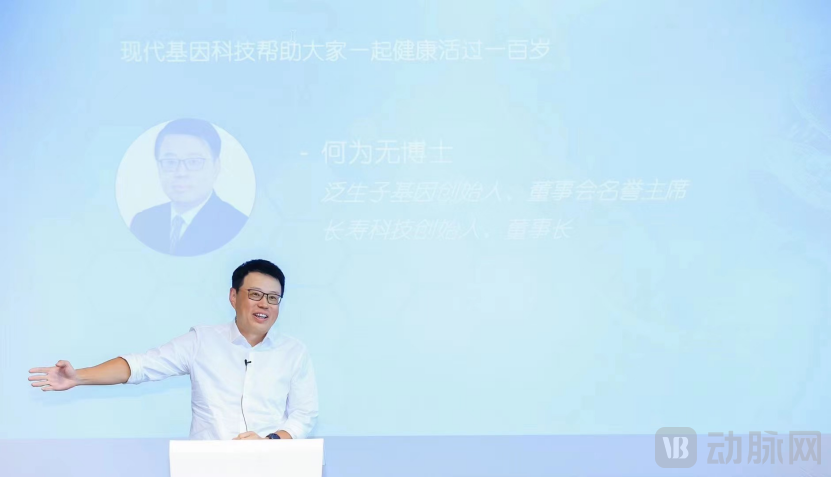
Dr. He Wei-Wu, Founder of Genetron Health and Longevity Technology
“Longevity is a technology,”What Is the "Non-Sharing Pathway"? This Technology Can Be Divided into Two Categories: One Called "Auto Repair Technology," and the Other Called "High-End Health Preservation Technology."
Specifically, “Auto Repair Technology” likens human life to a Mercedes-Benz vehicle: when problems arise, one can seek maintenance at an authorized 4S dealership to extend its lifespan. In contrast, high-end healthcare technology refers to the application of modern science and technology for preventive health management—addressing potential illnesses before they manifest—with the aim of achieving longevity.
So, What modern technologies can support health management and promote longevity?
What is Wu Renwei’s view? First, early cancer screening has become a reality; second, imaging technologies are becoming increasingly advanced; and third, liquid biopsies are emerging. “If these three technologies are leveraged to their fullest potential, I personally believe that 90% of cancers can be prevented.”
It is understood that Longevity Technology Co., Ltd., founded by He Wei, has already initiated relevant strategic deployments. For instance, the company invested in a U.S.-based human longevity firm, leveraging a state-of-the-art healthcare data analytics center to provide customized health solutions for over 5,000 high-end clients. It also launched the “Longevity Baijia” solution, dedicated to helping its clients live beyond 100 years of age. Furthermore, in 2019, the company partnered with Massachusetts General Hospital, a teaching hospital of Harvard University, and Siemens to build a globally leading-edge technology platform.
In terms of tumor risk management, the solutions offered by Human Longevity Inc. (HLI) primarily consist of three key components: genomic monitoring, imaging screening, and liquid biopsy.
Among these, whole-genome sequencing and interpretation involve using high-throughput sequencing platforms to perform whole-genome sequencing on different human individuals or populations, and comprehensively mining genetic variations at the DNA level at the individual or population level, thereby providing important information for screening cancer driver genes and studying the pathogenesis of cancer;
Whole-body MRI scan analysis of imaging data enables quantitative brain analysis to detect signs of Alzheimer’s disease and other neurological disorders, while detailed cardiac scans, including assessment of cardiac structure and quantitative functional analysis, along with whole-body scanning, can detect solid tumors in various organs.
By collecting body fluid samples such as blood, effusions, urine, and saliva, and detecting biomarkers in these samples, early auxiliary diagnosis of tumors can be performed, guiding clinical medication, among other applications.
“Through modern technology, we have made it possible to realize Bian Que’s original concept that ‘the superior physician treats disease before it arises.’ The future of healthcare management will undoubtedly be defined by this principle,” He Wei concluded.
In addition to inviting distinguished guests to deliver keynote addresses, the forum also featured two panel discussions. The first panel included Zhang Dan, Chairman of Kinlong Pharma; Ting Jia “TJ,” Founder of Octagon Capital (USA); Bao Jun, CEO of Imprint Therapeutics; Sun Jigang, Founding Partner of Haisong Medical Fund; and Xu Mingyan, Founder of Helios Genomics. The second panel featured Yang Wenlin, Vice President of Zhiyun Health; Yu Weishi, Founder of Saifu Gene; Zhang Jingnan, General Manager of Sinopharm Medical Supply Chain and Chairman of Future Shunlian; Yu Chunlong, Founder of Yikang Hulian; and Zhang Lei, CMO of Shukun Technology, among others.
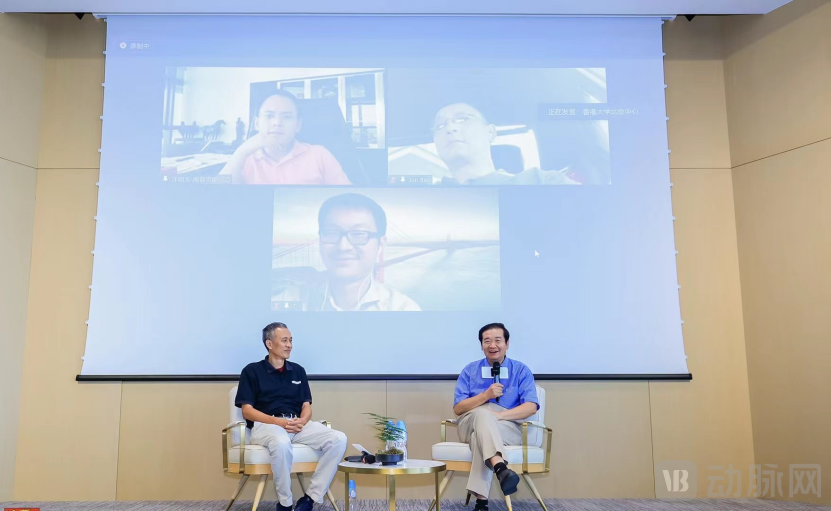
Roundtable Forum Scene
Regarding the industry’s development trends over the next 3–5 years,Sun Jigang stated, “In the future, opportunities will certainly far outweigh challenges. Specifically, the biopharmaceutical industry has its own systemic characteristics; for instance, changes in the capital market may lead to biopharmaceutical companies being listed or delisted, which in turn affects investors’ assessment of these enterprises.”“Therefore, in China, whether engaging in business operations or investment, one must first maintain unwavering confidence and second remain highly attuned to policy developments.”
Bao Jun also stated that the accelerating aging of the population means a higher burden of disease, implying that professionals in the biopharmaceutical industry still face significant responsibilities. “On one hand, driven by market demand, I believe the biopharmaceutical industry is poised for a very promising future over the next 20 to even 30 years. On the other hand, compared with developed countries in Europe and the United States, China’s biopharmaceutical sector still lags behind to some extent, and this gap will motivate practitioners to bridge it through diligent effort and perseverance.”
Furthermore, the selection of investors also emerged as a key topic of discussion at the forum. Xu Mingyan, founder of Heplos, stated that the company selects investors based on its varying developmental stages and specific needs. “To date, the company has completed four rounds of financing. In the first round, our primary consideration was the efficiency of the investors; in the second round, we focused mainly on the influence and resources of the capital. For subsequent rounds, greater emphasis was placed on whether the investors possessed local resources capable of facilitating the implementation and commercialization of our projects or products,” Xu Mingyan explained.
andZhang Dan stated that the valuation offered by investment firms was not his sole consideration. “I place greater emphasis on whether they can bring added value beyond capital, such as irreplaceable client resources, talent, and professional teams, and whether they can help the company achieve internationalization.”
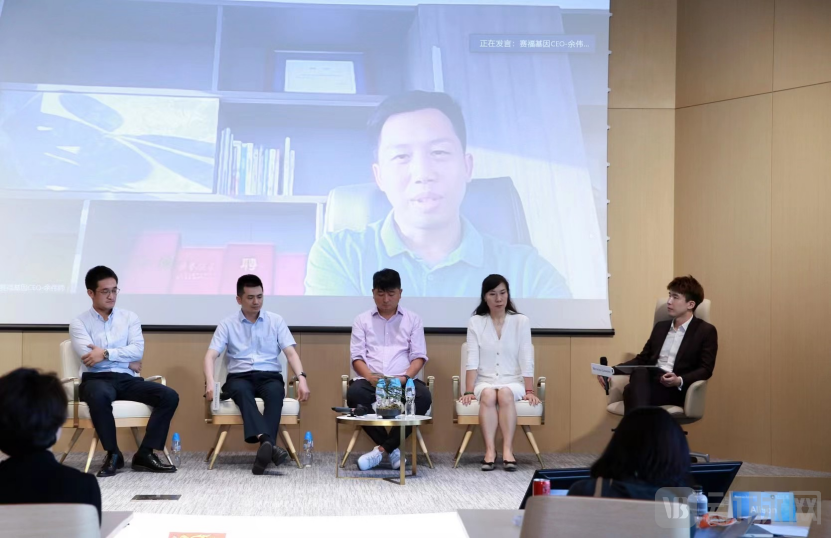
Roundtable Forum On-Site
Regarding AI and pharmaceutical innovation, Yang Wenlin, Vice President of Zhiyun Health, stated that Zhiyun’s products, in simple terms, provide SaaS services to more than 2,000 hospitals and 150,000 pharmacies across China. Leveraging its substantial traffic entry points, Zhiyun has achieved online management of the largest population of chronic disease patients in China.
“Based on this model, we need to achieve a high degree of coordination across the entire industry chain. The core logic is to leverage artificial intelligence as support, with big data serving as our most important new factor of production and a critical energy source.”Yang Wenlin stated that the industry’s competitive landscape remains intensely crowded; only when “your product is strong enough, your technology is advanced enough, your operations are solid enough, and you can generate sustainable internal cash flow” will capital chase after you.
As one of the organizers of this forum,What Ruikai Group advocates is value management, aiming to fully leverage its professional expertise, resource advantages, and role as a capital hub in the financial industry while striving to promote the translation of scientific research and academic achievements into industrial applications.“Beyond sparing no effort to drive the translation of academic and research achievements into industrial applications, we aspire to be a navigator of corporate value. We aim to help enterprises identify new starting points across multiple dimensions, including capital strategy, and to establish a sustainably rising market valuation in the ever-changing public markets. This is our mission and vision.”