

Fulfilling 1,000 Dreams of Healthy Births: China Association for Promotion of Optimal Birth and Beikang Medical Launch Nation's First Large-Scale Public Welfare Project for Rare Disease Families
For most families, having a healthy baby is almost a matter of course. However, for couples with rare genetic disorders, it represents a lifelong dilemma and longing.

Rare diseases, also known as "orphan diseases," are defined by the World Health Organization as a category of diseases with a prevalence rate below 0.65‰–1‰.1, generally onset in early life, lengthy diagnostic process, often life-threatening, with only 5% of rare diseases having available treatments. Statistical data shows that the total number of rare disease patients in China is approximately 20 million, with over 200,000 new cases added each year.2。
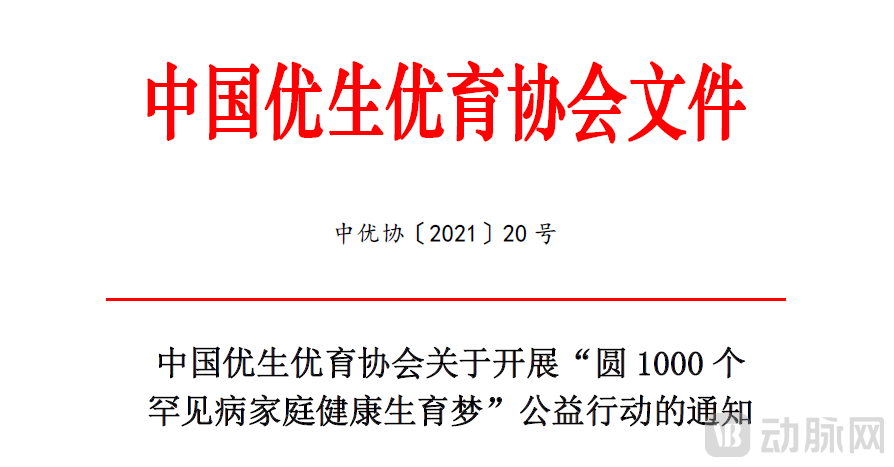
July 15, 2021, Suzhou, China – To support the implementation of the Healthy China Strategy, promote scientific eugenics, and enhance attention to and support for the prevention of rare diseases, the China Association for Maternal and Child Health Studies, in partnership with Suzhou Beikang Medical Co., Ltd., launched the public welfare campaign “Fulfilling the Dream of Healthy Reproduction for 1,000 Families Affected by Rare Diseases.” Guided by the original intention of evoking genuine emotion and conveying care, this initiative marks China’s first public welfare project specifically dedicated to helping couples affected by rare diseases achieve their dreams of healthy reproduction.
It is reported that the public welfare initiative “Fulfilling the Dream of Healthy Reproduction for 1,000 Rare Disease Families” will provide free preimplantation genetic diagnosis (PGD) for monogenic disorders to 1,000 rare disease families across China. By leveraging advanced PGD technology to block pathogenic genes associated with rare diseases, the initiative aims to help couples with genetic defects have healthy children. Meanwhile, through science popularization and project implementation, it seeks to disseminate the concepts and scientific technologies of primary prevention of rare diseases throughout society, strengthen the medical support network for rare disease prevention and control, and commit to improving the overall population quality of the nation.
China Association for Healthy Birth and Child Rearing“The strength of our youth determines the strength of China. Eugenics and healthy reproduction are vital to the well-being of countless families and the future of the Chinese nation, and have become a critical national strategy against the backdrop of declining birth rates. With continuous advancements in medical technology and the rapid improvement of healthcare services, we have recognized the urgent need for healthy childbirth among families affected by rare diseases and possess advanced technologies to address this need. The launch of the ‘Dream Come True’ public welfare initiative aims to pool resources and efforts from the government, hospitals, enterprises, and all sectors of society to reduce the incidence of birth defects, alleviate the burden on the public health system, and help more families with rare diseases realize their dream of having healthy babies.”
Dilemma and Breakthrough
Studies show that approximately 72% of rare diseases are caused by structural alterations or regulatory abnormalities in genetic material and are hereditary.2When both spouses carry the same defective gene, their offspring are at risk of developing a rare disease. Should couples affected by rare diseases have children? Can couples who have already given birth to a child with a birth defect still have a healthy child? These questions plague all families affected by rare diseases.
In recent years, societal attention to rare diseases has been steadily increasing. The 2019 Government Work Report pointed out that strengthening the prevention and treatment of major diseases, such as cancer and rare diseases, is crucial to the well-being of hundreds of millions of people, and emphasized the need to ensure medication access for approximately 20 million patients with rare diseases. From incorporating incentives for rare disease drug research and development into national plans, to the issuance of policy documents such as the “Opinions on Deepening the Reform of the Review and Approval System to Encourage Innovation in Drugs and Medical Devices,” which introduced measures supporting the R&D and market launch of rare disease medications, to the publication of the first National List of Rare Diseases, the establishment of the Chinese Alliance for Rare Diseases, and the formation of a collaborative network for rare disease diagnosis and treatment, these efforts collectively demonstrate the Chinese government’s high level of commitment and active promotion of rare disease prevention and control, achieving significant breakthroughs and progress.
“On one hand, the state is continuously optimizing its fertility policies to actively respond to the trend of population aging; on the other, patients with rare diseases face a dilemma in their desire to have children.”Director Sun Yun, Renji Hospital Affiliated to Shanghai Jiao Tong University School of Medicine“In this regard, it is stated that ‘patients with rare diseases, just like the general population, have the expectation and right to healthy reproduction. Our role is to leverage advanced medical technologies to help them have a healthy child.’”
“Prenatal diagnosis and third-generation IVF technology to the rescue.”Director Sun Yun, Renji Hospital Affiliated to Shanghai Jiao Tong University School of MedicineTo elaborate further, the majority of rare diseases are genetic disorders, particularly monogenic diseases. If physicians can diagnose a patient’s condition at the single-gene level, then most genetic diseases with identified etiologies can be prevented from being transmitted across generations through technical means. Among these, third-generation in vitro fertilization (IVF) technology, specifically Preimplantation Genetic Diagnosis (PGD), involves testing embryos prior to implantation and selecting those completely free of pathogenic genes for transfer. This approach serves as an effective pathway for families affected by rare diseases to thoroughly eliminate the risk of hereditary transmission and currently represents the most effective primary preventive measure for blocking the inheritance of rare diseases.
“The National Health Commission, in its document ‘Development of Prevention, Control, and Assurance for Rare Diseases in China,’ mandates the provision of preimplantation genetic diagnosis (PGD) services to high-risk families with rare diseases who seek eugenic outcomes, thereby interrupting the intergenerational transmission of genetic disorders.”China Association for Healthy Birth and Child Rearingstated, “This public welfare initiative is a direct response to national directives, providing free preimplantation genetic testing for monogenic disorders to rare disease families across China who have needs related to healthy reproduction.”
Technical Safeguards: Turning Dreams into Reality
Among the three current categories of assisted reproductive technologies, third-generation in vitro fertilization (preimplantation genetic diagnosis for monogenic disorders) is an early pre-conception screening method that involves testing early-stage embryos for monogenic genetic diseases to analyze whether they have genetic abnormalities. By selecting normal embryos for uterine implantation to achieve a healthy pregnancy, this technology not only enables couples to conceive but also promotes eugenics to some extent, helping couples with defective genes give birth to healthy offspring. In addition, it provides options for healthy reproduction for couples who require in vitro fertilization due to fertility issues.
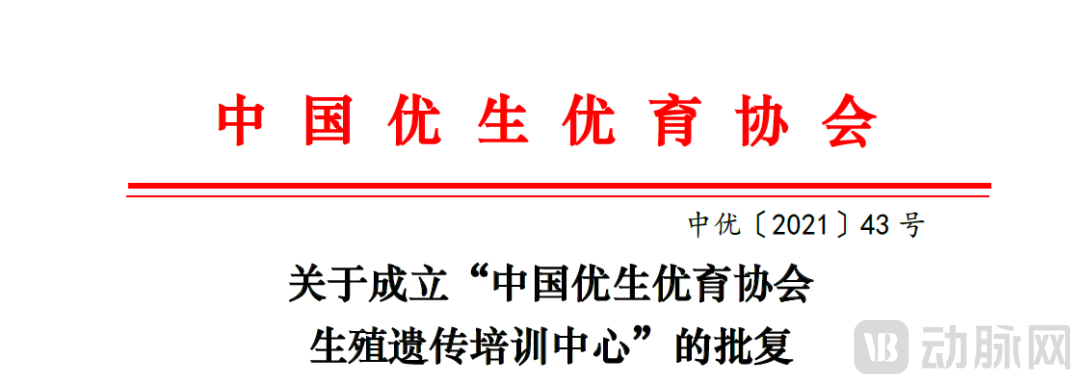
It is reported that Suzhou Beikang Medical will provide 1,000 free testing kits, with a total value of approximately RMB 15 million, for this public welfare project. Meanwhile, to better promote the adoption of preimplantation genetic testing (PGT) technology, the Reproductive Genetics Training Center of the China Association for Maternal and Child Health Studies was established in Suzhou with support from Suzhou Beikang Medical. The center will subsequently facilitate the implementation and advancement of the public welfare initiative by providing comprehensive training to relevant medical personnel at hospitals, covering areas such as genetic counseling, embryo biopsy, testing technologies, and standardized operational procedures.

Dr. Liang Bo, Chairman of Suzhou Beikang Medical Co., Ltd.stated, “We are deeply honored to partner with the China Association for Healthy Birth and Child Rearing in joining this public welfare initiative dedicated to helping couples affected by rare diseases realize their dreams of healthy childbirth. As the first domestic developer and manufacturer of a third-generation IVF PGS (Preimplantation Genetic Screening) test kit to obtain a Class III medical device registration certificate, we are even more acutely aware of the historical mission we bear. Looking ahead, Beikang Medical will remain steadfastly committed to innovative research and development. While providing advanced technologies and products, we will continue to enhance public awareness of assisted reproductive technologies, help more couples with such needs have healthy babies, support the implementation of national policies on healthy birth and child reening through concrete actions, and contribute Beikang Medical’s strength toward achieving the ‘Healthy China 2030’ goal, which prioritizes the health of the people.”
Data Source:
[1]On March 9, 2019, the Xinhua News Agency client published the report “Rare Diseases: How Much Do You Know?”
[2] Statistical Data from "China Rare Disease Industry Observation" (2021)
About Beikang Medical
Beikang Medical is a leading provider of clinical solutions for third-generation in vitro fertilization (IVF) in China’s assisted reproductive technology sector. Listed on the Main Board of the Hong Kong Stock Exchange (Stock Code: 2170.HK), the company is dedicated to the research, development, and clinical application of high-throughput sequencing technologies in reproductive health. Its mission is to enable infertile patients to conceive, help carriers of familial genetic disorders achieve eugenic outcomes, and empower more families to have healthy children.