

Riding the New Wave: Navigating the Next Surge in Digital Healthcare
The wave of the digital healthcare sector has never ceased since it began.
During the COVID-19 pandemic, digital healthcare became deeply integrated into numerous aspects of care delivery, creating substantial application opportunities while effectively supporting epidemic prevention and control. Typical use cases, such as internet-based healthcare, have further facilitated the development of a more robust and in-depth industrial ecosystem for digital healthcare.
Digital healthcare, which bears on the health and lives of the public as well as societal and economic well-being, has acquired broader significance atop the foundation of medical digitalization. From a global perspective, all healthcare systems face the challenge of achieving an optimal balance among three variables: quality of care, accessibility of services, and cost of care. There is a widespread transition from volume-based to value-based payment models, with “value-based medicine” emerging as a global consensus. In China, digital healthcare is being deeply perceived, directly or indirectly, by its 1.4 billion people. A “habitual mindset” toward digital healthcare may already have taken hold, and the three key contextual elements—policy, market, and data—will be further strengthened and refined.
Digital healthcare is an increasingly large and diversified sector within the broader health industry. Some players have invested heavily in this field, yet they are still searching for clear business models or striving to understand the core essence of digital healthcare products. However, no one can provide definitive answers regarding the development trajectory of the digital healthcare industry or the future prospects of digital healthcare in China. Precisely because the landscape remains unsettled, some individuals are beginning to break free from rigid mindsets, undeterred by challenges, to seek optimal healthcare solutions under objective conditions.
Currently, Hangzhou, an innovative city committed to building itself into China’s “No. 1 City” for the digital economy, has already achieved remarkable results in its exploration of medical innovation.
Over the past two decades, Hangzhou has given rise to Alibaba, a global technology giant, as well as renowned digital health companies such as WeDoctor, DXY, Jianhai Technology, Weimai, and Zhuojian Technology. Coupled with globally prestigious academic institutions like Zhejiang University and Westlake University, this demonstrates that Hangzhou possesses sufficient capability and technical expertise to support and foster the implementation of emerging technologies.
To address the capital requirements of the industry, Hangzhou has established a biomedical industry investment fund with a scale of tens of billions of yuan and encouraged financial institutions to innovate their support mechanisms for the medical technology sector. Coupled with highly active private capital, Hangzhou boasts substantial capital support and significant market potential. In terms of the industrial environment, the government provides proactive services and allocates comprehensive public resources for innovation and entrepreneurship, such as platform carriers and policy frameworks, thereby driving the rapid growth of technology-based enterprises in Hangzhou. Regarding market demand, the open, positive, and inclusive attitudes of medical institutions and physicians toward new technologies and products have further positioned Hangzhou as an incubator for medical innovation.
In summary, it is evident that Hangzhou has established a solid ecological foundation in the field of digital healthcare. However, the city is clearly not content to rest on its laurels. To create a platform for exchange and collaboration among government, industry, academia, research institutions, medical providers, and investors, Hangzhou is also actively promoting major industry summits.
From July 28 to 29, the First Hangzhou Summit of Zhejiang Province’s Digital Medical and Health Industry, held as part of the 23rd China Zhejiang Investment and Trade Fair (CZITF) and co-organized by AstraZeneca together with provincial and municipal government departments including the Zhejiang Provincial Department of Commerce, was successfully convened. The summit linked and aggregated resources from multiple stakeholders, injecting new momentum into digital healthcare and jointly building a government-enterprise collaborative ecosystem platform characterized by digital medical solutions. Notably, as a specialized session of CZITF, this event marked the fair’s inaugural exploration into vertically segmented industry sectors, holding significant implications for enhancing the diversity and richness of future editions.
As the host of this conference, Gongshu District is also doing its utmost to contribute to various sectors of the industry. In terms of top-level design, it has introduced relevant policies and specific measures to improve industrial supporting facilities and create a favorable policy environment. In terms of practical implementation, it has established an International Life Science Innovation Park featuring digital healthcare and collaborated with industrial funds to provide full-chain services for innovation and entrepreneurship projects, including project development, enterprise incubation, and industrial cultivation.
The conference kicked off with warm opening remarks by Sheng Qiuping, Party Secretary and Director of the Zhejiang Provincial Department of Commerce, and Liu Xin, Deputy Secretary of the Hangzhou Municipal Committee of the Communist Party of China and Mayor of Hangzhou.
At the conference, the Hangzhou International Life Science Innovation Park (iCampus), a life science innovation incubation platform jointly built by the Hangzhou Municipal Government and the Gongshu District Government in collaboration with AstraZeneca, was officially launched alongside the inauguration of AstraZeneca’s China Eastern Headquarters.
On the day of the conference, the Innovation Park welcomed its first five tenant companies: Shenzhen Zhi Technology, Zeqiao Doctor, Yijiayi, Pashanhu Society, and Yaocheng Technology. Additionally, nine new enterprises—Huiyi Tianxia, Huizhong Technology, Zunyi Intelligence, New Curve Star, Zhongruifuning, Julu Medical, Yongliu Technology, Youyong Industrial, and Zhongan International—signed letters of intent with the park, aiming to accelerate their development under its incubation support. Meanwhile, the Hangzhou International Life Science Innovation Park also signed a cooperation agreement with the Swedish health-tech incubator H2 (Health Hub). Leveraging H2’s expertise in artificial intelligence and other emerging technologies, as well as its experience in innovative incubation, this partnership will facilitate the Hangzhou Innovation Park’s further exploration of international development and promote the dual circulation of domestic and global innovation.
Furthermore, the AstraZeneca CICC Healthcare Industry Fund announced that it has signed letters of intent for cooperation with municipal and district-level government guidance funds in Hangzhou. Hangzhou High-Tech Investment and Hangzhou Gongshu District Industrial Investment plan to jointly participate in the AstraZeneca CICC Healthcare Industry Fund partnership. By leveraging the collaborative efforts of government, industry, and investment sectors, the parties aim to jointly promote innovative development in China’s healthcare industry. This collaboration also marks a further deepening of the fund’s regional footprint. Going forward, the fund will provide full-cycle empowerment support—from R&D to commercialization—for innovative companies in the healthcare sector during their incubation and growth stages.
Also unveiled on the day was AstraZeneca’s “Digital Healthcare Innovation Center.” During the event, the Digital Healthcare Innovation Center signed agreements with 12 ecosystem partners, including Omron Healthcare (China), Gerui Health, Zhenfu Health, Donglan Trading, Julu Medical, Xiangsheng Medical, Deepwise Medical, Xin Hongmei Medical, Shangwo Medical, Bairui Medical, Qingdao Future, and Haha Medical, to jointly promote the development of the distinctive digital healthcare sector in the Yangtze River Delta region. Meanwhile, the Digital Healthcare Innovation Center welcomed Neptune Star as a new tenant, empowering it to build “Smart Pharmacies.” This collaboration closely centers on patient needs, integrates resources both within and outside hospitals, and strives to provide more comprehensive medication access channels along with integrated management for various diseases and health conditions, thereby setting a benchmark for new retail in the pharmaceutical industry. In addition, the China Smart Health Innovation Center welcomed an important fund partner by signing a cooperation agreement with the CITRIS (China) Institute at the University of California, Berkeley (in preparation). The two parties will join forces to achieve strong synergy and mutual development in the biomedical field. The establishment of the Digital Healthcare Innovation Center complements the “China Smart Health Innovation Center,” launched in 2017, and is dedicated to developing an innovative integrated diagnosis and treatment model in the Yangtze River Delta region.
Additionally, the “General Practice Digital Healthcare Incubation Center” was officially unveiled on the same day. Leveraging the high-quality general practice resources in the Yangtze River Delta region, the center will build a real-world database centered around the “Digital Chronic Disease Early Screening Center,” “Digital Chronic Disease Management Center,” and “Digital Research Translation Center,” creating a new model that empowers community healthcare with advanced technologies. This initiative aims to ensure that digital healthcare services in communities and homes truly meet the needs of the broader grassroots population, forming an integrated nationwide digital healthcare ecosystem network in the field of general practice.
Zhejiang boasts a robust foundation for its digital healthcare economy, with Hangzhou emerging as a hub specializing in three key areas: new drug R&D, medical devices, and medical data. As a national benchmark city for the digital economy, Hangzhou has already achieved significant breakthroughs in medical innovation. Gongshu District, serving as Hangzhou’s pioneer demonstration zone for the digital healthcare industry, has created a favorable policy environment and comprehensive industrial support services for innovative enterprises such as AstraZeneca. This provides strong support for collaborating with partners to build a “patient-centric” innovative ecosystem for the healthcare industry. Wang Lei, Global Executive Vice President of AstraZeneca and President of International Operations and China, stated, “In the future, AstraZeneca will continue to deploy high-quality resources locally, stimulate regional industrial synergy and innovation potential, leverage the bridging role of leading multinational pharmaceutical companies, actively promote regional economic development and the dual-circulation strategy, and fully support Hangzhou in becoming a globally influential hub for the digital healthcare industry.”
We believe that 2018 marked the beginning of the second wave of digital healthcare. Prior to this, discussions around internet healthcare and digital healthcare largely centered on the fervor among startups and investors. However, since 2018, traditional medical institutions, industry giants, and government agencies have entered a phase of awakening. Innovation in the healthcare sector has thus shifted from peripheral areas—such as appointment scheduling and online consultations—to more core domains, including internet hospitals and comprehensive digital transformation of hospital operations. With the entry of major tech players, long-closed silos in healthcare informatics and regional healthcare systems are now facing the possibility of being restructured.
To understand the future landscape of digital health, innovation is particularly crucial. In the second wave of digital health, large companies that dare to break with tradition and innovative enterprises with robust vitality are likely to emerge as leaders.
If the industry were to select the most innovative multinational pharmaceutical company, “AstraZeneca” would undoubtedly be the first name that comes to mind. From in-house novel drug development to licensed commercialization, from supporting enhancements in healthcare service capabilities to promoting early screening and diagnosis in county-level regions, from exploring single-channel models to diversifying distribution channels, and from innovation incubation to capital collaboration—AstraZeneca has shattered the stereotypical image of traditional big pharma. It has frequently extended its innovative “tentacles” to pursue cross-sector strategies, engaging in deep collaborations with partners across pharmaceuticals, medical devices, diagnostics, digital health, and investment sectors.
Lei Wang, Executive Vice President of AstraZeneca and President of International Business and China, stated that “patient needs” are not only the key to unlocking AstraZeneca’s cross-sector strategic layout but also the foundational logic behind its construction of a comprehensive healthcare industry chain and an innovation ecosystem.
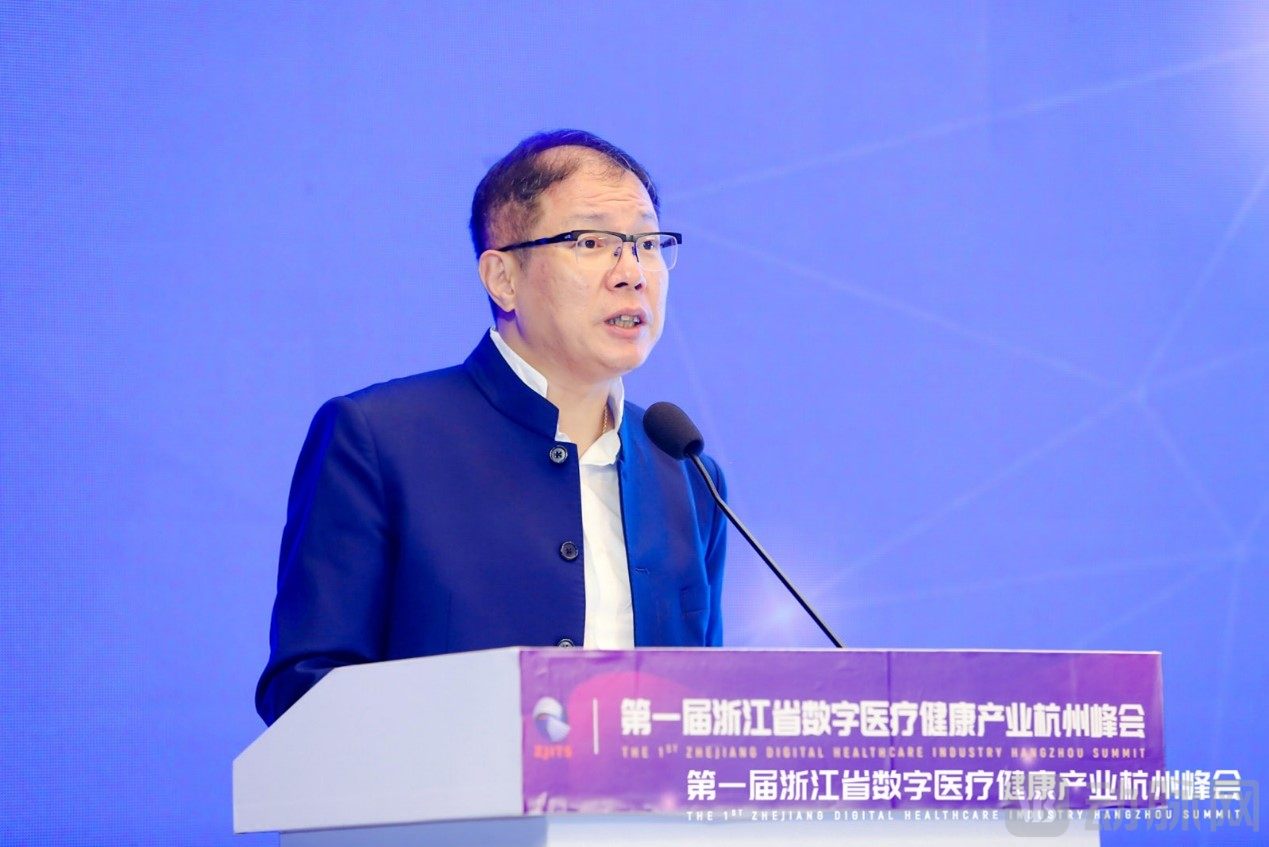
As a platform-based enterprise, AstraZeneca accelerates the delivery of innovative solutions to patients in China and around the world through four key approaches: independent R&D, collaborative development of locally originated innovative drugs, introduction of innovative medicines from both domestic and international markets, and expanded investment in diagnostic devices. As a builder of high-quality medical services, AstraZeneca collaborates with partners to incubate digitally innovative healthcare models and cooperative management solutions, establishing Digital Healthcare Innovation Centers. By adopting a model of joint expert research, industrial co-creation, and shared integration of outcomes, it focuses on innovative solutions for internet healthcare, open digital healthcare laboratories, big data-driven healthcare, integrated digital diagnosis and treatment models, and new retail strategies for pharmacies. As a leader in ecosystem development, AstraZeneca jointly establishes International Life Science Innovation Parks with government entities, providing a one-stop innovation empowerment platform for innovative enterprises both in China and overseas. It also participates in the AstraZeneca CICC Medical Industry Fund in collaboration with Hangzhou High-Tech Investment Group and Gongshu State-owned Capital Investment Group, further deepening its regional layout. Additionally, as an innovator, AstraZeneca leverages internet hospitals and smart pharmacies to integrate online and offline services, enhancing the comprehensive accessibility of high-quality medical care.
Wang Lei stated that, in the future, AstraZeneca also hopes to collaborate synergistically with the Hangzhou Dian Diagnostics ecosystem, Huadong Medicine ecosystem, Tigermed ecosystem, BD (Becton Dickinson) ecosystem, and others, to create a clustering effect among industry leaders. By leveraging the influence of experts and academicians, they aim to drive academic development, technology transfer, and industry-academia-research collaboration in Hangzhou, jointly realizing the vision of “extensive cooperation and shared development.”
Since its inception, Alibaba Group has been continuously seeking new drivers for innovative growth. At the conference, Jing Jie, Vice President of Alibaba Group, delivered a speech titled “Returning to the Essence of Business and Reconstructing Growth Power” from the perspective of enterprise services. In Jing Jie’s view, digital and intelligent transformation is driven by both technology and business operations; however, the greatest challenge for enterprises actually lies in transforming their operational models. If digital and intelligent transformation fails to deliver genuinely higher-efficiency growth for an enterprise, such change will undoubtedly be unwelcome within the organization, lack sustainability, and certainly fail to create new growth momentum for the next decade.
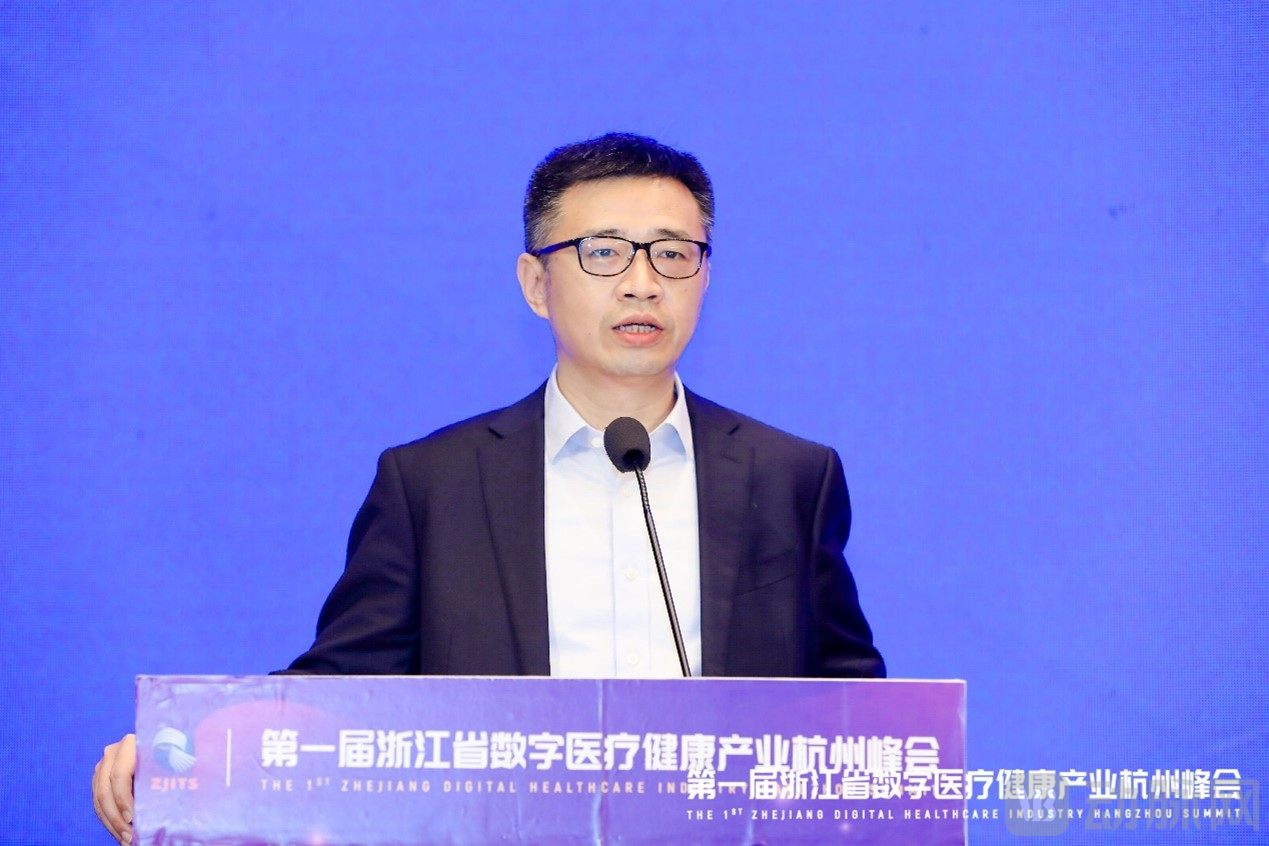
Today, China has become the world’s largest single market, offering incremental growth and efficiency gains with potential and scope far exceeding that of the United States in its heyday. Over the past two decades, Alibaba has helped more companies better serve consumers through the consumer internet, while also assisting enterprises in achieving digital and intelligent transformation via the industrial internet, seamlessly integrating it with the consumer internet. The convergence of these two domains will unlock boundless innovative possibilities for companies in the big health sector. Alibaba looks forward to collaborating with more partners in the big health industry to demonstrate to the world that every industry can be redefined in China, through a truly distinctive Chinese approach to digital and intelligent transformation.
Li Tiantian, founder and chairman of DXY, shared his perspectives on digital health from a physician’s standpoint. Li believes that in the era of digital health, “empathy”—the ability to understand patients’ needs from their perspective—is an essential competency for physicians when delivering medical services. Content serves as the most effective medium for conveying this empathy. Through extensive practice and validation, DXY has developed a “Digital Empathy Formula,” defined as: Digital Empathy = Evidence-Based Medicine + Lifestyle Guidance + Emotional Support. In simple terms, in addition to providing medical guidance that aligns with clinical guidelines and expert consensus, physicians should also offer lifestyle advice and deliver emotional comfort and psychological support to patients.
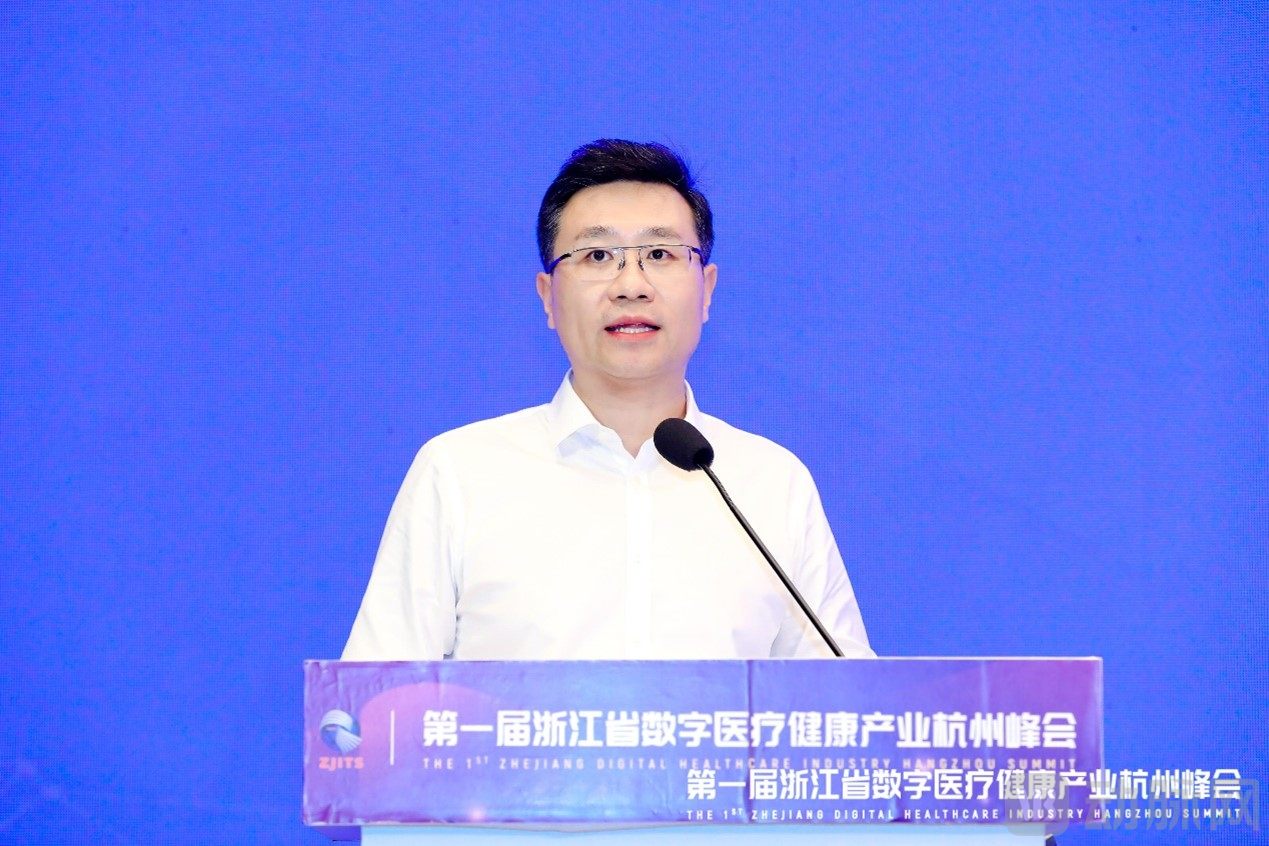
To this end, DXY has established a digital management mechanism comprising online consultation training and examinations, review and evaluation, and elimination and delisting, thereby selecting outstanding physicians who possess both scientific rigor and humanistic awareness. Currently, for DXY’s online consultations, the average proportion of responses reaching 500 words stands at 58%. These responses not only include detailed medical advice but also cover preventive knowledge for common diseases, general life tips, and emotional support such as mood management. In Li Tiantian’s view, the greatest value of digital empathy for physicians lies in the professional sense of achievement they derive from it.
In tracing the reasons behind the successive waves of digital health, we identify the following key factors.
One is internal factors, namely technological innovations related to the development of digital health.
Currently, the healthcare industry is undergoing a transformation driven by intelligent technologies such as data, computing power, and artificial intelligence, which have also established the foundational environment for the development of digital health. These technologies have endowed the digital health sector with immense potential for growth, fueling its rapid expansion. The year 2020 marked a turning point for medical innovation in China. During this year, technological innovation became a top priority in the 14th Five-Year Plan, focusing on original breakthroughs in core technologies.
Amid this major trend, the healthcare and wellness industry, as one of the most critical application scenarios, is undergoing structural changes. For instance, digital technology has permeated every link of drug research and development, manufacturing, and distribution, significantly boosting overall industry efficiency. The deployment of 5G networks and the increasing maturity of Internet of Things (IoT) technology have substantially reduced the management and maintenance costs for healthcare service providers. Furthermore, the informatization and intelligent transformation of hospitals will drive a new round of iterative upgrades in traditional healthcare.
Deng Jianmin, Senior Vice President of BD Worldwide and General Manager of Greater China, shared his reflections on the digital and intelligent innovation of medical devices in China. In Deng’s view, market demand, technological innovation, and policy support have jointly driven the digital and intelligent transformation of the medical device industry, which in turn has brought about innovations in clinical practice, production/operations, and R&D. Deng summarized that the vision for the digital and intelligent development of China’s medical device industry is reflected in four aspects:
First, 5G technology and mobile devices provide online services for patients; wearable devices and sensor technologies enable remote collection of health data, while hospitals’ underlying information systems are continuously being improved. Second, digitalization and automation technologies are building smart hospitals; the Internet of Things (IoT) and artificial intelligence (AI) are driving digital supply chain management, and VR/AR technologies facilitate remote medical consultations and training. Third, robotic surgery and AI-assisted diagnosis and treatment are gradually achieving (semi-)automated clinical care, while automated production, 3D printing, and autonomous driving technologies enhance the production efficiency of medical devices. Fourth, machine learning will accelerate innovation and R&D of new products; blockchain technology enables big data sharing and application while ensuring information security; and gene therapy and digital therapeutics are transforming traditional medical diagnosis and treatment methods, thereby improving cure rates.
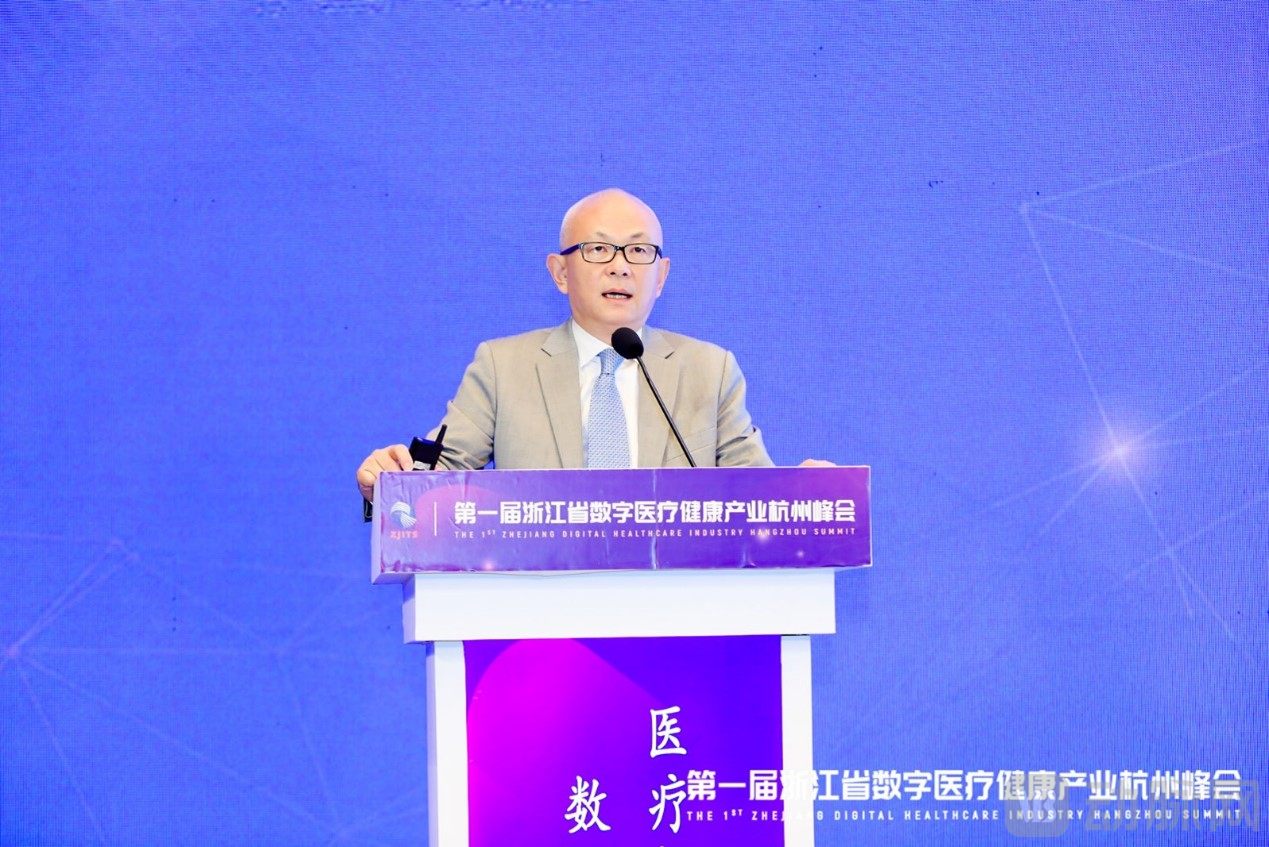
Since entering the third-party diagnostics industry in 2004, Dian Diagnostics has emerged as a leader in the field. According to Chen Haibin, Chairman of Dian Diagnostics, this success is attributable to the construction of two “expressways.” The first is a physical logistics network: Dian Diagnostics has established its own delivery teams in provincial capital cities across China, enabling the collection of test samples from any medical institution within a province within four hours. The second is an information highway: after samples are collected and undergo centralized testing, Dian Diagnostics leverages its IT platform to rapidly return test results to healthcare providers.
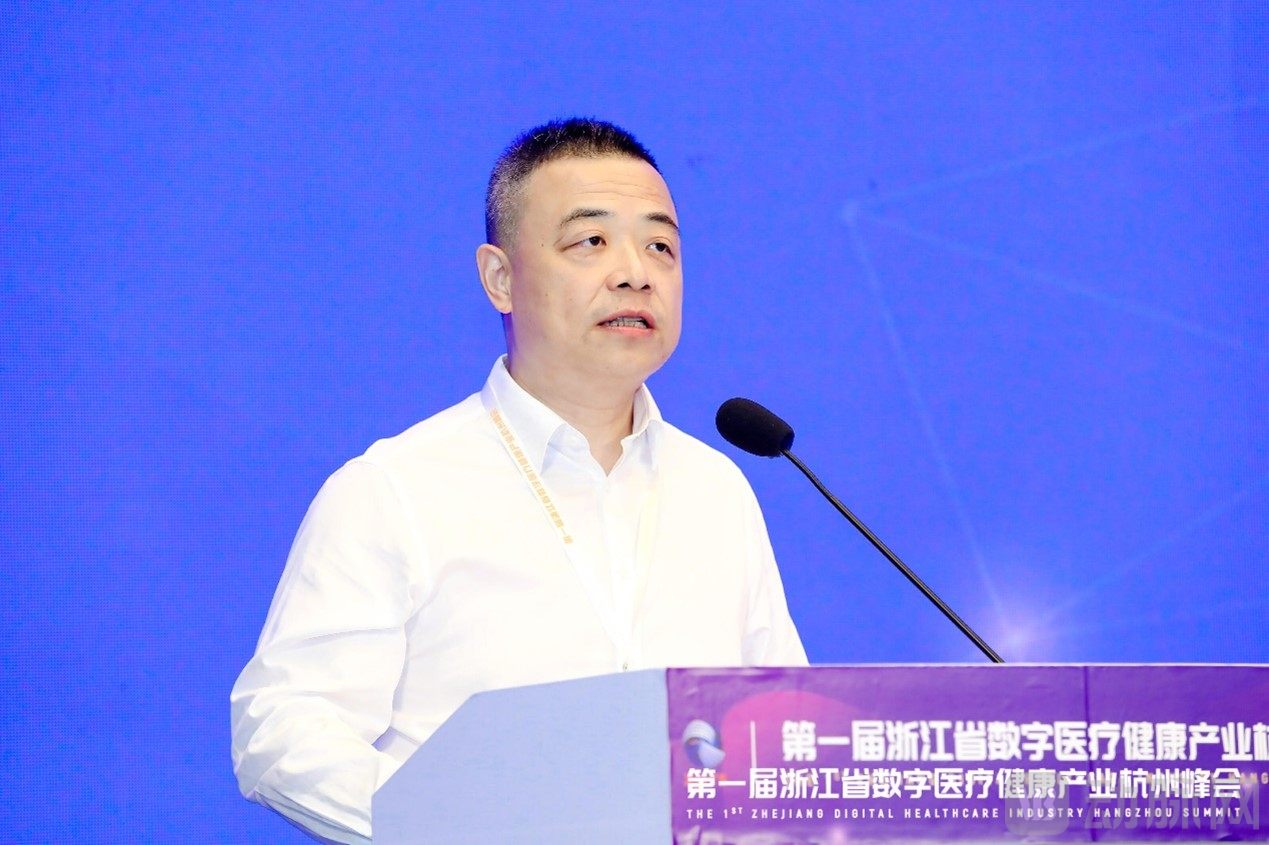
Chen Haibin believes that medical data will play an increasingly important role in the development of digital healthcare. To this end, Dian Diagnostics is unlocking the value of data and building big data resources for medical diagnosis by strengthening data infrastructure and constructing effective medical datasets. By establishing a big data platform for medical diagnosis and treatment based on a secure data center architecture, and integrating AI technologies such as medical speech and semantic recognition, medical image recognition, machine learning, and deep learning, Dian Diagnostics has developed innovative products including an intelligent testing laboratory platform, an AI-assisted pathological diagnosis system, and a genetic testing platform. These innovations provide novel solutions for patients, hospitals, and testing laboratories.
The second is industrial upgrading driving the wave.
The surging tide of technological innovation has become an irreversible trend: digitalization has emerged as the primary driver of economic growth and a watershed moment in the new round of global industrial competition.
In his speech titled “New Developments and Trends in the Digitalization of New Drug Development,” Dr. Ye Xiaoping, Co-founder and Chairman of Tigermed, stated that organizational transformation is the key determinant of the success or failure of enterprise digital transformation, with its value impact being more than ten times greater than that of digital technologies and applications. Cloud computing, smart terminals, big data, and artificial intelligence fall under digital technologies and applications, whereas digital strategy, digital management processes and organizational collaboration, digital talent and corporate culture, digital business operations, digital organizational structure, and the enterprise’s digital awareness belong to the realm of organizational transformation. However, 67% of senior executives focus on digital issues related to digital technologies and applications, while only 33% concentrate on those pertaining to organizational transformation.
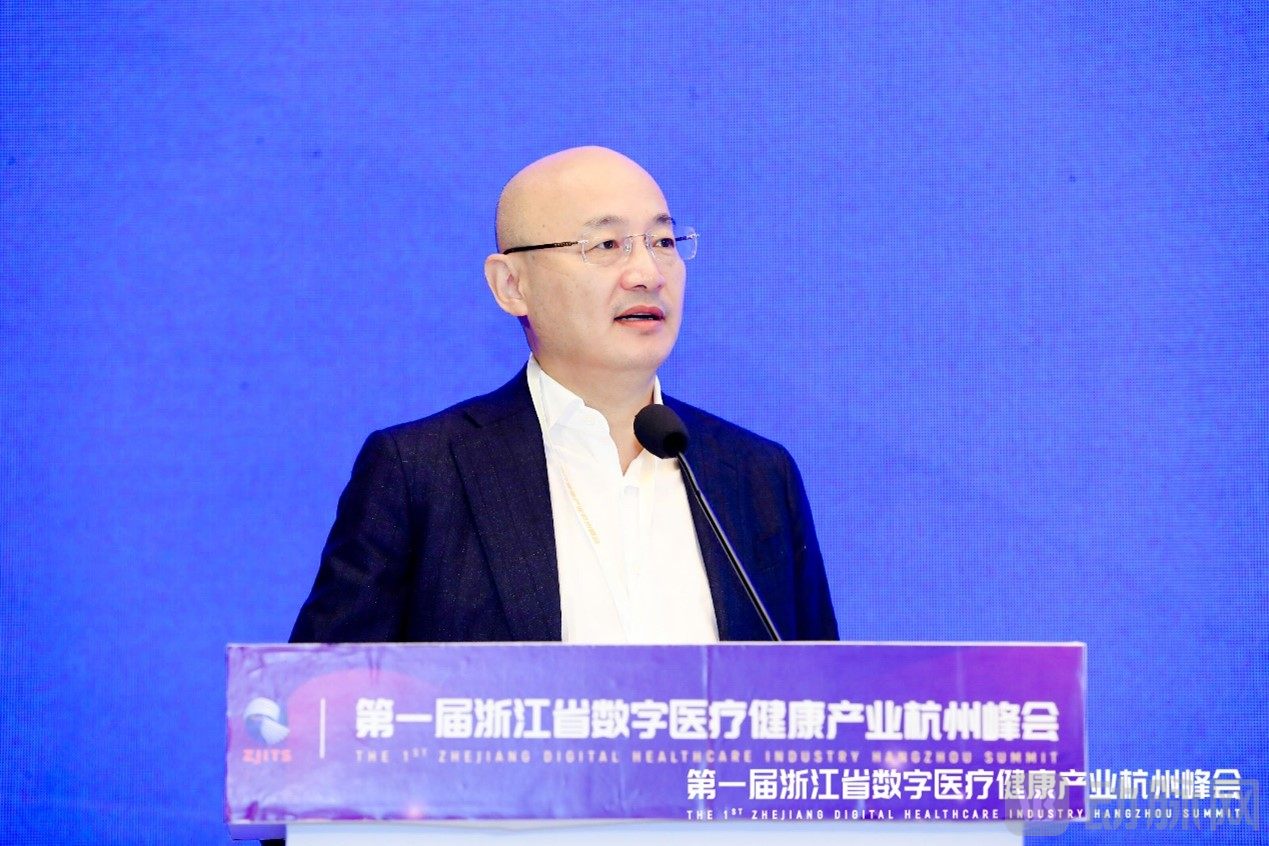
As the creator of China’s first internet hospital—the Wuzhen Internet Hospital—WeDoctor has witnessed and personally experienced the transformation of internet healthcare in China from a “nice-to-have” to an “essential service.” Taking the establishment of the nation’s first internet hospital as the starting point, the internet healthcare industry has undergone three stages: The establishment of the first internet hospital, which basically defined the model of internet hospitals, marked Stage 1.0. The development of internet-based medical consortia built upon internet hospitals, which enabled online reimbursement through basic medical insurance and established a comprehensive healthcare security system integrating “internet + medical insurance + healthcare + pharmaceuticals,” signified the entry into Stage 2.0. In Stage 3.0, tightly integrated internet-based medical consortia based on digital platforms are gradually transforming the operational models of healthcare institutions and establishing a new health accountability mechanism oriented toward health outcomes. For example, the Tianjin Primary Care Digital Health Community established by WeDoctor in Tianjin has implemented the “Four Clouds” platform—cloud management, cloud services, cloud pharmacy, and cloud diagnostics—to achieve unified management, shared responsibility, shared benefits, and standardized services locally. This initiative has created a health stewardship organization covering residents’ entire life cycles and all aspects of health, effectively improving population health indicators and enhancing the operational efficiency of medical insurance funds.
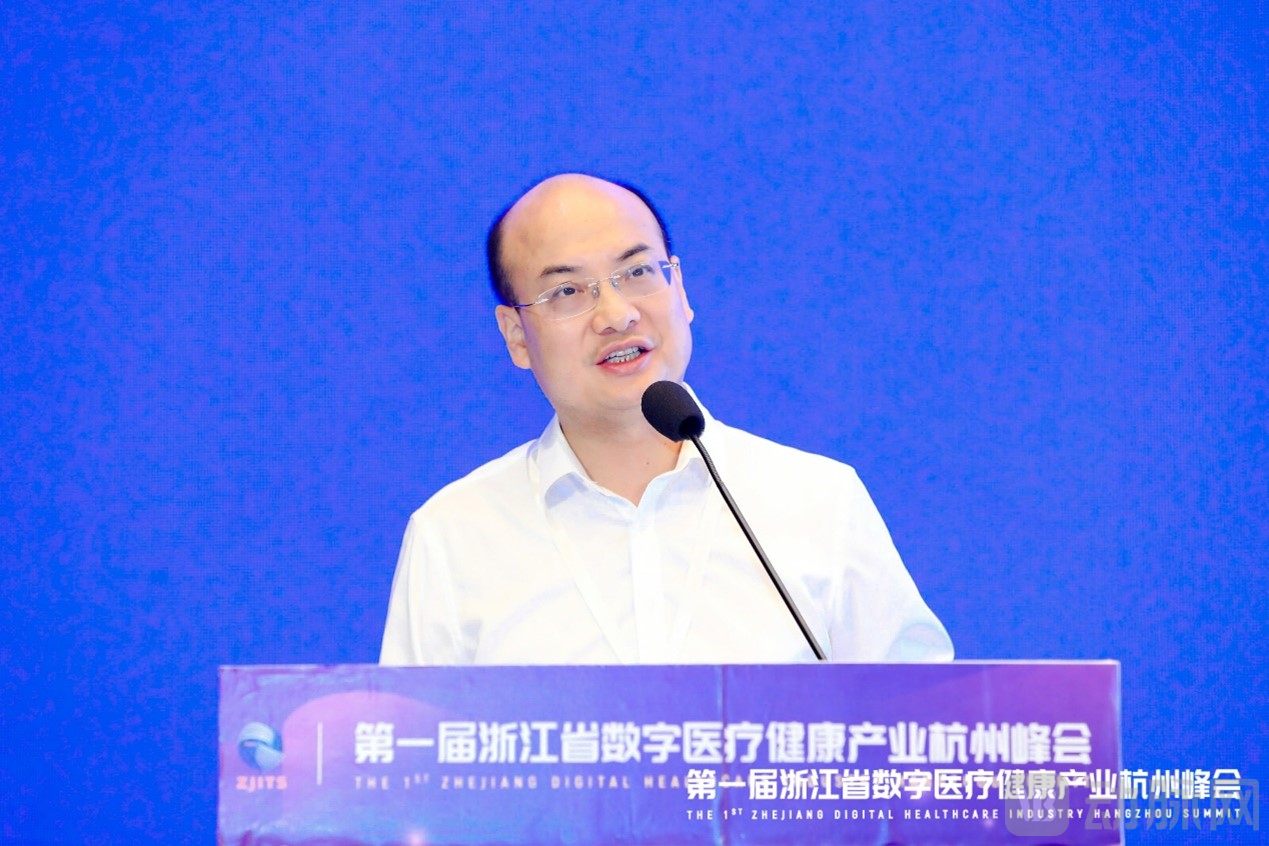
Liao Jieyuan, Chairman and CEO of WeDoctor Group, stated that the Tianjin Primary Digital Health Community is led by an internet hospital and jointly established in collaboration with 267 primary healthcare institutions across the city. The tightly integrated internet-based medical consortium under Healthcare Reform 3.0 has initially completed its systemic framework. This may represent another evolution in internet healthcare. The pathway exploration undertaken by the Tianjin Primary Digital Health Community in this field reflects the trend of digitalization driving reform and will propel the healthcare system from a “price-differential model” to an “efficacy-differential model.”
At the roundtable discussion on “New Practices in Industrial Transformation and Governance in the Era of Multi-Dimensional Data,” Tao Feng, Founding Partner of Boyuan Capital, served as the moderator. Four industry leaders—Gong Yuanchang, Deputy Director of the Zhejiang Provincial Healthcare Security Administration and First-Level Inspector; Dong Geng, Drug Safety Director of the Zhejiang Provincial Medical Products Administration and Second-Level Inspector; Jiang Wei, Vice President of Shulan Healthcare Group; and Xu Jiming, Co-Founder of Yidu Tech Group and CEO of Happy Life Technology (HLT)—engaged in an in-depth discussion on topics including data governance, standardized data application and sharing, and practical data applications.
Healthcare institutions are the central hub of the entire healthcare industry. As all new technologies and products must ultimately be applied to patients, these institutions constitute an indispensable link in this process. During the roundtable discussion titled “Tools, Processes, Efficiency, Real-World Needs, and Frontier Explorations in Clinical Digitalization,” Wang Hui, Founder and CEO of Honghui Capital; Liu Dan, Partner at CDH Investments; and Yao Feng’e, Host of the roundtable and Healthcare Industry Lead Partner at KPMG China, engaged in an in-depth discussion on clinical digitalization. Wei Zhe, Chairman and Founder of Jiayu Capital, also contributed via a remote presentation.
The third factor driving the formation of this wave is a favorable macroeconomic and capital environment.
Since 2018, global financing trends in the digital health sector have generally shown an upward trajectory. In 2020, capital surged into the field, with 692 financing deals completed and total funding reaching RMB 133.5 billion, making it the second-largest sector after biopharmaceuticals. The first half of 2021 continued the momentum seen in 2020. According to incomplete statistics from VCBeat, there were 465 financing deals in the first half alone, with disclosed total funding amounting to RMB 111.03 billion, approaching the global annual total for 2020. The substantial capital investments in digital health underscore the industry’s significant commercial value.
As a platform showcasing the insights of industry participants, the main forum featured numerous industry leaders who engaged in a “brainstorming” session on the digital transformation of pharmaceuticals, medical devices, smart health, biotechnology, and other sectors. The surge of innovative digital healthcare projects presented at the conference reflects the cumulative impact of China’s decades-long investment in digital infrastructure, the iterative evolution of growing patient needs, and the upgrading of capabilities across three dimensions: digital health, digital medicine, and digital marketing.
To maximize the depth, breadth, cutting-edge relevance, and richness of resources in our discussions, this summit features three specialized sub-forums focused on digital health, digital medicine, and digital marketing. These sessions will delve into key issues such as internet hospitals, pharmaceutical distribution, commercial insurance, precision diagnosis and treatment, and real-world studies.
Specifically:
· The “Digital Health Scenario Innovation Forum” will start from internet healthcare to explore the closed-loop construction logic of “medical care + pharmaceuticals + insurance,” as well as the layout strategies of major platforms across various digital health scenarios;
· The “Digital Empowerment of ‘Doctor-Patient’ Innovative Practices Forum,” in collaboration with the Hangzhou Digital Healthcare Innovation Center, facilitated an exchange of perspectives on innovative practices in post-diagnosis disease management and physician professional development, focusing on insights from both clinical and industry standpoints;
· The "Medical Innovation and Scientific Research Development Forum" remains true to the original mission of healthcare, facilitating discussions from multiple perspectives, including cutting-edge medical advances, clinical application scenarios, and the digital transformation of smart hospitals;
Through keynote presentations and roundtable discussions, this summit analyzes digital healthcare from multiple perspectives, including capital, industry, government, and academic research institutions. By integrating multifaceted insights across three key sub-sectors, it ensures comprehensive coverage and in-depth analysis, enabling attendees to gain maximum insight into the emerging trends and new opportunities in the digital healthcare wave.
To foster industrial collaboration between foreign investors and leading domestic enterprises, facilitate the attraction and establishment of digital health innovators, and promote the integration of capital and industry for more efficient commercialization of scientific achievements, the summit has created an open venture capital ecosystem. It specifically launched the “2021 Digital Health Solutions Innovation Challenge,” carefully selecting ten high-quality projects for on-site roadshows. The event also features specialized modules such as face-to-face meetings with investors, financing guidance, and industrial partnership opportunities. Through high-end closed-door seminars and business matchmaking sessions, the summit brings together cutting-edge industry insights, deep resource connections, and expanded corporate needs in one venue, addressing the need to articulate investment logic, express the foundational requirements for the survival of innovative enterprises, and gauge policy trends.
With this, the summit drew to a close, marking the successful conclusion of the inaugural Hangzhou Summit, which comprised seven events over two days. Yet the momentum endures: Gongshu District and participants from various industries will continue their exploration in the field of digital health. Today’s attendees came from diverse sectors, including medical services, medical devices, pharmaceutical informatics, and internet-based healthcare. Their work spans both in-hospital and out-of-hospital settings, covering every stage of the disease journey. What unites them is a shared commitment to identifying the best possible healthcare solutions under objective conditions.
By bringing together six key sectors—government, industry, academia, healthcare, research, and investment—Gongshu District has launched a series of initiatives, including industry summits and innovation challenges. This move represents both an exploration of future directions and a choice aligned with historical trends. As People’s Daily previously noted regarding the responsibilities of tech giants: “The vast frontier of technological innovation and the boundless possibilities of the future are truly exhilarating.”