

Foghorn Therapeutics: Pioneering Gene Traffic Control to Navigate the Future of Cancer Therapy

Foghorn Therapeutics
Developer of Therapeutic Drugs for Genetic Diseases

Flagship Pioneering
Venture Capital Firms
Foghorn translates to “foghorn” in Chinese, which uses sound to alert vessels to exercise caution under heavy fog conditions—such as warning them of coastal reefs or nearby passing ships—to prevent collisions.
Just as ships require foghorns to navigate safely in heavy fog, our cells rely on chromatin regulatory systems to control the quantity, timing, location, and sequence of gene expression.
In fact, more than half of all diseases, including cancer, arise from malfunctions in the chromatin regulatory system. Therefore, unraveling the mysteries underlying chromatin regulation will pave the way for novel therapeutic solutions for serious conditions such as cancer.
Since its inception in 2016, Foghorn Therapeutics has been driven by this mission, establishing its proprietary Gene Traffic Control® platform. The company leverages specific enzyme inhibitors, targeted protein degraders, and transcription factor disruptors to develop precision therapies, thereby supporting its high-throughput drug discovery and development efforts. Currently, it is rapidly advancing a pipeline of more than ten candidate drugs.
Within the nucleus, long DNA strands are wrapped around histones. “Chromatin remodeling complexes” participate in unwinding specific segments of the genetic code by adding, removing, or replacing these histone cores, thereby making them accessible for gene transcription and translation to ensure proper expression. Although biologists have identified several families of “chromatin remodeling complexes” (each composed of approximately a dozen proteins), the most extensively studied is BAF.
Ten years ago, Professor Gerald Crabtree’s laboratory at Stanford University was exploring the role of “chromatin remodeling complexes” in brain development. However, Cigall Kadoch, a new doctoral student in the lab, discovered that mutations in genes associated with the BAF chromatin remodeling complex lead to synovial sarcoma, a rare pediatric cancer with approximately 800 new cases diagnosed annually in the United States.
Professor Crabtree thus gave Kadoch the freedom to pursue her research, and by 2013, she had achieved two landmark discoveries. First, she demonstrated that a specific mutation in BAF is 100% associated with synovial sarcoma, a type of cancer; this mutation “hijacks” the chromatin remodeling complex, leading to completely dysregulated gene expression. Second, by integrating recently published tumor sequencing data, she calculated that more than 25% of cancers harbor mutations in genes encoding BAF proteins. (Nat. Genet. 2013, DOI: 10.1038/ng.2628)
In 2014, upon earning her Ph.D., Kadoch became an Assistant Professor at the Dana-Farber Cancer Institute and established her own independent laboratory at the Broad Institute of MIT and Harvard. At just 28 years old, she was one of the youngest scientists in the history of Harvard Medical School.

Cigall Kadoch Image source: Broad Institute official website
Dr. Kadoch launched a new project focused on investigating the roles of chromatin remodeling complexes, such as BAF, and their association with cancer. The research revealed that the BAF complex contains a unique subunit, SS18, and mutations in this subunit can lead to cancer.
Excessive intracellular accumulation of mutant SS18 can drive cellular oncogenic transformation; conversely, introducing large amounts of wild-type SS18 into cells can displace the mutant SS18 within the complex, thereby controlling the progression of oncogenesis and even directly inducing cancer cell death.
The clinical application potential inherent in this discovery is immense. Many pharmaceutical companies extended olive branches to Dr. Kadoch, offering to fund her research. However, Dr. Kadoch remained unmoved; instead, she seized the opportunity to establish her own biotechnology company, Foghorn Therapeutics (hereinafter referred to as “Foghorn”), in Cambridge, Massachusetts.
Based on this discovery, Foghorn has established a proprietary “Gene Traffic Control” platform, achieving a comprehensive and systematic understanding of the mechanisms of action of various components within the chromatin regulatory system. This platform enables high-throughput screening of targets in the chromatin regulatory system to identify and validate disease-causing genes, facilitating therapeutic intervention using chromatin regulatory system modulators, including enzyme inhibitors, protein degraders, and transcription factor disruptors.
The specific working mechanism of Foghorn’s “Genetic Traffic Control” platform is as follows:
1. Target Identification and Validation: Use genomic screening and a suite of non-genomic sequencing and computational tools, including artificial intelligence and machine learning, to classify, identify, and validate targets in chromatin regulatory systems.
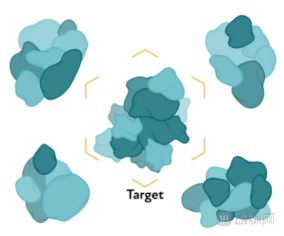
2. Large-scale Production and Specific Analysis of Chromatin Regulatory System Components: Large-scale production of target components for chromatin regulation systems, including individual subunits, partial complexes, or complete chromatin remodeling complexes and associated transcription factors, followed by the use of these components in extensive proprietary analyses.
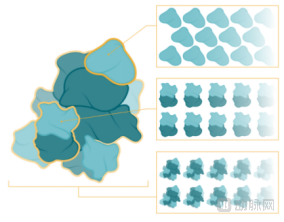
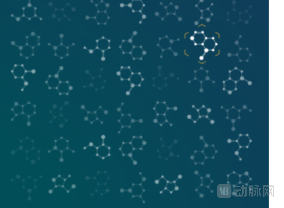
3. Drug Discovery and Optimization: Once drug targets are identified, high-throughput screening is employed to discover drug compounds capable of modulating the chromatin regulatory system and influencing disease, followed by iterative optimization of these compounds based on data from proprietary analyses.
4. Targeted Protein Degradation: While some large multi-subunit complexes, such as chromatin remodeling complexes, contain known proteases, others do not. When targeting these non-proteolytic subunit complexes, drugs must bind to the target and recruit it to the cell’s protein degradation system.

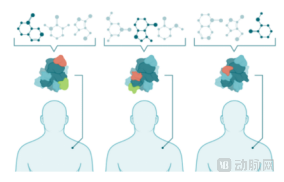
5. Translation of Clinical and Biomarker Identification: Every step of the entire platform carefully considers mechanisms of action and relevant biological knowledge, ensuring that each therapy has clearly associated biomarkers and identifies the patient populations most likely to benefit.
In 2018, Foghorn secured a $50 million investment from the prominent life sciences venture capital firm Flagship Pioneering (“FP”), with Doug Cole, Managing Partner at FP, joining as a “Partner” to help drive the company’s growth, thereby gradually bringing Foghorn into the public spotlight.
Subsequently, it appears that more people have been deeply attracted by the development potential of Flagship Pioneering. Adrian Gottschalk is the President and Chief Executive Officer of Foghorn Therapeutics. Before joining Foghorn, he worked at Biogen for 13 years, most recently serving as Senior Vice President and Head of Neurodegeneration Therapies, where he was responsible for the late-stage development and commercialization of drugs for Alzheimer’s disease, Parkinson’s disease, and amyotrophic lateral sclerosis (ALS).
In December 2018, Carl Decicco, then head of R&D at pharmaceutical giant Bristol-Myers Squibb (BMS), resigned to join Foghorn Therapeutics as Chief Scientific Officer. With a strong management team and promising research projects, Foghorn secured $61 million in venture capital funding in 2019, successfully raised $120 million in 2020, and went public on the Nasdaq under the ticker symbol FHTX.
Currently, Foghorn Therapeutics possesses a comprehensive suite of biophysical, biochemical, and other cell-based assays to identify chemical compounds applicable to small-molecule drug development. This capability enables systematic research and targeting of chromatin regulatory systems, maintaining a globally leading position.
Indeed, as early as the company’s inception, founder Dr. Kadoch firmly opposed focusing solely on one or two drug candidates, stating, “We aim for a more ambitious vision.”
What sets Foghorn apart is not limited to its technological prowess; it also stems from the fact that there are currently no approved drugs targeting its chosen indications, and the chromatin regulation system offers a wealth of druggable targets. Consequently, unlike typical pharmaceutical R&D companies, Foghorn has a broad array of options for selecting its development pipeline.
In July 2020, Foghorn entered into a collaboration agreement with Merck. Under the terms of the agreement, Merck obtained exclusive global rights to develop and commercialize drugs targeting dysregulation of individual transcription factors. Foghorn received an undisclosed upfront payment and research milestones, including $425 million in potential payments, as well as sales royalties. Currently, Foghorn is rapidly advancing more than 10 drug candidate development programs simultaneously.
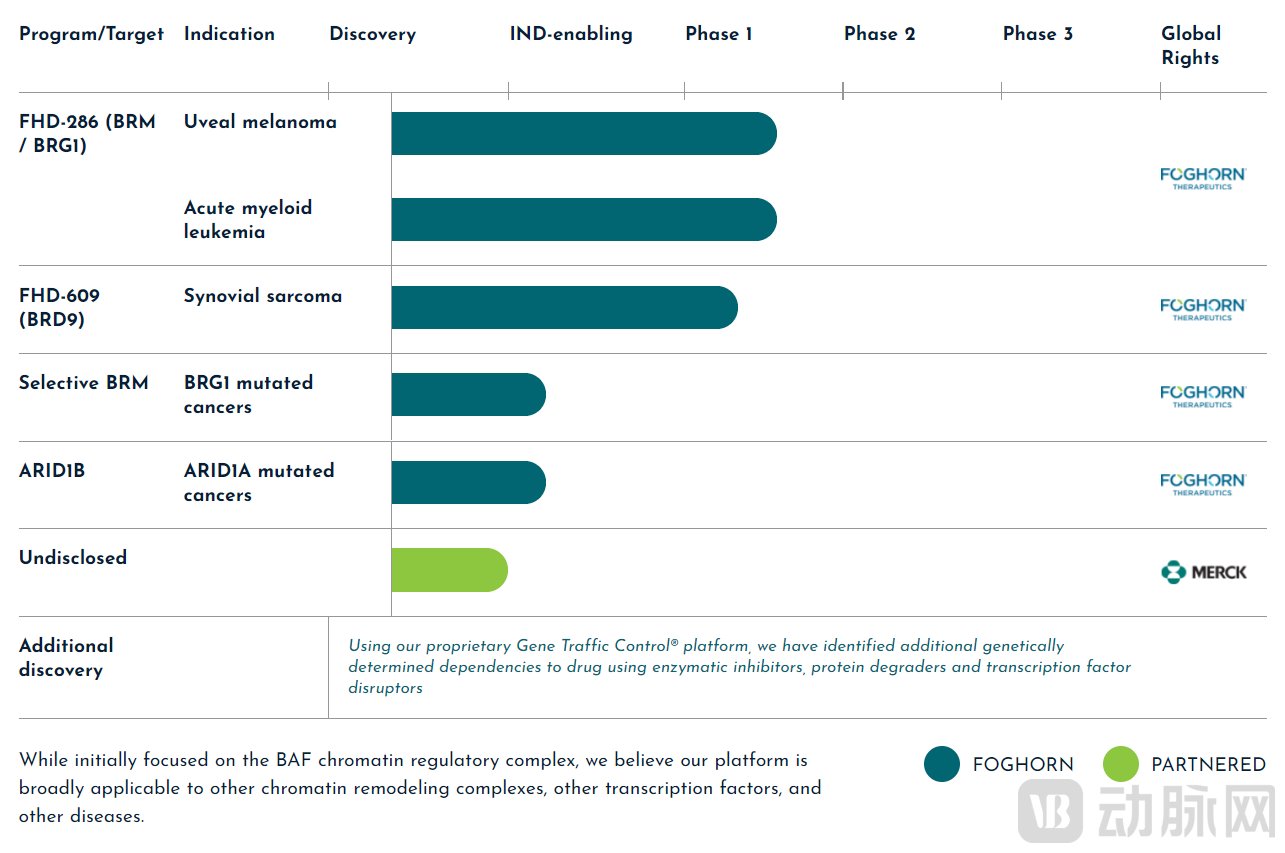 Foghorn’s Drug Candidate Pipeline. Image source: Foghorn official website
Among them, Foghorn’s two primary drug candidates under development are FHD-286 (a selective allosteric ATPase inhibitor) and FHD-609 (a protein degrader), which are being developed for the treatment of hematologic malignancies and solid tumors and are expected to enter Phase II clinical trials in the fourth quarter of this year.
When discussing the significance of Foghorn’s chromatin regulation for the pharmaceutical industry, Dr. Steven Bellon, Senior Vice President of Drug Development at Foghorn Therapeutics, stated, “Foghorn was the first company to recognize the role of chromatin in transcription, giving us a first-mover advantage. However, chromatin remodeling represents a vast landscape. Beyond the substantial opportunities for targeted therapies in oncology, extensive literature data indicate that these remodeling complexes are also implicated in neurological disorders, inflammatory conditions, and other diseases, revealing immense potential in this field.””