

AstraZeneca's iCampus Model Empowers Digital Healthcare: Expanding to Hangzhou with an Innovative Ecosystem Approach
In recent years, a wave of digital technologies, represented by AI and big data, has been accelerating.
In this wave, technological innovation models are gaining increasing attention, gradually becoming mainstream in the market, and penetrating high-value scenarios such as healthcare and wellness. However, at the same time,After completing the laboratory phase, a large number of sci-tech and technological innovation projects urgently need to be implemented in cities with industrial clusters to rapidly access talent, markets, and resources, and integrate into the industrial chain.
This is because innovation often entails significant risks, and every stage of the process—from technical validation to market launch—poses a test for those entering the field. Therefore,From the perspective of various stakeholders in the industry, providing full-chain services encompassing project development, enterprise incubation, and industry cultivation has become a key focus and area of strategic consideration.
As a result, we are witnessing a surge in the emergence of industrial parks and incubators. Among them, the International Life Science Innovation Park, co-established by AstraZeneca—a global leading pharmaceutical company—and various local partners, stands out as a noteworthy model due to its unique public-private partnership approach to joint empowerment.
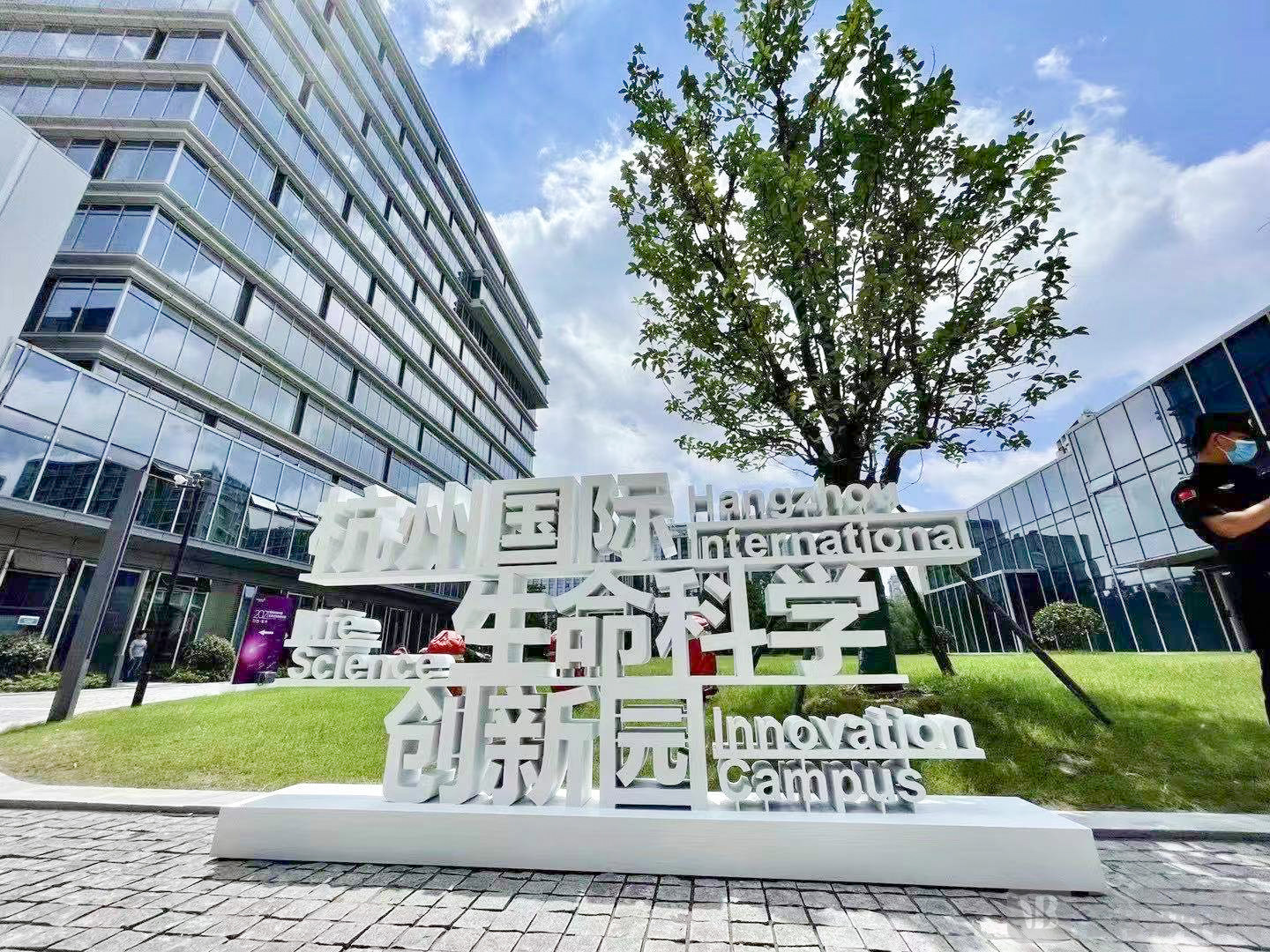
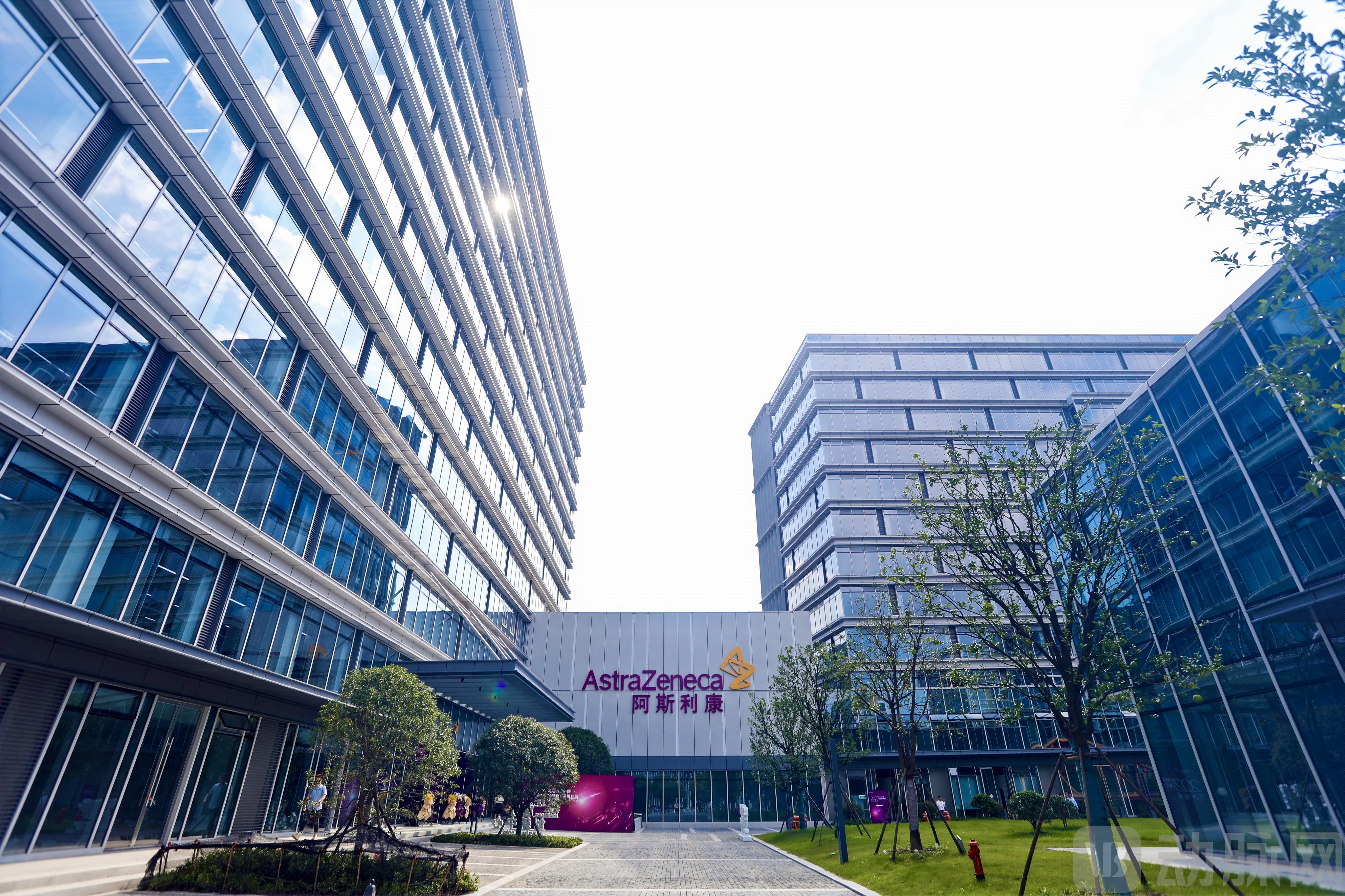
On July 29, the life science innovation incubation platform jointly established by the Hangzhou Municipal and Gongshu District Governments and AstraZeneca—The Hangzhou International Life Science Innovation Park (hereinafter referred to as “Hangzhou iCampus”) held its opening ceremony.On the same day, AstraZeneca announced the official opening of its Eastern China headquarters in Hangzhou, Zhejiang Province, marking another milestone in the company’s efforts to deepen its comprehensive strategy in China and expand its innovative healthcare ecosystem.
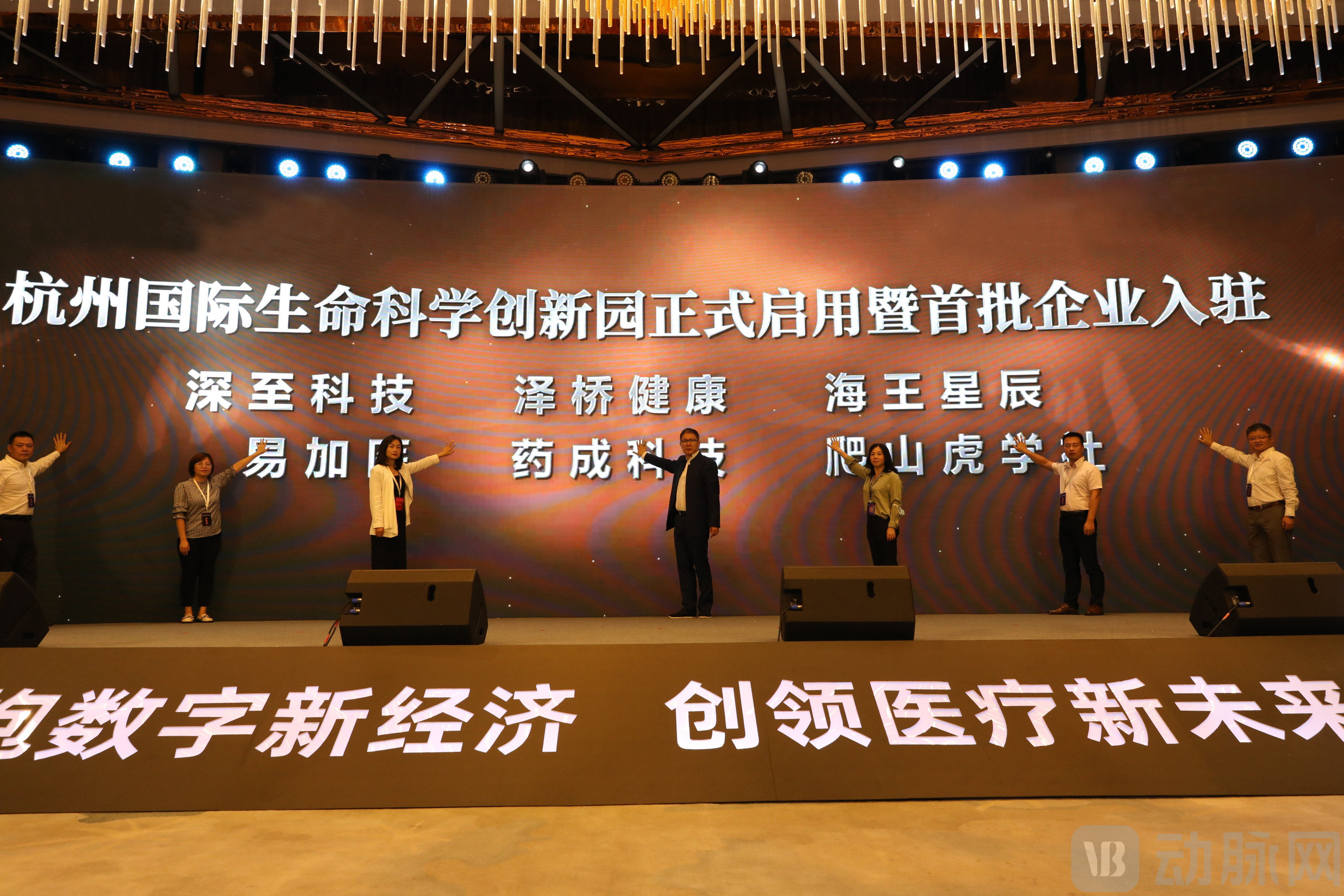
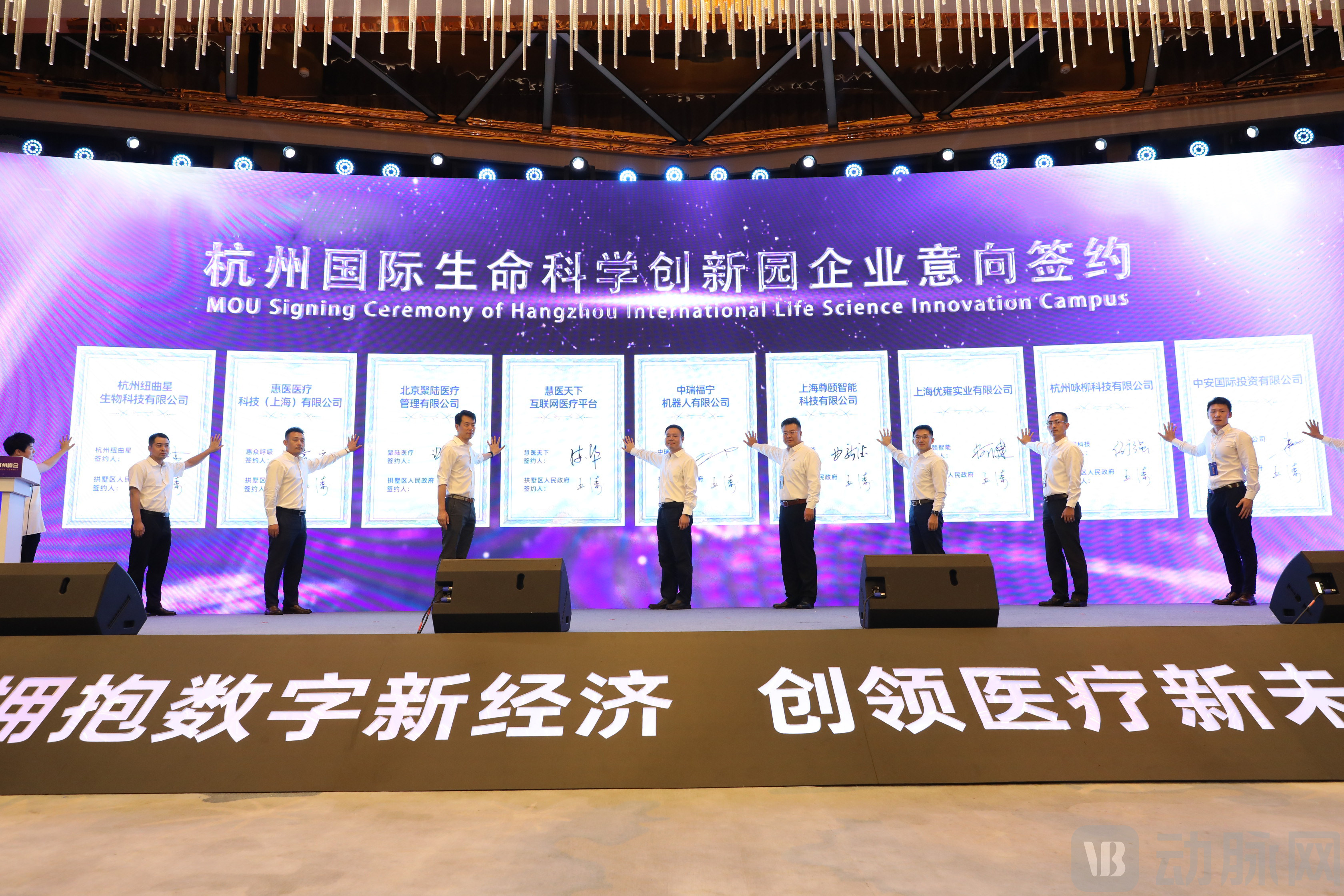
On the day of the park's opening,Hangzhou iCampus WelcomeThe first batch of five companies has moved into the park for office operations., including Deepwise Technology, Zeqiao Health, Yijiayi, Yaocheng Technology, and Pashanhu Society. Also included are Huiyi Tianxia, Zhongruifuning, Julu Medical, Zunyi Intelligence, Huizhong Respiratory, Youyong Industrial, New Curve Star, Yongliu Technology, and Zhongan International, among others.Nine New Enterprises Sign Letters of Intent with the Industrial Park, will accelerate its development under the incubation of the industrial park.
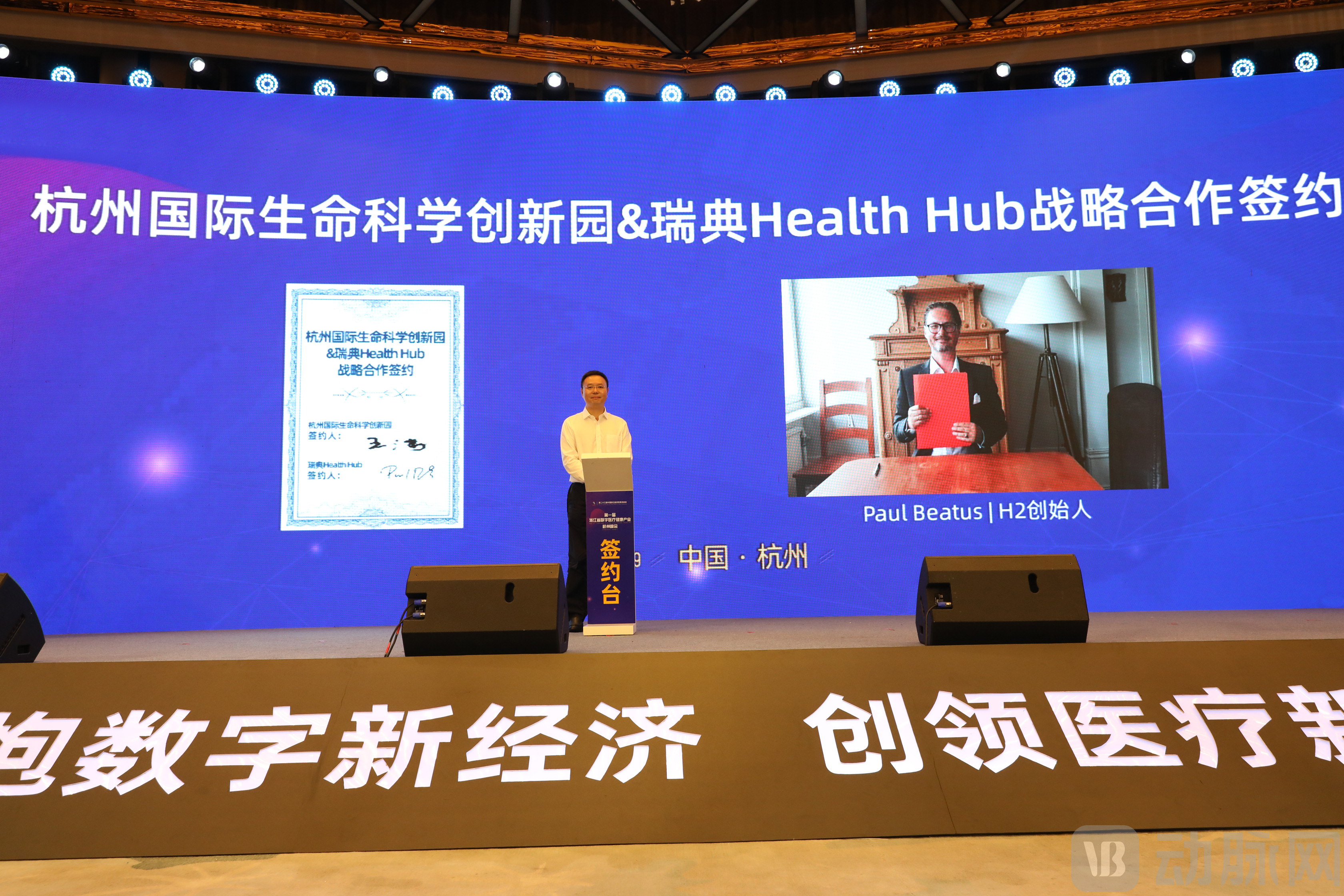
On the same day, Hangzhou iCampus also signed a cooperation agreement with Sweden’s Health Hub (H2), a healthcare incubator. Leveraging H2’s strengths in emerging technologies such as artificial intelligence and its expertise in innovative incubation, this partnership will facilitate Hangzhou iCampus’s further exploration of international development and promote the dual circulation of domestic and global innovation.
What Makes Hangzhou iCampus So Unique in Attracting Numerous Companies? What Distinctive Resources and Support Does It Offer Upon Its Launch in Hangzhou? How Exactly Does It Empower Enterprises? And How Will the “iCampus Model” Evolve in the Future? VCBeat will address and analyze these questions below.
AstraZeneca has planned five major regional headquarters across China. The company’s Eastern China Headquarters and Hangzhou iCampus are now established in Hangzhou. Innovation parks in various regions will integrate local industrial characteristics to achieve regional industrial synergy.
Taking Hangzhou, where the initiative was implemented, as an example,Hangzhou iCampus primarily focuses on digital healthcare. This strategic direction is driven not only by market demand in the relevant sectors but also by Hangzhou’s profound accumulation of expertise in the digital economy.
First,In the field of digital health, as China’s population ages and the proportion of individuals with chronic diseases continues to rise, the demand for high-quality medical resources is becoming increasingly urgent. However, from the supply side, the growth of premium medical resources, represented by physicians at large Grade A tertiary hospitals, is limited, resulting in a significant mismatch between supply and demand.
Therefore, in recent years, the state has encouraged and supported various stakeholders to increase their deployment of next-generation information technologies—such as 5G, big data, and artificial intelligence—in the healthcare sector. New models of digital health technologies and services, including online appointment scheduling, online consultations, remote consultations, electronic prescriptions, medical imaging, and computer-aided diagnosis, have continually emerged. These innovations transcend spatial and temporal constraints, providing significant support for disease prevention and treatment. In particular, since the outbreak of the COVID-19 pandemic last year, digital health has played a prominent role in epidemic prevention and control. Thus, it is evident that the development of digital health can play a substantial role in addressing the mismatch between the supply and demand of medical resources.
Looking more closely at Hangzhou’s resourcesZhejiang Province, where Hangzhou is located, proposed the “Digital Zhejiang” initiative as early as 2003 and has been advancing its digital economy construction for a full 18 years. In this process, Hangzhou, the provincial capital of Zhejiang and an innovative city committed to building itself into China’s leading city in the digital economy, has achieved remarkable results in exploring medical innovation through policy support, industry cultivation, and financial backing.
Specifically, over the past two decades, Hangzhou has given rise to Alibaba, a global technology company, as well as renowned digital health enterprises such as WeDoctor, DXY, Jianhai Technology, Weimai, and Zhuojian Technology. Coupled with globally prestigious universities and institutions like Zhejiang University and Westlake University, the city boasts a dense concentration of research and talent resources. Furthermore, Hangzhou is home to leading healthcare companies including Tigermed, Huadong Medicine, and Dian Diagnostics.
Notably, the Gongshu District, where the park is now established, serves as fertile ground for the development of the digital healthcare industry. According to the "Five-Year Action Plan for Improving Medical and Health Services in Gongshu District," 2021 marked the final year of this initiative. From a holistic planning perspective, Gongshu District has focused on multiple dimensions over the past five years—including accelerating the construction of carrier platforms, strengthening the cultivation of key enterprises, and making every effort to attract future-oriented projects—thereby gradually establishing a "new calling card" for its digital healthcare industry.
As can be seen above, the immense market value of digital healthcare, combined with Hangzhou’s fertile ground—characterized by its high-quality digital industry “DNA” and a rich concentration of leading healthcare enterprises—is precisely why iCampus has chosen to establish itself in Hangzhou. This, in turn, has become the advantage and distinctive feature of Hangzhou iCampus.
Starting from Wuxi, Hangzhou has become the third city in China where iCampus has expanded its operations. What can it bring to the local industries and enterprises? To answer this question, we must first return to the unique operational model of iCampus.
Specifically, in contrast to traditional biomedical parks,Hangzhou iCampus has adopted an innovative operational model driven by public-private partnerships, enabling the government and enterprises to fully leverage their respective strengths.: The Hangzhou Gongshu District Government primarily provides policy and infrastructure support, while AstraZeneca fully leverages its insights into the Chinese market and industry, along with its global network resources.
Capital synergy serves as a quintessential example.On the day of the inauguration of its Eastern Regional Headquarters, the AstraZeneca CICC Healthcare Industry Fund announced the signing of a strategic cooperation intent with government-guided funds at both the municipal and district levels in Hangzhou. Hangzhou High-Tech Investment Group and Hangzhou Gongshu District Industrial Investment will jointly inject capital into the AstraZeneca CICC Healthcare Industry Fund. Through tripartite collaboration among the government, industry, and investors, the parties aim to jointly promote innovative development in China’s healthcare industry.
Moreover, in terms of the industrial environment, the government provides proactive services and allocates comprehensive public resources for innovation and entrepreneurship, such as platform carriers and policy frameworks. In addition, the open, positive, and inclusive attitude of medical institutions and physicians toward new technologies and products has further established Hangzhou as a breeding ground for medical innovation.
Focusing on AstraZeneca. As a leading global multinational pharmaceutical company, AstraZeneca boasts extensive innovative resources and a worldwide network. Coupled with its 28 years of deep engagement in China, the company has developed a profound understanding of the Chinese market and accumulated rich practical experience. It is precisely based on this thatInnovative enterprises joining “Hangzhou iCampus” can leverage AstraZeneca’s diversified channels to access comprehensive commercialization support, including one-stop services for project implementation, innovation incubation, business acceleration, and scale-up.
In terms of project implementation,AstraZeneca’s Commitment to the Philosophy of Collaborative DevelopmentIn recent years, it has frequently extended its innovative “tentacles” to pursue cross-sector strategies, engaging in deep collaborations with partners across pharmaceuticals, medical devices, diagnostics, digitalization, and capital investment. Leveraging AstraZeneca’s robust collaboration mechanisms with enterprises, the company has continuously expanded its “circle of friends” in the digital health sector, attracting numerous high-quality companies to settle in “Hangzhou iCampus.”
Taking YiJiaYi as an example. As a provider of whole-course management for cancer patients and online services for their families, YiJiaYi has built a one-stop digital platform for comprehensive cancer care, leveraging its independently developed patented technologies. While offering a suite of solutions—including end-to-end medical assistance, online disease education, post-discharge online support, and intelligent resource search—for cancer patients and their families, the platform significantly enhances medical efficiency and the overall diagnosis and treatment experience.
Let’s look again at innovation incubation.H2 (Health Hub), a Swedish medical and health incubator founded in 2015, is dedicated to providing Nordic healthcare startups with support in emerging technologies such as artificial intelligence, as well as high-quality co-working spaces for entrepreneurial collaboration. The incubator hosts over 100 exchange events annually, serving clients that include leading international pharmaceutical companies such as Pfizer. Its partnership with “Hangzhou iCampus” will foster collaboration in multiple areas, including the introduction of high-quality overseas enterprises, in-depth exchanges between domestic and international industrial parks, and joint innovation activities.
Taking Shenzhi Technology as an example, as the first domestic provider of AI-assisted diagnostic technology for dynamic imaging and the first artificial intelligence healthcare company focused on the primary care market, Shenzhi Technology has leveraged intelligence and miniaturization to create a convenient service system featuring “2-minute scans and 10-minute report generation.” After settling in Hangzhou iCampus, Shenzhi will join forces with AstraZeneca to pioneer innovations in digital, accessible medical services, thereby benefiting more people in primary care communities.
Then comes commercial acceleration.As a global pharmaceutical giant, AstraZeneca boasts a comprehensive global commercial network and an omnichannel commercialization platform. It will provide resident enterprises with domestic and international market insights, product concept validation, commercial innovation collaborations, sales licensing, and agency promotion, thereby assisting innovative companies in expanding their global business operations.
Finally, scaling up.In the future, “Hangzhou iCampus” will attract leading foreign and local enterprises to establish their presence, while further strengthening capital investment to accelerate the integration of capital and industry. In addition, the commercialization of scientific research achievements is regarded as a top priority; by enhancing collaboration with relevant research institutions, more innovative ideas will be brought to fruition at “Hangzhou iCampus.”
Interestingly,Leveraging the digital healthcare ecosystem, “Hangzhou iCampus” can further integrate with leading local healthcare enterprises such as Tigermed, Huadong Medicine, and Dian Diagnostics, fostering cross-sector synergy within the ecosystem to revitalize Hangzhou’s broader medical and health industry landscape., and help their respective companies develop in niche sectors, including but not limited to fostering collaboration in areas such as “AI + New Drug Development,” “Digital Marketing,” and “Integration of Pharmaceuticals, Healthcare, and Insurance.”
In summary, it is precisely the strategic layout and convergence across government, industry, academia, research, healthcare, and investment that enables Hangzhou iCampus to continuously attract innovative forces in the global digital health sector.As “Hangzhou iCampus” continues its operations, an innovation ecosystem focused on digital healthcare is flourishing.
In an era of deepening technological innovation, there is a growing need for collaboration and exchange among global industries, which places higher demands on medical technology innovation enterprises:In addition to prioritizing technological advancement and the clinical value of products, it is also essential to cultivate a global perspective and capabilities.
For instance, in the field of digital health, major global powers are continuously intensifying their efforts. According to estimates by the U.S. market research firm Transparency Market Research, North America, represented by the United States, currently accounts for 40% of the global digital health market and continues to foster and support the growth of more innovative enterprises. Therefore, for Chinese companies, engaging in communication, collaboration, and complementary advantage-sharing with global peers is highly significant.
Based on this, AstraZeneca leverages its extensive global innovation network to both introduce foreign startups to China and enable park-based enterprises to expand globally with the support of AstraZeneca’s worldwide network. To date, there are more than 17 AstraZeneca international innovation incubators worldwide, located in the United States, Brazil, Argentina, Sweden, the United Kingdom, France, Israel, Russia, India, Singapore, Japan, Europe, and Canada, among other regions.
From this perspective, medical innovation enterprises are not merely selecting a business park; they are choosing to join an innovation ecosystem.Thus, it is evident that AstraZeneca’s strategic leveraging of the superior resources of its regional headquarters—extending from Wuxi to Beijing and then to Hangzhou—represents a significant step in continuously refining its ecosystem. This approach will help innovative enterprises access richer industrial resources, accelerate the deep integration of the healthcare industry, and foster new, locally distinctive business models within the healthcare sector.
It is worth noting that AstraZeneca is establishing a new strategic layout in China, featuring its Shanghai-based China headquarters and five regional headquarters working in synergy to drive mutual growth. In addition to promoting the integration of the entire medical industry chain tailored to local conditions and unlocking the potential for local economic development, this initiative also fosters international exchange and cooperation in the local medical technology sector.Especially for innovative enterprises, it is crucial to truly achieve “resonance” with global companies in terms of technological R&D and commercialization.
Therefore, in its future development, AstraZeneca’s Innovation Park will closely align with the unique characteristics of the regional economy, forge a powerful synergy with China’s medical innovation forces, and, supported by local governments and leveraged by global advantageous resources, continue to deliver greater surprises to the healthcare and wellness industry.