

Smart Hospital Management in the Big Data Era: Insights and Solutions from CHIMA 2021
The Wave of Smart Hospitals Is Sweeping In.
In recent years, digital and smart healthcare has transitioned from exploration to innovation. The rigid demand for medical and health services is continuously expanding, with a steady emergence of high-quality niche services. An increasing number of digital health products have been successfully implemented in practice, driving the rapid development of smart hospitals at an unprecedented pace. Meanwhile, pain points such as standardizing hospital management systems and constructing digital medical platforms require collaborative solutions from experts across various fields.
At the 2021 China Hospital Information Network Conference (CHIMA), DingTalk joined experts from numerous enterprises and hospitals in attempting to define a clearer coordinate for the “future.” In addition to the main exhibition booths of Alibaba Cloud, DingTalk, and Alipay, DingTalk also invited GuKan, QingGanLan, Putao Technology, Kejin Software, Juding Medical, and Bianque Emergency Rescue to participate jointly in the exhibition.
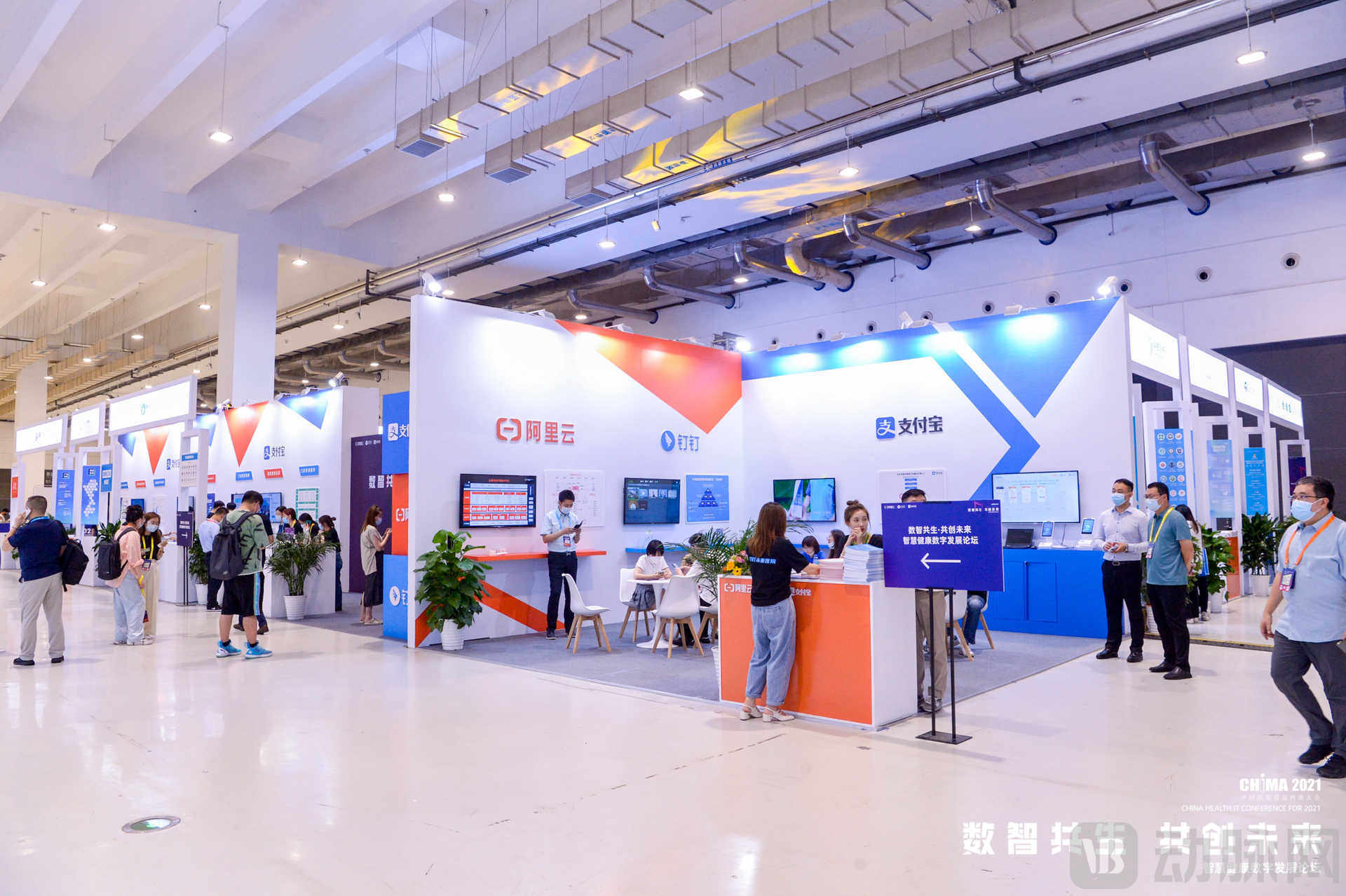
Alibaba Smart Healthcare Exhibition Area Map
Gu Kan, Qing Ganlan, Grape Technology, Tech Software, Juding Medical, and Bianque Feijiu brought their solutions to the event, offering approaches in areas such as smart canteens, digital outpatient services, intelligent safety and environmental control, and digital emergency care. Leveraging Alibaba’s smart healthcare management infrastructure, they extended Alibaba’s capabilities beyond hospital walls to provide one-stop, end-to-end intelligent services for hospital administration, patient treatment, and clinical practice.
This is a dialogue platform bridging the healthcare and technology sectors, connecting the present with the future, and facilitating technological exchange between China and the world. As a renowned platform for cross-disciplinary healthcare communication, the Smart Health Digital Development Forum · Future Hospital Smart Management Sub-forum at the CHIMA Conference brings together experts from diverse fields—including healthcare, technology, and policy—to define the direction of management and innovation for future hospitals within a multidimensional framework.
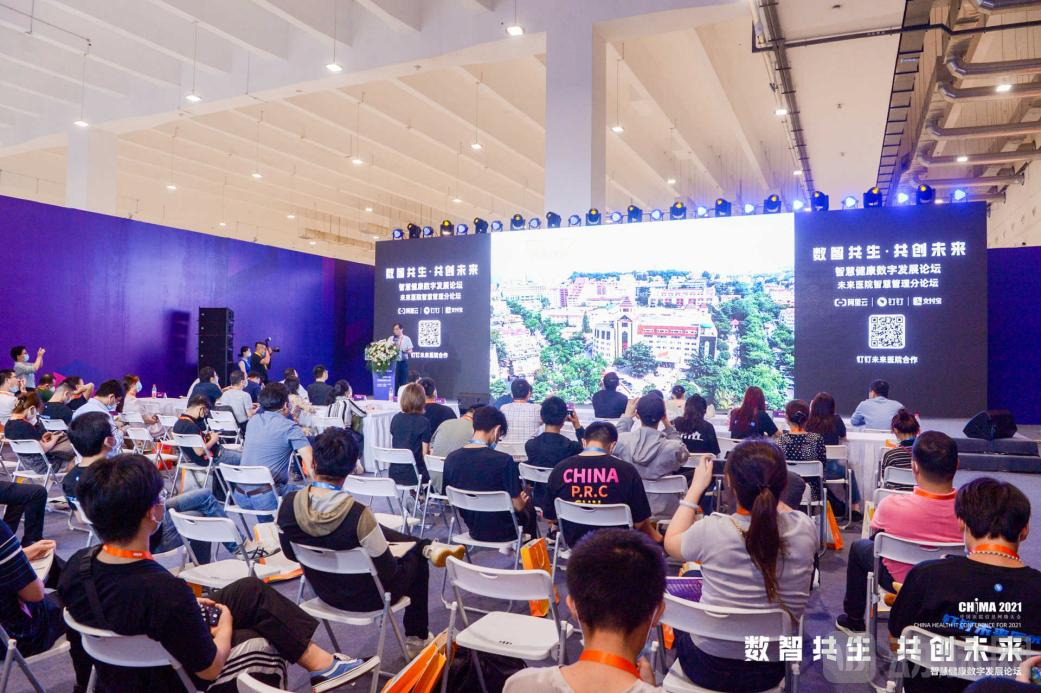
This forum was hosted by DingTalk and co-organized by VCBeat. The event featured the participation of Mr. Wang Chen from the Affiliated Hospital of Qingdao University; Director Gong Daxin of the Smart Management Department at the First Hospital of China Medical University; Party Committee Member and Vice President Dang Yalong of Sanmenxia Central Hospital; Ms. Xu Li from the Medical Affairs Department of the Second Affiliated Hospital of Zhejiang University School of Medicine; Director Ma Jianghua of the Information Center at the Qingpu Branch of Zhongshan Hospital, Fudan University; Director Chen Jie of the Information Center at Zhejiang Provincial People’s Hospital; Director Fei Kefeng of the Information Center at Zhejiang Hospital; Director Jiang He of the Information Management Office at Changchun Maternity Hospital; and Mr. Wang Zhongyu, General Manager of the Government and Healthcare Industry Center, DingTalk Business Unit, Alibaba Cloud Intelligence Group.
First, Wang Zhongyu delivered the opening remarks. At the outset of his speech, he shared his understanding of digital-intelligence symbiosis, stating, “In digital-intelligence symbiosis, intelligence cannot be achieved without digitalization, and digitalization loses its direction without intelligence. Digitalization is the foundation of intelligence, while intelligence provides the direction for digitalization.”
Subsequently, Wang Zhongyu drew on real-world cases to share DingTalk’s comprehensive digital foundation system—comprising Public Edition Ding, Professional Edition Ding, Exclusive Edition Ding, and Proprietary Edition Ding—to help hospitals achieve intelligent management. By leveraging six key characteristics of the digital foundation (efficiency, security, openness, control, scalability, and sharing), DingTalk enhances its adaptability to balance the needs of physicians, hospitals, and government entities. This enables hospitals to flexibly and responsively build their own digital platforms, thereby achieving real-time, precise coordination and collaborative management of medical resources through digitalization.
Addressing the question of how DingTalk’s robust foundational framework can help hospitals achieve digital management of in-hospital administrative operations and clinical collaboration with external partners, he stated that DingTalk has refined the granularity of hospital management down to the level of departments, medical teams, and individual clinicians. This enables hospitals to realize real-time, precise coordination and collaborative management of medical resources. By leveraging secure, controllable, and efficient core capabilities, DingTalk completes upgrades toward openness and extensibility, ultimately achieving sharing of medical resources and services. In this way, DingTalk drives the smart construction of future hospitals through its “Six Core Medical Capabilities.”
In his concluding remarks, Wang Zhongyu stated that the development of smart healthcare is not merely an internal undertaking for individual hospitals, but also encompasses the construction of upstream and downstream industrial chains both within and outside hospital systems. It further involves fostering regional medical collaboration among large hospitals, small hospitals, and primary care institutions, ultimately achieving broad, socially integrated coordination of medical services across regional healthcare networks.
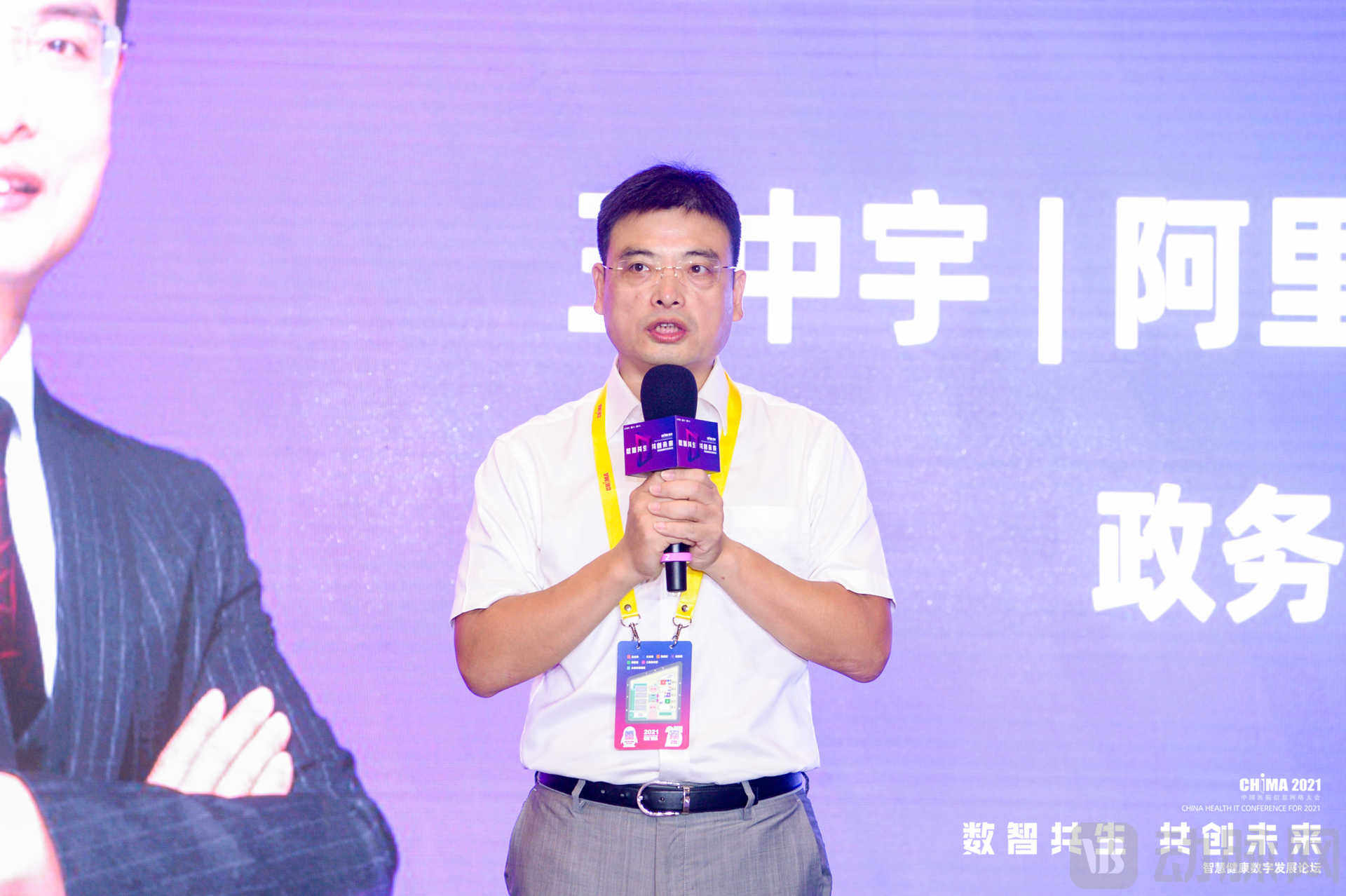 Wang Zhongyu, General Manager of the Government and Healthcare Industry Center, DingTalk Business Unit, Alibaba Cloud Intelligence Group
Gong Daxin, Director of the Smart Management Department at the First Affiliated Hospital of China Medical University, delivered a speech titled “Practical Experience in Building an Intelligent Collaborative Regional Emergency and Critical Care Platform.” Gong stated, “In the future, our hospital will fully leverage DingTalk’s services in the management of smart hospital operations, achieving deep integration of medical services based on the hospital’s organizational structure. Furthermore, in response to the national strategy for establishing emergency response bases, we aim to integrate national emergency bases with mobile cabin hospitals into locally networked field hospitals, playing a vital role during emergencies, disasters, epidemics, wars, earthquakes, and other critical events.”
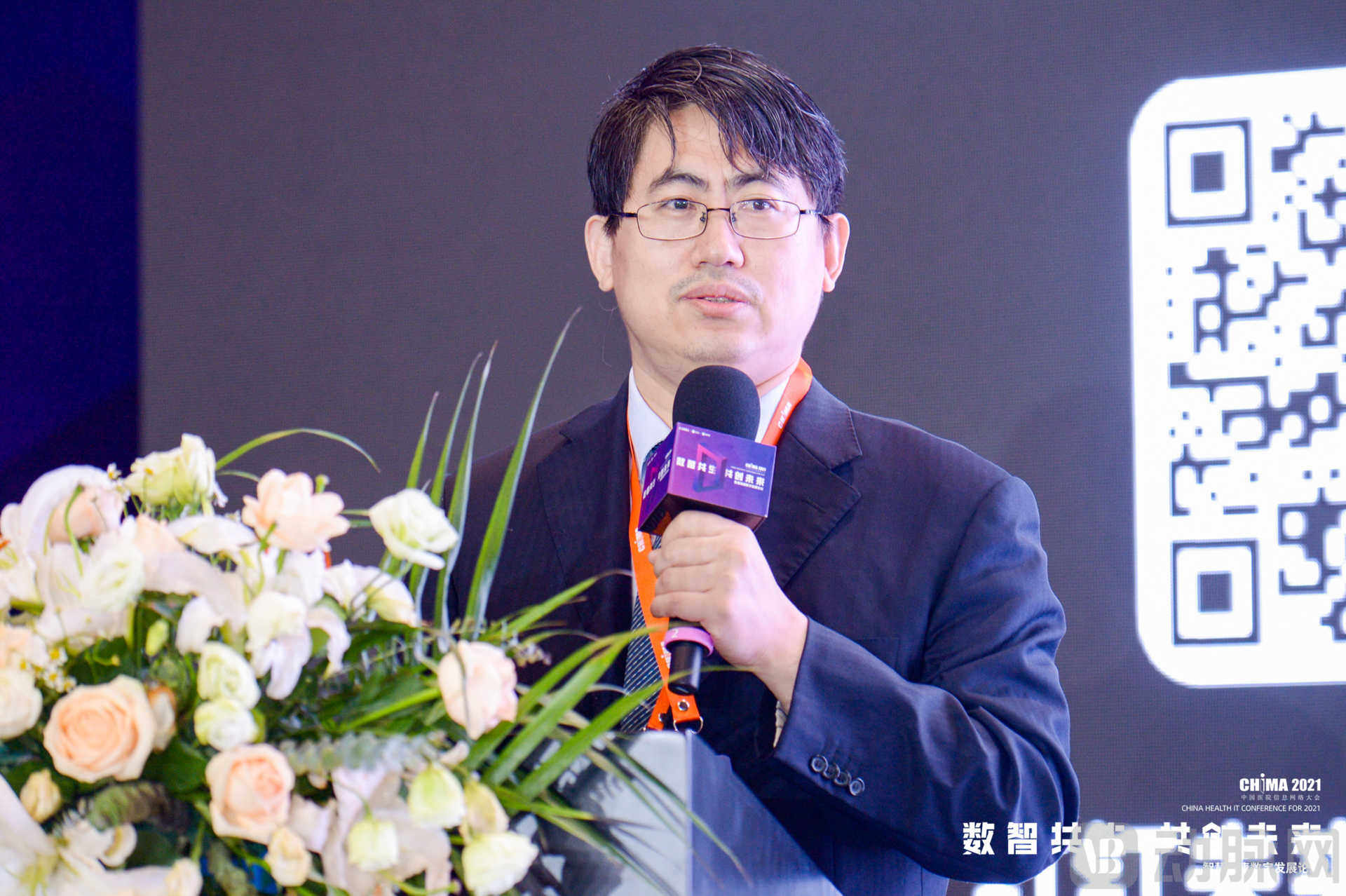 Gong Daxin, Director of the Smart Management Department, The First Hospital of China Medical University
Xu Li from the Medical Affairs Department of the Second Affiliated Hospital, Zhejiang University School of Medicine, shared her experience on “Innovation and Exploration in the Construction of Digital Medical Affairs Platforms.” Starting with the multidimensionality and complexity of medical affairs management, she explained the difficulties and pain points encountered during the platform’s development. She argued that these issues ultimately stem from management challenges, and that informatization serves as both the strategic framework for management and the means to resolve such problems. In conclusion, Xu stated, “I believe a digital medical affairs management platform is a management approach that brings personnel organization and work behaviors online, while digitizing management activities, thereby fostering a hospital culture that is efficient, transparent, people-oriented, and highly self-driven.”
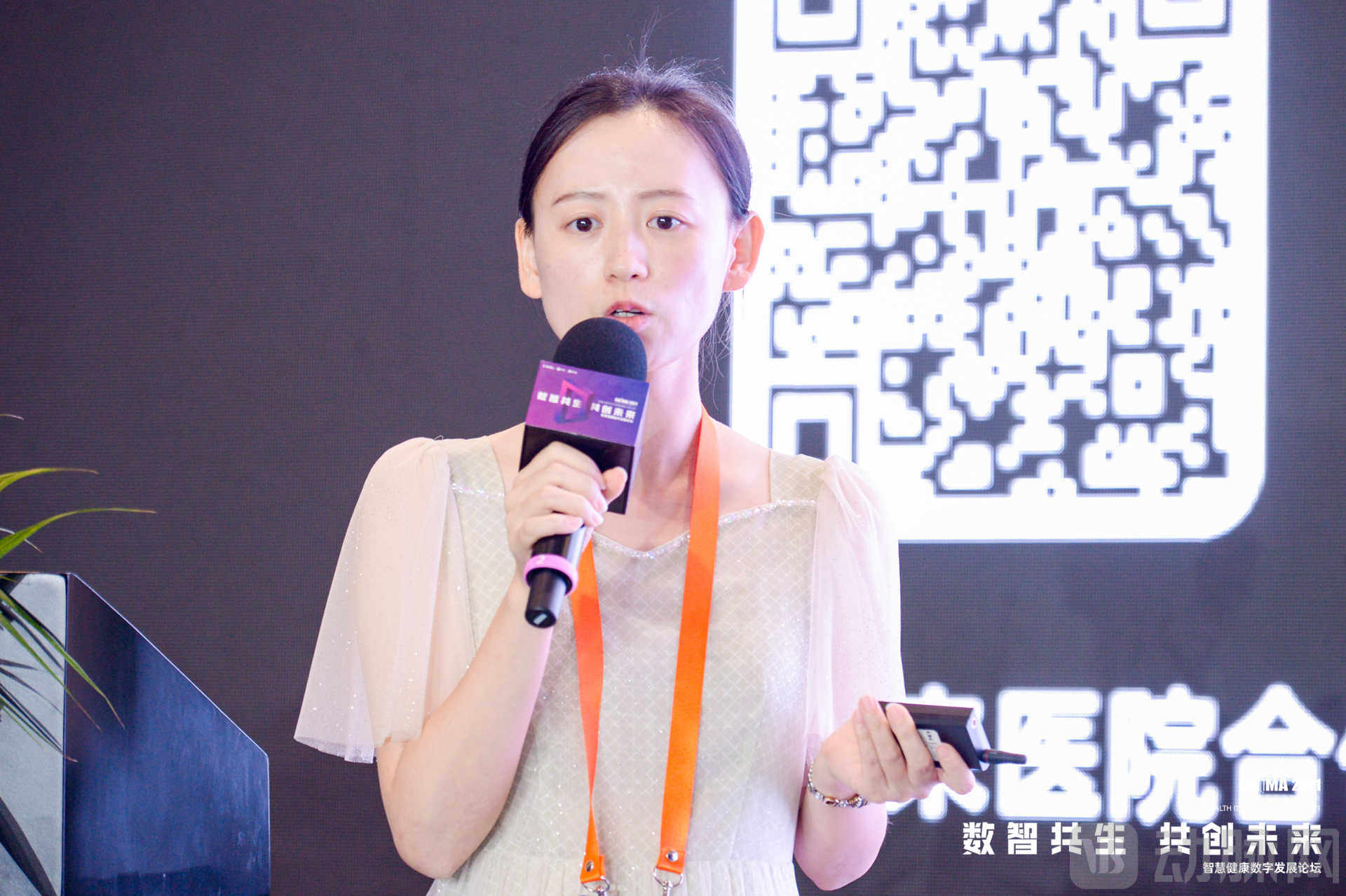
Xu Li, Department of Medical Affairs, The Second Affiliated Hospital, Zhejiang University School of Medicine
Mr. Wang Chen, Assistant to the President of the Affiliated Hospital of Qingdao University, delivered a presentation titled “Reflections and Explorations on Smart Hospital Management.” Starting with hospital management models, Mr. Wang elaborated on how to implement standardized construction frameworks and regulated management approaches in real-world scenarios. He stated, “By establishing horizontal integration across three key domains—personnel management, financial management, and materials management—we can truly achieve end-to-end smart management. This is one of our primary objectives for recent development initiatives. We also hope to collaborate in creating benchmark hospitals for smart management in the healthcare industry, genuinely supported by Alibaba or the DingTalk team.”
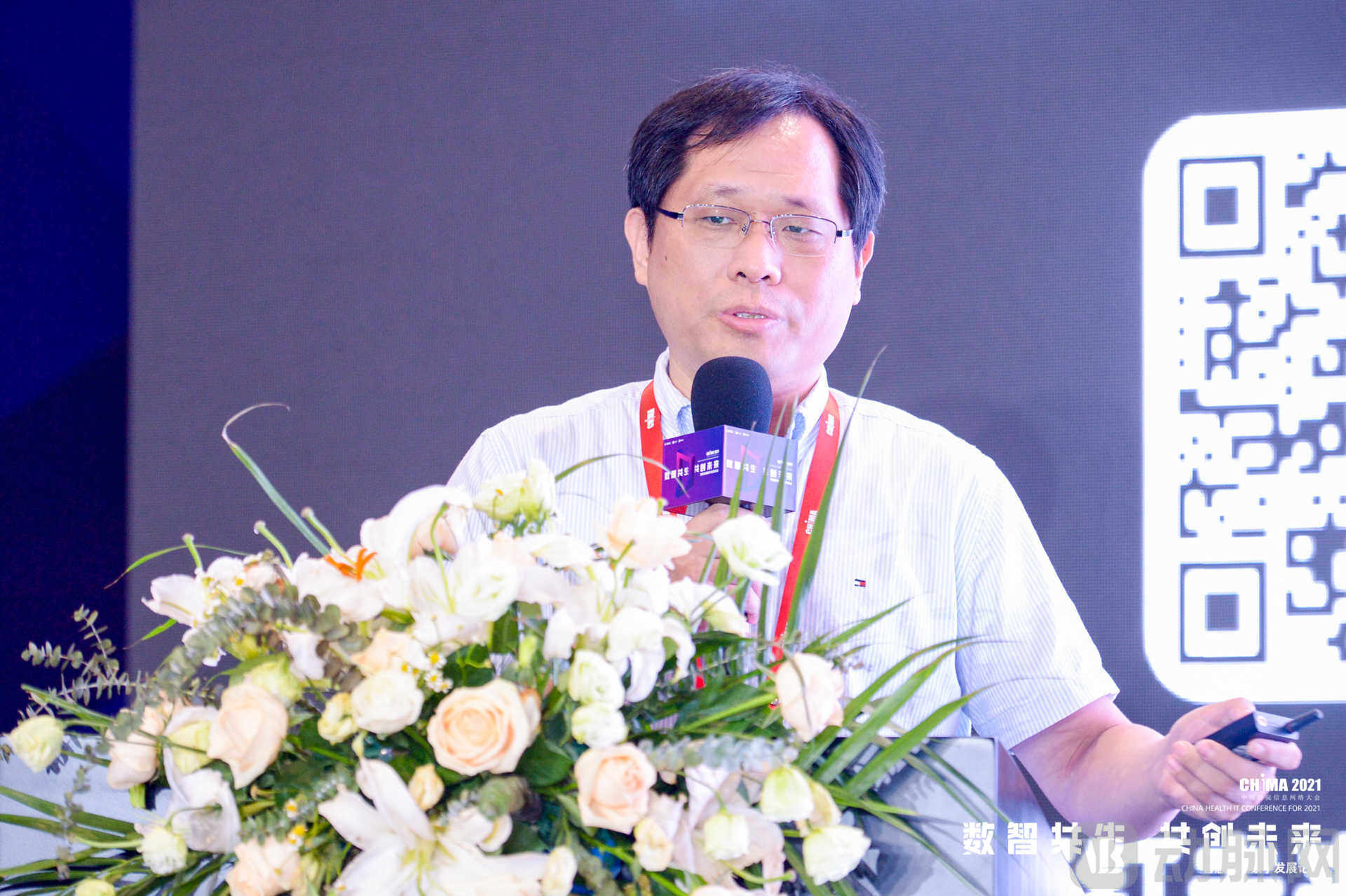
Wang Chen, Assistant to the President of the Affiliated Hospital of Qingdao University
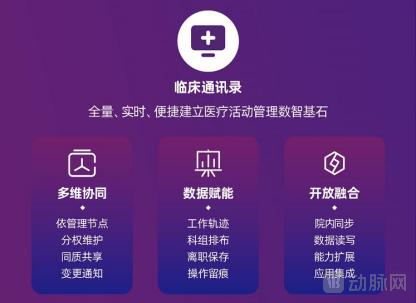
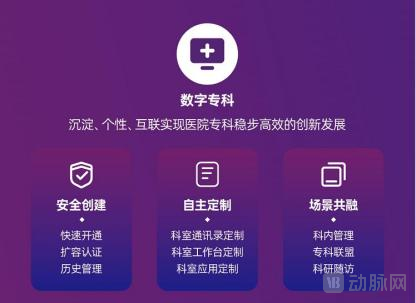
Following the presentations by three experts, Wei Yawei, Director of the Healthcare Industry at DingTalk Business Unit of Alibaba Cloud Intelligence Group, unveiled the first installment of DingTalk’s healthcare-specific product suite: the “Future Hospital Department Series,” featuring Clinical Directories and Digital Specialties. Built upon the integrated cloud-and-DingTalk strategy, this initiative aims to enable refined management of future hospital departments, connect key stakeholders, empower digital physicians, and jointly drive the digital transformation of hospitals. He stated, “DingTalk is committed to helping hospitals establish a people-centric new organizational model for the future, thereby achieving comprehensive digital governance across the entire institution. To support high-quality development in healthcare, we have established an application ecosystem comprising ‘one cloud, multiple endpoints, five middle platforms, and N applications.’”
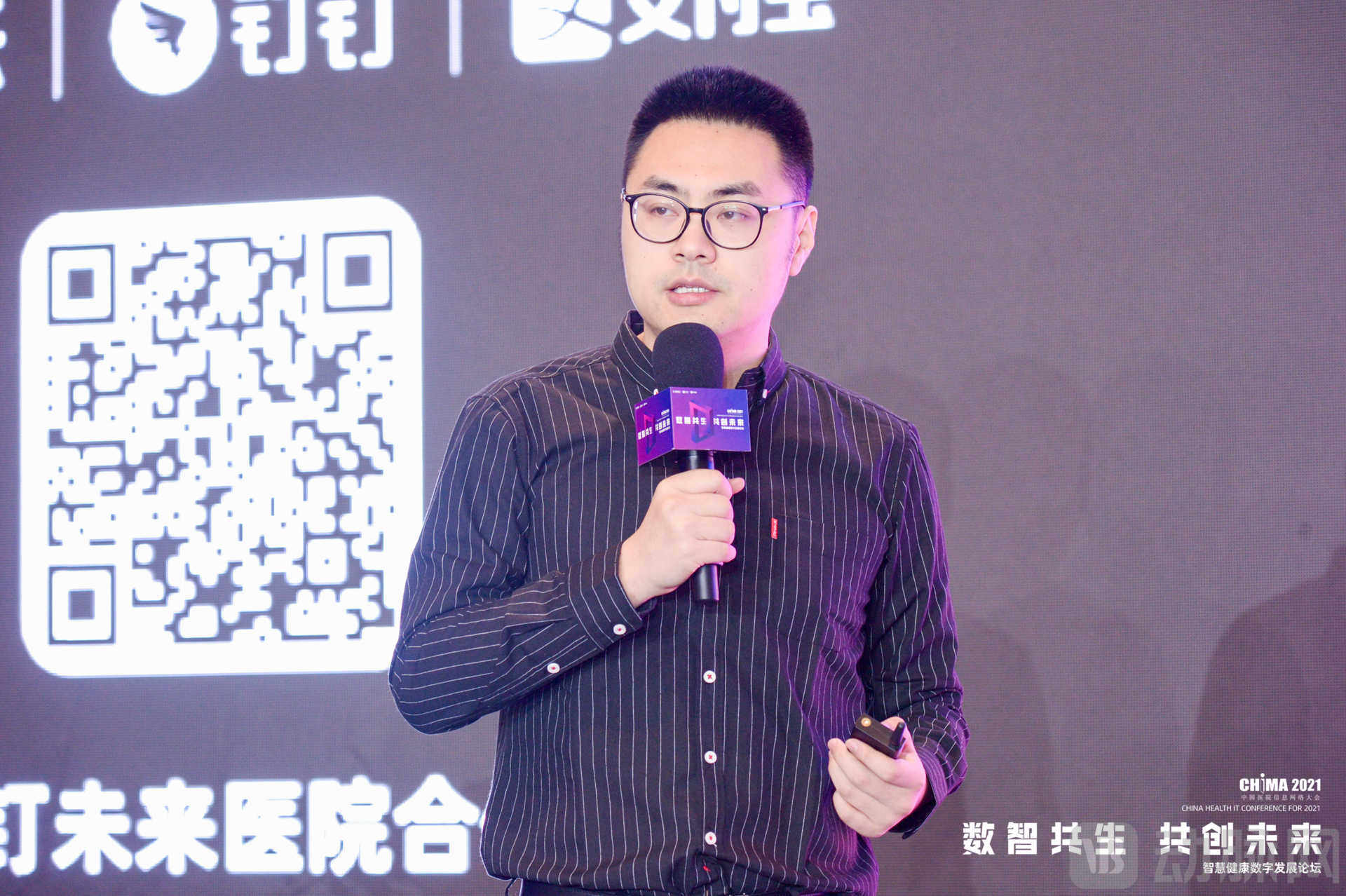
Wei Yawei, Director of the Healthcare Industry, DingTalk Business Unit, Alibaba Cloud Intelligence Group
“Once the platform is established, how can hospitals leverage it to build their future organizational structure? This involves four steps. The first is achieving full online connectivity for all staff, meaning that all physician communications—including daily collaboration and task management—are conducted online, ultimately realizing an ecosystem that is fully online. The second is implementing intelligent sensing and perception; we need to establish a comprehensive perception system to respond to changes in policies and demands. The third is creating a real-time hospital by digitizing operational data, achieving transparency of information through business process flows, and identifying business opportunities. Finally, enabling agile organizational innovation by integrating physician and individual data with operational data to develop innovative, independent models and uncover new competitive advantages for the hospital. This represents our understanding of the evolutionary path for future healthcare organizations.”
“Next, we will launch the Future Hospital and Future Department series of products. At this stage, there are two main offerings: one is the Clinical Directory, and the other is Digital Specialty. In the future, we hope that Alibaba can collaborate with more hospitals to strengthen the foundation of digital management, helping more hospitals achieve high-quality development.”
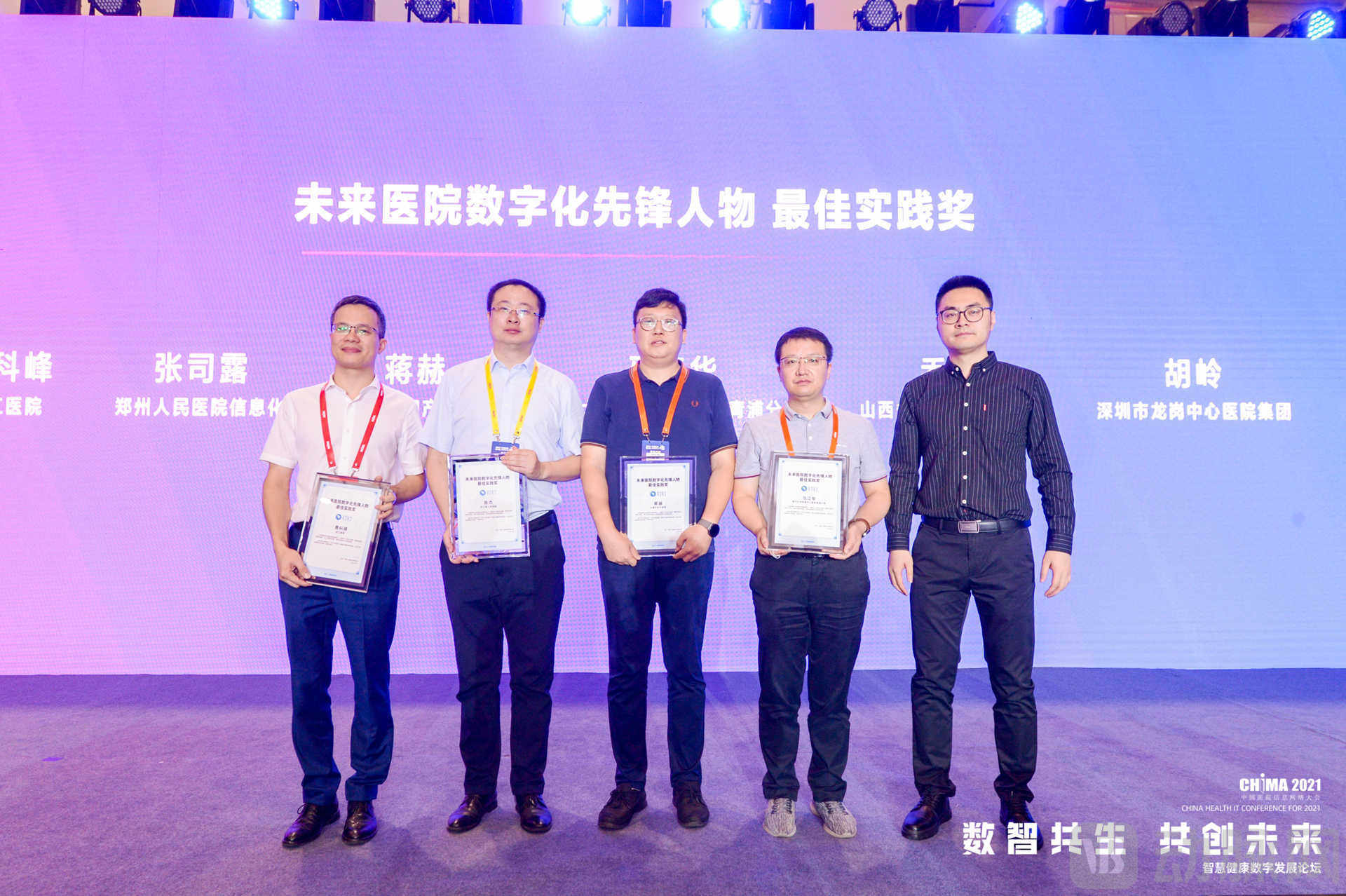
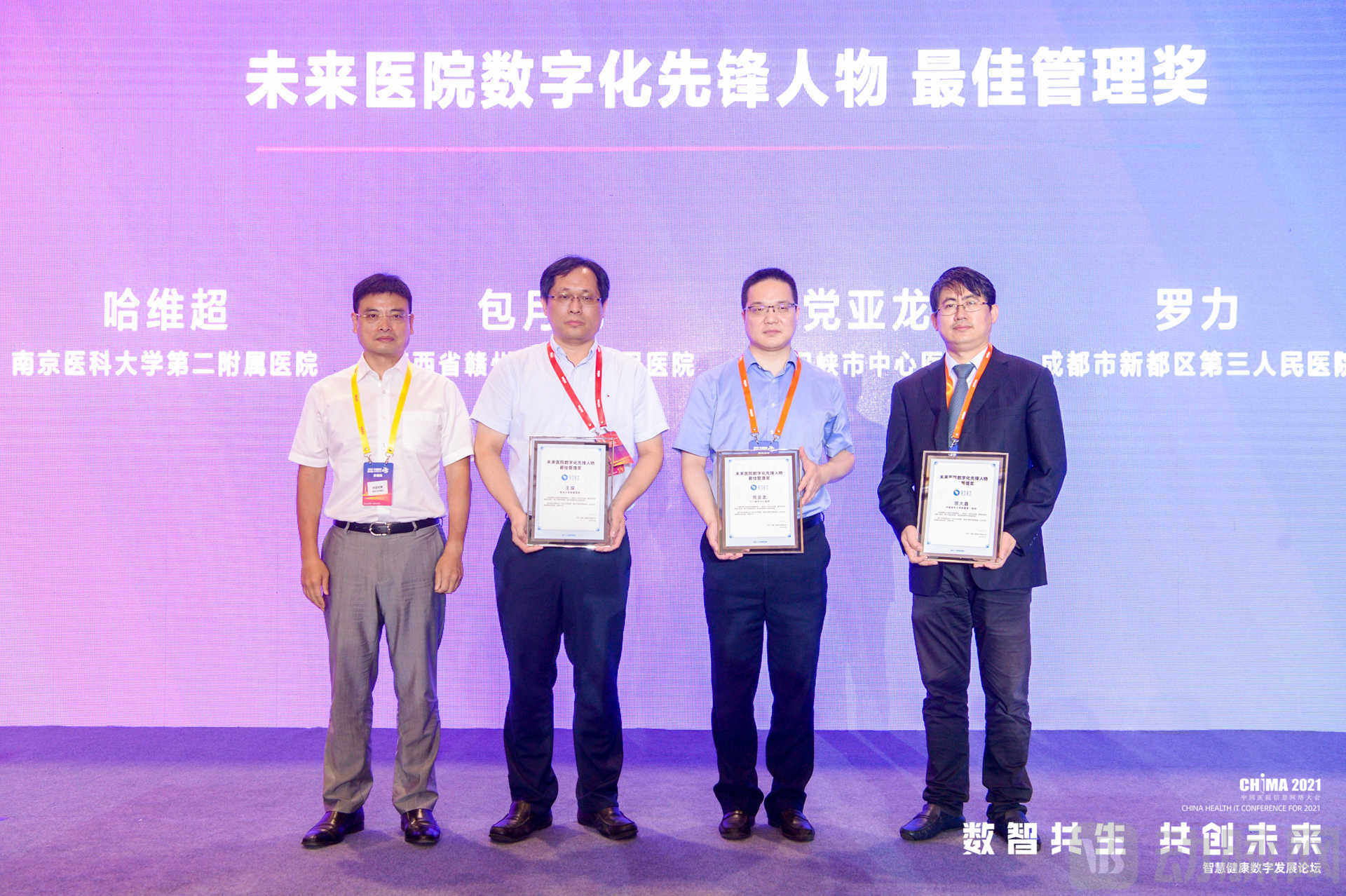
Following the speeches, the Best Practice Award for Digital Pioneers in Future Hospitals and the Best Management Award were presented at the venue. Fourteen IT experts, including Mr. Wang Chen, Assistant to the President of the Affiliated Hospital of Qingdao University; Gong Daxin from the Smart Management Department of the First Hospital of China Medical University; Party Yuanlong, Member of the Party Committee and Vice President of Sanmenxia Central Hospital; Xu Li from the Medical Affairs Department of the Second Affiliated Hospital of Zhejiang University School of Medicine; Ma Jianghua, Director of the Information Center of the Qingpu Branch of Zhongshan Hospital Fudan University; Chen Jie, Director of the Information Center of Zhejiang Provincial People's Hospital; Fei Kefeng, Director of the Information Center of Zhejiang Hospital; and Jiang He, Director of the Information Management Office of Changchun Maternity Hospital, among others, received these awards for their contributions to advancing intelligent hospital management.
During the final roundtable session of the forum, Lou Yuanbo, Deputy Director of the Healthcare Industry Division under DingTalk Business Unit of Alibaba Cloud Intelligence Group, engaged in an in-depth discussion with Dang Yalong, Member of the Party Committee and Vice President of Sanmenxia Central Hospital; Gong Daxin, Director of the Smart Management Department at the First Affiliated Hospital of China Medical University; and Chen Jie, Director of the Information Center at Zhejiang Provincial People’s Hospital, on the topic of “How to Build Digital Infrastructure for Smart Hospital Management.”
Dang Yalong, Member of the Party Committee and Vice President of Sanmenxia Central Hospital, stated that DingTalk is a mobile platform offering exceptional convenience. It empowers hospital management and operations, enabling more refined and goal-oriented administration, enhancing patient satisfaction with medical services, and providing healthcare professionals with greater ease and efficiency in their work.
Gong Daxin, Director of the Smart Management Department at the First Affiliated Hospital of China Medical University, aims to leverage the DingTalk platform to further enhance its service capabilities in smart healthcare, smart services, and smart management for future hospitals. By practicing the art of medicine with wisdom and benefiting all people, he seeks to achieve the Internet of Everything, foster doctor-patient collaboration and interaction, and jointly create a better future.
Chen Jie, Director of the Information Center at Zhejiang Provincial People's Hospital, stated that DingTalk has enabled mobile office operations, serving as the sole gateway for hospital workflows. All tasks are conducted through DingTalk, offering significant convenience for both the hospital and its staff, enhancing operational feasibility, facilitating seamless integration with various applications, and supporting the promotion, learning, and improvement of business models. He expressed hope that DingTalk will remain true to its original mission, continue to transform and innovate, and look forward to a promising future.
In conclusion, Lou Yuanbo stated, “The regulatory framework for smart hospital management in the future is not a rigid ruler but a strategic direction. We will provide robust support and collaborate with all stakeholders to jointly build future-oriented hospital management systems.”
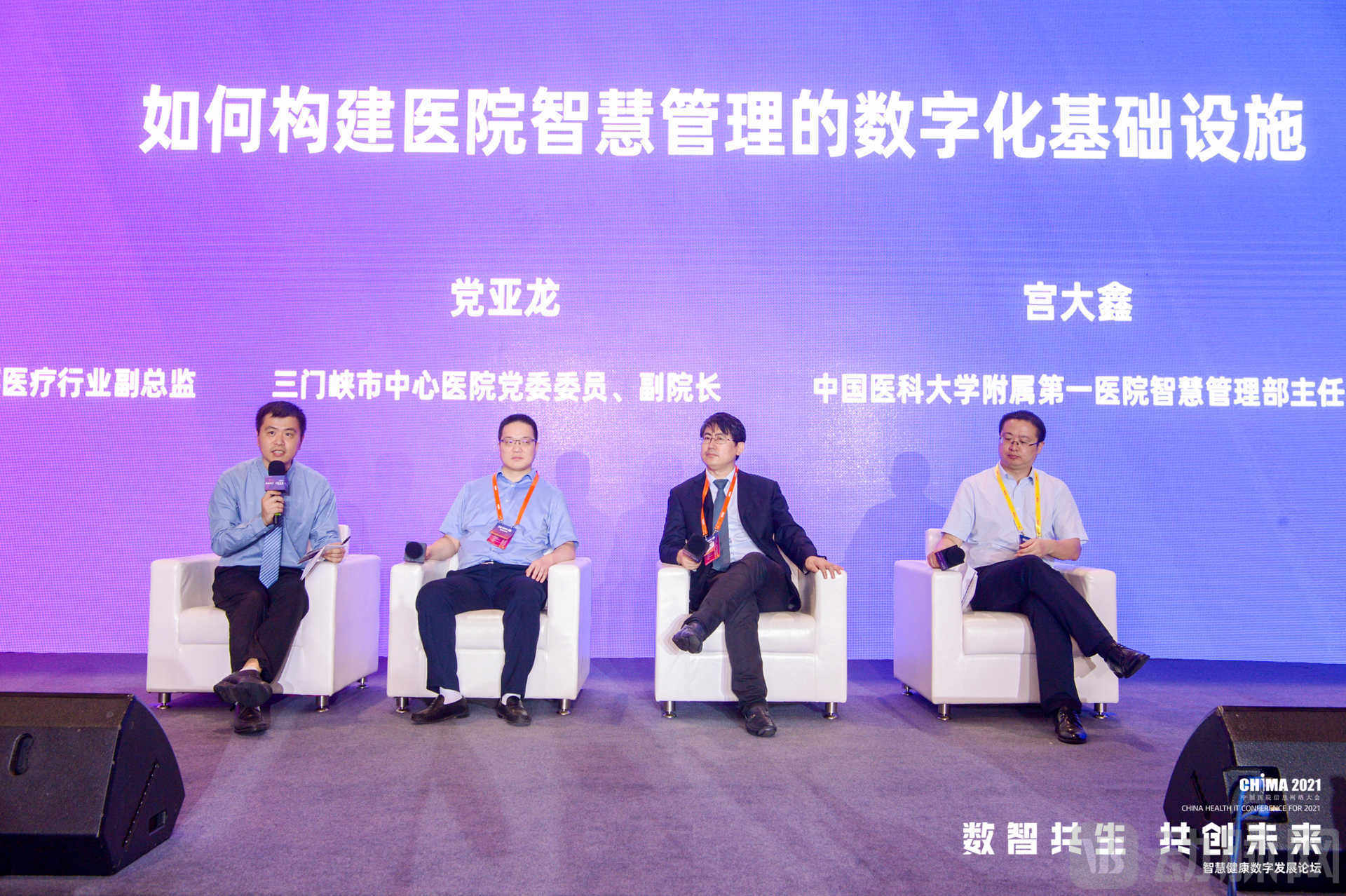 From left to right: Lou Yuanbo, Deputy Director of the Healthcare Industry Division, DingTalk Business Unit, Alibaba Cloud Intelligence Group; Dang Yalong, Member of the Party Committee and Vice President, Sanmenxia Central Hospital; Gong Daxin, Director of the Smart Management Department, The First Affiliated Hospital of China Medical University; Chen Jie, Director of the Information Center, Zhejiang Provincial People's Hospital
As the conference draws to a close, CHIMA 2021 is also nearing its end. To date, smart hospital management has achieved a breakthrough from “0” to “1”; however, numerous challenges remain to be overcome on the path forward. With boundless reach, Alibaba and many other enterprises are poised for action.